Search results
Search for "medicine" in Full Text gives 309 result(s) in Beilstein Journal of Nanotechnology. Showing first 200.
Liver-targeting iron oxide nanoparticles and their complexes with plant extracts for biocompatibility
Beilstein J. Nanotechnol. 2024, 15, 1593–1602, doi:10.3762/bjnano.15.125
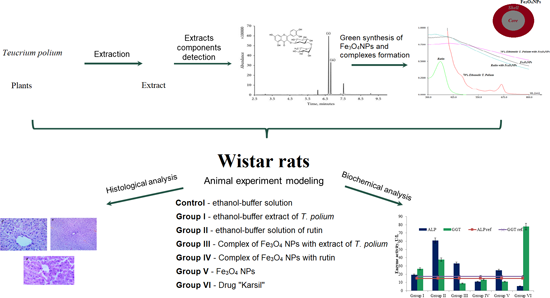
- samples on the liver of Wistar rats was identified. Keywords: biocompatibility; hepatotoxicity; iron oxide (Fe3O4) nanoparticle; rutin; Teucrium polium (T. polium); Introduction Leveraging nanotechnology, personalized medicine, and interdisciplinary collaboration is essential for overcoming the complex
- challenges associated with human health. Nanotechnology offers great opportunities in medicine because of the physicochemical properties at the nanoscale. There are efforts to apply unique quantum phenomena at the nanoscale in the fields of medicine, biomedical sciences, bioengineering, food technology
- , biochemistry, biophysics, and other disciplines within biology and medicine [1][2][3][4][5]. The development of nanotechnology has provided resources for various applications in the medical field, leading to significant advances in diagnosis, biological detection, therapy, and drug delivery [6][7][8][9]. An


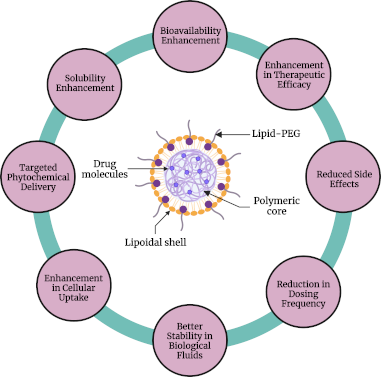
Polymer lipid hybrid nanoparticles for phytochemical delivery: challenges, progress, and future prospects
Beilstein J. Nanotechnol. 2024, 15, 1473–1497, doi:10.3762/bjnano.15.118
- Sciences, College of Medicine, AlMaarefa University, P.O. Box 71666, Riyadh 11597, Saudi Arabia Department of Orthopaedics, Saveetha Medical College and Hospital, Saveetha Institute of Medical and Technical Sciences (SIMATS), Saveetha University, Chennai-602105, Tamil Nadu, India Pharmacy Department, Tishk
- therapeutic efficacy [44]. The development of PLHNPs for phytochemical delivery holds significant promise across various biomedical applications. PLHNPs can be utilized in cancer therapy, cardiovascular disease management, neurodegenerative disorder treatment, and other areas of medicine where phytochemicals
- in Ayurvedic and Chinese medicine because of its numerous health benefits. CUR is known for a wide range of therapeutic effects, which include anti-inflammatory, antioxidant, antimicrobial, anticancer, cardioprotective, neuroprotective, anti-diabetic, and anti-arthritic properties [77][78]. Despite


Interaction of graphene oxide with tannic acid: computational modeling and toxicity mitigation in C. elegans
Beilstein J. Nanotechnol. 2024, 15, 1297–1311, doi:10.3762/bjnano.15.105
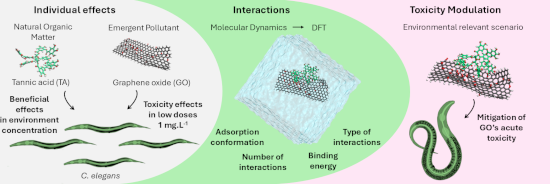
- ; toxicity mitigation; Introduction Graphene oxide (GO) has many potential applications in electronics, advanced materials, bio-medicine, energy, agriculture, and environmental technology [1][2][3]. It consists of a graphene sheet with surface oxygen functional groups such as epoxide, ketone, hydroxy


Dual-functionalized architecture enables stable and tumor cell-specific SiO2NPs in complex biological fluids
Beilstein J. Nanotechnol. 2024, 15, 1238–1252, doi:10.3762/bjnano.15.100
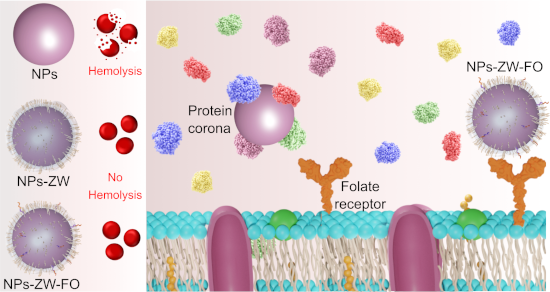
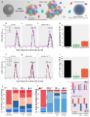
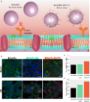
- concentrated red blood cell (RBC) (type B+) plastic bags, collected according to their consent form for blood donation, were provided by the Hemocenter from the Faculty of Medicine at the University of Campinas, São Paulo, Brazil. First, the RBCs were washed three times with PBS (pH 7.4, 10 mM) followed by

Realizing active targeting in cancer nanomedicine with ultrasmall nanoparticles
Beilstein J. Nanotechnol. 2024, 15, 1208–1226, doi:10.3762/bjnano.15.98
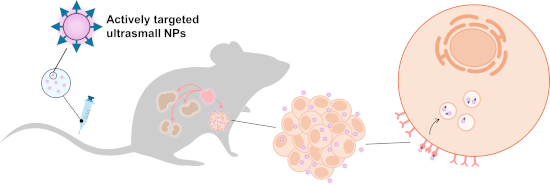
- . Keywords: active targeting; cancer; nanoclusters; renal clearance; ultrasmall nanoparticles; Review 1 Introduction Nanotechnology has opened new avenues for tackling unmet challenges in medicine [1][2][3]. In the field of oncology, a notable application involves the use of engineered nanoparticles (NPs


A low-kiloelectronvolt focused ion beam strategy for processing low-thermal-conductance materials with nanoampere currents
Beilstein J. Nanotechnol. 2024, 15, 1197–1207, doi:10.3762/bjnano.15.97
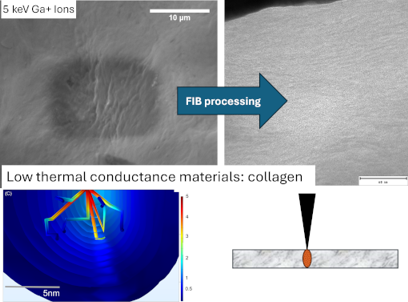
- Xiamen Medical College, Fujian, China School of Medicine and Dentistry, Griffith University, Gold Coast QLD 4222, Australia 10.3762/bjnano.15.97 Abstract Ion beam-induced heat damage in thermally low conductive specimens such as biological samples is gaining increased interest within the scientific




AI-assisted models to predict chemotherapy drugs modified with C60 fullerene derivatives
Beilstein J. Nanotechnol. 2024, 15, 1170–1188, doi:10.3762/bjnano.15.95
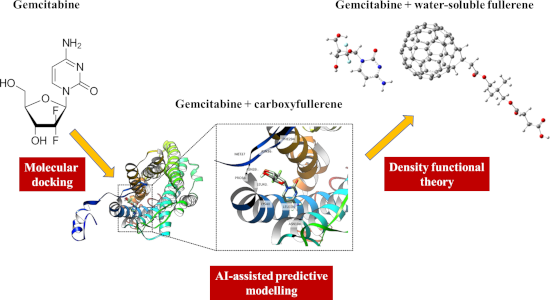
- in pharmacy and medicine is carbon-based nanomaterials because of their physicochemical, mechanical, electrical, thermal, and optical properties [19][20], as well as their capacity to modify existing drugs. Fullerene derivatives have been proposed recently, particularly those obtained from fullerene
- C60 [21]. The unmodified fullerene C60 is known as a “free radical sponge” because its double bonds tend to accept free radicals [22]. Because of its size, surface area, and capacity to extinguish or generate reactive oxygen species, C60 is very promising in medicine and clinical therapy [23][24]. It


Introducing third-generation periodic table descriptors for nano-qRASTR modeling of zebrafish toxicity of metal oxide nanoparticles
Beilstein J. Nanotechnol. 2024, 15, 1142–1152, doi:10.3762/bjnano.15.93
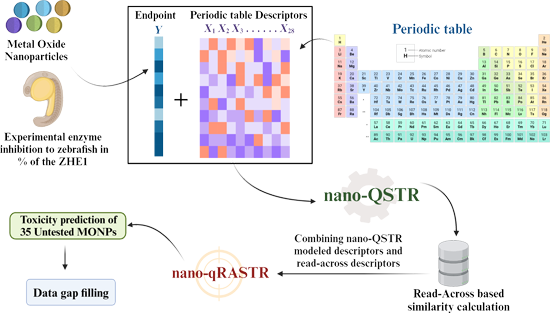
- Supratik Kar Siyun Yang Chemometrics and Molecular Modeling Laboratory, Department of Chemistry and Physics, Kean University, 1000 Morris Avenue, Union, NJ 07083, USA 10.3762/bjnano.15.93 Abstract Metal oxide nanoparticles (MONPs) are widely used in medicine and environmental remediation because


Recent updates in applications of nanomedicine for the treatment of hepatic fibrosis
Beilstein J. Nanotechnol. 2024, 15, 1105–1116, doi:10.3762/bjnano.15.89
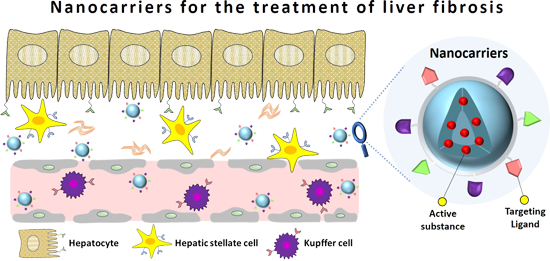
- ), LAPTIAB 1, PUSPIPTEK, Tangerang Selatan 15314, Indonesia Research Center for Pharmaceutical Ingredients and Traditional Medicine, National Research and Innovation Agency (BRIN), LAPTIAB 1, PUSPIPTEK, Tangerang Selatan 15314, Indonesia 10.3762/bjnano.15.89 Abstract Over recent decades, nanomedicine has
- regenerative medicine. Aiming to improve the treatment outcomes, new nanomedicinal drugs and formulations have been reported on an almost daily basis for targeting various diseases. Until now, most nanomedicine applications have focused primarily on drug delivery and theranostic nanoplatforms for cancer


Unveiling the potential of alginate-based nanomaterials in sensing technology and smart delivery applications
Beilstein J. Nanotechnol. 2024, 15, 1077–1104, doi:10.3762/bjnano.15.88
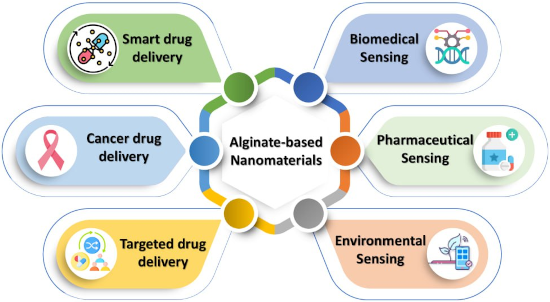
- applications. Biodegradable and bioabsorbable polymers are an excellent choice for a variety of innovative drug delivery systems (DDSs). Biopolymers are also used in cutting-edge scientific applications such as gene expression, tissue engineering, smart drug delivery, and biosensors [11][19]. Modern medicine
- contamination with heavy metals are good examples of the need for sensors [23]. In addition, incurable diseases such as cancer can be detected by biosensors, and the application of biosensors is also very important for medicine and pharmaceuticals [18][24][25]. Natural biopolymers are abundant and exhibit
- ease discomfort. Gastric dressing occurs when sodium alginate and hydrochloric acid are combined in the stomach. Additionally, alginate can prevent obesity by lowering body weight [30]. All the qualities make sodium alginate indispensable for a wide range of applications in medicine and sensing. As a


Atomistic insights into the morphological dynamics of gold and platinum nanoparticles: MD simulations in vacuum and aqueous media
Beilstein J. Nanotechnol. 2024, 15, 995–1009, doi:10.3762/bjnano.15.81
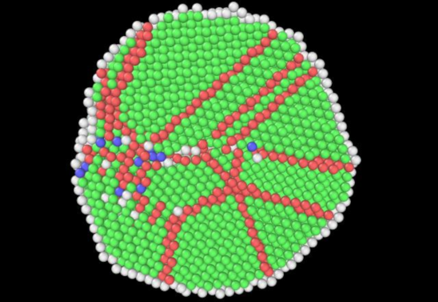
- , from medicine and engineering to the environment and energy. Because of their small size, nanoparticles (NPs) have only been discovered relatively recently, although they have been present in the environment throughout earth’s and human history, emerging from various sources including biological


Identification of structural features of surface modifiers in engineered nanostructured metal oxides regarding cell uptake through ML-based classification
Beilstein J. Nanotechnol. 2024, 15, 909–924, doi:10.3762/bjnano.15.75
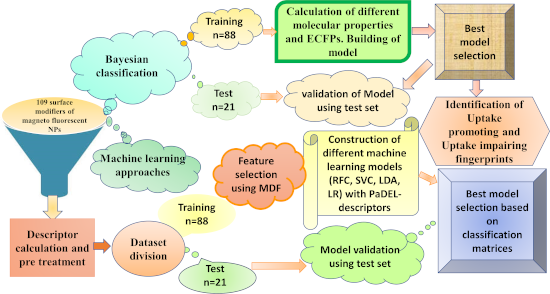
- medicine, electronics, and environmental science. Understanding the structural aspects of surface modifiers in nanoparticles that govern their cellular uptake is crucial for optimizing their efficacy and minimizing potential cytotoxicity. The cellular uptake is influenced by multiple factors, namely, size
- nanoparticles consist of metal elements bonded with oxygen in intricate structures [3][4]. They exhibit exceptional physicochemical properties, which have led to their widespread utilization across various industries [5][6]. These nanomaterials are employed in, for example, electronics, cosmetics, and medicine


Simultaneous electrochemical determination of uric acid and hypoxanthine at a TiO2/graphene quantum dot-modified electrode
Beilstein J. Nanotechnol. 2024, 15, 719–732, doi:10.3762/bjnano.15.60
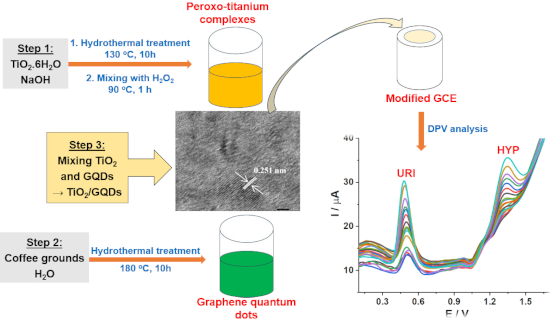
- Vu Ngoc Hoang Dang Thi Ngoc Hoa Nguyen Quang Man Le Vu Truong Son Le Van Thanh Son Vo Thang Nguyen Le Thi Hong Phong Ly Hoang Diem Kieu Chan Ly Ho Sy Thang Dinh Quang Khieu University of Sciences, Hue University, Vietnam Tan Hiep High School, Kien giang, Vietnam University of Medicine and Pharmacy


Exfoliation of titanium nitride using a non-thermal plasma process
Beilstein J. Nanotechnol. 2024, 15, 631–637, doi:10.3762/bjnano.15.53
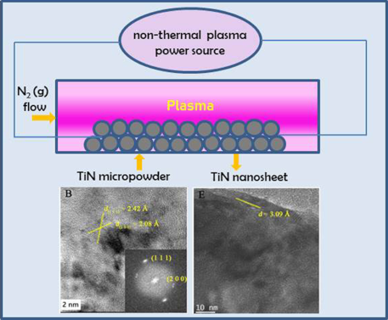
- composition of TiN were preserved, the crystallite size was reduced. These TiN nanosheets have a great potential for a range of cutting-edge applications in fields such as medicine, catalysis, and energy-related technologies. Hence, further exploration and development of these TiN nanosheets are expected to



Cholesterol nanoarchaeosomes for alendronate targeted delivery as an anti-endothelial dysfunction agent
Beilstein J. Nanotechnol. 2024, 15, 517–534, doi:10.3762/bjnano.15.46
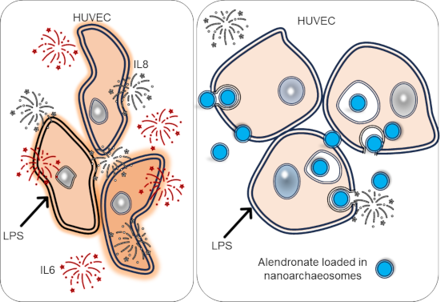
- (HUVECs) were obtained by Dr. Nancy Lorena Charó from the Institute of Experimental Medicine, CONICET-National Academy of Medicine, with the tenets of the Declaration of Helsinki and a protocol previously approved by the institution’s ethics committee. Briefly, the umbilical cord was collected after



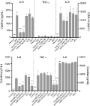


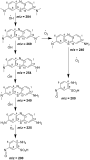
Photocatalytic degradation of methylene blue under visible light by cobalt ferrite nanoparticles/graphene quantum dots
Beilstein J. Nanotechnol. 2024, 15, 475–489, doi:10.3762/bjnano.15.43
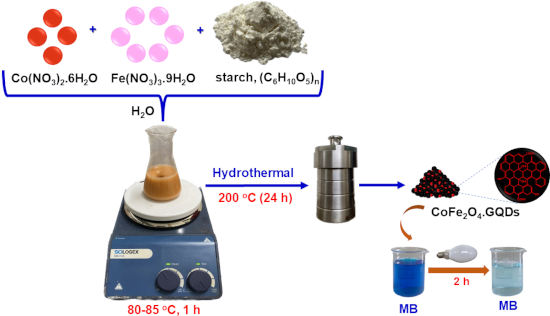
- Vo Chau Ngoc Anh Le Thi Thanh Nhi Le Thi Kim Dung Dang Thi Ngoc Hoa Nguyen Truong Son Nguyen Thi Thao Uyen Nguyen Ngoc Uyen Thu Le Van Thanh Son Le Trung Hieu Tran Ngoc Tuyen Dinh Quang Khieu University of Pharmacy and Medicine, Hue University, Vietnam University of Sciences, Hue University




Fabrication of nanocrystal forms of ᴅ-cycloserine and their application for transdermal and enteric drug delivery systems
Beilstein J. Nanotechnol. 2024, 15, 465–474, doi:10.3762/bjnano.15.42
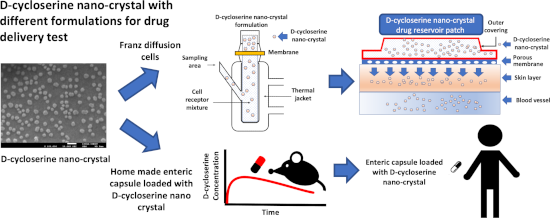
- Biobehavioral Sciences, UCLA School of Medicine, 10833 Le Conte Ave, Los Angeles, CA 90095, USA 10.3762/bjnano.15.42 Abstract ᴅ-cycloserine (DCS), an FDA-approved medicine for the treatment of tuberculosis, is also a partial agonist at the glycine recognition site of N-methyl-ᴅ-aspartate (NMDA) receptor and


Potential of a deep eutectic solvent in silver nanoparticle fabrication for antibiotic residue detection
Beilstein J. Nanotechnol. 2024, 15, 426–434, doi:10.3762/bjnano.15.38
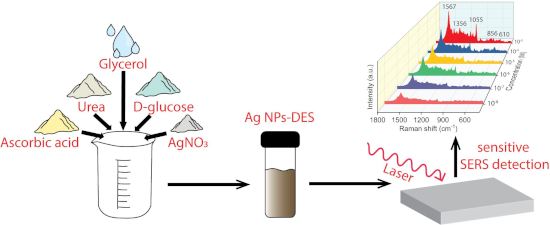
- , methemoglobinemia, allergy, damaged liver, nausea, and cancer [33][34][35][36]. Despite these side effects, they are illegally overused in the food industry and medicine, which threatens the human food chain and negatively affects public health [37]. By evaluating the SERS parameters of the Ag NPs-DES substrate


Classification and application of metal-based nanoantioxidants in medicine and healthcare
Beilstein J. Nanotechnol. 2024, 15, 396–415, doi:10.3762/bjnano.15.36
- Nguyen Nhat Nam Nguyen Khoi Song Tran Tan Tai Nguyen Nguyen Ngoc Trai Nguyen Phuong Thuy Hoang Dang Khoa Do Nhu Hoa Thi Tran Kieu The Loan Trinh Applied Biology Center, School of Agriculture and Aquaculture, Tra Vinh University, Tra Vinh City 87000, Vietnam College of Korean Medicine, Gachon
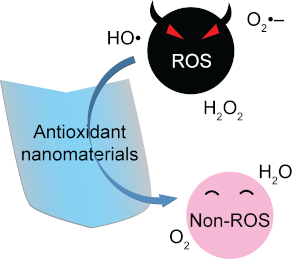
- Antioxidants play an important role in the prevention of oxidative stress and have been widely used in medicine and healthcare. However, natural antioxidants have several limitations such as low stability, difficult long-term storage, and high cost of large-scale production. Along with significant advances in
- nanomaterials in medicine and healthcare are also discussed. This review provides a deeper understanding of the mechanisms of metal-based nanoantioxidants and a guideline for using these nanomaterials in medicine and healthcare. Keywords: antioxidant nanomaterial; healthcare; medicine; nanotechnology


Investigating ripple pattern formation and damage profiles in Si and Ge induced by 100 keV Ar+ ion beam: a comparative study
Beilstein J. Nanotechnol. 2024, 15, 367–375, doi:10.3762/bjnano.15.33
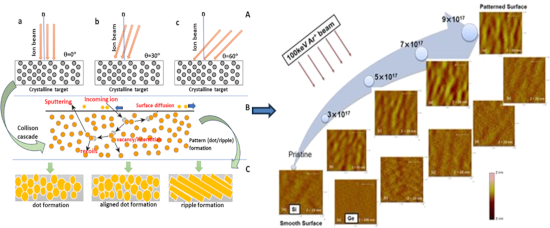
- electron microscopy; Introduction Scientific research varying from electronics to photonics, homeland security, high-resolution parallel patterning of magnetic media, biotechnology, and medicine are based upon nanotechnology. These applications require nanopatterning techniques to fabricate devices or


Ultrasensitive and ultrastretchable metal crack strain sensor based on helical polydimethylsiloxane
Beilstein J. Nanotechnol. 2024, 15, 270–278, doi:10.3762/bjnano.15.25
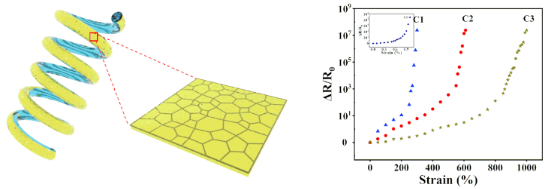
- polydimethylsiloxane. Supporting Information Supporting Information File 16: Additional experimental data. Funding This work was financially supported by the Nursing Young Talent Project of Shanghai Jiao Tong University School of Medicine (No. JDHLRC-202304).


Vinorelbine-loaded multifunctional magnetic nanoparticles as anticancer drug delivery systems: synthesis, characterization, and in vitro release study
Beilstein J. Nanotechnol. 2024, 15, 256–269, doi:10.3762/bjnano.15.24
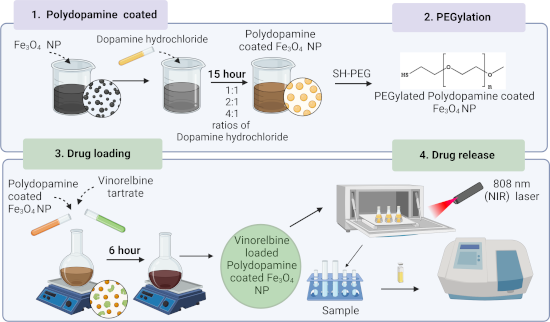
- cancer cell growth, slowing their proliferation and disrupting mitotic regulation, leading to the stimulation of the tumor suppressor gene p53 and the inhibition or inactivation of various signaling pathways [31][32]. Its widespread adoption in medicine can be attributed to its strong therapeutic


Multiscale modelling of biomolecular corona formation on metallic surfaces
Beilstein J. Nanotechnol. 2024, 15, 215–229, doi:10.3762/bjnano.15.21
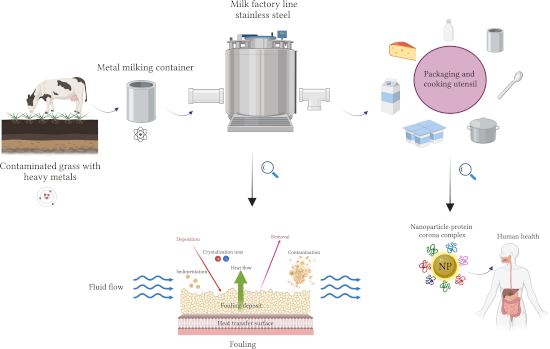
- corona; Introduction The interface between biological systems and engineered materials has gained significant attention in recent years because of its wide range of applications, spanning from food to medicine and environmental science [1][2]. This interface plays a crucial role in ensuring the safety





Influence of conductive carbon and MnCo2O4 on morphological and electrical properties of hydrogels for electrochemical energy conversion
Beilstein J. Nanotechnol. 2024, 15, 57–70, doi:10.3762/bjnano.15.6
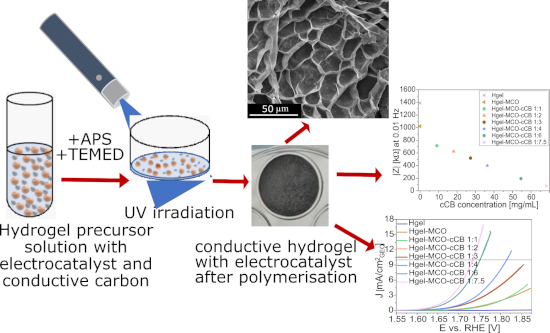
- history and a wide range of applications, especially in biology, medicine, tissue engineering, and pharmacy. The multitude of application areas is related to their exceptional properties: biocompatibility, biodegradability, nontoxicity, good permeability for substances dissolved in water (e.g., oxygen and


Nanotechnological approaches in the treatment of schistosomiasis: an overview
Beilstein J. Nanotechnol. 2024, 15, 13–25, doi:10.3762/bjnano.15.2

- treatment of schistosomiasis Praziquantel It is not surprising that praziquantel is the most encapsulated drug. It remains the only effective frontline medicine to treat the disease, and is currently characterized by its exclusive and extensive use as an important antischistosomal drug [46]. However, PZQ
- is just one formulation of PZQ developed for pediatric use which is commercially available: Epiquantel (40 mg/kg), a liquid formulation produced by Eipico, an Egyptian pharmacy industry. However, this medicine is not distributed by WHO and, thus, few works tried to use nanotechnology to change the
- antioxidant, anticoagulant, anti-bacterial, immunostimulatory, and hepatotoxic protection properties [87][88][89]. Because of that, it has been used in traditional medicine to treat inflammation and pain [90]. Mohamed et al. [91] reported that bee venom administered in infected mice reduces worm burden, ova