


Search results
Search for "surfaces" in Full Text gives 1303 result(s) in Beilstein Journal of Nanotechnology. Showing first 200.
Advances of aptamers in esophageal cancer diagnosis, treatment and drug delivery
Beilstein J. Nanotechnol. 2025, 16, 1734–1750, doi:10.3762/bjnano.16.121

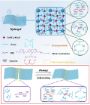
- frequently compromised by acquired drug resistance. Studies have revealed that one pivotal mechanism underlying this resistance involves the overexpression of P-gp on tumor cell surfaces [109]. Notably, DOX has been widely employed in drug delivery systems [110][111] due to its unique ability to
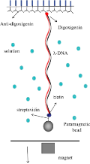
- overexpressed on cell surfaces; it can be directly used as a wide-range tumor therapeutic [120]. Zheng et al. [121] developed a novel aptamer conjugate drug that utilizes AS1411 aptamer targeting nucleolin to achieve targeted therapy against EC cells by binding AS1411 to the apolipoprotein portion of human


Multifunctional anionic nanoemulsion with linseed oil and lecithin: a preliminary approach for dry eye disease
Beilstein J. Nanotechnol. 2025, 16, 1711–1733, doi:10.3762/bjnano.16.120

- potential (−33.3 to −44.7 mV) reflect the influence of surface-active functional groups, particularly the phosphate groups in lecithin. This effect was statistically significant (F = 15.24, p = 0.00235, one-way ANOVA), as reported in Table 3. These groups impart a negative charge to the droplet surfaces
- droplets, increasing surfactant mobility on their surfaces [98]. This mobility may create gaps at the interface, ultimately promoting coalescence and causing destabilization over time. To avoid this effect, Kolliphor® HS15, a non-ionic hydrophilic surfactant, was added as a second surfactant. The addition
- anchors onto the surfaces of the oil droplets. Additionally, the ultrasound process further contributes to size reduction by promoting droplet fragmentation. The smaller droplet size increases the surface-area-to-volume ratio, enhancing electrostatic shielding. This effect is particularly pronounced when




Ambient pressure XPS at MAX IV
Beilstein J. Nanotechnol. 2025, 16, 1677–1694, doi:10.3762/bjnano.16.118

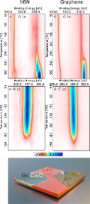
- heterogeneous catalysis, corrosion, and thin film growth. Given that surfaces are heavily influenced by their surroundings, it is essential to study them in situ, while exposed to realistic reaction conditions, or operando, when producing reaction products under realistic conditions. X-ray photoelectron
- additionally available, which allows for preparing sample surfaces before commencing the APXPS experiments. Both beamlines have other external light sources (e.g., to provide solar radiation or UV light) available to all users in order to perform photocatalysis experiments. HIPPIE offers also a catalytic
- observation of catalytic surfaces under reaction conditions. This allows for full life cycle characterization of catalysts, offering insights into surface structure, composition, and dynamic behavior during catalysis. Thanks to its intrinsic surface sensitivity, APXPS is uniquely positioned to probe the





Nanotechnology-based approaches for the removal of microplastics from wastewater: a comprehensive review
Beilstein J. Nanotechnol. 2025, 16, 1607–1632, doi:10.3762/bjnano.16.114
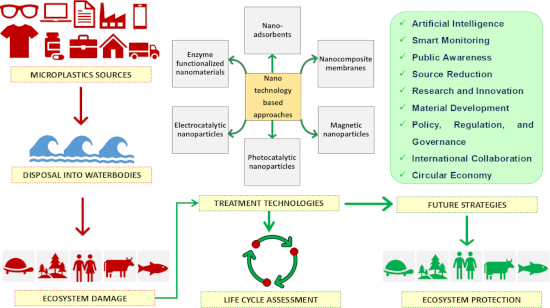
- . Common chemical treatment techniques include coagulation, flocculation, precipitation, and electrocoagulation [18]. Even though both physical and chemical methods are found to be effective in the removal of MPs, they pose several challenges on the remediation of MPs, such as blocking pores and surfaces
- six degrees of freedom due to their negative photogravitaxis. Their self-propelling capability, combined with tunable surface charge (zeta potential), enables rapid attraction and capture of nanoplastics onto their surfaces and between layered structures. The magnetic nature of the microrobots allows
- , their ability to trigger photocatalytic reactions under UV light makes them effective for breaking down MPs. Among these materials, silver is especially valued for its suitability in creating corrosion-resistant surfaces. Membranes composed of metals and metal oxides exhibit strong adsorption



Dendrimer-modified carbon nanotubes for the removal and recovery of heavy metal ions from water
Beilstein J. Nanotechnol. 2025, 16, 1522–1532, doi:10.3762/bjnano.16.107
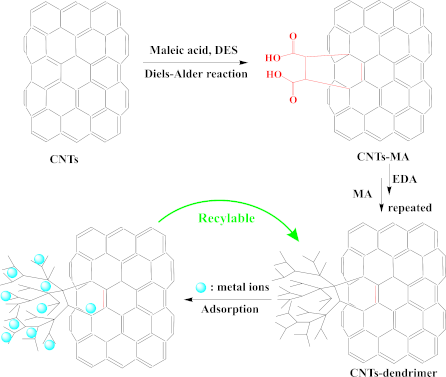
- metals from water solution [28][29][30]. However, the poor dispersibility of bare CNTs in most solvents including water is a significant limitation to their wider applicability. Covalent modification of CNT surfaces with dendrimers of desirable functionality can improve their dispersibility and binding
- efficiency. Generally, dendrimer growth on CNT surfaces requires pre-functionalization through radiation or chemical oxidation processes involving strong acids and oxidants [31][32][33][34][35]. However, these processes can damage CNTs, thus diminishing their core properties and generating large amounts of
- acidic waste at the same time. Covalent functionalization of dendrimers on CNT surfaces via Diels–Alder reactions transforming sp2 carbon into sp3 carbon is a desirable alternative. This technique has been successfully used to generate various functionalities on CNT surfaces using different organic


Cross-reactivities in conjugation reactions involving iron oxide nanoparticles
Beilstein J. Nanotechnol. 2025, 16, 1504–1521, doi:10.3762/bjnano.16.106
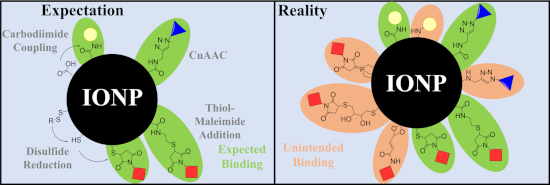
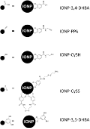
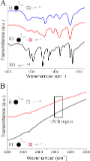
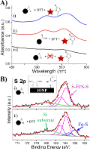
- not drawn to scale, and certain sections of ligand molecules may be omitted. Figure 2 provides a legend with the more detailed structural formulae of the IONP surfaces for each preparation. FTIR analysis of IONP-PPA shows a very weak bump in the spectrum at 2122 cm−1, which may be attributed to the
- surfaces, as any subsequent maleimide conjugation may, in fact, be due to the presence of surface-bound DTT, rather than (or in addition to) successful cleavage of the disulfide bonds. Use of disulfide reducing agents: tris(2-carboxyethyl)phosphine To get around the interferences of the DTT thiols







Nanomaterials for biomedical applications
Beilstein J. Nanotechnol. 2025, 16, 1499–1503, doi:10.3762/bjnano.16.105
- to spread, stay attached, and turn into different cell types. Electrospun polymers could produce these nanofibers, which are widely applied for nerve treatment, bone growth, and wound healing [26]. A second approach is the utilization of nano-patterned surfaces. These surfaces have carefully designed
- slowly release therapeutic compounds over time. For instance, anti-inflammatory medications or antibiotics benefit the patient over a longer period without additional procedures. Bone-related implants have demonstrated that nanoscale surfaces stimulate the growth and attachment of bone cells, allowing
Laser processing in liquids: insights into nanocolloid generation and thin film integration for energy, photonic, and sensing applications
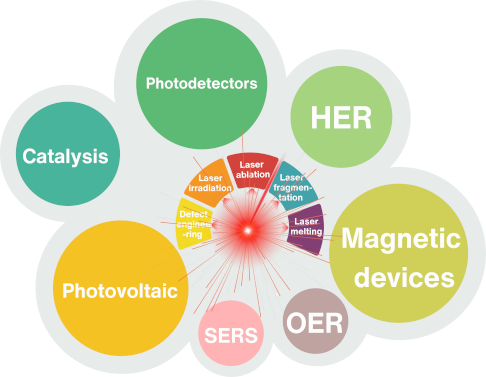
Beilstein J. Nanotechnol. 2025, 16, 1428–1498, doi:10.3762/bjnano.16.104






Photochemical synthesis of silver nanoprisms via green LED irradiation and evaluation of SERS activity
Beilstein J. Nanotechnol. 2025, 16, 1417–1427, doi:10.3762/bjnano.16.103
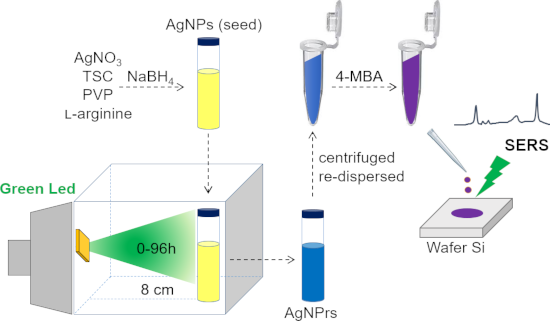
- play decisive roles, namely, the source of silver ions (Ag+) and the reducing agent that converts Ag+ to metallic silver (Ag0). Upon LED irradiation of the system containing initial AgNPs seeds, the atomic layers of silver at the nanoparticle surfaces are excited and oxidized by dissolved oxygen in the
- released from TSC immediately reduce Ag+ to Ag0. Since the (111) facets are protected by TSC, the newly formed Ag0 preferentially deposits on the (100) and (110) surfaces, leading to planar two-dimensional growth and the formation of planar twinned seeds [6][7]. Subsequently, as LED irradiation continues
- , the surfaces of the silver nanomaterials (initial AgNP seeds, planar twinned seeds) are continuously excited, and the growth of AgNPrs proceeds via two mechanisms (Figure 6). These mechanisms are: (1) TSC continues to be excited and promotes the reduction of Ag+, resulting in the deposition of Ag0 on


The role of biochar in combating microplastic pollution: a bibliometric analysis in environmental contexts
Beilstein J. Nanotechnol. 2025, 16, 1401–1416, doi:10.3762/bjnano.16.102
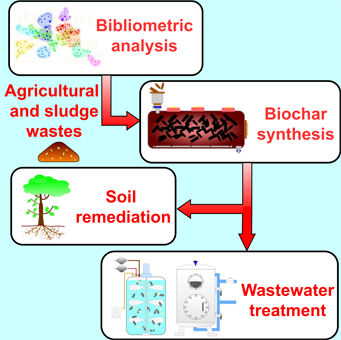
- utilizing silica sand and corn straw biochar for 10 µm PS particles [38]. For particles larger than 75 µm, mechanisms such as hydrogen bonding and hydrophobic interactions dominate, while smaller particles (<75 µm) are removed through π–π interactions between the benzene rings of PS and biochar surfaces
- of these two models are based on different mechanisms, as described in Figure 6. MP removal by BC filter columns is primarily facilitated by the fixation of particles through filtration effects, entanglement due to surface roughness and hydrophobic interactions [47]. The negatively charged surfaces
- the rate at which MPs adhere to biochar surfaces. Most studies employ pseudo-first-order (PFO) and pseudo-second-order (PSO) models to describe adsorption behavior [74]. The analysis of kinetic models for both biochar and modified biochar reveals that the correlation coefficient (R2) for PSO is



Parylene-coated platinum nanowire electrodes for biomolecular sensing applications
Beilstein J. Nanotechnol. 2025, 16, 1392–1400, doi:10.3762/bjnano.16.101
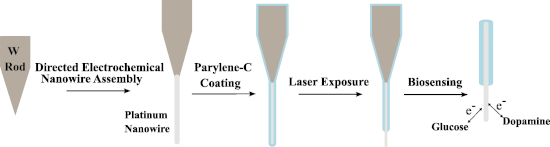
- introduced. Results show that the diameter of the platinum nanowire and electrode tip length can be tuned down to 120 nm and 1.2 µm, respectively, where the exposed nanowires on the electrode tips are chemically active and their surfaces can be modified for specific biosensing applications. The biosensing


Synthesis and antibacterial properties of nanosilver-modified cellulose triacetate membranes for seawater desalination
Beilstein J. Nanotechnol. 2025, 16, 1380–1391, doi:10.3762/bjnano.16.100
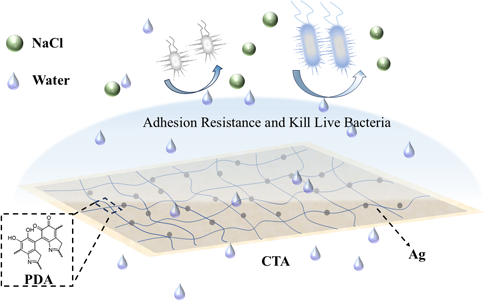
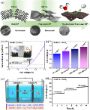
- , PCTA, and Ag@PCTA. High-resolution XPS spectra of Ag in (b) CTA, (c) PCTA, and (d) Ag@PCTA. (a, c, e) Top-view and (b, d, f) cross-sectional SEM images of (a, c) CTA, (c, d) PCTA, and (e, f) Ag@PCTA membrane surfaces. The inset (top right) provides a higher magnification view of the selected region


Automated collection and categorisation of STM images and STS spectra with and without machine learning
Beilstein J. Nanotechnol. 2025, 16, 1367–1379, doi:10.3762/bjnano.16.99
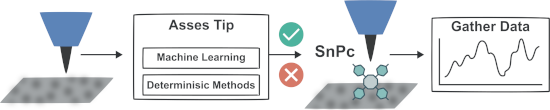
- accomplished via assessment of the imaging quality on the target molecule and also the characteristics of the scanning tunnelling spectra (STS) on clean metal surfaces. Critically for spectroscopic experiments, assessment of the spatial resolution of the image is not sufficient to ensure a high-quality tip for
- properties of surfaces and molecules with atomic precision. This opens up the ability to map the local density of states (LDOS) of a sample with high spatial resolution [1][2][3]. Peaks within a map of the LDOS correspond to increases in conductance at specific bias values, revealing the energy levels of key
- automation of this process could result in a more rapid and reproducible method for performing spectroscopy measurements. To classify the state of the probe for STS experiments, spectra are usually taken over bare areas of a metallic substrate. On coinage metal surfaces, these spectra typically exhibit a






Enhancing the therapeutical potential of metalloantibiotics using nano-based delivery systems
Beilstein J. Nanotechnol. 2025, 16, 1350–1366, doi:10.3762/bjnano.16.98
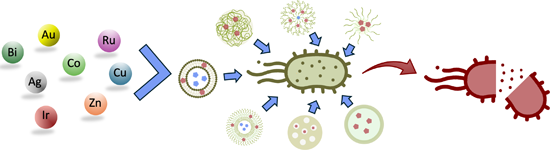
- drug carriers with ligands that bind to specific receptors overexpressed on the surface of the target site [45]. There are notable differences between the surfaces of eukaryotic cells and pathogenic bacteria, which provides obvious advantages in active-targeting strategies. In Gram-positive bacteria
- interact with upregulated mannose receptors on macrophage surfaces during inflammation. Mannosylated polymeric ligands have been developed for targeted delivery of antibacterial drugs to macrophages, leveraging the high-affinity interaction with mannose receptors on these immune cells [52]. Additionally
- during storage [83][84]. Their surfaces can be modified for targeted delivery, improving the bioavailability of therapeutic agents and allowing for their use in a variety of medical applications. Despite these advantages, challenges such as particle aggregation and potential toxicity continue to persist


Wavelength-dependent correlation of LIPSS periodicity and laser penetration depth in stainless steel
Beilstein J. Nanotechnol. 2025, 16, 1302–1315, doi:10.3762/bjnano.16.95
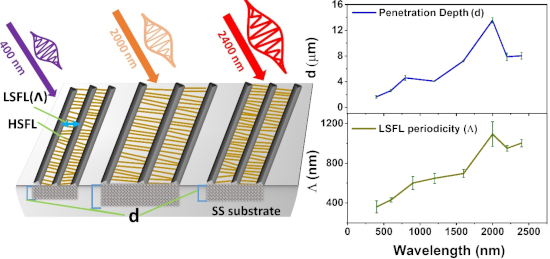
- ); maximum LIPSS; penetration depth; Introduction Nanostructuring on surfaces plays a pivotal role in governing surface properties, and laser-induced periodic surface structures (LIPSS) have emerged as a potent method for achieving nanoscale surface modifications. Over the past decade, LIPSS and laser
- structuring offers a straightforward means to manipulate the functional and surface characteristics of substrates [10][11][12][13]. The applications span a broad spectrum, encompassing colorization control, self-cleaning surfaces, regulation of cell and bacterial films, antireflective surfaces, surface
- spatial periodicity (Λ) relative to the laser wavelength (λ). Typically in metal surfaces with high absorbance, the range of LSFL periodicity is λ > Λ > λ/2, oriented perpendicular to the incident polarization, and HSFL periodicities are much smaller and in the range of Λ < λ/2, orientated parallel to the




Mechanical stability of individual bacterial cells under different osmotic pressure conditions: a nanoindentation study of Pseudomonas aeruginosa
Beilstein J. Nanotechnol. 2025, 16, 1171–1183, doi:10.3762/bjnano.16.86
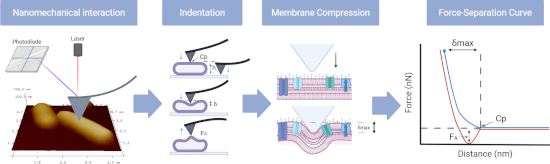
- regular adhesive tape, and coated with 5 μL of the cationic polymer poly-ʟ-lysine (PLL, MW 40 kDa, Sigma-Aldrich). The drop of PLL was not allowed to dry but incubated for 10 min, and then the surfaces were repeatedly rinsed with Milli-Q water to allow the formation of a thin film. This coating promotes
- the bacteria surfaces along each scanned line, only a few test the central region of interest, where mechanics models can better estimate the rigidity or elastic modulus. The different orientations of the rod-shaped morphology of PA on the substrate while being scanned by the quasi-conical AFM tip


Crystalline and amorphous structure selectivity of ignoble high-entropy alloy nanoparticles during laser ablation in organic liquids is set by pulse duration
Beilstein J. Nanotechnol. 2025, 16, 1141–1159, doi:10.3762/bjnano.16.84
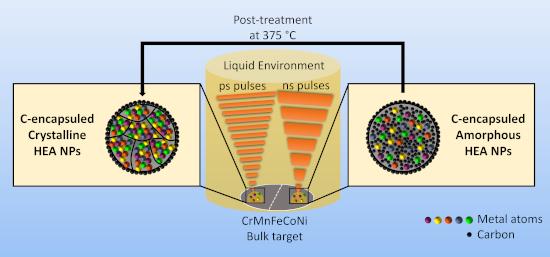
- sizes of 108 and 153 nm, respectively. Furthermore, the elemental composition of the target was analyzed by SEM-EDX and XRF, differentiating compositions on the upper and lower surfaces of the target as well as the core composition determined by EDX after target slicing. The overall composition of the
- pulses is that ns-LAL goes along with a more pronounced melting of the target surface (higher thermal penetration depth and lateral heating), compared to that of ps-LAL, a process that Waag et al. experimentally described by comparing target surfaces after both ps- and ns-LAL [87]. This is because in ns
- undercooling and solidification (TS) (Figure 5 (2)) whereas the carbon (if a carbon shell is formed) rather stays on the surface of the particle. Consequently, the HEA NPs are formed in crystalline nature (single- or polycrystalline, often with defects) with potential carbon species on their surfaces (e.g




Deep learning for enhancement of low-resolution and noisy scanning probe microscopy images
Beilstein J. Nanotechnol. 2025, 16, 1129–1140, doi:10.3762/bjnano.16.83
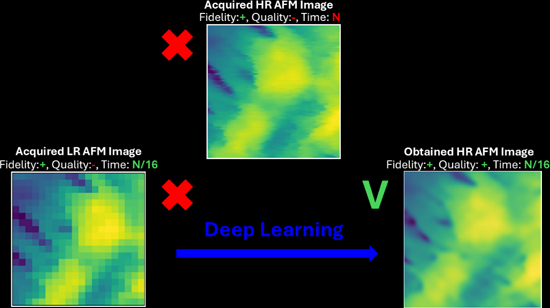
- ; low resolution; super resolution; Introduction The capability of atomic force microscopy (AFM) to achieve high resolution at the nanometer level in plane (xy) and at the angstrom level in height (z), on a variety of surfaces, is one of its major advantages. AFM topographical imaging enables high
- -resolution imaging of simple and complex surfaces that capture the sensitive features, details, and information of the surface structure. Whereas many manifestations of AFM are in use, including remarkable sub-molecular resolution for specialized systems working under low temperatures and high vacuum [1
- learning models trained on a large data set of real-world high-quality images. In this study, we collected data sets from two different relatively complex surfaces that contain unique but pseudo-repeating structures, which are typical of those seen over a wide range of images spanning common materials and


Influence of ion beam current on the structural, optical, and mechanical properties of TiO2 coatings: ion beam-assisted vs conventional electron beam evaporation
Beilstein J. Nanotechnol. 2025, 16, 1097–1112, doi:10.3762/bjnano.16.81
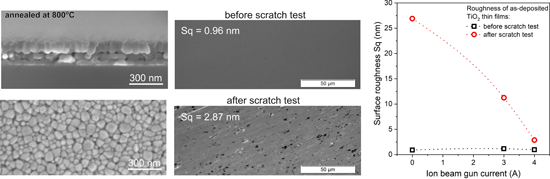
- coatings, there are no significant differences between the surface morphology for films deposited without and with ion gun. SEM images showed smooth surfaces composed of very small grains with columnar-like character. Post-process annealing caused a significant change of the surface and cross-section




Piezoelectricity of hexagonal boron nitrides improves bone tissue generation as tested on osteoblasts
Beilstein J. Nanotechnol. 2025, 16, 1068–1081, doi:10.3762/bjnano.16.78
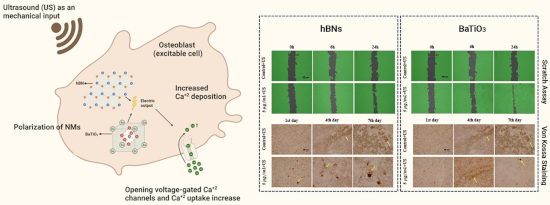
- , osteoclasts, osteoblasts, and osteocytes, which coordinate bone resorption and deposition. Bone lining cells cover bone surfaces and play a key role in osteoclast differentiation [4][5]. Osteoclasts are large, multinucleated cells responsible for bone resorption through lysosomal enzymes and acid secretion [6
- ]. Osteocytes, the longest-lived bone cells, arise from osteoblast differentiation and regulate bone maintenance [7]. Osteoblasts, found on bone surfaces, drive bone formation through two key steps: matrix deposition and mineralization. During matrix deposition, collagen and noncollagenous proteins are secreted


Soft materials nanoarchitectonics: liquid crystals, polymers, gels, biomaterials, and others
Beilstein J. Nanotechnol. 2025, 16, 1025–1067, doi:10.3762/bjnano.16.77
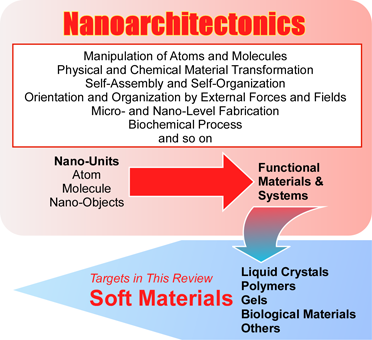
- , electronic devices, and electrochemical energy conversion and storage. Marmisollé and colleagues conducted research on “electrochemical nanoarchitectonics through polyaminobenzylamine–dodecyl phosphate complexes” and proposed a straightforward strategy for modifying electrode surfaces with self-assembled
- provides an optimal environment for membrane or membrane-associated proteins, thus paving the way for new bio-nanoarchitected devices. In particular, they can serve as electroactive components in sensing and energy devices. Furthermore, a unit-by-unit construction on solid surfaces to form end-on polymer
- within the MOF microporous matrix, which serves as an oxygen reservoir linked to the polymer electrocatalytic material, enhances the overall ORR activity. This exemplary work demonstrated the potential for a new method of fabricating MOF-based electrocatalytic surfaces. Further enhancements in






Multifunctional properties of bio-poly(butylene succinate) reinforced with multiwalled carbon nanotubes
Beilstein J. Nanotechnol. 2025, 16, 1014–1024, doi:10.3762/bjnano.16.76
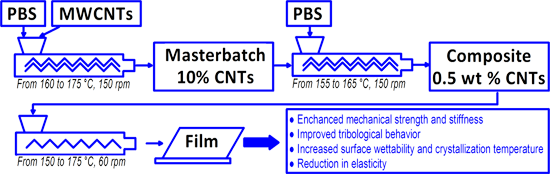
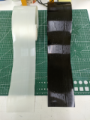
- for this purpose. Measurements were performed between smooth film surfaces (smooth to smooth) and rough film surfaces (rough to rough). The tests were carried out in accordance with PN-EN ISO 8295:2005 “Plastics – Film and Sheeting – Determination of the Coefficients of Friction” at a measurement



Time-resolved probing of laser-induced nanostructuring processes in liquids
Beilstein J. Nanotechnol. 2025, 16, 968–1002, doi:10.3762/bjnano.16.74
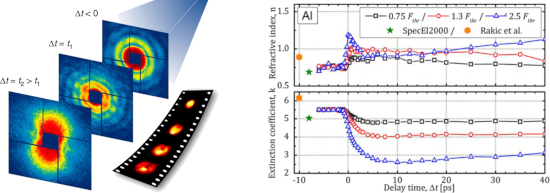
- simple handling and safe suspension of the products for further use. On the other hand, the interaction of the irradiated surfaces and NPs with the liquid forms an active interface for energy exchange, leading to extreme cooling rates of 1000 K per nanosecond, which quenches melted particles, generates
- formation threshold as well as bubble sizes [125][128]. Figure 8F shows that bubble size growth with laser fluence can be extracted with good correlation to X-ray results (Figure 8G). Structure formation, such as LAL or LFL in NP colloids and on surfaces, involves all steps of particle heating, melting


Shape, membrane morphology, and morphodynamic response of metabolically active human mitochondria revealed by scanning ion conductance microscopy
Beilstein J. Nanotechnol. 2025, 16, 951–967, doi:10.3762/bjnano.16.73
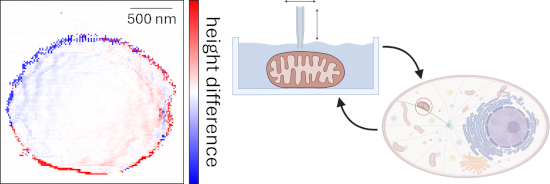
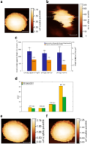
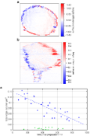
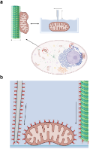
- to the hydrodynamic forces exerted by the nanopipette. Beyond mechanical similarities, microtubules and the nanopipette also share key “biophysical” properties. Both surfaces are strongly negatively charged, with ζ-potentials ranging from −30 to −60 mV [45]. Therefore, both exhibit a laterally mobile
- cation layer on their surfaces, which is responsible for ionic conductivity in physiological media (Figure 8b). Microtubules align along direct current electric field lines and can be vibrationally excited at megahertz frequencies by electric dipole antennas [46]. Other relevant properties include



Tendency in tip polarity changes in non-contact atomic force microscopy imaging on a fluorite surface
Beilstein J. Nanotechnol. 2025, 16, 944–950, doi:10.3762/bjnano.16.72
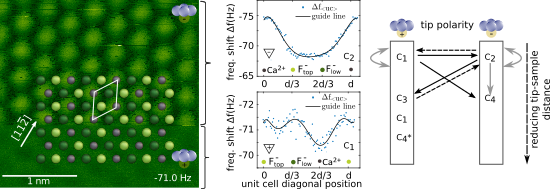
- -preserving and polarity-changing tip changes can be identified unambiguously. From analyzing a large set of images, we find that the vast majority of tip changes tend to result in negative tip termination. This analysis delivers hints for tip configurations suitable for stable imaging of CaF2(111) surfaces
- . Keywords: atomic resolution imaging; calcium fluoride surface; interaction force; non-contact atomic force microscopy (NC-AFM); tip change; Introduction Non-contact atomic force microscopy (NC-AFM) [1] is a surface science tool that has been used to atomically resolve surfaces of semiconductor and
- insulator materials in real space with unprecedented spatial resolution [2][3][4][5][6]. Besides high-resolution imaging of molecular structures [7], NC-AFM has demonstrated its ability to identify sublattices of atomic surfaces [8][9][10]. In these studies, the knowledge of the tip’s atomic structure plays





