
Search results
Search for "aluminium" in Full Text gives 156 result(s) in Beilstein Journal of Nanotechnology.
Synthesis of carbon nanowalls from a single-source metal-organic precursor
Beilstein J. Nanotechnol. 2018, 9, 1895–1905, doi:10.3762/bjnano.9.181
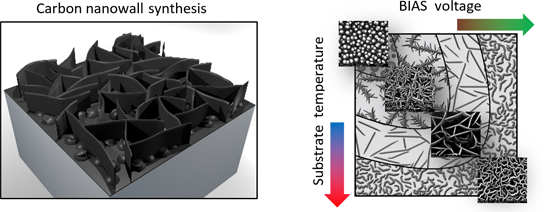
- the use of the single-source metal-organic precursor aluminium acetylacetonate. This precursor is relatively unknown in combination with the ICP-PECVD deposition method in literature and, thus, based on our previous publication is further investigated in this work to better understand the influence of
- temperature of the substrate and the substrate material had a strong influence on the morphology of the graphitic carbon nanowall structures. With regard to these results, a first growth model for the deposition of CNWs by ICP-PECVD and aluminium acetylacetonate is proposed. This model explains the formation
- of four different morphologies (nanorods as well as thorny, straight and curled CNWs) by taking the surface diffusion into account. The surface diffusion depends on the particle energies and the substrate material and thus explains the influence of these parameters. Keywords: aluminium


Synthesis of rare-earth metal and rare-earth metal-fluoride nanoparticles in ionic liquids and propylene carbonate
Beilstein J. Nanotechnol. 2018, 9, 1881–1894, doi:10.3762/bjnano.9.180

- ErF3 working electrodes were prepared by coating an (N-methyl pyrrolidone)-based slurry composed of 75 wt % ErF3, 15 wt % conductive agents (Super P active carbon from Temical) and 10 wt % binder (PVDF) on a current collector (aluminium foil). A half-cell was assembled in an Ar-filled glovebox, with


Cathodoluminescence as a probe of the optical properties of resonant apertures in a metallic film
Beilstein J. Nanotechnol. 2018, 9, 1491–1500, doi:10.3762/bjnano.9.140
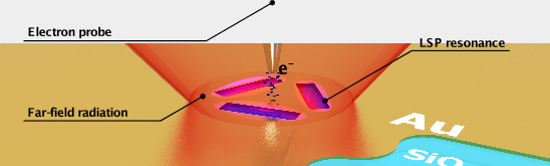
- micrographs of the apertures investigated here are shown in Figure 1 along with a schematic illustrating the relevant parameters. CL results were obtained using a scanning electron microscope (FEI NOVA Nano SEM 450) fitted with a Delmic SPARC CL system comprising an aluminium parabolic mirror with a moving


Disorder-induced suppression of the zero-bias conductance peak splitting in topological superconducting nanowires
Beilstein J. Nanotechnol. 2018, 9, 1358–1369, doi:10.3762/bjnano.9.128

- produces a finite Majorana energy splitting and zero-bias peak splitting [36][37][38] due to the finite size effects. In a recent experiment [39], the energy splitting of Majorana zero mode has been observed in InAs nanowire segments with epitaxial aluminium, which forms a proximity-induced superconducting


![[Graphic 20]](/bjnano/content/inline/2190-4286-9-128-i39.svg?max-width=637&scale=1.18182) (das...
(das...


Optimisation of purification techniques for the preparation of large-volume aqueous solar nanoparticle inks for organic photovoltaics
Beilstein J. Nanotechnol. 2018, 9, 649–659, doi:10.3762/bjnano.9.60
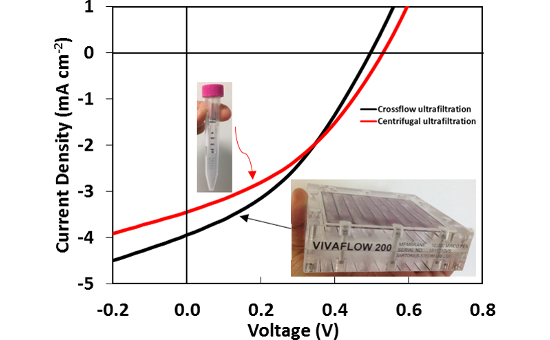
- 110 °C for 5 min in nitrogen glove box. Under vacuum (2 × 10⁻⁶ Torr) calcium (film thickness ≈30 nm) and aluminium (film thickness ≈100 nm) electrodes (Ca/Al) were thermally evaporated. Film thickness The Film thickness of the active layer was determined based on an average of 4 scans by profilometry


Mechanistic insights into plasmonic photocatalysts in utilizing visible light
Beilstein J. Nanotechnol. 2018, 9, 628–648, doi:10.3762/bjnano.9.59
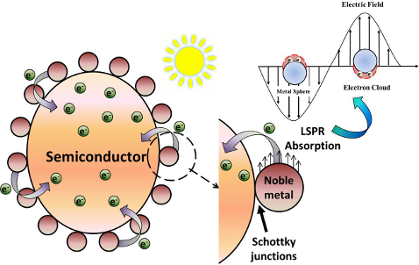
- , the carrier concentration of aluminium-doped zinc oxide (AZO) can be shifted from 0.5 to 10 × 1020 cm–3 by varying the concentration of Al, thus contributing to the wide-range SPR (2200–880 nm) [144]. Despite the tunable plasmonic features of semiconductors, some plasmonic semiconductors are





Design of polar self-assembling lactic acid derivatives possessing submicrometre helical pitch
Beilstein J. Nanotechnol. 2018, 9, 333–341, doi:10.3762/bjnano.9.33

- improved by electric field action in the frequency range of 10–20 Hz and an amplitude of 40 kV·cm−1, applied for about 5–20 min while cooling from orthogonal to tilted smectic phase. The samples, hermetically sealed in aluminium pans of 3–5 mg, were used for DSC studies. Mesomorphic properties For all


Review: Electrostatically actuated nanobeam-based nanoelectromechanical switches – materials solutions and operational conditions
Beilstein J. Nanotechnol. 2018, 9, 271–300, doi:10.3762/bjnano.9.29
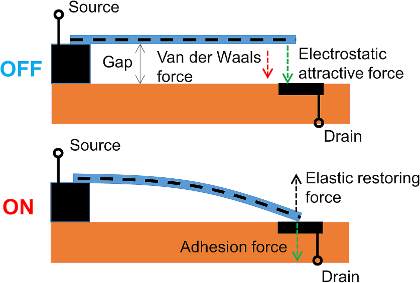
- distinct current rise (Figure 12a), presumably caused by the lower conductivity of SiC–SiC contacts in comparison to metals. The metallization of SiC switches with aluminium resulted in a sharper on-state current rise (Figure 12b), but reduced durability of these NEM switches down to a few or in some cases


Humidity-dependent wound sealing in succulent leaves of Delosperma cooperi – An adaptation to seasonal drought stress
Beilstein J. Nanotechnol. 2018, 9, 175–186, doi:10.3762/bjnano.9.20

- load cell with a maximum load of 10 N and a resolution of ±10 mN (model 31E, Honeywell, Columbus, OH, USA) and two sample holders (aluminium platelets) on opposite sides. The platelets were fitted with holes for easy mounting onto the tensile apparatus via a pinhole assembly. Experimental control and


Electron beam induced deposition of silacyclohexane and dichlorosilacyclohexane: the role of dissociative ionization and dissociative electron attachment in the deposition process
Beilstein J. Nanotechnol. 2017, 8, 2376–2388, doi:10.3762/bjnano.8.237
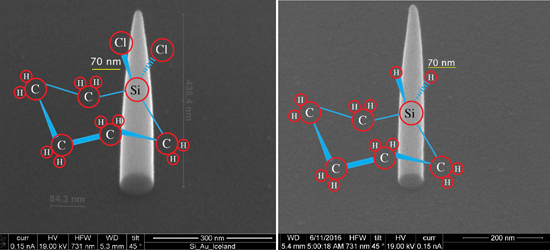
- size of the interaction volume in a pillar does not necessarily have to be the same as in the bulk, because of the reduced scattering in a pillar. For example, the Monte Carlo simulated mean electron penetration depth for 20 keV electrons in a flat aluminium substrate is 3200 nm [42] while the
- , CAS No. 2406-34-0) was purchased from Gelest Inc, Morrisville PA, US. Silacyclohexane (SCH) was synthesized from DCSCH by following our reported procedure with a slight modification [35]. Briefly, a solution of 1,1-dichloro-1-silacyclohexane in diethyl ether was added dropwise to a lithium aluminium





Increasing the stability of DNA nanostructure templates by atomic layer deposition of Al2O3 and its application in imprinting lithography
Beilstein J. Nanotechnol. 2017, 8, 2363–2375, doi:10.3762/bjnano.8.236
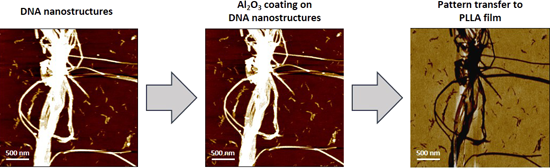
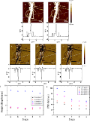
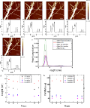
- resistive to UV/O3 oxidation. The ALD-coated DNA templates were used for a direct pattern transfer to poly(L-lactic acid) films. Keywords: aluminium oxide (Al2O3); atomic layer deposition; DNA nanostructure; nanofabrication; nanoimprint lithography; pattern transfer; polymer stamp; replica molding




A comparative study of the nanoscale and macroscale tribological attributes of alumina and stainless steel surfaces immersed in aqueous suspensions of positively or negatively charged nanodiamonds
Beilstein J. Nanotechnol. 2017, 8, 2045–2059, doi:10.3762/bjnano.8.205

- friction measurements all surfaces were cleaned in ethanol and then DI water. 5 MHz polished QCM crystals (1” diameter) with either stainless steel (SS304; part number QM1022) or aluminium (part number QM1010) electrodes on the liquid facing side were purchased from Fil-Tech (Boston, MA). The QCM’s were




A systematic study of the controlled generation of crystalline iron oxide nanoparticles on graphene using a chemical etching process
Beilstein J. Nanotechnol. 2017, 8, 2017–2025, doi:10.3762/bjnano.8.202
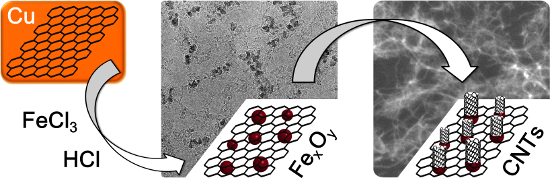
- (Air Liquide). After synthesis, the setup was purged with argon and cooled to 450 °C for extraction of samples. All parameters were optimized for the synthesis of vertically aligned CNTs on SiO2/Si coated with aluminium and iron [45][46][47]. Materials analysis Graphene transferred onto SiO2/Si wafers


Laser processing of thin-film multilayer structures: comparison between a 3D thermal model and experimental results
Beilstein J. Nanotechnol. 2017, 8, 1749–1759, doi:10.3762/bjnano.8.176

- growth by laser processing even more attractive. Conclusion The model introduced in this paper is able to precisely predict the ablation depth and temperature field of the thin-film coated samples processed by a single nanosecond pulse. Silicon substrates coated with gold and aluminium thin films and





Group-13 and group-15 doping of germanane
Beilstein J. Nanotechnol. 2017, 8, 1642–1648, doi:10.3762/bjnano.8.164

- –10 days. CaGe2 crystals were collected and placed in concentrated HCl at −40 °C for more than 8 days resulting in flakes having lateral dimensions of 5 × 5 mm. To prepare extrinsically doped CaGe2, elemental aluminium (Johnson Matthey Electronics 99.9%), gallium (Acros 99.9%), arsenic (Sigma 99.999
- monochromatic aluminium X-ray gun. Samples were mounted in a glovebox and then stored in ambient atmosphere for 1, 4 and 8 days to determine the stability in air. Fourier transform infrared spectra were collected with a Perkin-Elmer frontier dual-range FIR/Mid-IR spectrometer that was loaded in an Ar-filled



Light-induced magnetoresistance in solution-processed planar hybrid devices measured under ambient conditions
Beilstein J. Nanotechnol. 2017, 8, 1502–1507, doi:10.3762/bjnano.8.150
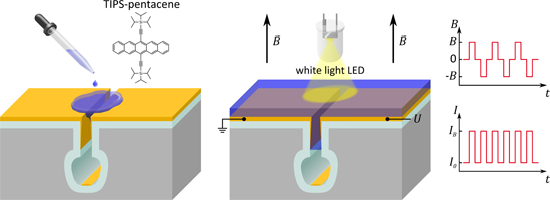
- temperature and in low magnetic fields of several milliteslas [2]. Several organic semiconductors consisting of small molecules such as aluminium-tris(8-hydroxyquinoline) (Alq3) [3][4], pentacene [5], α-sexithiophene [6] or even conjugated polymers such as poly(N-vinyl carbazole) and poly (p-phenylene


Fabrication of hierarchically porous TiO2 nanofibers by microemulsion electrospinning and their application as anode material for lithium-ion batteries
Beilstein J. Nanotechnol. 2017, 8, 1297–1306, doi:10.3762/bjnano.8.131

- electrospun into nanofibers by a custom-made electrospinning setup consisting of a high voltage power supply, a syringe pump and a grounded nanofiber collector covered with aluminium foil. During electrospinning, a positive voltage of 20 kV was applied between the needle tip and grounded collector at a




Synthesis, spectroscopic characterization and thermogravimetric analysis of two series of substituted (metallo)tetraphenylporphyrins
Beilstein J. Nanotechnol. 2017, 8, 1191–1204, doi:10.3762/bjnano.8.121
- , which were based on tris(8-hydroxyquinolinato)aluminium (Alq3) sandwiched between La2/3Sr1/3MnO3 and cobalt electrodes, was reported more than a decade ago [5]. This finding motivated the development of further novel devices as, for example, spin-OFETs (organic field effect transistors) [4]. The nature


Synthesis of coaxial nanotubes of polyaniline and poly(hydroxyethyl methacrylate) by oxidative/initiated chemical vapor deposition
Beilstein J. Nanotechnol. 2017, 8, 872–882, doi:10.3762/bjnano.8.89

- temperature (25–100 °C), adequate electrical conductivity for a wide range of applications and high-quality conformal CP thin films on various non-planar surfaces [39][40][41]. In this study, the vapor-phase oCVD and iCVD techniques were used to conformally coat the walls of the pores of anodized aluminium


Liquid permeation and chemical stability of anodic alumina membranes
Beilstein J. Nanotechnol. 2017, 8, 561–570, doi:10.3762/bjnano.8.60

- -soluble alumina species to the permeate side of membrane during water filtration, encouraging possible blockage of channels. The effect is strongly enhanced by a slight gradient of pH within the pore due to the neutralization reaction by dissolved aluminium oxide. The physical blockage of AAO nanochannels
- can block the channels itself, this process can unlikely be considered favourable, especially at basic pH values, as an unbound aluminium hydroxide would be dissolved much more easily than the alumina of the pore walls. The condensation of the hydrolysis products fits with the experimental results
- . The electrolyte was pumped through the cell by a peristaltic pump, and its temperature was kept in the range of 0–2 °C during anodization. For the preparation of membranes with an average pore diameter of 40 nm and 90 nm, aluminium was anodized in 0.3 M H2C2O4 (98%, Aldrich) under mild and hard


Anodization-based process for the fabrication of all niobium nitride Josephson junction structures
Beilstein J. Nanotechnol. 2017, 8, 539–546, doi:10.3762/bjnano.8.58

- and tune, in a timely fashion, the chemical composition of the plasma in a sputtering process has been applied to grow thin films of niobium nitride and aluminium nitride. The advantage of this optical spectroscopy technique is that the control of the chemical composition of the film is no longer





Multimodal cantilevers with novel piezoelectric layer topology for sensitivity enhancement
Beilstein J. Nanotechnol. 2017, 8, 358–371, doi:10.3762/bjnano.8.38

- aluminium is deposited on the device layer. A particular limitation of this process in the context of AFM is that it does not allow for the fabrication of tips preventing the demonstration of imaging using these cantilevers. The material properties of the silicon used in the analysis are an elastic modulus




Phosphorus-doped silicon nanorod anodes for high power lithium-ion batteries
Beilstein J. Nanotechnol. 2017, 8, 222–228, doi:10.3762/bjnano.8.24

- conditions described in the experimental section. Before the measurement, coplanar aluminium electrodes with a length of 1 cm and a spacing of 0.5 mm were deposited on the Si film by electron-beam evaporation combined with a mask. Then, after an annealing treatment, the conductivity of the film was measured



When the going gets rough – studying the effect of surface roughness on the adhesive abilities of tree frogs
Beilstein J. Nanotechnol. 2016, 7, 2116–2131, doi:10.3762/bjnano.7.201

- topographic features (random asperities and regular patterns). For whole animal tilting experiments, the rough surfaces (35 × 21 cm) used consisted of eight different grades of polishing discs and sandpaper (made from Aluminium oxide) from multiple sources (3M, USA; Norton abrasives, France; Ultratec, USA), a




Intercalation and structural aspects of macroRAFT agents into MgAl layered double hydroxides
Beilstein J. Nanotechnol. 2016, 7, 2000–2012, doi:10.3762/bjnano.7.191

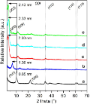
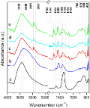
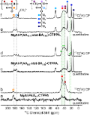
- hydrophilic random copolymers of acrylic acid (AA) and n-butyl acrylate (BA) with molar masses ranging from 2000 to 4200 g mol−1 synthesized by reversible addition-fragmentation chain transfer (RAFT) polymerization, into LDH containing magnesium(II) and aluminium(III) intralayer cations and nitrates as
- using an emulsion polymerization process [49]. Experimental Magnesium and aluminium nitrate salts, Mg(NO3)2·6H2O and Al(NO3)3·9H2O were of analytical grade (Acros Organics, Merck). Acrylic acid (AA, Aldrich, 99%), n-butyl acrylate (BA, 99%, stabilized, Acros Organics), 1,4-dioxane (Sigma-Aldrich, puriss
- (CTPPA) was synthesized following a protocol reported in the literature [50]. Preparation of MgAl-NO3-LDH precursor. LDH containing magnesium(II) and aluminium(III) metal cations and nitrate interlayer anions were prepared by flash coprecipitation followed by hydrothermal treatment [44][51][52