Search results
Search for "dispersion" in Full Text gives 710 result(s) in Beilstein Journal of Nanotechnology. Showing first 200.
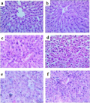
Liver-targeting iron oxide nanoparticles and their complexes with plant extracts for biocompatibility
Beilstein J. Nanotechnol. 2024, 15, 1593–1602, doi:10.3762/bjnano.15.125
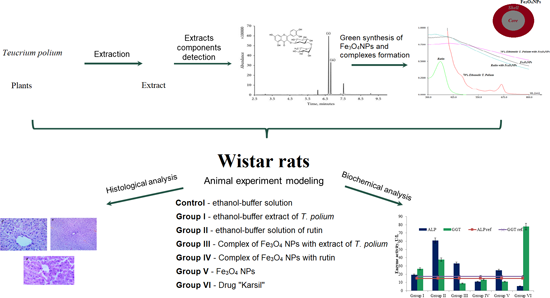
- cell labeling [17][18][19][20][21][22]. Their biocompatibility and stability fill the niche of applications that require properties unattainable by organic materials. Size control, prevention of aggregation through coating, specific interactions and dispersion, and the ability to penetrate cellular and


Facile synthesis of size-tunable L-carnosine-capped silver nanoparticles and their role in metal ion sensing and catalytic degradation of p-nitrophenol
Beilstein J. Nanotechnol. 2024, 15, 1576–1592, doi:10.3762/bjnano.15.124
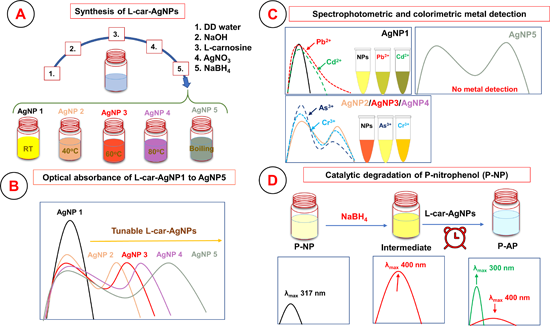
- end concentration of 0.5 ppm, followed by the addition of ʟ-car-AgNPs as a sensing probe. The dispersion was then examined for colorimetric/spectrophotometric changes. Finally, the limit of detection (LOD) and the limit of quantification (LOQ) of the developed nanosensors were estimated through a




Polymer lipid hybrid nanoparticles for phytochemical delivery: challenges, progress, and future prospects
Beilstein J. Nanotechnol. 2024, 15, 1473–1497, doi:10.3762/bjnano.15.118
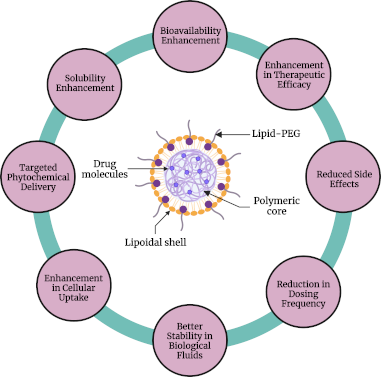
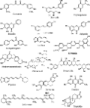
- HPN dispersion. The developed HPN-cPLHNPs gels showed much better wound healing activity with a significantly higher reduction in wound size after topical application for 14 days in comparison with the conventional HPN gel. Emodin Emodin (EDN) is a natural anthraquinone compound found in various


Effect of radiation-induced vacancy saturation on the first-order phase transformation in nanoparticles: insights from a model
Beilstein J. Nanotechnol. 2024, 15, 1453–1472, doi:10.3762/bjnano.15.117
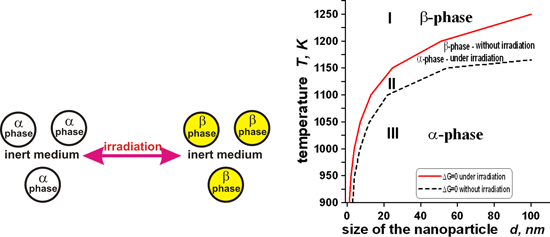
- /bjnano.15.117 Abstract By employing a model of nanomaterials with polymorphic phase transitions and using a thermodynamic approach to describe the effects of vacancy saturation, irradiation dose, powder dispersion, and surface energies, we demonstrate the possibility of radiation-induced phase
- factors in a comprehensive thermodynamic approximation. As our model system, we selected a spherical nanoscale particle in an inert medium, for which we utilized the parameters necessary for calculations. Our aim is to investigate the effects of powder dispersion, surface energies of phases, and vacancy


Strain-induced bandgap engineering in 2D ψ-graphene materials: a first-principles study
Beilstein J. Nanotechnol. 2024, 15, 1440–1452, doi:10.3762/bjnano.15.116
- detailed density functional theory calculations with dispersion correction and on-site Coulomb interaction (DFT(D) + U) to investigate CO2 activation on ψ-graphene and its hydrogenated forms for their application in the electrochemical conversion of CO2 [43]. Faghihnasiri et al. have performed DFT


Lithium niobate on insulator: an emerging nanophotonic crystal for optimized light control
Beilstein J. Nanotechnol. 2024, 15, 1415–1426, doi:10.3762/bjnano.15.114
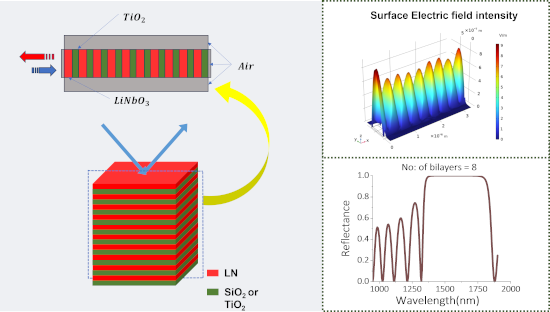
- to its high refractive index, second/third-order nonlinearities, electro-optic effect, and mature platform), its optical losses and birefringence pose limitations [25]. Combining LiNbO3 with TiO2 in a multi-stack can offer advantages such as tighter confinement, tailored dispersion, and complementary
- field profile, and TMM helps to calculate the dispersion relation of transmission and reflection spectra of such structure. The simulation was executed on a computer with AMD Ryzen 5-5600H (3.30 GHz base frequency, up to 4.20 GHz maximum boost clock, 16 MB cache, and 6 cores). The simulation ran for an


Interaction of graphene oxide with tannic acid: computational modeling and toxicity mitigation in C. elegans
Beilstein J. Nanotechnol. 2024, 15, 1297–1311, doi:10.3762/bjnano.15.105
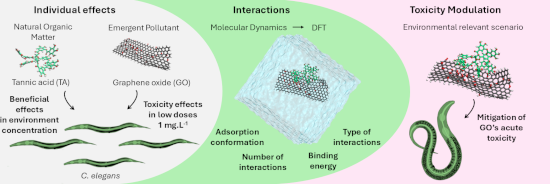
- modifications by TA. To understand the features related to the material’s colloidal behavior, biological effects, and interaction with biomolecules, it is essential to characterize its surface chemistry and dispersion in the medium befitting toxicological studies before and after molecular interactions. The
- completed aggregated with a high polydispersity index. The quality criteria of DLS analysis for GO with a concentration lower than 10 mg·L−1 were not satisfactory; therefore, they could not be used to evaluate the dispersion state of more diluted GO suspensions, such as 1 mg·L−1 of nanomaterial. However, it
- ., positive values up to +2 eV) obtained from DFT calculations when dispersion corrections are not applied. The adsorption energy value is determined by the number and types of interactions involved, such as hydrogen bonds, as well as carbon–carbon and carbon–hydrogen interactions. Supporting Information File


Dual-functionalized architecture enables stable and tumor cell-specific SiO2NPs in complex biological fluids
Beilstein J. Nanotechnol. 2024, 15, 1238–1252, doi:10.3762/bjnano.15.100
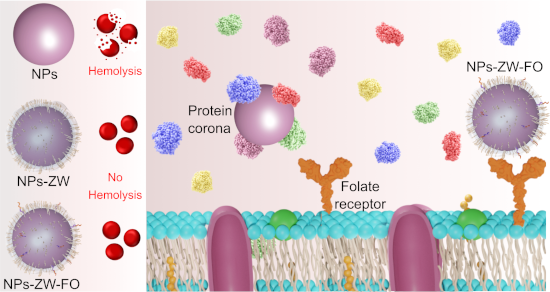
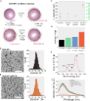
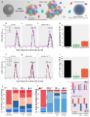
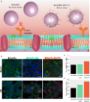
- , Supporting Information File 1, Figure S5), only 1.1 mg·mL–1 of non-functionalized SiO2NPs were removed from the dispersion while 8.0 mg·mL–1 of SiO2NPs-ZW-FO were captured by the beads with this receptor. Nanoparticle colloidal stability and protein corona formation One of the main challenges in nanomedicine

AI-assisted models to predict chemotherapy drugs modified with C60 fullerene derivatives
Beilstein J. Nanotechnol. 2024, 15, 1170–1188, doi:10.3762/bjnano.15.95
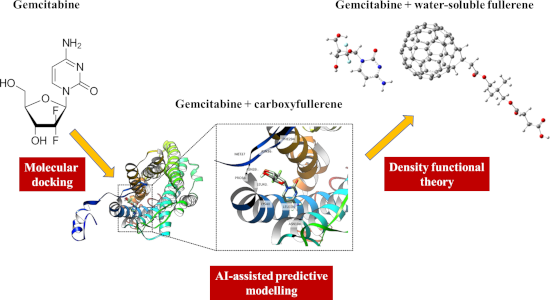
- simplified molecular input line entry specification (SMILES) retrieved from Drugbank. Molecular mechanics and density functional-based tight binding (DFTB) with dispersion and solvation corrections were used to obtain the optimized structures of the molecules under study and to compute EHOMO, ELUMO, and ω as
- genetic algorithms and final optimization at the DFTB3 level, respectively. London dispersion forces were considered in the DFTB3 and global optimization procedures by Lennard-Jones potentials, as implemented in UFF and MMFF94 force fields, respectively. The solvent effect was included by the Born
- the carbonyl group is the more nucleophilic center, whereas there are two positive-density regions near the carbonyl group and in the C–C bond next to the amine-substituted carbon atom. Both pharmaceutical agents are susceptible to interaction with fullerenes to form a force dispersion complex as it


Quantum-to-classical modeling of monolayer Ge2Se2 and its application in photovoltaic devices
Beilstein J. Nanotechnol. 2024, 15, 1153–1169, doi:10.3762/bjnano.15.94
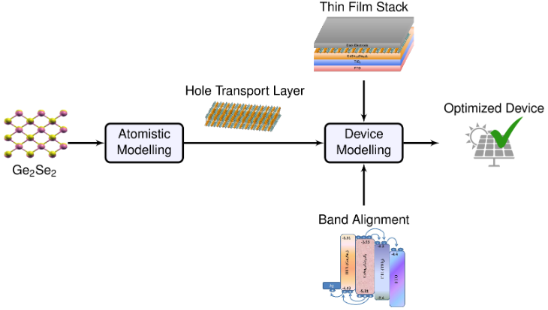
- –k dispersion reveals the investigated material’s key electronic properties. The calculations reveal a direct bandgap of 1.12 eV for monolayer Ge2Se2. We further extract critical optical parameters using the Kubo–Greenwood formalism and Kramers–Kronig relations. A significantly large absorption
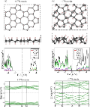
- . Furthermore, to test the stability of the crystal structure, we have computed the phonon band dispersion for monolayer Ge2Se2 within the first Brillouin zone (Figure 2c). The calculated phonon spectra along the high symmetry path Γ-X-S-Y-Γ in the first Brillouin zone are shown in Figure 2d. The phonon
- Ge2Se2 using its electronic band structure and density of states, as shown in Figure 3. To maintain a high degree of accuracy, we calculated the band structure using the HSE06 functional, and the band dispersion along the high symmetry paths Γ-X-S-Y-Γ in the first Brillouin zone, as shown in Figure 3




Local work function on graphene nanoribbons
Beilstein J. Nanotechnol. 2024, 15, 1125–1131, doi:10.3762/bjnano.15.91
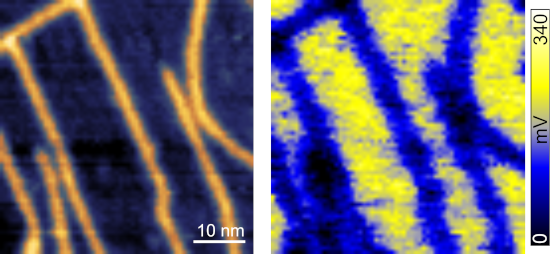
- -augmented plane-wave basis (PAW) [31][32]. Dispersion forces are included through Grimmes D3 method [33] with Becke–Jonson damping [34] (IVDW = 12). Further, we include non-spherical contributions from the gradient corrections inside the PAW spheres (LASPH = .TRUE.). For all slab calculations, the lowest
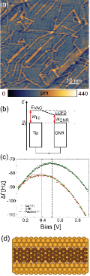

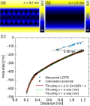
![[Graphic 1]](/bjnano/content/inline/2190-4286-15-91-i4.svg?max-width=637&scale=1.18182)
Effect of wavelength and liquid on formation of Ag, Au, Ag/Au nanoparticles via picosecond laser ablation and SERS-based detection of DMMP
Beilstein J. Nanotechnol. 2024, 15, 1054–1069, doi:10.3762/bjnano.15.86
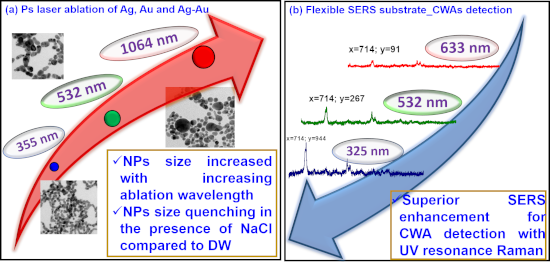
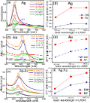
- the variations of NP particle size or size dispersion. The peak shift is mainly correlated with the size and shape of NPs and their surrounding medium. Naderi-Samani et al. [56] reported the synthesis of Ag NPs by nanosecond laser ablation in different aqueous solutions: water, acetone


Interface properties of nanostructured carbon-coated biological implants: an overview
Beilstein J. Nanotechnol. 2024, 15, 1041–1053, doi:10.3762/bjnano.15.85
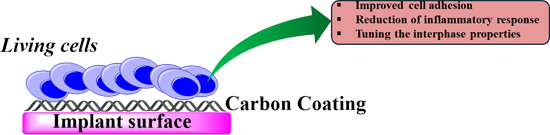
- because of the efforts required for achieving a homogenous dispersion in an inorganic–organic matrix [22][23][24]. In this short review, we are discussing nanostructured and nanosized carbon-based materials used to improve the durability and physicochemical properties of biological implants as summarized
- bacteria according to the mechanism shown in Figure 4. The biofilm formation consists of four stages, namely, (i) adhesion, (ii) aggregation, (iii) maturation, and (iv) dispersion. Adhesion is the first step and is ruled by the polarity of the surface as reported by Gittens and co-workers [105]. The
- aggregation and maturation steps involve the formation and enlargement of bacteria colonies enclosed in the extracellular biopolymeric matrix [106]. Dispersion occurs upon reaching the biofilm’s critical mass, allowing for the partial detachment and spread of infection through the bloodstream [31]. Carbon



Can neutral clusters: a two-step G0W0 and DFT benchmark
Beilstein J. Nanotechnol. 2024, 15, 1010–1016, doi:10.3762/bjnano.15.82
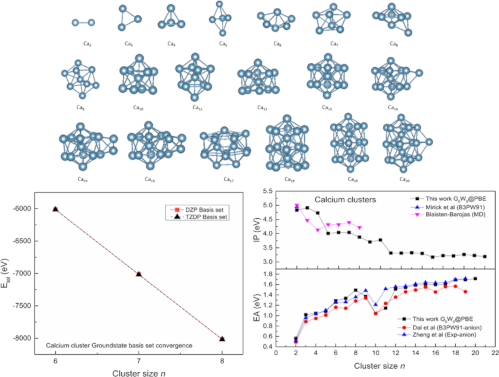
- structure with an added atom to break its symmetry, can be a reason for a sudden drop in the cluster binding energy; however, a decrease or any change can also be attributed to the dispersion effect. Overall, the binding energies reported here are higher compared with all theoretically reported data. This
- difference can be due to two reasons. First is the use of a different functional and second are the basis sets and accuracy, which are different for the reported data compared with our work. In addition, van der Waals dispersion effects can also affect the binding energies of clusters, which need semi


Therapeutic effect of F127-folate@PLGA/CHL/IR780 nanoparticles on folate receptor-expressing cancer cells
Beilstein J. Nanotechnol. 2024, 15, 954–964, doi:10.3762/bjnano.15.78
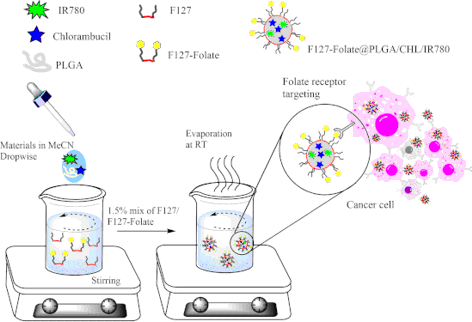
- medium did not affect the dispersion of nanoparticles; both F127-folate@PLGA/CHL/IR780 and F127@PLGA/CHL/IR780 did not aggregate much and remained well dispersed. Many factors contribute to an effective treatment using nanoparticles [39]. Among them, two can be deemed essential, namely, the half-life of



Effects of cutting tool geometry on material removal of a gradient nanograined CoCrNi medium entropy alloy
Beilstein J. Nanotechnol. 2024, 15, 925–940, doi:10.3762/bjnano.15.76
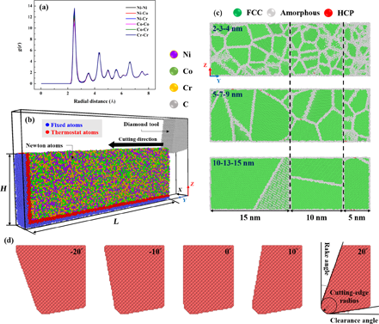
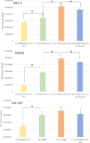
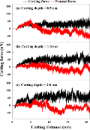
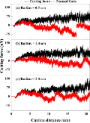
- the grain boundaries of the sample forms a clear network of contour maps [30]. The anisotropy of the grains causes anisotropic deformation and increases the surface dispersion density. Therefore, the stress required to promote plastic deformation rises more at grain boundaries than inside grains [23








A review on the structural characterization of nanomaterials for nano-QSAR models
Beilstein J. Nanotechnol. 2024, 15, 854–866, doi:10.3762/bjnano.15.71
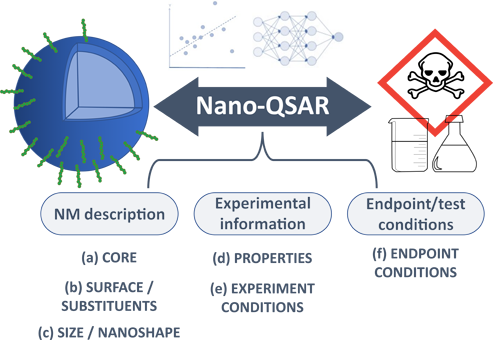
- . Consistency of the data is a key aspect in the preparation of a database for a QSAR study as different changes in the conditions of the test could lead to a dispersion of the results [4]. This should be considered carefully when collecting data from different sources. It becomes a harder problem in nano-QSAR
- indicate the absence or presence of a certain condition such as centrifugation, stirring, sonication, dispersion, or presence of additives [17][39][65][87]. Numerical descriptors used to encode the test environments include the ionic strength [17], the amount of organic matter [17], and the pH value. More


Electron-induced ligand loss from iron tetracarbonyl methyl acrylate
Beilstein J. Nanotechnol. 2024, 15, 797–807, doi:10.3762/bjnano.15.66
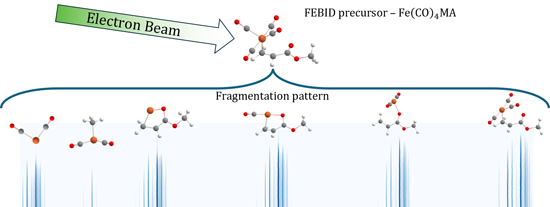
- dispersion correction [34]. We have optimized the structures of the reactant (neutral Fe(CO)4MA) and products (fragment ions and potential neutral co-fragments) generated in the dissociative processes. All fragments with an even number of electrons were assumed to be in singlet spin states, and the fragments



Green synthesis of biomass-derived carbon quantum dots for photocatalytic degradation of methylene blue
Beilstein J. Nanotechnol. 2024, 15, 755–766, doi:10.3762/bjnano.15.63
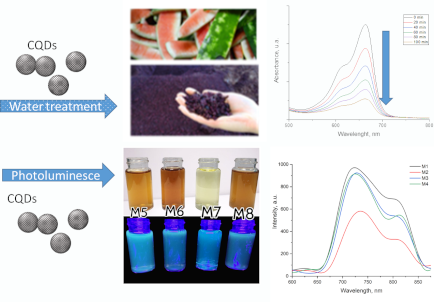
- water was mixed with 0.5 g of biomass precursor powder (dispersion A) and stirred for 10 min. Then, 1.0 g of urea (hydrolizing agent under hydrothermal conditions) was diluted in 50 mL of deionized water to form a homogeneous solution (solution B) and then mixed with dispersion A. The final mixture was
- a dark environment to ensure proper dispersion of the CQDs in aqueous media and the adsorption of the dye on the CQD surface. After the stirring period of 20 min, the solution absorbance was measured using a spectrophotometer in the wavelength range of 250–800 nm. This measurement marked the start


Effect of repeating hydrothermal growth processes and rapid thermal annealing on CuO thin film properties
Beilstein J. Nanotechnol. 2024, 15, 743–754, doi:10.3762/bjnano.15.62
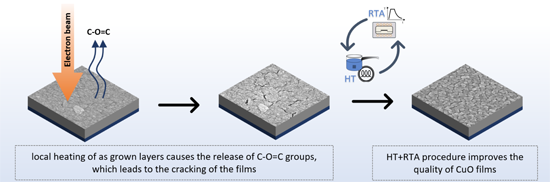
- composition can be identified. Each form of copper oxide presents a different Raman spectrum. CuO crystallizes in a monoclinic lattice with the space group giving the following set of the zone-center lattice modes: Γ = Ag + 2Bg + 4Au + 5Bu. Hence, CuO has twelve phonon branches in the phonon dispersion




Simultaneous electrochemical determination of uric acid and hypoxanthine at a TiO2/graphene quantum dot-modified electrode
Beilstein J. Nanotechnol. 2024, 15, 719–732, doi:10.3762/bjnano.15.60
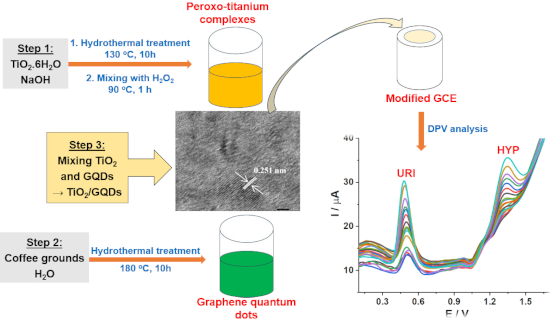
- the applicability and reliability of the proposed method (Table 2). Conclusion TiO2/GQDs were prepared from peroxo titanium complexes, and GQDs were derived from ground coffee as precursor, which offers several advantages such as easy dispersion and functionalization during the synthesis. A simple


Gold nanomakura: nanoarchitectonics and their photothermal response in association with carrageenan hydrogels
Beilstein J. Nanotechnol. 2024, 15, 678–693, doi:10.3762/bjnano.15.56
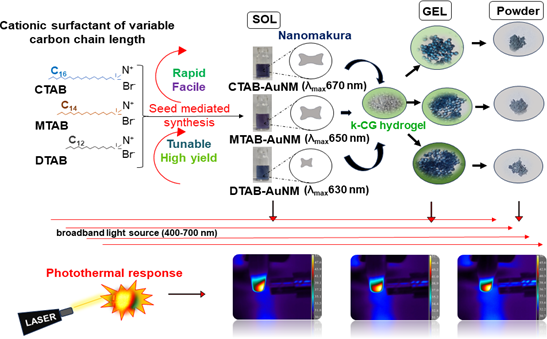
- the stability of the synthesized nanomakuras, different dispersion media were used. The relevant media for biological applications were used for the stability assessment of the nanoparticles. Figure 2a–c shows colloidal stability of AuNMs in ethanol (70%), NaCl (0.9%), and PBS (1X), respectively. The






Stiffness calibration of qPlus sensors at low temperature through thermal noise measurements
Beilstein J. Nanotechnol. 2024, 15, 580–602, doi:10.3762/bjnano.15.50
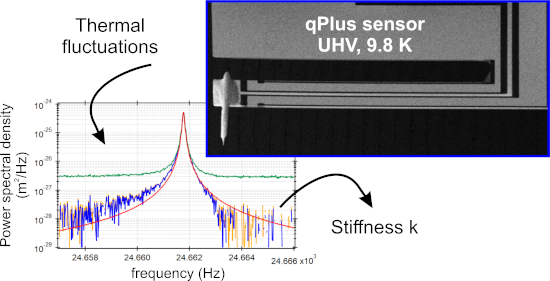
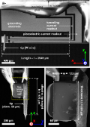
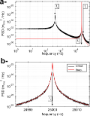
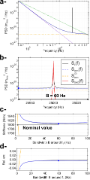
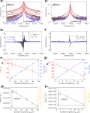
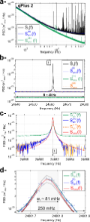
- ]: where αn is a term occurring in functions that define the Euler–Bernoulli model used to describe the probe oscillation. αn is the solution of a so-called dispersion relation, written as [35][48][49][55]: leading to α1 = 1.875, α2 = 4.694, α3 = 7.864, …, αn ≃ (n − 1/2)π. The latter formalisms consider a

Radiofrequency enhances drug release from responsive nanoflowers for hepatocellular carcinoma therapy
Beilstein J. Nanotechnol. 2024, 15, 569–579, doi:10.3762/bjnano.15.49
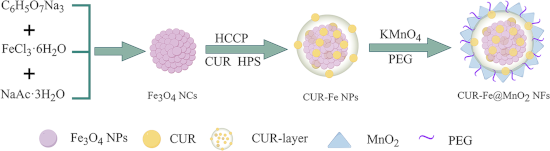
- and coassembled with a CUR layer on their surface. Then, CUR-Fe@MnO2 NFs were obtained by further modification with MnO2 and polyethylene glycol (PEG), which increased the stability and dispersion of the CUR-Fe@MnO2 NFs (Figure 1). MnO2 is difficult to degrade under physiological conditions in vivo


Directed growth of quinacridone chains on the vicinal Ag(35 1 1) surface
Beilstein J. Nanotechnol. 2024, 15, 556–568, doi:10.3762/bjnano.15.48
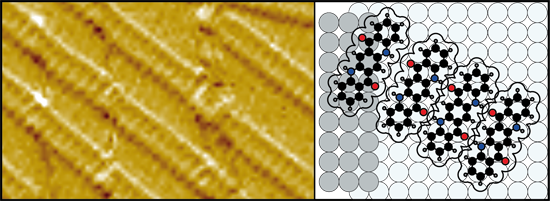
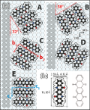
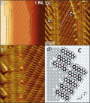
- growth of chains in orientation E parallel to the step edges is favored at elevated temperatures because, for these chains, the intermolecular H-bonds are not distorted by the steps. In addition, the chains are stabilized by the long-range dispersion interactions of the QA with the atoms of the step edge
- orientation E grow parallel to step edges, they are additionally stabilized because, owing to the close proximity, every molecule in the chain is subject to attractive dispersion interactions with the Ag step edge. This is not the case for orientations A–D, which grow away from the step edges. A model of such
- step edges of the vicinal surface. This is explained by the fact that the growth in this direction is additionally stabilized by the dispersion interactions between the QA molecules and the atoms of the Ag step edges, which overcompensates the lower site energy of the molecules on the terraces in this