
Search results
Search for "nanoparticle" in Full Text gives 747 result(s) in Beilstein Journal of Nanotechnology. Showing first 200.
Biomimetic nanocarriers: integrating natural functions for advanced therapeutic applications
Beilstein J. Nanotechnol. 2024, 15, 1619–1626, doi:10.3762/bjnano.15.127
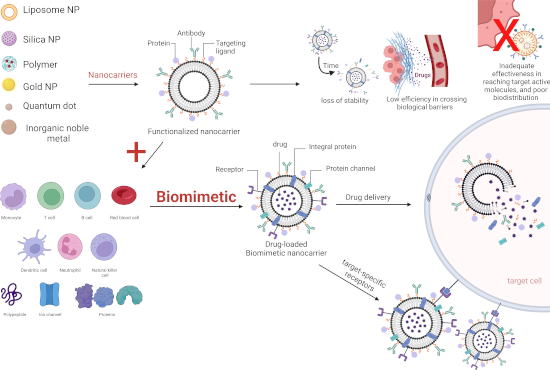
- replicating the characteristics or functions of native cells [19]. Nanoparticle coating involves obtaining nanoparticles (Figure 1-2A), which can be organic or inorganic in structure (Figure 2A), and conjugating them with functional ligands (Figure 1-2B) or biological structures, such as cell membranes
- nanoparticle was demonstrated by inhibiting proliferation through negative regulation of cyclin D1, halting the G0/G1 cell cycle in HeLa and SiHa cervical cancer cells [67][68]. Biomimetic-specific targets provide opportunities for personalized cancer therapies [10][11][12]. Coated nanocarriers have also been


Liver-targeting iron oxide nanoparticles and their complexes with plant extracts for biocompatibility
Beilstein J. Nanotechnol. 2024, 15, 1593–1602, doi:10.3762/bjnano.15.125
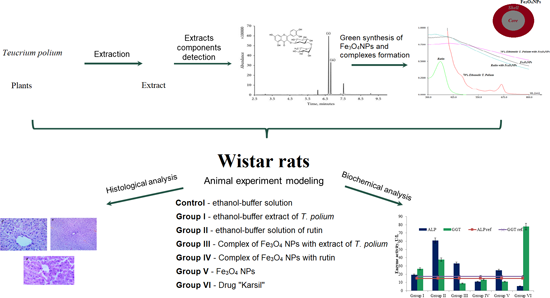
- samples on the liver of Wistar rats was identified. Keywords: biocompatibility; hepatotoxicity; iron oxide (Fe3O4) nanoparticle; rutin; Teucrium polium (T. polium); Introduction Leveraging nanotechnology, personalized medicine, and interdisciplinary collaboration is essential for overcoming the complex


Facile synthesis of size-tunable L-carnosine-capped silver nanoparticles and their role in metal ion sensing and catalytic degradation of p-nitrophenol
Beilstein J. Nanotechnol. 2024, 15, 1576–1592, doi:10.3762/bjnano.15.124
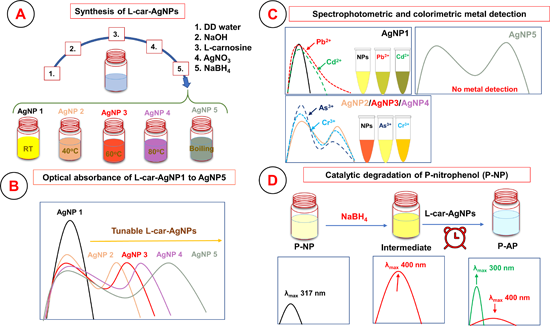
- /bjnano.15.124 Abstract ʟ-Carnosine is a dipeptide with notable antioxidant, antiglycation, metal chelating, and neuroprotective properties. Despite its many biological roles, applying ʟ-carnosine as a capping agent in nanoparticle synthesis has remained underexplored. This study explores the potential of
- pollutants [4][5][6]. Biomolecule-capped silver nanoparticles, particularly those stabilized by naturally occurring peptides such as ʟ-carnosine, have shown exceptional sensing and catalytic degradation capabilities. ʟ-Carnosine, a dipeptide consisting of β-alanine and histidine, stabilizes the nanoparticle
- nanotechnology have ushered in the development of nanoparticle-based systems that offer promising alternatives because of their simplicity, cost-effectiveness, and potential for real-time applications. Plasmonic nanoparticles, such as silver, have been widely explored for their unique plasmonic and catalytic




Green synthesis of silver nanoparticles derived from algae and their larvicidal properties to control Aedes aegypti
Beilstein J. Nanotechnol. 2024, 15, 1566–1575, doi:10.3762/bjnano.15.123
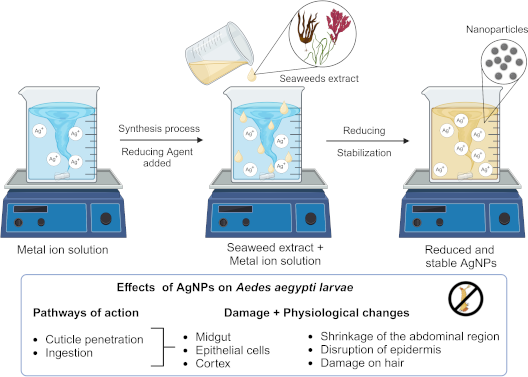
- reducing agent [34]. In this way, the green synthesis of nanoparticles has expanded in nanoscience and nanotechnology [35]. Synthesis of silver nanoparticles using algae Green nanoparticle synthesis is the design and development of strategies for the production of nanoparticles to reduce the use or


Polymer lipid hybrid nanoparticles for phytochemical delivery: challenges, progress, and future prospects
Beilstein J. Nanotechnol. 2024, 15, 1473–1497, doi:10.3762/bjnano.15.118
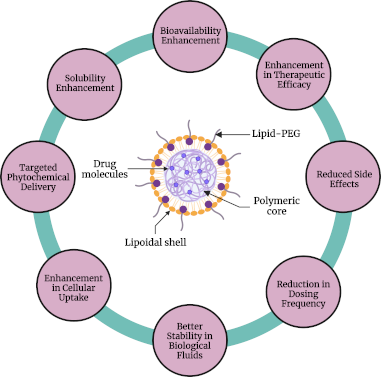
- hydrophilic drugs are entrapped in the lipid shell. PLHNPs demonstrate relatively greater loading capacity for lipophilic compounds than other nanoparticle systems [12][19]. Moreover, the surface modification of PLHNPs with targeting ligands, such as antibodies, peptides, or aptamers, has been explored to
- PLHNPs. Another surface modification strategy involves the addition of stealth coatings, such as PEG, to the nanoparticle surface. A schematic representation for the development of PEGylated PLHNPs is depicted in Figure 4A. PEGylation involves attaching PEG chains to the surface of the nanoparticles
- PLHNPs can also involve the incorporation of stimuli-responsive moieties onto the nanoparticle surface. These moieties enable the nanoparticles to respond to specific stimuli, such as pH changes, temperature shifts, or enzyme activity, thereby triggering controlled drug release at the target site [70][71


Effect of radiation-induced vacancy saturation on the first-order phase transformation in nanoparticles: insights from a model
Beilstein J. Nanotechnol. 2024, 15, 1453–1472, doi:10.3762/bjnano.15.117
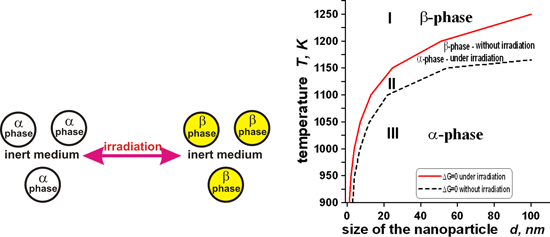
- materials. Keywords: α-phase; β-phase; chemical rate theory; Fe; nanoparticle; nucleation; phase stability diagram; polymorphic phase transision; radiation stability; thermodynamics; vacancy saturation; Introduction Solid metal or ceramic nanoparticles with a diameter in the range of 1–100 nm, when placed
- this study, we define the size of a particle as its diameter in a spherical shape or the number of atoms (N0) in the nanoparticle with a given radius R, as depicted in Figure 1. The phase stability is evaluated based on various competing energy factors, including the degree of radiation-induced vacancy
- irradiation, which generate vacancies and interstitial atoms in both the interior and on the surfaces of the nanoparticle. Our approach utilizes thermodynamic calculations to determine the Gibbs free energy of a nanoparticle in various phase states with vacancy-type defects. Additionally, we consider the size


Nanoarchitectonics with cetrimonium bromide on metal nanoparticles for linker-free detection of toxic metal ions and catalytic degradation of 4-nitrophenol
Beilstein J. Nanotechnol. 2024, 15, 1312–1332, doi:10.3762/bjnano.15.106
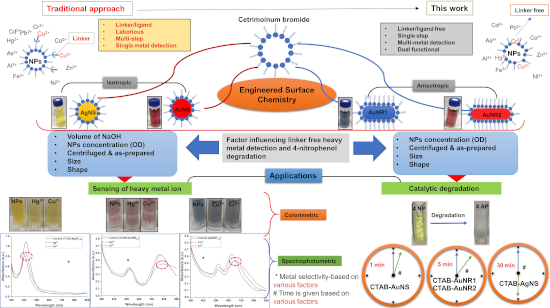
- nanoparticle-based systems capable of efficient detection and degradation. However, conventional approaches utilizing strong capping agents like cetrimonium bromide (CTAB) on nanoparticles lead to limitations due to the rigid nature of CTAB. This restricts its utility in heavy metal detection and 4-NP
- metals and efficient degradation of 4-NP. For enabling linker-free/ligand-free detection of heavy metal ions and catalytic degradation of 4-NP, CTAB was engineered as a versatile capping agent on gold and silver nanoparticles. Various factors, including nanoparticle characteristics such as shape, size
- potentially carcinogenic, and it is hard to predict their toxicity at early stages of exposure. In addition, industrial wastewater may contain toxic compounds such as the widely used 4-nitrophenol [1]. Hence, one need is to develop a dual-functional and flexible linker-free metal nanoparticle-based sensor




Mn-doped ZnO nanopowders prepared by sol–gel and microwave-assisted sol–gel methods and their photocatalytic properties
Beilstein J. Nanotechnol. 2024, 15, 1283–1296, doi:10.3762/bjnano.15.104
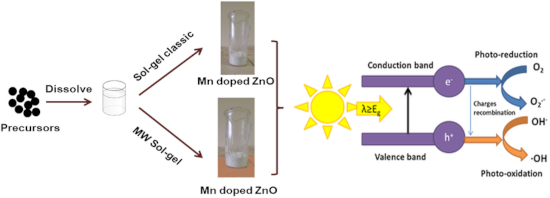
- nucleation in a supersaturated solution) can be experimentally identified [18] and correlated with specific parameters of the systems exposed to microwaves [18][19][20]. For instance, the use of microwaves in nanoparticle production may increase the reaction rate, also contributing to a narrow particle size


Dual-functionalized architecture enables stable and tumor cell-specific SiO2NPs in complex biological fluids
Beilstein J. Nanotechnol. 2024, 15, 1238–1252, doi:10.3762/bjnano.15.100
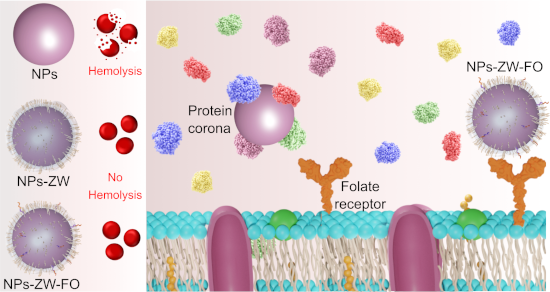
- -depth studies in complex environments to evaluate nanoparticle stability, protein corona formation, hemolytic activity, and targeting capabilities. To address this issue, fluorescent silica nanoparticles (SiO2NPs) are here functionalized with zwitterionic (kinetic stabilizer) and folate groups
- nanoparticles are not hemolytic. Remarkably, the functionalized SiO2NPs are more internalized by tumor cells than their healthy counterparts. Investigations of this nature play a crucial role in garnering results with greater reliability, allowing the development of nanoparticle-based pharmaceutical drugs that
- Discussion Nanoparticle characterization The functionalized NP synthesis was performed using zwitterionic as a kinetic stabilizer and folate as a tumor driver (Figure 1a). They presented a quasi-spherical shape (Figure 1b,c) and an average diameter of 86.4 ± 0.4 nm for non-functionalized SiO2NPs and 86.1

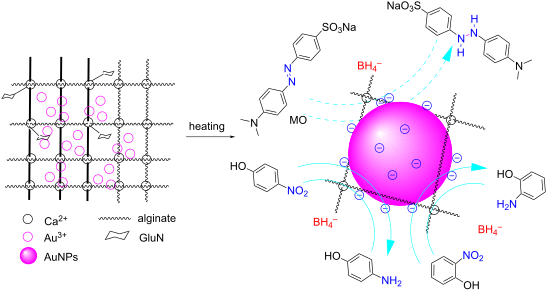
Enhanced catalytic reduction through in situ synthesized gold nanoparticles embedded in glucosamine/alginate nanocomposites
Beilstein J. Nanotechnol. 2024, 15, 1227–1237, doi:10.3762/bjnano.15.99
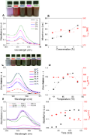
- absorbance declines again at higher temperatures (80 and 90 °C). This decrease in AuNP concentration in the colloidal solution is attributed to nanoparticle aggregation. Elevated temperatures can cause the detachment of the polysaccharide chains from the surface of the AuNPs, promoting the collision and


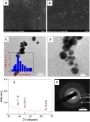


Synthesis, characterization and anticancer effect of doxorubicin-loaded dual stimuli-responsive smart nanopolymers
Beilstein J. Nanotechnol. 2024, 15, 1189–1196, doi:10.3762/bjnano.15.96
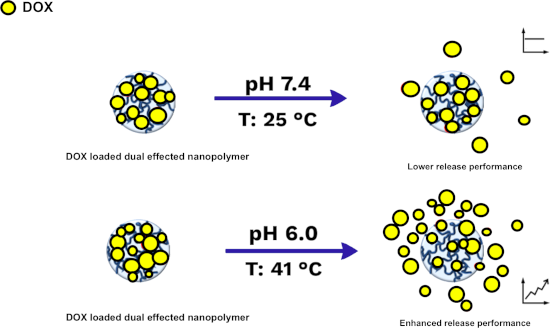
- response to external stimuli [21][22]. Different “smart” polymeric nanoparticle systems have been described in the literature, which might respond to both internal and external stimuli to release drugs. Remarkable developments have been made regarding in vitro and in vivo drug release with varying drug
- humidified air atmosphere with 5% CO2. Preparation of DOX-SNPs To synthesize DOX-containing nanoparticle structures, the miniemulsion polymerization method was used according to a protocol adapted from [24]. First, the water phase was formed. The water phase was obtained by adding and dissolving 0.375 g


Introducing third-generation periodic table descriptors for nano-qRASTR modeling of zebrafish toxicity of metal oxide nanoparticles
Beilstein J. Nanotechnol. 2024, 15, 1142–1152, doi:10.3762/bjnano.15.93
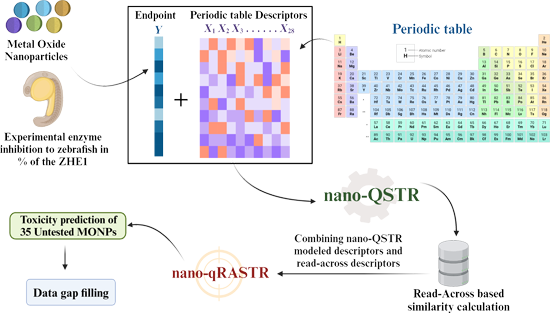
- behavior in different oxidation states. This is particularly relevant in nanoparticle chemistry, where redox reactions are common. The density of a metal is a macroscopic property that influences the mass and volume of nanoparticles. Electron affinity measures the energy change when an electron is added to
- ones. Our results highlight the significance of specific nanoparticle properties influencing the degree of zebrafish toxicity (i.e., the degree of enzyme inhibition), including electronegativity, molecular bulk, and atomic radius of the metal. The developed nano-qRASTR model provides a robust framework
- computational resources required, thus, making it a viable option for rapid screening of nanoparticle toxicity. Our study’s ability to accurately predict the toxicity of a broad range of MONPs to zebrafish highlights its potential as a valuable tool in the safety assessment of nanomaterials. The prediction of


Recent updates in applications of nanomedicine for the treatment of hepatic fibrosis
Beilstein J. Nanotechnol. 2024, 15, 1105–1116, doi:10.3762/bjnano.15.89
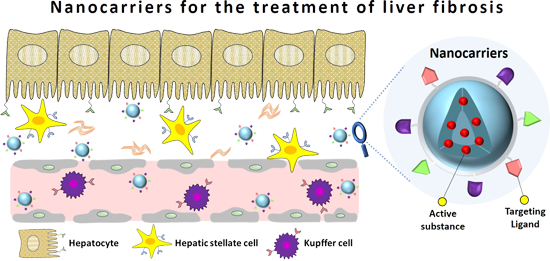
- played an important role in the enhancement of therapeutic outcomes compared to those of conventional therapy. At the same time, nanoparticle drug delivery systems offer a significant reduction in side effects of treatments by lowering the off-target biodistribution of the active pharmaceutical
- impermeable basal lamina allow for rapid accumulation of NPs in the liver through passive targeting [24]. Complementing certain anatomic or pathophysiological features of the target organ, such passive accumulation also relies on nanoparticle properties including size, shape, surface charge, and
- nanoparticle-encapsulated curcumin (NanoCurc™) could ameliorate CCl4-induced hepatic injury and fibrosis through reduction of pro-inflammatory cytokines [54]. The polymer platform of NanoCurc™ consists of N-isopropylacrylamide, vinylpyrrolidone, and acrylic acid and was selected because of its capability to


Unveiling the potential of alginate-based nanomaterials in sensing technology and smart delivery applications
Beilstein J. Nanotechnol. 2024, 15, 1077–1104, doi:10.3762/bjnano.15.88
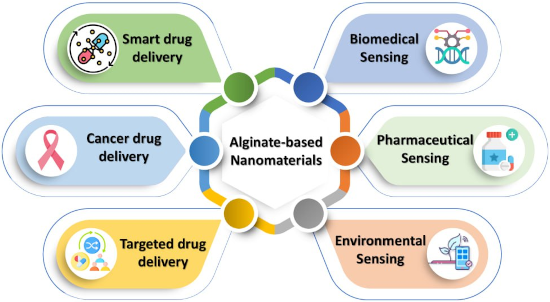
- . Current biomedical and pharmaceutical science has one focus on developing nanoparticle-based sensors, especially biopolymeric nanoparticles. Alginate is a widely used biopolymer in a variety of applications. The hydrogel-forming characteristic, the chemical structure with hydroxy and carboxylate moieties
- reviewed in this paper. Future research scopes highlight existing challenges and solutions. Keywords: alginate; biomedical sensing; polymer nanoparticle; smart drug delivery; Review Introduction Sensors have received a lot of attention in a variety of applications, including health, pharmacy, the
- , especially biopolymer nanoparticles, are applied to drug delivery methods, the aforementioned drawbacks faced by traditional drug delivery today can be overcome. The evolution of nanoparticle-based drug delivery techniques Drug delivery via nanoparticles has transformed the world of medicine in recent


Entry of nanoparticles into cells and tissues: status and challenges
Beilstein J. Nanotechnol. 2024, 15, 1017–1029, doi:10.3762/bjnano.15.83
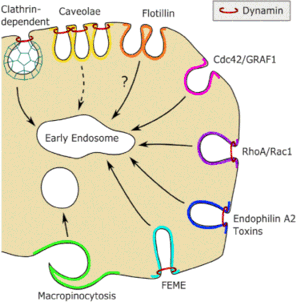
- Nanoparticle Uptake The complexity of endocytosis The field of endocytosis has undergone a remarkable development during the last decades. Today it is clear that there is a variety of uptake mechanisms in cells, and adding to the complexity, they are partially cell-type specific [7][8][9][10]. In Figure 1, we
- shown to be internalized by different endocytic mechanisms [58][59][60]. Uptake via caveolae may be a minor route; introduction of caveolae in Caco-2 cells by transfection with caveolin did not increase the uptake of cholera toxin [58]. Macropinocytosis and nanoparticle uptake Several of the NPs studied
- not succeed in killing the cell, one may end up with stimulating cancer cell growth, and not at all with the intended outcome. Clathrin-mediated endocytosis and nanoparticle uptake Clathrin-mediated endocytosis can function as an efficient uptake mechanism for relatively small molecules and NPs. The


Atomistic insights into the morphological dynamics of gold and platinum nanoparticles: MD simulations in vacuum and aqueous media
Beilstein J. Nanotechnol. 2024, 15, 995–1009, doi:10.3762/bjnano.15.81
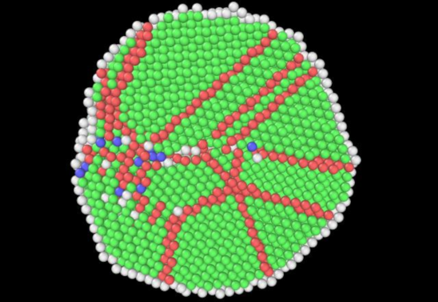
- computational procedure utilized to generate nanoparticle configurations at various temperatures. Radial number density in Au (panels a and b) and Pt (panels c and d) NPs as a function of the distance measured relative to a chosen reference atom. The NP diameters considered are 2 nm (panels a and c) and 8 nm


Therapeutic effect of F127-folate@PLGA/CHL/IR780 nanoparticles on folate receptor-expressing cancer cells
Beilstein J. Nanotechnol. 2024, 15, 954–964, doi:10.3762/bjnano.15.78
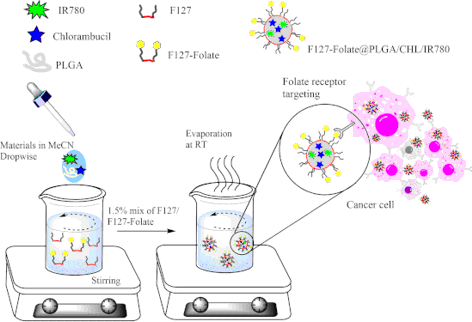
- therapeutic and diagnostic capabilities, have gained significant interest in drug research because of to their potential advantages. This study reports the development of a novel multifunctional nanoparticle carrier system based on poly(ᴅ,ʟ-lactic-co-glycolic acid) (PLGA) for the targeted delivery of the
- and diagnosis, leveraging the advantages of PLGA, folate targeting, and the integration of therapeutic and imaging agents. Keywords: cancer; chlorambucil; drug carrier; IR780; PLGA nanoparticle; theragnostic; Introduction Poly(ᴅ,ʟ-lactic-co-glycolic acid) (PLGA), a copolymer of poly(lactic acid
- pH 5.4. After that, the nanoparticles were centrifuged at 12,000 rpm, and the pellets were collected and freeze-dried. The drugs that remained in the nanoparticle were determined as described above. Cell culture The human breast carcinoma MCF7 cell line, the human hepatoma HepG2 cell line, and the



Identification of structural features of surface modifiers in engineered nanostructured metal oxides regarding cell uptake through ML-based classification
Beilstein J. Nanotechnol. 2024, 15, 909–924, doi:10.3762/bjnano.15.75
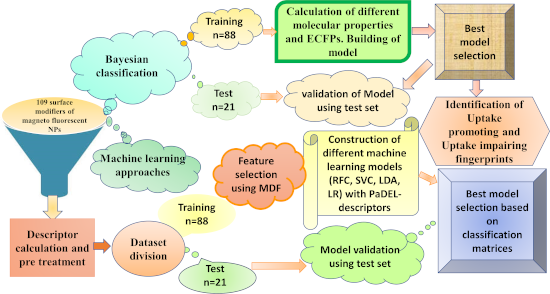
- because of their enhanced reactivity, large surface area, and tunable properties [7][8]. ENMOs can enter the human body [9] and engage with various biomacromolecules, including sugars, lipids, proteins, and nucleic acids. These biomolecules rapidly envelop the nanoparticle surface, creating a dynamic
- “protein corona”, which dictates the biological characteristics of the nanoparticles [10][11]. The composition of this corona is variable and relies on the concentrations and affinities of its different components to the nanoparticle surface. Cellular uptake of NPs happens through receptor-mediated active
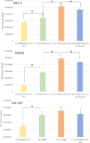
- ENMOs (monocrystalline magnetic nanoparticles having overall size of 38 nm and an average of 60 ligands per nanoparticle, indicating a consistent level of attachment across different preparations) regarding human pancreatic ductal adenocarcinoma cells (PaCa2), human umbilical vein endothelial cells


Water-assisted purification during electron beam-induced deposition of platinum and gold
Beilstein J. Nanotechnol. 2024, 15, 884–896, doi:10.3762/bjnano.15.73
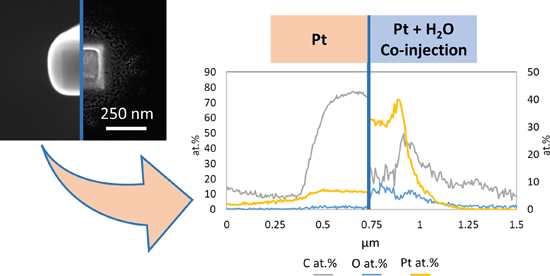
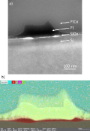
- is a factor that should be considered when comparing the obtained data with other studies of Pt nanoparticle mobility on surfaces. While the lines obtained at circa 0.5 nA approach a closed structure, lines deposited at higher currents show more substantial cracking and lack of continuity. This





A review on the structural characterization of nanomaterials for nano-QSAR models
Beilstein J. Nanotechnol. 2024, 15, 854–866, doi:10.3762/bjnano.15.71
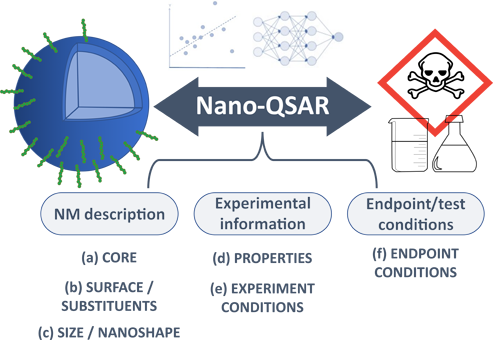
- nanoparticle discussed until now can be simplistic. NMs are often found to include different chemical components because they are mixtures or complex chemical structures, including impurities or even different crystal phases. Hence, the primary chemical composition of the nanoparticle, excluding ligands or
- -based descriptors, common in QSAR models of discrete molecules, to characterize the substituents, and they constitute the only identifier of each datapoint [43][44][45][46]. In datasets with substituents that are mainly transition metals (deposited in the nanoparticle or present in the solution
- nanoparticles are approximately spherical [23][35][56][60]. In some cases, the length in a second direction is also reported or, more often, a ratio between two dimensions is included to encode the shape of the nanoparticle or to categorize it [60]. Alternative size parameters are volume and mass [61]. Dynamic


Synthesis of silver–palladium Janus nanoparticles using co-sputtering of independent sources: experimental and theorical study
Beilstein J. Nanotechnol. 2024, 15, 808–816, doi:10.3762/bjnano.15.67
- nanoparticles were obtained using a Nanosys 500 system from Mantis Ltd. modified by the addition of a second magnetron in a different chamber to obtain two nanoparticle sources, in a similar manner as described in [13]. In the first magnetron section, Ag atoms were generated from a silver target with 99.99
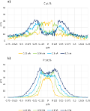
- sputtering Ag nanoparticles, only the second magnetron section working to confirm the sputtering of Pd nanoparticles, and both magnetrons working to obtain BNPs of the desired size. Figure 1 shows the nanoparticle size distribution for each experimental condition. The green color profile corresponds to the
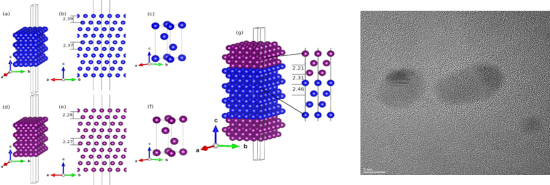
- same nanoparticle, there are two different structures. An approximation of one of these nanoparticles in Figure 2b shows more evidently that there is one structure on the surface of another in a controlled manner. Figure 3a shows the micrograph used for the calculation of the interplanar distances. The




Gold nanomakura: nanoarchitectonics and their photothermal response in association with carrageenan hydrogels
Beilstein J. Nanotechnol. 2024, 15, 678–693, doi:10.3762/bjnano.15.56
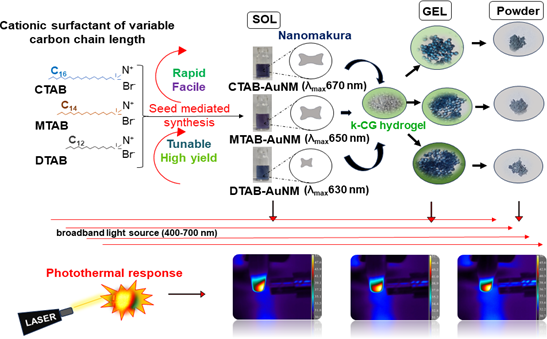
- examined the effect of different carbon tail lengths of these surfactants in determining nanoparticle morphology (aspect ratio) and photothermal response. The growth solution used was kept uniform in case of all three surfactants to establish the specific effect of carbon tail length on the respective
- -AuNM > MTAB-AuNM > DTAB-AuNM. However, the inflection point at 520–530 nm is similar for all three nanoparticle types with different capping. Table 1 clearly shows the positive zeta potential indicating a positive charge on the hydrodynamic surface which is well known in the case of surfactant-capped
- well known to generate anisotropic nanomaterials. The mechanism mainly involves the arrangement of surfactant micelles which dictates anisotropy in nanoparticle during synthesis. A seed is a tiny crystal of ≈2–3 nm that initiates growth of a nanoparticle when introduced in a proper growth solution. The






Laser synthesis of nanoparticles in organic solvents – products, reactions, and perspectives
Beilstein J. Nanotechnol. 2024, 15, 638–663, doi:10.3762/bjnano.15.54
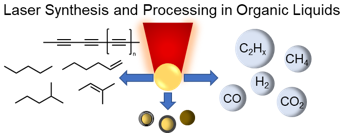
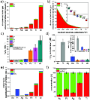
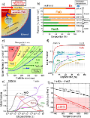
- reports from Fojtik and Henglein on nanoparticle synthesis [1] and Patil et al. on reactive target modification [2], pulsed laser synthesis and processing of colloids (LSPC) has been shown to be a scalable [3][4][5][6] and versatile technique for nanoparticle synthesis, comprehensively reviewed regarding
- generation of inorganic particles is a physicochemical approach that claims to synthesize particles without surfactants or molecular additives. In contrast to other approaches of nanoparticle synthesis, LSPC only requires the neat (elemental) target materials while no other precursors or ligand exchange
- liquid. Hereby, in ideal cases that fulfill the “purity” claim, the liquid shall not be degraded into reaction products that may adsorb to the nanoparticle surface as they are difficult to remove afterward. Here, water is less critical than organic solvents, where liquid hydrocarbons and other species





On the additive artificial intelligence-based discovery of nanoparticle neurodegenerative disease drug delivery systems
Beilstein J. Nanotechnol. 2024, 15, 535–555, doi:10.3762/bjnano.15.47
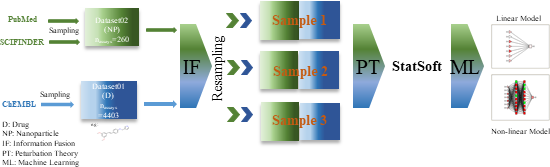
- drugs (NDDs) requires immediate attention. Nanoparticle (NP) systems are of increasing interest for transporting NDDs to the central nervous system. However, discovering effective nanoparticle neuronal disease drug delivery systems (N2D3Ss) is challenging because of the vast number of combinations of NP
- serve as valuable tools in the design of drug delivery systems for neurosciences. Keywords: artificial neural network (ANN); linear discriminant analysis (LDA); machine learning; nanoparticle; neurodegenerative diseases; Introduction Over time, there has been a significant shift in global dietary
- , which limits the number of therapeutic substances able to reach the brain in order to induce a positive effect. Recently, many efforts have been made to develop systems that facilitate the passage of NDDs through the BBB. Interestingly, nanoparticle (NP) systems are gaining increasing interest among the




Photocatalytic degradation of methylene blue under visible light by cobalt ferrite nanoparticles/graphene quantum dots
Beilstein J. Nanotechnol. 2024, 15, 475–489, doi:10.3762/bjnano.15.43
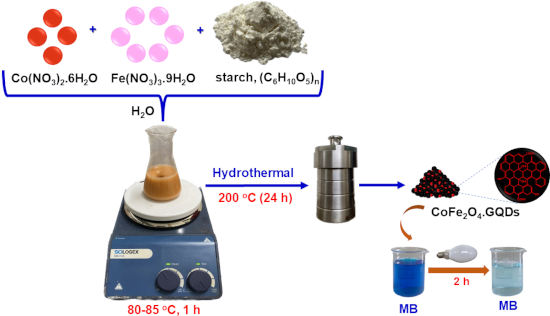
- of CF and CF/GQDs-200, respectively, and the corresponding particle size distribution. CF has very fine particles of around 15–20 nm. The intimate interfacial contact between GQDs sheets and the CF nanoparticle is further depicted in the TEM image (Figure 4e). In this image, the deposited