
Search results
Search for "image" in Full Text gives 1512 result(s) in Beilstein Journal of Nanotechnology. Showing first 200.
The round-robin approach applied to nanoinformatics: consensus prediction of nanomaterials zeta potential
Beilstein J. Nanotechnol. 2024, 15, 1536–1553, doi:10.3762/bjnano.15.121
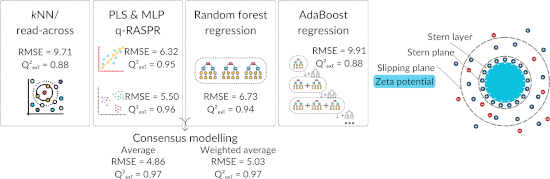
- neighbours (kNN) model developed by Varsou et al. [33] to predict the ZP of 37 metal and metal oxide NPs based on their core type and the NPs main elongation (image descriptor derived from microscopy images). Papadiamantis et al. [34] developed a kNN/read-across model for the estimation of the ZP of 69


Electrochemical nanostructured CuBTC/FeBTC MOF composite sensor for enrofloxacin detection
Beilstein J. Nanotechnol. 2024, 15, 1522–1535, doi:10.3762/bjnano.15.120
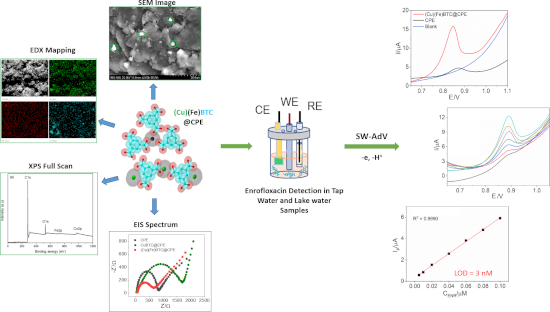
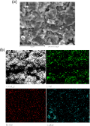
- 2e), the binding energy peak of Cu 2p3/2 (934.9 eV) can be attributed to Cu2+. Characterization of (Cu)(Fe)BTC@CPE Morphology The TEM image of the (Cu)(Fe)BTC sample shows unevenly distributed particles with different particle sizes fluctuating in the range of 40 to 100 nm (Figure 3). After mixing
- room temperature (25 ± 1 °C). (a) XRD pattern and (b) N2 adsorption/desorption isotherms of the (Cu)(Fe)BTC sample. Full-scan (a) and high-resolution C 1s (b), O 1s (c), Fe 2p (d), and Cu 2p (e) XPS spectra of the (Cu)(Fe)BTC sample. TEM image of (Cu)(Fe)BTC sample. SEM images of (Cu)(Fe)BTC@CPE (a





Polymer lipid hybrid nanoparticles for phytochemical delivery: challenges, progress, and future prospects
Beilstein J. Nanotechnol. 2024, 15, 1473–1497, doi:10.3762/bjnano.15.118


A biomimetic approach towards a universal slippery liquid infused surface coating
Beilstein J. Nanotechnol. 2024, 15, 1376–1389, doi:10.3762/bjnano.15.111
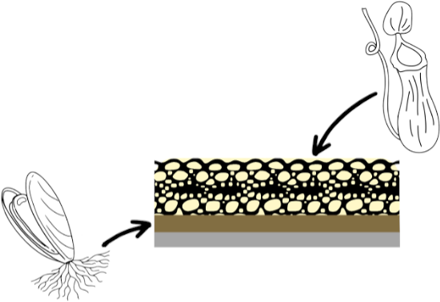
- measurements were conducted with the sessile drop method. Droplets of 5 µL were pipetted onto the surface, and an image was captured. Eight images from two duplicates of each sample type were acquired on a smartphone device and processed in ImageJ (NIH). Atomic force microscopy AFM was conducted on a Veeco di
- Microscopy Sciences). Samples were sputter-coated with gold/palladium (Cressington 108A) and imaged on a scanning electron microscope (SEM) (FEI Quanta 600F). ImageJ was used to measure fiber diameter and clot density. Clot density was determined by drawing a line through the image and counting the number of




Green synthesis of carbon dot structures from Rheum Ribes and Schottky diode fabrication
Beilstein J. Nanotechnol. 2024, 15, 1369–1375, doi:10.3762/bjnano.15.110
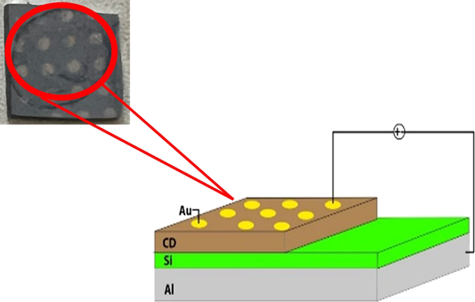
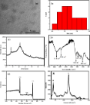
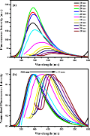
- the Schottky diode based on CDs. (a) TEM image, (b) size distribution, (c) XRD pattern, (d) FTIR spectrum, (e) XPS spectrum, and (f) Raman spectrum of the CDs. UV–vis absorption and fluorescence spectra of the CDs (λexc = 320 nm). (a) Fluorescence and (b) normalized fluorescence spectra of the CDs at
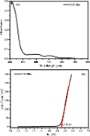
- various excitation wavelengths in the range from 300 to 400 nm. SEM image of Si/CDs/Au-based Schottky diode. (a) UV–vis absorption spectra and (b) bandgap of the CDs layer. I–V characteristics of the Si/CDs/Au-based Schottky diode. Acknowledgements We thank Assoc. Prof. Dr. Kübra Çınar Demir and Lecturer




Out-of-plane polarization induces a picosecond photoresponse in rhombohedral stacked bilayer WSe2
Beilstein J. Nanotechnol. 2024, 15, 1362–1368, doi:10.3762/bjnano.15.109
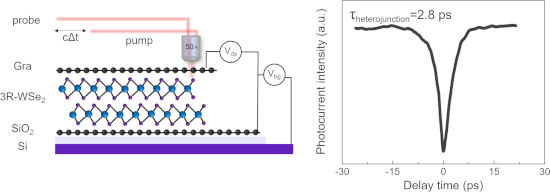
- , respectively, represent W and Se atoms. The black arrow represents the direction of interlayer polarization. (b) Optical image of the graphene/3R WSe2/graphene heterojunction device. The yellow and orange dashed lines represent two monolayers of WSe2. The white dashed lines represent the top and bottom
- probe power. (d) Photoresponse intensity of heterojunction (red dots) and graphene region (black dots) as a function of probe power. Supporting Information Supporting Information File 20: Characterization of structure, SHG image, SEM and EDS images, Raman and PL spectrum of WSe2 and raw TRPC curves for


Investigation of Hf/Ti bilayers for the development of transition-edge sensor microcalorimeters
Beilstein J. Nanotechnol. 2024, 15, 1353–1361, doi:10.3762/bjnano.15.108
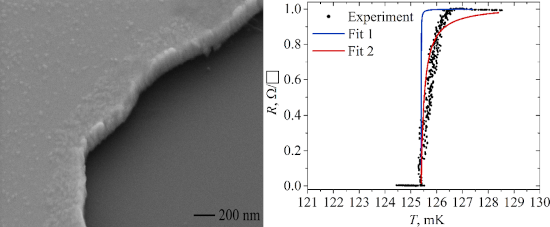
- . Finally, we performed a lift-off process using N-methylpyrrolidone followed by a rinse in isopropyl alcohol. The edges of the structures after the lift-off process appeared to be vertical well-defined walls without upward bends, as shown in the SEM image in Figure 2. A thin layer of titanium on top of
- from single quantum vaporized helium atoms, as well as for dark matter search. Photographs of structures taken with an optical microscope. (a) Chip with samples A1–A4 and (b) sample B1. SEM image of the edge of the Hf/Ti bridge structure made with the lift-off process. The dependence of resistance


Hymenoptera and biomimetic surfaces: insights and innovations
Beilstein J. Nanotechnol. 2024, 15, 1333–1352, doi:10.3762/bjnano.15.107
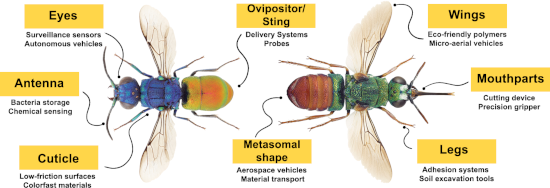
- ://creativecommons.org/licenses/by-nc/4.0/). This content is not subject to CC BY 4.0. The body parts of Hymenoptera that can serve as sources for bioinspired and biomimetic materials and technologies. The image was adapted





Interaction of graphene oxide with tannic acid: computational modeling and toxicity mitigation in C. elegans
Beilstein J. Nanotechnol. 2024, 15, 1297–1311, doi:10.3762/bjnano.15.105

- and TA interaction system. AFM images of (a) GO and (b) GO incubated with TA (10 mg·L−1). The height profile plots on the right present the topology of the marked regions of each sample image. Characterization of GO and TA system. a) FTIR showing absorption signals related to –OH strength band, GO’s


New design of operational MEMS bridges for measurements of properties of FEBID-based nanostructures
Beilstein J. Nanotechnol. 2024, 15, 1273–1282, doi:10.3762/bjnano.15.103
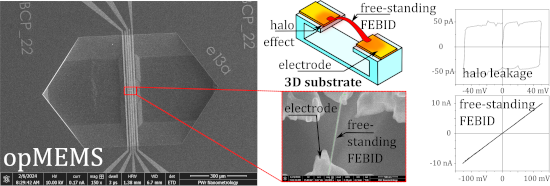
- multipoint measurements of nanomaterials in search of their electrical or mechanical properties. Visualisation of the halo effect under a freestanding nanostructure on a solid and 3D substrate. MEMS bridge shown (a) schematically with RoI formed (left) and RoI distance geometry (right), (b) on a SEM image as
- a whole with schematic electrical connections, and (c) on a SEM image focused on the RoI, with path descriptions and ion beam milling lines marked. Influence of DRIE-milled openings on current leakage across the slit edge. (a) Conducting paths are electrically shorted by leakage along the edge of


Dual-functionalized architecture enables stable and tumor cell-specific SiO2NPs in complex biological fluids
Beilstein J. Nanotechnol. 2024, 15, 1238–1252, doi:10.3762/bjnano.15.100
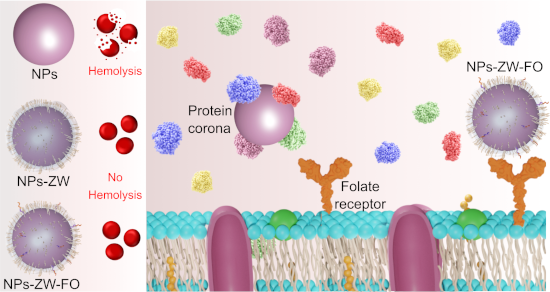
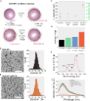
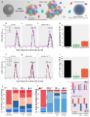
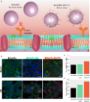
- NPs with kinetic stabilizer and tumor driver. SiO2NPs: NPs without functionalization; SiO2NPs-ZW: NPs with zwitterionic; SiO2NPs-ZW-NH2: NPs with zwitterionic + APTES and SiO2NPs-ZW-FO: NPs with zwitterionic + APTES + folate. b,c) SEM image and size distribution for SiO2NPs and SiO2NPs-ZW-FO (n ≈ 1000

A low-kiloelectronvolt focused ion beam strategy for processing low-thermal-conductance materials with nanoampere currents
Beilstein J. Nanotechnol. 2024, 15, 1197–1207, doi:10.3762/bjnano.15.97
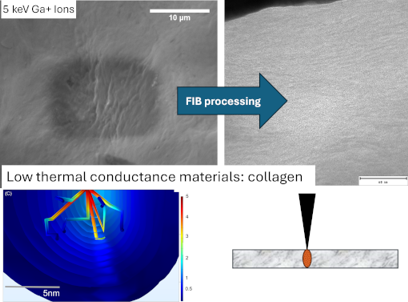
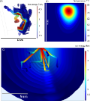
- , finite element simulations, and numerical modelling results and compared to experiments. The results indicate that with lower accelerator voltages, higher ion beam currents in the nanoampere range can be used to pattern or image soft material and non-resin-embedded biological samples with increased
- when using nanoampere beam currents. The unnaturally smooth surface areas, visible in the cross sections in the SEM image in Figure 4A, indicate that heat damage occurs when using higher ion energies and nanoampere currents for collagen, even when blurring the beam and reducing the overlap. This result



Synthesis, characterization and anticancer effect of doxorubicin-loaded dual stimuli-responsive smart nanopolymers
Beilstein J. Nanotechnol. 2024, 15, 1189–1196, doi:10.3762/bjnano.15.96
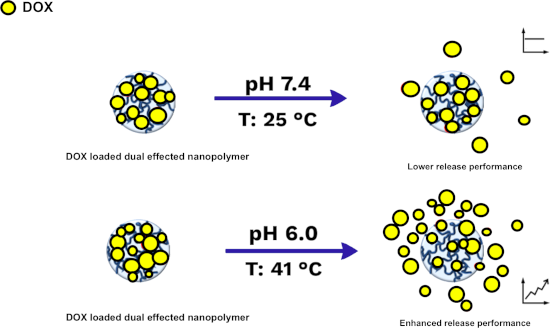
- . The data shows that smart nanopolymers can be used to create new types of doxorubicin-based drugs. Solutions utilized during polymerization. FTIR spectra of SNPs and DOX-SNPs. SEM image of SNPs. (A) Loading capacity of DOX at different initial concentrations. (B) Time-dependent release of DOX under


Local work function on graphene nanoribbons
Beilstein J. Nanotechnol. 2024, 15, 1125–1131, doi:10.3762/bjnano.15.91
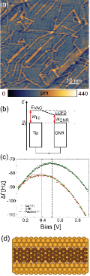
- KPFM, a voltage is applied to the tip in order to compensate electrostatic forces occurring between tip and sample. Such electrostatic forces arise from the different positions of the Fermi level in tip and sample, which give rise to charge transfer. In KPFM, the forces are measured by SFM during image
- acquisition [21][22]. In this way, an image of the local contact potential difference between tip and sample is obtained. This has been shown not only for general surfaces, for example, insulating surfaces, but also for molecules and molecular layers [18][23][24][25]. Here, we study the local work function
- and Discussion A topographic image of GNRs on the Au surface is shown in Figure 1a. While most GNRs are attached to gold step edges or to other ribbons, we additionally observe isolated individual ribbons. When the tip and the GNR are brought close together, electrostatic forces between tip and sample

![[Graphic 1]](/bjnano/content/inline/2190-4286-15-91-i4.svg?max-width=637&scale=1.18182)
Direct electron beam writing of silver using a β-diketonate precursor: first insights
Beilstein J. Nanotechnol. 2024, 15, 1117–1124, doi:10.3762/bjnano.15.90
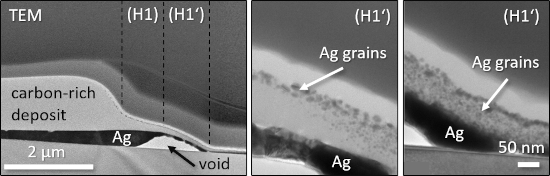
- microstructure of the deposits was investigated using a ThermoFischer Themis 200 G3 aberration-corrected transmission electron microscope (TEM) operating at 200 kV. Cross-sectional TEM lamellas were prepared by a standard sample preparation protocol using a Tescan Lyra3 FIB-SEM system. The TEM overview image was
- ligands instead of their further dissociation and co-deposition into the deposit. To further investigate the microstructure of the deposit, a thin lamella along the dashed white line in Figure 1a was prepared and studied by TEM. The TEM overview image is depicted in Figure 1c, its alignment and
- magnification were adapted to match the high-resolution SEM (HRSEM) image above. The deposit structure turned out to be extremely non-uniform with a continuous layer of elemental silver at the interface between deposit and silicon substrate (cf. Supporting Information File 1, Figure S4, for more details on the


Signal generation in dynamic interferometric displacement detection
Beilstein J. Nanotechnol. 2024, 15, 1070–1076, doi:10.3762/bjnano.15.87
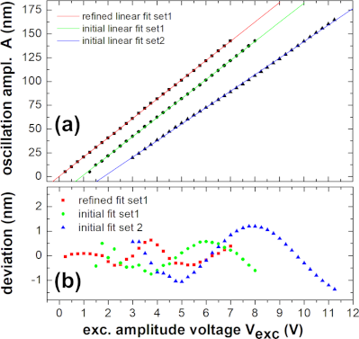
- in Figure 1. This error is estimated by visual inspection of a CCD camera image of the fiber–cantilever gap, and we find . To estimate the wavelength error δλ, we performed a careful measurement of the laser diode light wavelength λ with a spectrograph (Acton series SP-2500i-2556, Princeton


Effect of wavelength and liquid on formation of Ag, Au, Ag/Au nanoparticles via picosecond laser ablation and SERS-based detection of DMMP
Beilstein J. Nanotechnol. 2024, 15, 1054–1069, doi:10.3762/bjnano.15.86
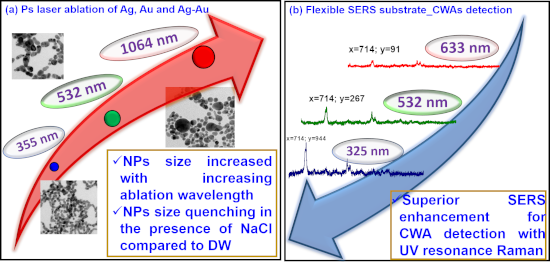
- confirms the occurrence of Ag, Au, Na, Cl, C, and O elements on the FP-AgAuN3 substrate, provided in Supporting Information File 1, Figure S4. To confirm the presence of Ag and Au in alloy NPs, an EDX mapping investigation was conducted on AgAuD3 NPs coated on a Si substrate. The color map image of a
- wavelengths, which is also evident from TEM image analysis, as discussed above. A similar trend was noticed in the case of Au NP distribution on FP, as detailed in Supporting Information File 1, Figure S6. SERS measurements from filter paper-loaded nanoparticles Initially, a portable Raman spectrometer with a


Bolometric IR photoresponse based on a 3D micro-nano integrated CNT architecture
Beilstein J. Nanotechnol. 2024, 15, 1030–1040, doi:10.3762/bjnano.15.84
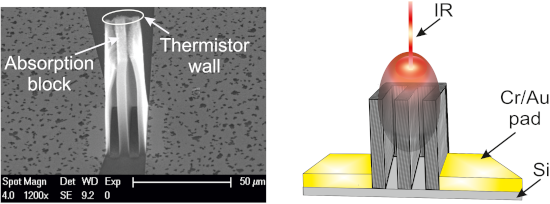
- . (a) Scanning electron microscopy image and (b) 3D close-up of the pixel-based CNT microbolometer. (a) TEM image showing DWCNTs and (b) Raman spectrum of the VACNTs. Schematic of the device under test (DUT) and measurement setups to characterize the CNT-based microbolometer. (a) Sample 1 with metal


Entry of nanoparticles into cells and tissues: status and challenges
Beilstein J. Nanotechnol. 2024, 15, 1017–1029, doi:10.3762/bjnano.15.83
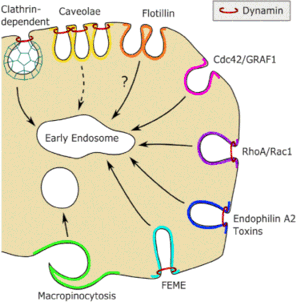
- [29]. Other microscopy techniques that are useful for such studies are correlative light and electron microscopy (CLEM) [30], confocal microscopy with Z-stacks [4], and structured illumination microscopy (SIM) which can also demonstrate in which organelles the NPs are localized. The SIM image shown in
- CC BY 4.0. SIM image showing photosensitizer–chitosan conjugate polymeric NPs within lysosomes. MDA-MB-231 cells were incubated with the NPs (red) for 2 h, followed by a washout and chasing for 2 h at 37 °C. Then, the cells were fixed and stained with an antibody against the lysosomal marker LAMP-1


Beyond biomimicry – next generation applications of bioinspired adhesives from microfluidics to composites
Beilstein J. Nanotechnol. 2024, 15, 965–976, doi:10.3762/bjnano.15.79
- within channels is distributed between more fibers surrounding the channels. Panel (b) shows a scanning electron microscopy image of a 5 × 7 mm gecko gasket design for electrophoresis. Panel (c) is a compilation image of multiple applications for the gecko gaskets, including microfluidics integrated on
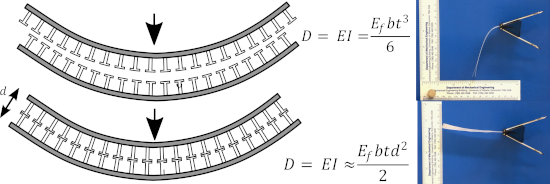
- unpublished work with image credit and permission from Samuel Lehmann 2016 – this content is not subject to CC BY 4.0. (a) Composite images of one and two-layer SETEX tapes prior to adhesion (top two images) and, at the bottom, a demonstration of how the bending stiffness increases with the adhered tapes. (b


Therapeutic effect of F127-folate@PLGA/CHL/IR780 nanoparticles on folate receptor-expressing cancer cells
Beilstein J. Nanotechnol. 2024, 15, 954–964, doi:10.3762/bjnano.15.78
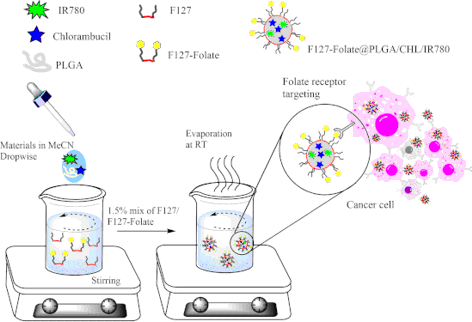
- × PBS and in cell culture medium and (B) SEM image of F127-folate@PLGA/CHL/IR780 at magnifications of 10k and 40k. Uptake of F127@PLGA/Cou-6 and F127-folate@PLGA/Cou-6 in folate receptor-expressing cells (MCF-7, HepG2) and HEK 293 cells, which do not express the folate receptor. Cells represented in



Water-assisted purification during electron beam-induced deposition of platinum and gold
Beilstein J. Nanotechnol. 2024, 15, 884–896, doi:10.3762/bjnano.15.73
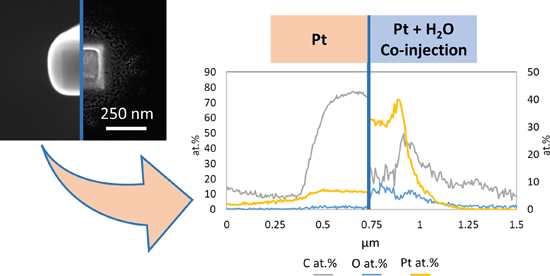
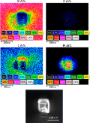
- presented in atom % for 1a (colour images generated by the Aztec software; 1% rounding error on the C atom % map). The bottom image is a secondary electron SEM image of the deposit. SEM image of deposits 1b–1f obtained by co-injecting platinum precursor and water. All images are taken at the same brightness
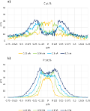
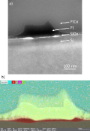
- patterned area ranges between −0.125 and 0.125 µm. The (a) carbon and (b) platinum contents are presented in atom %. The background Si signal was not excluded from the analysis. (a) High-resolution TEM image and (b) overlay of the HAADF image and the STEM-EDX map of the cross section of deposit 1g. Layers
- , 100, 500, 1000, 5000, and 10000 passes, ordered as indicated in the upper left image) at 2.3 nA (2a–2c) and 0.54 nA (2d–2f). The right column (2c, 2f) shows deposition only, the middle column (2b, 2e) etching only, and the left column (2a, 2d) simultaneous etching and deposition. 52°-tilted SEM images





Investigation on drag reduction on rotating blade surfaces with microtextures
Beilstein J. Nanotechnol. 2024, 15, 833–853, doi:10.3762/bjnano.15.70
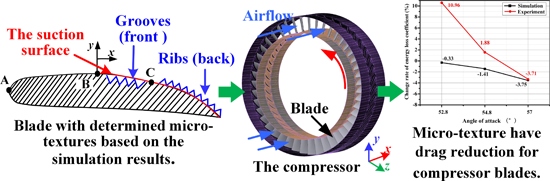
- ]. Lang et al. [8] constructed rectangular and sinusoidal grooves with 2 mm in width, 3 mm in depth, and 1 mm in spacing, thus mimicking the transverse grooves on the surface of dolphin skin. They observed the effect of the grooves on flow separation and boundary layer using digital particle image


Intermixing of MoS2 and WS2 photocatalysts toward methylene blue photodegradation
Beilstein J. Nanotechnol. 2024, 15, 817–829, doi:10.3762/bjnano.15.68
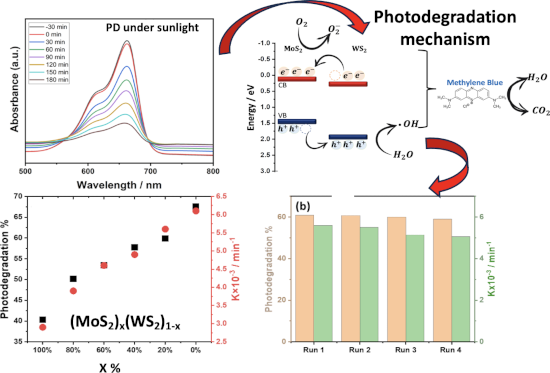
- process. However, the distinct features of the flakes were overall conserved. Figure 5 depicts TEM images carried out on the samples. Low- and high-resolution images captured from MoS2, WS2, and MoS2/WS2 composite samples are shown in Figure 5a–f. The low-magnification TEM image indicates that the size of
- orientation is indicated by the (103) direction. In the high-resolution image, some edge-related defects can also be seen which is common in CVD-grown MoS2 materials [34]. Similarly, the WS2 sample exhibits a flake shape along with a high crystalline nature of the flakes (Figure 5c, Figure 5d). Figure 5e and


Synthesis of silver–palladium Janus nanoparticles using co-sputtering of independent sources: experimental and theorical study
Beilstein J. Nanotechnol. 2024, 15, 808–816, doi:10.3762/bjnano.15.67
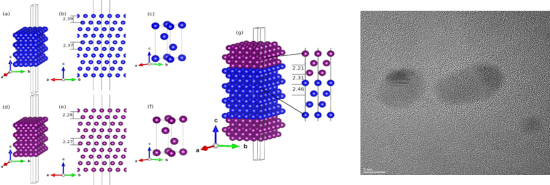
- diffraction pattern of this section is presented in Figure 3b. The image obtained from the reflection of the white circles indicated in the diffraction pattern is shown in Figure 3c, and the reflection of all points is shown in Figure 3d. These results show lattice fringes corresponding to the crystal
- silver–palladium sample was also performed on a TITAN FEI Analytical (Low-Base) device in STEM mode. Figure 4a shows the micrograph with the area in which the scan was performed is marked by the box “Spectrum Image”; the section that serves for the correction of spatial distortion has the legend “Spatial
- , (b) diffraction pattern, (c) reflection image of white circles, (d) reflection image of all points in the diffraction pattern, and (e) crystallographic distance profile. Elemental analysis by TEM-EDS of the silver–palladium nanoparticles. (a) STEM micrograph, (b) spectrum of elementary analysis