

Search results
Search for "response" in Full Text gives 1025 result(s) in Beilstein Journal of Nanotechnology. Showing first 200.
Synthesis, characterization and anticancer effect of doxorubicin-loaded dual stimuli-responsive smart nanopolymers
Beilstein J. Nanotechnol. 2024, 15, 1189–1196, doi:10.3762/bjnano.15.96
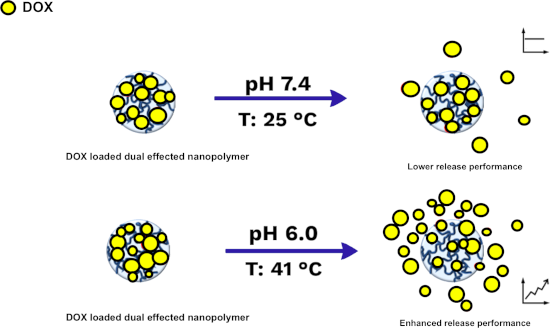
- response to external stimuli [21][22]. Different “smart” polymeric nanoparticle systems have been described in the literature, which might respond to both internal and external stimuli to release drugs. Remarkable developments have been made regarding in vitro and in vivo drug release with varying drug
- indicate that the response of polymeric materials to two or more stimuli significantly enhances drug delivery compared to nanoplatforms that respond to a single stimulus [24][25]. The difference between body temperature and ambient temperature, along with variations in pH value between the medium and the
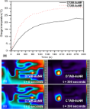
- was highest at 41 °C and pH 7.4 (Figure 4B). The temperature and pH sensitivity eliminates the need for other external stimuli. The time-dependent DOX release experiments conducted here under different conditions demonstrated that the dual response of the SNPs may improve the DD performance compared


AI-assisted models to predict chemotherapy drugs modified with C60 fullerene derivatives
Beilstein J. Nanotechnol. 2024, 15, 1170–1188, doi:10.3762/bjnano.15.95
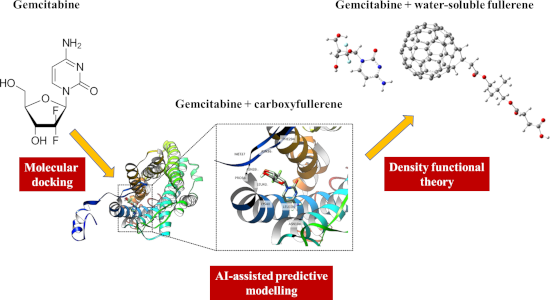
- , such as water solubility, biodegradability, biocompatibility, and hypoallergic response. It has been shown that PHFs can inhibit cancer tumor growth and positively regulate the immune system [26]. The same is valid for carboxylated fullerenes [27]; for instance, C60[C(COOH)2]3 is well known for its


Quantum-to-classical modeling of monolayer Ge2Se2 and its application in photovoltaic devices
Beilstein J. Nanotechnol. 2024, 15, 1153–1169, doi:10.3762/bjnano.15.94
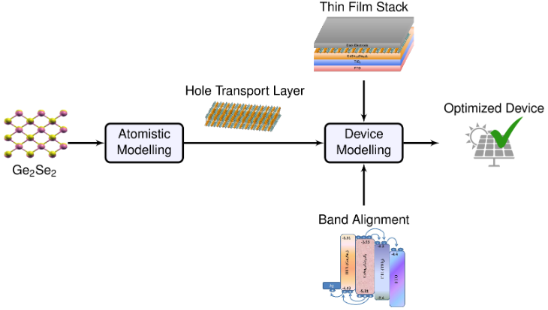
- application in photovoltaic solar cells. The proposed Ge2Se2 monolayer exhibited excellent thermodynamic stability, higher carrier mobilities (due to the presence of valleys in the CB/VB), and good optical response (an interband transition in the visible region). Considering the proper design criteria and
- (evaluated at the energy En(k)). The response coefficients, that is, the relative dielectric permittivity (εr), the polarizability (α), and the optical conductivity (σ), are related to the susceptibility as: with i,j ∈ {1,2,3}. Solving and separating Equation 9 for the imaginary part of dielectric function




Introducing third-generation periodic table descriptors for nano-qRASTR modeling of zebrafish toxicity of metal oxide nanoparticles
Beilstein J. Nanotechnol. 2024, 15, 1142–1152, doi:10.3762/bjnano.15.93
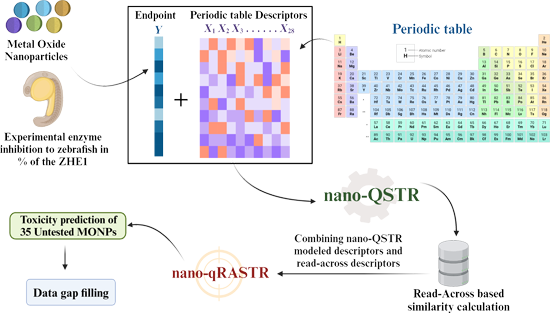
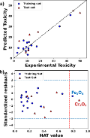
- standardization approach determines the applicability domain based on similarity. (3) The proximity of the predicted value of the query compound to the experimental mean training response is evaluated [40]. Results and Discussion nano-QSTR toxicity model Equation 1 has been developed employing the BSS-MLR
- model: Like the nano-QSTR model, the nano-qRASTR model also has the descriptor with a positive contribution to the toxicity. Also, there are two new descriptors from RASTR, namely, SE(LK) and CVsim(LK). “SE” stands for standard uncertainty in the observed response values for the chosen proximate source


Direct electron beam writing of silver using a β-diketonate precursor: first insights
Beilstein J. Nanotechnol. 2024, 15, 1117–1124, doi:10.3762/bjnano.15.90
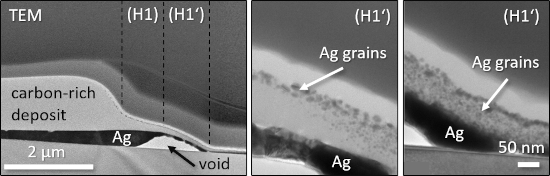
- fabrication of nano-optical components, where the actual geometry in combination with the material composition governs the optical response of the device [13]. However, typically a dominant carbon portion is present in the deposit due to the use of organometallic precursors [9][14], which poses practical


Unveiling the potential of alginate-based nanomaterials in sensing technology and smart delivery applications
Beilstein J. Nanotechnol. 2024, 15, 1077–1104, doi:10.3762/bjnano.15.88
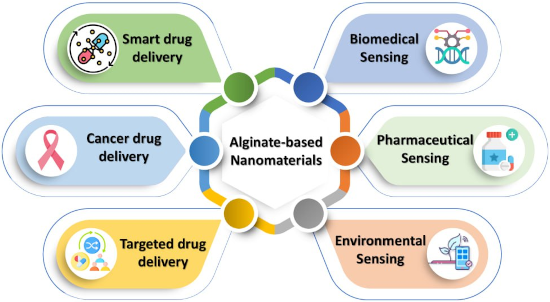
- used to detect hydrogen peroxide using cyclic voltammetry and chronoamperometry, with a linear response and detection limits of 0.91 M and 0.02 M, respectively. In most sensing applications, sodium alginate is used as a capping agent, which binds molecules to show its compatibility and antimicrobial
- controlled release of insulin in response to glucose levels. This capability makes them particularly promising for the development of glucose-responsive systems for insulin delivery, which could revolutionize diabetes management [142]. Glucose biosensing can be performed by two methods, namely, enzymatic and
- cascade reaction of these enzymes, GOx and HRP-loaded microfibers were synthesized under optimum circumstances for the visual detection of glucose, displaying a color change in response to glucose in a concentration range of 0–2 mM (Figure 10) [145]. Non-enzymatic electrochemical sensing is more cost


Signal generation in dynamic interferometric displacement detection
Beilstein J. Nanotechnol. 2024, 15, 1070–1076, doi:10.3762/bjnano.15.87
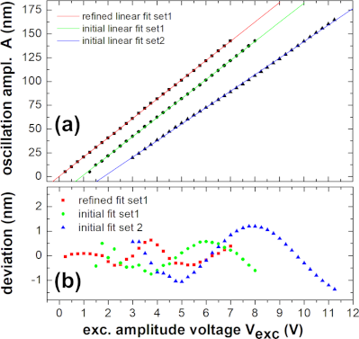
- . In a non-contact atomic force microscope (NC-AFM), it facilitates the force measurement by recording the periodic displacement of an oscillating microcantilever. To understand signal generation in a NC-AFM-based Michelson-type interferometer, we evaluate the non-linear response of the interferometer
- oscillating microcantilever in an NC-AFM. The analysis demonstrates that the interferometer signal is a non-trivial function of the cantilever excitation, where increasing excitation amplitude is translated into increasing non-linearity and complexity of the response signal. A fit of the derived response


Effect of wavelength and liquid on formation of Ag, Au, Ag/Au nanoparticles via picosecond laser ablation and SERS-based detection of DMMP
Beilstein J. Nanotechnol. 2024, 15, 1054–1069, doi:10.3762/bjnano.15.86
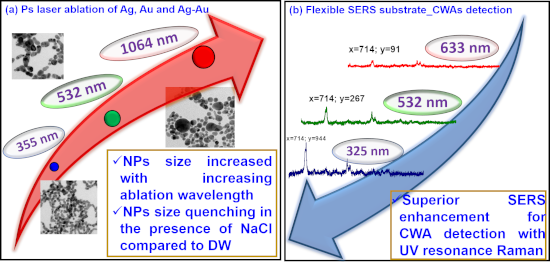
- material with the incoming beam, including absorption, reflection, and scattering [47][48]. These interactions significantly vary across the wavelengths from 1064 down to 355 nm, with a unique response of different materials at each wavelength [49]. A key to enhancing the yield is choosing the laser


Interface properties of nanostructured carbon-coated biological implants: an overview
Beilstein J. Nanotechnol. 2024, 15, 1041–1053, doi:10.3762/bjnano.15.85
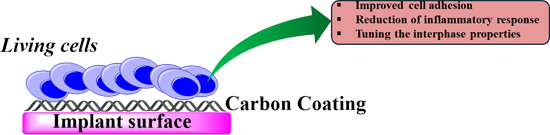
- high importance [19]. Particularly, cellular adhesion and a controlled immunological response are key features of any artificial device for being effectively implanted [20]. Additionally, responsive surfaces represent the last frontier in nanomedicine, and they require the exchange of signals and
- environment is a dynamic and complex area, where several biological, physical, and chemical interactions can take place simultaneously, including immunological response [27], mechanical mismatch with the tissue [28], degradation [29], responses to stimuli [30], and proliferation of bacteria [31]. In the next
- thickness and some morphological properties of the deposited nanostructured film can be controlled by adjusting deposition time, substrate temperature, and deposition rate. The response of biological surfaces to non-biological materials The first challenge in developing biomedical implants is related to



Bolometric IR photoresponse based on a 3D micro-nano integrated CNT architecture
Beilstein J. Nanotechnol. 2024, 15, 1030–1040, doi:10.3762/bjnano.15.84
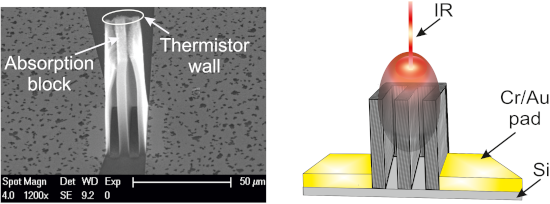
- response to IR (980 nm) absorption for a 20 × 20 μm2 device. The device exhibits an exceptionally fast response time of ≈0.15 ms, coupled with a TCR of −0.91 %/K. These attributes underscore its high operating speed and responsivity, respectively. In particular, the device maintains excellent thermal
- ], increased responsivity, unwavering reliability, ultrafast response time, and a substantial reduction in device size. The introduction of large, two-dimensional (2D) detector arrays has further increased the complexity of the detector optimization. In response to these multifaceted challenges and the quest
- contacts. The lateral and vertical dimensions of the M-shaped CNT architecture can be adjusted independently to achieve low thermal conductivity, high lateral resistance, and small response time to achieve a higher bolometric effect. Our first responsivity measurements with similar CNT wall structures were


Atomistic insights into the morphological dynamics of gold and platinum nanoparticles: MD simulations in vacuum and aqueous media
Beilstein J. Nanotechnol. 2024, 15, 995–1009, doi:10.3762/bjnano.15.81
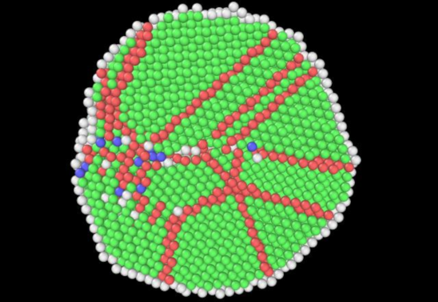
- Evangelos Voyiatzis Eugenia Valsami-Jones Antreas Afantitis NovaMechanics Ltd., Nicosia 1070, Cyprus School of Geography, Earth and Environmental Sciences, University of Birmingham, Birmingham B15 2TT, United Kingdom 10.3762/bjnano.15.81 Abstract The thermal response of gold and platinum


Recent progress on field-effect transistor-based biosensors: device perspective
Beilstein J. Nanotechnol. 2024, 15, 977–994, doi:10.3762/bjnano.15.80
- and current sensitivity [96]. Furthermore, the power dissipation is lower and the delay is much larger. Additionally, power dissipation is different for charged and neutral biomolecules. Furthermore, the transient response of the proposed biosensor adds a diverse aspect when analyzing the delay of the




Electrospun nanofibers: building blocks for the repair of bone tissue
Beilstein J. Nanotechnol. 2024, 15, 941–953, doi:10.3762/bjnano.15.77
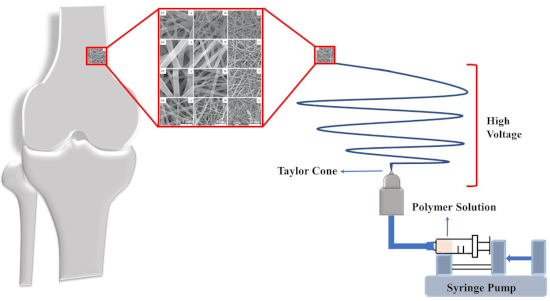
- biochemical response. Osteocytes regulate bone remodeling by transmitting these signals to osteoblasts and osteoclasts. In addition, they play a role in the regulation of both local and systemic mineral metabolism [14][18][21]. In simplest terms, osteoblasts and osteoclasts are the two primary bone cell types
- the surface of the nanofibrous scaffolds increases the therapeutic response to the drugs by a controlled and sustained release in the targeted tissue [35]. (v) Their ability to carry different drugs in their structure reduces the risk of multidrug resistance in cancer treatment with dose-specific or


Effects of cutting tool geometry on material removal of a gradient nanograined CoCrNi medium entropy alloy
Beilstein J. Nanotechnol. 2024, 15, 925–940, doi:10.3762/bjnano.15.76
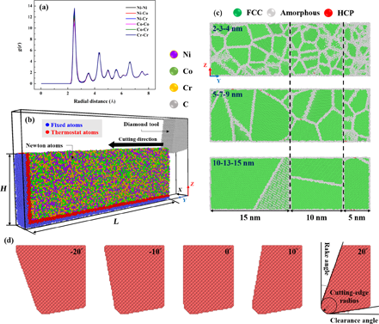
- /molecularly parallel simulator (LAMMPS) software [16][17], and the GNG model substrates were built from the ATOMSK software [18]. Deformation response, molecular structure, and atomic strain behavior were observed using the Open Visualization Tool (OVITO) software [19][20]. The mechanisms of phase transitions
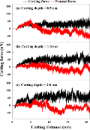
- structures and the cutting force of GNG CoCrNi MEAs during the cutting process. In the cutting force response curve, the blue area represents the first grain size region, the yellow area represents the second, and the red area represents the third. The average resultant forces of the samples in Figure 3a–f
- , and material accumulation may affect the cutting force response [21][24]. Furthermore, tangential forces are generated through work hardening resulting from the accumulation of chips or material pile-up [22]. The average resultant force is highest for the sample with a grain size gradient of 5-7-9 nm








Identification of structural features of surface modifiers in engineered nanostructured metal oxides regarding cell uptake through ML-based classification
Beilstein J. Nanotechnol. 2024, 15, 909–924, doi:10.3762/bjnano.15.75
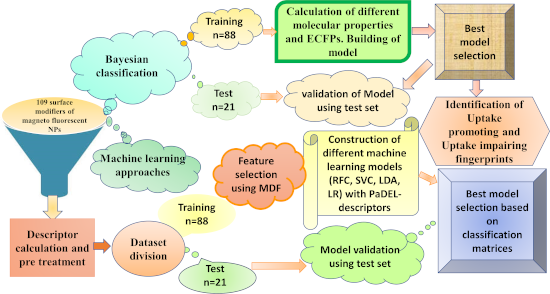
- governing the cellular uptake of ENMOs. The study will direct scientists in the design of ENMOs of higher cellular uptake efficiency for better therapeutic response. Keywords: Bayesian classification; cellular uptake; machine learning; nanoparticles (NPs); Introduction In recent years, the rapid
- or passive transport across the cell membrane [12]. Excessive absorption by normal cells enables metal oxide nanoparticles to engage with various subcellular organelles, initiating diverse signaling pathways to generate a stress response within cells. This results in the production of free radicals
- modifiers of nanostructured metal oxides. This may facilitate a higher therapeutic response by surface modifier-mediated site-specific targeting to the cell surface receptors of particular cell types. Further availability of sufficient and reliable uptake data of ENMOs in other cell types is also needed for


Exploring surface charge dynamics: implications for AFM height measurements in 2D materials
Beilstein J. Nanotechnol. 2024, 15, 767–780, doi:10.3762/bjnano.15.64
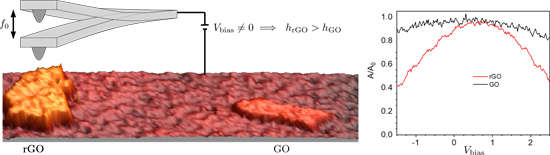
- [23][24], or electrochemical properties [25] is a key topic of research. Factors such as flake size and shape, composition, density of defects, or doping significantly influence the response of 2D materials. Given the nanoscopic scale underlying the functionality of 2D materials, atomic force


Simultaneous electrochemical determination of uric acid and hypoxanthine at a TiO2/graphene quantum dot-modified electrode
Beilstein J. Nanotechnol. 2024, 15, 719–732, doi:10.3762/bjnano.15.60
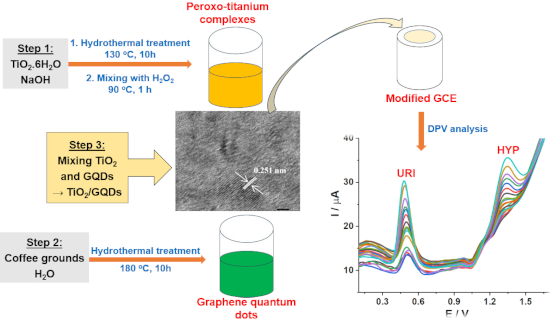
- 0.45 V for URI and at 1.26 V for HYP at the TiO2/GQDs-GCE. It is notable that the electrochemical response is a function of the TiO2/GQDs composition (Figure 5b). The oxidation peak currents of URI and HYP increase with increasing amount of GQDs in TiO2/GQDs. However, the peak current of URI reaches
- between the phenyl structure of purine and the planar hexagonal carbon structure of graphene. Effect of pH Figure 6a presents the pH dependence of the electrochemical response. The values of Ep and Ip vary as a function of pH, indicating that the oxidation process involves the transfer of protons. The
- 8c presents the effect of HYP concentration, which was kept constant at 15.74 μM, on the peak current intensity of different concentrations of URI. A linear response (the inset) is still found in the range of 1.00–15.74 μM with the regression equation of IURI = (0.7538 ± 0.1356) + (1.2783 ± 0.0166


Enhancing higher-order modal response in multifrequency atomic force microscopy with a coupled cantilever system
Beilstein J. Nanotechnol. 2024, 15, 694–703, doi:10.3762/bjnano.15.57
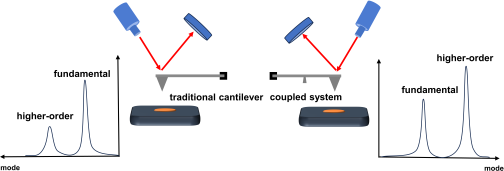
- , Chinese Academy of Sciences, Dalian 116023, P. R. China 10.3762/bjnano.15.57 Abstract Multifrequency atomic force microscopy (AFM) utilizes the multimode operation of cantilevers to achieve rapid high-resolution imaging and extract multiple properties. However, the higher-order modal response of
- traditional rectangular cantilever is weaker in air, which affects the sensitivity of multifrequency AFM detection. To address this issue, we previously proposed a bridge/cantilever coupled system model to enhance the higher-order modal response of the cantilever. This model is simpler and less costly than
- probe and excitation surface sizes on the modal response. To facilitate the exploration of the effectiveness and optimal conditions for the coupled system in practical applications, a macroscale experimental platform is established. By conducting finite element analysis and experiments, we compare the


Gold nanomakura: nanoarchitectonics and their photothermal response in association with carrageenan hydrogels
Beilstein J. Nanotechnol. 2024, 15, 678–693, doi:10.3762/bjnano.15.56
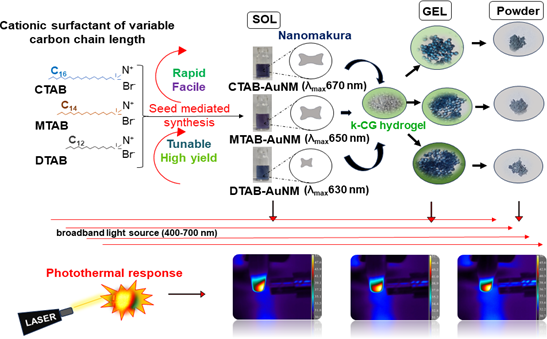
- gold nanomakura within a 600–700 nm wavelength. The aspect ratio as well as anisotropy of synthesized gold nanomakura can influence photothermal response upon near-infrared irradiation. The role of carbon tail length was evident via absorption peaks obtained from longitudinal surface plasmon resonance
- incorporating the nanomakuras and further assessed their photothermal response. Nanomakura particles in association with k-CG were also able to show photothermal conversion, depicting their ability to interact with light without hindrance. The CTAB-AuNM, MTAB-AuNM, and DTAB-AuNM after incorporation into
- hydrogel beads attained up to ≈17.2, ≈17.2, and ≈15.7 °C, respectively. On the other hand, gold nanorods after incorporation into k-CG did not yield much photothermal response as compared to that of AuNMs. The results showed a promising platform to utilize nanomakura particles along with kappa-carrageenan






Functional fibrillar interfaces: Biological hair as inspiration across scales
Beilstein J. Nanotechnol. 2024, 15, 664–677, doi:10.3762/bjnano.15.55
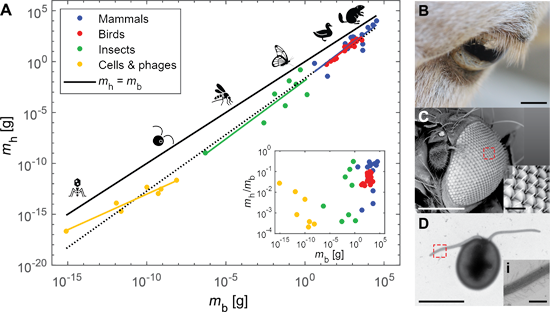
- difference of ≈10−4 °C. Therefore, thermal insulation would have a negligible effect on thermoregulation at this scale. Instead, cells may be able to regulate their metabolic rates in response to changes in environmental temperatures [38]. Wettability Superhydrophobic surfaces have the unique capability of


Stiffness calibration of qPlus sensors at low temperature through thermal noise measurements
Beilstein J. Nanotechnol. 2024, 15, 580–602, doi:10.3762/bjnano.15.50
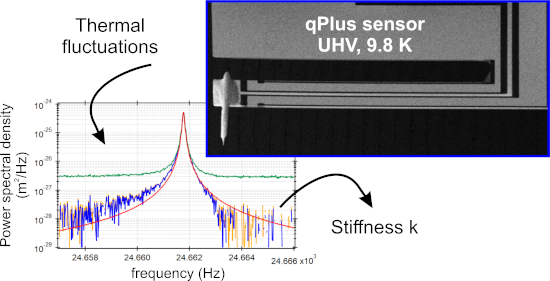
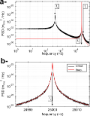
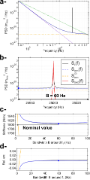
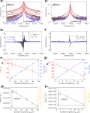
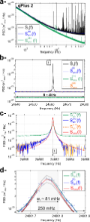
- been formalized by the linear response theory and the fluctuation–dissipation theorem (FDT) [74][75], establishing a connection between fluctuations about equilibrium and the response of a system to external forces upon its susceptibility (or response function). Thermal energy and probe fluctuations

Radiofrequency enhances drug release from responsive nanoflowers for hepatocellular carcinoma therapy
Beilstein J. Nanotechnol. 2024, 15, 569–579, doi:10.3762/bjnano.15.49
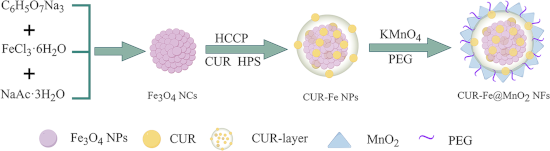
- . The presence of MnO2 protects the drug layer and reduces the loss of drugs to circulation. In tumors, MnO2 were degraded to produce Mn2+ and oxygen by response TME, exposing the drug layer for drug release and to exert antitumor effects. At the same time, Mn2+ can act as an MRI contrast agent. Oxygen
- NFs can affect T1/T2 MRI contrast. After incubation with different concentrations of CUR-Fe@MnO2 NFs in a simulated TME for 24 h, the T1 value decreased in response to Mn2+ release, and the T2 value decreased in response to Fe3O4 (Figure 3a). The longitudinal and transverse relaxation rates of the NFs


Cholesterol nanoarchaeosomes for alendronate targeted delivery as an anti-endothelial dysfunction agent
Beilstein J. Nanotechnol. 2024, 15, 517–534, doi:10.3762/bjnano.15.46
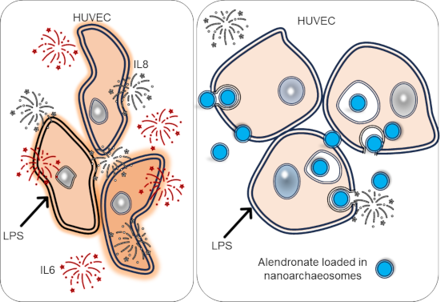
- previous crosstalk induced relatively low levels of IL-6 and IL-8 on the apical side with HUVECs (Supporting Information File 1, Figure S1). Then, in response to LPS, the levels of IL-6 and IL-8 raised to ≈600 pg/mL and ≈5000 pg/mL, respectively; no TNF-α was detected, a result consistent with previous
- reports [46]. Both IL-6 and IL-8 produced by HUVECs diffused downwards. In the basal compartment, the IL-8 level rose from ca. 2000 to 5500 pg/mL in response to apical LPS. Macrophages, in addition to expressing prominent levels of IL-8 receptors [47][48] are the main inducers of IL-8 in the immune system
- 1, Figure S2), suggesting that FCs were weakly pro-inflammatory, as described to happen when artificially induced [51]. Then, in response to LPS, IL-6 and IL-8 levels rose to 1600 and 14000 pg/mL, respectively. In the basal compartment the levels of IL-6 and IL-8 were 900 and 16000 pg/mL





Potential of a deep eutectic solvent in silver nanoparticle fabrication for antibiotic residue detection
Beilstein J. Nanotechnol. 2024, 15, 426–434, doi:10.3762/bjnano.15.38
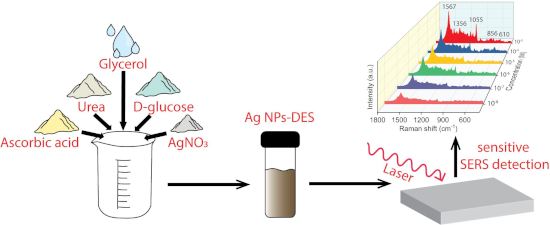
- spectra of SERS-based biosensors are simple but powerful results, in which every single component of the analytes can be recognized via characteristic vibrations of identical groups [1]. In particular, SERS is an advantageous and practical choice for biosensors in clinical settings thanks to fast response


Unveiling the nature of atomic defects in graphene on a metal surface
Beilstein J. Nanotechnol. 2024, 15, 416–425, doi:10.3762/bjnano.15.37
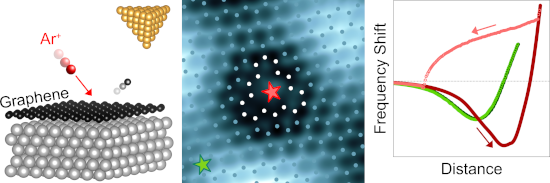
- . Constant-height scanning tunneling spectroscopy (STS) of dI/dV was performed by sinusoidally modulating (5 mVrms, 725 Hz) the dc bias voltage and measuring the first harmonic of the ac current response of the tunneling junction with a lock-in amplifier. For AFM data acquisition, resonance frequency changes