


Search results
Search for "uptake" in Full Text gives 324 result(s) in Beilstein Journal of Nanotechnology. Showing first 200.
Incorporation of doxorubicin in different polymer nanoparticles and their anticancer activity
Beilstein J. Nanotechnol. 2019, 10, 2062–2072, doi:10.3762/bjnano.10.201

- cancer [4][5][6][7][8][9]. Another important aspect of the efficacy of nanoparticles as delivery system for anticancer is their uptake and, in turn, the drug transport into cancer cells. Uptake mechanisms may differ between different types of nanoparticles, which may affect their effectiveness as
- . It is the only preparation in which nanoparticles have a size clearly smaller than 100 nm (72.6 ± 3.3 nm, Figure 1). This might indicate that the cellular uptake of smaller nanoparticles is higher than that of larger nanoparticles, which is coherent with previous findings showing that cellular uptake
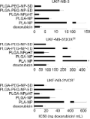
- shown to bypass efflux-mediated drug resistance [25]. This included various nanoparticle and liposome formulations of the ABCB1 substrate doxorubicin that were shown to modify the cellular uptake and intracellular distribution of doxorubicin resulting in enhanced effects against ABCB1-expressing cancer




Synthesis and potent cytotoxic activity of a novel diosgenin derivative and its phytosomes against lung cancer cells
Beilstein J. Nanotechnol. 2019, 10, 1933–1942, doi:10.3762/bjnano.10.189
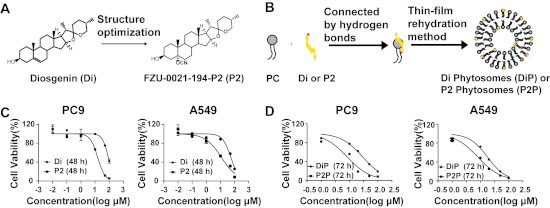
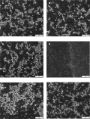
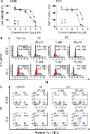
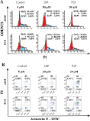
- of apoptosis, suggesting that the actions of P2 on induction of cell apoptosis could be altered after loading in phytosomes. One reason might be the changed drug uptake pathway. The free drugs were taken up by passive transport, while the phytosomes were taken up through endocytosis [39]. Besides



Engineered superparamagnetic iron oxide nanoparticles (SPIONs) for dual-modality imaging of intracranial glioblastoma via EGFRvIII targeting
Beilstein J. Nanotechnol. 2019, 10, 1860–1872, doi:10.3762/bjnano.10.181
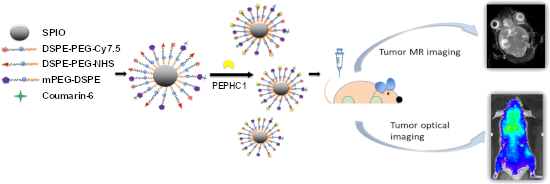
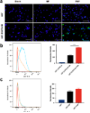
- centrifugation was performed at 1000 rpm for 4 min. Finally, 0.5 mL of PBS (0.01 M, pH 7.4) was used to suspend the cells and the fluorescence intensity of the cells was ascertained by flow cytometry (BD, USA). Cellular uptake of PEG-SPIONs The cellular uptake of NPs and PNPs were investigated on U87MG and U87MG
- qualitative analysis, the cells were washed with PBS (0.01 M, pH 7.4) three times, then DAPI-stained and observed under a fluorescence microscope (Leica, DMI4000B, Germany). For the quantitative examination of the cellular uptake of the nanoprobes, U87MG and U87MG-EGFRvIII cells were harvested after trypsin
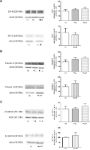
- multifunctional vehicles for biomedical applications. EGFRvIII expression in U87MG-EGFRvIII cells Before assessing the uptake of the nanoprobes by different cells, EGFRvIII expression in U87MG-EGFRvIII cells was initially validated. As shown in Figure 3a, an obviously higher fluorescence intensity was observed in




Processing nanoporous organic polymers in liquid amines
Beilstein J. Nanotechnol. 2019, 10, 1844–1850, doi:10.3762/bjnano.10.179

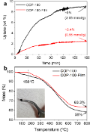
- adsorption [28]. In a customized gravimetric analysis setup (Supporting Information File 1, Figure S3), COP-100 and COP-100-Film were tested for CO2 uptake, where 9% and 2.4% of CO2 sorption were observed in 3 h at 40 °C, respectively (Figure 6a). Despite the far worse CO2 adsorption performance compared to



Toxicity and safety study of silver and gold nanoparticles functionalized with cysteine and glutathione
Beilstein J. Nanotechnol. 2019, 10, 1802–1817, doi:10.3762/bjnano.10.175
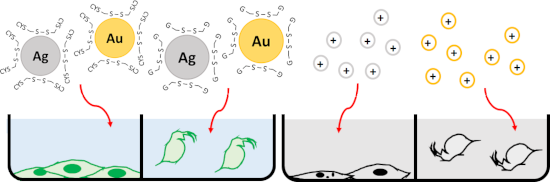
- cell cultures using standardized and reliable assay protocols to adequately assess and explain the effects [39]. Exposure to NPs may lead to their uptake, translocation, and most likely, biotransformation within the body. It has been demonstrated that AgNPs and AuNPs can be absorbed into systemic
- reduces or increases their safety. For this purpose, the efficiency of NP uptake, cell viability, apoptosis induction, oxidative stress response and genotoxicity parameters of L929 cells treated with prepared NPs were determined and compared with control cells. A range of NP concentrations were tested for
- transport may lead to intracellular NP dissolution, which may trigger a cascade of different toxic actions. Further safety tests were performed using a concentration range of NPs or ions that did not cause a decrease of cell viability by more than 80%. Uptake of all tested NPs, as determined by flow


Synthesis of nickel/gallium nanoalloys using a dual-source approach in 1-alkyl-3-methylimidazole ionic liquids
Beilstein J. Nanotechnol. 2019, 10, 1754–1767, doi:10.3762/bjnano.10.171
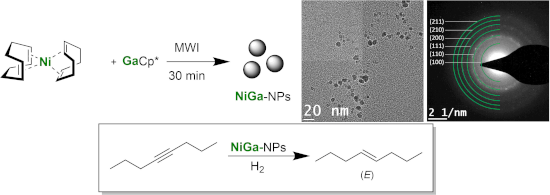
- removed as much as possible by washing with acetonitrile (see Supporting Information File 1, Figure S11). The precipitated NiGa nanoparticles exhibited over three runs very high conversion rates of 82–96% (Table 3). After 30 min the hydrogen consumption reaches a plateau at an H2 uptake value that
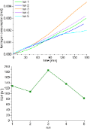
- nickel with 5 ± 1 nm and of gallium with 40 ± 5 nm, see Supporting Information File 1, Figure S9 and Figure S10. d) No nanoparticle formation in [EMIm][FB(CN)3] from Ni(COD)2 and GaCp* after 24 h of dispersion and 30 min of microwave-induced decomposition. Top: Hydrogen uptake as a function of the time
- for the semihydrogenation of 0.018 mol 4-octyne (2 g, 2.7 mL) using 0.1 g NiGa@[BMIm][NTf2] dispersion (1 wt % = 0.001 g in total metal, 7.8 µmol NiGa) as catalyst at a 4-octyne/metal ratio of 1:2331, 150 °C, 5 bar H2, 3 h. A 100% conversion corresponds to an H2 uptake of 0.018 mol (36 mg, 403 mL




The impact of crystal size and temperature on the adsorption-induced flexibility of the Zr-based metal–organic framework DUT-98
Beilstein J. Nanotechnol. 2019, 10, 1737–1744, doi:10.3762/bjnano.10.169

- -dependent steep water uptake of up to 20 mmol g−1 at 0.5 p/p0 with potential for water harvesting and heat pump applications. We furthermore investigate the temperature-induced structural transition by in situ powder X-ray diffraction. At temperatures beyond 110 °C, the open-pore state of the nanometer
- -98op, water adsorption experiments were conducted at 298 K for DUT-98(2)–(4) (Figure 5a). In DUT-98(1), no significant adsorption of water can be observed, indicating that structural opening cannot be induced via water adsorption. On the other hand, in DUT-98(2), an increase in uptake is observed
- again at around a relative pressure of 0.5, however the uptake is found to be almost three times higher compared to DUT-98(2). DUT-98(4) exhibits the same steep increase but a wide hysteresis at higher pressure, indicating the dominant contribution of interparticle mesoporosity over the microporosity of



Doxorubicin-loaded human serum albumin nanoparticles overcome transporter-mediated drug resistance in drug-adapted cancer cells
Beilstein J. Nanotechnol. 2019, 10, 1707–1715, doi:10.3762/bjnano.10.166
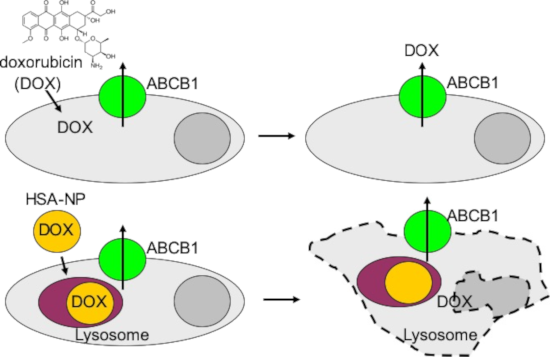
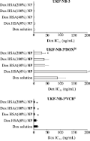
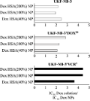
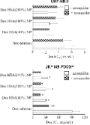
- -mediated drug efflux [29]. Differences in the mode of uptake and cellular distribution of the nanoparticles from different materials may be responsible for these discrepancies. HSA nanoparticles may be internalised upon interaction with cellular albumin receptors [30][31]. Notably, nab-paclitaxel, an HSA


Upcycling of polyurethane waste by mechanochemistry: synthesis of N-doped porous carbon materials for supercapacitor applications
Beilstein J. Nanotechnol. 2019, 10, 1618–1627, doi:10.3762/bjnano.10.157

- according to the IUPAC classification (Figure 3A) [69]. Up to a relative pressure of p/p0 < 0.4 almost no adsorptive interactions take place. The step at a relative pressure of p/p0 = 0.4 is assigned to the filling of micropores. PUUP-800-1 shows the highest uptake in this range because it has the highest
- micropore volume. At relative pressures of p/p0 > 0.8, PUUP-800-1 shows a lower water adsorption uptake than sample PUUP-800-2. This can be attributed to the higher mesopore volume of PUUP-800-2 [71]. A direct correlation between the nitrogen content of the samples and the water adsorption behavior is not
- observed since the uptake is not significantly shifted to lower relative pressures. A reduction of the total amount of adsorbed water is observed for sample PUPC-800-3 and corresponds to a decreased total pore volume and nitrogen content (Table 1, Figure 2B,D). The hydrophilicity of the N-doped carbon


Warped graphitic layers generated by oxidation of fullerene extraction residue and its oxygen reduction catalytic activity
Beilstein J. Nanotechnol. 2019, 10, 1391–1400, doi:10.3762/bjnano.10.137

- oxygen adsorption uptake and heat of oxygen adsorption varied with oxidation time. The oxidation of NB-ORG immediately increased the O2 adsorption and decreased the heat of adsorption. The increase in adsorption uptake accelerates the following elementary step through the concentration term in the rate
- technique with an upper temperature limit of 1600 °C on the treatment temperature. (b) Dependence of the BET specific surface area of the prepared carbons within the heat-treatment time. Dependence of the oxygen adsorption properties at −80 °C. (a) O2 adsorption uptake measured using a static method. (b



Multicomponent bionanocomposites based on clay nanoarchitectures for electrochemical devices
Beilstein J. Nanotechnol. 2019, 10, 1303–1315, doi:10.3762/bjnano.10.129

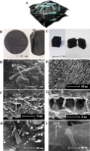
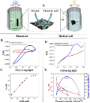
- component in nanoarchitectured materials. Halloysite nanotubes are aluminosilicates of cylindrical shape with the length ranging between 500 and 1000 nm and a lumen diameter between 15 and 70 nm [13]. The lumens represent an ideal nanospace for the uptake and preservation of diverse functional species
- including drugs, proteins, and enzymes [14][15][16][17][18], even serving as nanoreactor for chemical processes [19]. Of particular interest is the use of HNTs for the uptake of enzymes in an approach for the development of (bio)electrochemical devices like biosensors and enzymatic biofuel cells (EBCs) [20
- showed a drastic loss of enzymatic activity when GOx was incorporated in the film without previous immobilization within HNTs. Hence, GOx was immobilized in the HNT clay prior to its incorporation into the multicomponent mixture. The uptake of GOx was 7.7 ± 0.2 wt % according to CHN elemental analysis



Playing with covalent triazine framework tiles for improved CO2 adsorption properties and catalytic performance
Beilstein J. Nanotechnol. 2019, 10, 1217–1227, doi:10.3762/bjnano.10.121
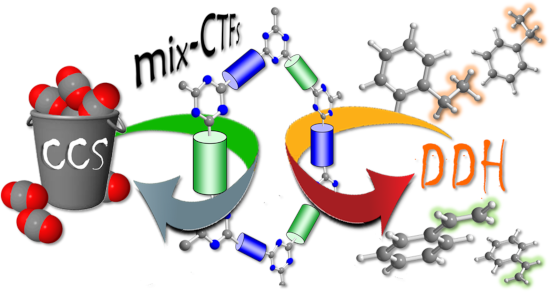
- them highly attractive samples for carbon capture and sequestration (CCS) applications. Indeed, selected polymers from this series rank among the CTFs with the highest CO2 uptake at ambient pressure reported so far in the literature (up to 5.23 and 3.83 mmol·g−1 at 273 and 298 K, respectively
- has been used in equimolar amount with either I or II, while keeping the ZnCl2/monomer(s) molar ratio constant at 5:1. Isotherms recorded on mixed CTFs (CTF4,5) account for materials with markedly higher gas-uptake capacities compared to CTF3. Indeed, the use of a co-monomer for III in the
- mesoporous and N-poor solids (CTF2) were ideal candidates for the CO2 capture and storage. Among the prepared CTFs, CTF1 and CTF4 exhibit a CO2 adsorption uptake at ambient pressure as high as 5.23 and 3.83 mmol·g−1 at 273 and 298 K, respectively. A comparative analysis with the current literature data


Scavenging of reactive oxygen species by phenolic compound-modified maghemite nanoparticles
Beilstein J. Nanotechnol. 2019, 10, 1073–1088, doi:10.3762/bjnano.10.108
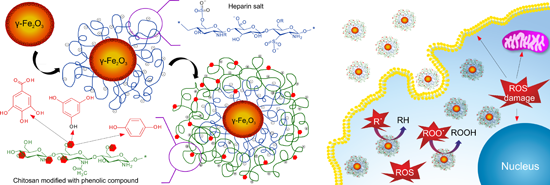
- -diphenyl-1-picrylhydrazyl (DPPH) assay. Cellular uptake and intracellular antioxidant activity of the particles were evaluated by an iron assay and flow cytometry, respectively, using L-929 and LN-229 cells. Compared to the control, the phenolic modification significantly reduced intracellular reactive
- oxygen species (ROS) levels to 35–56%, which was associated with a 6–8-times higher cellular uptake in L-929 cells and a 21–31-times higher cellular uptake in LN-229 cells. In contrast, γ-Fe2O3@Hep particles induced a 3.8-times and 14.9-times higher cellular uptake without inducing antioxidant activity
- . In conclusion, the high cellular uptake and the antioxidant properties associated with the phenolic moieties in the modified particles allow for a potential application in biomedical areas. Keywords: antioxidants; chitosan; maghemite nanoparticles; oxidative stress; phenolic compound; Introduction





Correlation of surface-enhanced Raman scattering (SERS) with the surface density of gold nanoparticles: evaluation of the critical number of SERS tags for a detectable signal
Beilstein J. Nanotechnol. 2019, 10, 1016–1023, doi:10.3762/bjnano.10.102

- immunosorbent assay (ELISA) tests, but the analyte may also be naturally immobilized on a surface, such as an antigen overexpressed in cancerous cell membrane [20][21][22]. SERS labels are also useful to probe the uptake of nanomaterial inside living cells [23][24][25][26]. There are many advantages connected


Serum type and concentration both affect the protein-corona composition of PLGA nanoparticles
Beilstein J. Nanotechnol. 2019, 10, 1002–1015, doi:10.3762/bjnano.10.101
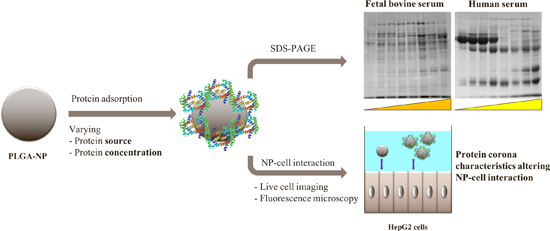
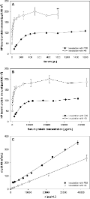
- for the biological response in terms of body biodistribution, cellular uptake, and toxicity. The corona is dynamic in nature and it is well known that the composition varies in dependence of the physicochemical properties of the NPs. In the present study we investigated the protein corona that forms
- of NPs forming a protein corona [4]. Consequently, the synthetic identity of the NPs is replaced by a new biological identity that determines their physiological response including biodistribution, cellular uptake, trafficking, and toxicity [5]. Corona formation is a very dynamic process in nature
- biological response and the pharmacokinetic behavior of colloidal drug carrier systems in the body. For instance, the coating of polystyrene NPs with HSA enhances their circulating lifetime in blood and reduces hepatic uptake clearance after intravenous injection into rats [25]. In contrast, some high



Effects of gold and PCL- or PLLA-coated silica nanoparticles on brain endothelial cells and the blood–brain barrier
Beilstein J. Nanotechnol. 2019, 10, 941–954, doi:10.3762/bjnano.10.95

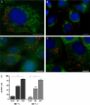
- metabolic state of cells have to be further characterized before use for medical purposes. Keywords: blood–brain barrier; laser tissue soldering; nanomedicine; nanoparticle uptake; rBCEC4 cells; Introduction Nanotechnology is commonly used in various fields, such as agriculture and pharmaceutical industry
- by both cell types. However, uptake was found to be more prominent in RBE4 cells compared to MDCK II cells [18]. After exposure of rat primary cultured brain microvessel ECs (rBMECs) to Au-NPs, smaller NPs were demonstrated to be taken up to a higher extent compared to larger NPs. Overall, only the
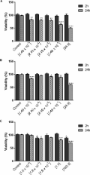
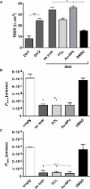
- -NPs on cell viability, induction of inflammation and uptake and intracellular localization of NPs. Results NP effects on rBCEC4 cell viability rBCEC4 cells were exposed to five different NP concentrations for each of the three NP types used, namely PCL-, PLLA- and Au-NP, for 2 and 24 h (Figure 1



The systemic effect of PEG-nGO-induced oxidative stress in vivo in a rodent model
Beilstein J. Nanotechnol. 2019, 10, 901–911, doi:10.3762/bjnano.10.91

- dual-functionalized GO for the photothermal enhancement of gene delivery [23]. Xiong et al. studied the synergistic effects of PEG-functionalized GO for chemo-photothermal therapy [24]. Tian et al. revealed that PEG-GO enhanced the uptake of chlorin e6 by cancer cells [25]. Shen et al. exploited the
- enzymes CAT, SOD, and GST was also revealed. The increased amount of MDA, and the reduced concentration levels of antioxidant enzymes directly indicate the tissue damage after the uptake of PEG-nGO. Our findings demonstrate the slow recovery of organs. After 4 h of administration, the organs were still


Polydopamine-coated Au nanorods for targeted fluorescent cell imaging and photothermal therapy
Beilstein J. Nanotechnol. 2019, 10, 794–803, doi:10.3762/bjnano.10.79

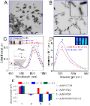
- -functionalized nanoparticles in folate-positive HeLa cells in contrast to the folate-negative HEK 293 cells using fluorescent microscopy. The replacement of folic acid with polyethylene glycol (PEG) leads to a decrease in nanoparticle uptake by both folate-positive and folate-negative cells. We performed NIR
- ) loading, resulting in the formation of AuNR-PDA-R123-folate nanocomposites (Scheme 1). This platform demonstrates three distinct features: (1) targeting of nanocomposites with folic acid leads to enhanced cellular uptake by folate-positive cancer cells compared with PEG-coated nanorods; (2) the high
- -light illumination due to the presence of R123 molecules. Additionally, nanoparticles can selectively accumulate in the cancer cells because of targeting to folate receptors. Folate-mediated cell imaging Efficient cellular uptake of nanocarriers is significant to ensure the therapeutic efficacy of



On the transformation of “zincone”-like into porous ZnO thin films from sub-saturated plasma enhanced atomic layer deposition
Beilstein J. Nanotechnol. 2019, 10, 746–759, doi:10.3762/bjnano.10.74
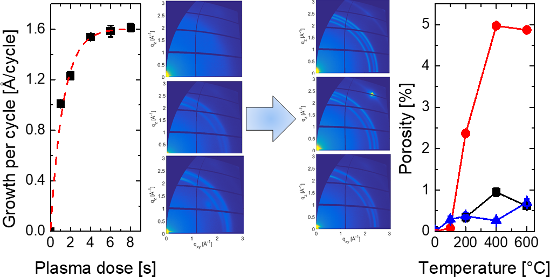
- a type-II isotherm is associated with nonporous materials. Mesoporous materials are instead characterized by a type-IV isotherm, in which a hysteresis arises in the desorption step, due to the condensation of water in the pores. The adsorptive uptake was expressed as adsorptive volume obtained from
- vapor. The example is reported for the layer deposited with 1 s plasma exposure time and annealed at 400 °C. In the adsorption branch, two water uptake stages in the formed porosity were identified at 20% and 60% relative humidity. In the literature, these uptakes were attributed to filling of
- micropores and mesopores, respectively [49][50]. At 90% relative humidity a rapid increase of the water uptake was witnessed. This was attributed to swelling of the layers, accounting for the desorption branch crossing the adsorption branch while decreasing the relative humidity. When water leaves the


Topochemical engineering of composite hybrid fibers using layered double hydroxides and abietic acid
Beilstein J. Nanotechnol. 2019, 10, 589–605, doi:10.3762/bjnano.10.60
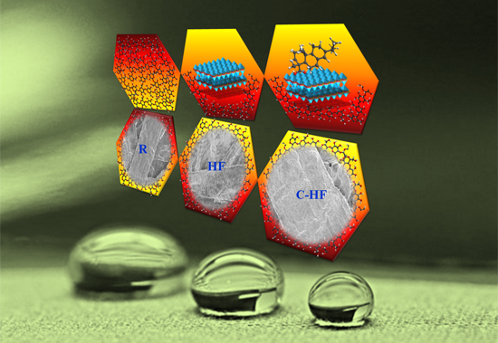
- very thin covering of AA, compared to C-HF fibers from UBKP (Figure S4d–f, Supporting Information File 1). The SEM characterization of materials suggests that unrefined fibers (BKP, UBKP) yield a better uptake of AA with uniform coating/adhesion than refined fibers (BKPR, UBKPR). SEM images of C




Improving control of carbide-derived carbon microstructure by immobilization of a transition-metal catalyst within the shell of carbide/carbon core–shell structures
Beilstein J. Nanotechnol. 2019, 10, 419–427, doi:10.3762/bjnano.10.41

- partial conversion [15][26]. Figure 2b shows the pore structure of the partially converted carbide at 800 °C characterized by N2 sorption analysis. The adsorption–desorption curve shows a similar shape compared to a typical fully CDC material synthesized at 800 °C but features a lower uptake due to the


Removal of toxic heavy metals from river water samples using a porous silica surface modified with a new β-ketoenolic host
Beilstein J. Nanotechnol. 2019, 10, 262–273, doi:10.3762/bjnano.10.25
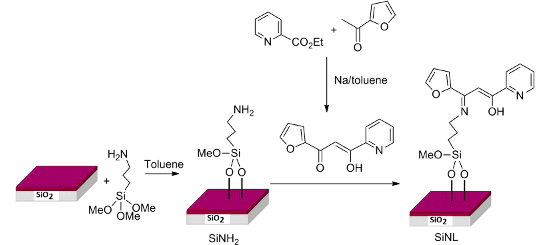
- increase in the retention capacity as a function of the increase in the initial concentration of Zn(II), Pb(II), Cd(II) and Cu(II) metals. The maximum adsorption was achieved gradually after an initial concentration of each metal of about 40 mg·L−1. The adsorption isotherms allow the metal uptake per unit


Targeting strategies for improving the efficacy of nanomedicine in oncology
Beilstein J. Nanotechnol. 2019, 10, 168–181, doi:10.3762/bjnano.10.16
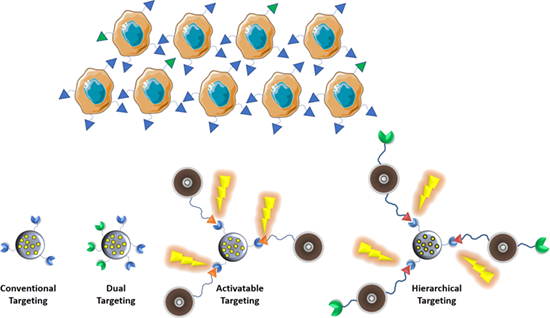
- help of nanocarriers [6]. Moreover, the external surface of these nanocarriers can be decorated with different bio-organic moieties (targeting groups) that bind specifically to receptors located on the membrane of tumoral cells in order to enhance the particle uptake in the malignant cells. This
- significant enhancement of the particle uptake due to multiple binding processes with tumoral receptors through a multivalence effect [25]. Nature usually employs antibodies for the recognition of cells and pathogenic bodies. Antibodies are large proteins that present a characteristic Y-shaped structure in
- potent estrogen receptor modulator tamoxifen [26]. These nanoparticles were capable to induce a significant in vivo tumour growth inhibition due to the enhanced nanoparticle uptake within the tumoral cells owing to the strong interaction between the antibody and HER2. Another interesting possibility is


New micro/mesoporous nanocomposite material from low-cost sources for the efficient removal of aromatic and pathogenic pollutants from water
Beilstein J. Nanotechnol. 2019, 10, 119–131, doi:10.3762/bjnano.10.11
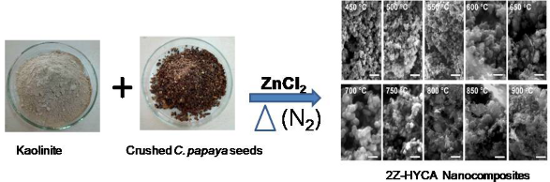
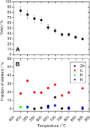
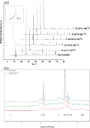
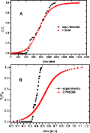
- micro- and mesopores in 1Z- and 2Z-HYCA, while 1M-HYCA only shows a low nitrogen uptake. Its specific surface area, SBET, is only 20 m2/g, while the SBET of 1Z-HYCA is 162 m2/g and the SBET of 2Z-HYCA is 228 m2/g (Figure 1A). As a result, M-HYCA was not considered any further because high surface areas
- are a prerequisite for successful water treatment. In contrast, both Zn-containing samples show adsorption–desorption isotherms indicative of porous materials. The isotherm shape is, however, rather ill-defined and can be understood as a mixture of different isotherm types. A significant uptake is
- the positively charged 2Z-HYCA@650 °C. This behavior also explains, in part, the mechanism for the uptake of 4-NP by 2Z-HYCA nanocomposite material, as it is expected that 4-nitrophenol will ionize in water at pH 6.3 to yield some 4-nitrophenoxide anions that will be electrostatically held onto the




Surface plasmon resonance enhancement of photoluminescence intensity and bioimaging application of gold nanorod@CdSe/ZnS quantum dots
Beilstein J. Nanotechnol. 2019, 10, 22–31, doi:10.3762/bjnano.10.3
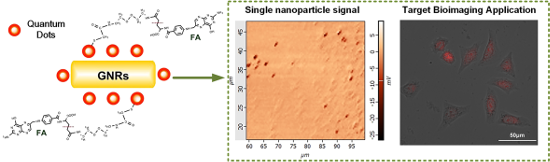
- @CdSe/ZnS can be used in cell imaging studies, after conjugation with FA, we performed a MCF-7 breast cancer cell targeting imaging study, and the results as shown in Figure 8. Robust cellular uptake could be obtained from the CdSe/ZnS@FA and GNR@CdSe/ZnS@FA treated samples. The obvious luminescence and
- staining appearing in Figure 8 was due to the accumulation of functionalized nanoparticles in the cells, and there was no sign of any damage to the cell, demonstrating passive uptake in MCF-7 breast cancer cells using CdSe/ZnS@FA and GNR@CdSe/ZnS@FA. However, because the PL intensity and cell morphology of





