

Search results
Search for "Co" in Full Text gives 1221 result(s) in Beilstein Journal of Nanotechnology. Showing first 200.
Nanotechnological approaches in the treatment of schistosomiasis: an overview
Beilstein J. Nanotechnol. 2024, 15, 13–25, doi:10.3762/bjnano.15.2

- established criteria were identified. Inorganic and polymeric nanoparticles were the most prevalent nanosystems used. Gold was the primary material used to produce inorganic nanoparticles, while poly(lactic-co-glycolic acid) and chitosan were commonly used to produce polymeric nanoparticles. None of these
- , an exponential drug release [17][20]. Our research found that many articles utilized poly(lactic-co-glycolic acid) (PLGA) and chitosan nanoparticles, especially because they are biocompatible polymers and present great biodegradability. The polymer PLGA is approved for clinical use by Food and Drug


TEM sample preparation of lithographically patterned permalloy nanostructures on silicon nitride membranes
Beilstein J. Nanotechnol. 2024, 15, 1–12, doi:10.3762/bjnano.15.1

- or volatile particles, which can be pumped out. RIE of nickel–iron alloys has been carried out using inductively coupled plasma RIE with argon and chlorine [34] or with NH3 and CO [35]. Stencil lithography requires further optimization although possible applications are attractive because of the


unDrift: A versatile software for fast offline SPM image drift correction
Beilstein J. Nanotechnol. 2023, 14, 1225–1237, doi:10.3762/bjnano.14.101

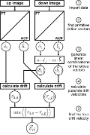
- stationary features, however, we find that algorithm II works with remarkable reliability. In contrast to algorithm II, algorithm III does not evaluate the mean shift between images but the apparent shift of single stationary features as described by Rahe and co-workers [5]. It is necessary to subsequently


Fluorescent bioinspired albumin/polydopamine nanoparticles and their interactions with Escherichia coli cells
Beilstein J. Nanotechnol. 2023, 14, 1208–1224, doi:10.3762/bjnano.14.100

- ) of poly(lactic-co-glycolic acid) (PLGA) [7], polycaprolactone [8], and chitosan [9]. Furthermore, fluorescent ONPs are a promising way to facilitate the localization of NPs in cells through fluorescence imaging. They can also be used for fluorescent labelling of cells, especially for live cell
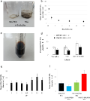
- mixtures of BSA and DA in Tris buffer inhibited the deposition of a PDA film on the wall of the reaction beakers (Figure 3a). This suggested that BSA/PDA aggregates formed and that almost all the free DA molecules were consumed in these aggregates, as already mentioned by Bergtold and co-workers [13]. A
- ratio of 3 and 60% for a BSA/DA ratio of 10. The smallest BSA/PDA NPs had a mean diameter of 9 nm in 50 mM Tris and of 10 nm in H2O, but of 18 nm in 150 mM NaCl solution (Figure 3d). This increase was attributed to two co-existing phenomena related to the high salt concentration in 150 mM NaCl. First



A combined gas-phase dissociative ionization, dissociative electron attachment and deposition study on the potential FEBID precursor [Au(CH3)2Cl]2
Beilstein J. Nanotechnol. 2023, 14, 1178–1199, doi:10.3762/bjnano.14.98
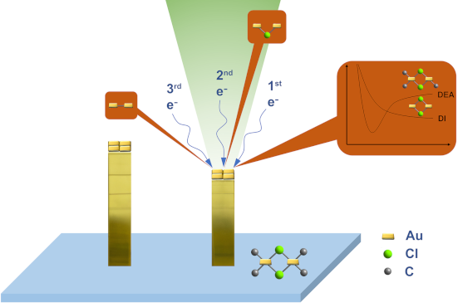
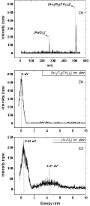
- . This may partly explain the insufficient metal content achieved when using CVD precursors in FEBID [18]. In this context, efforts have been made to design gold precursors optimized for FEBID. Arguably, the most noticeable of these are chloro(carbonyl)gold(I) (AuICl(CO)) [22] and chloro
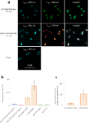
- of magnitude for DI and DEA of the FEBID precursor Co(CO)3(NO) [49][50] and Pt(PF3)4 [51], the reactive area of this monolayer is 0.15 μm2. Statistically, this implies approx. 300 reactive incidents per molecule if the cross section is assumed to stay unchanged. This is clearly not a quantitative
- , and studies on the gold(I) precursors AuXL (L = P(NMe2)3, PMe3, CNMe, CNt-Bu, P(OCH2CF3)3; X = Cl, Br, I) [52], and on Ru(CO)4I2 [31], Ru(η3-C3H5)(CO)3X (X = Cl, Br) [48][53][54], Pt(NH3)2Cl2 [55][56], and Pt(CO)2X2 (X = Cl, Br) [57][58][59][60][61] have been reported. These include post-deposition



Hierarchically patterned polyurethane microgrooves featuring nanopillars or nanoholes for neurite elongation and alignment
Beilstein J. Nanotechnol. 2023, 14, 1157–1168, doi:10.3762/bjnano.14.96
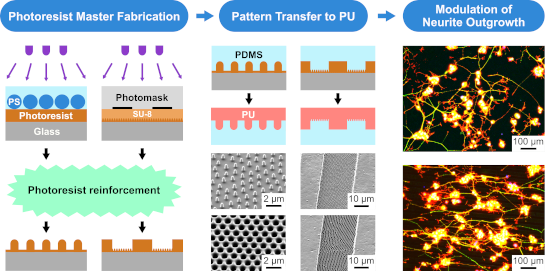
- ], poly(lactic-co-glycolic acid) nanodots enhanced the proliferation and neurite sprouting of Neuro-2a cells [7], and oriented elliptical Si microcones induced alignment and increased fasciculation in rat superior cervical ganglion axons [8]. With their effects complementing those of continuous structures
- Advanced Materials (MA, USA), while AZ1518 and AZ 300 MIF developer were purchased from MicroChemicals GmbH (Germany). PDMS, γ-butyrolactone (GBL), and PU pellets (Tecothane®, clear; TT-1085A) were obtained from Sil-More Industrial Ltd. (Taiwan), Echo Chemical Co., Ltd. (Taiwan), and Lubrizol Advanced


Elasticity, an often-overseen parameter in the development of nanoscale drug delivery systems
Beilstein J. Nanotechnol. 2023, 14, 1149–1156, doi:10.3762/bjnano.14.95

- filled with poly(lactic-co-glycolic acid) (PLGA) cores of different sizes resulting in interfacial water layers with different thicknesses and therefore with tunable elasticity [38]. Semielastic particles whose Young’s moduli were around 50 mPa showed the fastest diffusion in mucus. However, harder


A multi-resistance wide-range calibration sample for conductive probe atomic force microscopy measurements
Beilstein J. Nanotechnol. 2023, 14, 1141–1148, doi:10.3762/bjnano.14.94

- 20IND12), which is supported by the European Metrology Programme for Innovation and Research (EMPIR). The EMPIR initiative is co-funded by the European Horizon 2020 research and innovation program and the EMPIR Participating States. Competing Interests The authors declare no competing interests.


Curcumin-loaded albumin submicron particles with potential as a cancer therapy: an in vitro study
Beilstein J. Nanotechnol. 2023, 14, 1127–1140, doi:10.3762/bjnano.14.93
- poorly water-soluble CUR. An effective submicron particle fabrication technique, namely co-precipitation–cross-linking–dissolution (CCD), has been established to produce biopolymer particles [24][25][26]. In this method, biopolymer particles are produced via co-precipitation, by simply mixing MnCl2 and
- particles are easily synthesized via cost-effective co-precipitation methods. These techniques are simple, low-cost, and easily scalable, enabling precise control over particle characteristics, including size and morphology, and use inexpensive materials without generating toxic waste. Having established an
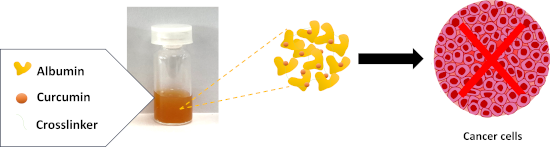
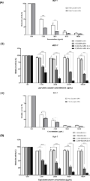
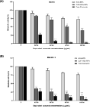
- (CUR-HSA-MPs) is shown in Figure 1. At first, MnCO3-HSA-MPs were obtained by co-precipitation for the entrapment of HSA. The entrapment efficiency (%EE) of HSA was between 55% and 62% (i.e., the absolute amounts of entrapped HSA in HSA-MPs were up to 31.3 ± 1.8 mg). CUR was then adsorbed onto the MnCO3




A bifunctional superconducting cell as flux qubit and neuron
Beilstein J. Nanotechnol. 2023, 14, 1116–1126, doi:10.3762/bjnano.14.92

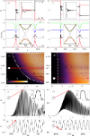
- , Russia 10.3762/bjnano.14.92 Abstract Josephson digital or analog ancillary circuits are an essential part of a large number of modern quantum processors. The natural candidate for the basis of tuning, coupling, and neromorphic co-processing elements for processors based on flux qubits is the adiabatic
- millikelvin temperatures with zeptojoule energy efficiency [11][12][13][14][15][16][17]. In addition, the basic cells of adiabatic superconducting circuits can be used as a part of neuromorphic co-processors [18][19][20][21][22][23] working in conjunction with quantum computing systems [24][25][26][27][28][29
- how the proposed adjustment circuit will operate at finite (millikelvin) temperatures in the quantum regime and under the influence of relatively fast magnetic field control pulses? Will the tuning, coupling, and neromorphic co-processing circuits acquire new useful properties in the quantum regime



Dual-heterodyne Kelvin probe force microscopy
Beilstein J. Nanotechnol. 2023, 14, 1068–1084, doi:10.3762/bjnano.14.88

- ). Working under modulated illumination also allows direct SPV measurements using special modulation/demodulation schemes, such as the one recently proposed by Miyazaki and co-workers for ac-bias KPFM [6]. In addition, most time-resolved KPFM modes developed so far rely on the use of a pulsed/modulated




Recognition mechanisms of hemoglobin particles by monocytes – CD163 may just be one
Beilstein J. Nanotechnol. 2023, 14, 1028–1040, doi:10.3762/bjnano.14.85

- a long list of ligands including modified serum albumin, which might also occur within our HBMPs [36]. The interaction of HbMPs (with different surface modifications) with Hp, as well as with anti-Hb antibodies has already been studied by Prapan and co-workers [19]. With this work, the investigation
- central iron ion is trivalent, and the Hb derivative has lost its ability to bind oxygen. Therefore, only bivalent Hb is functional. The “oxygen release method” was used to determine the percentage of functional hemoglobin, as previously described in detail by Kloypan and co-workers [33]. In brief, the
- block the monocytic membrane protein, as formerly described by Schaer and co-workers [27]. For a reference sample, the phagocytic capacity of monocytes was fully utilized for the uptake of FITC-labeled E. coli lysate over a period of 10 min at 37 °C (commercially available phagocytosis tests use lysate




Nanoarchitectonics of photothermal materials to enhance the sensitivity of lateral flow assays
Beilstein J. Nanotechnol. 2023, 14, 988–1003, doi:10.3762/bjnano.14.82
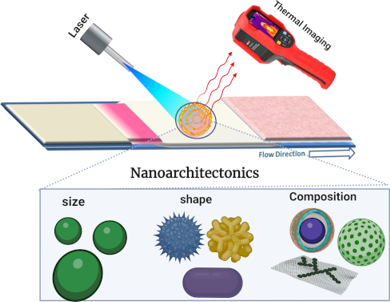
- of nanorods makes them excellent light absorbers for photothermal applications, while greater dimensions makes them efficient light scatterers for imaging applications [57]. The absorption and photothermal characteristics of four differently sized nanorods were analysed by Sun and co-workers. The
- , vol. 7, issue 6, © 2014, permission conveyed through Copyright Clearance Center, Inc. This content is not subject to CC BY 4.0.) Non-radiative mechanism in 2D semiconductor (C). (Figure 4B and C was reproduced from [38] (© 2020 Z. Xie et al., published by WILEY-VCH Verlag GmbH & Co. KGaA, distributed


Fragmentation of metal(II) bis(acetylacetonate) complexes induced by slow electrons
Beilstein J. Nanotechnol. 2023, 14, 980–987, doi:10.3762/bjnano.14.81
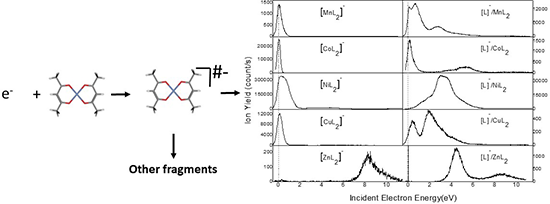
- represent a metal (Mn, Co, Ni, Cu, and Zn) and the acetylacetonate ligand, respectively. Previous reports were only dedicated to the mechanism and the energetics for the production of the two predominant species, that is, the parent [ML2]− anion and the ligand [L]− anion [15][16][17][18][19]. In addition to
- pathways (e.g., branching ratio), will be helpful for using this family of organometallic compounds. Results and Discussion The interaction of low-energy electrons with gaseous compounds ML2 (M: Mn, Co, Ni, Cu, and Zn; L: acac) produces the parent anion [ML2]− and the fragment anion [L]− as the predominant
- species (Figure 1). Further fragment anions were observed and they are shown below in Figures 2–6. The Ni, Co, and Zn complexes yield a larger number of anions (eleven anions from Ni and Co complexes and ten from the Zn-containing compound) than the other investigated organometallic compounds. Table 1


Isolation of cubic Si3P4 in the form of nanocrystals
Beilstein J. Nanotechnol. 2023, 14, 971–979, doi:10.3762/bjnano.14.80

- 520.8 cm−1. Interestingly, the observed Raman spectrum for SP900 is very similar to that of the product of silicon and phosphorus MBE co-deposition at 3:2 molar ratio [34]. This substance was reported as amorphous; however, it could contain Si3P4 NPs along with other SixPy compounds. Factor group


Metal-organic framework-based nanomaterials for CO2 storage: A review
Beilstein J. Nanotechnol. 2023, 14, 964–970, doi:10.3762/bjnano.14.79
- coworkers [21]. Under conditions of 296 K and 1 bar, the authors observed that Mg-MOF-74 exhibited the highest CO2 absorption capacity, reaching 8.0 mmol·g−1, followed by Co-MOF-74 with 7.0 mmol·g−1. In contrast, Zn-MOF-74 demonstrated the lowest performance, displaying an adsorption capacity of 5.5 mmol·g
- contribution in the field of mechanism studies was made by Valenzano and coworkers [25]. The recorded an adsorption angle of 129° for CO2 adsorption on Mg-MOF-74, which is smaller than the corresponding angles observed for N2 and CO, implying a stronger interaction between Mg-MOF-74 and CO2 (Figure 1). MOFs
- environmentally friendly methods for the synthesis of nanosized MOFs to cater to specific applications. Distances (Å) and angles of interaction between Mg-MOF-74, [Mg/DOBCD] (DOBCD: 2,5-dioxido-1,4-benzenedicarboxylate), with (a) CO, (b) N2, and (c) CO2. Figure 1 was reprinted with permission from [25]. Copyright




Low temperature atomic layer deposition of cobalt using dicobalt hexacarbonyl-1-heptyne as precursor
Beilstein J. Nanotechnol. 2023, 14, 951–963, doi:10.3762/bjnano.14.78
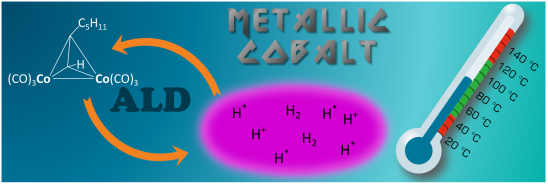
- operates at low temperatures using dicobalt hexacarbonyl-1-heptyne [Co2(CO)6HC≡CC5H11] and hydrogen plasma. For this precursor an ALD window in the temperature range between 50 and 110 °C was determined with a constant deposition rate of approximately 0.1 Å/cycle. The upper limit of the ALD window is
- for the deposition of metallic cobalt including twelve plasma-assisted processes. Generally, these plasma-assisted ALD processes are reported to be carried out at temperatures above 100 °C. These processes use precursors such as CoCp2, Co(EtCp)2, or CpCo(CO)2 [12][13][14]. The commonly used precursor
- dicobalt hexacarbonyl tert-butylacetylene (CCTBA) can be used to deposit metallic cobalt in the temperature range from 125 to 200 °C [15]. As an exception, Kim et al. have reported the ALD of Co with Co2(CO)8 in the temperature range of 70 to 110 °C. However, this process resulted in a significant carbon


Prediction of cytotoxicity of heavy metals adsorbed on nano-TiO2 with periodic table descriptors using machine learning approaches
Beilstein J. Nanotechnol. 2023, 14, 939–950, doi:10.3762/bjnano.14.77

- metals, upon release and emission, may interact with different environmental components, which may lead to co-exposure to living organisms. Nanoscale titanium dioxide (nano-TiO2) can adsorb heavy metals. The current idea is that nanoparticles (NPs) may act as carriers and facilitate the entry of heavy
- metals has increased with anthropogenic and industrial activities [8][9]. TiO2 NPs commonly co-exist with different heavy metals as they are released from wastewater treatment facilities to freshwater bodies, affecting the mode of action and the fate of the contamination. Studies have reported the
- cause co-exposure effects on living organisms. The extensive use of heavy metals in areas such as medicine and agriculture increased the negative impact of heavy metals on environment and living organisms, raising the need for risk assessment. Unlike other pollutants, heavy metals do not decompose


Upscaling the urea method synthesis of CoAl layered double hydroxides
Beilstein J. Nanotechnol. 2023, 14, 927–938, doi:10.3762/bjnano.14.76

- alkalinization rates and, concomitantly, the precipitation, even under recrystallization at high temperatures. In contrast, for the tenfold mass scale-up, similar morphological features were observed and assigned to changes in nucleation and growth. However, at higher concentrations, simonkolleite-like Co-based
- highlights the most critical synthesis aspects that must be controlled and provides various fingerprints to trace the quality of these materials. These results will contribute to bringing the use of these 2D layered materials closer to reality in different applications of interest. Keywords: Co-based
- layers containing MII and MIII octahedral cations connected by μ3-OH bridges that interact electrostatically with interlayer anions. Typically, LDHs can be represented by the chemical formula , where M represents cations (e.g., Mg, Zn, Co, Ni, Cu, Al, Fe, or Cr) and x the metallic ratio (typically, 0.20


Antibody-conjugated nanoparticles for target-specific drug delivery of chemotherapeutics
Beilstein J. Nanotechnol. 2023, 14, 912–926, doi:10.3762/bjnano.14.75

- conditions for coupling. Shi et al. developed a polymeric nanoparticle system using biodegradable graft copolymers of (poly(TMCC-co-LA)-g-PEG-furan) to conjugate anti-HER2 antibodies through a Diels–Alder reaction. They used furan groups (diene), which are accessible for reaction with antibodies



Ni, Co, Zn, and Cu metal-organic framework-based nanomaterials for electrochemical reduction of CO2: A review
Beilstein J. Nanotechnol. 2023, 14, 904–911, doi:10.3762/bjnano.14.74
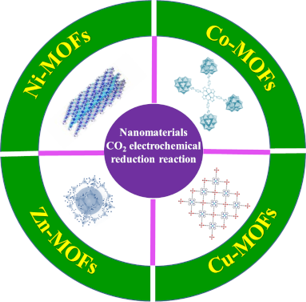
- exhibited considerable variation depending on the elemental composition of pure metal catalysts [19]. Notably, Au, Ag, and Zn catalysts exhibit preferential CO generation, while Sn, In, and Pb catalysts prove effective in producing formate ions (HCOO−) [20]. Metal-organic frameworks (MOFs) are established
- pertaining to the implementation of MOF-based nanomaterials for the electrochemical conversion of CO2. First, the reaction pathway of the CO2 reduction is described for the production of different chemicals. Then, various structures, including Ni-, Co-, Zn-, and Cu-based MOFs for electrochemical CO2RR are
- transfer processes take place to create intermediates such as *CHO, *CO, and *COO. The process could include many electrons attending in the electrochemical reaction, and orientate the formed products. Finally, these species are desorbed from the active sites of electrocatalysts to generate various


Two-dimensional molecular networks at the solid/liquid interface and the role of alkyl chains in their building blocks
Beilstein J. Nanotechnol. 2023, 14, 872–892, doi:10.3762/bjnano.14.72

- revealed for 2,6-bisalkoxy-substituted anthraquinone derivatives within the alkyl chain length range of C7–C18 [133]. STM, in conjunction with DSC studies, suggested that the balance between hydrogen bonding and dispersion interactions co-regulates Tm. Other substitution effects, such as different
- extension (Figure 16a). However, the meso-alkyne-substituted porphyrin (P-A) could be co-planar (Figure 16b). Therefore, P-A could form fully covered monolayers, even at a lower concentrations than P-N. This result suggests that alkynyl linkers contribute more to the monolayer stabilization of porphyrin
- (CC15–CC15) and heterogeneous (OC15F–CC15) dimers were clearly ascertained. This identification by STM and DFT calculations enabled the authors to propose a mechanism for a 2D structural diversification of the bicomponent blend. 7.3 Alkyl chains of solvent molecules Co-adsorption of the solvent can





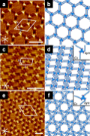

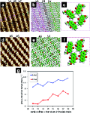

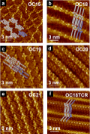


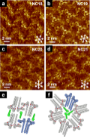
N-Heterocyclic carbene-based gold etchants
Beilstein J. Nanotechnol. 2023, 14, 865–871, doi:10.3762/bjnano.14.71
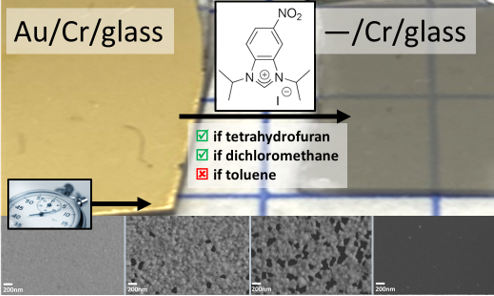
- resonance in solution-phase samples [15][18][19][20][21][22]. In these works, the NHC monolayer films were formed using several different approaches and preparations [16]. Indeed, a recent feature article highlights four methods to prepare NHC films [16]. For example, Crudden and co-workers have presented
- water and carbon dioxide so that there was no need for a strong base for deprotonation or for air-free conditions [13][14]. Camden and co-workers have used CO2 adducts of benzimidazolium to produce NHC films by melting the solid CO2 adduct directly onto a gold surface under vacuum. They have also



Industrial perspectives for personalized microneedles
Beilstein J. Nanotechnol. 2023, 14, 857–864, doi:10.3762/bjnano.14.70

- Remmi Danae Baker-Sediako Benjamin Richter Matthias Blaicher Michael Thiel Martin Hermatschweiler Nanoscribe Gmbh & Co, Hermann-von-Helmholtz-Platz 6, 76344 Eggenstein-Leopoldshafen, Germany 10.3762/bjnano.14.70 Abstract Microneedles and, subsequently, microneedle arrays are emerging miniaturized
- microoptic fabrication, grayscale lithography offers a solution to mitigate the staircase effect. Grayscale lithography is a novel approach in photolithography for 2.5D patterning (x,y,z) with ultrasmooth surfaces that exhibits improved shape accuracy [57][58]. In 2019, Nanoscribe GmbH & Co launched the
- free-standing 3D structures for the first time [62]. They also demonstrated that 3D printing by 2GL® was faster with better surface quality and shape accuracy than 2PP layer-by-layer methods [62]. Currently, Nanoscribe GmbH & Co is exploring 2GL® in three dimensions, and we look forward to the


A wearable nanoscale heart sound sensor based on P(VDF-TrFE)/ZnO/GR and its application in cardiac disease detection
Beilstein J. Nanotechnol. 2023, 14, 819–833, doi:10.3762/bjnano.14.67

- Figure 1. First, P(VDF-TrFE) powder (Solvay, France, molar ratio 7:3) was mixed with N,N-dimethylamide (DMF, Acros) and acetone (Sinopharm Chemical Reagent Co., Ltd., evaporation residue <0.001%) in a mixed solution with a 3:2 volume ratio. The mass fraction of P(VDF-TrFE) was 12%. Second, the reagent
- bottle was sealed and placed in a shaking mixer and shaken for 3 h. Next, ZnO nanoparticles (Shanghai Keyan Industrial Co., Ltd., particle size 3 ± 5 nm, content ≥99.8%) and GR filler (Shenzhen Turing Evolution Technology Co., Ltd., carbon content 98%, average diameter/thickness ratio = 9500) were added