


Search results
Search for "size" in Full Text gives 2101 result(s) in Beilstein Journal of Nanotechnology. Showing first 200.
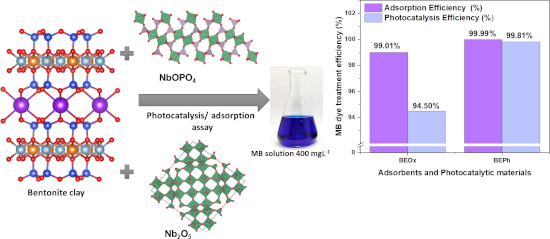
Clays enhanced with niobium: potential in wastewater treatment and reuse as pigment with antibacterial activity
Beilstein J. Nanotechnol. 2025, 16, 141–154, doi:10.3762/bjnano.16.13
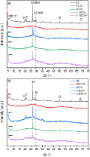
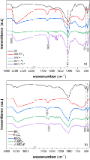
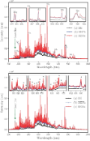
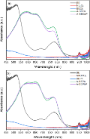
- radiation (λ = 1.5410 Å) operating at 40 kV and 30 mA. Data were collected in scanning mode in steps between 4° and 75° (2θ) with a step size of 0.05°/s. The basal distance was obtained using Bragg's Law. Fourier-transform infrared spectroscopy (FTIR) spectra were collected on a Perkin Elmer Frontier FTIR
- with 50 μm of diameter and gate delay of 0.5 μs. A static laser scattering (SLS) Horiba LA-960 equipment assessed the powder particle size distribution measurements using a 15 mL cuvette accessory and water as the dispersion medium. The refractive index was set to 1.640 for red and blue lines. Results
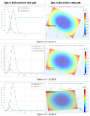
- reduced when the BE sample was modified with niobium compounds. The average particle size for the samples BE, NbPh, and NbOx were 12, 410, and 54 μm, respectively, and it is present in Supporting Information File 1, Figure S1. The BEPh and BEOx samples presented different particle size distributions, so



Nanocarriers and macrophage interaction: from a potential hurdle to an alternative therapeutic strategy
Beilstein J. Nanotechnol. 2025, 16, 97–118, doi:10.3762/bjnano.16.10
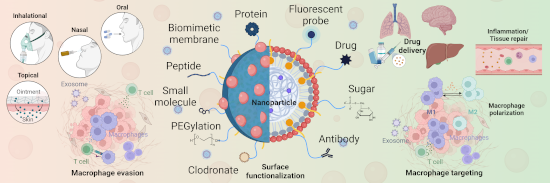
- such as iron and gold [4][5]. Each material is chosen for its unique properties, such as size, hydrophilicity, and charge, that make it suitable for acting as a drug carrier. NCs can be functionalized on their surface to improve the stability and solubility of high-payload encapsulated cargos, promote
- influence PC formation and NC clearance, including NP size, surface charge, hydrophobicity, surface chemistry, and the encountered biological fluid [37][38][39]. NPs larger than 200 nm in size tend to accumulate in the liver and spleen, while those with a diameter of less than 10 nm are rapidly eliminated
- large size (≈25 μm) facilitates the efficient loading of diverse drugs (e.g., hydrophilic or hydrophobic) [55]. As detailed in Section 2, macrophages persist throughout acute and chronic inflammatory phases, broadening their therapeutic applicability across various pathological conditions. This chapter


Modeling and simulation of carbon-nanocomposite-based gas sensors
Beilstein J. Nanotechnol. 2025, 16, 90–96, doi:10.3762/bjnano.16.9
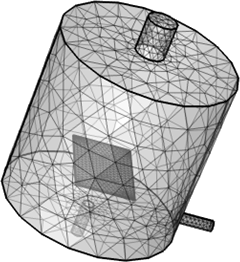
- of 0.6 cm are built as shown in Figure 2. Meshing is a crucial step in the simulation process, dividing a large domain into smaller parts to apply boundary conditions. For this model, tetrahedral elements with an element size of 0.5 mm were used as the primary mesh element throughout the body
- . Additionally, a second mesh node was added for the sensor layer to create a refined mesh of triangular elements with an element size of 0.09 mm. The meshing settings in the COMSOL software are illustrated in Figure 3. Table 2 lists the parameters used in the simulation to examine how surface coverage varies



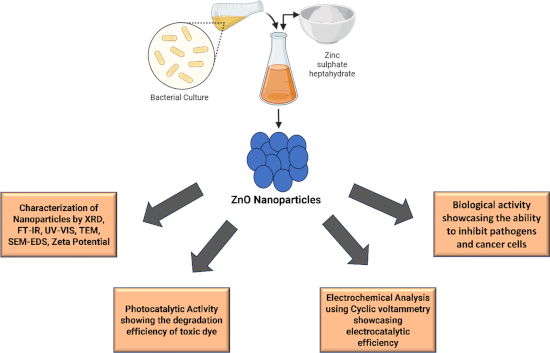
Characterization of ZnO nanoparticles synthesized using probiotic Lactiplantibacillus plantarum GP258
Beilstein J. Nanotechnol. 2025, 16, 78–89, doi:10.3762/bjnano.16.8
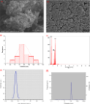
- measurements were employed to analyze the morphology, dimensions, and elemental composition of the generated nanoparticles. The experimental outcomes confirmed the presence of hexagonal wurtzite-structured ZnO NPs with an average size of 10 nm. The colloidal system demonstrated excellent stability with a zeta
- with a size below 100 nm are generally considered NPs. There are several drawbacks to the chemical and physical production of NPs. Although chemically synthesized NPs are widely used in medical applications, some chemical synthesis methods involve toxic reagents and produce harmful byproducts, raising
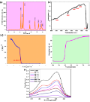
- . The average crystallite size of the synthesized ZnO NPs was calculated using the Scherrer equation: where D is the crystallite size, K is the shape factor, λ is the X-ray wavelength (1.54 Å for Cu Kα radiation), β is the full width at half maximum (FWHM) of the diffraction peak in radians, and θ is


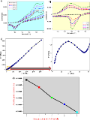

Instance maps as an organising concept for complex experimental workflows as demonstrated for (nano)material safety research
Beilstein J. Nanotechnol. 2025, 16, 57–77, doi:10.3762/bjnano.16.7

- properties can be tailored by changing their size, shape, surface chemistry, and functionality, have led to the designation of nanomaterials as a key enabling technology and to their subsequent inclusion in the broader categorisation of advanced materials [1][2]. Applications of nanomaterials derive in many
- cases from their high surface reactivity, which results from their small size and large surface area. They include applications in catalysis [3][4] (e.g., as catalytic converters in engines and for energy capture and storage) and as sensors [5][6] (e.g., for bioremediation and environmental monitoring
- ). In medicine [7][8] and agriculture [9][10], loading of nanomaterials with active ingredients and targeting the materials to key sites for action are enabled through surface functionalisation and the small size of nanomaterials, which allows them to access all areas. An important consequence of the


Theoretical study of the electronic and optical properties of a composite formed by the zeolite NaA and a magnetite cluster
Beilstein J. Nanotechnol. 2025, 16, 44–53, doi:10.3762/bjnano.16.5
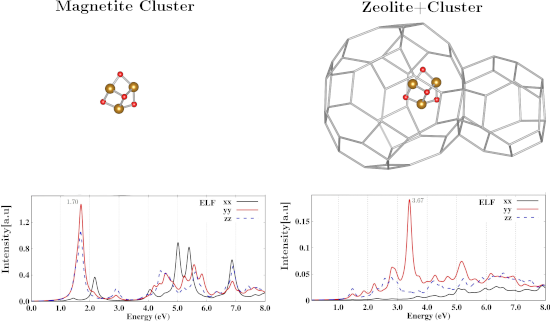
- with a three-dimensional structure comprising pores and cavities of molecular dimensions. This unique structure enables them to operate as molecular sieves, allowing molecules smaller than the pore size to pass through while blocking the diffusion of larger ones. Furthermore, the physicochemical
- response are intricately linked to factors such as the chemical composition, particle size, structure, and geometry of these materials [18][19][20]. Hence, it is generally undesirable for nanoscale materials to undergo structural alterations because of environmental exposure or to change their properties




Precursor sticking coefficient determination from indented deposits fabricated by electron beam induced deposition
Beilstein J. Nanotechnol. 2025, 16, 35–43, doi:10.3762/bjnano.16.4
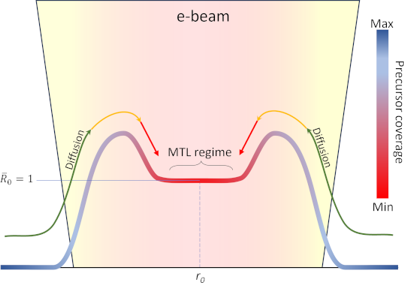
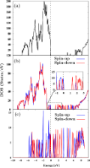
- certain conditions. The beam size has to be large enough for all mass transport to be consumed by the beam before it reaches the beam center area. To fulfill this condition in practice, the beam size and current have to be chosen such that a well-defined plateau shape is formed. This precaution is taken
- these two conflicting conditions. Two deposits at a substrate temperature of 293 K were fabricated using Cr(C6H6)2 with different beam defocus setting. The AFM images of the deposits fabricated with 1400 and 800 nm wide beams (Figure 3) clearly exhibit an indent resembling a volcano. The size of 800 nm
- was the lowest possible beam size that produced a distinguishable plateau, since for smaller beam sizes the plateau disappears as diffusive replenishment starts reaching the BIR center and the DE regime prevails. Corresponding central growth rates are 0.15 and 0.25 nm/s, respectively. In comparison to


Bioinspired nanofilament coatings for scale reduction on steel
Beilstein J. Nanotechnol. 2025, 16, 25–34, doi:10.3762/bjnano.16.3
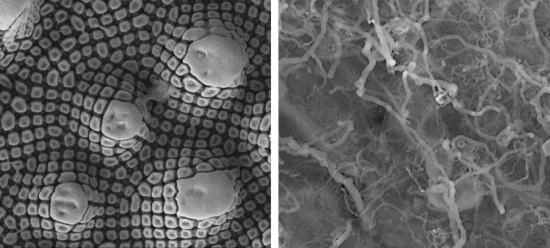
- in the bulk solution or heterogeneously on material surface [25]. Once nucleation occurs, calcium carbonate crystals start to grow. The growth process involves the continuous deposition of Ca2+ and CO32− ions onto the surface-bound nuclei. Over time, these crystals increase in size and adhere more


A nanocarrier containing carboxylic and histamine groups with dual action: acetylcholine hydrolysis and antidote atropine delivery
Beilstein J. Nanotechnol. 2025, 16, 11–24, doi:10.3762/bjnano.16.2
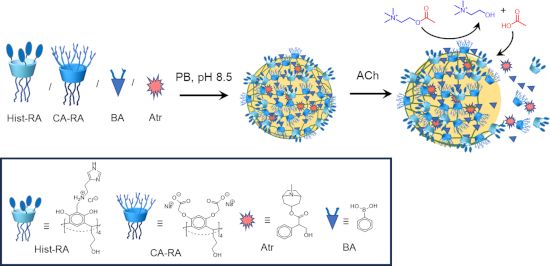
- through dialysis for 1.5 h using a 12000 Da pore dialysis bag. The size of p(Hist-CA) is approximately 12 ± 3 nm according to TEM, and it forms aggregates ranging in size from 80 to 150 nm (Figure 1a,b). The molecular weight of p(Hist-CA) was determined using gel permeation chromatography (GPC). The GPC
- corresponds to the hydrodynamic diameter of p(Hist-CA), while the latter one relates to the size of aggregates. The average molecular weight (M) of the aggregate was determined using the static light scattering (SLS) Debye plot. The plot of KC/Rθ against C, where K is the Debye constant, C is the
- weighed on a Sartorius CP2P microbalance (Germany) in tin capsules. Quantitative measurements and data analysis were performed with Callidus 4.1 software. Hydrodynamic size and molecular weight were analyzed with a ZetaSizer Nano dynamic light scattering photon correlation spectrometer from Malvern, UK


Orientation-dependent photonic bandgaps in gold-dust weevil scales and their titania bioreplicates
Beilstein J. Nanotechnol. 2025, 16, 1–10, doi:10.3762/bjnano.16.1
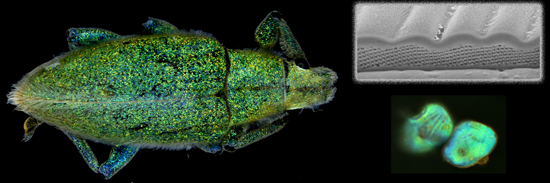
- single-diamond unit cell size of 427 ± 4 nm (Supporting Information File 1, Figure S3). The transition between differently oriented domains is continuous (Supporting Information File 1, Figure S5). Spatial distribution of reflectance Previous work on single diamond network photonic crystals has shown
- ), and produces a smaller reciprocal image size than the 50× objective. We, therefore, used the latter on single-domain scales and with small illumination apertures (Supporting Information File 1, Figure S7), and the former for reciprocal space spectroscopy (Figure 3, Supporting Information File 1
- the nearest neighbor distance was multiplied with to obtain the unit cell size. Preparation of titania replicas Individual scales were scraped off from the elytra and transferred to a glass slide. Scales were etched using an argon plasma etching device (Emitech K1050X, Quorum, Laughton, UK). The


Mechanistic insights into endosomal escape by sodium oleate-modified liposomes
Beilstein J. Nanotechnol. 2024, 15, 1667–1685, doi:10.3762/bjnano.15.131
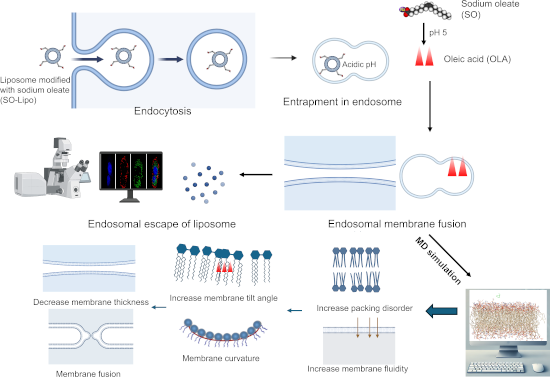
- , and AUR-Lipo formulations. The particle sizes were 102.2 ± 3.30 nm for Unmodified-Lipo, 109.6 ± 7.65 nm for SO-Lipo, and 151.9 ± 5.88 nm for AUR-Lipo, with polydispersity indices below 0.25, indicating uniform size distribution. Endosomal escape efficiency was evaluated through confocal microscopy by
- distinct liposomal variants to evaluate key nanocarrier quality attributes, including particle size, polydispersity index (PDI), and zeta potential. These assessments were conducted at both physiological pH (7.4) and acidic pH (5), as summarized in Table 1. At physiological pH (7.4), the unmodified
- liposomes (Unmodified-Lipo) exhibited a stable physicochemical profile, with an average particle size of 102.2 ± 3.30 nm. Their PDI of 0.239 ± 0.046 indicated a uniform and consistent size distribution, supported by a mean negative zeta potential of −4.47 ± 2.34 mV. For sodium oleate-modified liposomes (SO




Attempts to preserve and visualize protein corona on the surface of biological nanoparticles in blood serum using photomodification
Beilstein J. Nanotechnol. 2024, 15, 1654–1666, doi:10.3762/bjnano.15.130
- particles of 40–80 nm as very low-density LPs (Figure 3a). Clusters of tiny spherical particles were often observed on the surface of many LPs (Figure 3a,e). The content of EVs in samples isolated from FBS by UC was incomparably lower than the content of LPs. The majority of EVs were 60–120 nm in size
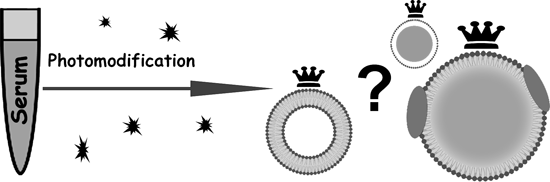
- data regarding their size and morphology [31][32][33][34]. The experiments on isolating bio-NPs from photomodified FBS and NBS did not achieve the goal to isolate protein corona-bearing bio-NPs. However, we revealed a few interesting facts regarding the interaction of bio-NPs with sucrose, as well as
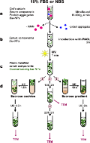
- supernatant was removed, the pellet was resuspended in 50 μL of remaining supernatant, and the samples were prepared for TEM examination. Photomodified FBS or NBS samples containing bio-NPs were purified in the same way. Transmission electron microscopy The size of bio-NPs determines the leading role of TEM



Fabrication of hafnium-based nanoparticles and nanostructures using picosecond laser ablation
Beilstein J. Nanotechnol. 2024, 15, 1639–1653, doi:10.3762/bjnano.15.129
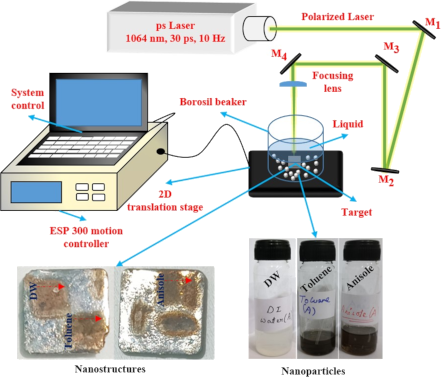
- size and morphology [1]. Recently, interest has risen regarding synthesis and study of Hf-based NPs. Depending on the morphology, chemical composition, and quantum confinement effects, NPs can exhibit novel properties, making them applicable for large-spectrum usage [12][13]. Thus, synthesizing the
- Horiba LabRAM HR Evolution (Excitation: 325 nm, Lens: 40×, spot size: 1 μm) was used. Image J software was used to extract spatial periodicities and to generate 2D fast Fourier transform images (2D FFT) of the Hf surface structures. Results and Discussion Nanoparticles Figure 3 shows TEM images, the
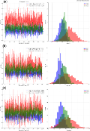
- corresponding particle size distributions, and the SAED patterns of NPs obtained in DW (Figure 3a–c), toluene (Figure 3d–f), and anisole (Figure 3g–i). The TEM image corresponding to HfNPs in DW shows the formation of nanofibres of diameters ranging from 5 to 65 nm along with spherical NPs (marked with red




Heterogeneous reactions in a HFCVD reactor: simulation using a 2D model
Beilstein J. Nanotechnol. 2024, 15, 1627–1638, doi:10.3762/bjnano.15.128
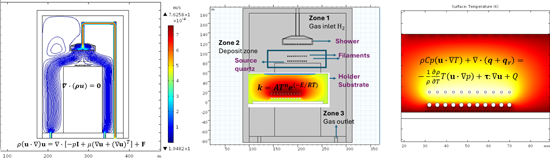
- . According to what was discussed above, the distance decreases the temperature, increases the size of the clusters, and decreases the diffusion of the species, resulting in powder formation. Heterogeneous nucleation on the substrate promotes the growth of SiOx films. The distance between the filaments and


Biomimetic nanocarriers: integrating natural functions for advanced therapeutic applications
Beilstein J. Nanotechnol. 2024, 15, 1619–1626, doi:10.3762/bjnano.15.127
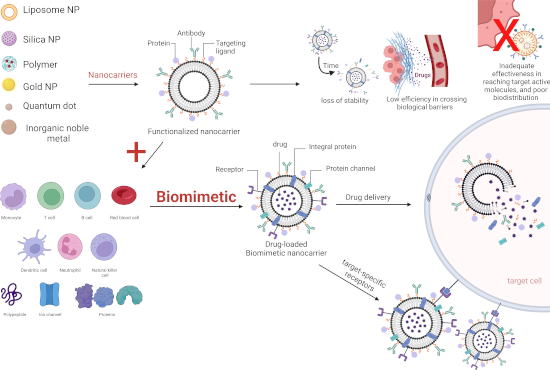
- therapeutical characteristics as demonstrated in Figure 1-1. In the field of drug delivery, properties such as size, surface-to-volume ratio, and biocompatibility have driven the development of nanoscale-based devices [6][7][8][9]. Nanocompounds offer a strategic approach to addressing or at least improving the
- or active targeting mechanisms. In the passive strategy, coated nanocarriers can traverse permeable vessels (as observed in tumors, for example) and exhibit tropism toward specific pathological targets based on the size, surface charge, and physicochemical properties of the nanostructure. The active
- -based nanocarriers is understanding the fundamental building blocks, size, shape, and biological properties to mimic real cells and enable their internalization [31][32]. One efficient strategy for producing biomimetic nanocarriers involves camouflage with biological membranes. The phospholipids


Natural nanofibers embedded in the seed mucilage envelope: composite hydrogels with specific adhesive and frictional properties
Beilstein J. Nanotechnol. 2024, 15, 1603–1618, doi:10.3762/bjnano.15.126
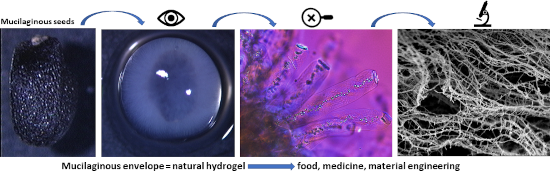
- rather thin (2–3 nm), which makes their differentiation from other polysaccharides (pectins and hemicelluloses) rather difficult. The size of the microfibrils of the secondary cell wall (20–30 nm) [53] makes their observation easier, particularly using high-resolution microscopy techniques, such as
- envelope [7] resembles the known structure of cell walls [57][74][75][76][77][78]. The long, unbranched fibrils (main chains) are cellulose fibrils building the main skeleton of examined mucilage. Their average size ranges from 20.8 nm in Arabidopsis thaliana, over 32.7 nm in Salvia hispanica, to 57.3 nm
- in Ocimum basilicum [7]. TEM and SEM [45][65][78][79] showed the size of cellulose microfibrils in a range of 3–50 nm, depending on cell wall type. This wide range of size can be also a result of bundles formed by cellulose fibrils (Figure 4h) [80]. The results of our research [7][13] confirmed the


Liver-targeting iron oxide nanoparticles and their complexes with plant extracts for biocompatibility
Beilstein J. Nanotechnol. 2024, 15, 1593–1602, doi:10.3762/bjnano.15.125
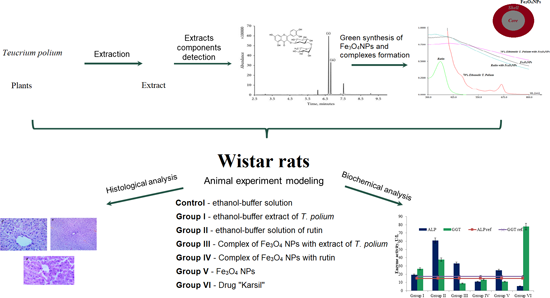
- cell labeling [17][18][19][20][21][22]. Their biocompatibility and stability fill the niche of applications that require properties unattainable by organic materials. Size control, prevention of aggregation through coating, specific interactions and dispersion, and the ability to penetrate cellular and
- tissue barriers all give iron oxide MNPs an advantage over other metallic nanoparticles. Because of their small size, nanoparticles have a high surface-to-volume ratio, making them more appealing. However, since the large surface area provides numerous active sites for interactions, it can also lead to
- adverse reactions. The toxicity of MNPs depends on various factors such as size, shape, structure, surface modification, concentration, dosage, biodistribution, bioavailability, solubility, immunogenicity, and pharmacokinetics [23][24]. Their use in some clinical applications is limited by low solubility


Facile synthesis of size-tunable L-carnosine-capped silver nanoparticles and their role in metal ion sensing and catalytic degradation of p-nitrophenol
Beilstein J. Nanotechnol. 2024, 15, 1576–1592, doi:10.3762/bjnano.15.124
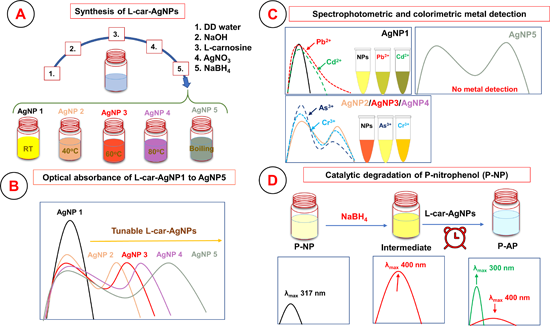
- through surface chemistry and other parameters such as size and shape [13]. Kästner and Thünemann described the catalytic degradation of P-NP using silver nanoparticles with the activity depending on the capping agents [14]. To design a dual-functional system for environmental applications, a potential
- (Nano ZS, Malvern, UK). The hydrodynamic size of ʟ-car-AgNPs was measured by placing them in 1 mL disposable cuvettes (DTS0012), while the zeta potential was measured using zeta cuvettes (ZEN1020). The ʟ-car-AgNPs samples were observed under a transmission electron microscope (TEM, 120 kV, FEI Tecnai
- , Netherlands) for a detailed examination of size and morphology. The crystalline structure of ʟ-car-AgNP1 was determined using X-ray diffraction (XRD, Rigaku Smartlab, Japan) within a 2θ range of 35° to 80°. Nanoparticle solutions were air-dried, and the obtained nanopowders (20 mg) were used for measurements




Green synthesis of silver nanoparticles derived from algae and their larvicidal properties to control Aedes aegypti
Beilstein J. Nanotechnol. 2024, 15, 1566–1575, doi:10.3762/bjnano.15.123

- . aegypti and their potential role for the control and prevention of arboviruses are presented. Finally, ecotoxicity and environmental risk assessment of AgNPs are further discussed. Review Synthesis of silver nanoparticles AgNPs are metallic nanoparticles in a size range between 1 and 100 nm with unique
- processes that involve reducing the size of bulk silver materials to the atomic size of the AgNPs [25]. Bottom-up AgNPs are synthesized via precursor salt reactions that lead to the formation of AgNPs [26] including condensation, precipitation, and pyrolysis [27]. AgNPs can be synthesized using physical
- ][43][44][45][46]. These bioactive compounds associated with metallic nanoparticles increase the specific delivery of drugs to the target and, thus, reduce the required amount of active compounds [47]. In addition, the control of particle size and morphology is essential for applications in


Ultrablack color in velvet ant cuticle
Beilstein J. Nanotechnol. 2024, 15, 1554–1565, doi:10.3762/bjnano.15.122
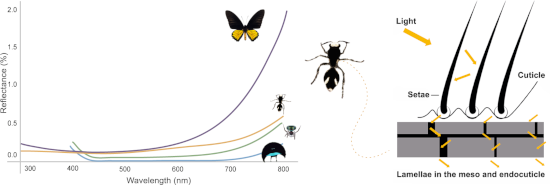
- selected and may have evolved convergently across animal groups, including velvet ants. In addition to their role in color production, submicrometer-sized structures, when randomly distributed in size and position on (or in) a transparent material, can enhance light scattering. This scattering can



The round-robin approach applied to nanoinformatics: consensus prediction of nanomaterials zeta potential
Beilstein J. Nanotechnol. 2024, 15, 1536–1553, doi:10.3762/bjnano.15.121
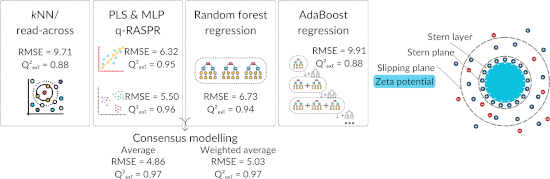
- relationship (QSPR/QSFR) modelling, read-across, and deep learning models. Mikolajczyk et al. [16] implemented a consensus nano-QSPR scheme for the prediction of the ZP of metal oxide nanoparticles (NPs) based on the size and a quantum mechanical descriptor encoding the energy of the highest occupied molecular
- pristine and aged NPs, considering the size, coating, absolute electronegativity, and periodic table descriptors. Finally, advances of artificial intelligence (AI) have been also considered in the computational assessment of the ZP. Yan et al. [35] employed deep learning techniques and developed a


Electrochemical nanostructured CuBTC/FeBTC MOF composite sensor for enrofloxacin detection
Beilstein J. Nanotechnol. 2024, 15, 1522–1535, doi:10.3762/bjnano.15.120
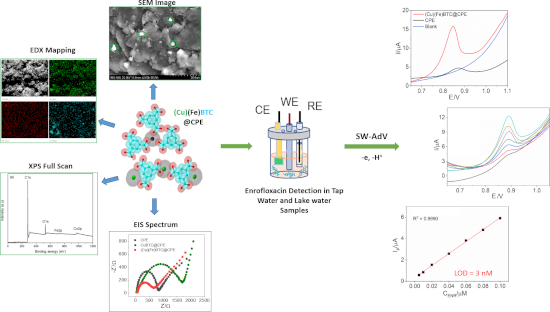
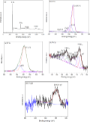
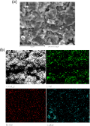
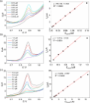
- method and characterized using various techniques, including X-ray diffraction, Fourier-transform infrared spectroscopy, Brunauer–Emmett–Teller analysis, and X-ray photoelectron spectroscopy. The MOF mixture exhibited a particle size ranging from 40 to 100 nm, a high surface area of 1147 m2/g, a pore





Polymer lipid hybrid nanoparticles for phytochemical delivery: challenges, progress, and future prospects
Beilstein J. Nanotechnol. 2024, 15, 1473–1497, doi:10.3762/bjnano.15.118
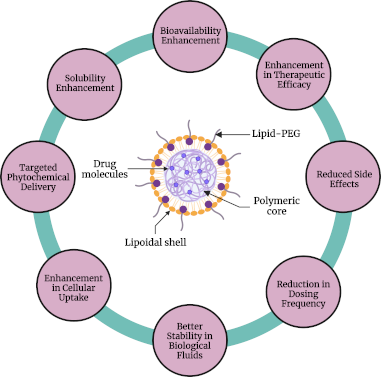
- include their small particle size, high encapsulation efficiency, enhanced stability, and improved dissolution in harsh gastrointestinal (GI) fluids. Following oral administration, PLHNPs demonstrate superior intestinal absorption and bioavailability, attributed to their enhanced stability and dissolution
- therapeutic effects [30][31]. Poor permeability and penetration are additional obstacles. Phytochemicals may have difficulties crossing biological membranes, such as the intestinal epithelium or the blood–brain barrier, because of their molecular size, polarity, or lipophilicity. Poor permeability limits the
- within the hybrid system. During the development of LPHNPs, different physicochemical characteristics such as size, loading capacity, charge, solubility, release, and colloidal stability can be modulated by modification in the polymer/lipid ratio [45][46][47]. Monolithic PLHNPs Monolithic PLHNPs are the


Effect of radiation-induced vacancy saturation on the first-order phase transformation in nanoparticles: insights from a model
Beilstein J. Nanotechnol. 2024, 15, 1453–1472, doi:10.3762/bjnano.15.117
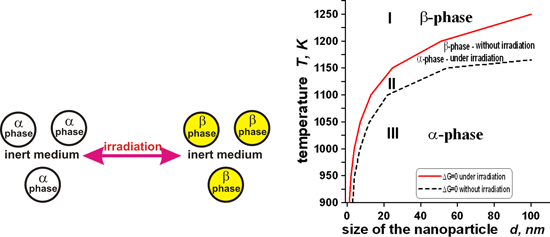
- , and cavities [1][2]. Experimental studies on Pd have shown that the defect density generally increases with grain size; in grains smaller than 30 nm, no defects were observed [3], suggesting that large defects (clusters and dislocations) do not exist in small nanoparticles. One possible explanation is
- -induced vacancies, assuming that the concentration of radiation-induced point defects at characteristic temperatures (far from melting) exceeds the concentration of thermal-equilibrium defects. The behavior of HDCMs under irradiation highly depends on their size. For example, when TiN nanograins are
- irradiated with He+ ions, their amorphization leads to a reduction in nanohardness, and this reduction is strongly correlated with the grain size [12]. Phase instability (radiation-induced amorphization) is observed in zirconia nanoparticles (ZrO2) embedded in nanocrystalline composites. ZrO2 nanoparticles


Lithium niobate on insulator: an emerging nanophotonic crystal for optimized light control
Beilstein J. Nanotechnol. 2024, 15, 1415–1426, doi:10.3762/bjnano.15.114
- "super-emission" scales with the system size, meaning larger systems shine brighter. The reverse phenomenon (i.e., superabsorption [35][36]) enhances light absorption for larger systems and holds promise for creating high-performance quantum batteries. However, directly observing superabsorption is
- potential as a next-generation photovoltaic technology [41][42]. These cells offer a compelling alternative to traditional silicon solar cells because of the low manufacturing cost. Additionally, CQDs possess a unique property – their bandgap can be tuned by adjusting the size of the dots. This allows them
- layer to absorb four times more near-infrared light [43]. Flip-chip micro light-emitting diodes (micro-LEDs) are a revolutionary technology with the potential to create next-generation HDR displays due to their tiny size, exceptional brightness, wide color gamut, and energy efficiency [44][45][46





