Search results
Search for "adhesive" in Full Text gives 246 result(s) in Beilstein Journal of Nanotechnology. Showing first 200.
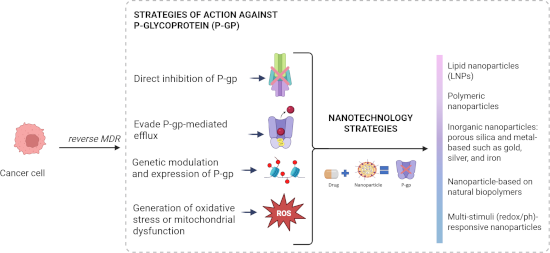
Nanocarrier strategies to overcome P-glycoprotein-mediated drug resistance in cancer therapy
Beilstein J. Nanotechnol. 2026, 17, 882–921, doi:10.3762/bjnano.17.64


Sustainable fabrication of 2D-based devices through reuse of substrates with microfabricated electrodes
Beilstein J. Nanotechnol. 2026, 17, 818–827, doi:10.3762/bjnano.17.58
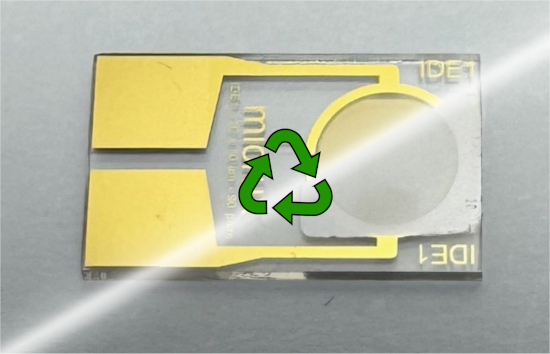
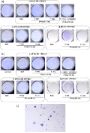
- the substrate surface. As shown in Figure 1c, prior to cleaning, the substrate exhibited both the patterned MoS2 network and residual adhesive from the stencil mask around the ‘MoS2’ area. Following the ultrasonic bath in hot NMP and subsequent rinsing in isopropanol, all MoS2 flakes and visible
- adhesive residues were removed from the patterned region, leaving a pristine SiO2/Si surface (Figure 1d). The insets in Figure 1c and Figure 1d provide high-magnification optical microscopy images. Before cleaning, the interconnected network of MoS2 flakes is visible, whereas after treatment, the surface
- -methyl-2-pyrrolidone (NMP) at 50 °C to remove MoS2 flakes and adhesive residues from the substrate. (b) Schematic representation illustrates the removal of MoS2 flakes from the substrate through the penetration of N-methyl-2-pyrrolidone (NMP) at 50 °C. (c, d) Optical images of the substrate before and


Interface-engineered Caco-2 cell culture on a collagen-coated liquid–liquid interface in a microfluidic device
Beilstein J. Nanotechnol. 2026, 17, 760–768, doi:10.3762/bjnano.17.53
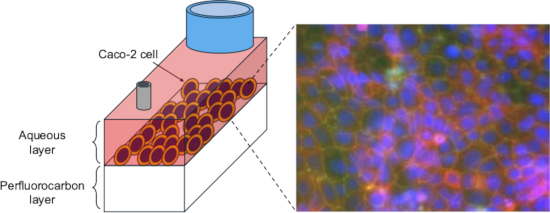
- shape. Caco-2 cell culture on the liquid–liquid interface The feasibility of adhesive cell culture on the liquid–liquid interface with a collagen layer was demonstrated by culturing Caco-2 cells (a human colorectal adenocarcinoma cell line). After forming the liquid–liquid interface using FC-43 and


Nanocarrier-integrated multilayer films produced by 3D printing for improved skin adhesion and curcumin photostability
Beilstein J. Nanotechnol. 2026, 17, 440–453, doi:10.3762/bjnano.17.30
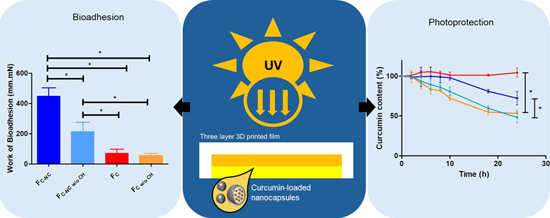
- with absorbent paper. Skin samples were fixed to the equipment probe with instantaneous adhesive, while films were fixed to the equipment’s platform with double-sided tape. The equipment promoted contact between the skin sample and the film, with a force of 290 mN for 3 min. The probe holding the skin
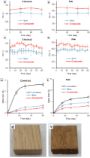
- analyser and porcine ear skin. Skin adhesiveness was measured as the force required to detach a porcine skin sample from specific films. Similar adhesive properties were measured for chitosan-containing films with either curcumin-loaded nanocapsules or unloaded curcumin (Figure 3A). The films prepared
- measurably to the adhesive performance of the films, while photostability testing under UVC irradiation demonstrated that the TiO2 layer provided effective protection against curcumin degradation. Additionally, films containing nanoencapsulated curcumin showed increased bioadhesive performance relative to


Polycatecholamine nanocoatings on stainless steel: the effect on attachment of human fibroblasts and platelets
Beilstein J. Nanotechnol. 2026, 17, 365–380, doi:10.3762/bjnano.17.25
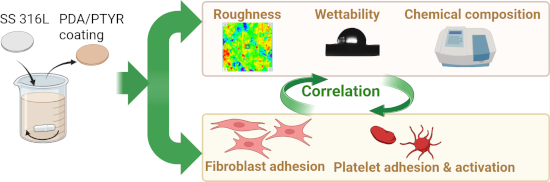
- several weeks and prolonged antimicrobial activity [21][22][23]. Beyond classical PDA films, broader catechol-based and PDA-inspired chemistries have been explored, including phenolic polymer systems, mussel-inspired adhesive interfaces and catechol-rich surface architectures, which have been shown to




Micro- and nanoscale effects in biological and bioinspired materials and surfaces
Beilstein J. Nanotechnol. 2026, 17, 214–217, doi:10.3762/bjnano.17.14
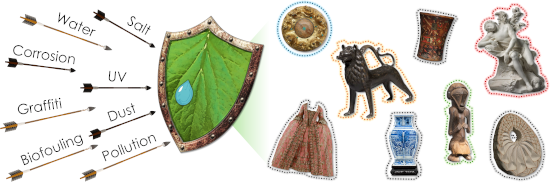
- information on the design of natural ultrablack materials. Adhesion is a widespread topic in the field of nanotechnology and subject to various studies investigating the relationships between structures and functions. As the physical constraints for adhesive systems are omnipresent for animals and plants, but
- varying environmental parameters. For terrestrial animals, adhesive systems usually provide temporary adhesion and do not make use of cements. A study on the evolution of subdigital microstructures in Cyrtodactylus geckos by Ginal et al. [16] addressed how adhesive microstructures (setae) have
- envelope of seeds supports seed germination, protection from pathogens and predators, and attachment to various surfaces for dispersal. This three-dimensional polysaccharide network is capable of absorbing large amounts of water to function either as an efficient lubricant or a strong adhesive depending on
Functional surface engineering for cultural heritage protection: the role of superhydrophobic and superoleophobic coatings – a comprehensive review
Beilstein J. Nanotechnol. 2026, 17, 63–96, doi:10.3762/bjnano.17.6




Subdigital integumentary microstructure in Cyrtodactylus (Squamata: Gekkota): do those lineages with incipiently expressed toepads exclusively exhibit adhesive setae?
Beilstein J. Nanotechnol. 2026, 17, 38–56, doi:10.3762/bjnano.17.4
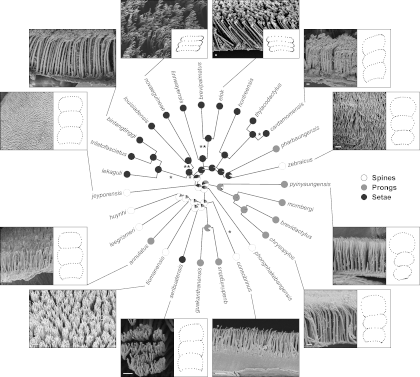
- /bjnano.17.4 Abstract In taxa such as insects, spiders, bats, frogs, and lizards, adhesive structures at the distal ends of their limbs have independently evolved, enabling the animals to adhere to inclined or even inverted surfaces. The adhesive apparatus of geckos functions via a complex interaction
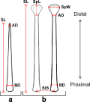
- among muscles, bones, vascular tissue, and microscopic epidermal microstructures. The microstructures of geckos are classifiable as spinules, spines, prongs and setae, but only setae, which possess spatulate tips, promote adhesive competency sufficient to support body mass employing van der Waals forces
- utilize the environment that they inhabit have engendered considerable scientific interest. In several taxa, such as insects, spiders, some bats, frogs and lizards, adhesive structures at the distal ends of the limbs have independently evolved, allowing these animals to adhere to inclined or even inverted


Quantitative estimation of nanoparticle/substrate adhesion by atomic force microscopy
Beilstein J. Nanotechnol. 2026, 17, 1–14, doi:10.3762/bjnano.17.1

- model provides a criterion to determine whether an NP escapes or is captured upon impact. This condition is expressed as: where F0 is the force acting to detach the NP from the surface, and 6πRγ is the adhesive force trying to hold the NP on the surface. R represents the radius of curvature defining the



Molecular and mechanical insights into gecko seta adhesion: multiscale simulations combining molecular dynamics and the finite element method
Beilstein J. Nanotechnol. 2025, 16, 2055–2076, doi:10.3762/bjnano.16.141
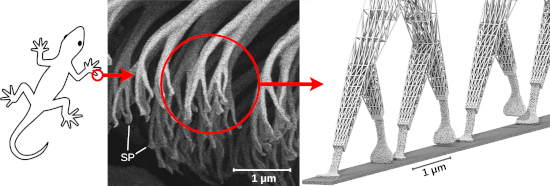
- structures on their feet [1][2]. This bioadhesion mechanism has been studied extensively, especially for biomimetic adhesive applications [3][4][5][6][7][8][9]. Understanding these interactions presents a formidable challenge in biophysics and materials science due to the extremely small length and time
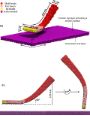
- ][20] are necessary to capture both large-scale geometry and local molecular interactions at the adhesive interface. There have been several pure finite element studies of gecko adhesion, which examine mechanisms like peeling from and pushing (loading) onto a substrate [21][22][23][24][25][26][27][28
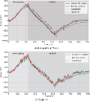
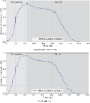
- averaging the force of each individual spatula at its own force minima, which yielded an average adhesion force of |Fmin| = 33.2 ± 4.7 nN. This matches the adhesive force of ≈35 nN reported in our previous work for the same molecular spatula model at a similar loading rate [10][13]. In the previous work, we






Beyond the shell: exploring polymer–lipid interfaces in core–shell nanofibers to carry hyaluronic acid and β-caryophyllene
Beilstein J. Nanotechnol. 2025, 16, 2015–2033, doi:10.3762/bjnano.16.139
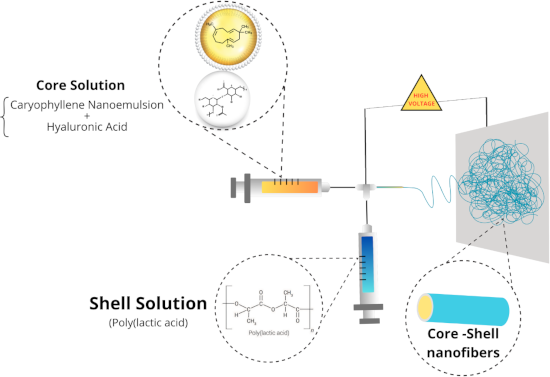
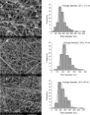
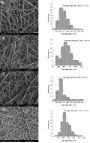
- -sectional imaging, and attenuated total reflectance with Fourier transform infrared (ATR-FTIR) spectroscopy provided compelling evidence for the successful formation of the intended core–shell structure. The resulting nanofibers exhibited surface hydrophobicity, suggesting potential for anti-adhesive




The cement of the tube-dwelling polychaete Sabellaria alveolata: a complex composite adhesive material
Beilstein J. Nanotechnol. 2025, 16, 1998–2014, doi:10.3762/bjnano.16.138
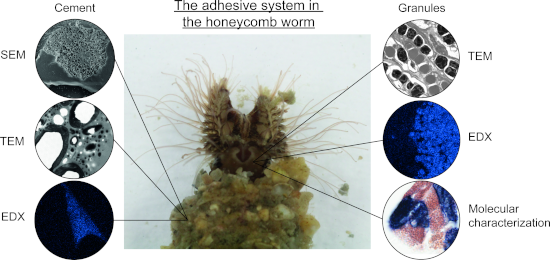
- of inspiration for developing biomimetic adhesives. However, a thorough understanding of their composition and operating mechanism is essential for advancing such applications. Sabellariid tubeworms are model organisms in bioadhesion research, and their adhesive system has been characterized in
- several studies. However, some aspects of cement formation are still poorly understood and several differences have been pointed out between the two main model species. This study aims to investigate the adhesive system of Sabellaria alveolata by identifying new potential adhesive proteins, as well as
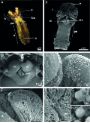
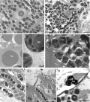
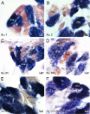
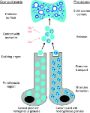
- describing the ultrastructure and elemental composition of the cement cells and their secretion. Different adhesive proteins are packaged in one or the other of two types of cement cells, namely, those containing homogeneous granules and those containing heterogeneous granules with lamellar inclusions



Mechanical property measurements enabled by short-term Fourier-transform of atomic force microscopy thermal deflection analysis
Beilstein J. Nanotechnol. 2025, 16, 1952–1962, doi:10.3762/bjnano.16.136
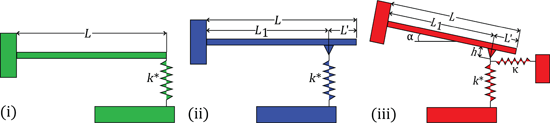
- normal force for the DMT, JKR, and COS models are then given by Equation 5, Equation 6, and Equation 7, respectively [24][28]: where R is the tip radius and Fa is the adhesive force. In Equation 7, we use the transition parameter λ to bridge the two contact streams. We then denote and and γ is the work




Self-assembly and adhesive properties of Pollicipes pollicipes barnacle cement protein cp19k: influence of pH and ionic strength
Beilstein J. Nanotechnol. 2025, 16, 1863–1872, doi:10.3762/bjnano.16.129
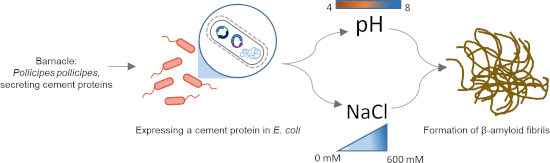
- Sciences, University of Galway H91 TK33, Ireland 10.3762/bjnano.16.129 Abstract Marine organisms such as barnacles rely on a complex underwater adhesive system, driven by self-assembly and intermolecular associations between cement proteins, for permanent attachment to a variety of surface types. In this
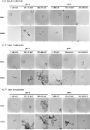
- study, we investigated the influence of environmental parameters on the self-assembly of recombinant cp19k, a key adhesive protein in Pollicipes pollicipes. Using TEM imaging, a low pH (4.0) and high salt concentration (600 mM NaCl) environment, mimicking P. pollicipes gland conditions, was identified
- bioinspired adhesives and biomaterials. Keywords: adhesive; amyloid fibre; barnacle cement protein; surface coating; transmission electron microscopy; Introduction Marine adhesives are naturally occurring substances secreted by a variety of organisms to attach themselves to submerged surfaces such as rocks


Exploring the potential of polymers: advancements in oral nanocarrier technology
Beilstein J. Nanotechnol. 2025, 16, 1751–1793, doi:10.3762/bjnano.16.122
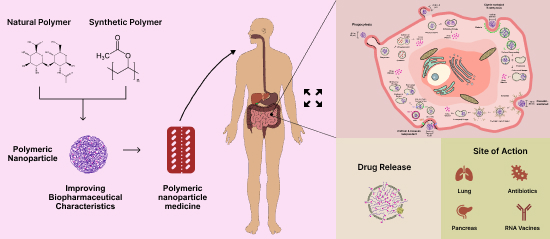
- absorption by interacting with food, digestive enzymes, bile salts, electrolytes, and mucus. Polymers enable diverse surface functionalities tailored to therapeutic demands, including adhesive, bioinert, or charge-conversion functionalities that modify zeta potential and hydrophilic properties, among others


Nanotechnology-based approaches for the removal of microplastics from wastewater: a comprehensive review
Beilstein J. Nanotechnol. 2025, 16, 1607–1632, doi:10.3762/bjnano.16.114
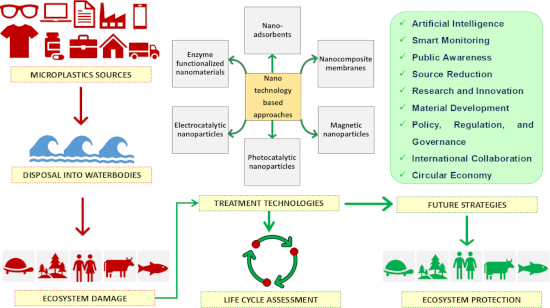
- thermal, acidic, and saline conditions. Its self-adhesive nature, biocompatibility, and durability make it a promising preventive strategy at the source. Similarly, nanocellulose, derived from renewable biomass, exhibits a high surface area and tunable surface chemistry, making it effective for adsorbing


Better together: biomimetic nanomedicines for high performance tumor therapy
Beilstein J. Nanotechnol. 2025, 16, 1246–1276, doi:10.3762/bjnano.16.92
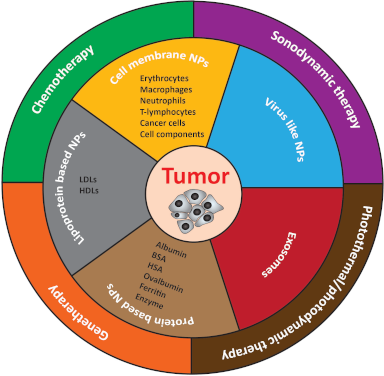


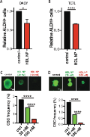
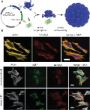
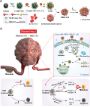





Hydrogels and nanogels: effectiveness in dermal applications
Beilstein J. Nanotechnol. 2025, 16, 1216–1233, doi:10.3762/bjnano.16.90
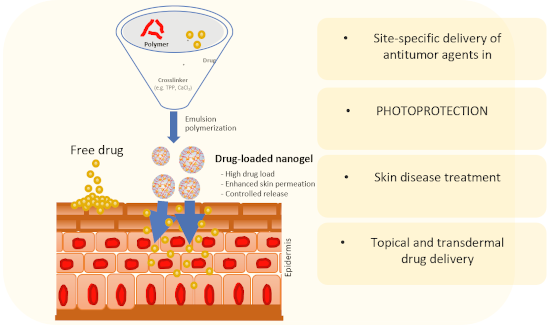
- by electronic beam irradiation. Polyvinyl alcohol hydrogels can be used for wound healing. Suhaeri et al. (2018) manufactured an adhesive hydrogel with PVA and a derivative of human pulmonary fibroblasts, in addition to ciprofloxacin, for treating infected wounds [95]. For the preparation of the


Mechanical stability of individual bacterial cells under different osmotic pressure conditions: a nanoindentation study of Pseudomonas aeruginosa
Beilstein J. Nanotechnol. 2025, 16, 1171–1183, doi:10.3762/bjnano.16.86
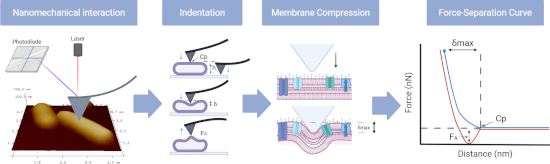
- regular adhesive tape, and coated with 5 μL of the cationic polymer poly-ʟ-lysine (PLL, MW 40 kDa, Sigma-Aldrich). The drop of PLL was not allowed to dry but incubated for 10 min, and then the surfaces were repeatedly rinsed with Milli-Q water to allow the formation of a thin film. This coating promotes
- external deformation (k), an estimation of their elasticity modulus (Y), and their adhesive behavior towards the AFM tip to the substrate (FA). Generated maps from nanoindentations indicated that PA tolerates drastic changes in osmotic pressure from isotonic (0.35 Osm) to hypotonic (<0.05 Osm) or


Influence of ion beam current on the structural, optical, and mechanical properties of TiO2 coatings: ion beam-assisted vs conventional electron beam evaporation
Beilstein J. Nanotechnol. 2025, 16, 1097–1112, doi:10.3762/bjnano.16.81
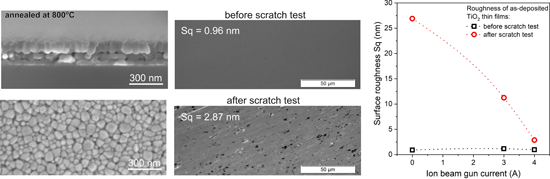
- , adhesive, and durable TiO2 coatings with improved optical and mechanical properties, suitable for applications requiring enhanced wear resistance. Keywords: electron beam evaporation; ion beam-assisted deposition; mechanical properties; nanocrystalline anatase; optical properties; TiO2 coatings




Soft materials nanoarchitectonics: liquid crystals, polymers, gels, biomaterials, and others
Beilstein J. Nanotechnol. 2025, 16, 1025–1067, doi:10.3762/bjnano.16.77
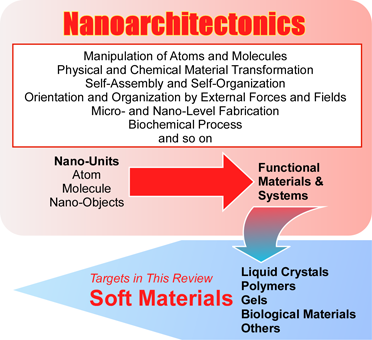
- swelling, degradability, self-repairing ability, and reworkability. It is anticipated that this will contribute to a number of research fields, including polymer degradation and recycling, the extension of the lifespan of polymer materials, the development of adhesive polymers for specific applications






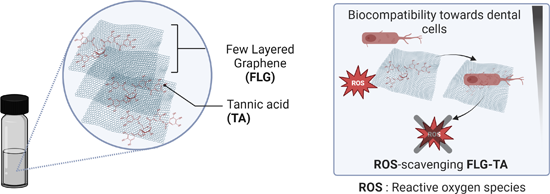
Colloidal few layered graphene–tannic acid preserves the biocompatibility of periodontal ligament cells
Beilstein J. Nanotechnol. 2025, 16, 664–677, doi:10.3762/bjnano.16.51
- electron analyzer and a dual-anode source (Mg/Al). Samples were mounted on holders using conductive double-sided carbon adhesive tapes. XPS measurements utilized the monochromatic Al Kα line at 1486.6 eV. An initial survey scan identified elements present in each sample, followed by high-resolution scans




Aprepitant-loaded solid lipid nanoparticles: a novel approach to enhance oral bioavailability
Beilstein J. Nanotechnol. 2025, 16, 652–663, doi:10.3762/bjnano.16.50
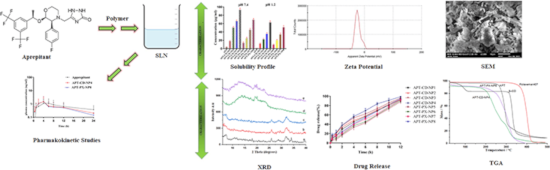
- . Scanning electron microscopy (SEM) photographs of APT-NPs were obtained on a JSM-6380A, Joel, Japan operating at a voltage of 10.0 kV. The specimens were mounted on a metallic stub with double-sided adhesive tape and gold-coated in an argon atmosphere prior to observation [28]. Drug excipient interaction



Polyurethane/silk fibroin-based electrospun membranes for wound healing and skin substitute applications
Beilstein J. Nanotechnol. 2025, 16, 591–612, doi:10.3762/bjnano.16.46
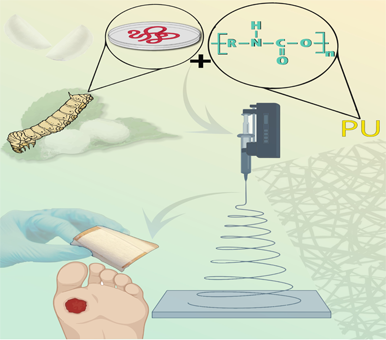
- response, is extensively investigated by addressing its molecular structure, composition, and medical uses. PU is a candidate for potential biomedical applications because of its strength, flexibility, biocompatibility, cell-adhesive properties, and high resistance to biodegradation. PU combined with silk
- method was to provide a solution to the problems of traditional heat-induced shape memory polymers. Additionally, PDA was chosen as it is highly adhesive, biocompatible, and a great photothermal converter. SMPU fibers were made using electrospinning, and the fibers were pre-coated with PDA using post



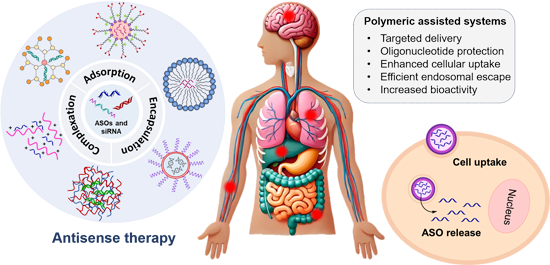
Synthetic-polymer-assisted antisense oligonucleotide delivery: targeted approaches for precision disease treatment
Beilstein J. Nanotechnol. 2025, 16, 435–463, doi:10.3762/bjnano.16.34