Search results
Search for "nanomedicines" in Full Text gives 39 result(s) in Beilstein Journal of Nanotechnology.
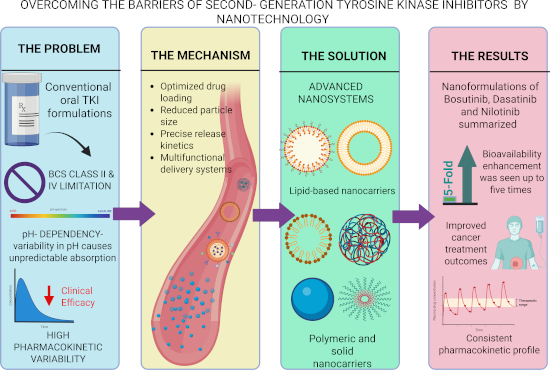
Breaking barriers: nanosystems to overcome solubility and permeability challenges of second-generation tyrosine kinase inhibitors
Beilstein J. Nanotechnol. 2026, 17, 1063–1086, doi:10.3762/bjnano.17.73


Nanocarrier strategies to overcome P-glycoprotein-mediated drug resistance in cancer therapy
Beilstein J. Nanotechnol. 2026, 17, 882–921, doi:10.3762/bjnano.17.64
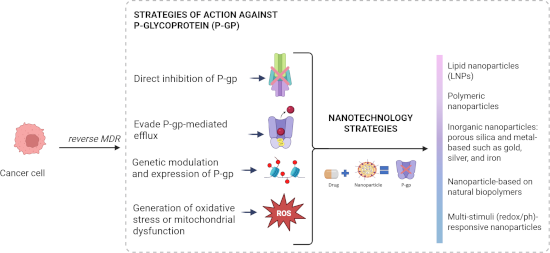
- -responsive carriers. More recently, Hou et al. [110] described polymeric nanomedicines engineered for hypoxic tumors that integrate multistimuli responses to deliver therapeutic payloads precisely in tumor microenvironments, thereby addressing both physiological barriers and drug-resistance pathways. These


Towards targeted drugs and next generation of nanomedicines
Beilstein J. Nanotechnol. 2026, 17, 598–601, doi:10.3762/bjnano.17.41
- potentially create synergistic effects for the treatment of complex pathologies [1][2][3]. Since the approval of the first liposomal drug for cancer therapy, Doxil [4], multiple nanomedicines have reached the market, including lipid nanoparticles for RNA delivery used worldwide for the vaccines against SARS
- -CoV-2 infection during the COVID-19 pandemic [5][6][7]. While the successes of these technologies are clear, extensive research is still focused on further improving nanomedicine efficacy toward the development of the next generation of nanomedicines. From a semantic point of view, one might argue
- clinically approved nanomedicines such as Doxil or Abraxane used "natural nanoparticles" (i.e. lipid vesicles and proteins) for changing the biodistribution of pharmaceutical drugs, there is hope that fully synthetic engineered nanoparticles may be used in the future. There is, thus, a large potential for
Micro- and nanoscale effects in biological and bioinspired materials and surfaces
Beilstein J. Nanotechnol. 2026, 17, 214–217, doi:10.3762/bjnano.17.14
- medicine, Perini et al. [25] reviewed the importance of biomimetic nanocarriers for drug delivery systems with improved biocompatibility and target specificity, whereas Mohammed et al. [26] focused on biomimetic potential for nanomedicines in tumor therapy. Besides nanotechnological solutions inspired by
Toward clinical translation of carbon nanomaterials in anticancer drug delivery: the need for standardisation
Beilstein J. Nanotechnol. 2025, 16, 2092–2104, doi:10.3762/bjnano.16.144
- their surface chemistry and structure, emphasizing the need for systematic evaluation of their degradation pathways and by-products to ensure the safe design of nanomedicines. Moreover, CNMs can contain impurities that may impact their biological activity and safety. Therefore, it is important to assess



Targeting the vector of arboviruses Aedes aegypti with nanoemulsions based on essential oils: a review with focus on larvicidal and repellent properties
Beilstein J. Nanotechnol. 2025, 16, 1894–1913, doi:10.3762/bjnano.16.132
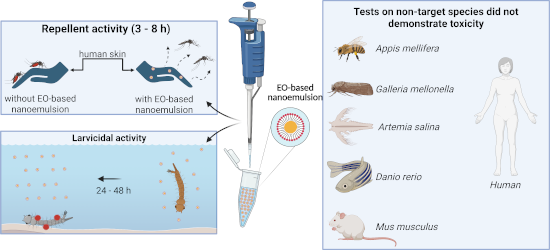
- Food and Drug Administration (FDA) agency approved the first nanomedicine, Doxil® (doxorubicin-loaded liposomes) for chemotherapy. Over the past 30 years, research and development in nanotechnology have expanded significantly, with more than 70 nanomedicines approved by FDA or EMA [83][84][85][86


Advances of aptamers in esophageal cancer diagnosis, treatment and drug delivery
Beilstein J. Nanotechnol. 2025, 16, 1734–1750, doi:10.3762/bjnano.16.121

- [106] and stimuli-responsive drug delivery systems [107], represent significant advances toward enhanced therapeutic efficacy and precision medicine. However, most nanomedicines still require intravenous injection [108], and there is no precedent for AFDNs in EC clinical trials; however, this advanced


Better together: biomimetic nanomedicines for high performance tumor therapy
Beilstein J. Nanotechnol. 2025, 16, 1246–1276, doi:10.3762/bjnano.16.92
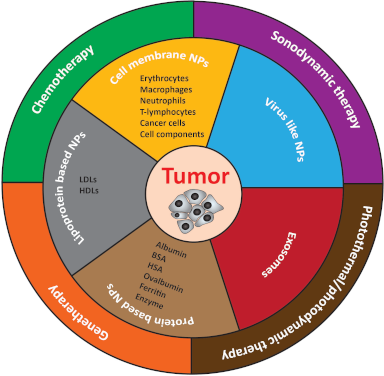
- their action site to achieve desired therapeutic effects. Thus, it is critical to explore and understand the types, targeting mechanism, immune responses, and therapeutic outcomes of such NPs. Unlike previous reports, here, we provide an up-to-date review of recent advances in biomimetic nanomedicines
- with a specific focus on their types and recent advancements only for cancer treatment. This review focuses on the recent advancements in biomimetic nanomedicines engineered with various biomaterials, emphasizing their interactions with different types of tumors and tumor microenvironment (TME). It
- penetration of drugs and drug carriers. In addition, cancer cell membranes express specific receptors and antigens that help them recognize and target through a homotypic binding mechanism [44][45]. Therefore, cancer cell membranes are also extensively explored to localize nanomedicines to cancer cells







A calix[4]arene-based supramolecular nanoassembly targeting cancer cells and triggering the release of nitric oxide with green light
Beilstein J. Nanotechnol. 2025, 16, 1003–1013, doi:10.3762/bjnano.16.75
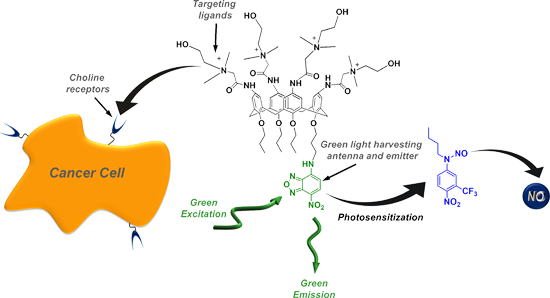
- , supramolecular nanoconstructs, and nanomaterials photoreleasing NO have been developed as potential nanomedicines over the last decades [40][41][42][43][44][45][46][47][48][49][50]. In this regard, generating NO with highly biocompatible long wavelength green or red light is highly desirable over blue or even UV


Graphene oxide–chloroquine conjugate induces DNA damage in A549 lung cancer cells through autophagy modulation
Beilstein J. Nanotechnol. 2025, 16, 316–332, doi:10.3762/bjnano.16.24
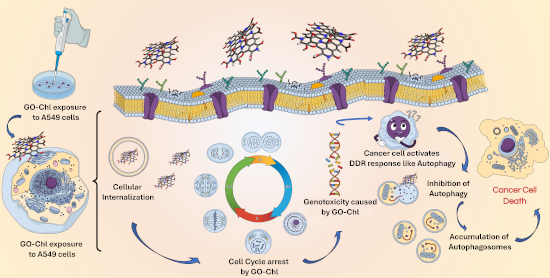
- -based propidium iodide uptake analysis The efficacy of nanomedicines mainly depends upon the effective cellular internalization and their transport to the appropriate intercellular effector site [52][53]. Studies have shown that based on its size and surface characteristics (i.e., hydrophilicity or



Recent advances in photothermal nanomaterials for ophthalmic applications
Beilstein J. Nanotechnol. 2025, 16, 195–215, doi:10.3762/bjnano.16.16
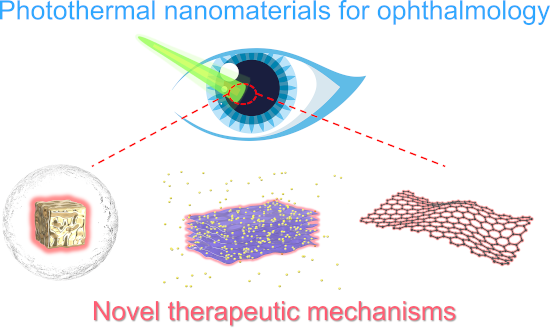
- an aim to contribute to the improvement of global visual health. 2 Photothermal treatment mechanisms and nanomaterial properties of ophthalmic nanomedicines Nanomaterials with highly tunable photothermal conversion properties are referred to as photothermal nanomaterials [22]. These materials are


Dual-functionalized architecture enables stable and tumor cell-specific SiO2NPs in complex biological fluids
Beilstein J. Nanotechnol. 2024, 15, 1238–1252, doi:10.3762/bjnano.15.100
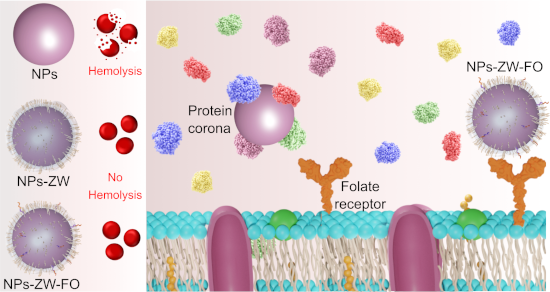
- anticancer nanomedicines are administered intravenously. This route is fast and precise as the drug enters directly into the systemic circulation, without undergoing absorption processes. When nanoparticles come into direct contact with the blood, however, they interact with physiological components that can
- exhibit heightened efficacy and reduced toxicity for medical purposes. Keywords: colloidal stability; complex media; functionalized nanoparticles; hemolysis; targeting tumor; Introduction In recent years, there has been a growing search for developing high-efficiency nanomedicines for cancer treatment
- to the formation of aggregates of NPs and activation of unplanned biological pathways (e.g., the complement system) [16][17][18]. The factors mentioned above hamper the biodistribution of nanomedicines and their targeting efficiency, therefore causing adverse effects. Multiple functionalization
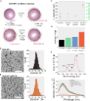
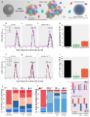

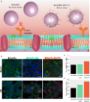
Synthesis, characterization and anticancer effect of doxorubicin-loaded dual stimuli-responsive smart nanopolymers
Beilstein J. Nanotechnol. 2024, 15, 1189–1196, doi:10.3762/bjnano.15.96
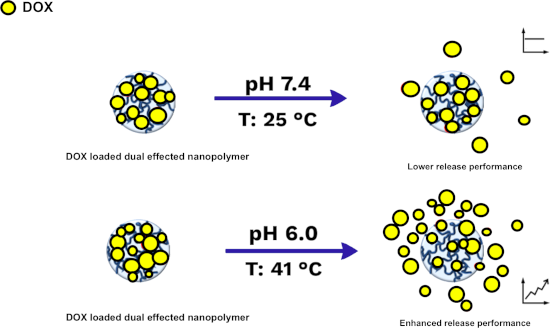
- heamatological tests. The authors concluded that DOX polymersomes have less side effects than Doxil because of the biodegradability and release features of the complex [42]. Conclusion Specifically designed nanomedicines can deliver various agents simultaneously to a desired site of action, resulting in more


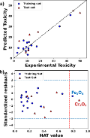
Introducing third-generation periodic table descriptors for nano-qRASTR modeling of zebrafish toxicity of metal oxide nanoparticles
Beilstein J. Nanotechnol. 2024, 15, 1142–1152, doi:10.3762/bjnano.15.93
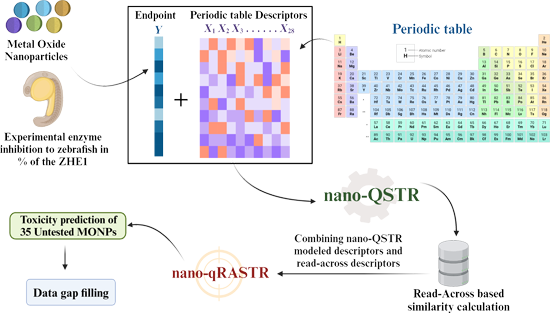
- of safer nanomedicines. MONPs are also being utilized in environmental remediation efforts to remove pollutants from water and soil. The insights gained from this study can help in selecting nanoparticles that are effective in remediation without posing significant risks to aquatic life and


Recent updates in applications of nanomedicine for the treatment of hepatic fibrosis
Beilstein J. Nanotechnol. 2024, 15, 1105–1116, doi:10.3762/bjnano.15.89
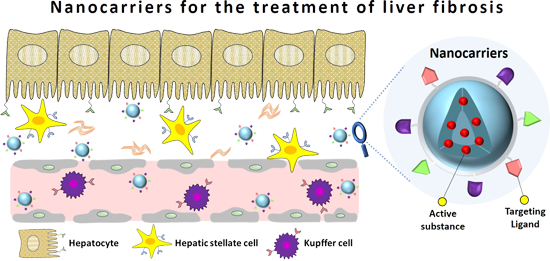
- cancer nanomedicines are now under evaluation in clinical stages [6]. Simple liposomal and micellar formulations containing chemotherapeutic agents still predominate in this group. Despite the obstacles and challenges, oncology has become the main focus of nanomedicine [8]. Liposomal doxorubicin was the


Entry of nanoparticles into cells and tissues: status and challenges
Beilstein J. Nanotechnol. 2024, 15, 1017–1029, doi:10.3762/bjnano.15.83
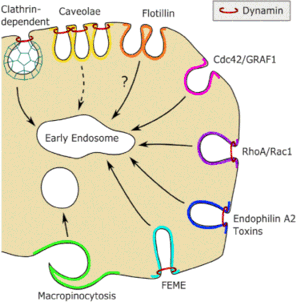
- academia are not very familiar with) and describes possible strategies in order to bring new nanomedicines to the market [103]. Summary Future studies of NP uptake into cells and tissues are important to get a complete mechanistic understanding of how they affect cells of different types, how one may


When nanomedicines meet tropical diseases
Beilstein J. Nanotechnol. 2024, 15, 830–832, doi:10.3762/bjnano.15.69
- ]. Potentially beneficial properties of nanomedicines include enhanced drug solubility, improved bioavailability, targeted drug delivery, longer half-life, and reduced toxicity. This thematic issue covers pre-clinical research employing chemotherapeutic or prophylactic nanomedicines against NTDs in a concise
- , Morilla and collaborators presented a critical review on nanomedicines and Chagas disease, highlighting the potential of oral nanocrystals and parenteral nano-immunostimulants to treat this NTD [3]. Moving to leishmaniases, Verçoza et al. evaluated the therapeutic potential of green superparamagnetic iron
Cholesterol nanoarchaeosomes for alendronate targeted delivery as an anti-endothelial dysfunction agent
Beilstein J. Nanotechnol. 2024, 15, 517–534, doi:10.3762/bjnano.15.46
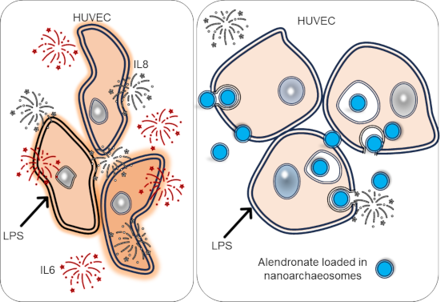
- properties is a pharmacological challenge that could be addressed by formulating ALN in nanomedicines. Properly designed, intravenously administered nanomedicines allow one to control pharmacokinetics, biodistribution, and pharmacodynamics of loaded active ingredients [19]. Inflamed endothelia present
- variable degrees of increased permeability, offering an anatomic-pathological context that favors extravasation and, therefore, the passive targeting of nanoparticulate material towards cells of the diseased vasculature [20]. Moreover, in recent years, the development of targeted nanomedicines for
- therapeutic, diagnostic, or theragnostic applications to pathological macrophages and endothelia is of major pharmaceutical interest [21]. The vascular endothelium can be actively targeted with nanomedicines of high structural sophistication [22][23], which are, however, difficult to fit within the





Classification and application of metal-based nanoantioxidants in medicine and healthcare
Beilstein J. Nanotechnol. 2024, 15, 396–415, doi:10.3762/bjnano.15.36
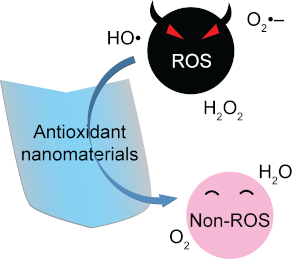
- , researchers have explored innovative approaches for the treatment of atherosclerosis, with a particular focus on the use of metal-based nanomaterials. The advancement of nanomedicines in CVD treatments will gain from the comprehensive understanding of the rate and extent of nanoparticles (NPs) inside the
- nanomedicines, particularly AuNPs, have been implemented in various settings, with twelve clinical trials already completed or in progress. Notably, one of these trials, NCT01436123, focuses on utilizing heat for the photothermal treatment of atherosclerosis [176]. In an observational study with three arms


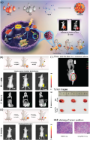
Nanomedicines against Chagas disease: a critical review
Beilstein J. Nanotechnol. 2024, 15, 333–349, doi:10.3762/bjnano.15.30

- benznidazole. Nanomedicines reduce toxicity and increase the effectiveness of current oncological therapies. Could nanomedicines improve the treatment of the neglected CD? This question will be addressed in this review, first by critically discussing selected reports on the performance of benznidazole and
- other molecules formulated as nanomedicines in in vitro and in vivo CD models. Taking into consideration the developmental barriers for nanomedicines and the degree of current technical preclinical efforts, a prospect of developing nanomedicines against CD will be provided. Not surprisingly, we conclude
- still required regarding a realistic use of nanomedicines effective against CD. Keywords: benznidazole; liposomes; nanocrystals; nanomedicines; nanoparticles; Trypanosoma cruzi; Introduction Nanomedicines are used to solve the problems posed by poor solubility and/or permeability and high toxicity of

Nanocarrier systems loaded with IR780, iron oxide nanoparticles and chlorambucil for cancer theragnostics
Beilstein J. Nanotechnol. 2024, 15, 180–189, doi:10.3762/bjnano.15.17
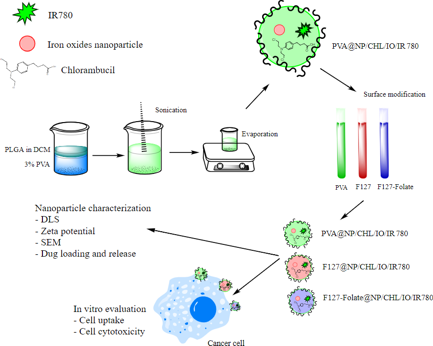
- and 72 h. The cytotoxicity results for F127@NP and F127-folate@NP was significantly lower at 72 h than that for PVA@NP. There were no statistically significant differences between F127@NP and F127-folate@NP. Discussion Nanomedicines have their applications in a number of cancer treatments and
- diagnoses, including tumor-targeted drug delivery, hyperthermia, photodynamic therapy, and imaging. Nanomedicines can be made from a variety of inert, biodegradable, and in vivo biocompatible materials. Poly(lactic-co-glycolic acid) is one of the most biodegradable and biocompatible copolymers owing to its
- of NPs in circulation, and the other is nanoparticle targeting. The size, charge, and coating materials of NPs have a considerable influence on the half-life of NPs. It has been observed that nanomedicines with a size of approximately 100 nm have a longer half-life in the bloodstream, but those with


Nanotechnological approaches in the treatment of schistosomiasis: an overview
Beilstein J. Nanotechnol. 2024, 15, 13–25, doi:10.3762/bjnano.15.2

- since it is a neglected disease. Nonetheless, there is big diversity of solutions with great potential to be superior to PZQ using nanotechnological resources. However, governmental investment is necessary for these nanomedicines to achieve full potential. Experimental Searches were done in Pubmed


Elasticity, an often-overseen parameter in the development of nanoscale drug delivery systems
Beilstein J. Nanotechnol. 2023, 14, 1149–1156, doi:10.3762/bjnano.14.95

- ][17]. Similarly to the advent of nanomedicines, certain standardization in terms of methods and parameters is necessary to allow for a better comparison between different studies. Perspective Measurement conditions influencing the absolute values of elastic properties Different possibilities to


Nanostructured lipid carriers containing benznidazole: physicochemical, biopharmaceutical and cellular in vitro studies
Beilstein J. Nanotechnol. 2023, 14, 804–818, doi:10.3762/bjnano.14.66
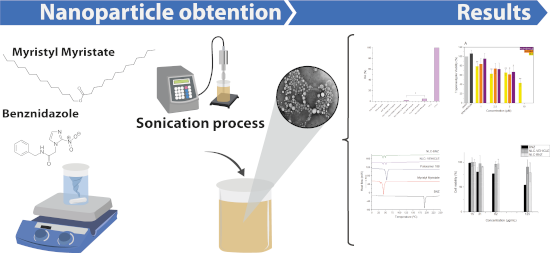
- . These results show potential for the development of new nanomedicines against T. cruzi. Keywords: benznidazole; biopharmaceutical study; Chagas disease; nanoparticles; nanostructured lipid carriers; physicochemical characterization; Trypanosoma cruzi; Introduction Chagas disease is a neglected disease


The steep road to nonviral nanomedicines: Frequent challenges and culprits in designing nanoparticles for gene therapy
Beilstein J. Nanotechnol. 2023, 14, 351–361, doi:10.3762/bjnano.14.30