


Search results
Search for "surfaces" in Full Text gives 1303 result(s) in Beilstein Journal of Nanotechnology. Showing first 200.
Sustainable fabrication of 2D-based devices through reuse of substrates with microfabricated electrodes
Beilstein J. Nanotechnol. 2026, 17, 818–827, doi:10.3762/bjnano.17.58
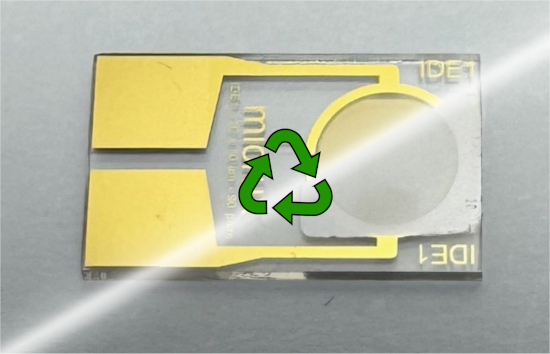
- out using a roll-to-roll setup. Nitto SPV 224 tape was applied on the surfaces of two polyoxymethylene cylinders with a perimeter ratio of 53:23 [32]. A bulk van der Waals material was placed on one cylinder, and the system was rotated under moderate pressure (20–40 N) at ≈1500 rpm for 50 s, resulting


Tuning the electronic properties of defect-rich MoS2
Beilstein J. Nanotechnol. 2026, 17, 796–805, doi:10.3762/bjnano.17.56
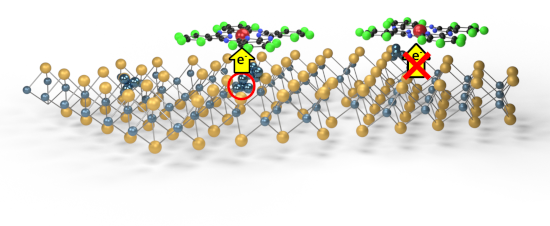
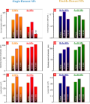
- heterostructure is determined. It is proposed that the electronic properties at the interface of defect-rich surfaces can be tuned by the interaction with the deposited molecule. Experimental All experiments were conducted either at our home laboratory setup or at the LowDosePES endstation of the PM4 beamline
- approximately 0.3 eV below the Fermi level. The results presented in Figure 1 are largely consistent with previous studies on the subject of sputtering MoS2 surfaces: Both Ne+ and Ar+ ion bombardment of MoS2 have been reported to cause changes in the electronic structure [19][20]. However, depending on the gas
- formation of new states in the case of strong chemisorption [11]. The latter was observed for CoPc on reactive metal surfaces like Ag or Ni [11]. However, in the present case, such interactions exclusively manifest for the heavily sputtered Ar+ (4 min) sample. This behavior is more in line with the


Substrate-dependent pore formation in molybdenum disulfide monolayers under ion irradiation
Beilstein J. Nanotechnol. 2026, 17, 769–780, doi:10.3762/bjnano.17.54
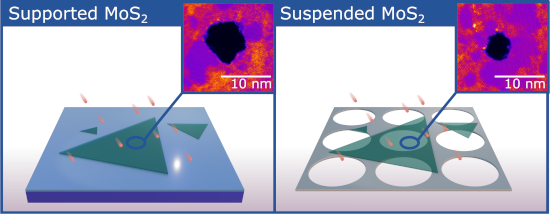
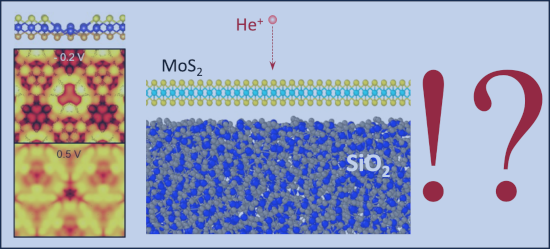
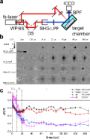
- Abstract Ion irradiation is a versatile tool for nanostructuring surfaces, yet the roles of energy deposition and dissipation at the surface and in ultrathin materials remain poorly understood. In this study, we investigate nanopore formation in monolayer MoS2 on different substrates under irradiation of
- nanostructuring. However, achieving predictive control requires a detailed understanding of ion–solid interaction and post-impact energy dissipation [5]. While ion–bulk interactions are well described across many energy regimes [6][7][8], the interaction with surfaces and ultrathin targets, particularly for
- , high-resolution scanning transmission electron microscopy (STEM) generally requires freestanding membranes, while atomic-resolution atomic force microscopy (AFM) and scanning tunneling microscopy (STM) demand exceptionally clean surfaces; also, substrate effects can further complicate interpretation


Interface-engineered Caco-2 cell culture on a collagen-coated liquid–liquid interface in a microfluidic device
Beilstein J. Nanotechnol. 2026, 17, 760–768, doi:10.3762/bjnano.17.53
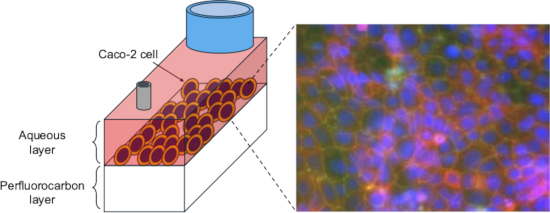
- reconfigurable environment that more closely mimics native cellular microenvironments than rigid solid substrates. Unlike conventional solid culture surfaces, liquid–liquid interfaces offer a distinct platform for cell culture, enabling a scaffold-free and mechanically tunable environment that eliminates the


Tailoring Ag–Pt nanoalloys through solid-state dewetting: structural and optical insights
Beilstein J. Nanotechnol. 2026, 17, 748–759, doi:10.3762/bjnano.17.52

- and cost-effective fabrication method remains a critical objective. In this work, we present a detailed analysis of the structure of the obtained nanoalloys, both within the volume of the nanostructures and at their surfaces, as well as the influence of Pt content in Ag–Pt nanoalloys on their




Oxidative atmosphere-driven formation of single-phase spinel CuRh2O4 nanofibers for alkaline water oxidation
Beilstein J. Nanotechnol. 2026, 17, 737–743, doi:10.3762/bjnano.17.50
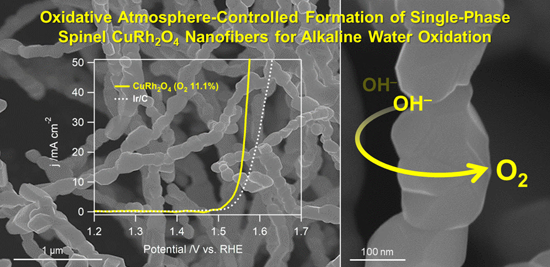
- electron microscopy (SEM) was employed to investigate the surface morphology and structural uniformity of the electrospun nanofibers after post-annealing. In the as-spun state prior to annealing, the fibers containing PVP exhibit smooth surfaces with an average diameter of approximately 300 nm (Supporting




Environmental applications of silver nanoparticles: state-of-the-art review and emerging trends
Beilstein J. Nanotechnol. 2026, 17, 697–736, doi:10.3762/bjnano.17.49
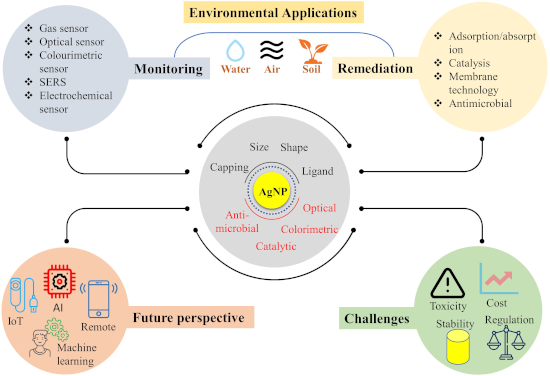
- PFOS and PFOA, at 454.1 mg/g and 321.2 mg/g, respectively [29]. It was also observed that nanosilver interacted with microplastics in water and adsorbed onto their surfaces, including polypropylene, polyethene, and polystyrene [99]. However, the removal of microplastics from the nanosilver composite is
- , donating electrons that lower the activation energy barrier for hydride ion transfer to the substrate. This process follows pseudo-first-order kinetics, with smaller particle sizes (higher surface-to-volume ratio) and electron-rich surfaces (modulated by capping agents) yielding higher apparent rate


afspm: A framework for manufacturer-agnostic automation in scanning probe microscopy
Beilstein J. Nanotechnol. 2026, 17, 653–667, doi:10.3762/bjnano.17.45
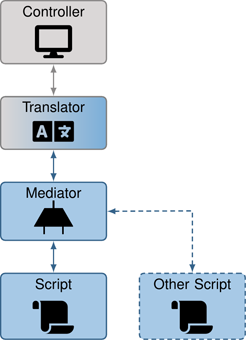
- Centre, Ottawa ON K4A 0S2, Canada 10.3762/bjnano.17.45 Abstract Scanning probe microscopy (SPM) is a valuable technique by which one can investigate the physical characteristics of the surfaces of materials. However, its throughput is hampered by the time-consuming nature of running an experiment and





Cellulose as a photocatalyst support material: extraction, structural features, and environmental applications
Beilstein J. Nanotechnol. 2026, 17, 635–652, doi:10.3762/bjnano.17.44
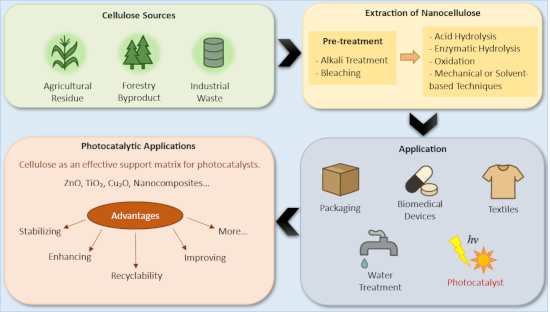
- immobilizing photocatalysts on membrane surfaces to create a polymer photocatalytic membrane matrix, which has shown strong effectiveness in degrading water contaminants [14]. They also prevent biofouling, a major problem in membrane separation. Scientists are increasingly combining cellulose with different
- reaction involves TEMPO in combination with sodium hypochlorite (NaClO) as the oxidant; during the process, TEMPO selectively oxidizes cellulose surfaces by introducing carboxyl groups. These negatively charged groups enhance electrostatic repulsion between fibers, which helps to separate individual
- porous networks with reactive surfaces that not only store inorganic nanoparticles (INPs) but also facilitate their easy diffusion throughout the structure. This unique design enables the creation of CNC–INP networks with exceptionally large surface areas, making them highly effective for catalytic


Two-step laser synthesis of Ag@TiO2 nanomaterials for the photocatalytic degradation of rhodamine B
Beilstein J. Nanotechnol. 2026, 17, 622–634, doi:10.3762/bjnano.17.43
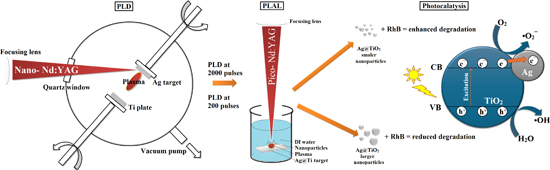
- the titanium plate are given in Figure 2a and Figure 3a alongside the distribution of titanium (pink) and oxygen (blue), and silver (yellow) according to the elemental mapping obtained from the EDS analysis. SEM-SE images generated using a focused electron beam to image sample surfaces at high


Advances in nanotechnology applied to natural products
Beilstein J. Nanotechnol. 2026, 17, 555–558, doi:10.3762/bjnano.17.36
- increases interfacial area and contact with biological surfaces, improves the apparent solubilization of predominantly lipophilic compounds, and can reduce undesirable organoleptic characteristics [5][6]. In inflammatory settings, several preclinical studies have reported lower levels of pro-inflammatory
Probing internal continua and atomic ultrafast charge transfer within size-controlled nanoparticles by post-collision interaction in core-hole clock spectroscopy
Beilstein J. Nanotechnol. 2026, 17, 505–514, doi:10.3762/bjnano.17.33
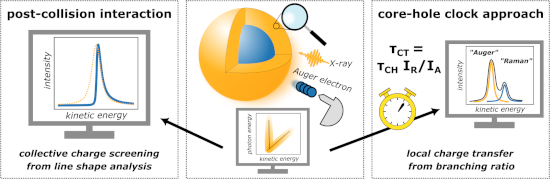
- 1b, yields the charge transfer time in relation to the core-hole lifetime based on a model of independent exponential decay [20][21]. The validity and capabilities of the CHC approach was demonstrated across various sample systems, including gas adsorbates on surfaces [22][23], two-dimensional



Defects and defect-mediated engineering of two-dimensional materials: challenges and open questions
Beilstein J. Nanotechnol. 2026, 17, 454–488, doi:10.3762/bjnano.17.31
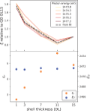
- formation energies at the surfaces result in much higher surface defect concentration compared to the bulk. This gives rise to the following questions: Is this also true for van der Waals materials? Do thermodynamic considerations in transition metal dichalcogenides (TMDs) with relatively low (compared to
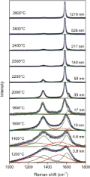
- beyond a “trial and error” approach. What are the oxidation mechanisms and kinetics of defective surfaces in 2D materials? Substitutional oxygen defects are present in 2D materials synthesized via chemical vapor deposition (CVD) [51]. This can be a result of oxide precursors, which are frequently used
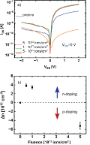
- . Moreover, 2D materials are known to oxidize when exposed to oxygen gas and water [52][53]. The reaction of molecular oxygen with the surfaces of 2D materials has attracted significant interest [54]. The reaction barrier for O2 dissociation on a TMD surface is almost halved comparing a pristine surface with





Nanocarrier-integrated multilayer films produced by 3D printing for improved skin adhesion and curcumin photostability
Beilstein J. Nanotechnol. 2026, 17, 440–453, doi:10.3762/bjnano.17.30
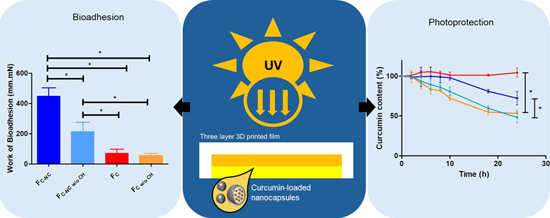
- , and wound healing treatment strongly depends on their bioadhesive properties, or more specifically, their skin adhesion properties. This property refers to bonding between components of a film and skin tissue surfaces, which can be achieved through both chemical and physical interactions. Lack of
- with negatively charged biological surfaces through electrostatic forces, while, under humid conditions, additional interactions with the stratum corneum may occur via hydrogen bonding and van der Waals forces [51]. Measurements of debonding distance (Figure 3C), which represents the distance travelled


First-principles study on elastic properties of Cu, (Cu1−x,Nix)3Sn and interfacial mechanical properties of (Cu1−x,Nix)3Sn/Cu in the lead-free solder joint
Beilstein J. Nanotechnol. 2026, 17, 428–439, doi:10.3762/bjnano.17.29
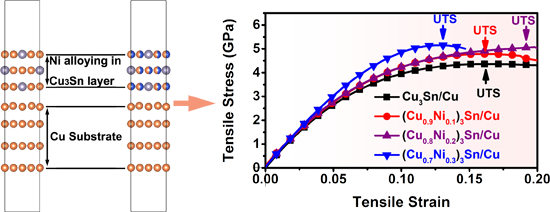
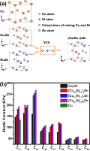
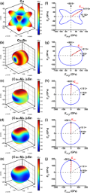
- surface, and the maximum Young’s modulus is oriented along the body diagonal, that is, the ⟨111⟩ direction. In contrast, as shown in Figure 3b–e, the orientation-dependent Young’s moduli of (CuxNi1−x)3Sn exhibit a spheroidal surface. After Ni alloying, the spheroidal surfaces of (CuxNi1−x)3Sn are expanded
- lines in (c) and (d) correspond to the boundaries of the ductile-to-brittle transition. 3D surfaces of oriented Young’s moduli for (a) Cu, (b) Cu3Sn, (c) (Cu0.9Ni0.1)3Sn, (d) (Cu0.8Ni0.2)3Sn, and (e) (Cu0.7Ni0.3)3Sn. 2D profiles on the (110) plane of oriented Young’s moduli for (f) Cu, (g) Cu3Sn, (h


Nanoinformatics: spanning scales, systems and solutions
Beilstein J. Nanotechnol. 2026, 17, 423–427, doi:10.3762/bjnano.17.28
- reactivity [3]. Amini et al. combined atomistic molecular dynamics, a coarse-grained model of protein adsorption, and kinetic Monte Carlo simulations to predict the protein corona composition formed on aluminium surfaces with different crystal faces, (i.e., (100), (110), and (111)) from a simplified model of
- , preferred orientations, and relative abundance of the specified molecules on the specified material surfaces giving an insight into the mechanisms of bio–nano interaction [4]. Varsou et al. demonstrated a novel approach to evaluate the performance of different models for the same endpoint (zeta potential of
- classical molecular dynamics and ab initio calculations revealed that TA preferentially binds to the most reactive sites on GO surfaces via oxygen-containing groups or the carbon matrix. The binding energy was dominated by van der Waals interaction forces. A dose-dependent mitigating effect of TA on the

Biomimetic nanoparticles in cancer photodynamic therapy: a review of targeted delivery systems and therapeutic outcomes
Beilstein J. Nanotechnol. 2026, 17, 396–422, doi:10.3762/bjnano.17.27
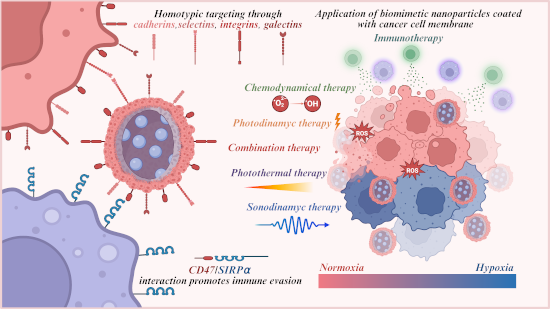
- variety of differentiated cell membranes have been combined to modify biomimetic nanoparticle surfaces, such as cancer cell–erythrocyte [108] and macrophage-–cancer cell [109] hybrids (Figure 4). For combinational therapy of triple-negative breast cancer, BNPs based on tumor cell membranes and PLGA loaded


Polycatecholamine nanocoatings on stainless steel: the effect on attachment of human fibroblasts and platelets
Beilstein J. Nanotechnol. 2026, 17, 365–380, doi:10.3762/bjnano.17.25
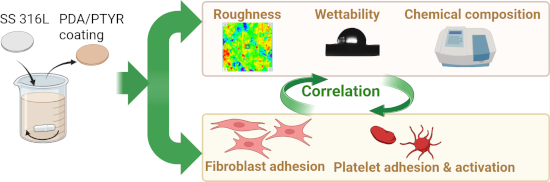
- attachment was primarily influenced by coating roughness, with a specific threshold beyond which adhesion did not increase or was negatively impacted. These findings highlight the potential of engineered PTYR nanocoatings for developing advanced hemocompatible surfaces for biomedical implants. Keywords
- homeostasis and suppress thrombogenic and proliferative responses [6]. Under long-term hemodynamic loading, stainless steel implants may also suffer from localized corrosion and metal-ion release, leading to chronic inflammation at the tissue–implant interface [8]. While rapid colonization of implant surfaces
- became. For SS-PDA, the shortest time of coating resulted in a CA of 52.97°. The longest coating duration decreased the CA to 11.89°. Similarly, PTYR coating led to hydrophilic surfaces, but the CA decreased only to 23.00° after the coating process of 24 h. The materials obtained with extreme coating





Ferroelectric nanodot reservoir for neuromorphic computing
Beilstein J. Nanotechnol. 2026, 17, 352–364, doi:10.3762/bjnano.17.24
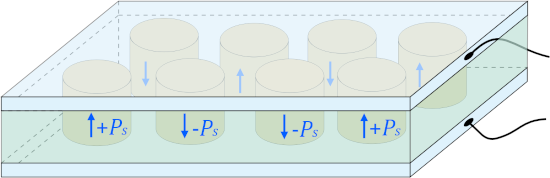
- “down” state. Termination of polarization at the top and bottom surfaces results in bound charges of magnitude mQb = mSPs, where S is the cross-sectional area of the nanodot. These surface-bound charges produce an internal depolarization field, Ed = −mPs/ε0εf, where ε0 is the vacuum dielectric
- orientation, either “up” or “down”, denoted as mi = ±1. The corresponding bound charges on the surfaces of the nanodots are equal to Qbi = miPsSi, where Si is the cross-sectional area of the i-th nanodot. The total free charge, Q = ±ΣiPsSimi ± Qe, redistributes over the electrodes to maintain equipotentiality


Interconnection morphology effects on the radio frequency response of carbon nanotube sponges
Beilstein J. Nanotechnol. 2026, 17, 343–351, doi:10.3762/bjnano.17.23
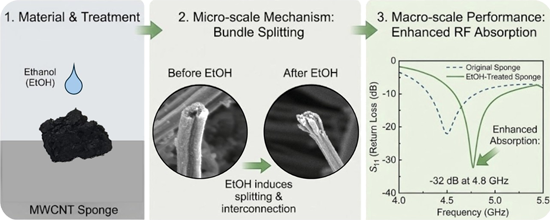
- study on SWCNT antennas built on flexible substrates measured slight changes in the radiation efficiency gain from 80.0% for flat to 83.7% for bent configurations, demonstrating that CNTs are suitable for applications requiring non-standard shapes and surfaces [13]. MWCNTs possess larger physical




Beam shaping techniques for pulsed laser ablation in liquids: Unlocking tunable control of nanoparticle synthesis in liquids
Beilstein J. Nanotechnol. 2026, 17, 309–342, doi:10.3762/bjnano.17.22
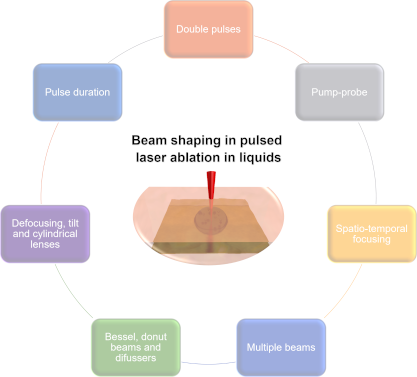
- surfaces. However, they are specifically designed for a single wavelength, and their use with ultrashort pulses can lead to substantial temporal pulse broadening [101]. Laser beam shaping technologies can be also categorised into static and dynamic systems. Static systems include components such as
- vortex beams is shown in Figure 10a [151]. The material ablated with such a beam has been shown to form twisted nanostructures on metal surfaces with controlled chirality [151][152]. They are formed due to the involvement of ablated/molten material in a spiral motion of the vector vortex beam as







Calculation of the dynamic stiffness of a cantilever under torsional oscillation
Beilstein J. Nanotechnol. 2026, 17, 303–308, doi:10.3762/bjnano.17.21
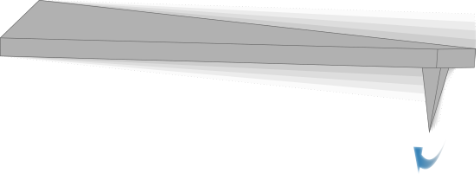
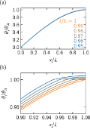
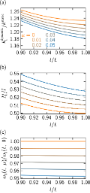
- : atomic force microscopy; dynamic stiffness; energy dissipation; friction; torsional oscillation mode; Introduction Friction serves as a fundamental mechanism of energy dissipation [1]. While friction typically arises from direct mechanical contact between surfaces, energy dissipation can also occur even

Advancing nanolithography: a comprehensive review of materials for local anodic oxidation with AFM
Beilstein J. Nanotechnol. 2026, 17, 275–291, doi:10.3762/bjnano.17.19
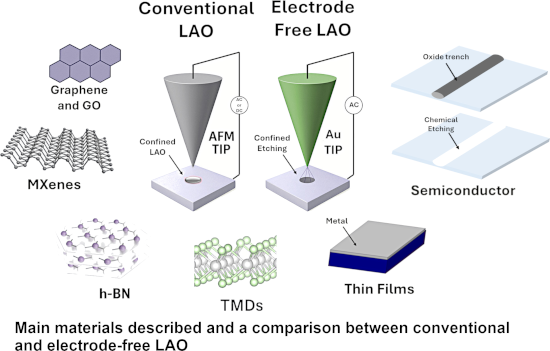
- ][11][12], which first demonstrated tip-induced electrochemical modification of semiconductor surfaces and even early device structures [13]. These STM works established the fundamental mechanism later adopted and expanded by AFM-based approaches. LAO utilizes an AFM to generate localized oxidation
- grown oxide. Specifically, on Si, LAO-derived oxide exhibits a density of 2.05 g·cm−3, lower than the 2.27 g·cm−3 density of thermally oxidized silicon [43]. In the case of Si surfaces the chemical reaction leading to SiO2 formation is: In the case of SiC, carbon atoms are eliminated in the form of
- ] or modified LAO setups. Topography also plays a significant role: While low-roughness surfaces facilitate the process, RMS roughness above roughly 1–2 nm can distort the meniscus and induce lateral broadening of the oxide features. Notably, Ryu et al. demonstrated that oxygen plasma pretreatment of


Durable antimicrobial activity of fabrics functionalized with zeolite ion-exchanged nanomaterials against Staphylococcus aureus and Escherichia coli
Beilstein J. Nanotechnol. 2026, 17, 262–274, doi:10.3762/bjnano.17.18
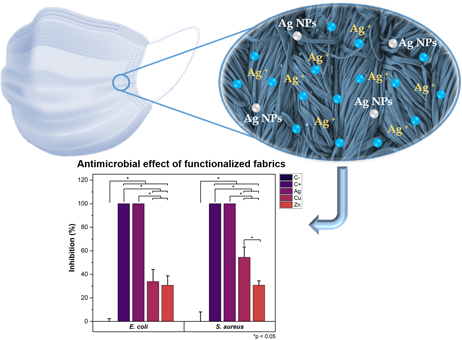
- incorporation of nanomaterials onto the fabric surfaces. Antimicrobial tests reveal significant inhibition of bacterial growth, with silver-based materials demonstrating superior efficacy. Importantly, the antimicrobial effect persists after five washing cycles, demonstrating the durability of the
- , surfaces coated with silver have exhibited lower minimum inhibitory concentrations (MICs) against E. coli and S. aureus strains compared to surfaces doped with copper and zinc [44]. Considering this, it is worth noting that the weight percentage of Ag/CBV-600 in the fabrics is four times higher compared to




Gold nanoparticle-decorated reduced graphene oxide as a highly effective catalyst for the selective α,β-dehydrogenation of N-alkyl-4-piperidones
Beilstein J. Nanotechnol. 2026, 17, 218–238, doi:10.3762/bjnano.17.15
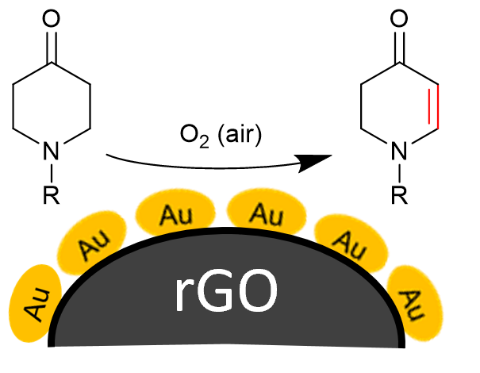
- domains that enhance electrostatic attraction of AuNPs [31]. These combined effects explain the more homogeneous AuNP dispersion on rGO compared to AC or CB, which contain fewer functional groups and more inert graphitic surfaces [32]. AC often contains micropores that can trap some nanoparticles
- inner catalytic surfaces. Because the ODH reaction depends on molecular oxygen as the oxidant, such limitations lead to both external and internal diffusion constraints. Consequently, the apparent reaction rate decreases – not due to a loss of intrinsic catalytic activity, but because mass transfer





