


Search results
Search for "catalytic" in Full Text gives 1715 result(s) in Beilstein Journal of Organic Chemistry. Showing first 200.
Construction of CF2 moieties in FDA-approved drugs (2016–2025): industrial routes, mechanisms, and scale-up considerations
Beilstein J. Org. Chem. 2026, 22, 1122–1150, doi:10.3762/bjoc.22.91
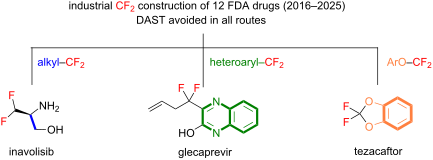
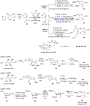
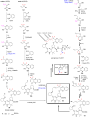
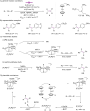
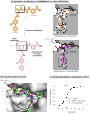
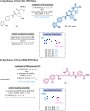
- distillation 99.9%, 85 kg scale, yield 70%) to afford 66. Subsequently, in the presence of a catalytic amount of 2,6-di-tert-butyl-4-methylphenol (BHT) and using 1,3-dimethyl-2-imidazolidinone (DMI) as the solvent, the bromine atom is substituted by fluorine using 1,8-diazabicyclo[5.4.0]undec-7-ene (DBU) and
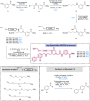
- Grignard reaction (reported in 2018). Here, compound 72 (synthesized from 69, 95% yield [39]) undergoes a Grignard exchange reaction with isopropylmagnesium iodide to form the corresponding Grignard reagent, which is further reacted with iodohexane in the presence of a catalytic amount of CuCl2 to extend






Controlled supramolecular assemblies of luminescent tridentate cyclometalated alkynylgold(III) amphiphiles in aqueous media
Beilstein J. Org. Chem. 2026, 22, 1097–1106, doi:10.3762/bjoc.22.88
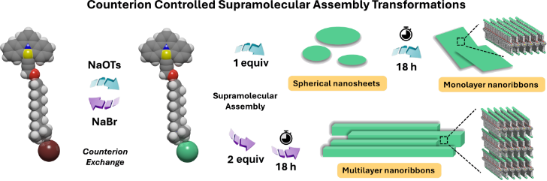
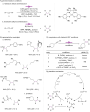
- cyclometalated gold(III) complex 2 was synthesized and further reacted with compound 1 in the presence of triethylamine and a catalytic amount of copper iodide to afford the amphiphile precursor 3. The nucleophilic substitution of compound 3 with trimethylamine enabled to afford GA. The chemical structures of
- , J = 7.7 Hz, 2H), 7.70 (d, J = 7.2 Hz, 2H), 7.43 (t, J = 7.3 Hz, 2H), 7.32 (t, J = 7.6 Hz, 2H). Compound 3: A mixture of compound 1 (87 mg, 0.33 mmol) and compound 2 (103 mg, 0.22 mmol) in the presence of a catalytic amount of copper(I) iodide (4 mg, 0.02 mmol) in triethylamine (1 mL) and


Synthesis and acaricidal activity against Varroa destructor of α- and γ-costic acid dimers
Beilstein J. Org. Chem. 2026, 22, 1088–1096, doi:10.3762/bjoc.22.87
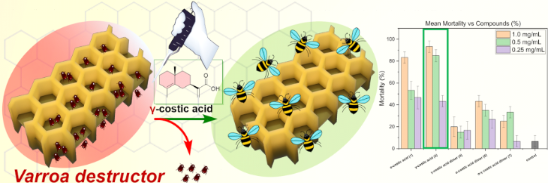
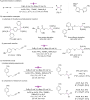
- of 1 into γ-costic acid (3) which was isolated together with its dimeric ester 4. On the contrary, Steglich esterification, achieved under basic catalysis by treating α-costic acid (1) with 1.0 equiv of ethylene glycol in the presence of dicyclohexylcarbodiimide (DCC) and a catalytic amount of N,N


One-pot four-component sequential synthesis of S-alkyl dithiocarbamates using lipase as a biocatalyst
Beilstein J. Org. Chem. 2026, 22, 1048–1056, doi:10.3762/bjoc.22.83
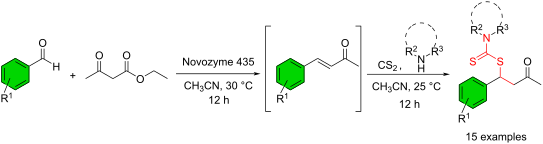
- function to hydrolytically break or form C–O bonds as part of their physiological role [30]. Beyond this, lipases exhibit remarkable catalytic promiscuity, enabling them to catalyze the formation of carbon–carbon and carbon–heteroatom bonds [31][32]. This behavior has been exploited in a variety of
- preparation of diverse organic molecules [36]. Building on this research, the present work explores the application of lipase catalytic promiscuity in the synthesis of S-alkyl dithiocarbamates, expanding the utility of lipases in the creation of valuable organic compounds. Results and Discussion Initially
- , in previously reported lipase-catalyzed promiscuous reactions, significant stereochemical induction has generally not been observed or discussed [36][37][38]. To investigate the reaction mechanism and the catalytic role of the enzyme in enhancing the efficiency of the second step, control reactions


Synthesis and optical resolution of 4,5-diaminohomoadamantane: a promising scaffold for chiral ligands and bioactive compounds
Beilstein J. Org. Chem. 2026, 22, 1013–1022, doi:10.3762/bjoc.22.80
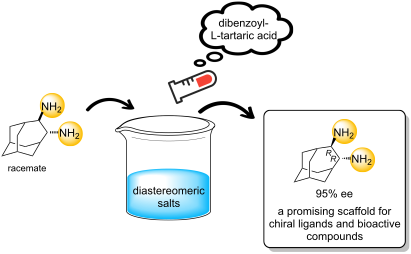
- CAM-B3LYP functional and the 6-311G++(2d,2p) basis set with solvation by CH2Cl2 in the SMD model on the base of conformational analysis. Catalytic systems based on (4R,5R)-4,5-diaminohomoadamantane derivatives exhibited low to moderate asymmetric induction in Henry and Michael reactions. These results
- -diaminohomoadamantane were obtained. Catalytic systems based on them have been studied in the asymmetric Michael and Henry reactions. Low enantioselectivity (up to 60% ee) was observed, but an enantiodivergent effect was noted in the Henry reaction. Examples of bioactive homoadamantanes. Examples of cage vicinal


Z-Selective semihydrogenation of alkynes via Ni/Lewis acid synergistic catalyzed system using DMF as hydrogen source and solvent
Beilstein J. Org. Chem. 2026, 22, 1004–1012, doi:10.3762/bjoc.22.79
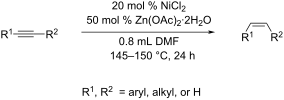
- dual-catalytic system has been developed for the Z-selective semihydrogenation of alkynes. Utilizing DMF as both the hydrogen donor and reaction medium, this method affords Z-alkenes in high yield with excellent stereoselectivity under mild conditions. The protocol employs cost-effective and readily
- reagents are generally safer and easier to handle than high-pressure gaseous hydrogen [23]. Still, many of these systems depend on expensive ligands, toxic reductants, or relatively forcing conditions, which can limit their practical utility [24][25][26][27]. Single-metal catalytic approaches also
- this field. Synergistic catalysis, which combines two distinct catalytic components, has become a valuable approach for overcoming the limitations of single-catalyst systems [34][35][36]. Lewis acids are well known for their ability to activate polar functional groups and stabilize reactive



Rh(III)-catalyzed chelation-assisted C–H activation/annulation of 2-arylimidazolines with cyclic diazo-1,3-dicarbonyl compounds: a novel approach to tetracyclic annulated derivatives of 2,3-dihydroimidazo[2,1-a]isoquinoline
Beilstein J. Org. Chem. 2026, 22, 997–1003, doi:10.3762/bjoc.22.78
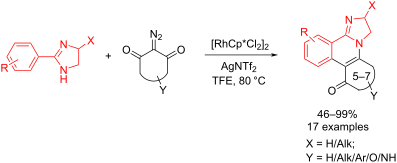
- catalytic system (Table 1, entry 1). A screening of the reaction conditions revealed that the formation of 4a can be promoted by several other additives such as sodium acetate, acetic acid, silver hexafluoroantimonate, or silver triflate, but all of them provided much lower yields (Table 1, entries 2–5
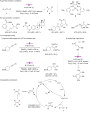
- reaction mixtures by NMR, none of them could be isolated in pure form by column chromatography. The following reaction mechanism can be proposed according to the literature data [18] (Figure 3a). The catalytic cycle begins with the formation of monomeric Rh(III)-catalyst A from the reaction of [RhCp*Cl2]2
- intermediate B, followed by coordination of diazo compound 3 to give diazonium intermediate C. The latter transforms into a carbene complex D after nitrogen loss. The next intermediate E is a result of migratory insertion of the carbenoid into the C–Rh bond. The last step of the catalytic cycle is


The role of spacer length and flexibility in peptide self-assembly
Beilstein J. Org. Chem. 2026, 22, 986–996, doi:10.3762/bjoc.22.77
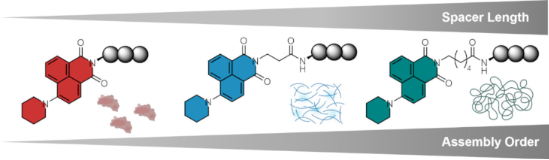
- synthesize the Cx-spacers, the anhydride was transformed into the imides by refluxing the corresponding amines with the anhydride in the presence of a catalytic amount of 4-(dimethylamino)pyridine (4-DMAP). Through reaction of 2 with 6-aminohexanoic acid, 6-(1,3-dioxo-6-(piperidin-1-yl)-1H-benzo[de


Electrochemical reduction of unsaturated carbon–carbon bonds via 3d transition-metal catalysis
Beilstein J. Org. Chem. 2026, 22, 955–981, doi:10.3762/bjoc.22.75
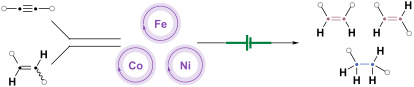
- through a silane-mediated hydrogen-transfer pathway, thereby circumventing the direct use of water in hydrogen-transfer processes. Notably, the addition of a catalytic amount of a nickel complex was found to improve the reaction efficiency, which is attributed to the electroreductive generation of a Ni(0
- along an energetically viable pathway with a notably low barrier, consistent with a concerted mechanism. These findings collectively delineate the proposed Z-selective reduction catalytic cycle. Moreover, bond dissociation energy analysis revealed that the relatively weak Co–H (42.4 kcal mol−1) and Co–C
- catalytic efficiency. Notably, the transformation proceeds with exceptionally high Faradaic efficiency (up to ≈99%), indicative of highly effective suppression of competing hydrogen evolution under mediator-governed electrochemical conditions. Mechanistic interrogation by cyclic voltammetry revealed two








Recent advances in copper-catalyzed direct hydroamination of alkenes with (hetero)aromatic amines
Beilstein J. Org. Chem. 2026, 22, 925–947, doi:10.3762/bjoc.22.73
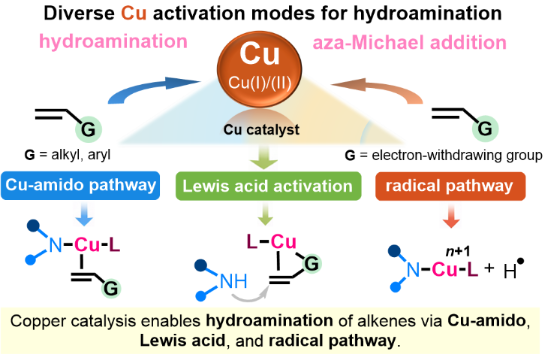
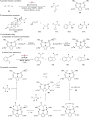
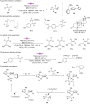
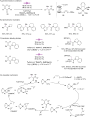
- -Michael addition [13][14][15][16][17][18]. In such cases, the reaction provides direct access to β-amino carbonyl derivatives and related motifs that serve as versatile intermediates in synthetic and medicinal chemistry. Despite its conceptual simplicity, catalytic hydroamination remains challenging. This
- aza-heterocycles often exhibit attenuated nucleophilicity, distinct acidity profiles, and potential coordination to metal centers, all of which can significantly influence catalytic reactivity and selectivity [20]. Therefore, the development of catalytic systems that can accommodate the unique
- metals such as palladium or rhodium, copper offers exceptional mechanistic versatility. The accessible Cu(I)/Cu(II)/Cu(III) redox manifold enables classical two-electron pathways and single-electron radical processes within broadly similar catalytic environments [28][29]. This flexibility is particularly







Chiral cyclopropenimine-catalyzed enantioselective Michael reactions of phenol and benzofuran-derived α,β-unsaturated pyrazolamides with benzophenone-imine of glycine esters
Beilstein J. Org. Chem. 2026, 22, 888–896, doi:10.3762/bjoc.22.69
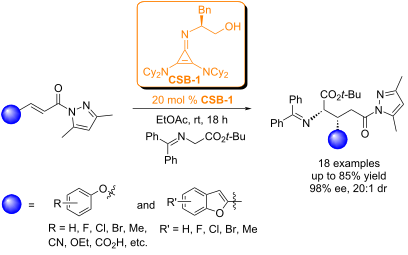
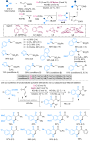
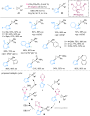
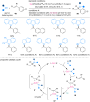
- only provided trace product 6a (Table 1, entry 2), although its structure is very similar to CSB-1. CSB-3 based on vicinal amino-alcohol backbone also afforded trace product. The other catalysts resulted in no reaction of 2a and 5a (Table 1, entries 3–9). These results show the unique catalytic and
- the catalytic effect of CSB-1. Based on these results, the optimal reaction conditions are listed in Table 1, entry 1. The reactions between 2 and 5 were carried out in EtOAc by using 20 mol % of CSB-1 as a catalyst at room temperature. With the optimal conditions in hand, the asymmetric Michael
- catalyst CSB-1 was released and entered the next catalytic cycle. The pyroglutamic acid esters 7 were obtained through in-situ acidic hydrolysis and lactamization of 6 [14]. Three Michael products 6d, 6d’ and 6h were treated under 4 N HCl in DCM to give 3-substituted pyroglutamic acid esters 7d, 7d’ and 7h






Diastereodivergent electrophilic trapping of α-boryl lithium derivatives
Beilstein J. Org. Chem. 2026, 22, 882–887, doi:10.3762/bjoc.22.68
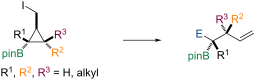
- diverse catalytic and stereoselective transformations [28][29][30][31][32][33]. In this context, we have recently demonstrated that a broad range of arylated (iodomethyl)cyclopropylboronic ester 2 [34] undergo ring-opening reactions, followed by electrophilic trapping of the resulting α-boryl carbanion




Site-specific labelling of native peptides and proteins: chemical and enzymatic strategies
Beilstein J. Org. Chem. 2026, 22, 857–881, doi:10.3762/bjoc.22.67
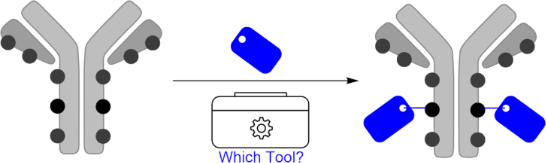
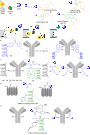
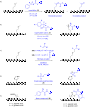
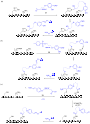
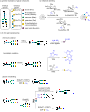
- composed of (1) an affinity ligand that binds to a localised region of a target protein, and (2) a reactive moiety, either a pre-installed electrophile or a catalytic unit that generates one. Once bound, the reactive group is transferred to the target protein, enabling covalent modification. This concept
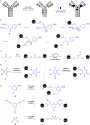
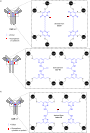
- strategies broadly classified into non-catalytic and catalytic approaches. Non-catalytic approaches often involve tethering a reactive electrophile to a protein-binding ligand, thereby positioning the electrophile near a neighbouring nucleophilic residue. Example electrophiles include 4
- , including IgG (trastuzumab) [56], EGFR [57], the adenosine A1 receptor [58] and P2X7 [59], have been labelled in vitro and/or in cellular systems. Catalytic approaches generate reactive species in situ, thus enhancing both selectivity and efficiency. A notable example involves rhodium (Rh)-based catalysis








The trans-influence in gold chemistry from a catalytic perspective
Beilstein J. Org. Chem. 2026, 22, 838–856, doi:10.3762/bjoc.22.66
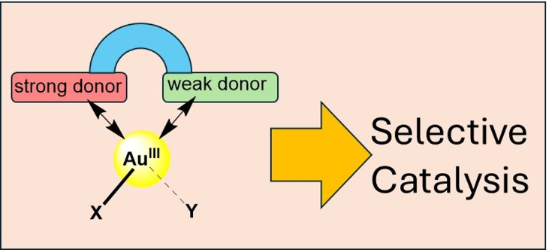
- and reactivity in catalytic reactions [11][12][13][14][15][16][17][18][19]. There is however one important aspect of gold chemistry that is often under-appreciated: the strong control of reactions by the influence of a given ligand on another ligand in trans position, known as the trans-influence
- complexes and their role in catalytic applications [20]. While not aiming to be comprehensive, this Perspective seeks to highlight pertinent examples demonstrating the importance of the ligand trans-influence in gold chemistry, with special emphasis on the reactivity of gold(III), and its influence on gold
- electronic aspects such as photoluminescence and the spectroscopic and reactivity properties of gold(III) hydrides, before moving on to trans-influence enabled insertion reactions and catalytic applications. Perspective General considerations “Trans-influence” is a term applied to the weakening or


Unsymmetrical sulfoxides with sterically hindered catechol fragment: synthesis, structure, electrochemical properties, and antiradical activity
Beilstein J. Org. Chem. 2026, 22, 828–837, doi:10.3762/bjoc.22.65
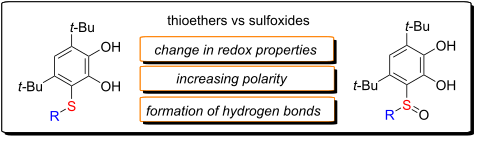
- component of Oxone®) [37] – are commonly employed for this purpose. One of the most accessible approaches uses hydrogen peroxide along with catalytic systems based on transition metals [38]. Notably, this process is not stereoselective and affords chiral sulfoxides as a mixture of enantiomers. Besides


Total synthesis of the capsular polysaccharide repeating unit towards the development of a glycoconjugate vaccine against Klebsiella pneumoniae ST512
Beilstein J. Org. Chem. 2026, 22, 821–827, doi:10.3762/bjoc.22.64
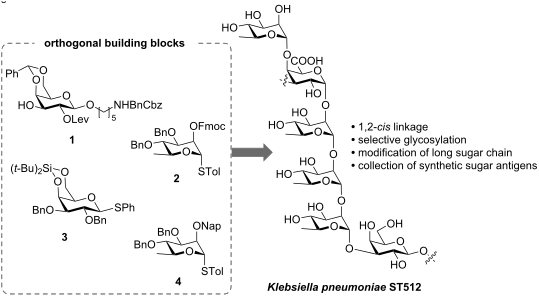
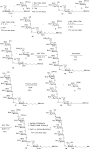
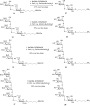
- followed by catalytic hydrogenation over palladium on carbon, affording disaccharide 21 in 47% yield over two steps. Similarly, trisaccharide 22, tetrasaccharide 23, and pentasaccharide 24 were prepared from intermediates 14, 15, and 17, respectively. The analogues 21–24, together with the repeating unit


Knoevenagel condensation of 4,5- and 1,8-diazafluorenes
Beilstein J. Org. Chem. 2026, 22, 803–812, doi:10.3762/bjoc.22.62
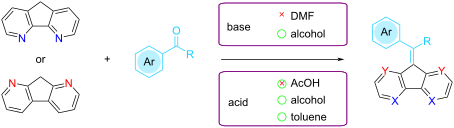
- reaction of fluorene 2 carried out in acetic acid is shifted toward the starting compounds. Hence, the Knoevenagel condensation of 1,8-diazafluorene (2) should be performed using ammonium acetate, catalytic amounts of acetic acid in a non-acidic solvent. Going beyond the mechanistic and reactivity insights


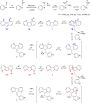


Design, synthesis, and biological evaluation of FXR/ASK1 dual-target modulators
Beilstein J. Org. Chem. 2026, 22, 771–781, doi:10.3762/bjoc.22.59
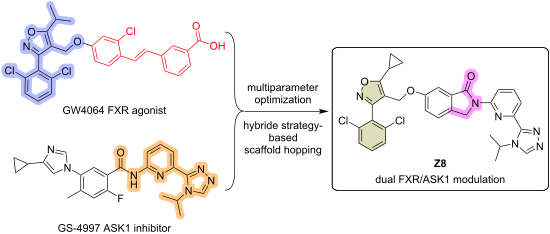
- under the catalytic conditions of Pd2(dba)3 provided compound Z30. Molecular simulation To elucidate the binding modes of compound Z8 with FXR and ASK1, molecular docking simulations were performed as shown in Scheme 9. The results revealed that within the FXR binding pocket, the isoxazole and triazole


Synthesis of heterocycles based on azomethine ylides from α-amino acids (or amines) and carbonyl compounds
Beilstein J. Org. Chem. 2026, 22, 705–741, doi:10.3762/bjoc.22.55
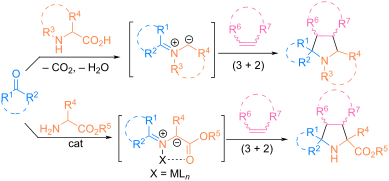
- chiral metal complexes of Ag(I), Cu(I/II), Zn(II), Ni(II) with ligands of the Segphos, Fesulfos, or Biphamphos type [12][13][14][15]. Such catalytic systems control the enantioselectivity of cycloaddition and allow the preparation of enantioenriched pyrrolidines containing several stereocenters in high
- the catalytic precursor and chiral bis-ferrocenyl amide phosphine (FAP) (L1) as ligand [36] (Scheme 2). The obtained results demonstrated the high efficiency of the Ag(I)-FAP catalytic system for this transformation. In particular, most α-(arylimino)esters yielded cycloaddition products 3 in excellent
- acrylate, 60 and 93% ee, respectively. In 2003, Schreiber et al. reported an efficient silver(I) acetate/QUINAP (L2) catalytic system for the (3 + 2) cycloaddition of azomethine ylides to unsaturated carboxylic acid esters [37]. The reaction with tert-butyl acrylate showed excellent levels of


Synthesis of depressin, cryptomeridiol and 4-epi-cryptomeridiol enabled by a terpenoid chiral pool-producing platform
Beilstein J. Org. Chem. 2026, 22, 683–690, doi:10.3762/bjoc.22.53
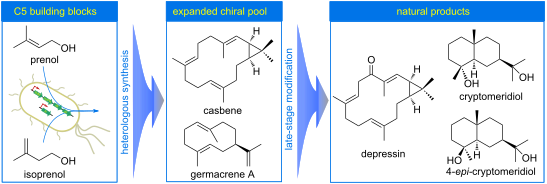
- either no reaction occurred or complex mixtures were obtained when 4 was treated in metal- and non-metal-mediated reaction conditions. We have finally found that selective allylic oxidation of 4 at C13 could be achieved by the action of a catalytic amount of SeO2 (0.1 equiv) and tert-butyl hydroperoxide


Photoorganocatalytic trifluoromethylation of (het)arenes in green conditions
Beilstein J. Org. Chem. 2026, 22, 662–671, doi:10.3762/bjoc.22.50
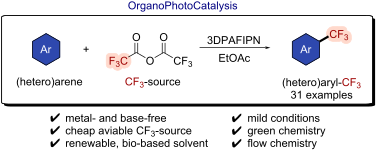
- -catalyzed [8], organic photocatalyst-mediated, or electrochemical transformations [9], and also include continuous-flow processes [6][10][11][12][13]. Given that photocatalytic reactions align with the principles of green chemistry, particularly energy efficiency and the use of catalytic pathways, such
- ) of −17.8 kcal mol−1 for the catalytic cycle, thereby confirming the energetic feasibility of the proposed mechanism (Scheme 4). Furthermore, the scope analysis revealed that trifluoromethylation of benzene proceeds less efficiently than the corresponding reaction with TMB. We therefore hypothesized




Advantages of PROTACs in achieving selective degradation of homologous protein families
Beilstein J. Org. Chem. 2026, 22, 628–661, doi:10.3762/bjoc.22.49
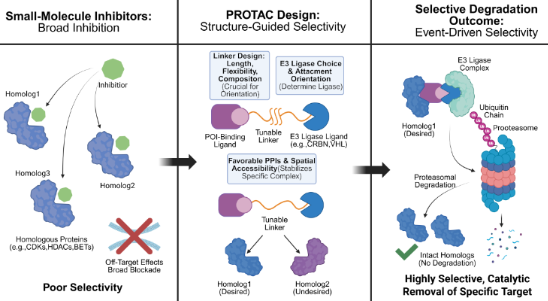
- high homology and structural similarity of catalytic domains between different SGK subtypes, no specific inhibitors have been developed [135]. To cope with this challenge and to better treat corresponding diseases, Alessi, Ciulli et al. used the PROTAC technology to develop effective and highly


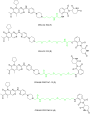

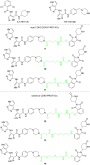


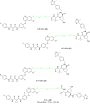
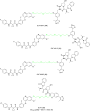




Hydrogen production from formic acid catalyzed by NHC–Cu complexes
Beilstein J. Org. Chem. 2026, 22, 620–627, doi:10.3762/bjoc.22.48
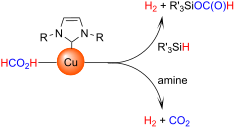
- from its dehydrogenation could be recycled by hydrogenation to methanol or formic acid [8][9][10]. The catalytic FA dehydrogenation has been mediated using several transition metals [11][12][13][14]. In this context, noble metals such as Ru [15][16][17][18][19][20][21][22][23], Ir [24][25][26][27][28
- ][29] and Rh [30][31] have shown to allow the selective transformation of formic acid into H2 and CO2 with high turnover frequencies (TOFs). In most cases, addition of a base (either amines or formate salts) is required to obtain high catalytic activity. Efficient systems based on inexpensive metals
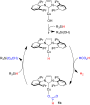
- was considered [52][53][54][55][56][57]. By performing the reaction in the presence of a catalytic amount of PhSiH3 (30 mol %, 1:1 ratio with respect to [Cu]), no significant conversion was obtained even at 50 °C with high catalyst loading (see Supporting Information File 1, Table S1, entries 6–8). To



Towards the targeted protein degradation of CK2: design and synthesis of CAM4066-based PROTACs
Beilstein J. Org. Chem. 2026, 22, 611–619, doi:10.3762/bjoc.22.47
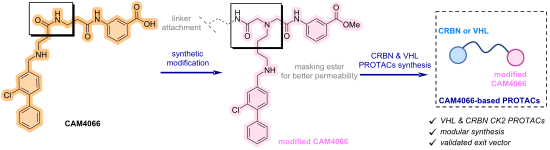
- , functions as a heterotetramer composed of two catalytic (α or α′) and a dimeric regulatory (β) subunit [2]. Unlike most kinases, CK2 does not require upstream activation [3], a property that contributes to its pleiotropic role in cell signalling. Elevated CK2 expression correlates with enhanced cell
- ]. This event-driven mode of action enables catalytic turnover, can reduce off-target toxicities associated with high inhibitor doses, and does not require a deep or well-defined binding pocket, allowing potential access to targets considered “undruggable” by conventional small molecules [8]. In 2018, a

Continuous-flow carbonyl hydrogenation under subatmospheric to atmospheric hydrogen pressure enabled by robust heterogeneous Pt–Fe catalysts
Beilstein J. Org. Chem. 2026, 22, 575–582, doi:10.3762/bjoc.22.43
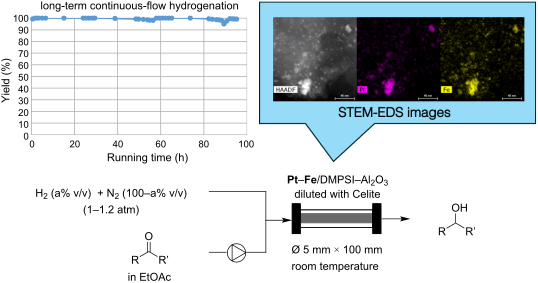
- Hiroyuki Miyamura Ryosuke Kajiyama Shun-ya Onozawa Yoshihiro Kon Shu Kobayashi Catalytic Chemistry Research Institute, National Institute of Advanced Industrial Science and Technology (AIST), 1-1-1 Higashi, Tsukuba, Ibaraki 305-8565, Japan Interdisciplinary Research Center for Catalytic Chemistry
- , including ketones and aldehydes, to alcohols is a fundamental and important reaction in organic synthesis. One of the most ideal methods is catalytic hydrogenation, however, the hydrogenation of ketones generally requires harsh reaction conditions, such as high temperature and high pressure. We developed a
- temperature and under subatmospheric to atmospheric hydrogen pressure. High durability of the heterogeneous catalysts was confirmed by a long-term continuous-flow operation. Interestingly, both the combination of metal species and the metal ratio strongly influenced the catalytic performance. Keywords





