


Search results
Search for "complexity" in Full Text gives 395 result(s) in Beilstein Journal of Organic Chemistry. Showing first 200.
Amino acid-based surfactants: sustainable synthesis and antimicrobial mechanisms
Beilstein J. Org. Chem. 2026, 22, 1067–1085, doi:10.3762/bjoc.22.85
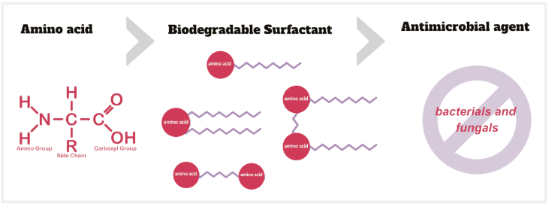
- requires the use of protecting groups, including Boc (tert-butyloxycarbonyl), Fmoc (fluorenylmethyloxycarbonyl), Cbz (benzyloxycarbonyl), and ester-based strategies, to ensure regioselectivity and controlled coupling [3][13]. Although effective, these approaches increase synthetic complexity and may limit


Recent advances in copper-catalyzed direct hydroamination of alkenes with (hetero)aromatic amines
Beilstein J. Org. Chem. 2026, 22, 925–947, doi:10.3762/bjoc.22.73
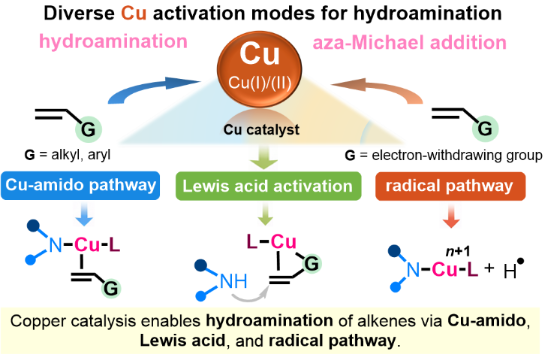
- is because the direct interaction between an electron-rich nitrogen lone pair and a relatively inert alkene π-system is often kinetically disfavored in the absence of activation [19]. Furthermore, the hydroamination of unsymmetrical alkenes introduces additional complexity in controlling the







A practical CO2-mediated synthesis of 5,6-carboxylated silicon-rhodamines for targeted probe development
Beilstein J. Org. Chem. 2026, 22, 915–924, doi:10.3762/bjoc.22.72
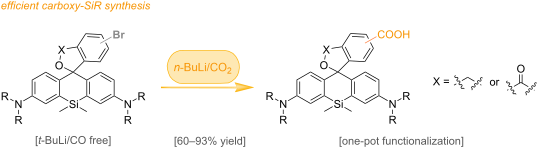
- practical utility. In addition, the preparation of protected carboxy-group containing substrates is often cumbersome [46], especially in the synthesis of (hydroxymethyl)rhodamine intermediates, thereby further increasing synthetic complexity [41]. To overcome these limitations, Butkevich developed an
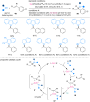
- operational complexity, safety concerns, and overall cost. Herein, inspired by the limitations of existing methods, we report a direct CO2-mediated carboxylation strategy for the efficient synthesis of 5,6-carboxylated SiR derivatives from brominated SiR precursors (Figure 1c). By introducing the classical
- relatively mild conditions. Compared with previous approaches, this strategy avoids the need for specialized apparatus for in situ CO generation as well as expensive palladium catalysts, thereby significantly reducing experimental complexity and synthetic cost. Importantly, the resulting carboxylated SiR



Synthesis and structural elucidation of a novel bis-spirooxindole from isatin and ethylenediamine
Beilstein J. Org. Chem. 2026, 22, 813–820, doi:10.3762/bjoc.22.63

- complexity and, in some cases, unexpected reaction outcomes. In reactions involving amino acids or diamines, the coexistence of multiple nucleophilic and electrophilic sites can give rise to competing pathways and polycyclic architectures. A well-documented example is the condensation of isatin (1) with ʟ


Synthesis and biological evaluation of new brassinosteroid analogs with C-22 benzoate function
Beilstein J. Org. Chem. 2026, 22, 753–762, doi:10.3762/bjoc.22.57
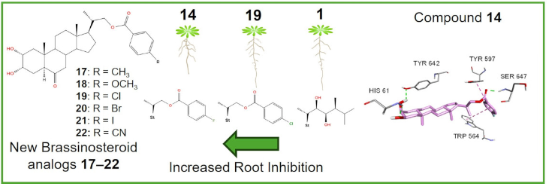
- fraction of the whole exogenous applied BRs effectively reaches the receptors and once bound, the active form can result in a positive or negative feedback on its own biosynthesis, adding an additional level of regulatory complexity. For these reasons, establishing a direct correlation between one of the


Using generative AI to transform peptide hits into small molecule leads
Beilstein J. Org. Chem. 2026, 22, 672–679, doi:10.3762/bjoc.22.51
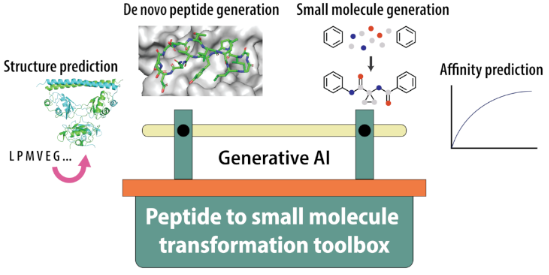
- videos, hence their suitability for de novo molecular design is not unexpected. In the case of small molecule design, the chemical inputs can be represented in different formats depending on the level of information and complexity required [46]. One-dimensional SMILES strings are the simplest form of


Towards the targeted protein degradation of CK2: design and synthesis of CAM4066-based PROTACs
Beilstein J. Org. Chem. 2026, 22, 611–619, doi:10.3762/bjoc.22.47
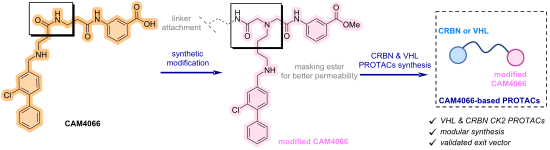
- itself is a moderately polar molecule, and linker addition further increases polarity. Collectively, these proof-of-concept results highlight the complexity of designing bivalent molecules for CK2 degradation and underscore the need for further optimisation of warhead potency, linker length, exit vector

Recent advances in the stereoselective synthesis of distal biaxially chiral molecules
Beilstein J. Org. Chem. 2026, 22, 461–479, doi:10.3762/bjoc.22.34
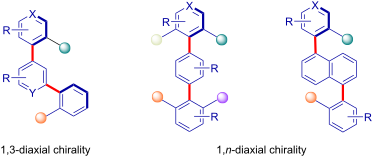
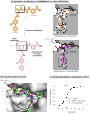
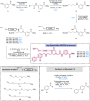
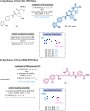
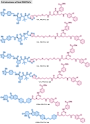
- , overcoming the challenges of steric complexity and dynamic stability to achieve efficient and general construction remains a critical issue. This review summarizes recent advances in the field of distal biaxial chirality, highlighting three major synthetic strategies: direct one-step construction of distal
- axes, it constitutes a bi- or multiaxial chiral system, significantly increasing structural complexity and stereochemical diversity, which endows the molecules with unique functionalities and excellent performance in catalysis, pharmaceuticals [33], and materials science [34]. In 1989, Hayashi


Concept-driven strategies in target-oriented synthesis
Beilstein J. Org. Chem. 2026, 22, 451–454, doi:10.3762/bjoc.22.32
- , a generalized approach can address multiple target classes simultaneously, but typically exhibits reduced efficiency as molecular complexity increases. Integrating elements from both a customized and a generalized approach may represent an “ideal” strategy, although achieving such integration


Cone p-aminocalix[4]arenes enriched with ‘clickable’ alkyne or azide functionalities
Beilstein J. Org. Chem. 2026, 22, 399–415, doi:10.3762/bjoc.22.28
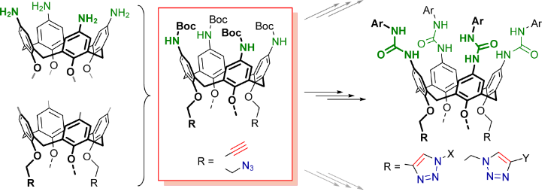
- the spectrum acquisition, nor measuring the spectrum at elevated temperature resulted in a simplification of the spectral pattern, indicating no significant contribution of any slow rotational/conformational motions to the complexity of the spectrum. Similar additional signals were observed in the 1H
- propargylated/2-azidoethylated calixarenes using CuAAC reactions, and the resulting triazolated calixarenes can be further functionalized at their amino groups, including the preparation of self-assembled capsular aggregates of virtually unlimited complexity. General concept of building multifunctional calix[4




Dialkylaminoalkylation of β-ketosulfones via ring-opening of 3-sulfonylpyrrolidines
Beilstein J. Org. Chem. 2026, 22, 383–389, doi:10.3762/bjoc.22.26
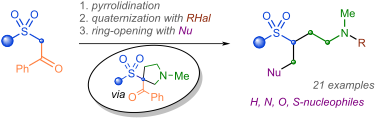
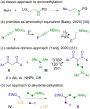
- the fast increase of the molecular complexity, remains significant. Unlike the classical aminoethylation of nucleophilic compounds [28][29], Batey et al. recently developed a two-step approach consisted in addition of terminal ynimides I to various electrophiles with subsequent reduction of the C≡C




Arene activation via π-bond localization: concepts and opportunities
Beilstein J. Org. Chem. 2026, 22, 257–273, doi:10.3762/bjoc.22.19
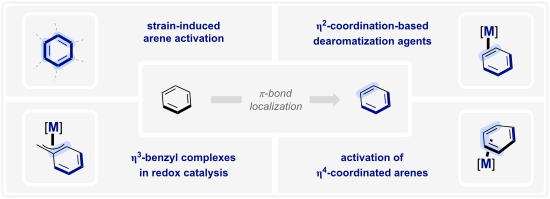
- complexity generation. Coordination of transition metals to defined arene π-fragments provides a particularly elegant means of selective activation, yet the widespread adoption of this paradigm has been limited by the scarcity of predictable, catalytic variants. Among the established platforms discussed in




Screwing the helical chirality through terminal peri-functionalization
Beilstein J. Org. Chem. 2026, 22, 205–212, doi:10.3762/bjoc.22.14
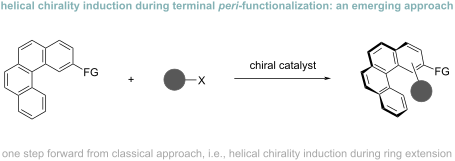
- , biosensors and other forms of the materials sciences continuing its relevance to cutting edge research [1][2]. However, precise control and manipulation of helical chirality in synthetic systems remain technically challenging. This complexity may have led to underestimation of its potential, as research


Total synthesis of natural products based on hydrogenation of aromatic rings
Beilstein J. Org. Chem. 2026, 22, 88–122, doi:10.3762/bjoc.22.4
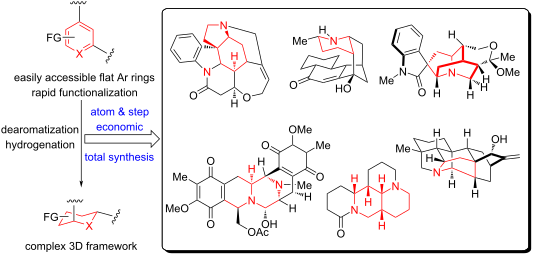
- ; Introduction For decades, a principal objective in natural product synthesis has been the development and utilization of efficient methods to access molecular frameworks with defined stereochemical complexity [1]. Natural products, such as taxol [2], strychnine [3][4][5], and tetrodotoxin [6][7][8], which
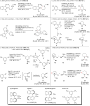
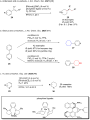
- hydrogenation feasible, it also increased the complexity of the synthetic route, limiting its suitability for large-scale preparation of 157. Consequently, the authors redirected their efforts toward homogeneous catalytic hydrogenation, a field that has seen rapid progress in recent years. Upon converting 161











Recent advancements in the synthesis of Veratrum alkaloids
Beilstein J. Org. Chem. 2025, 21, 2657–2693, doi:10.3762/bjoc.21.206
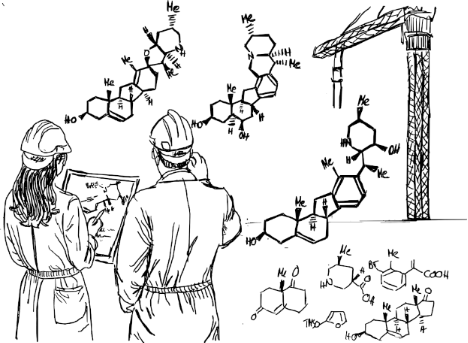
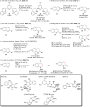
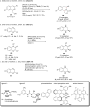
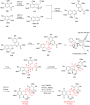
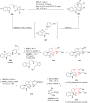
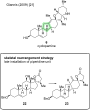
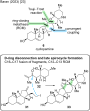
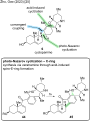
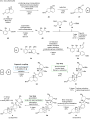
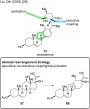
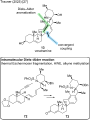
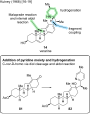
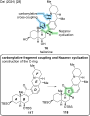
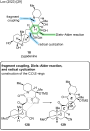
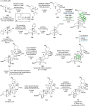
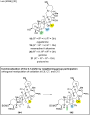
- functionalization for rapid access to these exceptional alkaloids, while also showcasing the evolution of the art of synthesis and its ability in meeting the demands posed by molecular complexity. Keywords: alkaloid synthesis; convergent synthesis; total synthesis; Veratrum alkaloids; Introduction Veratrum
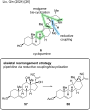
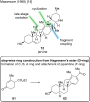
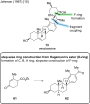
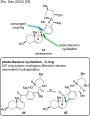
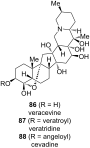
- embedded in A–E rings, thus, adding to their complexity in total synthesis efforts [9]. This review will cover synthetic approaches from the last decades, showcasing the evolution of Veratrum alkaloids synthesis and by that, providing an impression of the evolution of synthetic methods in general. For a
- group in the sequence to temporarily mask that specific group and its reactivity. The latter are considered undesirable transformations, since they do not contribute to advancing the complexity of the synthetic intermediate toward the target and should therefore be avoided, or at least minimized in use
















Isoorotamide-based peptide nucleic acid nucleobases with extended linkers aimed at distal base recognition of adenosine in double helical RNA
Beilstein J. Org. Chem. 2025, 21, 2513–2523, doi:10.3762/bjoc.21.193
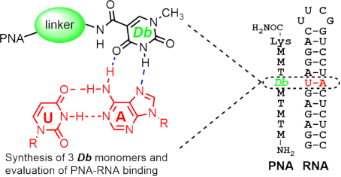
- that add more complexity to triplex formation. Conclusion Overall, three new PNA monomers were synthesized and incorporated into PNA oligonucleotides. Db monomers demonstrated a lack of strong affinity for the U–A base pair in dhRNA. However, selectivity of Db1 and Db3 for the intended U–A base pair
- efficient binding and further underscore the complexity of these systems due to conformational and energetic preferences. Taken together with previous studies, we postulate that future nucleobases should be designed to overcome the positional challenges related to entropy and geometry. (a) Structure of a


Comparative analysis of complanadine A total syntheses
Beilstein J. Org. Chem. 2025, 21, 2334–2344, doi:10.3762/bjoc.21.178
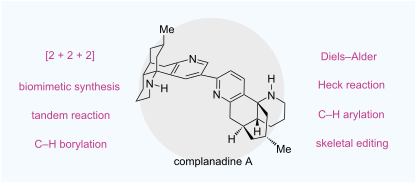
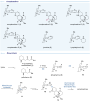
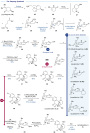
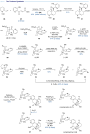
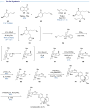
- ; Introduction Natural products, owing to their structural complexity, diversity, and therapeutic potential, have continued to serve as inspirations for the development of novel synthetic methodologies and strategies. In turn, these methodological and strategic advancements have significantly improved the



A m-quaterphenyl probe for absolute configurational assignments of primary and secondary amines
Beilstein J. Org. Chem. 2025, 21, 2211–2219, doi:10.3762/bjoc.21.168
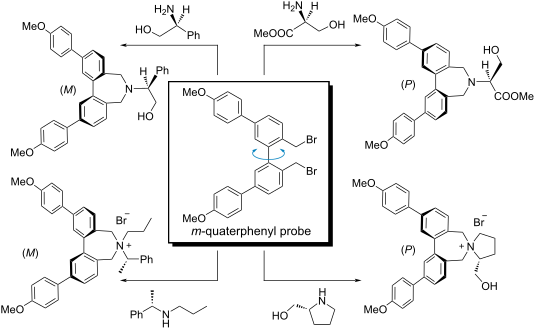
- ]. However, its use in the analysis of chiral amines has been restricted, largely due to the complexity arising from their conformational flexibility [3]. Circular dichroism (CD) spectroscopy offers a highly sensitive technique for stereochemical analysis at the microgram scale [4][5][6]. In particular
- amines. In this work, we report that the method was applied to chiral amino alcohols and amino acid esters. We also applied the method to chiral secondary amines, for which it is generally difficult to determine the absolute configuration due to the conformational complexity of their derivatives [33]. By


Bioinspired total syntheses of natural products: a personal adventure
Beilstein J. Org. Chem. 2025, 21, 2048–2061, doi:10.3762/bjoc.21.160
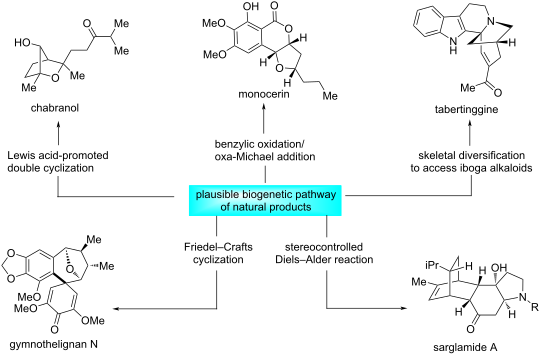
- , people began to be aware of the capability of mankind in making natural organic molecules. Since then, organic scientists are brave to challenge the complex organic structure of natural products given by nature [2][3][4][5]. To achieve the growing structural complexity of natural products, the synthetic
- ] (Figure 1). The bioinspired total synthesis literally showed the great power to gain complexity. In the 21st century, biomimetic or bioinspired synthesis has been widely realized as a powerful concept approach to natural product total synthesis, and a lot of total synthetic works of this kind have been
- reported. A bioinspired approach represents many advantages to bring benefits to total synthesis. It could rapidly achieve complexity of the target molecule from a much simpler precursor in diverse forms of transformations such as cascade reaction, cycloaddition, and C–H functionalization, thereby, shorten



Research progress on calixarene/pillararene-based controlled drug release systems
Beilstein J. Org. Chem. 2025, 21, 1757–1785, doi:10.3762/bjoc.21.139






Approaches to stereoselective 1,1'-glycosylation
Beilstein J. Org. Chem. 2025, 21, 1700–1718, doi:10.3762/bjoc.21.133
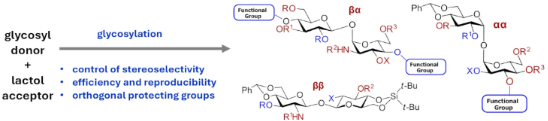
- applications. The assembly of nonreducing 1,1′-linked disaccharides presents greater challenges than conventional chemical glycosylation due to the need for simultaneous control of stereochemistry at two anomeric centers. The structural complexity of natural biomolecules entailing 1,1′-disaccharides, which
- donor 79 was employed in the glycosylation reaction with anomeric lactol 119 (used in 2-fold excess to compensate for its 50% content of the undesirable α-anomer), the β,β-1,1'-linked disaccharide 120 was obtained, albeit in moderate yield due to the complexity of separating it from reaction components


Continuous-flow-enabled intensification in nitration processes: a review of technological developments and practical applications over the past decade
Beilstein J. Org. Chem. 2025, 21, 1678–1699, doi:10.3762/bjoc.21.132
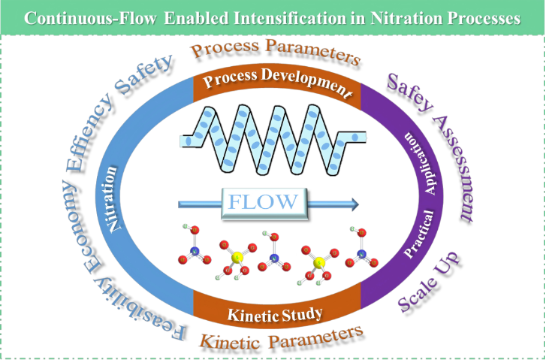
- nitration degree, with excess nitric acid driving reactivity at the cost of post-treatment complexity. Simultaneously, the molar ratio of H2SO4/HNO3 (usually 1.0–4.0) modulates acid strength and catalytic activity, necessitating effective balancing to optimize nitronium iongeneration efficiency while
- and presents significant mathematical complexity when dealing with intricate reaction systems. Long-term operation stability/stress testing: Ensuring long-term operational stability is a critical requirement for the practical implementation of continuous-flow nitration processes, particularly given
- kinetically controlled. In nitration reaction kinetics studies across liquid–liquid biphasic systems (types A–C), the complexity of kinetics studies increases progressively from type A to type C, while their applicability expands correspondingly. Kinetics models derived from type A systems are typically




Recent advances in amidyl radical-mediated photocatalytic direct intermolecular hydrogen atom transfer
Beilstein J. Org. Chem. 2025, 21, 1306–1323, doi:10.3762/bjoc.21.100
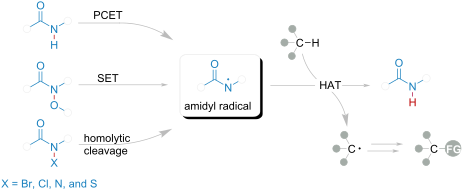
- substrates. Keywords: amidyl radicals; C–H; HAT reagents; hydrogen-atom-transfer; late-stage functionalization; Introduction C–H bonds are the predominant chemical bonds in organic compounds, and their direct conversion can rapidly and efficiently increase the complexity and functionality of organic


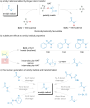


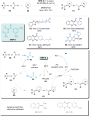


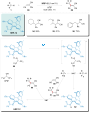
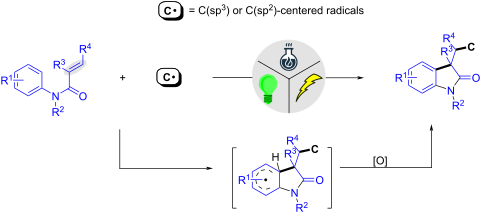
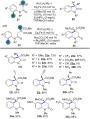
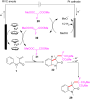
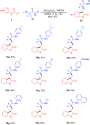
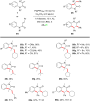
Recent advances in oxidative radical difunctionalization of N-arylacrylamides enabled by carbon radical reagents
Beilstein J. Org. Chem. 2025, 21, 1207–1271, doi:10.3762/bjoc.21.98














Enhancing chemical synthesis planning: automated quantum mechanics-based regioselectivity prediction for C–H activation with directing groups
Beilstein J. Org. Chem. 2025, 21, 1171–1182, doi:10.3762/bjoc.21.94
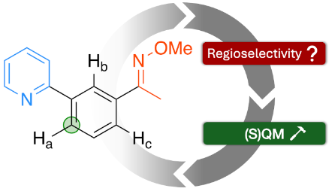
- molecular architectures in pharmaceuticals, polymers, and agrochemicals. Despite advancements in directing group (DG) methodologies and computational approaches, predicting accurate regioselectivity in C–H activation poses significant difficulties due to the diversity and complexity of organic compounds





