Search results
Search for "inhibitors" in Full Text gives 498 result(s) in Beilstein Journal of Organic Chemistry. Showing first 200.
Synthesis of functionalized, 13-alkyl-substituted coralyne derivatives and investigation of their interactions with duplex and abasic site-containing DNA
Beilstein J. Org. Chem. 2026, 22, 1057–1066, doi:10.3762/bjoc.22.84
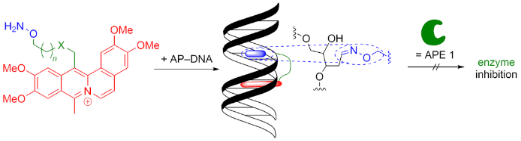
- ]. These structural changes may, in turn, suppress recognition processes between DNA and physiologically relevant enzymes, which are essential for important DNA-based cellular processes. For instance, genotoxic, antitumoral DNA ligands, such as topoisomerase inhibitors, operate according to this principle


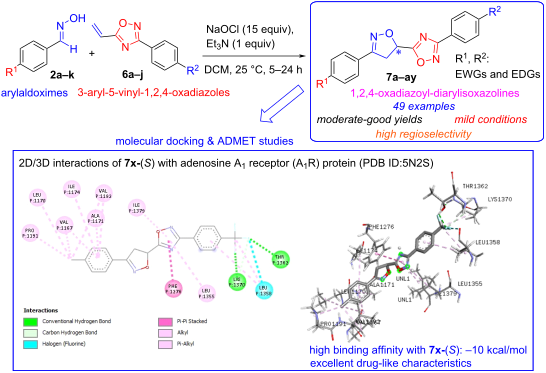
Synthesis of novel 1,2,4-oxadiazole-isoxazoline hybrids and their in silico potential with adenosine receptors
Beilstein J. Org. Chem. 2026, 22, 1033–1047, doi:10.3762/bjoc.22.82
- possess therapeutic potential against T-cell-mediated disorders, including rheumatoid arthritis and leukemia [58][59][60]. In this context, a series of 1,2,4-oxadiazole-indazolylisoxazoline derivatives were prepared as phosphodiesterase IV inhibitors via a multistep approach involving nitrile oxide
- significant opportunity for drug development. In this study, we aimed to efficiently prepare novel 1,2,4-oxadiazole-isoxazole hybrids and evaluate their potential as adenosine receptor inhibitors through in silico analysis. Utilizing 1,3-dipolar cycloaddition reactions – a method previously established in our
- may contribute to drug discovery efforts by providing valuable insights for the design of more potent and selective inhibitors of the adenosine A1 receptor. ADMET studies An in silico ADMET analysis of the compounds with binding energy scores ≥ −9.5 kcal/mol (7d, 7j, 7n, 7o, 7s, 7t, 7u, 7w, 7x, 7ah


Site-specific labelling of native peptides and proteins: chemical and enzymatic strategies
Beilstein J. Org. Chem. 2026, 22, 857–881, doi:10.3762/bjoc.22.67
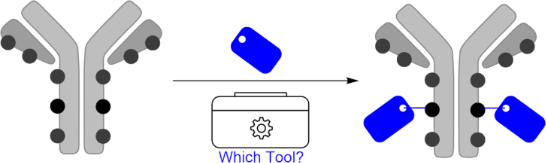
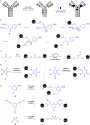
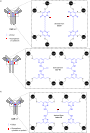
- has become a cornerstone of biological research and therapeutic development, with applications including in vitro systems, live cells and animal models. The earliest form of affinity-guided labelling traces back to mechanism-based inhibitors, which exploit heightened reactivity of active-site residues




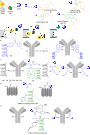

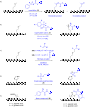

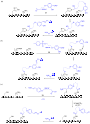
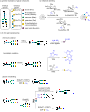


Design, synthesis, and biological evaluation of FXR/ASK1 dual-target modulators
Beilstein J. Org. Chem. 2026, 22, 771–781, doi:10.3762/bjoc.22.59
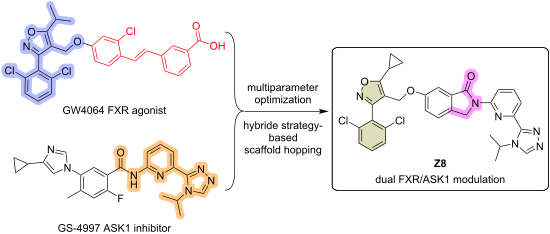
- . Compound Z8, which acts on both targets, was found to more potently reduce intracellular lipid droplet accumulation in OA-treated HepG2 cells than the FXR agonist GW4064 and the ASK1 inhibitor selonsertib (GS-4997). Keywords: ASK1 inhibitors; FXR agonists; FXR/ASK1 dual-target modulators; MASH
- of insulin resistance, inflammation, and hepatic steatosis [15]. The most advanced ASK1 inhibitor in clinical development is the compound celonsertib (Scheme 2). Following this, a series of new ASK1 inhibitors were derived using selonsertib as a lead compound in a variety of structure-optimized ways
- followed by the appropriate post hoc test; ***p < 0.001 versus OA control. Additional pairwise comparisons between Z8 and the positive-control groups are described in the text. (C) Cell viability at 10 μM under the same treatment conditions. Steroidal and nonsteroidal FXR agonists. ASK1 inhibitors. Dual


Preparation of 3-(alkylamino)imidazo[1,2-a]pyridine-2-carbaldehydes via Kornblum oxidation and unexpected ring-opening reactions of the corresponding alcohols under oxidative conditions
Beilstein J. Org. Chem. 2026, 22, 763–770, doi:10.3762/bjoc.22.58
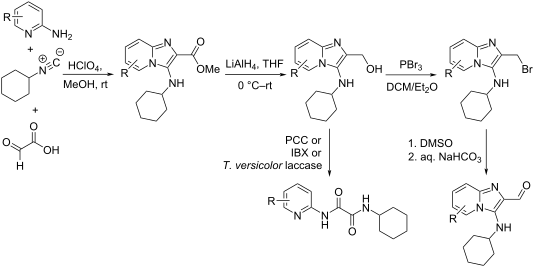
- [17][18][19]. Our own interest in the chemistry of imidazo[1,2-a]pyridines arose from the discovery that compounds such as 5 exhibit significant activity against wild-type HIV-1, acting as non-nucleoside reverse transcriptase inhibitors (NNRTIs) [5]. Subsequent investigations revealed that these
- is based on Sandile J. Mkhize’s MSc dissertation (“Exploration of the synthesis of imidazo[1,2-a]pyridin-3-amine derivatives with heteroatom linkers as potential HIV-1 reverse transcriptase inhibitors”, University of the Witwatersrand, 2022). Funding The authors would like to acknowledge the


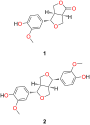
Anti-invasive and cytotoxic evaluation of a (+)-pinoresinol-based semisynthetic library against glioblastoma
Beilstein J. Org. Chem. 2026, 22, 691–704, doi:10.3762/bjoc.22.54
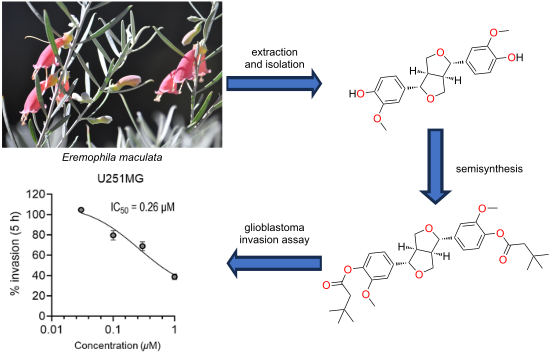
- quantitated by measuring changes in fluorescence after 45 and 90 min of incubation at 37 °C and 5% CO2. The % cell viability was calculated using the following formula: Transwell invasion assay This assay is used to study the invasive capabilities of tumor cells to pharmacological inhibitors. It involves the



Using generative AI to transform peptide hits into small molecule leads
Beilstein J. Org. Chem. 2026, 22, 672–679, doi:10.3762/bjoc.22.51
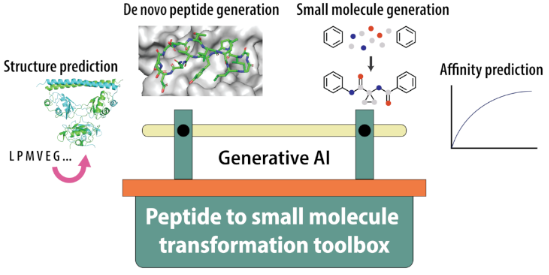
- drug targets, serving as rich inspiration for designing small molecule inhibitors which can recapitulate key binding interactions while improving pharmacokinetic properties. With the rapid advancement of artificial intelligence capabilities including powerful generative models, there is significant
- dynamics (MD) and docking (Figure 1). As an illustrative example, Yoshida and co-workers at Shionogi reported the design of small molecule inhibitors of nicotinamide N-methyltransferase [14] and β-herpesvirus proteases [15], starting from cyclic peptide hits obtained by mRNA display with flexible in vitro


Advantages of PROTACs in achieving selective degradation of homologous protein families
Beilstein J. Org. Chem. 2026, 22, 628–661, doi:10.3762/bjoc.22.49
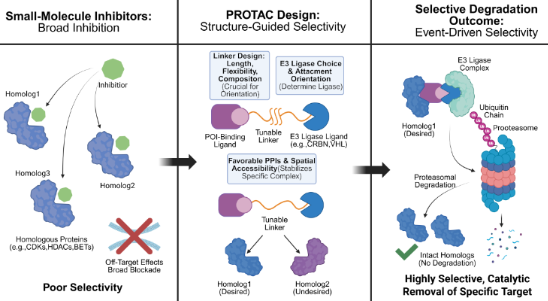
- . Compared with conventional small-molecule inhibitors, PROTACs exhibit notable advantages, particularly in achieving selectivity within highly homologous proteins. The ability to discriminate among members of such families holds broad implications for future disease treatment. In this review, we primarily
- recognized as one of the leading causes of human diseases [3]. Although small-molecule inhibitors [4] remain the most widely used therapeutic agents for the treatment of disorders associated with abnormal protein activity, nearly all disease-relevant scaffolding proteins [5], transcription factors [6], and
- sufficient to trigger rapid ubiquitination [15][16]. Consequently, a PROTAC operates through an event-driven pharmacological paradigm, distinguishing itself from the traditional occupancy-driven model of small-molecule inhibitors [17]. Furthermore, PROTACs function catalytically, requiring only


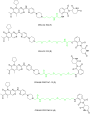

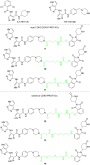


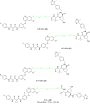
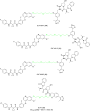


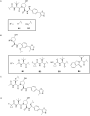


Towards the targeted protein degradation of CK2: design and synthesis of CAM4066-based PROTACs
Beilstein J. Org. Chem. 2026, 22, 611–619, doi:10.3762/bjoc.22.47
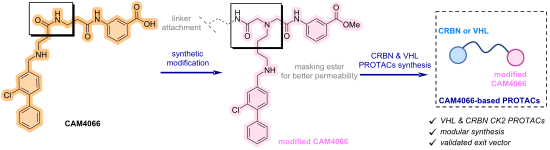
- Cambridge Institute, Robinson Way, Cambridge, CB2 0RE, United Kingdom 10.3762/bjoc.22.47 Abstract Human protein kinase CK2 is a constitutively active serine/threonine kinase implicated in numerous cancers. Although ATP-competitive inhibitors such as CX-4945 show therapeutic potential, they are limited by
- . Despite successes with ATP-competitive inhibitors, small-molecule kinase inhibitors can be limited by reversible target engagement, off-target effects, and susceptibility to resistance mechanisms [7]. These challenges have motivated the exploration of alternative therapeutic modalities that move beyond
- . Acknowledgements The authors are grateful to Kristina Kostadinova and Dr Marc de la Roche for the help with the Western Blot analysis, to Dr Eleanor Atkinson and Dr Jessica Iegre for their prior work on CK2 inhibitors, and to Dr Michal Malon for his help with several NMR assignments. We are grateful for the

Design and synthesis of an erdafitinib-based selective FGFR2 degrader
Beilstein J. Org. Chem. 2026, 22, 583–591, doi:10.3762/bjoc.22.44
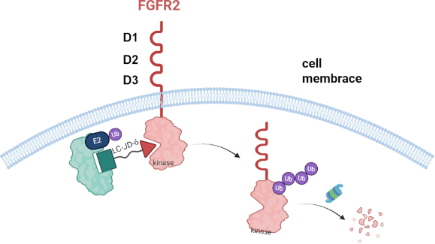
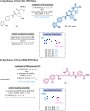
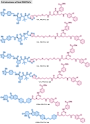
- growth factor receptor 2 (FGFR2) to overcome the issues of drug resistance and adverse reactions associated with traditional inhibitors in the treatment of FGFR2-driven tumors. Erdafitinib was employed as the targeting ligand, and its aliphatic amine site was conjugated with a CRBN E3 ligase ligand to
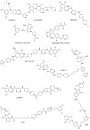
- cholangiocarcinoma [16][17][18]. Accordingly, research into therapeutics targeting FGFR2 has emerged as a major focus. To treat FGFR2-driven tumors, current research primarily focuses on two distinct classes of inhibitors, namely FGFR pan-inhibitors and FGFR2-selective inhibitors. Among these in Figure 1
- , futibatinib, infigratinib, and erdafitinib, as pan-FGFR inhibitors, exhibit therapeutic efficacy against tumors driven by FGFR2. For advanced cholangiocarcinoma driven by FGFR2, infigratinib and futibatinib are targeted drugs specifically approved for this indication [19]. In contrast, erdafitinib is



Molecular tweezer–peptide conjugates disrupt the protein–protein interaction between survivin and histone H3 essential in mitosis
Beilstein J. Org. Chem. 2026, 22, 557–567, doi:10.3762/bjoc.22.41
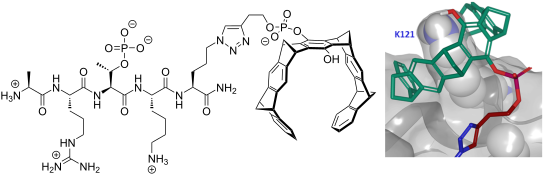
- and precisely the natural binding site in the wide 14-3-3-cleft [10]. These examples for designed protein–protein interaction (PPI) inhibitors demonstrated that short but highly flexible linkers are imperative to increase selectivity and minimize entropical penalty. The design was strongly supported




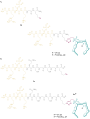
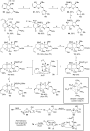
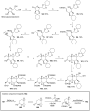
Modern synthetic pathways towards eribulin and its subunits
Beilstein J. Org. Chem. 2026, 22, 495–526, doi:10.3762/bjoc.22.37
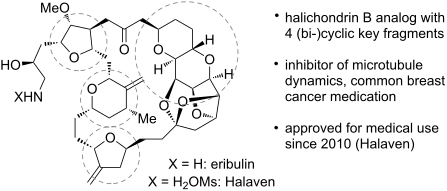
- challenging soft tissue sarcoma, 1 has shown promise in prolonging overall survival and improving quality of life. The key feature that underpins 1's clinical importance is its unique mechanism of action [41][42][43][44][45][46][47][48][49][50]. Unlike other microtubule inhibitors such as taxanes and vinca








Synthesis of a HDAC inhibitor–nanogold probe for cryo-EM visualization in class I HDAC co-repressor complexes
Beilstein J. Org. Chem. 2026, 22, 480–485, doi:10.3762/bjoc.22.35
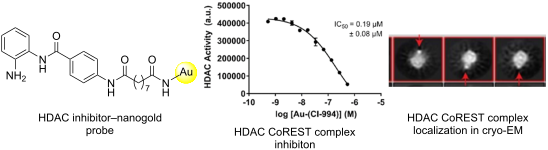
- independently and that their activities and modulation by inhibitors and activators are closely coupled. Both enzymes exist in at least two distinguishable states that differ in their kinetic properties, consistent with the two distinct structural states of the complex observed in the cryo-EM maps [10]. However
- , like other benzamide HDAC inhibitors, exhibits slow on/off binding kinetics, hence once bound to the HDAC within the complex it should not readily dissociate [16]. A crystal structure of HDAC2 bound to an analogue of CI-994 (PDB: 4LY1) revealed that the acetamide moiety is oriented outside the HDAC
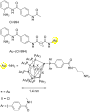
- -labeled HDAC inhibitors could serve as effective fiducial markers in cryo-EM, facilitating the localization of distinct subunits or binding sites within large and flexible multiprotein complexes. HDAC1–3 inhibitor CI-994; HDAC inhibitor–nanogold probe Au–(CI-994); structure of amine-functionalized 1.4 nm



Structural reassignment of compound 968, an allosteric glutaminase inhibitor
Beilstein J. Org. Chem. 2026, 22, 455–460, doi:10.3762/bjoc.22.33
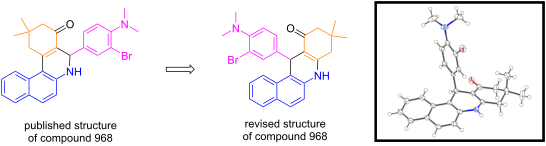
- demands of the proliferative state creates an opportunity to selectively target cancer cells [1][7]. Chemical inhibition of GLS has emerged as an attractive anticancer strategy, and several classes of GLS inhibitors have been discovered [1][2]. DON is a diazo-containing electrophilic glutamine analog that
- glutaminase inhibition on several cancer cell lines (Figure 1) [15][16]. The anticancer effects of compound 968 have been tested in combination with other drugs such as paclitaxel [17], erlotinib [18], apigenin [19], metformin [20], and inhibitors of tissue transglutaminase [21]. Compound 968 was recently
- found to suppress the growth of a luminal breast cancer cell line that expresses GLS2 and is insensitive to GLS1-specific inhibitors such as BPTES and CB-839 [22]. After initiating a project to synthesize derivatives of compound 968, we searched the literature for synthetic routes towards its scaffold


Synthesis and anti-cancer activity of naphthalimide–organylselanyl conjugates
Beilstein J. Org. Chem. 2026, 22, 416–435, doi:10.3762/bjoc.22.29
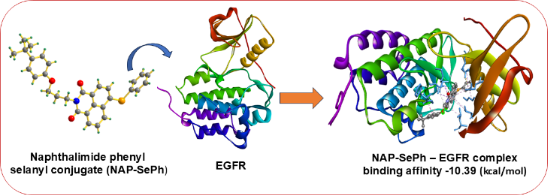
- strategies for TNBC are often inadequate, with limited effectiveness for many patients, underscoring the urgent need for novel treatment approaches. In particular, the development of new small-molecule EGFR tyrosine kinase inhibitors holds significant promise, as there is currently no highly effective
- , many of which exhibit promising applications in medicinal chemistry [18][19]. Selenium has been incorporated into non-steroidal anti-inflammatory drugs (NSAIDs) and histone deacetylase (HDAC) inhibitors, both of which show considerable potential in anticancer therapy [20][21]. Over the last few decades


Spirobarbiturates with a pyrrolizidine moiety: synthesis, structure and biological evaluation
Beilstein J. Org. Chem. 2026, 22, 274–288, doi:10.3762/bjoc.22.20
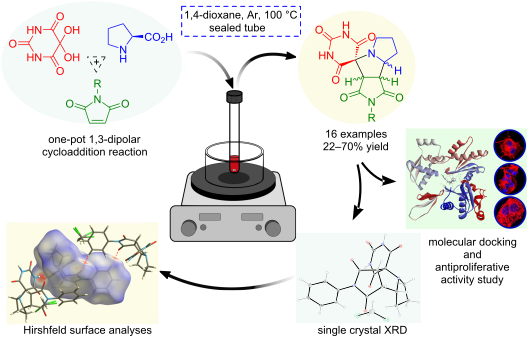
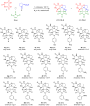
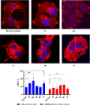
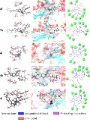
- ] and antiviral activities (7,7a-diepialexine) [40]. Some pyrrolizidine derivatives are inhibitors of enzymes such as acetylcholinesterase (AChE) (echimidine) [41] or β-N-acetylglucosaminidase (GlcNAcases) (pochonicine) [42]. Our previous studies have shown that spiro-fused barbiturates containing




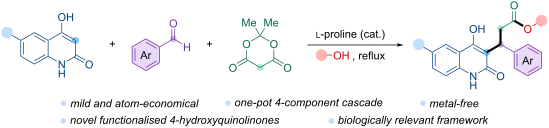
A mild and atom-efficient four-component cascade strategy for the construction of biologically relevant 4-hydroxyquinolin-2(1H)-one derivatives
Beilstein J. Org. Chem. 2026, 22, 244–256, doi:10.3762/bjoc.22.18
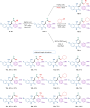
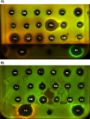
- , and 13a inhibited the growth of the E. coli ΔtolC strain while exhibiting minimal cytotoxicity toward human cell lines, even at concentrations up to 100 μmol/L. Their cytotoxicity profile differs markedly from that of known topoisomerase II inhibitors. Although the synthesized compounds did not


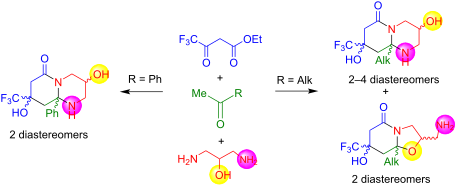
Competitive cyclization of ethyl trifluoroacetoacetate and methyl ketones with 1,3-diamino-2-propanol into hydrogenated oxazolo- and pyrimido-condensed pyridones
Beilstein J. Org. Chem. 2025, 21, 2716–2729, doi:10.3762/bjoc.21.209
- antileishmanial [47], antibacterial [48], antimalarial agents [49] as well as COX-2 [50] and FGFR [51] inhibitors found among them. Moreover, various drugs (antipsychotic risperidone [52] and pirenperone [53], antiallergic ramastine [54]) have been obtained on the basis of pyrido[1,2-a]pyrimidine; and


Thiazolidinones: novel insights from microwave synthesis, computational studies, and potentially bioactive hybrids
Beilstein J. Org. Chem. 2025, 21, 2618–2636, doi:10.3762/bjoc.21.203
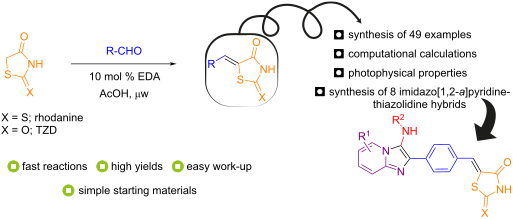
- ]. Some rhodanine-based derivatives act as inhibitors of hepatitis C virus (HCV) protease [19], UDP-N-acetylmuramate/ʟ-alanine ligase [20], histidine decarboxylase [21], aldose/aldehyde reductase [22], fungal protein mannosyl transferase 1 (PMT1) [23], metallo β-lactamase [24], cathepsin D [25], JNK






Synthesis and characterization of a isothiouronium-calix[4]arene derivative: self-assembly and anticancer activity
Beilstein J. Org. Chem. 2025, 21, 2535–2541, doi:10.3762/bjoc.21.195
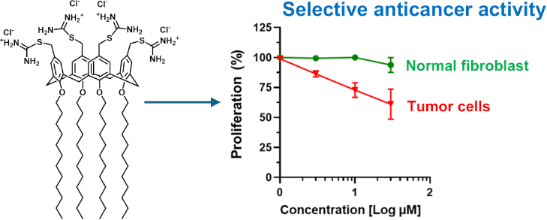
- class of interest in the search for new chemotherapeutic agents. They are known inhibitors of protein kinase C [40] and agonists of the GABA-type [41] and histamine-H3 receptors [42]. S-Allylic isothiouronium salts substituted with aliphatic groups have shown to combine high antitumor activity against


Synthetic study toward vibralactone
Beilstein J. Org. Chem. 2025, 21, 2376–2382, doi:10.3762/bjoc.21.182

- several potent pancreatic lipase inhibitors with nanomolar IC50 values [24], further supporting vibralactone as a promising lead compound warranting further investigation. Although vibralactone (6) is a relatively small natural product, its molecular structure features a unique 4/5-fused bicyclic β


Comparative analysis of complanadine A total syntheses
Beilstein J. Org. Chem. 2025, 21, 2334–2344, doi:10.3762/bjoc.21.178
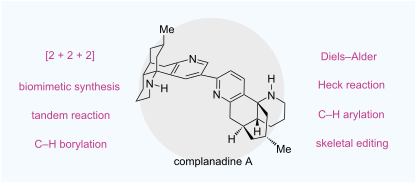
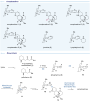
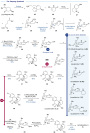
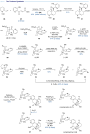
- molecules such as the huperzines have been discovered and advanced into human clinical trials as acetylcholinesterase inhibitors for treating Alzheimer’s disease [3]. Among the lycopodium family, complanadine A (1, Scheme 1) and its natural congeners such as complanadines B (2), D (3), and E (4) were



Research towards selective inhibition of the CLK3 kinase
Beilstein J. Org. Chem. 2025, 21, 2250–2259, doi:10.3762/bjoc.21.172
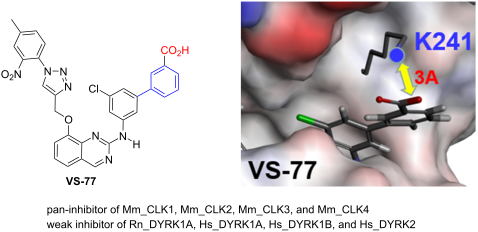
- , as an attractive residue to design inhibitors with increased affinity towards this kinase as compared to the three other isoforms CLK1, CLK2, and CLK4. Based on this observation, we have been able to transform a molecule (DB18) previously established with a very low activity on CLK3 into a derivative
- as overexpression, is implicated in the pathogenesis of numerous deleterious diseases including nervous and inflammatory disorders as well as a number of malignancies [1][2][3]. Kinases are also known to be highly druggable by both allosteric and competitive inhibitors. As a consequence, protein
- kinases have become one of the most important drug targets: between a quarter to a third of the drug discovery efforts worldwide are focused on the discovery of new protein kinase inhibitors. More than 80 FDA-approved drugs that target about two dozen different protein kinases were discovered during the


Synthesis of triazolo- and tetrazolo-fused 1,4-benzodiazepines via one-pot Ugi–azide and Cu-free click reactions
Beilstein J. Org. Chem. 2025, 21, 2202–2210, doi:10.3762/bjoc.21.167
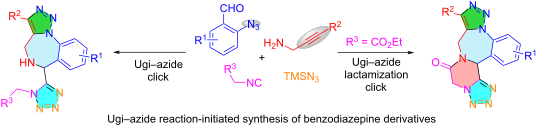
- ][2][3][4][5]. For example, triazole-fused 1,4-benzodiazepins are protease inhibitors [6] and part of drug molecules such as alprazolam [7], estazolam [8], and triazolam [9] (Figure 1). Tetrazole-containing functional materials have been developed as photographic sensitizers, diagnostic contrast


Research progress on calixarene/pillararene-based controlled drug release systems
Beilstein J. Org. Chem. 2025, 21, 1757–1785, doi:10.3762/bjoc.21.139
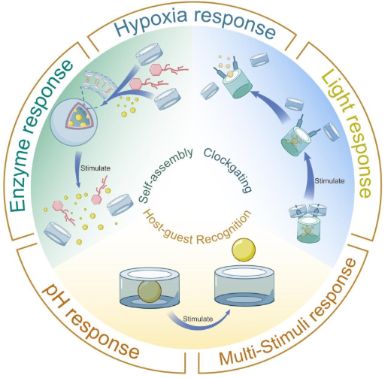
- converts myristoylcholine into myristic acid and choline [120]. SC4A binds to the non-amphiphilic choline but not to the amphiphilic myristic acid, leading to the disassembly of the composite vesicles. Currently, the clinical treatment of Alzheimer's disease is mainly based on cholinesterase inhibitors