


Search results
Search for "ligands" in Full Text gives 1022 result(s) in Beilstein Journal of Organic Chemistry. Showing first 200.
Intermolecular water attack to alkenylgold carbenes derived from 3-propargylindoles
Beilstein J. Org. Chem. 2026, 22, 1221–1228, doi:10.3762/bjoc.22.98
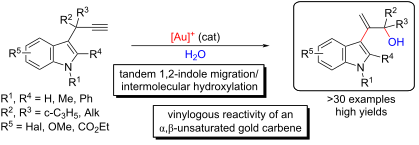
- intermediates, generated from readily accessible 3-propargylindoles through a tandem 1,2-indole migration–hydroxylation sequence using water as an external nucleophile, has been developed. Under mild reaction conditions and employing gold(I) catalysts bearing bulky and electron-rich phosphine ligands, a
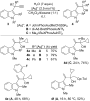
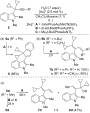
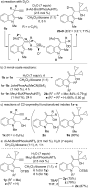
- complete conversion, with only ca. 30% conversion observed after 24 h (Table 1, entry 1). Gold catalysts bearing phosphine ligands such as MorDalPhos or DavePhos proved unsuitable for this transformation (Table 1, entries 2 and 3), as did IPrAuNTf2 bearing an NHC ligand (Table 1, entry 4). In contrast
- , gold complexes containing other phosphine ligands, such as t-Bu3P, Ph3P, and JackiePhos, afforded alcohol 2a, although complete conversion was not achieved after 24 h (Table 1, entries 5–7). Gratifyingly, gold catalysts bearing bulkier phosphine ligands such as SPhos, XPhos and BrettPhos (Table 1



Triazole-based hybrid molecules in anticancer drug discovery: structural classes and mechanistic insights, 2014–2025
Beilstein J. Org. Chem. 2026, 22, 1168–1195, doi:10.3762/bjoc.22.94
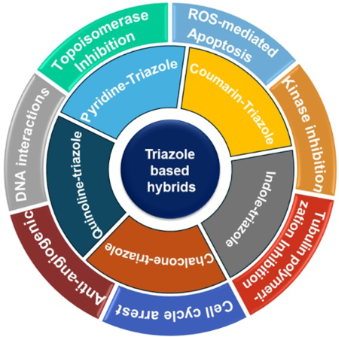
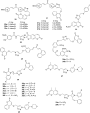
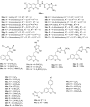
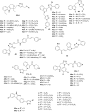
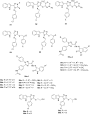
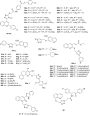
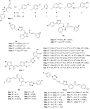
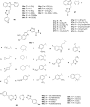
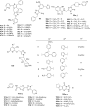
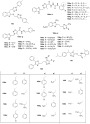
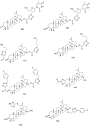
- triazole core with other bioactive scaffolds has led to the development of hybrid molecules. Hybrid pharmaceuticals are one type of molecules having “multiple targets" or "multiple ligands" exhibiting structural characteristics derived from two distinct parent molecules. Biologically active pharmacophores






Controlled supramolecular assemblies of luminescent tridentate cyclometalated alkynylgold(III) amphiphiles in aqueous media
Beilstein J. Org. Chem. 2026, 22, 1097–1106, doi:10.3762/bjoc.22.88
- d–d state of gold(III) complexes quenches the luminescent excited state through thermal equilibrium and energy transfer [53]. Cyclometalated gold(III) complexes incorporated with strong σ-donating alkynyl ligands, reported by Yam, exhibit enhanced luminescent properties under ambient conditions
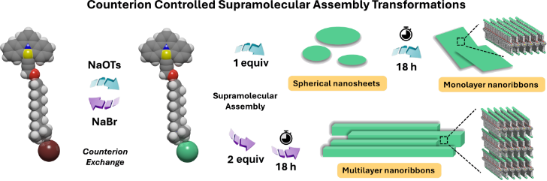
- , which is attributed to the strong σ-donating alkynyl ligands [54][55][56][57][58]. Our research team has developed bidentate cyclometalated gold(III) amphiphiles featured with counterion-controlled reversible assembly in aqueous media [59][60][61]. However, the synthetic complexity and aqueous
- revealed as insensitive to the structurally modified alkynyl ligands, which is generally assigned as a metal-perturbed intraligand (IL) π–π* transition of the C^N^C ligand. A subtle increase in absorbance with a hypochromic-shift of 3 nm was observed upon heating the solution to 50.0 °C (Figure 1a, red


Synthesis of functionalized, 13-alkyl-substituted coralyne derivatives and investigation of their interactions with duplex and abasic site-containing DNA
Beilstein J. Org. Chem. 2026, 22, 1057–1066, doi:10.3762/bjoc.22.84
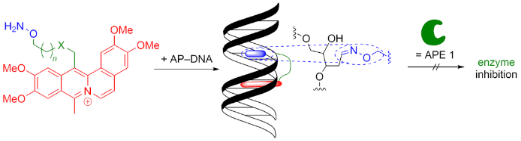
- , Karolinska Institutet Science for Life Laboratory, Alpha 5, Tomtebodavägen 23a, 171 65 Solna, Sweden Center for Molecular Medicine, Karolinska Institute and Karolinska Hospital, L8:02, Visionsgatan 18, 17176 Stockholm, Sweden 10.3762/bjoc.22.84 Abstract With the goal to develop coralyne-based ligands for
- intensively investigated interdisciplinary research field [2][3][4][5]. In particular, one focus is on external ligands which form complexes with DNA by groove binding or intercalation and thus block the binding sites of the DNA and/or significantly change the helix structure at the binding site [2][3][4][5
- ]. These structural changes may, in turn, suppress recognition processes between DNA and physiologically relevant enzymes, which are essential for important DNA-based cellular processes. For instance, genotoxic, antitumoral DNA ligands, such as topoisomerase inhibitors, operate according to this principle


Synthesis of novel 1,2,4-oxadiazole-isoxazoline hybrids and their in silico potential with adenosine receptors
Beilstein J. Org. Chem. 2026, 22, 1033–1047, doi:10.3762/bjoc.22.82
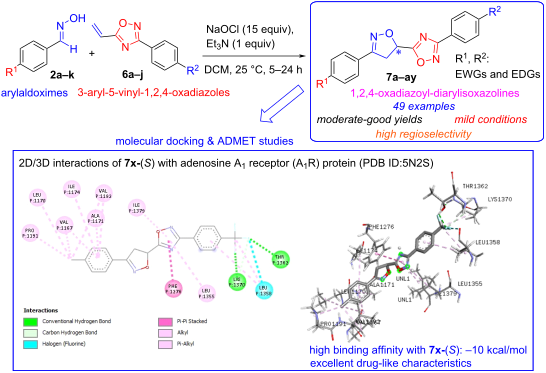
- these agents rely on traditional adenosine or xanthine foundations, the discovery of structurally diverse ligands – such as FK-838 and SCH-420814 – has significantly broadened the landscape for future drug development (Figure 2) [67][68][69][70][71]. Although certain 1,2,4-oxadiazole analogs (BIA9-1067


Synthesis and optical resolution of 4,5-diaminohomoadamantane: a promising scaffold for chiral ligands and bioactive compounds
Beilstein J. Org. Chem. 2026, 22, 1013–1022, doi:10.3762/bjoc.22.80
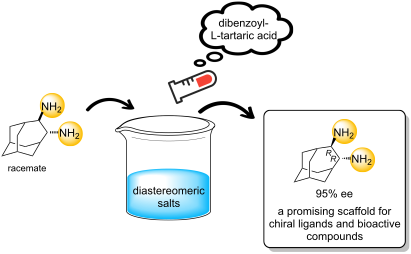
- suggest that further molecular design of homoadamantane-based chiral N,N-ligands is promising. Keywords: asymmetric Henry reaction; asymmetric Michael reaction; diaminohomoadamantane; enantiodivergent effect; resolution of racemate; Introduction The chemistry of organic polycyclic cage compounds has
- in clinical practice [64][65][66], as well as auxiliaries and ligands in important asymmetric transformations [67][68][69][70]. Bi- and polycyclic vicinal diamines can also be considered as potential ligands for asymmetric catalysis [71][72][73][74], but little attention has been paid to methods for
- and O have been prepared recently (Figure 2) [69][83][84]. Results and Discussion Synthetic approaches to cage vicinal diamines are actively studied, as their rigid cage framework makes them promising ligands for asymmetric catalysis. In continuation of the theme of our studies [75][77][81], we


Z-Selective semihydrogenation of alkynes via Ni/Lewis acid synergistic catalyzed system using DMF as hydrogen source and solvent
Beilstein J. Org. Chem. 2026, 22, 1004–1012, doi:10.3762/bjoc.22.79
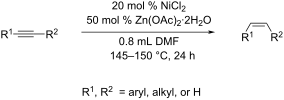
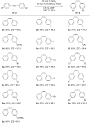
- reagents are generally safer and easier to handle than high-pressure gaseous hydrogen [23]. Still, many of these systems depend on expensive ligands, toxic reductants, or relatively forcing conditions, which can limit their practical utility [24][25][26][27]. Single-metal catalytic approaches also



Recent advances in copper-catalyzed direct hydroamination of alkenes with (hetero)aromatic amines
Beilstein J. Org. Chem. 2026, 22, 925–947, doi:10.3762/bjoc.22.73
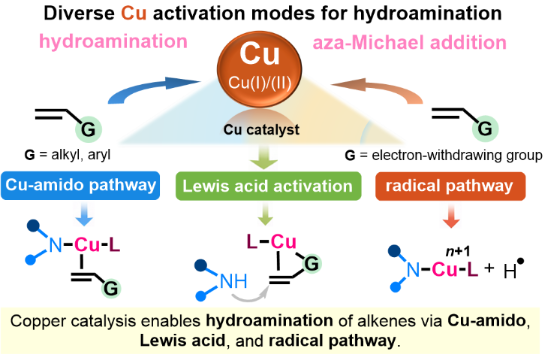
- suitable ligands such as N-heterocyclic carbenes or electron-rich phosphines, the deprotonation of an N–H heteroaromatic can generate a copper–amido intermediate [32][33][34]. These species typically exhibit enhanced nucleophilicity and can engage alkenes via the direct nucleophilic addition of a copper
- characterization of well-defined copper–amido complexes I and II, supported by electron-donating ligands such as phosphines and N-heterocyclic carbenes (NHCs) (Scheme 2) [32][33][34]. Copper–amido complex I was prepared by treating the dtbpe-ligated Cu–Cl complex (dtbpe = 1,2-bis(di-tert-butylphosphino)ethane
- bond formation. Structural and reactivity studies revealed that electron-rich ligands stabilized the copper center while facilitating the formation of copper–amido intermediates, consequently enhancing the nucleophilicity of the nitrogen atom. The catalytic activities of complexes I and II (Scheme 2







A practical CO2-mediated synthesis of 5,6-carboxylated silicon-rhodamines for targeted probe development
Beilstein J. Org. Chem. 2026, 22, 915–924, doi:10.3762/bjoc.22.72
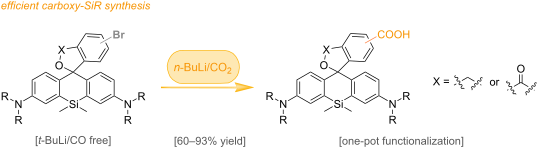
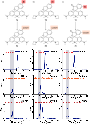
- maturity of photophysical optimization, the broader expansion of SiR chemistry is increasingly constrained by the limited accessibility of 5,6-carboxylated SiR derivatives. The carboxy groups provide a general and efficient handle for amide coupling with targeting ligands and are therefore central to the
- derivatives can be directly used in subsequent amidation reactions with targeting ligands without column chromatography, facilitating the rapid construction of high-performance targeted fluorescent probes. Overall, this strategy provides a straightforward, efficient, and practical synthetic route for the
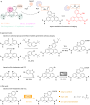
- functionalization with HaloTag ligands through a one-pot sequence (Figure 2b). After treatment of compounds 1a–c with n-BuLi and CO2, the reaction mixtures were extracted with ethyl acetate and concentrated, and the resulting crude carboxylated intermediates were directly subjected to amide coupling with the



Palladium-catalyzed benzocyclization reactions of quinoline-2-carboxamides via sequential C–H/N–H functionalization
Beilstein J. Org. Chem. 2026, 22, 905–914, doi:10.3762/bjoc.22.71
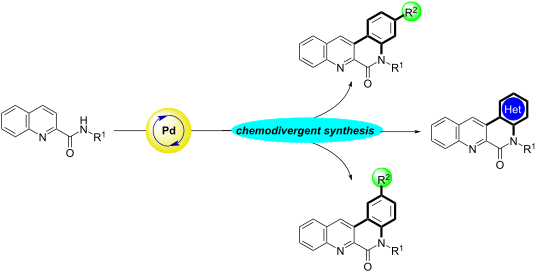
- intriguing moiety in biologically active compounds (e.g., natural products used for medicines, quinine, and quinidine [5][6][7]) and synthesized pharmaceutical agents (e.g., quinolone antibiotics [8]). Moreover, quinoline-2-carboxamide derivatives are used as ligands in organic synthesis owing to their high
- metal affinity [9][10]. It is therefore expected that annulation of the amide moiety in quinoline-2-carboxamides would extend their functionality as biologically active structures, ligands, and extractants. Transition-metal-catalyzed coupling reactions are crucial for constructing carbon–carbon and
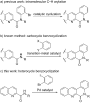
- ]. Additionally, intramolecular C–H arylation reactions with N-heteroaromatics can be used to synthesize various functional molecules that serve as ligands for metal extraction [36][37][38][39][40][41]. Our group developed a cyclization reaction for the intramolecular C–H arylation with N-heterocycles, such as




Site-specific labelling of native peptides and proteins: chemical and enzymatic strategies
Beilstein J. Org. Chem. 2026, 22, 857–881, doi:10.3762/bjoc.22.67
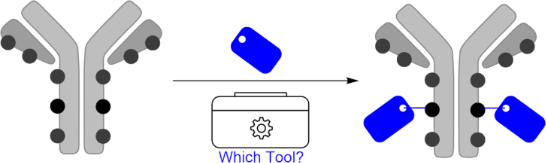
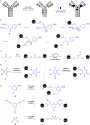
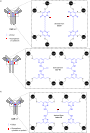
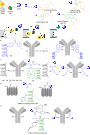
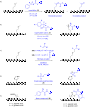
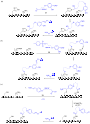
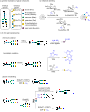
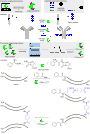
- these options are unsuitable, other solvent-exposed nucleophilic residues (e.g., methionine, histidine, tryptophan, tyrosine or arginine) can be targeted, although such reagents are often prepared in-house and may lack positional control. When high-affinity ligands or binders are available, affinity








The trans-influence in gold chemistry from a catalytic perspective
Beilstein J. Org. Chem. 2026, 22, 838–856, doi:10.3762/bjoc.22.66
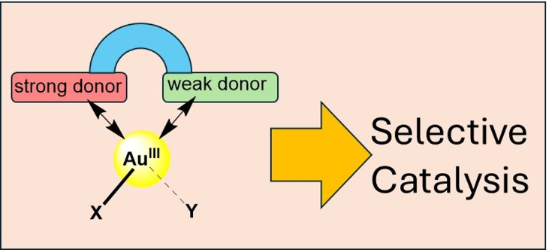
- recent mechanistic insights. Keywords: catalysis; gold; ligands; reaction mechanism; trans-influence; Introduction Gold catalysts have emerged as catalysts of choice in a multitude of organic transformations, not least due to their high functional group tolerance. Their applications have been widely
- documented in monographs and special themed journal issues, see for example [1][2][3][4][5][6][7][8][9][10]. Of special interest here are gold complexes supported by bidentate and tridentate ligands; their chemistry has been the subject of a number of reviews, covering different aspects of structure, bonding
- -mediated reaction mechanisms. Following a brief discussion of general considerations, this Perspective examines how ligand structure and the resulting trans-influence determine reactivity and stability of gold(III) complexes supported by tridentate (pincer) ligands and in bidentate chelates, including


Unsymmetrical sulfoxides with sterically hindered catechol fragment: synthesis, structure, electrochemical properties, and antiradical activity
Beilstein J. Org. Chem. 2026, 22, 828–837, doi:10.3762/bjoc.22.65
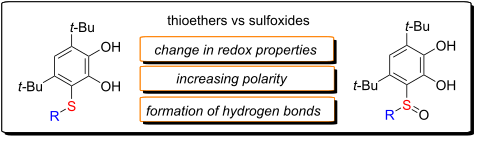
- antioxidants, stimuli-responsive materials, and functional ligands for metal complexes with tailored electronic properties. Molecular structures of 1a (a), 4a (b), 5a (c), 6a (d), 7a (e) (solvent molecules and fragment disordering are omitted; for 4a and 5a, only one independent molecule is shown). CV curves


Knoevenagel condensation of 4,5- and 1,8-diazafluorenes
Beilstein J. Org. Chem. 2026, 22, 803–812, doi:10.3762/bjoc.22.62
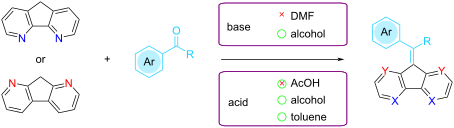
- Darya S. Cheshkina Christina S. Becker Alina A. Sonina Maxim S. Kazantsev N.N. Vorozhtsov Novosibirsk Institute of Organic Chemistry SB RAS, Lavrentieva 9, 630090 Novosibirsk, Russia 10.3762/bjoc.22.62 Abstract Diazafluorenylidenes are potential antitumor agents, ligands, and functional materials
- with ketones resulted in unique di(pyridin-2-yl)methylene)-9H-diazafluorenes being electron-deficient ligands and functional materials. Keywords: acidic conditions; diazafluorene; diazafluorenylidene; Knoevenagel condensation; protonation; Introduction Diazafluorenylidene derivatives were reported to
- be applied as antitumor agents [1][2][3], emitters and sensors [4][5]. They have also been extensively used as ligands yielding a wide library of transition-metal complexes [6][7][8], catalysts [9][10], light-driven molecular motors [11][12], nonlinear optical chromophores [13], and electrochromic




Design, synthesis, and biological evaluation of FXR/ASK1 dual-target modulators
Beilstein J. Org. Chem. 2026, 22, 771–781, doi:10.3762/bjoc.22.59
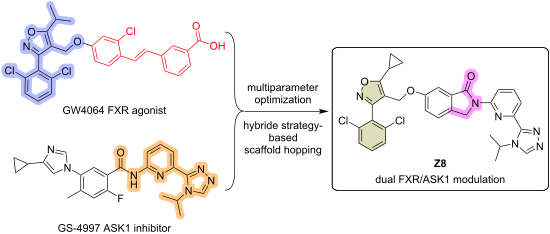
- study, we present the rational design and characterization of a balanced dual modulator targeting the nuclear receptors FXR and ASK1 [32], with the objective of advancing this experimental therapeutic concept (Scheme 3) [33][34]. The conception of this class of dual ligands was achieved by the merging


Synthesis of heterocycles based on azomethine ylides from α-amino acids (or amines) and carbonyl compounds
Beilstein J. Org. Chem. 2026, 22, 705–741, doi:10.3762/bjoc.22.55
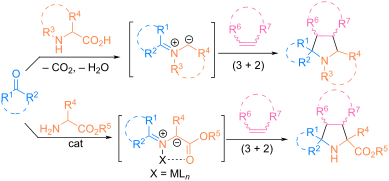
- chiral metal complexes of Ag(I), Cu(I/II), Zn(II), Ni(II) with ligands of the Segphos, Fesulfos, or Biphamphos type [12][13][14][15]. Such catalytic systems control the enantioselectivity of cycloaddition and allow the preparation of enantioenriched pyrrolidines containing several stereocenters in high
- authors proposed a model for the intermediate complex in 1,3-dipolar cycloaddition reactions. This intermediate consists of an azomethine ylide coordinated to a Zn(II)-t-Bu-BOX catalyst and is an 18-electron complex with a tetrahedral arrangement of ligands around the zinc center. Excellent results for
- diastereoselectivity in the catalytic (3 + 2) cycloaddition between iminoethers and electrophilic alkenes occurring using chiral metal complexes based on copper(I) and silver(I) salts and ligands (S)-DM-Segphos (L12) or (S)-DTBM-Segphos (L11) (Scheme 12). The reactions involved various dipolarophiles such as acrylates


Using generative AI to transform peptide hits into small molecule leads
Beilstein J. Org. Chem. 2026, 22, 672–679, doi:10.3762/bjoc.22.51
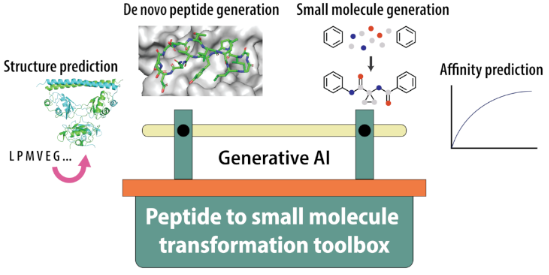
- application of ML for small molecule design based on peptide datasets was reported in 2023 by Hou and co-workers, where models were trained to classify ligands as ghrelin receptor binders [21]. The complete dataset for training and evaluation consisted of 548 peptides/peptidomimetics and 2193 small molecules
- that leverages peptide-binder structural data to generate small molecules within the protein pocket. It is trained on a range of target-bound complexes, including small molecule ligands as well as peptides and protein binders [38]. Similar to DiffLinker, small molecule generation is initiated from


Advantages of PROTACs in achieving selective degradation of homologous protein families
Beilstein J. Org. Chem. 2026, 22, 628–661, doi:10.3762/bjoc.22.49
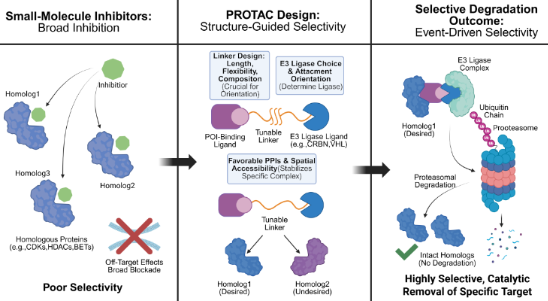
- , PROTACs, one of the most extensively studied and promising TPD approaches, are reshaping the paradigm of small-molecule drug development [11]. The PROTAC technology was initially conceptualized by Crews et al. in 2001 [11]. As a heterobifunctional molecule, a PROTAC comprises two distinct ligands: one
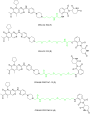
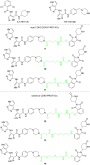
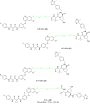
- Influence of linkers on the selectivity of PROTACs in highly homologous protein families As previously established [37], a PROTAC molecule comprises three essential components: a POI ligand, a linker, and an E3 ligand. In drug design, POI ligands are typically derived from FDA-approved small-molecule
- inhibitors, candidates in clinical trials, or their structural analogs. Similarly, E3 ligands are engineered to target specific E3 ubiquitin ligases. For instance, pomalidomide and lenalidomide are widely employed to recruit the CRBN ligase [38]. Given the established nature of these ligands, initial









Hydrogen production from formic acid catalyzed by NHC–Cu complexes
Beilstein J. Org. Chem. 2026, 22, 620–627, doi:10.3762/bjoc.22.48
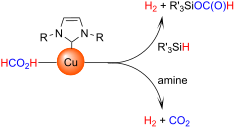
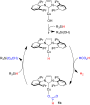
- phenanthroline ligands (TOF 4 h−1) [48] as well as Cu(0), Cu(I), and Cu(II) precursors/NEt3 (TOFs < 1 h−1) [44]. In contrast, [Cu(NCMe)4][PF6]/phosphine ligands/(t-BuNC–NEt3) systems represent the most active Cu-based catalysts reported to date for this transformation, exhibiting TOFs spanning from 10 to 240 h−1



Towards the targeted protein degradation of CK2: design and synthesis of CAM4066-based PROTACs
Beilstein J. Org. Chem. 2026, 22, 611–619, doi:10.3762/bjoc.22.47
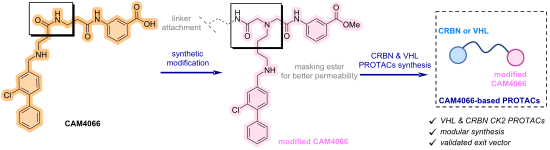
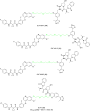
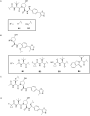
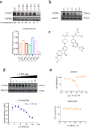
- conjugating a CAM4066-derived warhead to CRBN or VHL ligands, four VHL-recruiting PROTACs, were prepared using PEG and alkyl linkers, alongside two CRBN-recruiting analogues featuring constrained linkers. A ligand–linker analogue in which a linker is projected from the solvent-exposed region of CK2α retained
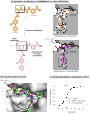
- conjugated CAM4066-derived ligands to both CRBN or VHL E3-ligase recruiters. We created VHL-recruiting PROTACs for CK2 using PEG and alkyl linkers, while the CRBN-recruiting analogues featured more constrained linkers. A ligand–linker analogue bearing a linker projected from the solvent-exposed region of the
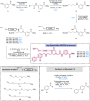
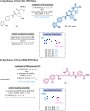
- map revealed that it remained solvent-exposed and sterically accessible, validating the design for subsequent attachment of E3-ligase ligands. With the exit vector validated, the synthesis of full PROTACs was pursued. The VH032-derived VHL ligand 21 (for full synthesis see Supporting Information File

Design and synthesis of an erdafitinib-based selective FGFR2 degrader
Beilstein J. Org. Chem. 2026, 22, 583–591, doi:10.3762/bjoc.22.44
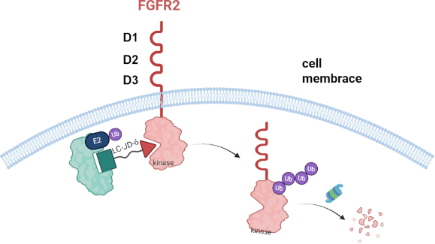
- binding to ligands, which trigger intracellular signaling cascades to activate downstream substrates and pathways [4]. This process involves PLC γ-mediated PKC activation and pFRS2-induced activation of the PI3K/AKT and MAPK/ERK pathways, thereby regulating cell proliferation, differentiation, migration
- effectively degrade FGFR2 via the proteasomal pathway, while the VHL E3 ligase-based degrader DGY-09-192 is capable of degrading both FGFR1 and FGFR2 simultaneously [40]. These findings suggest that different E3 ligase ligands may influence the selectivity and efficiency of degradation [41]. Nevertheless, due



Kinetic resolution of racemic planar-chiral vinylcymantrenes by molybdenum-catalyzed asymmetric metathesis dimerization
Beilstein J. Org. Chem. 2026, 22, 568–574, doi:10.3762/bjoc.22.42
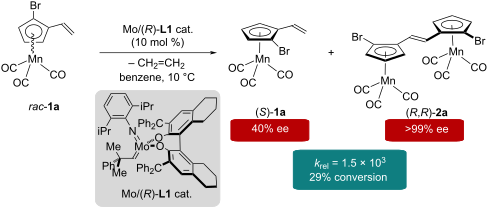
- in Figure 2) likely inhibits the effective interaction of the substrate with the chiral catalyst, resulting in highly enantioselective kinetic resolution. Cymantrene is far less electron-poor than ferrocene due to the presence of the three carbonyl ligands, which are strong π-acids, on the manganese


Molecular tweezer–peptide conjugates disrupt the protein–protein interaction between survivin and histone H3 essential in mitosis
Beilstein J. Org. Chem. 2026, 22, 557–567, doi:10.3762/bjoc.22.41
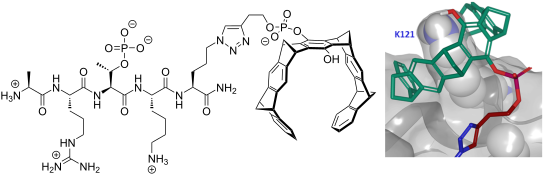
- crystal (Figure 4 and Supporting Information File 1, Figure S12). Lys-121, on the other hand, is buried in a crystal contact. Thus, the crystal packing forces together with putatively competing ligands (see below) can apparently compete successfully with the tweezer that is most likely attached to Lys-121


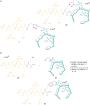


Experimental and DFT studies on the regioselective methanolysis of 5-azido-9-oxabicyclo[6.1.0]nonan-4-yl 4-nitrobenzoate isomers
Beilstein J. Org. Chem. 2026, 22, 547–556, doi:10.3762/bjoc.22.40
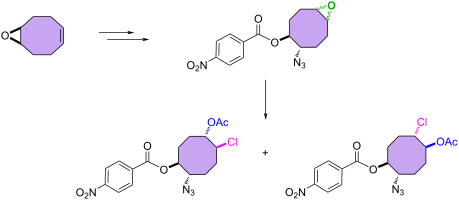
- , pharmaceutical compounds, and chiral ligands. The Lewis acid-catalyzed ring-opening reaction of cyclohexene oxide by MeZH (Z = O, S, and NH) is well known [20]. However, studies on large-sized bicyclic epoxides remain relatively limited in the published literature. In our previous study, we performed the ring


Synthesis and uranyl(VI) extraction performance of a calix[4]pyrrole–tetrahydroxamic acid receptor
Beilstein J. Org. Chem. 2026, 22, 486–494, doi:10.3762/bjoc.22.36
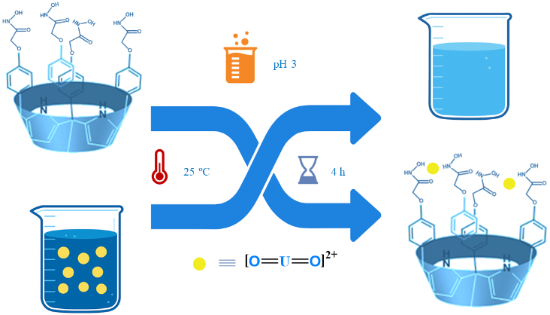
- ligands can display significantly enhanced binding toward uranyl relative to their linear hydroxamic acid counterparts, emphasizing the beneficial role of structural organization in uranyl chelation [35]. This beneficial role of pre-organization of chelating groups within one molecule was also highlighted
- pH 2 and pH 3, the extraction efficiencies remain overall comparable within experimental uncertainty, suggesting that uranyl uptake is already near maximal in this acidic region. This behavior is consistent with previous studies in which ligands displayed high uranyl uptake within an optimal pH
- window. For instance, calix[4]arene-based 8-hydroxyquinoline ligands showed nearly quantitative extraction of uranyl between pH 4 and 9, with efficiency decreasing under more acidic conditions [67]. Likewise, phosphoramide-functionalized magnetic nanoparticles showed high uranyl adsorption (80–95





