Search results
Search for "palladium" in Full Text gives 716 result(s) in Beilstein Journal of Organic Chemistry. Showing first 200.
A cascade synthesis of 2-aminothiochromones from 2-fluorophenyl ketone and thiocarbonyldiimidazole
Beilstein J. Org. Chem. 2026, 22, 1151–1159, doi:10.3762/bjoc.22.92
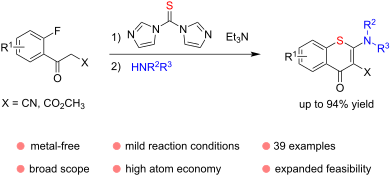
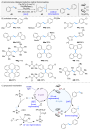
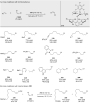
- methods, the palladium-catalyzed multicomponent synthesis has been extensively studied. This reaction typically employs aryl halides and various alkynes as substrates, with sodium sulfide serving as the sulfur source (Scheme 1a) [19][20][21]. Another well-established method is the cyclization of
- using a combined Lewis acid and palladium(II) catalyst system [29]. As a part of our ongoing efforts to synthesize versatile thiochromones, this study was to establish a more economical and efficient synthetic route. Recently, Imming and co-workers developed a method for preparing N,N-dialkylthioureas



Construction of CF2 moieties in FDA-approved drugs (2016–2025): industrial routes, mechanisms, and scale-up considerations
Beilstein J. Org. Chem. 2026, 22, 1122–1150, doi:10.3762/bjoc.22.91
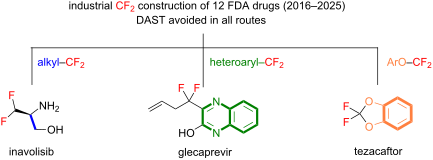
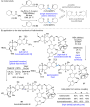
- product 99 was found to be highly prone to HF elimination under palladium-catalyzed coupling conditions. The best yield achieved by this method was only 62%, while the worst was as low as 11%. Further studies revealed that even the purified coupling product 99 decomposed by 67% within just 1 hour under






Synthesis of novel 1,2,4-oxadiazole-isoxazoline hybrids and their in silico potential with adenosine receptors
Beilstein J. Org. Chem. 2026, 22, 1033–1047, doi:10.3762/bjoc.22.82
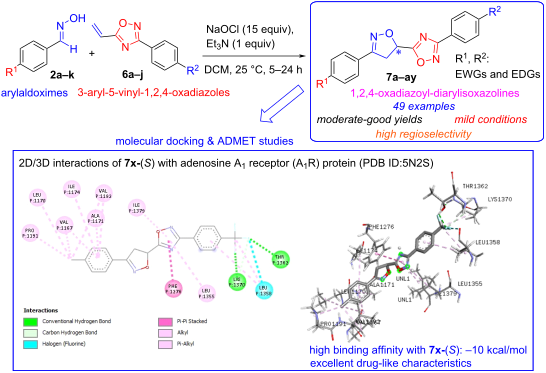
- , palladium-catalyzed reactions, anodic oxidations, transformations from other heterocycles or 1,3-dipolar cycloaddition [29][30][31][32][33][34][35][36][37][38][39][40][41][42][43][44]. For isoxazoline derivatives, the 1,3-dipolar cycloaddition (1,3-DC) of nitrile oxides serves as a fundamental synthetic


Z-Selective semihydrogenation of alkynes via Ni/Lewis acid synergistic catalyzed system using DMF as hydrogen source and solvent
Beilstein J. Org. Chem. 2026, 22, 1004–1012, doi:10.3762/bjoc.22.79
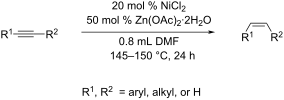
- the reaction medium to facilitate this transformation. Based on our experimental observations, well-established nickel chemistry [40][48], and relevant findings from palladium-catalyzed systems [49], we propose a plausible catalytic cycle for the NiCl2-catalyzed semihydrogenation of internal alkynes
- been documented for both nickel and palladium catalysis in prior literature [11][40][49]. Maintaining an appropriate concentration of HCOOH via its gradual release from DMF hydrolysis thus seems essential for efficient semihydrogenation, a requirement that parallels findings in related transfer



Synthesis of sterically shielded piperidine nitroxides via acid-catalyzed heterocyclization of β-aminoketone derivatives with ketones
Beilstein J. Org. Chem. 2026, 22, 948–954, doi:10.3762/bjoc.22.74
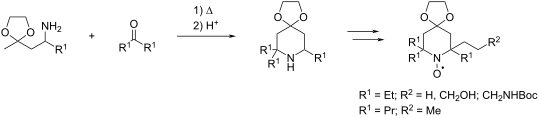
- bonds afforded the corresponding saturated derivatives 8a–d. Specifically, alkynyl derivatives 7a–c were hydrogenated with H2 over a palladium catalyst, while the allyl derivative 7d was reduced with hydrazine over Raney nickel (Scheme 4). The absence of signals corresponding to alkene protons in the 1H


Recent advances in copper-catalyzed direct hydroamination of alkenes with (hetero)aromatic amines
Beilstein J. Org. Chem. 2026, 22, 925–947, doi:10.3762/bjoc.22.73
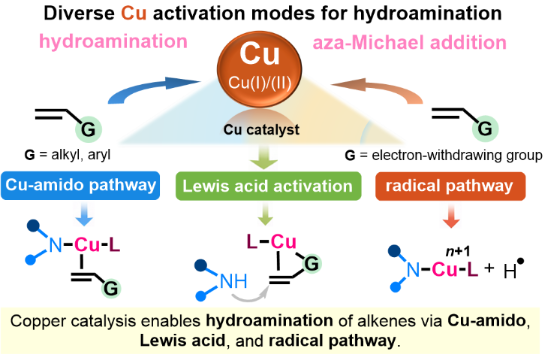
- metals such as palladium or rhodium, copper offers exceptional mechanistic versatility. The accessible Cu(I)/Cu(II)/Cu(III) redox manifold enables classical two-electron pathways and single-electron radical processes within broadly similar catalytic environments [28][29]. This flexibility is particularly







A practical CO2-mediated synthesis of 5,6-carboxylated silicon-rhodamines for targeted probe development
Beilstein J. Org. Chem. 2026, 22, 915–924, doi:10.3762/bjoc.22.72
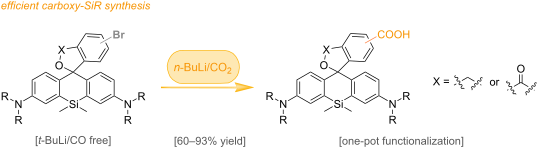
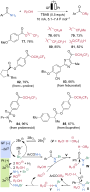
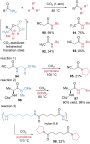
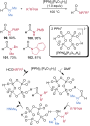
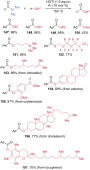
- readily available CO2, this method delivers carboxylated SiR derivatives in 60–93% yields while avoiding the use of t-BuLi, toxic CO, and expensive palladium catalysts. In addition, the crude carboxylation mixtures can be directly subjected to amide coupling without chromatographic purification, enabling
- -catalyzed carbonylation using in situ-generated CO then furnished the corresponding carboxylated SiRs in 50–90% yields. Although this approach significantly improved synthetic efficiency, it still relies on specialized setups for CO generation and expensive palladium catalysts, thereby increasing
- relatively mild conditions. Compared with previous approaches, this strategy avoids the need for specialized apparatus for in situ CO generation as well as expensive palladium catalysts, thereby significantly reducing experimental complexity and synthetic cost. Importantly, the resulting carboxylated SiR



Palladium-catalyzed benzocyclization reactions of quinoline-2-carboxamides via sequential C–H/N–H functionalization
Beilstein J. Org. Chem. 2026, 22, 905–914, doi:10.3762/bjoc.22.71
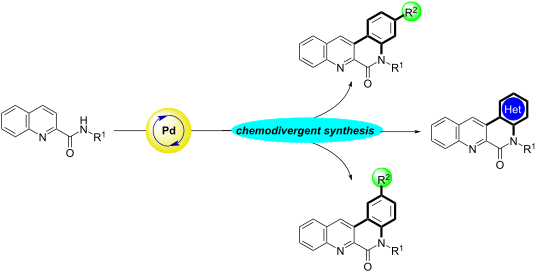
- University, 1-1 Rokkodai, Nada, Kobe 657-8501, Japan 10.3762/bjoc.22.71 Abstract A novel benzocyclization protocol has been developed for the synthesis of quinoline-fused lactams by palladium-catalyzed sequential C–H/N–H functionalization of quinoline-2-carboxamides and 1,2-dihaloarenes. The reaction
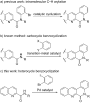
- carbon–metal species (Scheme 1a). Fagnou and co-workers reported direct arylation reactions with palladium(II) acetate to synthesize biaryl compounds via concerted metalation–deprotonation (CMD; Scheme 1b) [25][26][27]. Buchwald, Hartwig, and co-workers explored carbon–nitrogen coupling reactions that
- -metal catalysts. This can reveal their selectivity in terms of reaction position(s) in chemodivergent synthesis (Scheme 2c). The present report explores benzocyclization reactions involving sequential C–H/N–H functionalization by a palladium catalyst. Results and Discussion First, the C–H/N–H annulation




The trans-influence in gold chemistry from a catalytic perspective
Beilstein J. Org. Chem. 2026, 22, 838–856, doi:10.3762/bjoc.22.66
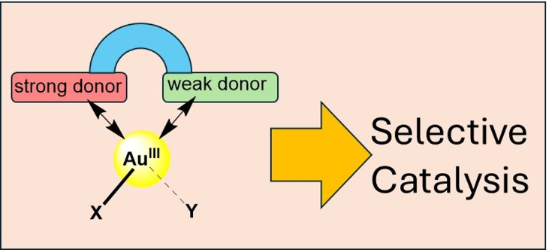
- system. Here the metal centre is subject to the effect of two good donors of about equal strength. This is the only system reported so far where gold(III) displays palladium-like reactivity, such as alkene insertions into Au–alkyl bonds and β-H elimination. The influence of C(−) and/or -PiPr2 donors
- . for the catalytic formation of trans-vinyl triflate esters (Scheme 20) [93]. The above discussion has highlighted how important the ligand trans-influence is in determining gold-catalysed reaction paths. Nickel or palladium-like reactivity, such as migratory alkene, alkyne or CO insertions into metal
- –carbon bonds, β-H eliminations or chain walking, are very much the exception and depend on strong donor ligands. In spite of its versatility in gold catalysis, the much-used MeDalPhos P^N ligand would not appear to fall into that category. Nevertheless, unusual, palladium-like reactivity has recently


Total synthesis of the capsular polysaccharide repeating unit towards the development of a glycoconjugate vaccine against Klebsiella pneumoniae ST512
Beilstein J. Org. Chem. 2026, 22, 821–827, doi:10.3762/bjoc.22.64
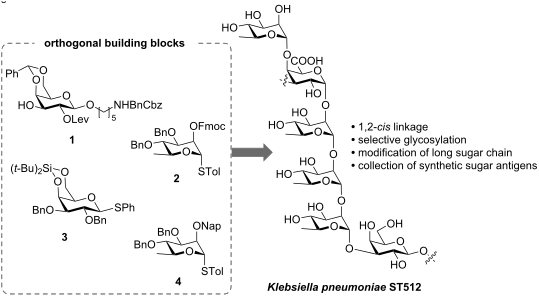
- followed by catalytic hydrogenation over palladium on carbon, affording disaccharide 21 in 47% yield over two steps. Similarly, trisaccharide 22, tetrasaccharide 23, and pentasaccharide 24 were prepared from intermediates 14, 15, and 17, respectively. The analogues 21–24, together with the repeating unit


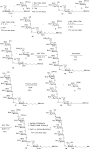
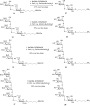
Modern synthetic pathways towards eribulin and its subunits
Beilstein J. Org. Chem. 2026, 22, 495–526, doi:10.3762/bjoc.22.37
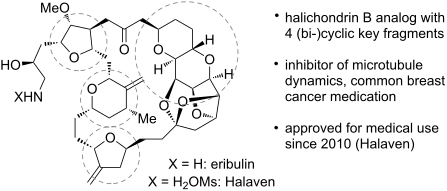
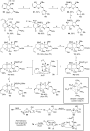
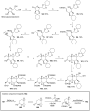
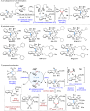
- described in Scheme 6 below (R1 and R2 in equatorial position). From 43, the methylene unit in 44 was formed by Pd(0)-mediated generation of a π-allyl–palladium intermediate, followed by reductive termination (Tsuji-reduction), alongside the substrate-controlled alignment of the adjacent methyl substituent








Synthesis and stereochemical analysis of dynamic planar chiral oxa[7]orthocyclophene
Beilstein J. Org. Chem. 2026, 22, 436–442, doi:10.3762/bjoc.22.30

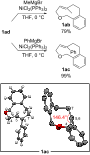
- synthetic route for the C6-iodo-substituted 1ad is shown in Scheme 2. The Heck reaction of O-TIPS-protected 5a with allyl alcohol in the presence of a palladium catalyst provided the aldehyde 4a in 78% yield [9]. The reaction of 4a with CBr4 and PPh3, followed by treatment with n-BuLi, afforded the terminal






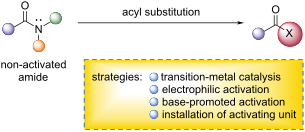
Recent advances in the cleavage of non-activated amides
Beilstein J. Org. Chem. 2026, 22, 352–369, doi:10.3762/bjoc.22.23
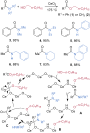
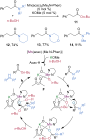
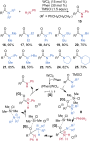
- % yield. Mechanistically, WCl6 coordinates with Phen to generate the active tungsten species [G]. In cooperation with TMSCl as a Lewis acid, the catalyst activates the amide toward nucleophilic attack by forming an electron-deficient intermediate H that readily undergoes substitution. Palladium complexes
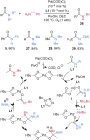
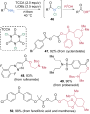
- can also serve as efficient catalysts for activating amide C–N bonds. SanMartin et al. investigated a palladium-catalyzed transamidation of non-activated amides 5, 27–29 with benzylamines, in which molecular oxygen acted as the palladium-activating agent (Scheme 6) [50]. Notably, high yields of the
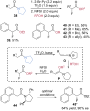
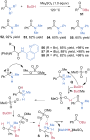
- distinct mechanistic pathways, a simplified version of which is described herein. The active catalytic species, palladium(II) pivalate, is formed in situ from Pd(COD)Cl₂ through ligand exchange with pivalic acid (PivOH). Complexation of this active Pd(II) species with ligand L1 and the amide substrate










Arene activation via π-bond localization: concepts and opportunities
Beilstein J. Org. Chem. 2026, 22, 257–273, doi:10.3762/bjoc.22.19
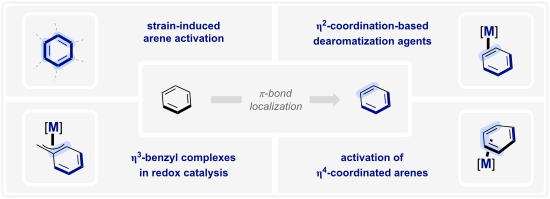
- palladium to aryl halides serving as a prominent example [41]. In addition to such fleeting intermediates, recent decades have seen the emergence of numerous well-defined metal–arene complexes, sufficiently stable to enable systematic exploration of their rich and versatile organic chemistry. η2
- induces localization within the aromatic ring, resulting in a residual diene motif, a phenomenon reflected in the alternating C–C bond lengths of the ring [69]. Over the past decades, this coordination mode has been explored across a spectrum of transition metals, with palladium and nickel serving as the
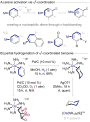
- early example was reported by Stille and co-worker in 1978, who elegantly demonstrated the formation of an η3-benzyl–palladium complex via oxidative addition of Pd(0) to a benzyl halide (Scheme 5C) [73]. Detailed stereochemical and NMR analyses revealed a temperature- and solvent-dependent equilibrium




Configuration–packing synergy enabling integrated crystalline-state RTP and amorphous-state TADF
Beilstein J. Org. Chem. 2026, 22, 224–236, doi:10.3762/bjoc.22.16
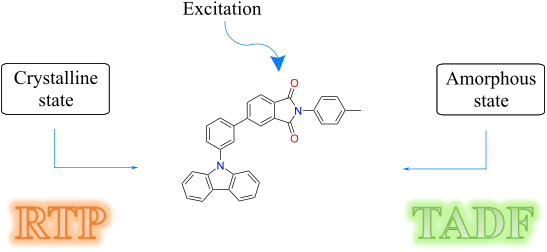
- stacking facilitates TADF" forms the core principle governing triplet exciton diversion and regulation in this molecular system. Experimental Materials 4-Bromophthalic anhydride (2), 4-methylaniline (p-toluidine, 3), and tetrakis(triphenylphosphine)palladium(0) were purchased from Aladdin Biochemical
- carbonate (K2CO3) with a concentration of 1 g/mL (3 mL) was added. Subsequently, tetrakis(triphenylphosphine)palladium(0) (0.07 g, 0.06 mmol) was introduced to the reaction mixture to promote the coupling reaction. The mixture was then heated to reflux and maintained at this temperature for an overnight


Screwing the helical chirality through terminal peri-functionalization
Beilstein J. Org. Chem. 2026, 22, 205–212, doi:10.3762/bjoc.22.14
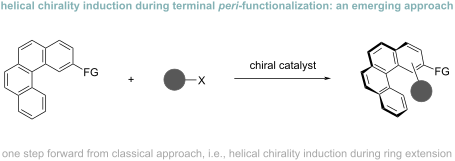
- corresponding amine followed by N-tosylation, providing product 10 in 63% yield without altering the enantiomeric excess (Scheme 4). Additionally, product 8g was converted into the chiral phosphine ligand 12 while fully preserving its helical chirality and successfully applied in palladium-catalyzed


Total synthesis of natural products based on hydrogenation of aromatic rings
Beilstein J. Org. Chem. 2026, 22, 88–122, doi:10.3762/bjoc.22.4
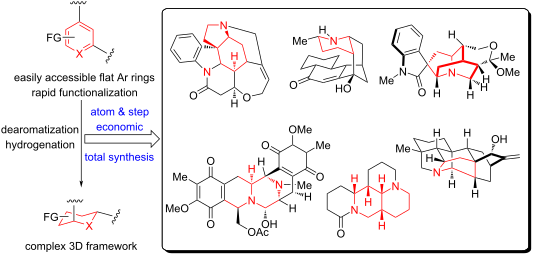
- -art systems depend on expensive transition metals such as platinum, ruthenium, or palladium, inflating the cost of large-scale applications. In addition, precious-metal catalysts often display poor selectivity, while heteroatoms in heteroarenes – acting as Lewis bases – tend to coordinate to the metal
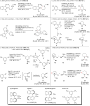
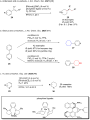
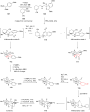
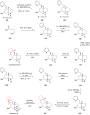
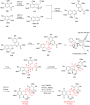
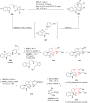
- 53 while retaining the benzene ring structure using an iridium catalyst to selectively hydrogenate indoles and benzofurans (Scheme 7) [59]. The hydrogenated products were obtained in 90% yield with 98% ee on average. In 2024, Yin and co-workers reported an innovative palladium-catalyzed asymmetric
- achieved the first total synthesis of the hepta-ring-containing natural product (±)-nominine applying a palladium-catalyzed intramolecular α-acylation and Birch reduction as key steps (Scheme 14) [81][82]. Starting with a simple trisubstituted benzene 97, they obtained the ketal 98 in 39% yield over six











Advances in Zr-mediated radical transformations and applications to total synthesis
Beilstein J. Org. Chem. 2026, 22, 71–87, doi:10.3762/bjoc.22.3
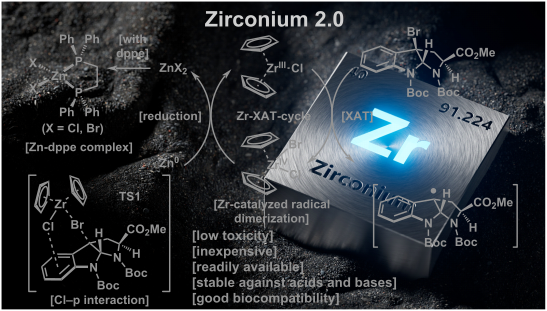
- from silicate minerals (ZrSiO4) in igneous rocks, which are widely distributed in the Earth's crust. Consequently, compared with certain rare metals whose sources are limited – such as iridium, rhodium, palladium, platinum, and ruthenium – zirconium is relatively inexpensive and readily available
- for heteroatoms – that offer the potential to enable chemical transformations previously unsolved. Nevertheless, compared to other transition metals like nickel and palladium, the development of zirconium-based catalysis is still in its early stages, leaving ample room for further exploration. The








Synthesis and applications of alkenyl chlorides (vinyl chlorides): a review
Beilstein J. Org. Chem. 2026, 22, 1–63, doi:10.3762/bjoc.22.1
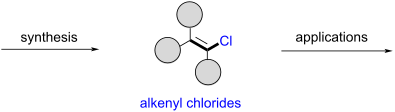
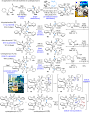
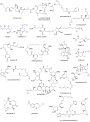
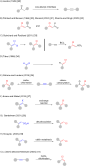
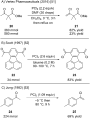
- alkenyl chlorides. The discussion begins with reductive metalation, reactions with organolithium reagents, and eliminations to terminal alkynes – some of which are also exemplified in chapter 1. This is followed by palladium- and nickel-catalyzed cross-coupling reactions. The chapter concludes with a
- review by Evano should be consulted [37]. In 2010, Buchwald and co-workers reported a palladium-catalyzed transformation of vinyl triflates to alkenyl chlorides (Scheme 22A) [78]. An improved variant of this methodology was published the following year (Scheme 22B) [79]. Independently, in 2009, Hayashi
- -dichloroethylene) to achieve selective monocoupling reactions catalyzed by nickel with Grignard reagents (Scheme 51C) [176]. Building on Sonogashira's findings [177], Linstrumelle also documented the first monoselective coupling of 1,2-dichloroethylenes with alkynes using palladium catalysis (Scheme 51C). Organ























Total synthesis of asperdinones B, C, D, E and terezine D
Beilstein J. Org. Chem. 2025, 21, 2730–2738, doi:10.3762/bjoc.21.210
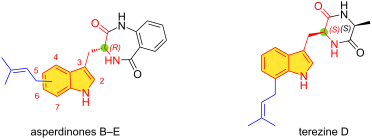
- 94% yield using CPhos-Pd-G3 as the palladium pre-catalyst (Scheme 1) [31]. However, under the same reported conditions only the unreacted starting material was recovered. In an isolated example, C-7 allylation of 7 was reported via a Stille coupling protocol to give 8 (Scheme 1) [32]. As an


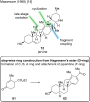
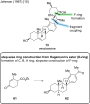
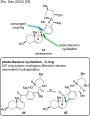
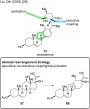
Recent advancements in the synthesis of Veratrum alkaloids
Beilstein J. Org. Chem. 2025, 21, 2657–2693, doi:10.3762/bjoc.21.206



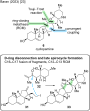

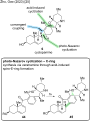
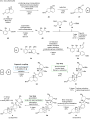
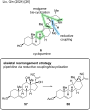






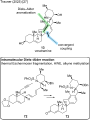

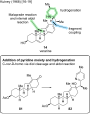


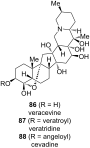


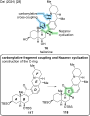

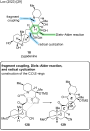
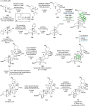
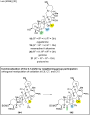
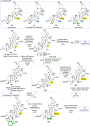
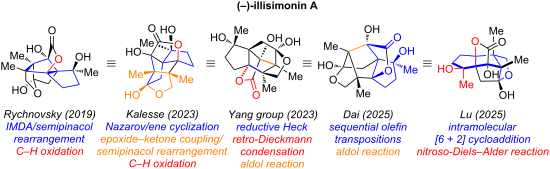
Recent advances in total synthesis of illisimonin A
Beilstein J. Org. Chem. 2025, 21, 2571–2583, doi:10.3762/bjoc.21.199
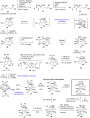
- deketalization afforded carbonate 58. A palladium-catalyzed decarboxylative alkenylation reaction was then carried out across the less hindered face of the six-membered ring to connect C5 and C6. Selective deprotonation and triflation at the C4 carbonyl group provided enol triflate 59. An intramolecular
- triflate formation followed by a palladium-catalyzed coupling reaction with AlMe3. The carbonyl group at C8, required for the subsequent aldol reaction, was introduced by enolate oxidation followed by Jones oxidation. Hydrolysis of the ketal at C11 afforded ketoester 64. A TBD (1,5,7-triazabicyclo[4.4.0
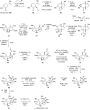
- , generating an allylic alcohol that was acetylated in situ to provide 74. An Ireland–Claisen rearrangement facilitated the third olefin transposition, concurrently forming an all-carbon quaternary center at C9 and affording carboxylic acid 75. The fourth olefin transposition was achieved via a palladium






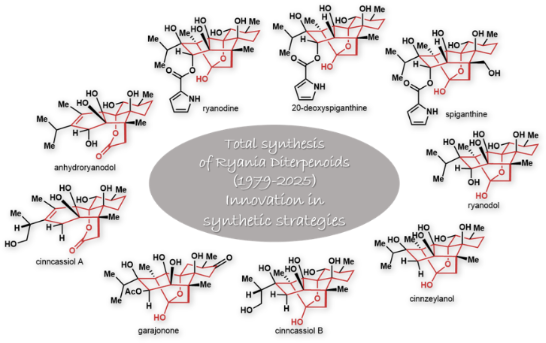
Total syntheses of highly oxidative Ryania diterpenoids facilitated by innovations in synthetic strategies
Beilstein J. Org. Chem. 2025, 21, 2553–2570, doi:10.3762/bjoc.21.198
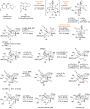
- Zhao group employed a similar two-phase strategy to achieve the first total synthesis of the Ryania diterpenoid garajonone (8) in 2025 [56] (Scheme 10). Key achievements of this synthesis include: (1) application of palladium-catalyzed Heck/carbonylative cascade cyclization to efficiently construct the
- ). The synthesis commenced with the preparation of key cyclization precursor 98 via Barbier coupling and Babler–Dauben oxidative rearrangement. A pivotal palladium-catalyzed Heck/carbonylative cyclization then efficiently furnished the ABC tricyclic core 99. Notably, adding N-formylsaccharin under a CO
- atmosphere significantly suppressed side reactions, yielding the cyclized product in excellent yield and selectivity. This indicates that N-formylsaccharin, beyond acting as a CO-releasing agent, may function as a ligand in the catalytic cycle to regulate the palladium catalyst’s activity and stability







Palladium-catalyzed regioselective C1-selective nitration of carbazoles
Beilstein J. Org. Chem. 2025, 21, 2479–2488, doi:10.3762/bjoc.21.190
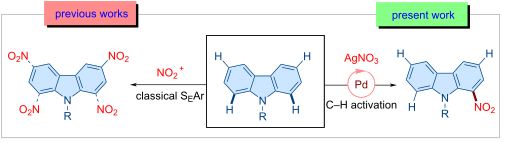
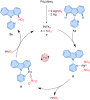
- challenging due to the inherently higher reactivity at the C3/C6 positions. In this study, we report a palladium-catalyzed, directing group-assisted, regioselective C1–H nitration of carbazoles. The protocol features a removable directing group and is amenable to gram-scale synthesis. This strategy provides a
- ; palladium; Introduction Carbazole represents an important heterocyclic scaffold that is broadly present in many natural products, biologically active motifs, as well as optoelectronic and functional materials [1][2][3][4][5][6][7][8]. By virtue of its substantial application in various fields, significant
- nitration of carbazole is highly desirable [68][69]. In this context, we envisioned utilizing a directing group-assisted regioselective C–H activation strategy to achieve the C1-selective nitration of carbazole. Through our efforts, we identified a palladium-catalyzed reaction system for C1 nitration of


Recent advances in Norrish–Yang cyclization and dicarbonyl photoredox reactions for natural product synthesis
Beilstein J. Org. Chem. 2025, 21, 2315–2333, doi:10.3762/bjoc.21.177
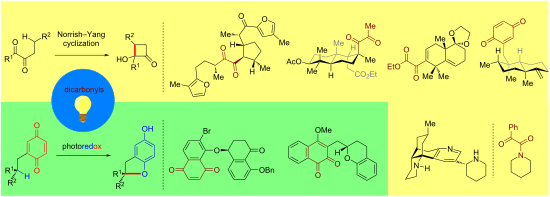
- to construct a β-lactam, an α-metallated piperidine equivalent, overcoming poor yields and stereoselectivity in traditional methods. Its palladium-catalyzed cross-coupling with 2-bromolycodine via β-lactam C–C cleavage enabled stereoretentive coupling, efficiently synthesizing lycoplatyrine A and its