Search results
Search for "DNA" in Full Text gives 410 result(s) in Beilstein Journal of Organic Chemistry. Showing first 200.
Chemical structure metagenomics of microbial natural products: surveying nonribosomal peptides and beyond
Beilstein J. Org. Chem. 2024, 20, 3050–3060, doi:10.3762/bjoc.20.253
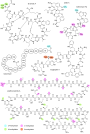
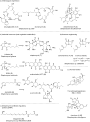
- metagenomics uses genetically tractable model organisms, such as Escherichia coli or Streptomyces albus, to express DNA extracted from the environment and then screen for the phenotype of interest [23][24]. This approach was used to identify BGCs that produce antibiotics, pigments, compounds that alter the
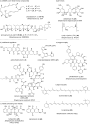
- contrast to BGF only being amenable to actively expressed BGCs in readily cultured microorganisms, there are very few pre-requisites to DNA sequencing, and therefore GB1 represents a (nearly) even sampling of the universe of microbial biosynthetic diversity. Jian et al. applied A domain prediction


Synthesis of benzo[f]quinazoline-1,3(2H,4H)-diones
Beilstein J. Org. Chem. 2024, 20, 2708–2719, doi:10.3762/bjoc.20.228
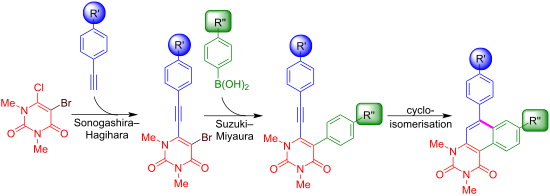
- was studied by UV–vis and fluorescence spectroscopy. Keywords: cross-coupling; cyclization; heterocycles; palladium; Introduction Nucleobases contain the coded information and give DNA and RNA their typical structure. As a nucleobase, uracil is involved in numerous vital processes and is therefore a
- promising target and candidate for the development of new drugs against a wide range of diseases [1][2][3][4]. As it is not contained in the DNA, it could be used to distinguish between DNA and RNA-based pharmaceutical targets. In previous years, uracil has been successfully used in the development of




Hypervalent iodine-mediated cyclization of bishomoallylamides to prolinols
Beilstein J. Org. Chem. 2024, 20, 2455–2460, doi:10.3762/bjoc.20.209
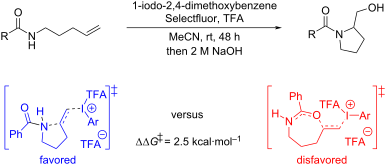
- , reaction conditions were developed, and the scope of this cyclization studied. Keywords: cyclization; DFT; hypervalent iodine; mechanism; proline; Introduction Proline is one of the 20 DNA-encoded proteinogenic amino acids that are essential to life [1][2]. In addition, the pyrrolidine core is present in


Cell-free protein synthesis with technical additives – expanding the parameter space of in vitro gene expression
Beilstein J. Org. Chem. 2024, 20, 2242–2253, doi:10.3762/bjoc.20.192
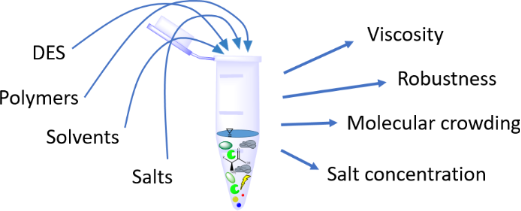
- on the metabolism [6]. Furthermore, protein synthesis takes only a few hours [7], making the process very fast compared to heterologous expression. CFPS relies on the transcription and translation (TX-TL) system of the donor organism [8]. In addition, the reaction solution contains the DNA-template
- , 1.5 mM ATP and GTP, 0.9 mM CTP and UTP, 0.2 mg/mL tRNA, 0.26 mM CoA, 0.33 mM NAD, 0.75 mM cAMP, 0.068 mM folinic acid, 1 mM spermidine, 30 mM 3-PGA, 2% PEG-8000, and 1 nM plasmid DNA. Reactions were incubated for 4 h at 37 °C with no shaking. Resulting fluorescence intensities were measured from 2 µL
- set the final concentration in the reaction to 0.5, 0.75, 1 and 2% w/v. All reactions were prepared in triplicates with an additional negative control without the addition of DNA. For all reactions with additives a triplicate of the standard composition was run at the same time and with the same cell

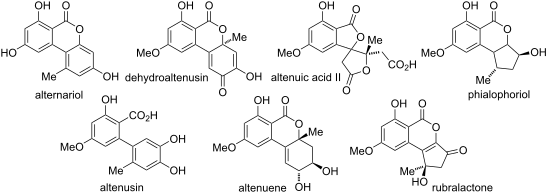
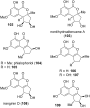
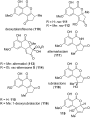
Natural resorcylic lactones derived from alternariol
Beilstein J. Org. Chem. 2024, 20, 2171–2207, doi:10.3762/bjoc.20.187
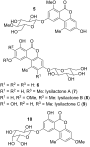
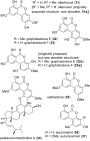
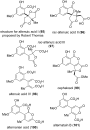
- , preferentially affecting the IIα isoform [88], where on the other hand the damage turned out to be repaired in less than two hours [89]. Its induction of oxidative stress leading to DNA damage [90][91][92][93] and its causing cell cycle arrest, apoptosis, and changing the cell morphology further contribute to
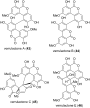
- hepatoma cells dependent on the aryl hydrocarbon receptor [96], and significantly increased the rate of DNA strand breaks in human carcinoma cells (HT29, A431) at concentrations ≥1 μM [88]. A reported mutagenicity against Salmonella typhimurium strains TA98 [80] was later revised and attributed to
- contamination with the strongly mutagenic altertoxins [82][83]. When administered to rats, AME induced gene mutations, chromosome breakage, and DNA damage [114]. AME turned out to be active against bacteria (Bacillus subtilis, Staphylococcus haemolyticus, Agrobacterium tumefaciens, Pseudomonas lachrymans










Computational toolbox for the analysis of protein–glycan interactions
Beilstein J. Org. Chem. 2024, 20, 2084–2107, doi:10.3762/bjoc.20.180
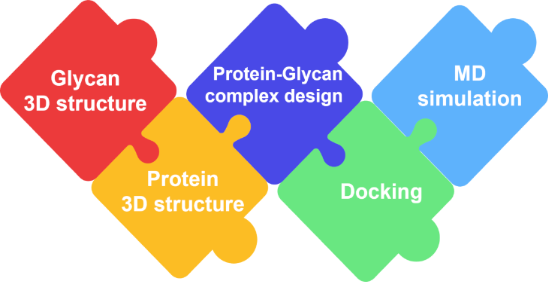
- is a docking (not free) program that models interactions between proteins and other biomolecules such as DNA, RNA, and small ligands. Originally designed for protein docking, it has been successfully adapted for GAGs due to its coarse-grained force field approach, which allows for protein flexibility


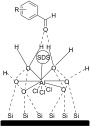
Understanding X-ray-induced isomerisation in photoswitchable surfactant assemblies
Beilstein J. Org. Chem. 2024, 20, 2005–2015, doi:10.3762/bjoc.20.176
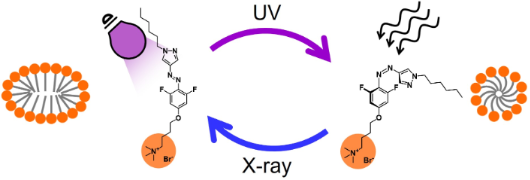
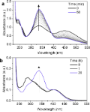
- hydrophilicity [6]. This, in turn, affects the interfacial and self-assembly properties of the PS [4][5][6]. The uniquely tuneable properties of these photoswitchable molecules have led to their successful application in areas such as DNA compaction [8], photorheological fluids [9][10] and micellar catalysis [11



Negishi-coupling-enabled synthesis of α-heteroaryl-α-amino acid building blocks for DNA-encoded chemical library applications
Beilstein J. Org. Chem. 2024, 20, 1922–1932, doi:10.3762/bjoc.20.168
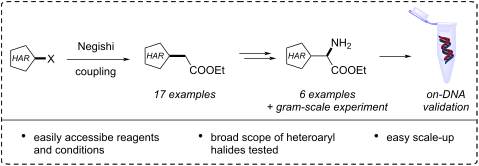
- crucial function in many biological processes. Due to their bifunctional character, they have been also used for combinatorial chemistry purposes, such as the preparation of DNA-encoded chemical libraries. We developed a practical synthesis for α-heteroaryl-α-amino acids starting from an array of small
- heteroaromatic halides. The reaction sequence utilizes a photochemically enhanced Negishi cross-coupling as a key step, followed by oximation and reduction. The prepared amino esters were validated for on-DNA reactivity via a reverse amidation–hydrolysis–reverse amidation protocol. Keywords: amino acids; DEL
- ; flow chemistry; Negishi; on-DNA chemistry; Introduction DNA-encoded chemical library (DEL) technology is a powerful tool for hit identification [1][2]. DELs are chemically synthesized libraries in which every member is covalently attached to a unique DNA sequence serving as a molecular “barcode” [3




The Groebke–Blackburn–Bienaymé reaction in its maturity: innovation and improvements since its 21st birthday (2019–2023)
Beilstein J. Org. Chem. 2024, 20, 1839–1879, doi:10.3762/bjoc.20.162
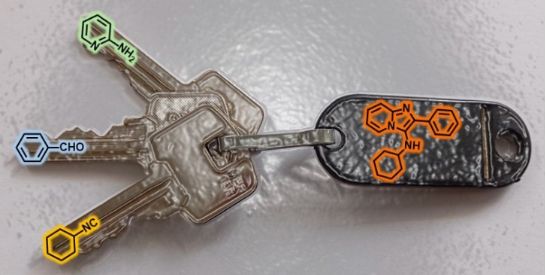
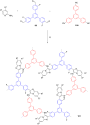
- allow the reaction to take place under the mildest possible conditions. This search goes in parallel with the urge to use increasingly diverse and complex building blocks, up to and including DNA conjugates, which would be degraded under the classical conditions developed by Groebke, Blackburn and
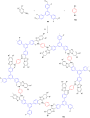
- . Brunschweiger et al. employed the compartmentation strategy to overcome synthetic problems related to the preparation of a DNA-encoded GBB library [17]. DNA-encoded libraries (DELs) are widely used in screening projects, allowing the synthesis of a huge number of compounds as pools, and the identification of
- active ones by DNA sequencing. Great challenges, however, characterize the synthetic methodologies, since the chemistry must display a broad scope, be compatible with water and operationally simple, and preserve the genetic information (i.e., no harsh conditions, strongly acidic pHs, no oxidants or Lewis






Hetero-polycyclic aromatic systems: A data-driven investigation of structure–property relationships
Beilstein J. Org. Chem. 2024, 20, 1817–1830, doi:10.3762/bjoc.20.160
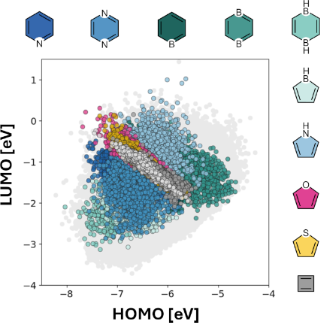
- prevalent classes of molecules known to humankind; indeed, it is estimated that two-thirds of known molecules contain (or are themselves) an aromatic moiety [1]. In addition to their presence in naturally occurring molecules, such as DNA and proteins, they have also been harnessed for various uses, ranging



Syntheses and medicinal chemistry of spiro heterocyclic steroids
Beilstein J. Org. Chem. 2024, 20, 1713–1745, doi:10.3762/bjoc.20.152
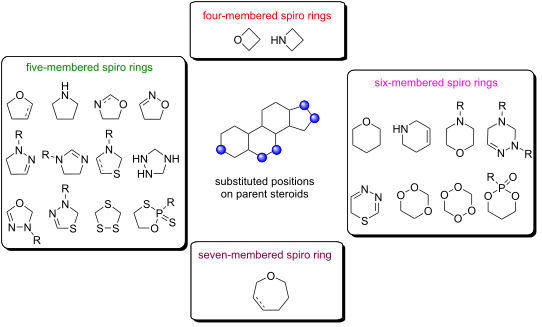
- . Chromatographic purification was not required post-reaction. Some spiro products exhibited high binding affinity towards DNA, while others showed good cytotoxicity against different cancer cells (A545, MCF-7, HeLa, HL-60, SW480, HepG2, HT-29, and A549) with IC50 values within the micromolar range (2.18–18.54 µM
- synthesized compounds were evaluated for their DNA binding properties and screened for cytotoxicity against leukemia cancer cells (Jurkat), demonstrating IC50 values in the micromolar range (14.2 to 36.5 µM). Importantly, these derivatives exhibited minimal toxicity toward normal cells (PBMCs). Furthermore


Methyltransferases from RiPP pathways: shaping the landscape of natural product chemistry
Beilstein J. Org. Chem. 2024, 20, 1652–1670, doi:10.3762/bjoc.20.147
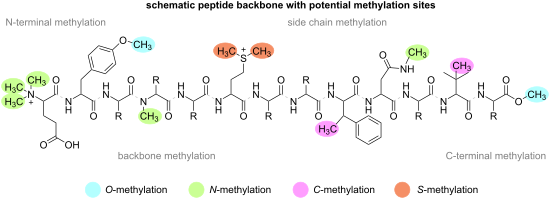
- pathways Methyltransferases can be classified based on various factors, such as their substrates (small molecule MTs, protein MTs, or RNA/DNA MTs), the atom that accepts the methyl group (oxygen = O-MTs, nitrogen = N-MTs, carbon = C-MTs, sulphur = S-MTs, or halide = H-MTs), metal or cofactor dependence
- acceptor molecules such as the polyketide rapamycin [31] or DNA [143]. The use of RiPP MTs with SAM supply or SAM regeneration systems has the potential to greatly increase chemical diversity of RiPP natural products. The addition of alternative alkyl groups onto peptide substrates could further expand the





Polymer degrading marine Microbulbifer bacteria: an un(der)utilized source of chemical and biocatalytic novelty
Beilstein J. Org. Chem. 2024, 20, 1635–1651, doi:10.3762/bjoc.20.146
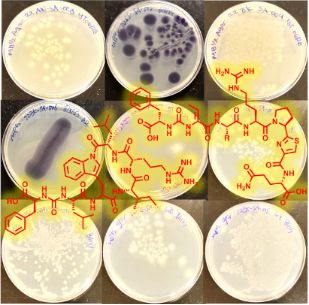
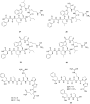
- pseudobulbiferamides in Microbulbifer and pseudovibriamides in Pseudovibrio are quite similar and are located on plasmids, rather than chromosomal DNA. With the observation that Pseudovibrio and Microbulbifer co-inhabit commensal microbiomes of marine animals, it is tantalizing to speculate that this plasmid borne BGC




Cofactor-independent C–C bond cleavage reactions catalyzed by the AlpJ family of oxygenases in atypical angucycline biosynthesis
Beilstein J. Org. Chem. 2024, 20, 1198–1206, doi:10.3762/bjoc.20.102
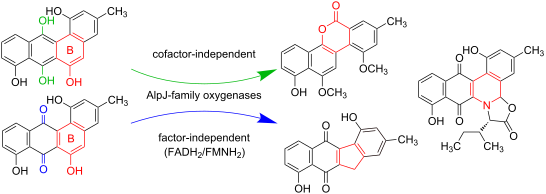
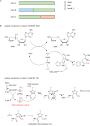
- biosynthesis of fluostatins involves analogous B-ring cleavage and contraction steps as observed in kinamycin biosynthesis [2][13][19][26]. A sequence analysis of a reported fluostatin biosynthetic gene cluster in reassembled environmental DNA identified Flu17 as the putative ring opening oxygenase [8]. The N
- , have been identified as cofactor-independent oxygenases [24][29][37][40][41]. Our discoveries broaden the landscape of cofactor-independent oxygenases. Experimental Materials, culture conditions, and DNA manipulations The substrates 8 and 1 were purified from the reaction mixture of AlpG and the
- cultures of S. ambofaciens ΔΔalpJW, respectively, as previously described [11][25]. E. coli strains were grown in lysogeny broth (LB) [42]. Restriction enzymes, T4 DNA ligase, and KOD DNA polymerase were purchased from New England BioLabs. FAD and NADPH were purchased from Sigma-Aldrich. DNA manipulation




Synthesis of 1,4-azaphosphinine nucleosides and evaluation as inhibitors of human cytidine deaminase and APOBEC3A
Beilstein J. Org. Chem. 2024, 20, 1088–1098, doi:10.3762/bjoc.20.96
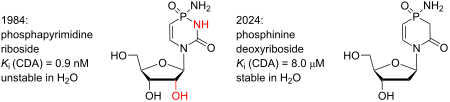
- conditions, the charge-neutral phosphinamide was unstable, which prevented the incorporation into DNA using conventional DNA chemistry. In contrast, the negatively charged phosphinic acid derivative was incorporated into DNA instead of the target 2'-deoxycytidine using an automated DNA synthesiser, but no
- activation-induced deaminase (AID) and APOBEC3 (A3), act preferentially on single-stranded DNA (ssDNA) containing one or multiple cytosine residues. Although some action was detected on RNA, none was observed on cytidine or cytosine alone. Each cytosine or cytidine deaminase has an important biological
- partially localised in the nucleus of cells and, in cancer cells, become genotoxic [24]. A3A and A3H are single-domain enzymes, whereas A3B is a double-domain enzyme, in which only the C-terminal domain (CTD) has catalytic activity, and the N-terminal domain (NTD) is responsible for binding of DNA and for


A Diels–Alder probe for discovery of natural products containing furan moieties
Beilstein J. Org. Chem. 2024, 20, 1001–1010, doi:10.3762/bjoc.20.88
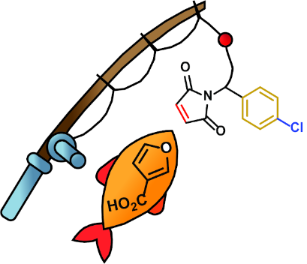
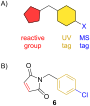
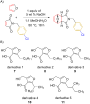
- methylenomycin A. Specifically, an MMF binds to the TetR family transcriptional repressor (TFTR) resulting in the complex being released from the DNA ultimately allowing for gene transcription and production of enzymatic machinery necessary for the biosynthesis of methylenomycin A [6][7]. To date, there have




Synthesis and properties of 6-alkynyl-5-aryluracils
Beilstein J. Org. Chem. 2024, 20, 898–911, doi:10.3762/bjoc.20.80
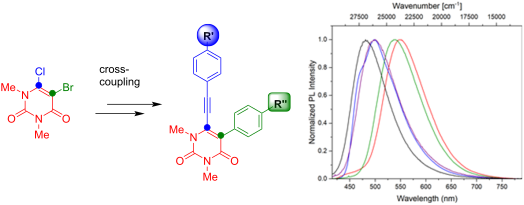
- therefore plays a very important role in many vital biological processes in the human body and other life forms. Uracil is rarely found in DNA, due to its lower stability and mutagenic properties when mismatched with guanine [2][3][4][5]. This fact can be used to differentiate between RNA and DNA-dependent





Synthesis and characterization of water-soluble C60–peptide conjugates
Beilstein J. Org. Chem. 2024, 20, 777–786, doi:10.3762/bjoc.20.71
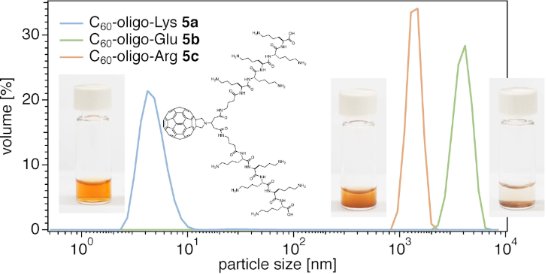
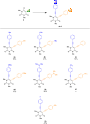
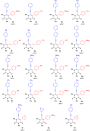
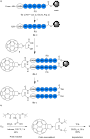
- and nonionic polymer, poly(vinylpyrrolidone) (PVP) [25] and applied these to several in vitro biological assays to report DNA photocleavage [26] and related ROS generation [27][28], antimicrobial photoactivity [29], chondrogenesis-promoting activity [30][31], photocytotoxicity [32][33], and GST enzyme




Methodology for awakening the potential secondary metabolic capacity in actinomycetes
Beilstein J. Org. Chem. 2024, 20, 753–766, doi:10.3762/bjoc.20.69
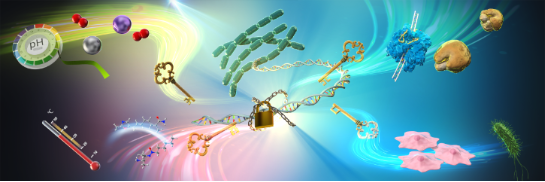
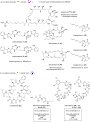
- et al. applied a fluorescence-based DNA cleavage assay coupled with HiTES to Streptomyces clavuligerus and identified the steroid 11α-hydroxyprogesterone (14) as an effective elicitor and characterized 10 cryptic enediyne-derived natural products, designated clavulynes A (15) and B–J with unusual


Genome mining of labdane-related diterpenoids: Discovery of the two-enzyme pathway leading to (−)-sandaracopimaradiene in the fungus Arthrinium sacchari
Beilstein J. Org. Chem. 2024, 20, 714–720, doi:10.3762/bjoc.20.65
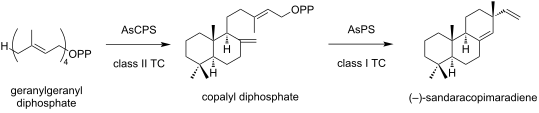
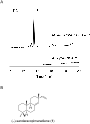
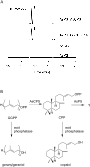
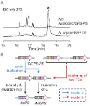
- fungal natural products and biosynthetic machineries have been conducted, leading to the discovery of various new natural products and enzymes [19][20][21][22][23][24][25][26][27]. Although fungal LRDs are a biologically and pharmaceutically important class of natural products including DNA polymerase α


New variochelins from soil-isolated Variovorax sp. H002
Beilstein J. Org. Chem. 2024, 20, 692–700, doi:10.3762/bjoc.20.63
- % EtOH, dried, and dissolved in TE buffer. The extracted genomic DNA was quantified by a Qubit v3.0 fluorometer (Life Technologies, Thermo Fisher Scientific, Inc.). The Variovorax sp. H002 genome was sequenced by a DNBSEQ for short-lead sequencing and an Oxford nanopore GridION X5 for long-lead
- sequencing. For the short-lead sequencing, the library was prepared using 100 ng of the gDNA with an MGIEasy FS DNA Library Prep Set (MGI), following the manufacturer’s protocol. The gDNA was fragmented enzymatically to approximately 400 bp. As a result of sequencing (150 bp × 2) and quality filtering (Q
- library preparation with a Ligation Sequencing Kit (SQK-LSK 109), following the 1D genomic DNA by ligation protocol. The library was applied to a MinION flowcell (FLO MIN106 R9.41revD) operated by the MinKNOW (20.06.9) software, and then processed by Guppy basecaller (4.0.11) in the high accuracy mode. As


Chemical and biosynthetic potential of Penicillium shentong XL-F41
Beilstein J. Org. Chem. 2024, 20, 597–606, doi:10.3762/bjoc.20.52
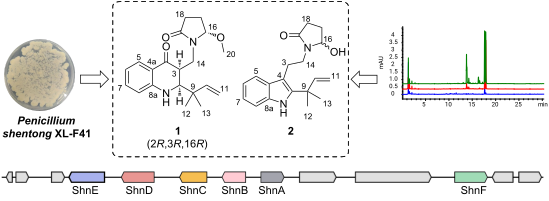
- activate the BGCs of this strain, we employed a combination of elicitors in our fermentation media, including histone deacetylase inhibitors and DNA methyltransferase inhibitors. We developed two specialized media, XISR I and XISR III, which outperformed the traditional potato dextrose broth (PDB) in




A myo-inositol dehydrogenase involved in aminocyclitol biosynthesis of hygromycin A
Beilstein J. Org. Chem. 2024, 20, 589–596, doi:10.3762/bjoc.20.51
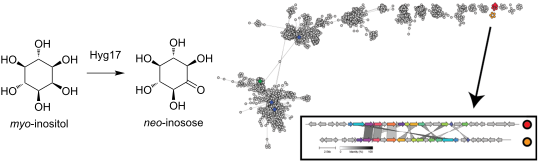
- restriction sites and verified by DNA sequencing (Eurofins Genomics). pTip-QC1-hyg17 plasmid [10] was transformed into Rhodococcus jostii RHA1 [11]. Cultures were grown in Luria Bertani (LB) media supplemented with 34 µg mL−1 chloramphenicol at 30 °C while shaking at 200 rpm for 48 h reaching an OD600 of ≈1.4


A new analog of dihydroxybenzoic acid from Saccharopolyspora sp. KR21-0001
Beilstein J. Org. Chem. 2024, 20, 497–503, doi:10.3762/bjoc.20.44
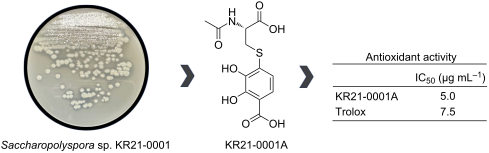
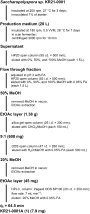
- Island, Ou, Kumejima, Shimajiri District, Okinawa, Japan. Genomic DNA was prepared, and the 16S rRNA gene was amplified by PCR using the method of Inahashi and co-workers [23]. The sequencing analysis was performed by Eurofins Genomics. Similarity of 16S rRNA gene sequence was computed by using



Green and sustainable approaches for the Friedel–Crafts reaction between aldehydes and indoles
Beilstein J. Org. Chem. 2024, 20, 379–426, doi:10.3762/bjoc.20.36
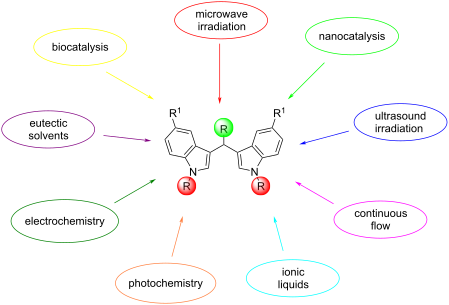
- ]. DIM has also been found to initiate the expression of tumor suppressing proteins (ATM, p21, p27kip), which control cell growth and protect cells against ionizing radiation, which can cause DNA mutations, decreasing the overall risk of breast cancer [1][5][6]. The cytotoxicity of DIM and BIMs in
- antiviral properties. BIMs function as selective antibacterial agents against several virulent Escherichia coli (E. coli) strains, which can cause many gut and urinary tract infections. They act by damaging DNA molecules and inhibiting their replication in bacteria, while also targeting the proteins that
- infects a great number of agricultural plants, causing great harm to production by evolving to resist most of the existing drugs. Thus, BIMs have emerged as a new natural alternative class of antiviral agents, surpassing commonly used drugs such as ribavirin that has been observed to damage the DNA