Search results
Search for "azide–alkyne" in Full Text gives 139 result(s) in Beilstein Journal of Organic Chemistry.
Synthesis of novel alkynyl imidazopyridinyl selenides: copper-catalyzed tandem selenation of selenium with 2-arylimidazo[1,2-a]pyridines and terminal alkynes
Beilstein J. Org. Chem. 2022, 18, 863–871, doi:10.3762/bjoc.18.87
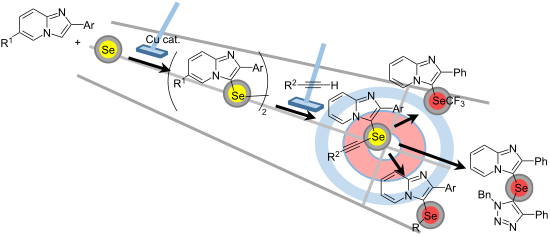
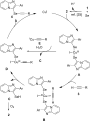
- reagents and 1,3-dipolar azide–alkyne cycloaddition based on the alkyne moiety. Keywords: alkynyl imidazopyridinyl selenide; copper catalyst; imidazo[1,2-a]pyridine; selenium; tandem reaction; terminal alkyne; Introduction Imidazo[1,2-a]pyridines are important heterocycles that serve as key functional
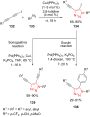
- –Prakash reagent (TMSCF3) in the presence of Cs2CO3 as base in MeCN at 0 °C gave product 7 with a trifluoromethyl group. Stefani et al. reported the 1,3-dipolar azide–alkyne cycloaddition (AAC) of organotellanyl alkynes with organic azides in the presence of a copper reagent to form 5-organotellanyl-1,2,3
- regioselective 1,3-dipolar azide–alkyne cycloaddition to form 5-selanyl-1,2,3-triazole. The investigation of the biological activity of the compounds obtained in this study and the application of this synthesis route using other heterocycles, instead of imidazopyridine, are currently underway in our laboratory



Anomeric 1,2,3-triazole-linked sialic acid derivatives show selective inhibition towards a bacterial neuraminidase over a trypanosome trans-sialidase
Beilstein J. Org. Chem. 2022, 18, 208–216, doi:10.3762/bjoc.18.24
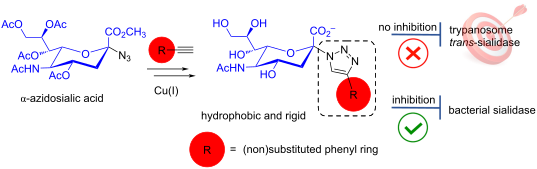
- sialic acid derivatives in good yields and high purity via copper-catalysed azide–alkyne cycloaddition (CuAAC, click chemistry) and evaluated their activity towards TcTS and neuraminidase. Surprisingly, the compounds showed practically no TcTS inhibition, whereas ca. 70% inhibition was observed for
- ) has also been introduced at C-2 of α-triazole-linked sialic acid derivatives modified at C-9 as ligands for the transmembrane glycoprotein CD22 [21]. In this sense, we have synthesised a small series of 1,2,3-triazole-linked sialic acid derivatives via copper-catalysed azide–alkyne cycloaddition
- 3a–h via copper-catalysed azide–alkyne cycloaddition (CuAAC) from the key intermediate 1 (B). TcTS and neuraminidase hydrolase activity (A) as well as TcTS transferase activity (B) in the presence of an acceptor substrate. TcTS and neuraminidase inhibition by 1,2,3-triazole-linked sialic acid



Exfoliated black phosphorous-mediated CuAAC chemistry for organic and macromolecular synthesis under white LED and near-IR irradiation
Beilstein J. Org. Chem. 2021, 17, 2477–2487, doi:10.3762/bjoc.17.164
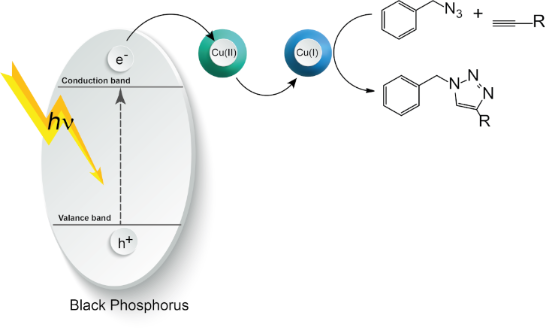
- , Turkey King Abdulaziz University, Faculty of Science, Chemistry Department, 21589 Jeddah, Saudi Arabia 10.3762/bjoc.17.164 Abstract The development of long-wavelength photoinduced copper-catalyzed azide–alkyne click (CuAAC) reaction routes is attractive for organic and polymer chemistry. In this study


Sustainable manganese catalysis for late-stage C–H functionalization of bioactive structural motifs
Beilstein J. Org. Chem. 2021, 17, 1733–1751, doi:10.3762/bjoc.17.122

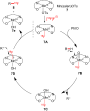
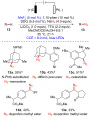
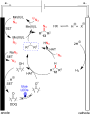
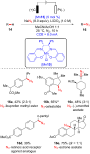
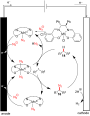
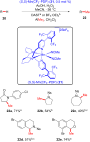
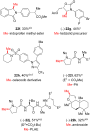
- conjugative transformations, such as azide–alkyne [3 + 2]-cycloaddition [30][31][32][33][34][35][36][37]. Based on their previous late-stage fluorination studies [22][25], Groves et al. further showcased a manganese(III)–salen-catalyzed azidation process using an aqueous azide solution as a convenient azide









A recent overview on the synthesis of 1,4,5-trisubstituted 1,2,3-triazoles
Beilstein J. Org. Chem. 2021, 17, 1600–1628, doi:10.3762/bjoc.17.114
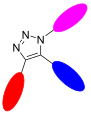
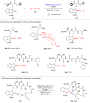
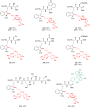
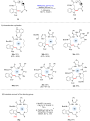
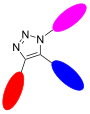
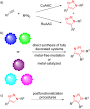
- -catalyzed azide–alkyne cycloaddition (CuAAC) for the synthesis of 1,4-disubstituted 1,2,3-triazole derivatives was initially discovered by the groups of Meldal and Sharpless. Then, Ru-catalyzed azide–alkyne cycloaddition (RuAAC), affording selectively 1,5-disubstituted 1,2,3-triazoles, was introduced [38
- decrease in the yield [47]. Some research groups have utilized strain-promoted azide–alkyne cycloaddition reactions (SPAAC) on side chains to afford polymer-based prodrugs. Generally, a range of key strained cyclooctyne derivatives 52 could be reacted with aliphatic azides 51 via this strategy to give
- species for the subsequent catalytic run (Scheme 41) [63]. Kumar et al. presented a novel protocol for the synthesis of highly functionalized 1,2,3-triazole-fused 5-, 6-, and 7-membered rings 152–154 via azide–alkyne cycloaddition, followed by C(sp2)−H functionalization of the 1,2,3‐triazole intermediate















Double-headed nucleosides: Synthesis and applications
Beilstein J. Org. Chem. 2021, 17, 1392–1439, doi:10.3762/bjoc.17.98
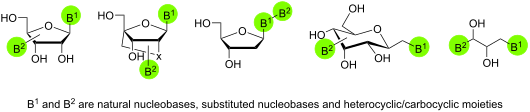
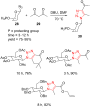
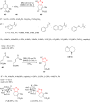
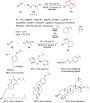
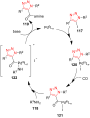
- nucleosides were further reacted with propargylated nucleobases through a copper-catalyzed azide–alkyne cycloaddition (CuAAC) reaction followed by treatment with methanolic ammonia to give the C-3′-substituted double-headed ribofuranonucleosides 46a–c and 50a–e (Scheme 11) [36]. The double-headed nucleosides





Synthesis of β-triazolylenones via metal-free desulfonylative alkylation of N-tosyl-1,2,3-triazoles
Beilstein J. Org. Chem. 2021, 17, 762–770, doi:10.3762/bjoc.17.66
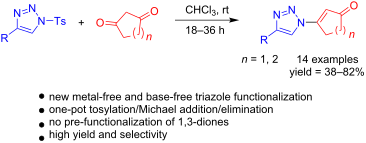
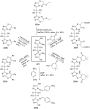
- Meldal have independently developed a copper-catalysed azide–alkyne cycloaddition that accelerated the rate of the reaction and allowed the selective preparation of 1,5-disubstituted 1,2,3-triazoles [16][17][18][19]. As noted above, a wide range of methods are available in the literature for the


Effective microwave-assisted approach to 1,2,3-triazolobenzodiazepinones via tandem Ugi reaction/catalyst-free intramolecular azide–alkyne cycloaddition
Beilstein J. Org. Chem. 2021, 17, 678–687, doi:10.3762/bjoc.17.57
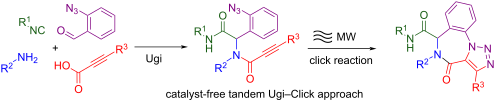
- followed by microwave-assisted intramolecular azide–alkyne cycloaddition (IAAC) gave a series of target heterocyclic compounds in moderate to excellent yields. Surprisingly, the normally required ruthenium-based catalysts were found to not affect the IAAC, only making isolation of the target compounds
- to a large number of diverse heterocyclic compounds [10][11]. Over the past decade, several cases of using an Ugi four-component reaction (Ugi-4CR) in combination with intramolecular azide–alkyne cycloaddition (IAAC) for the synthesis of 1,2,3-triazolobenzodiazepines were reported [3][7][12][13][14
- availability of previously described methods for the synthesis of 1,2,3-triazolobenzodiazepines represented in Scheme 1, they have such drawbacks as long reaction time, use of toxic solvents, additional catalysts, etc. In this article, we present a novel tandem Ugi/catalyst-free intramolecular azide–alkyne


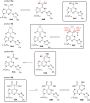
1,2,3-Triazoles as leaving groups: SNAr reactions of 2,6-bistriazolylpurines with O- and C-nucleophiles
Beilstein J. Org. Chem. 2021, 17, 410–419, doi:10.3762/bjoc.17.37
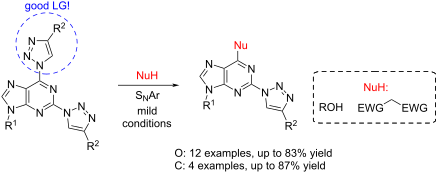
- of purine [73][74][75][76] or alkylation of inosine or guanosine derivatives (Ib→II, Scheme 1) [30][36]. In the next step, azide can be introduced either by a second SNAr reaction on the C2-halo derivative or by diazotization/azidation at C2. Then, the Cu(I)-catalyzed azide–alkyne cycloaddition


1,2,3-Triazoles as leaving groups in SNAr–Arbuzov reactions: synthesis of C6-phosphonated purine derivatives
Beilstein J. Org. Chem. 2021, 17, 193–202, doi:10.3762/bjoc.17.19
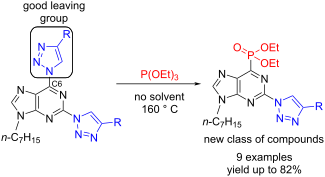
- chlorine at the purine C2 position by azide, and 3) copper-catalyzed azide–alkyne 1,3-dipolar cycloaddition (CuAAC) with different alkynes. Pathway B included: 1) the two-step synthesis of 2,6-bistriazolylpurine derivatives 6 from 2,6-dichloropurine derivative 1 [22] and 2) the SNAr–Arbuzov reaction with


Supramolecular polymerization of sulfated dendritic peptide amphiphiles into multivalent L-selectin binders
Beilstein J. Org. Chem. 2021, 17, 97–104, doi:10.3762/bjoc.17.10
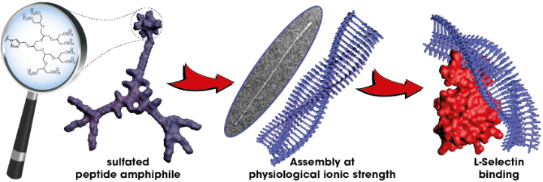
- structures modified with sulfate groups, and their capability to interact with biological components has been demonstrated recently [31][32]. In this work, we therefore coupled dPGS to C2-symmetrical discotic peptide amphiphiles using copper-catalyzed azide alkyne cycloaddition chemistry. The evaluation of
- , post-functionalization using a subsequent copper-catalyzed azide–alkyne cycloaddition reaction became accessible [35][36]. At the same time the other two unmodified side arms of the dendritic amphiphile make sure that the fidelity of the β-sheet motifs and directed supramolecular polymerization remains
- copper-catalyzed azide–alkyne cycloaddition (Scheme 2). The reaction took place in degassed DMSO at 50 °C with CuSO4 pentahydrate, sodium ascorbate and tris(benzyltriazolylmethyl)amine (TBTA) as chelating species. HPLC-monitoring of the reaction showed a full conversion after three days and the crude



Clickable azide-functionalized bromoarylaldehydes – synthesis and photophysical characterization
Beilstein J. Org. Chem. 2020, 16, 1683–1692, doi:10.3762/bjoc.16.139
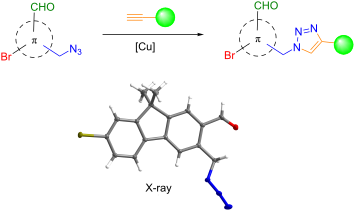
- cycloadditions with model alkynes. Besides two ortho- and para-bromo-substituted benzaldehydes, the azide functionalization of a fluorene-based structure will be presented. The copper(I)-catalyzed azide–alkyne cycloaddition (CuAAC) of the so-synthesized azide-functionalized bromocarbaldehydes with terminal
- oxazoline 24, oxazolidine 27 cyclized already during the reaction, caused by the increased basicity of the ring nitrogen. CuAAC reactions of bromocarbaldehydes We further investigated the reactivity of azide-functionalized bromocarbaldehydes 3, 4, and 5 in copper(I)-catalyzed azide–alkyne cycloaddition



Regioselectively α- and β-alkynylated BODIPY dyes via gold(I)-catalyzed direct C–H functionalization and their photophysical properties
Beilstein J. Org. Chem. 2020, 16, 587–595, doi:10.3762/bjoc.16.53
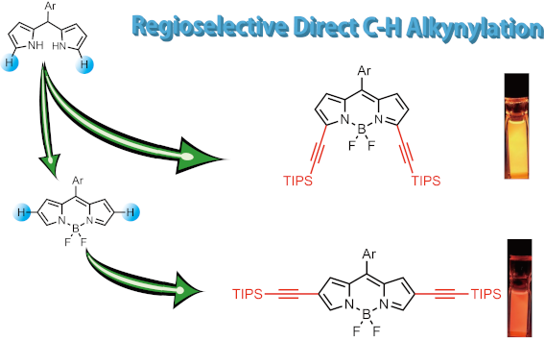
- -tethered BODIPY derivatives serve as a substrate in the copper-catalyzed azide–alkyne cycloaddition (CuAAC) reaction, which is known as “click” reaction, allowing for a biological tissue labelling [35][36]. In addition, ethynyl-substituted BODIPYs yield unique π-conjugated BODIPY-based macrocycles by



A systematic review on silica-, carbon-, and magnetic materials-supported copper species as efficient heterogeneous nanocatalysts in “click” reactions
Beilstein J. Org. Chem. 2020, 16, 551–586, doi:10.3762/bjoc.16.52
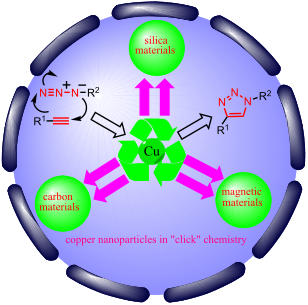
- employed procedures for the creation of triazole products is the Huisgen azide–alkyne cycloaddition, and the reaction selectively forms one type of triazole products. Many of the alkyne and azide substrates are commercially available, many others can easily be prepared with a good range of functional
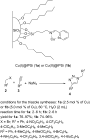
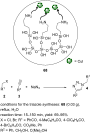
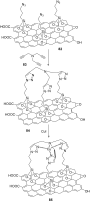
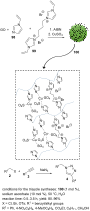
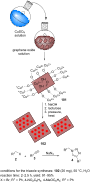
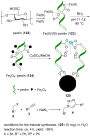
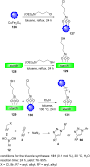
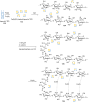
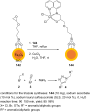
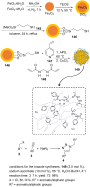
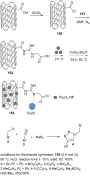
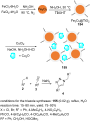
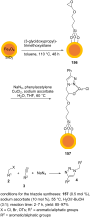
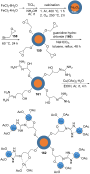
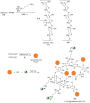
- . NaN3 and KI were added to the reaction mixture, and this was heated at 60 °C for two days to afford the azido-functionalized GO GO@N3 (82). In the next time, tripropargylamine (83), CuSO4, and sodium ascorbate were added to dispersed 82. The azide/alkyne “click” reaction proceeded well at rt over two
















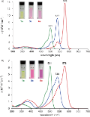
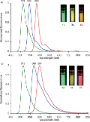
Photophysics and photochemistry of NIR absorbers derived from cyanines: key to new technologies based on chemistry 4.0
Beilstein J. Org. Chem. 2020, 16, 415–444, doi:10.3762/bjoc.16.40
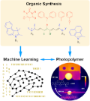


Fluorinated maleimide-substituted porphyrins and chlorins: synthesis and characterization
Beilstein J. Org. Chem. 2019, 15, 2704–2709, doi:10.3762/bjoc.15.263

- 1,2,3-triazole heterocycles via the copper-catalyzed azide–alkyne cycloaddition reaction (CuAAC) between alkynes and azides, developed independently by Sharpless [41] and Meldal [42]. In addition to the applications of triazoles as pharmacophores in the potential biologically active molecules, these


1,2,3-Triazolium macrocycles in supramolecular chemistry
Beilstein J. Org. Chem. 2019, 15, 2142–2155, doi:10.3762/bjoc.15.211
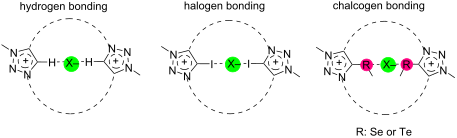
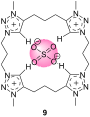
- (iodine, bromine) and chalcogens (selenium and tellurium) [18]. While there are several strategies for the synthesis of triazoles, the Cu(II)-catalyzed azide–alkyne cycloaddition reaction (CuAAC click reaction) is considered as one of the most efficient, simple and mild approaches towards the preparation




Archangelolide: A sesquiterpene lactone with immunobiological potential from Laserpitium archangelica
Beilstein J. Org. Chem. 2019, 15, 1933–1944, doi:10.3762/bjoc.15.189
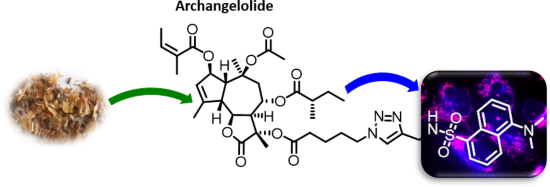
- studied by us and others, there are only scarce reports on the biological activity of archangelolide. Here we present the preparation of its fluorescent derivative based on a dansyl moiety using azide–alkyne Huisgen cycloaddition having obtained the two sesquiterpene lactones from the seeds of Laserpitium
- these compounds for further work including synthetic modifications using azide–alkyne Huisgen cycloaddition. We previously showed the preparation of fluorescent trilobolide conjugates [8] that retained the activity of the parental compounds and proved to be useful for live-cell imaging. In this article




Synthesis of a [6]rotaxane with singly threaded γ-cyclodextrins as a single stereoisomer
Beilstein J. Org. Chem. 2019, 15, 1829–1837, doi:10.3762/bjoc.15.177
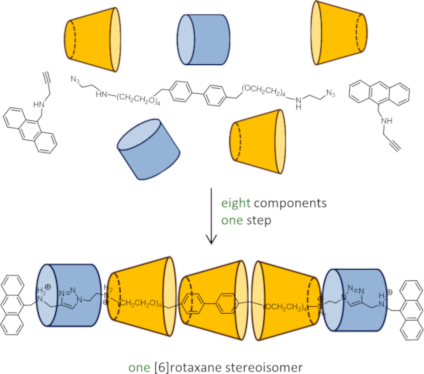
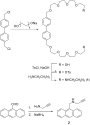
- azide–alkyne cycloaddtion (CBAAC) with the anthracene-derived propagylamine stopper 2. In CBAAC, the strong ammonium–CB[6] binding places the alkyne and azide in a close proximity inside the CB[6] cavity and facilitates the cycloaddition [40][41][42]. Since CB[6] binding is required for the covalent




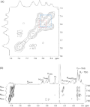

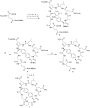
Solid-phase synthesis of biaryl bicyclic peptides containing a 3-aryltyrosine or a 4-arylphenylalanine moiety
Beilstein J. Org. Chem. 2019, 15, 761–768, doi:10.3762/bjoc.15.72
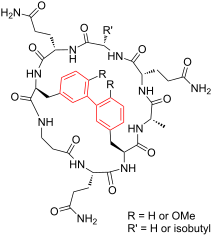
- -terminal groups of the peptide and their putative target. This method has been used for the macrocyclization of peptides through, for example, copper-catalyzed azide–alkyne cycloadditions [14], ring-closing olefin metathesis [13] or the formation of an aryl–aryl bond between the side chain of two aromatic



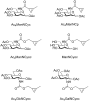
Cyclopropene derivatives of aminosugars for metabolic glycoengineering
Beilstein J. Org. Chem. 2019, 15, 584–601, doi:10.3762/bjoc.15.54
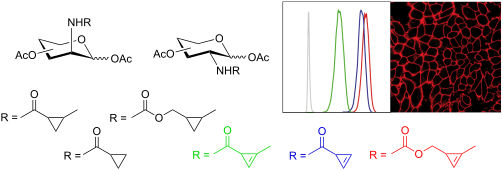
- , azides and alkynes can be visualized by the Staudinger ligation [8] or the azide–alkyne cycloaddition, that can be performed either copper-catalyzed [9][10] or strain-promoted [11][12]. Another type of reporter group that has been proven to be a valuable tool are electron-rich or strained alkenes, that



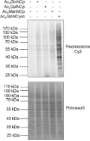

Synthesis and fluorescent properties of N(9)-alkylated 2-amino-6-triazolylpurines and 7-deazapurines
Beilstein J. Org. Chem. 2019, 15, 474–489, doi:10.3762/bjoc.15.41
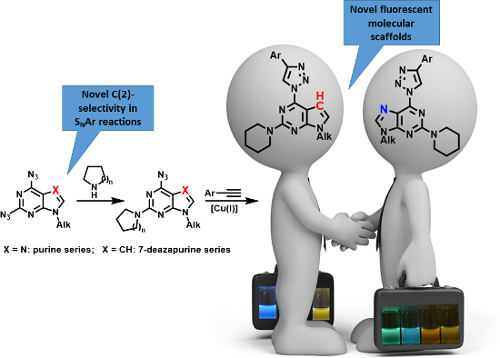
- synthesis of a novel library of 9-alkyl-2-amino-6-triazolylpurine derivatives. Thus, copper-catalyzed azide–alkyne 1,3-dipolar cycloaddition reaction of compounds 6a–c with different para-substituted phenylacetylenes produced the expected compounds 7a–f, 8a–f and 9 (Scheme 1). The yields of 1,3-dipolar
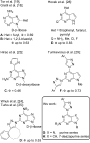
- derivative 4 was synthesized using previously reported procedure of Cu(I)-catalyzed azide–alkyne cycloaddition reaction on 2,6-diazidopurine derivatives [25]. Synthesis of 7-deazapurine derivatives 3, 10a, 11a and their characterization are described in our preliminary communication [39]. Synthesis of 9




Copper(I)-catalyzed tandem reaction: synthesis of 1,4-disubstituted 1,2,3-triazoles from alkyl diacyl peroxides, azidotrimethylsilane, and alkynes
Beilstein J. Org. Chem. 2018, 14, 2916–2922, doi:10.3762/bjoc.14.270
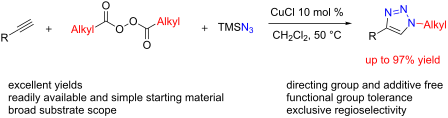
- Academy of Sciences, 155 Yangqiao Road West, Fuzhou, Fujian 350002, P. R. China University of Chinese academy of Science (UCAS), Beijing 100190, P. R. China 10.3762/bjoc.14.270 Abstract A copper-catalyzed azide–alkyne cycloaddition (CuAAC) reaction for the synthesis of 1,4-disubstituted 1,2,3-triazoles
- research and synthesis of functionalized compounds that have applications in medicinal chemistry, drug discovery, materials chemistry, and as well as in bioconjugates [2][3][4][5][6][7][8][9][10][11][12]. The copper-catalyzed azide–alkyne cycloaddition (CuAAC) reaction [13][14][15][16][17][18][19][20][21




Nucleoside macrocycles formed by intramolecular click reaction: efficient cyclization of pyrimidine nucleosides decorated with 5'-azido residues and 5-octadiynyl side chains
Beilstein J. Org. Chem. 2018, 14, 2404–2410, doi:10.3762/bjoc.14.217
- and deprotection steps are necessary to control the cyclization process. Preorganization of the molecules can help to make cyclization more efficient. Azide–alkyne "click" chemistry has been executed to generate cyclic peptides [11][12][13], cyclic oligonucleotides [14][15][16][17] and other
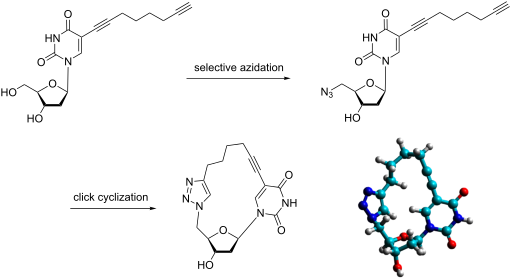
- cyclic molecules when alkynyl side chains are functionalizing nucleobases in 5-position and azido substituents replace sugar 5'-hydroxy groups. Cyclic molecules (Figure 1) should be accessible when a copper(I)-azide–alkyne cycloaddition [29][30][31] is performed. The resulting "nucleoides" represent a
- intramolecular cyclization to a macrocycle was not observed. Next, the 5’-azido compound 2 was employed in the copper(I)-catalyzed azide–alkyne cycloaddition (CuAAC) "click" reaction [38][39] to build up macrocycle 3. In this regard, two reaction pathways have to be considered: (i) an intramolecular “click


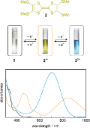
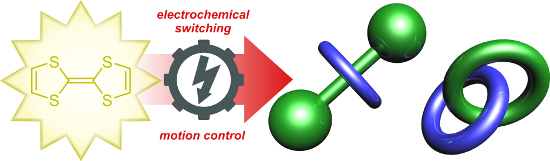
Tetrathiafulvalene – a redox-switchable building block to control motion in mechanically interlocked molecules
Beilstein J. Org. Chem. 2018, 14, 2163–2185, doi:10.3762/bjoc.14.190
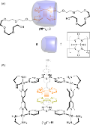
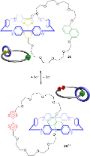
- (6) ring threaded onto a water-soluble axle [80]. The rotaxane was synthesized in 23% yield by a template/capping strategy where one stopper is attached using copper-catalyzed azide–alkyne click chemistry after the formation of the precursor pseudorotaxane. Due to the hydrophobic effect, the neutral
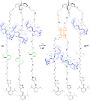
- = 6,300 M−1) which is embedded in an axle molecule with two azide residues. The second station, the dihydroxynaphthalene moiety (green), displays a lower association constant of Ka = 5,800 M−1. The pseudorotaxane precursor was end-capped by a double copper-catalyzed azide–alkyne click reaction in CH2Cl2