Search results
Search for "coupling" in Full Text gives 2093 result(s) in Beilstein Journal of Organic Chemistry. Showing first 200.
Synthesis of depressin, cryptomeridiol and 4-epi-cryptomeridiol enabled by a terpenoid chiral pool-producing platform
Beilstein J. Org. Chem. 2026, 22, 683–690, doi:10.3762/bjoc.22.53
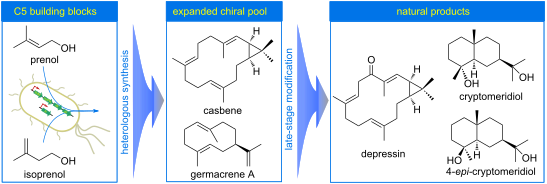
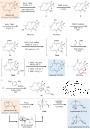
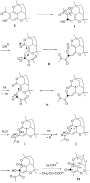
- efficient macrocyclization methods, including tetracarbonylnickel-promoted cyclization of allylic dibromide [17][18], copper-mediated intramolecular carbene–olefin cyclization [19], titanium-induced intramolecular carbonyl coupling [20], and organozinc carbenoid-mediated intramolecular cyclopropanation [21


Hydrogen production from formic acid catalyzed by NHC–Cu complexes
Beilstein J. Org. Chem. 2026, 22, 620–627, doi:10.3762/bjoc.22.48
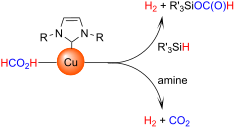
- formate products. Excess H2 can be generated by dehydrogenative coupling of those species in the presence of the copper catalyst. Indeed, metal hydride systems have shown high catalytic activity in such a reaction [59][60]. In addition, the formation of products compatible with the polymerization of
- silicon compounds was observed in all reactions (see Supporting Information File 1, Figure S3). Noteworthy, by replacing formic acid with acetic acid only 1 equivalent of hydrogen was released. The different reactivity towards the dehydrogenative coupling of the silyl carboxylate species can be due to
- simultaneous occurrence of two dehydrogenative mechanisms can explain the results of the isotopic labeling experiments. Indeed, while HD arises from the coupling of HCO2D with phenylsilane, the formation of H2 takes place by dehydrogenative coupling of the hydrosilanes present in the reaction mixture. To



Towards the targeted protein degradation of CK2: design and synthesis of CAM4066-based PROTACs
Beilstein J. Org. Chem. 2026, 22, 611–619, doi:10.3762/bjoc.22.47
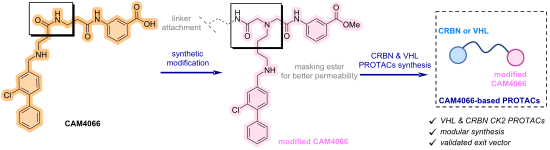
- native framework while serving as a more accessible synthetic handle for downstream coupling chemistry. As 1 itself was known not to have any effect on cell viability while its uncharged methyl ester analogue did, the neutralised pro-drug analogue of the ATP-site binder was employed to prevent such
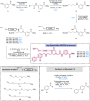
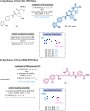
- corresponding triflate using triflic anhydride, followed by Suzuki–Miyaura cross-coupling with phenylboronic acid to give 16 in 59% yield (Scheme 1). Boc removal from intermediates 11–14 enabled attachment of the αD binder aldehyde 16 via reductive amination. Interestingly, NaBH(OAc)3 had performed well in the
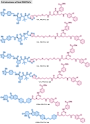
- 1, section 1.4) was prepared according to literature and functionalised with 2-azidoacetic acid to introduce an azido-handle suitable for CuAAC-mediated triazole formation. CuAAC coupling of these alkyne precursors 17–20 with the azido-VHL ligand 22 afforded four final VHL-based PROTACs 23–26 in

Molecular tweezer–peptide conjugates disrupt the protein–protein interaction between survivin and histone H3 essential in mitosis
Beilstein J. Org. Chem. 2026, 22, 557–567, doi:10.3762/bjoc.22.41
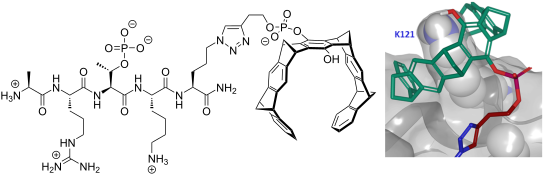
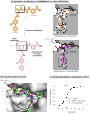
- tweezers. Importantly, the H3 N-terminus had to be fully conserved (vide infra), so that covalent attachment of the tweezer moiety had to occur at the peptide C-terminus. A first prototype 1 could be realized with a C3-spacer and click coupling between azidopropylamide on Lys-4 at the peptide's C-terminus
- -terminus (peptide ordered from Genscript), which was subjected to click reaction with the butynyl tweezer (Scheme 1). The coupling protocol was identical to the published version [9][10]. Reaction progress was monitored by analytical HPLC and the product could be purified by preparative HPLC. After
- threonine, complementary to the cationic surface patch on survivin. B) Click coupling (i) between the H3-T3ph peptide with C-terminal 5-azidoornithine 3 and butynyl tweezer 4a with subsequent deprotonation (ii) to the sodium salt of peptide tweezer 2a. Binding peptide yellow, ornithine grey, butynyl group




Melifoliox B, a novel phloroglucin derivative isolated from Melicope barbigera (Rutaceae) and synthesis of new oxidation products from melifoliones A and B
Beilstein J. Org. Chem. 2026, 22, 535–546, doi:10.3762/bjoc.22.39
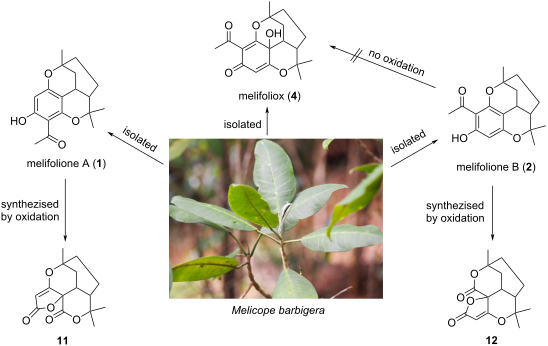
- , the aromatic protons of the added phenyl ring appear as a typical coupling pattern in the expected range for phenyl ethers. The acetyl-methyl group is shifted by 0.3 ppm to a higher field and the methyl group in position 9 resonates at the same field strength as in the case of 2-iodomelifolione A (8
- group and the center of the multiplet for the axial H-5 lie exactly on the top of each other at 1.61 ppm. The same applies to the signals of both axial H-7 and H-8 at 1.57 ppm. The signal for H-8a appears as a nearly symmetrical quintet, resulting from the trans diaxial coupling with H-8ax (about 10 Hz



Get a better glimpse on sequential photoreactions of trisnorbornadienes with 19F NMR spectroscopy
Beilstein J. Org. Chem. 2026, 22, 527–534, doi:10.3762/bjoc.22.38
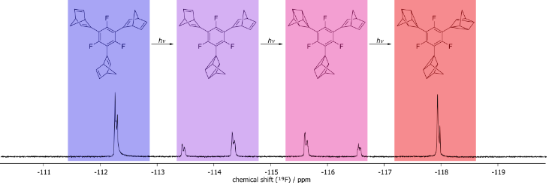
- storage. The target compound was readily synthesized by a Suzuki–Miyaura coupling reaction and examined with respect to the key properties for MOST applications. Upon direct or photosensitized irradiation, the trisnorbornadiene was transformed stepwise and almost quantitatively into the corresponding
- trisnorbornadiene 1f was synthesized in 36% yield through a Suzuki–Miyaura coupling reaction of tribromotrifluorobenzene 3 with the 2-borononorbornadiene 1e (Scheme 2) [43]. The product 1f was identified and fully characterized by NMR spectroscopy (1H, 13C, 19F, COSY, HSQC, HMBC), mass spectrometry, melting point
- Information File 1, Figure S16). Contrary to the 1H NMR spectra, the 19F NMR spectra showed significantly fewer signals (one or two per molecule) during the photoreaction because of the symmetry of norbornadiene 1f and its photoproducts and the less complex coupling pattern. Thus, the 19F NMR spectra of the


Modern synthetic pathways towards eribulin and its subunits
Beilstein J. Org. Chem. 2026, 22, 495–526, doi:10.3762/bjoc.22.37
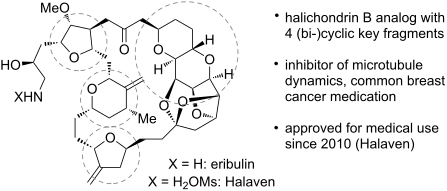
- –Kishi (NHK) coupling and Pd-mediated cyclization. Fragment 31 was synthesized from known precursor 28 [74] in 9 steps via MMTr-protection, replacement of the Bn- with TBDMS-protecting groups, hydroxylation of sulfone 29 to alcohol 30, tosylation, bromide substitution, acidic MMTr-cleavage and DMP
- -oxidation (Scheme 4, above). For the assembly of 33, only the hydrolysis of previously reported 32 [75] with Me3SnOH and thioesterification using EtSH and DCC were necessary (Scheme 4, below). Both fragments (31 and 33) were fused together via NHK coupling to furnish 34 in 86% yield. The addition of SrCO3
- proved to be suitable for the cyclization towards 35 and the eventual macrocyclization was achieved via coupling of the alkyl bromide unit with the thioester. Mechanistically, this reaction is enabled by the formation of an intermediate alkylzinc halide, which is produced by single electron transfer








Synthesis and uranyl(VI) extraction performance of a calix[4]pyrrole–tetrahydroxamic acid receptor
Beilstein J. Org. Chem. 2026, 22, 486–494, doi:10.3762/bjoc.22.36
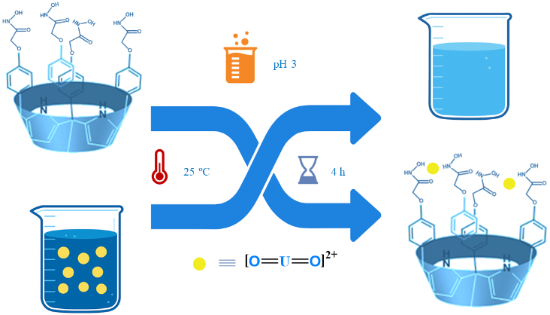
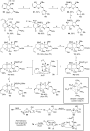
- carboxylic acid derivatives such as esters, acyl chlorides and anhydrides with hydroxylamine salts [41]. A variety of coupling or activating agents were also employed in case of simple addition of hydroxylamine to carboxylic acid compounds [42][43][44]. In addition, alternative methods starting from


Recent advances in the stereoselective synthesis of distal biaxially chiral molecules
Beilstein J. Org. Chem. 2026, 22, 461–479, doi:10.3762/bjoc.22.34
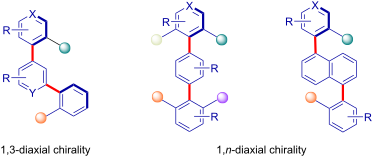
- , Hayashizaki, and Ito reported a highly stereoselective asymmetric cross-coupling reaction of 2-methylnaphthylmagnesium bromide with bromonaphthalene, catalyzed by a nickel complex with ferrocenylphosphine as the ligand, successfully synthesizing biaxially chiral molecules, namely 1,1':5',1"- and 1,1':4',1
- [2 + 2 + 2] cycloaddition reaction between α,ω-diynes 1 and monoalkynes 2, providing an alternative to traditional asymmetric coupling strategies for the synthesis of C2-symmetric biaryl chiral compounds (Scheme 1a) [40]. They further demonstrated the feasibility of constructing N-, O-, and C
- studies have further broadened the synthetic toolbox for remote biaxial chirality. Du and co-workers designed a series of chiral phosphoric acid catalysts derived from protected axially chiral diols 13, employing a boronic acid-mediated coupling strategy to construct remote biaxially chiral phosphoric


Synthesis and stereochemical analysis of dynamic planar chiral oxa[7]orthocyclophene
Beilstein J. Org. Chem. 2026, 22, 436–442, doi:10.3762/bjoc.22.30

- Advanced Science and Technology, Kumamoto University, Kurokami, Kumamoto 865-8555, Japan 10.3762/bjoc.22.30 Abstract Planar chiral C6-substituted oxa[7]orthocyclophenes were designed and synthesized, and their stereochemical behavior was analyzed. The Kumada–Tamao coupling of the C6-iodo-substituted
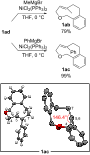
- -substituted oxacyclophenes 1ab (X = O, Y = Me), 1ac (X = O, Y = Ph), and 1ad (X = O, Y = I), in which 1ad was used as the key intermediate for the synthesis of 1ab and 1ac via Kumada–Tamao coupling with Grignard reagents (Figure 2). Results and Discussion Retrosynthesis and synthesis of the C6-iodo
- coupling of compound 1ad with MeMgBr and PhMgBr in the presence of a catalytic amount of NiCl2(PPh3)2 proceeded smoothly to provide the C6-methyl-substituted 1ab in 79% yield and the C6-phenyl-substituted 1ac in 99% yield (Scheme 3) [15][16]. Suitable single crystals were obtained from racemic 1ac, and its






Synthesis and anti-cancer activity of naphthalimide–organylselanyl conjugates
Beilstein J. Org. Chem. 2026, 22, 416–435, doi:10.3762/bjoc.22.29
- ), multiplet (m), quintet (quint) and other symbols are used to represent signal multiplicities, and Hz is used to denote the coupling constants (J). The spectra were compared to residual solvent peaks or TMS (CDCl₃: 1H, δ = 7.26 ppm; 13C, δ = 77.36 ppm). A Bruker D8 Quest diffractometer was used to obtain


Cone p-aminocalix[4]arenes enriched with ‘clickable’ alkyne or azide functionalities
Beilstein J. Org. Chem. 2026, 22, 399–415, doi:10.3762/bjoc.22.28
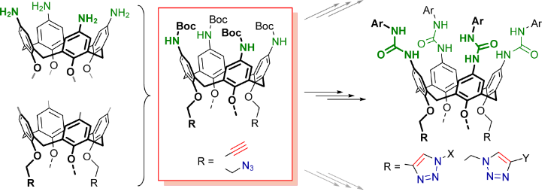
- important functionalities which can be introduced into calix[4]arene structures either through a wide-rim exhaustive nitration followed by reduction of the nitro groups [5][6][7][8][9][10][11][12][13], or through azo coupling followed by cleavage of the calixarene azo compounds thus formed [14][15][16][17
- ]arene. Notably, the alternative strategy of utilizing an azo coupling/cleavage sequence has only been applied thus far for the wide-rim modification of narrow-rim unsubstituted calixarenes. Since the exhaustive nitration and reduction steps proceed under relatively drastic conditions, which are poorly




Electrosynthetic access to unsymmetrical oxaza[8]helicenes with high chiral stability and strong circularly polarized luminescence (CPL)
Beilstein J. Org. Chem. 2026, 22, 372–382, doi:10.3762/bjoc.22.25
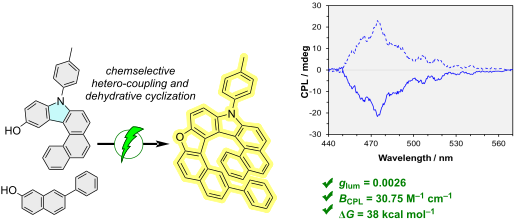
- is often hindered by chemoselectivity and regioselective control. Here, we exploit the differential redox potentials of two coupling partners as a key player to achieve a chemo- and regioselective electrosynthetic access to a new family of unsymmetrical oxaza[8]helicenes. A controlled anodic sequence
- enables selective oxidative hetero-coupling followed by dehydrative cyclization, furnishing the extended [8]helical scaffold efficiently under mild, oxidant-free conditions. Structural analyses show retained aromaticity, increased helical distortion, and higher configurational stability (≈38 kcal/mol
- Supporting Information File 1), we developed a one-pot electrochemical annulation between 3 and β-naphthol derivative 4. Using n-Bu4NPF6 as the electrolyte in CH2Cl2 at room temperature, this protocol furnished oxaza[8]helicenes 5 in good-to-moderate yields with >75% Faradaic efficiency, and no homo-coupling




Recent advances in the cleavage of non-activated amides
Beilstein J. Org. Chem. 2026, 22, 352–369, doi:10.3762/bjoc.22.23
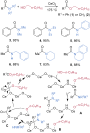
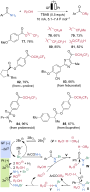
- effective esterification of amides using dimethyl sulfate (Me2SO4) as a cheap and powerful coupling reagent (Scheme 11) [59]. In the presence of 1 equivalent of Me2SO4 at 120 °C, secondary N-benzyl benzamide (52) underwent direct esterification with butanol to afford butyl benzoate (51) in 92% yield. When N
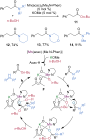
- -transfer (SET)-driven mechanism. Coordination of the arylamine to the potassium cation followed by deprotonation generates potassium amide salt AB. A SET process forms amine radical AC, which then transfers an electron to the amide, generating radical anion AD. Coupling of AC and AD forms a tetrahedral










Synthesis of tricyclic fused pyrrolidine nitroxides from 2-alkynylpyrrolidine-1-oxyls
Beilstein J. Org. Chem. 2026, 22, 344–351, doi:10.3762/bjoc.22.22

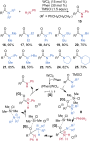
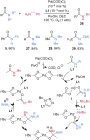
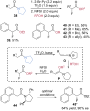
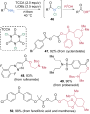
- propargylamines via A3-coupling reaction [21]. In analogy to a literature procedure [22], heating of radical 2a in a mixture of dimethylamine, formalin, and tetrahydrofuran in the presence of copper(II) acetate afforded the corresponding dimethylamino derivative 2f. To confirm the structure of the novel
- benzoylation of hydroxymethyl groups under the conditions of Sonogashira cross-coupling, nitroxide 2a was treated with acetic anhydride in the presence of sodium acetate, yielding the diacyl derivative 5. Radicals 5 and 3a were heated with benzoyl chloride and triethylamine in toluene in the presence of a
- CD3OD. The full spectral line shapes were simulated using the gNMR program to assign the signals and to obtain the coupling constants [33]. Direct comparison of the spin–spin coupling constants within the six-spin systems of the non-annulated nitroxide 9a with its annulated counterparts 9b,c revealed


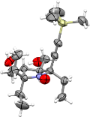


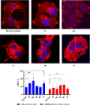
Spirobarbiturates with a pyrrolizidine moiety: synthesis, structure and biological evaluation
Beilstein J. Org. Chem. 2026, 22, 274–288, doi:10.3762/bjoc.22.20
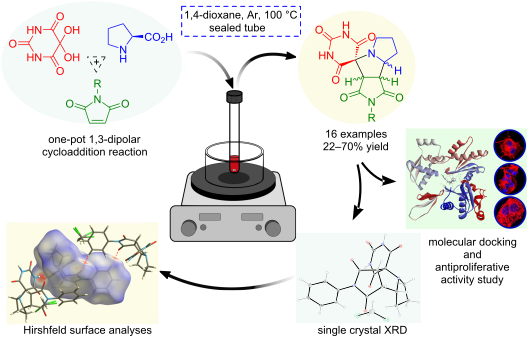
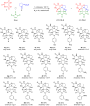
- deshielding effect of the directly attached nitrogen atom on the CH21 group. The methine protons resonate as distinct signals appearing as a ddd for CH4, dd for CH5, and a d for CH6. Chemical shift values, signal multiplicities, and spin–spin coupling constants for the methine protons of all compounds are
- were established using 1H,13C HSQC NMR spectroscopy. The chemical shift values, signal shapes, and spin–spin coupling constants are provided in Table S1 in Supporting Information File 1. The aromatic protons of compounds 4c–e appear in the downfield region of the spectrum. For product 4c, the aromatic




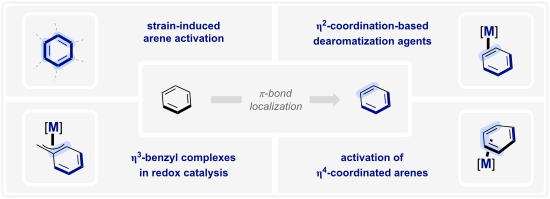
Arene activation via π-bond localization: concepts and opportunities
Beilstein J. Org. Chem. 2026, 22, 257–273, doi:10.3762/bjoc.22.19
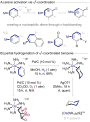
- architecturally complex, three-dimensional molecular frameworks from simple arene precursors (Figure 9). A major conceptual milestone was achieved by Yamamoto and co-workers in 2001, who unveiled the first dearomatization of benzyl chlorides with allyltributylstannane under Stille coupling conditions (Scheme 6A
- process. Subsequent computational studies, however, refined this mechanistic understanding, revealing that reductive elimination proceeds through coupling of the C(3) terminus of the η1-allyl fragment with the para-carbon of the η3-benzyl ligand (Scheme 6A, right) [75]. Together, these insights
- transformation of allyl chloride-substituted naphthalenes and phenanthrenes in the selective coupling with allylstannanes to deliver the corresponding ortho-allylated products [84]. Subsequently, Bao and co-workers extended this concept to encompass allenylstannanes, thereby accessing the propargylated analogues




Configuration–packing synergy enabling integrated crystalline-state RTP and amorphous-state TADF
Beilstein J. Org. Chem. 2026, 22, 224–236, doi:10.3762/bjoc.22.16
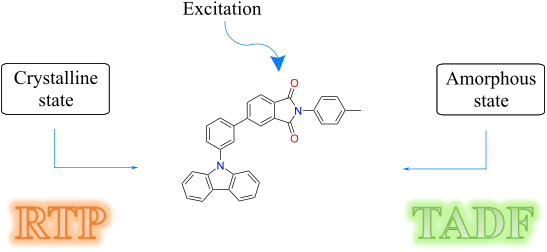
- states, intermolecular interactions enhance spin–orbit coupling and crystallinity suppresses nonradiative decay, thereby activating RTP. This work achieves an integrated “crystalline-state RTP–amorphous-state TADF” regulation within a single molecule. Keywords: imide; π–π stacking; room-temperature
- phosphorescence (RTP) and thermally activated delayed fluorescence (TADF) [2][12][13][14][15][16][17][18][19]. RTP is a process where the spin-forbidden transition from the triplet state to the ground state becomes observable at room temperature due to the enhancement of spin–orbit coupling (SOC) and suppression
- intermolecular coupling to enhance SOC and suppress non-radiative decay channels, while TADF relies more on donor–acceptor decoupling and smaller ΔEST to lower the thermal activation barrier for RISC. Thus, a key challenge in the field is how to establish adjustable synergy between the molecular-scale


Improved synthesis and physicochemical characterization of the selective serotonin 2A receptor agonist 25CN-NBOH
Beilstein J. Org. Chem. 2026, 22, 175–184, doi:10.3762/bjoc.22.11
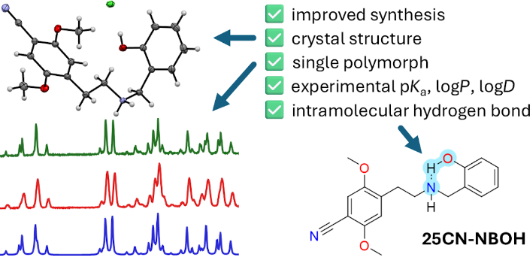
- ) values are reported in ppm, coupling constants (J) in Hz, and the peak multiplicity is referred to the following abbreviations: bs (broad singlet), s (singlet), d (doublet), t (triplet), q (quartet), p (pentet), sex (sextet), h (heptet), and m (multiplet). To investigate the possible presence of an IMHB


Circumventing Mukaiyama oxidation: selective S–O bond formation via sulfenamide–alcohol coupling
Beilstein J. Org. Chem. 2026, 22, 158–166, doi:10.3762/bjoc.22.9
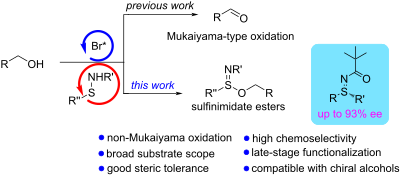
- /bjoc.22.9 Abstract A selective and efficient method for the synthesis of sulfinimidate esters via an NBS-promoted oxidative coupling of sulfenamides with alcohols has been developed. This operationally simple, metal-free protocol uses inexpensive and readily available reagents, operates under mild
- investigated the scope of alcohols in the NBS-promoted coupling with sulfenamides under the optimized conditions (Scheme 4). A series of linear alcohols, including simple aliphatic alcohols such as ethanol, 1-propanol, 1-butanol, and 1-octanol, as well as aromatic-substituted alcohols like 3-phenyl-1-propanol
- , the sulfenamide-based oxidative coupling proceeded smoothly, delivering sulfilimidate ester 4 in 53% yield. In addition, the transformation was applied to a chiral secondary alcohol, ʟ-menthol, to generate the sulfilimidate ester 5 in 67% yield. A diastereomeric analysis revealed a modest dr of 1.6:1


Design and synthesis of an axially chiral platinum(II) complex and its CPL properties in PMMA matrix
Beilstein J. Org. Chem. 2026, 22, 143–150, doi:10.3762/bjoc.22.7
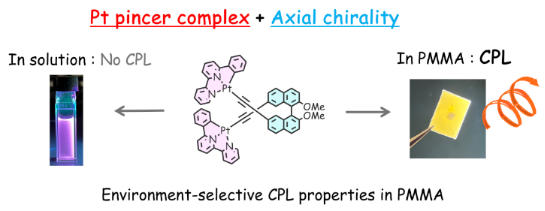
- chiral platinum(II) complex was synthesized via Sonogashira coupling and subsequent coordination of a pincer ligand to a precursor. The complex exhibited a broad absorption band ranging from 250 to 550 nm in the UV–vis spectrum, with TD-DFT calculations indicating mixed ligand-to-ligand charge transfer
- two platinum(II) chromophore units, leading to the chiroptical properties in the MLCT region through exciton coupling under restricted molecular motion. Keywords: axial chirality; chiral chemistry; circularly polarized luminescence (CPL); phosphorescence; platinum(II) complex; Introduction
- exciton coupling in both the ground and excited states. While no CPL was observed in solution, distinct CPL properties observed in the PMMA matrices. This behavior is attributed to the effect of the axial chirality, which becomes more effective upon suppression of molecular motion within the polymer


Symmetrical D–π–A–π–D indanone dyes: a new design for nonlinear optics and cyanide detection
Beilstein J. Org. Chem. 2026, 22, 131–142, doi:10.3762/bjoc.22.6
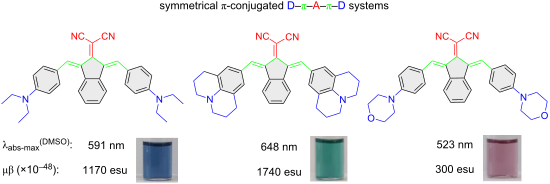
- /acetic acid buffers with a good yield (84%). Target compounds were synthesized by a coupling reaction between 2-(1,3-dihydro-2H-inden-2-ylidene)malononitrile (1) and appropriate alkylaminobenzaldehyde derivatives in acetic anhydride. Compounds were obtained with low to good yields (25–75%, conventional


Highly electrophilic, gem- and spiro-activated trichloromethylnitrocyclopropanes: synthesis and structure
Beilstein J. Org. Chem. 2026, 22, 123–130, doi:10.3762/bjoc.22.5
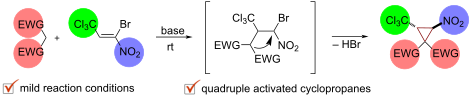
- )/CH3 (pyrazolone) (δH = 2.15 ppm) in the minor isomer 9b (Scheme 5). Thus, the relative configurations of the stereocenters in these molecules can be defined as 1SR,2RS,3SR (9a) and 1SR,2RS,3RS (9b). Cyclopropanes 2–8 are formed as single diastereomers. The vicinal spin–spin coupling constants of C1H


Total synthesis of natural products based on hydrogenation of aromatic rings
Beilstein J. Org. Chem. 2026, 22, 88–122, doi:10.3762/bjoc.22.4
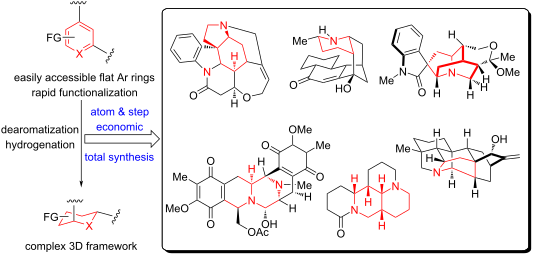
- ][19][20]. In recent years, promoted by the rapid development of asymmetric catalysis, a wealth of reactions applicable to aromatic systems – including substitution reactions, transition-metal-coupling reactions, and even dearomatization [21][22][23] – have been reported, further extending their
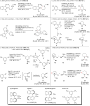
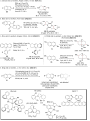
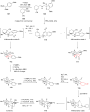
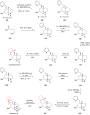
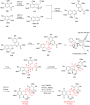
- ]. Starting from pyridine derivatives 129, they obtained the key intermediate 131 via a Simmon–Smith reaction and a bimetallic-mediated photocatalytic radical coupling reaction. Intermediate 132 was then constructed by Friedel–Crafts alkylation using diethylaluminum chloride as a Lewis acid. The pyridine ring
- , which perfomed as a key substrate for the aerobic oxidation. The formation of the tetracyclic 3-spirooxindole structure 137 was achieved through a transition-metal-free intramolecular cross-dehydrogenative coupling. With 137 in hand, a sequence of transformations including ketone reduction with NaBH4











Advances in Zr-mediated radical transformations and applications to total synthesis
Beilstein J. Org. Chem. 2026, 22, 71–87, doi:10.3762/bjoc.22.3
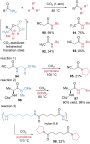
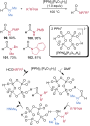
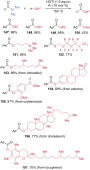
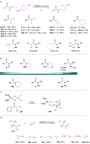
- alkyl iodide 10 were subjected to nickel catalysis in the presence of zirconocene dichloride and zinc dust, intermolecular coupling occurred to afford ketone 12 in good yields. This reaction was applicable to substrates bearing β-alkoxy substituents, which are typically problematic under anionic
- suggested that the developed reaction would be applicable to halichondrin synthesis. The Zr/Ni-mediated ketone synthesis was then applied to the total synthesis of homohalichondrin B (58, Scheme 11B). Using a fragment corresponding to homohalichondrin B, the coupling reaction furnished ketone 57 in 82
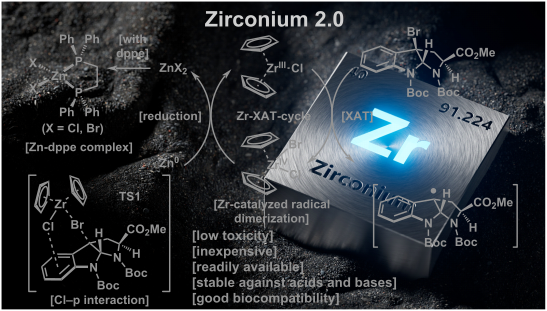
- ). The developed dimerization protocol proved scalable to 100 g scale, affording 40 g of the desired dimer 61b in 47% yield. Subsequent removal of the two Boc groups with TMSI, followed by HATU-mediated amide coupling with various amino acids 65–67, furnished the diketopiperazine precursors 68–70