Search results
Search for "differential scanning calorimetry" in Full Text gives 109 result(s) in Beilstein Journal of Organic Chemistry.
The use of isoxazoline and isoxazole scaffolding in the design of novel thiourea and amide liquid-crystalline compounds
Beilstein J. Org. Chem. 2020, 16, 175–184, doi:10.3762/bjoc.16.20
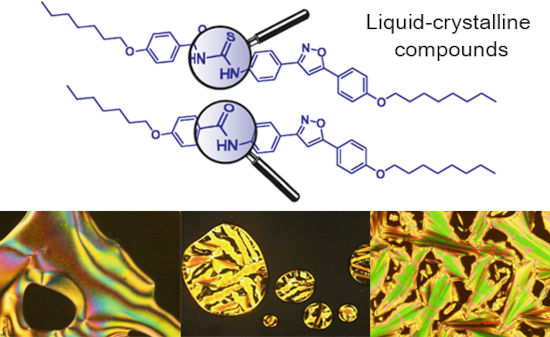
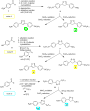
- differential scanning calorimetry (DSC). Results and Discussion Synthesis In order to generate molecular structural diversity in thioureas, three sets of amines carrying 5-membered isoxazolines/isoxazoles (see Scheme 1) were employed and condensed with acyl isothiocyanates, as outlined in Scheme 2. Amines 3, 4
- temperatures (°C), enthalpy/entropy for thioureas 17a–c, 18a–c and amides 19–22 and 24 upon heating.a Supporting Information Supporting Information File 255: Experimental descriptions for the preparation of compounds and characterization data. Supporting Information File 256: Differential scanning calorimetry
- properties Mesomorphic properties of thioureas 17a–c, and 18a–c and amides 19–22 and 24 were investigated by POM and DSC. The DSC results for all compounds are summarized in Table 1. Transition temperatures, as well as the enthalpy and entropy values of each compound were acquired by differential scanning




Synthesis, liquid crystalline behaviour and structure–property relationships of 1,3-bis(5-substituted-1,3,4-oxadiazol-2-yl)benzenes
Beilstein J. Org. Chem. 2020, 16, 149–158, doi:10.3762/bjoc.16.17
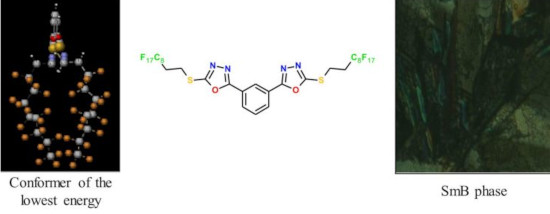
- perfluoroalkyl as terminal chains were synthesized and characterized. Liquid crystal properties of the synthesized compounds have been investigated by polarizing optical microscopy, differential scanning calorimetry and X-ray diffraction techniques. Conformation effects of the synthesized products on the dipole
- compounds 2 and 4 is constituted by a rigid core (three aromatic rings) to which are attached the terminal chains. Based on this structure, some liquid crystalline mesophases were expected. Differential scanning calorimetry (DSC), polarized optical microscopy (POM) and X-ray diffraction pattern analysis




Thermal stability of N-heterocycle-stabilized iodanes – a systematic investigation
Beilstein J. Org. Chem. 2019, 15, 2311–2318, doi:10.3762/bjoc.15.223
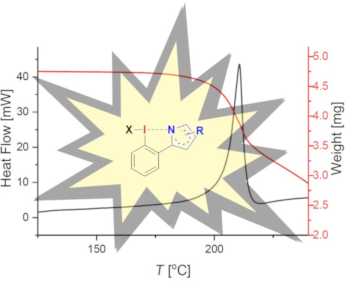
- (TGA) and differential scanning calorimetry (DSC) is investigated. Peak decomposition temperatures (Tpeak) were observed within a wide range between 120 and 270 °C. Decomposition enthalpies (ΔHdec) varied from −29.81 to 141.13 kJ/mol. A direct comparison between pseudocyclic and cyclic NHIs revealed
- stability with reactivity in a model oxygenation. Keywords: differential scanning calorimetry; hypervalent iodine; N-heterocycle; stability; thermogravimetry; Introduction Hypervalent iodine compounds, in particular aryl-λ3-iodanes, have found wide spread applications as oxidants and electrophilic group
- high N/C-ratio might result in potential hazardous high energy materials, we herein investigated their thermal stability by thermogravimetric analysis (TGA) and differential scanning calorimetry (DSC). Results and Discussion We started our experiments with the preparation of appropriate λ3-iodanes


Water inside β-cyclodextrin cavity: amount, stability and mechanism of binding
Beilstein J. Org. Chem. 2019, 15, 1592–1600, doi:10.3762/bjoc.15.163
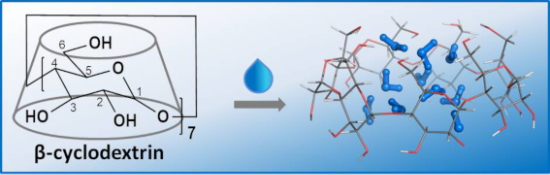
- differential thermal analysis with thermogravimetry (DTA/TG) and by differential scanning calorimetry (DSC) using a Perkin-Elmer DSC-7. The samples were heated from room temperature (25 °C) to 200 °C with different constant scanning rates – from 2 to 10 K min−1 in pure nitrogen atmosphere. Temperature and heat


A general and atom-efficient continuous-flow approach to prepare amines, amides and imines via reactive N-chloramines
Beilstein J. Org. Chem. 2018, 14, 2220–2228, doi:10.3762/bjoc.14.196
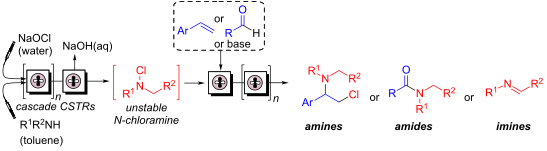
- -toluenesulfonamide (11) was investigated as substrate. Differential scanning calorimetry (DSC) was used to assess the thermal stability of 11, which melts at 78 °C and decomposes between 160–200 °C. This profile peaks at 188 °C, corresponding to an enthalpy of decomposition of −84.7 kJ mol−1 (see Supporting


Two novel blue phosphorescent host materials containing phenothiazine-5,5-dioxide structure derivatives
Beilstein J. Org. Chem. 2018, 14, 869–874, doi:10.3762/bjoc.14.73
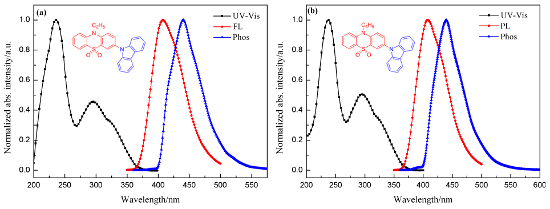
- scanning calorimetry (DSC) under nitrogen atmosphere at a scanning rate of 10 °C/min and the results are shown in Figure 4. Both CEPDO and CBPDO show very high thermal stability with decomposition temperatures (Td) of 409 and 396 °C and glass transition temperatures (Tg) of 167 and 138 °C, respectively
- injection and transmission [21]. Therefore, we successfully synthesized two novel bipolar host materials with higher triplet energy by choosing suitable donor and acceptor units. Thermal properties The thermal properties of CEPDO and CBPDO were determined by thermogravimetric analysis (TGA) and differential


D–A–D-type orange-light emitting thermally activated delayed fluorescence (TADF) materials based on a fluorenone unit: simulation, photoluminescence and electroluminescence studies
Beilstein J. Org. Chem. 2018, 14, 672–681, doi:10.3762/bjoc.14.55
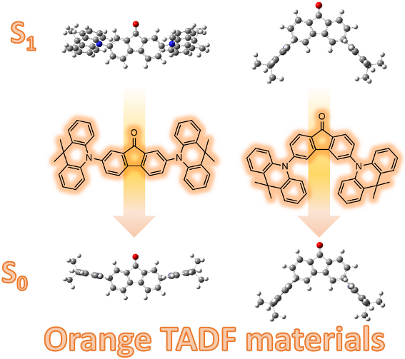
- efficiency of the OLEDs based on conventional fluorescent materials. Results and Discussion 27DACRFT 1 and 36DACRFT 2 have similar thermal properties according to thermogravimetric analysis (TGA) and differential scanning calorimetry (DSC) measurements. They have high decomposition temperatures (Td


Structure–property relationships and third-order nonlinearities in diketopyrrolopyrrole based D–π–A–π–D molecules
Beilstein J. Org. Chem. 2017, 13, 2374–2384, doi:10.3762/bjoc.13.235

- of the peripheral substituents (donor) and enlargement of the π-system. Fundamental properties of target molecules were studied by differential scanning calorimetry, electrochemistry, and absorption and emission spectra. Nonlinear optical properties were studied by measuring the third harmonic
- were further investigated by differential scanning calorimetry (DSC), electrochemistry, absorption and emission spectra, DFT calculations, and THG measurements. Results and Discussion Synthesis of DPP derivatives 1–5 According to the π-linker structure, two series of target chromophores a and b can be
- chromatography without a need of further crystallization. Hence, this ferrocene derivative was prepared with the highest yield of 73%. In the solid state, all target chromophores resemble dark metallic solids. Differential scanning calorimetry The thermal behaviour of compounds 1–5b was studied by differential




Mechanochemical borylation of aryldiazonium salts; merging light and ball milling
Beilstein J. Org. Chem. 2017, 13, 1463–1469, doi:10.3762/bjoc.13.144
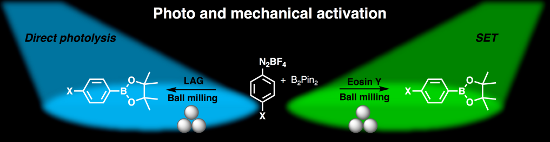
- of the reaction mixture seemed homogeneous. Differential scanning calorimetry (DSC) analysis of the aryldiazonium salts 1a–d revealed that 1a–c melt followed by decomposition of the samples. However, the DSC profile of the iodobenzenediazonium salt 1d showed a direct thermal decomposition upon


Aggregation behaviour of a single-chain, phenylene-modified bolalipid and its miscibility with classical phospholipids
Beilstein J. Org. Chem. 2017, 13, 995–1007, doi:10.3762/bjoc.13.99
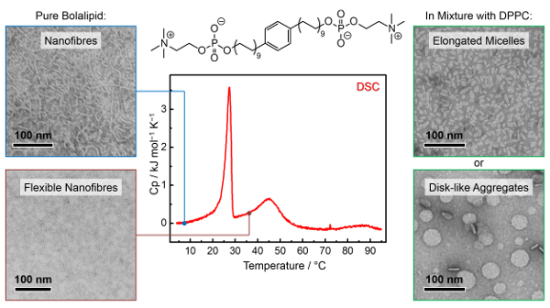
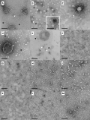
- was studied as a function of temperature using transmission electron microscopy (TEM), differential scanning calorimetry (DSC), Fourier-transform infrared (FTIR) spectroscopy, and small angle neutron scattering (SANS). We show that our new bolalipid self-assembles into nanofibres, which transform into
- simulations [27]. A temperature increase leads to a transformation of the nanofibres into small micelles and the gel character is lost. This reversible gel/sol transformation is accompanied by a cooperative endothermic transition at Tm = 48 °C, which can be followed by differential scanning calorimetry (DSC
- Microscopy GmbH, Jena, Germany). Differential scanning calorimetry (DSC) DSC measurements were performed using a MicroCal VP-DSC differential scanning calorimeter (MicroCal Inc. Northampton, MA, USA). Before the measurements, the sample suspension and the water (or phosphate buffer) used as a reference were



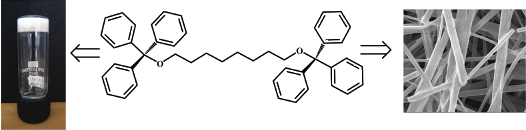
A new class of organogelators based on triphenylmethyl derivatives of primary alcohols: hydrophobic interactions alone can mediate gelation
Beilstein J. Org. Chem. 2017, 13, 138–149, doi:10.3762/bjoc.13.17
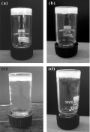
- acidic solution in contrast to its unstable solution-phase behavior. Differential scanning calorimetry Differential scanning calorimetry (DSC) of gels prepared from TPM-G12 (in propan-1-ol and DMSO) was carried out to study the gel-sol transition (Tgel) behaviour. Figure 3 shows the DSC heating curves of







Synthesis and evaluation of anti-oxidant and cytotoxic activities of novel 10-undecenoic acid methyl ester based lipoconjugates of phenolic acids
Beilstein J. Org. Chem. 2017, 13, 26–32, doi:10.3762/bjoc.13.4
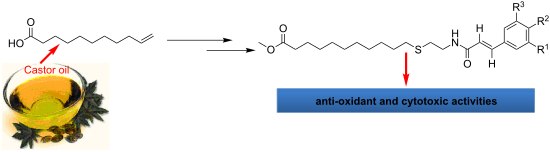
- by differential scanning calorimetry (DSC). DSC is a sensitive technique and has been used for investigating the thermotropic properties of several compounds including biological macromolecules, drugs and lipid-based materials for their stability and other characteristics [16]. In the present study
- is the absorbance of the tested sample after 40 min. DSC measurements The anti-oxidant activity was also evaluated by differential scanning calorimetry using pure linoleic acid as a lipid model system [23][24]. All studied anti-oxidants were dissolved in methanol to prepare 1 mM solutions. Samples of
- structures were confirmed by spectral data. The anti-oxidant activity of the synthesized lipoconjugates of phenolic acids was studied by the 2,2-diphenyl-1-picrylhydrazyl (DPPH) radical scavenging assay and also by the inhibition of linoleic acid oxidation in micellar medium by differential scanning


Effects of solvent additive on “s-shaped” curves in solution-processed small molecule solar cells
Beilstein J. Org. Chem. 2016, 12, 2543–2555, doi:10.3762/bjoc.12.249
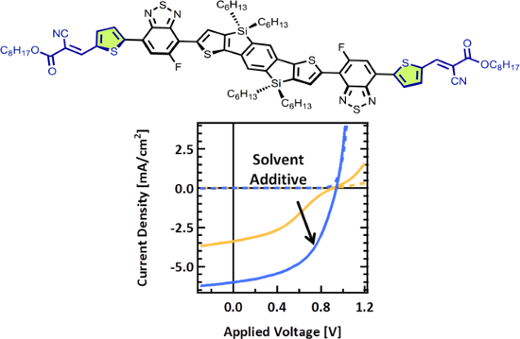
- differential scanning calorimetry (DSC) and compared to its predecessor, p-SIDT(FBTTh2)2. A significant impact on thermal behaviors was observed upon substituting 2-hexylthiophene with octyl cyanoacetate (Supporting Information File 1, Figure S4 and Table S1). As compared to p-SIDT(FBTTh2)2, the melting (Tm


Comparing blends and blocks: Synthesis of partially fluorinated diblock polythiophene copolymers to investigate the thermal stability of optical and morphological properties
Beilstein J. Org. Chem. 2016, 12, 2150–2163, doi:10.3762/bjoc.12.205
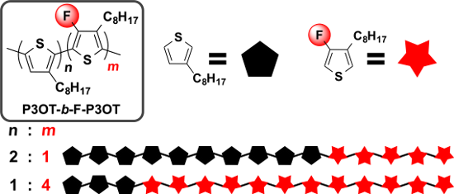
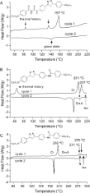
- approach was not feasible. In that case, washing with dichloromethane resulted in a demonstrable removal of P3OT homopolymer, as indicated by the differential scanning calorimetry (DSC) thermogram (see Figure 1). Indeed, the melting peak around 190 °C, apparent in the crude block copolymer and attributable
- likely indicates less inter- and intrachain coupling, and possibly a frustration of the crystallization and phase separation in the case of these block copolymers. Thermal behavior Differential scanning calorimetry Fluorination of P3OT has previously been shown to result in a 50–60 °C increase in the
- , TCE-d2, 403 K, δ) 7.05 (s, 1H), 2.93–2.86 (m, 1.8H), 2.85–2.76 (m, 8.3H), 1.91–1.64 (m, 10.9H), 1.58–1.27 (m, 56.9H), 1.06–0.89 (m, 15.1H); 19F NMR (376 MHz, TCE-d2, 403 K, δ) −122.94 (s). Differential scanning calorimetry thermogram (second cycle, 10 K/min) of P3OT-b-F-P3OT 2:1 before (black) and




Syntheses of dibenzo[d,d']benzo[2,1-b:3,4-b']difuran derivatives and their application to organic field-effect transistors
Beilstein J. Org. Chem. 2016, 12, 805–812, doi:10.3762/bjoc.12.79
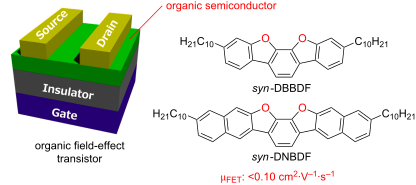
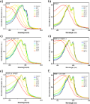
- stability of syn-DBBDF 5 and syn-DNBDF 6 were evaluated by differential scanning calorimetry (DSC) and thermogravimetric analysis (TGA), respectively. The DSC scans of syn-DBBDF 5 and syn-DNBDF 6 showed some transition peaks with the first phase-transition temperature at 20 °C and 45 °C, respectively, in


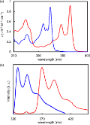


Amino-functionalized (meth)acryl polymers by use of a solvent-polarity sensitive protecting group (Br-t-BOC)
Beilstein J. Org. Chem. 2016, 12, 245–252, doi:10.3762/bjoc.12.26
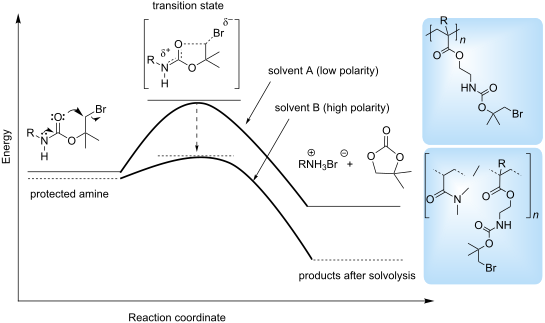
- spectrometer equipped with a diamond single bounce ATR accessory. The measurements were performed in the range of 400–3000 cm−1 at room temperature. Differential scanning calorimetry (DSC) was performed using a Mettler Toledo DSC 822 instrument equipped with a sample robot TSO801RO. The Apparatus was


Interactions of cyclodextrins and their derivatives with toxic organophosphorus compounds
Beilstein J. Org. Chem. 2016, 12, 204–228, doi:10.3762/bjoc.12.23
- . Various analytical tests were used to access such information in the cases of pesticides [40][41][42]. Phase solubility diagrams could be obtained if changes of their water solubility upon inclusion occur, whereas differential scanning calorimetry (DSC) could be used to discriminate inclusion complexes


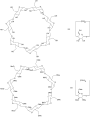
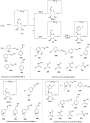
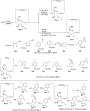

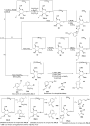


Thermal and oxidative stability of Atlantic salmon oil (Salmo salar L.) and complexation with β-cyclodextrin
Beilstein J. Org. Chem. 2016, 12, 179–191, doi:10.3762/bjoc.12.20
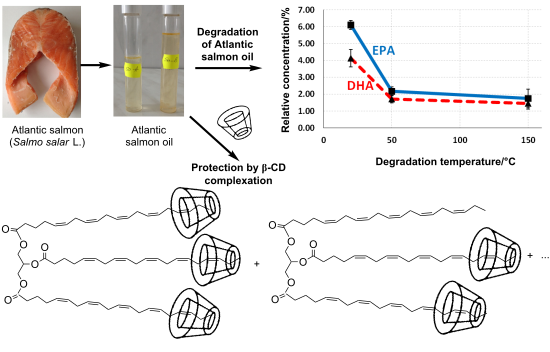
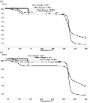
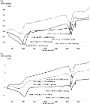
- -CD/ASO complexes. The analysis of the complexes by thermogravimetry, differential scanning calorimetry (DSC), and Karl Fischer titration (KFT) as well as the decrease of the “strongly-retained” water content confirm the formation of the inclusion compound. Furthermore, the DSC parameters correlate
- well with the KFT kinetic data for β-CD/ASO complexes. Keywords: Atlantic salmon oil (ASO); β-cyclodextrin; differential scanning calorimetry; Karl Fischer titration; omega-3 fatty acid; thermogravimetry; Introduction Functional food products containing omega-3 supplementation are becoming more and
- water and solvent contents in host–guest supramolecular systems by thermal analyses have already been performed for CD/flavonoid and CD/essential oil complexes [37][39]. Differential scanning calorimetry (DSC) analysis DSC can provide further information on the physical and chemical processes occurring



Physical properties and biological activities of hesperetin and naringenin in complex with methylated β-cyclodextrin
Beilstein J. Org. Chem. 2015, 11, 2763–2773, doi:10.3762/bjoc.11.297
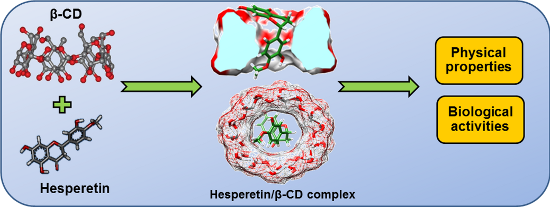
- diagram showed the formation of a soluble complex of AL type, with higher increase in solubility and stability when hesperetin and naringenin were complexed with RAMEB. Solid complexes were prepared by freeze-drying, and the data from differential scanning calorimetry (DSC) confirmed the formation of
- 24 hours. The dried powder was stored in desiccators for further use. Differential scanning calorimetry (DSC) analysis The differential scanning calorimetry (DSC, Netzsch, 204 F1 Phoenix) was used for recording DSC thermograms of the free hesperetin and naringenin and the inclusion complexes with β


Synthesis and photophysical characteristics of polyfluorene polyrotaxanes
Beilstein J. Org. Chem. 2015, 11, 2677–2688, doi:10.3762/bjoc.11.288
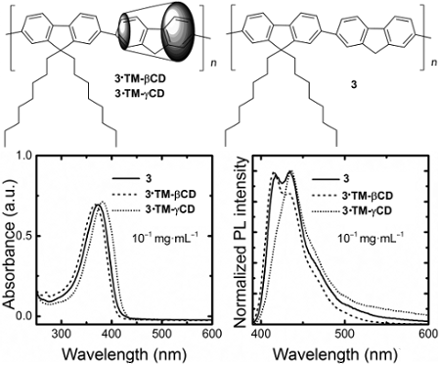
- polyrotaxanes than that of 3 non-rotaxane sample was assigned to the different content of threaded TM-βCD or TM-γCD on the copolymer chains (see incomplete coverage determined by 1H NMR). The thermal properties of the copolymers were evaluated by differential scanning calorimetry (DSC) and thermogravimetric


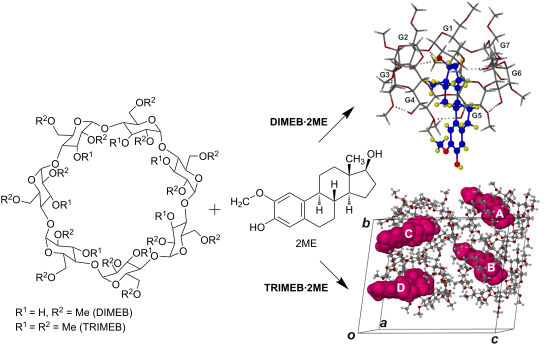
Inclusion complexes of 2-methoxyestradiol with dimethylated and permethylated β-cyclodextrins: models for cyclodextrin–steroid interaction
Beilstein J. Org. Chem. 2015, 11, 2616–2630, doi:10.3762/bjoc.11.281
- well-defined and hence met the criterion for subsequent solubility studies. Interaction between 2ME and the amorphous CD derivatives RAMEB and HPBCD PXRD, differential scanning calorimetry (DSC) and FTIR methods were employed to investigate the products of kneading between crystalline 2ME and these





Cross-metathesis of polynorbornene with polyoctenamer: a kinetic study
Beilstein J. Org. Chem. 2015, 11, 1796–1808, doi:10.3762/bjoc.11.195

- MHz (13C NMR); CDCl3 (Aldrich) was used as solvent. Chemical shifts δ were reported in parts per million relative to the residual CHCl3 signal as an internal reference standard. Differential scanning calorimetry (DSC) thermograms were recorded on a Mettler TA 4000 system at a rate of 10 °C/min under


![[Graphic 2]](/bjoc/content/inline/1860-5397-11-195-i10.png?max-width=637&scale=1.18182) in CHCl3 on the (a) light ...
in CHCl3 on the (a) light ...


Thermal properties of ruthenium alkylidene-polymerized dicyclopentadiene
Beilstein J. Org. Chem. 2015, 11, 1469–1474, doi:10.3762/bjoc.11.159
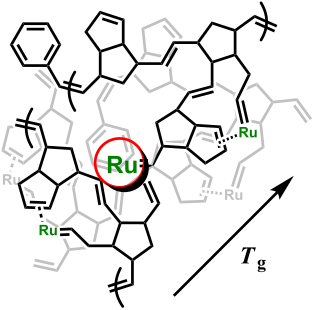
- Differential scanning calorimetry (DSC) analysis of ring opening methatesis polymerization (ROMP) derived polydicyclopentadiene (PDCPD) revealed an unexpected thermal behavior. A recurring exothermic signal can be observed in the DSC analysis after an elapsed time period. This exothermic signal was found to be
- of 98.9% at polymerization temperatures of 60 °C with the Grubbs first generation catalyst. By carrying out detailed differential scanning calorimetry (DSC) analyses Kessler and Mauldin [27] demonstrated a sharp exothermic peak related to the heat of reaction and a final Tg of 164 °C at conversions
- observations. Experimental All commercially available chemicals were of reagent grade quality and used without further purification, unless described. Differential scanning calorimetry (DSC) data was obtained using a METTLER-TOLEDO DSC 823 and results were evaluated with the STARe software. All experiments


Consequences of the electronic tuning of latent ruthenium-based olefin metathesis catalysts on their reactivity
Beilstein J. Org. Chem. 2015, 11, 1458–1468, doi:10.3762/bjoc.11.158
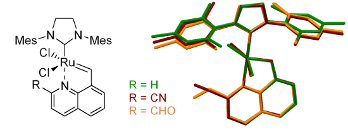
- . Big symbols: thermogravimetric analysis (TGA); no symbols: differential scanning calorimetry (DSC). trans–cis Isomerization. Synthesis of the ligand precursors. Synthesis of the ruthenium complexes. Possible reaction pathways of 16. Supporting Information Supporting Information File 360: Full




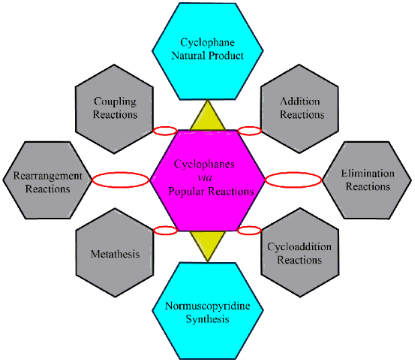
Selected synthetic strategies to cyclophanes
Beilstein J. Org. Chem. 2015, 11, 1274–1331, doi:10.3762/bjoc.11.142
- synthesized hexa-peri-hexabenzocoronene cyclophane 201a–c. They studied their properties by carrying out differential scanning calorimetry (DSC), optical microscopy, wide-angle X-ray scattering (WAXD), and scanning tunneling microscopy (STM). Tunneling spectroscopy reveals a diode-like behavior which