Search results
Search for "imidazole" in Full Text gives 355 result(s) in Beilstein Journal of Organic Chemistry. Showing first 200.
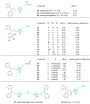
Cu(OTf)2-catalyzed multicomponent reactions
Beilstein J. Org. Chem. 2025, 21, 122–145, doi:10.3762/bjoc.21.7

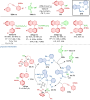
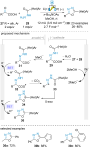
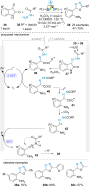
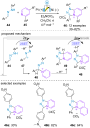
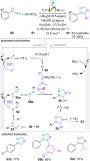
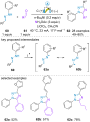
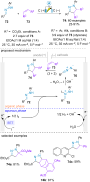
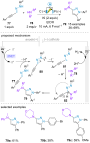
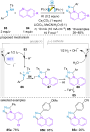
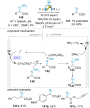
- . From the mechanistic point of view, it is expected that the reaction proceeds via formation of an imine XXXIV between isoxazole carbaldehyde, activated by the copper salt, and 2-aminoazine, which in turn undergoes a non-concerted [4 + 1] cycloaddition involving isonitrile to give the imidazole ring of










Recent advances in organocatalytic atroposelective reactions
Beilstein J. Org. Chem. 2025, 21, 55–121, doi:10.3762/bjoc.21.6
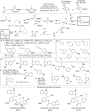
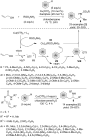
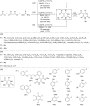
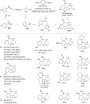
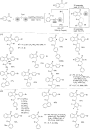
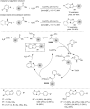
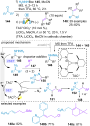
- present. On the other hand, peptide phosphoric acid C46 appears to work through an alternative mode of enantioinduction, where conformational adaptation presumably limits repulsive interactions. CPA C40 was utilized in the construction of the imidazole ring of axially chiral products 200 (Scheme 59) [89
- determined in the CPA-catalyzed intramolecular enantioselective addition and oxidative aromatization affords the final products 200. The organocatalytic construction of the imidazole ring to provide axially chiral N-arylbenzimidazoles 203 was catalyzed by CPA (R)-C23 (Scheme 60) [90]. It was a reaction of N











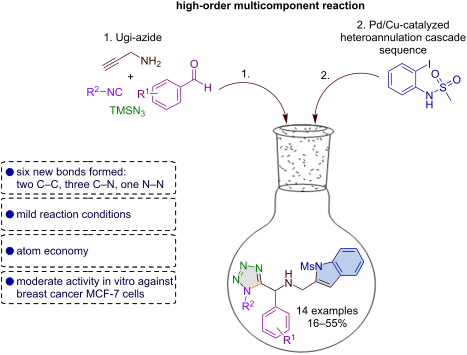
Synthesis of the 1,5-disubstituted tetrazole-methanesulfonylindole hybrid system via high-order multicomponent reaction
Beilstein J. Org. Chem. 2024, 20, 3077–3084, doi:10.3762/bjoc.20.256
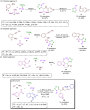
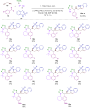
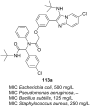
- importance of the tert-butyl and cyclohexyl substituents in the imidazole can be deduced. According to the IC50 results presented in Figure 1, it can be seen that all cyclohexyl-substituted derivatives tested show activity. In contrast, those carrying the tert-butyl group are inactive, except for 18i and 18a



Synthesis and antimycotic activity of new derivatives of imidazo[1,2-a]pyrimidines
Beilstein J. Org. Chem. 2024, 20, 2806–2817, doi:10.3762/bjoc.20.236
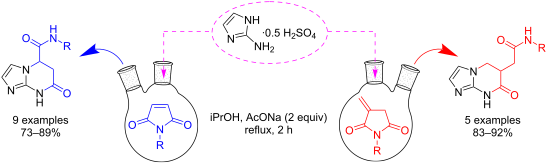
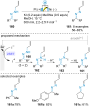
- imidazole nucleophilic center not involved in the first step. This process leads to the formation of alternative final products: imidazo[1,2-a]imidazoles 10 and 12, imidazo[1,5-a]pyrimidines 4, 5, 11 and 14, and imidazo[1,2-a]diazines 13 and 15. The analysis of the spectral data (1H and 13C NMR, 2D NMR
- C-3 of the imidazole core, would not be possible for the alternative imidazopyrimidine system. These results allowed us to reject the structure 11. The lack of correlation in the HMBC spectra between the protons of the amide fragment and the C-5 carbon atom, as well as the presence of cross-peaks of
- the H-5 proton with the C-8a nodal atom and the C-3 imidazole carbon atom, further supports the formation of product 4d. Strong interactions between protons of two methylene groups are the most noticeable features in the NOESY spectrum of the imidazo[1,2-a]pyrimidine 5d. Due to the conformational


5th International Symposium on Synthesis and Catalysis (ISySyCat2023)
Beilstein J. Org. Chem. 2024, 20, 2704–2707, doi:10.3762/bjoc.20.227
- reported that imidazole analogs behaved differently due to the ʟ-histidine unit representing a nonphenyl scaffold. Some important data on the bioisosteric modifications of 2-phenethylamine derivatives, focusing on their affinity and core aromatic diversity, were included. In another Review article

Synthesis, electrochemical properties, and antioxidant activity of sterically hindered catechols with 1,3,4-oxadiazole, 1,2,4-triazole, thiazole or pyridine fragments
Beilstein J. Org. Chem. 2024, 20, 2378–2391, doi:10.3762/bjoc.20.202
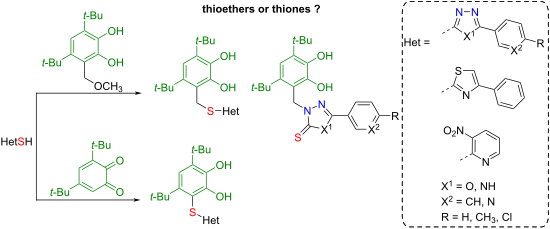
- heteroatoms (nitrogen, sulfur, selenium, tellurium, etc.) as well as redox-active functional groups allows one to vary significantly the biological activity of such compounds. Heterocyclic molecular blocks are widely used in medicinal chemistry [12]. Thiazole, oxadiazole, triazole, imidazole, and other
- activity against the HeLa cancer cell line [22]. 1,2,4-Triazole thioglycoside derivatives have antiviral activity against influenza strains H3N2 and H5N1 [31][32]. The 1,2,4-triazole-3-thione-imidazole hybrids displayed potential antibacterial activity against E. coli, S. aureus [33]. Heterocyclic thione
- , imidazole, thiadiazole, or other fragments [44][45][46][47][48]. Previously, we obtained a series of sterically hindered catechols linked through a sulfide bridge with various polar or low-polar groups [36][49][50][51] and heterocyclic fragments [52] via the Michael addition reaction. Also, we have




Harnessing the versatility of hydrazones through electrosynthetic oxidative transformations
Beilstein J. Org. Chem. 2024, 20, 1988–2004, doi:10.3762/bjoc.20.175
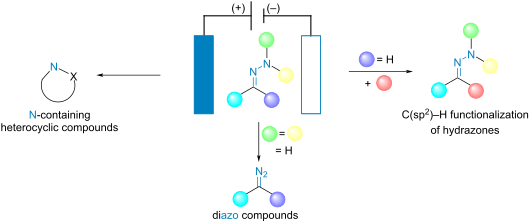
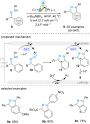
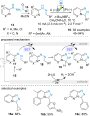
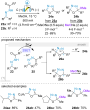
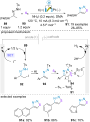
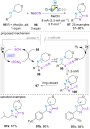
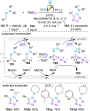
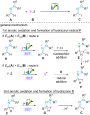
- , imidazole, pyrazole and triazoles (Scheme 23) [72]. Cyclic voltammetry studies confirmed that the azoles were redox inactive in the scan window while benzaldehyde-derived morpholino hydrazone could be readily oxidized at 1.18 V vs SCE in CH3CN supporting the route (a) of the general mechanism in Scheme 20








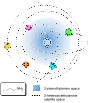
2-Heteroarylethylamines in medicinal chemistry: a review of 2-phenethylamine satellite chemical space
Beilstein J. Org. Chem. 2024, 20, 1880–1893, doi:10.3762/bjoc.20.163
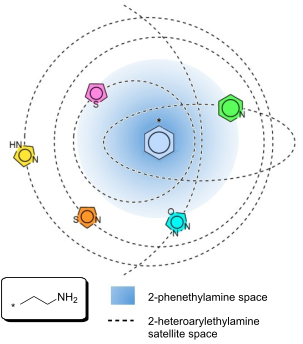
- , showed almost a 3-fold potency compared to histamine, while the derivatives 47–49 with a methyl group attached to the imidazole core demonstrated lower relative potency. The derivative 54 was investigated towards its effect against the H4 receptor, recently [52][53][54]. Furthermore, an antagonistic H3
- ). Histaprodifen 64 is a potent H1 receptor agonist with a 3,3-diphenylpropyl moiety at position 2 of the imidazole ring characterized by Elz and co-workers [58]. The authors showed parent compound 64 and methylated derivatives 65 and 66 were potent H1 receptor agonists in pithed and anaesthetized rats (Scheme 11
- second generation series, i.e., compounds 91–94 (Scheme 12), featuring simple hydrocarbon substituents was elaborated. This collection showed good activities, demonstrating the tolerance of introducing bulky moieties at position C2 or N1 of the imidazole ring. Researchers also described positive membrane




The Groebke–Blackburn–Bienaymé reaction in its maturity: innovation and improvements since its 21st birthday (2019–2023)
Beilstein J. Org. Chem. 2024, 20, 1839–1879, doi:10.3762/bjoc.20.162
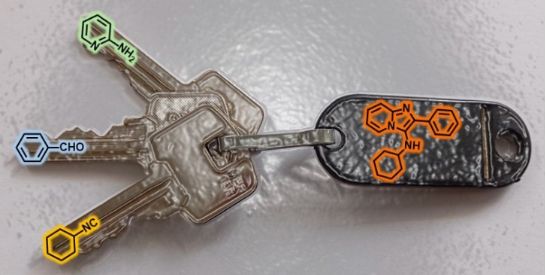
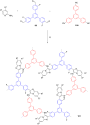
- cyclophanyl-imidazole-based library of ligands. The synthesis of ligands based on the [2.2]paracyclophane (PCP) moiety, thanks to its structural features and inherent planar chirality upon selective substitution, has been recently reviewed by the same author [46]. Starting from 4-formylcyclophane 37, a GBB
- already discussed in section 1.3, Brunschweiger et al. [47] reported the synthesis of DNA–imidazole heterocyclic conjugates by the GBB-3CR. An alternative to the previously discussed encapsulated solution-phase synthesis is the solid-phase approach in which the DNA barcodes are synthesized on CPG
- (IPT)-mediated intramolecular oxidative annulation and a hydroxylamine-induced ring cleavage of intermediate 48. With this one-pot sequential procedure they synthesized 49 in yields up to 95% (Scheme 19). The subsequent GBB-3CR led to the unique 1H-imidazo[1,2-a]imidazole core 50 with 4 distinct






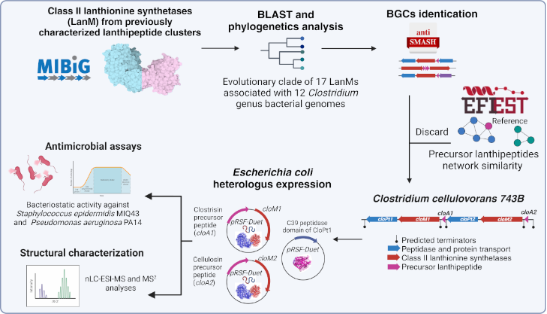
Discovery of antimicrobial peptides clostrisin and cellulosin from Clostridium: insights into their structures, co-localized biosynthetic gene clusters, and antibiotic activity
Beilstein J. Org. Chem. 2024, 20, 1800–1816, doi:10.3762/bjoc.20.159
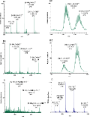
- analysis of the CloA1 and CloA2 precursor peptides Clostrisin and cellulosin were purified through non-native means using a Ni2+ column due to a 6xHis tag at the N-terminal end, followed by elution via imidazole gradient (refer to Figures S7A and S7B in Supporting Information File 1 for SDS-PAGE analysis
- KCl, 10% glycerol, 0.5 mM imidazole), followed by 10 column volumes of LanA wash buffer 2 (20 mM Tris pH 7.5, 500 mM KCl, 10% glycerol, 30 mM imidazole). Finally, the elution was performed with 3 column volumes of LanA elution buffer (20 mM Tris pH 7.5, 500 mM KCl, 10% glycerol, 750 mM imidazole




Syntheses and medicinal chemistry of spiro heterocyclic steroids
Beilstein J. Org. Chem. 2024, 20, 1713–1745, doi:10.3762/bjoc.20.152
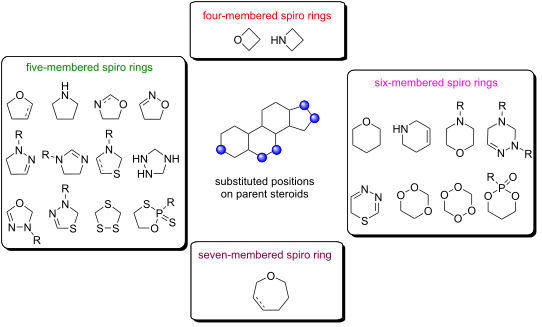
- preparing spiro α-methylene-β-lactones from different steroidal propargylic alcohols [13]. The procedure involves a one-pot Pd-catalyzed cyclocarbonylation of alkynols using 5 mol % of Pd(CH3CN)2Cl2 as a catalyst precursor and 30 mol % of 2-(dibutyl)phosphine-1-(2,6-diisopropylphenyl)-1H-imidazole as


Polymer degrading marine Microbulbifer bacteria: an un(der)utilized source of chemical and biocatalytic novelty
Beilstein J. Org. Chem. 2024, 20, 1635–1651, doi:10.3762/bjoc.20.146
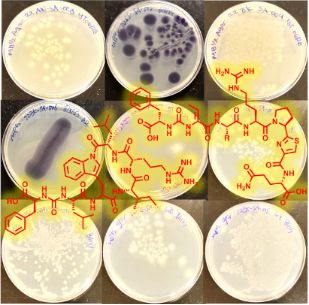
- determined using a combination of NMR spectroscopy and chemical derivatization experiments, adding new members to this class of imidazole-containing natural products such as the nocarimidazoles A and B reported from a marine-derived actinomycete Nocardiopsis sp. before [126]. Compound 21 was determined to be




Photoswitchable glycoligands targeting Pseudomonas aeruginosa LecA
Beilstein J. Org. Chem. 2024, 20, 1486–1496, doi:10.3762/bjoc.20.132
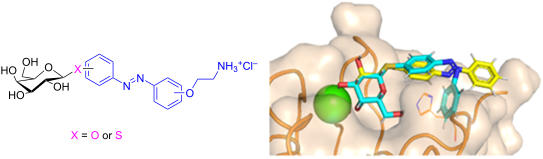
- , with Kd values from micromolar (for monovalent galactosides) to nanomolar range (for di- and multivalent derivatives) [5][6][7][8]. For the monovalent system, it has been shown that aromatic aglycons favored “T-shaped” CH...π interactions with the protons of the His50 imidazole in the carbohydrate


Challenge N- versus O-six-membered annulation: FeCl3-catalyzed synthesis of heterocyclic N,O-aminals
Beilstein J. Org. Chem. 2024, 20, 1412–1420, doi:10.3762/bjoc.20.123
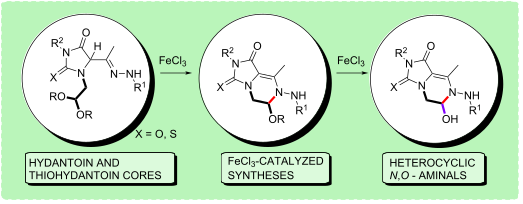
- imidazole and pyrazine pharmacophores, are well represented in the area of medicinal chemistry since they possess pharmacological properties as mammalian target of rapamycin (mTOR) inhibitors [7], adenosine triphosphate (ATP) competitive inhibitors of the insuline-like growth factor 1 (IGF-1) receptor




Synthesis and physical properties of tunable aryl alkyl ionic liquids based on 1-aryl-4,5-dimethylimidazolium cations
Beilstein J. Org. Chem. 2024, 20, 1278–1285, doi:10.3762/bjoc.20.110
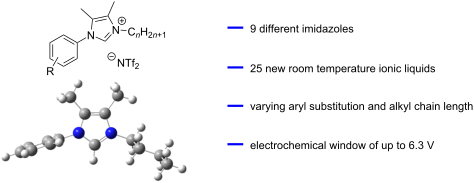
- well known that the hydrogen atom at the C2 carbon atom of the imidazole core is more acidic as those in the C4/C5-position, where the methyl groups are expected to also have a significant effect on the molecular interactions. Platinum complexes using the 4,5-dimethylimidazole motif as a ligand were


Three-component N-alkenylation of azoles with alkynes and iodine(III) electrophile: synthesis of multisubstituted N-vinylazoles
Beilstein J. Org. Chem. 2024, 20, 891–897, doi:10.3762/bjoc.20.79
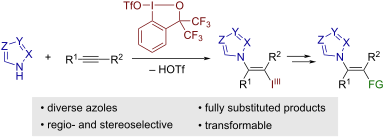
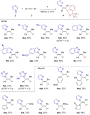
- -membered aromatic azacycles, imidazole completely failed to undergo the present N-alkenylation, whereas the reaction of 1,2,4-triazole was too sluggish to allow for the isolation and unambiguous characterization of the expected product. Next, the reaction of pyrazole (2a) was explored using different
- (Scheme 3c). It is important to note that the azole nucleophile preferentially adds to the carbon atom that can better stabilize a positive charge, as demonstrated by the regioselectivities observed with unsymmetrical alkynes. The failure of imidazole to participate in the iodo(III)azolation may be
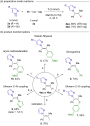
- between 4ba and 4-methoxybenzenethiol furnished the N,S-substituted olefin 7 in 59% yield. The treatment of 4aa with stoichiometric CuI and ʟ-proline effected the iodine(III)-to-iodine(I) conversion to give the vinyl iodide 8 in 76% yield. Compound 8 was used for the Ullmann coupling with imidazole



Evaluation of the enantioselectivity of new chiral ligands based on imidazolidin-4-one derivatives
Beilstein J. Org. Chem. 2024, 20, 684–691, doi:10.3762/bjoc.20.62
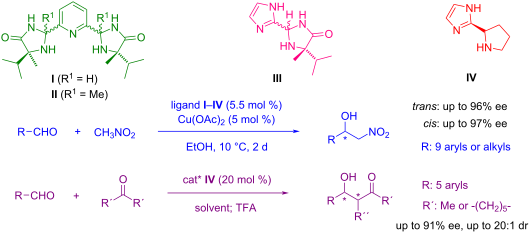
- tridentate chiral ligands: PyBOX [15] and PyBidine [16]. Additionally, we explored further modifications by substituting the pyridine moiety with an imidazole ring in ligand III (Figure 1), motivated by DFT calculations (see Supporting Information File 1, part S4) which confirmed that imidazole has a similar
- derivatives possess similar enantioselectivity. However, compound IV is less catalytically active, probably due to the lower acidity of protonated 1H-imidazole than 1H-tetrazole [17]. Conclusion In this study, we successfully synthesised enantiomerically pure stereoisomers of 2,2'-(pyridin-2,6-diyl)-bis
- enantioselectivity with a cis configuration at position 5 relative to position 2. Additionally, when mixed configurations were present at position 2 in tridentate ligands (Ib and IIb), the 2R configuration facilitated more effective chirality transfer. Substituting the pyridine moiety with an imidazole in ligands


A myo-inositol dehydrogenase involved in aminocyclitol biosynthesis of hygromycin A
Beilstein J. Org. Chem. 2024, 20, 589–596, doi:10.3762/bjoc.20.51
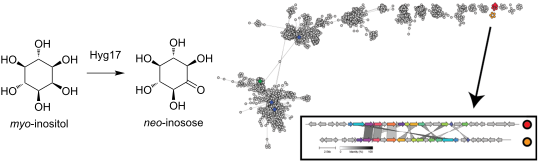
- imidazole in binding buffer (10, 20, 50, and 500 mM imidazole). Fractions were run on an ExpressPlusTM PAGE Gel (GenScript) and protein was visualized using Coomassie Brilliant Blue G-250 (VWR). Fractions containing Hyg17 were pooled and further purified using a HiLoad 16/600 Superdex 75 pg size exclusion


Switchable molecular tweezers: design and applications
Beilstein J. Org. Chem. 2024, 20, 504–539, doi:10.3762/bjoc.20.45
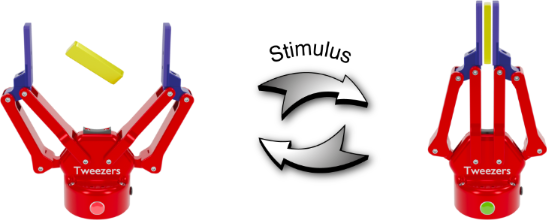


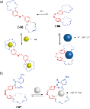


Development of a chemical scaffold for inhibiting nonribosomal peptide synthetases in live bacterial cells
Beilstein J. Org. Chem. 2024, 20, 445–451, doi:10.3762/bjoc.20.39
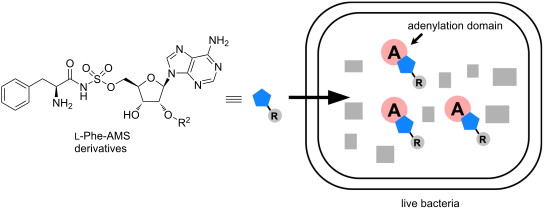
- , TBAI, R–X (a: MeI, b: BnBr, c: BrCH2CCH3, d: BrCH2CN, e: Br(CH2)4N3), DMF, rt, 45% (10a), 59% (10b), 45% (10c), 21% (10d), and 45% (10e); (b) TBSCl, imidazole, DMAP, DMF, rt, 83% (11a), 78% (11b), 57% (11c), 62% (11d), and 65% (11e); (c) 25% TFA in THF aq, 0 °C, 77% (12a), 77% (12b), 50% (12c), 96


Elucidating the glycan-binding specificity and structure of Cucumis melo agglutinin, a new R-type lectin
Beilstein J. Org. Chem. 2024, 20, 306–320, doi:10.3762/bjoc.20.31
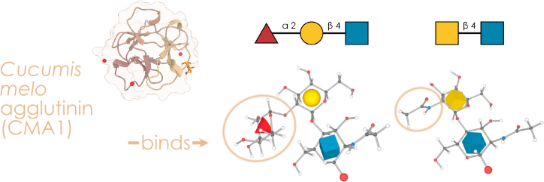
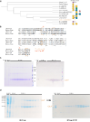
- column (GE healthcare) at 5 mL/min. The column was washed with 10 mM phosphate-buffered saline (Medicago), 500 mM NaCl and 50 mM imidazole before elution of the protein using the same buffer with a gradient from 50 mM to 500 mM imidazole (G-Biosciences) over 15 column volumes. Pooled fractions were
- passed through a 0.45 µm syringe filter prior to affinity chromatography purification using 1 mL HisTrap™ HP column (Cytiva) preequilibrated with buffer A and an NGC chromatography system (Bio-Rad). After loading the cleared lysate, the column was washed with buffer A + 50 mM imidazole (Sigma-Aldrich
- , Merck, #56749) to remove all contaminants and unbound proteins. CMA1 was eluted by a 20 mL linear gradient from 50 mM to 500 mM imidazole in buffer A. The fractions were analyzed by SDS-PAGE with 15% gel and those containing CMA1 were collected and deprived of imidazole by buffer exchange in buffer A



Facile access to pyridinium-based bent aromatic amphiphiles: nonionic surface modification of nanocarbons in water
Beilstein J. Org. Chem. 2024, 20, 32–40, doi:10.3762/bjoc.20.5
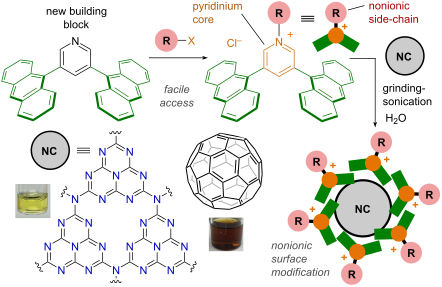
- )2–Y (Y = OCH3, OH, and imidazole)). The new amphiphiles quantitatively self-assemble into ≈2 nm-sized aromatic micelles in water independent of the side-chain. Importantly, efficient water-solubilization and nonionic surface modification of various nanocarbons (e.g., fullerene C60, carbon nanotubes
- , and graphene nanoplatelets) are achieved through noncovalent encircling with the bent amphiphiles. The resultant imidazole-modified nanocarbons display a pH-responsive surface charge, as evidenced by NMR and zeta-potential measurements. In addition, solubilization of a nitrogen-doped nanocarbon (i.e
- technology. We here report pyridinium-based, bent aromatic amphiphiles PA-R, featuring a pyridinium salt (Py-R+·Cl−) as the key motif, capable of providing both a cationic hydrophilic hinge and a variety of nonionic side-chains (i.e., CH3 and CH2CH2(OCH2CH2)2–Y (Y = OCH3, OH, and imidazole); Figure 1b). The




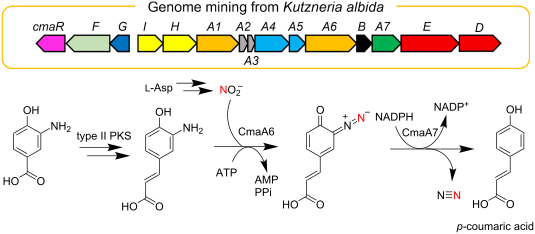
Identification of the p-coumaric acid biosynthetic gene cluster in Kutzneria albida: insights into the diazotization-dependent deamination pathway
Beilstein J. Org. Chem. 2024, 20, 1–11, doi:10.3762/bjoc.20.1
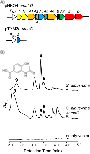
- .). The protein was eluted using a stepwise gradient of imidazole in lysis buffer (20–500 mM imidazole). The buffer was replaced with lysis buffer using an Amicon Ultra centrifugal filter with a suitable molecular mass cutoff (Merck Millipore). Recombinant AvaA1 and AvaA3 obtained in our previous study


Aldiminium and 1,2,3-triazolium dithiocarboxylate zwitterions derived from cyclic (alkyl)(amino) and mesoionic carbenes
Beilstein J. Org. Chem. 2023, 19, 1947–1956, doi:10.3762/bjoc.19.145
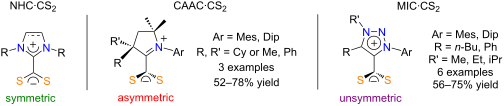
- just three decades (Figure 1) [2]. In particular, cyclic diaminocarbenes based on the imidazoline, benzimidazole, or imidazole ring system (A–C) have led to a myriad of applications in organometallic chemistry, homogeneous catalysis, and materials science, to name just a few [3][4][5]. Due to their


Beyond n-dopants for organic semiconductors: use of bibenzo[d]imidazoles in UV-promoted dehalogenation reactions of organic halides
Beilstein J. Org. Chem. 2023, 19, 1912–1922, doi:10.3762/bjoc.19.142
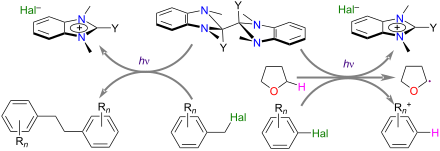
- , United States, Department of Chemistry, University of Colorado Boulder, Boulder, Colorado 80309, United States 10.3762/bjoc.19.142 Abstract 2,2’-Bis(4-dimethylaminophenyl)- and 2,2'-dicyclohexyl-1,1',3,3'-tetramethyl-2,2',3,3'-tetrahydro-2,2'-bibenzo[d]imidazole ((N-DMBI)2 and (Cyc-DMBI)2) are quite