Search results
Search for "cysteine" in Full Text gives 136 result(s) in Beilstein Journal of Organic Chemistry.
A dynamic combinatorial library for biomimetic recognition of dipeptides in water
Beilstein J. Org. Chem. 2020, 16, 1588–1595, doi:10.3762/bjoc.16.131
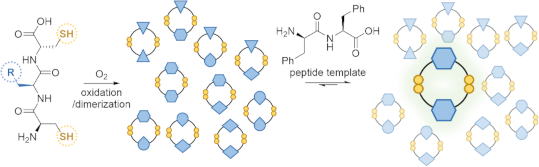
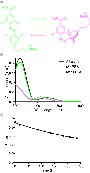
- CXC peptide building block design (single-letter code) were the terminal amino acids are cysteine (C) and the X can be any amino acid (Scheme 1a). This allows for rapid synthesis of various new building bocks by standard Fmoc based SPPS using Trt protecting groups for cysteine, which are subsequently
- cleaved (see Supporting Information File 1 for details). It also enables easy incorporation of nonnatural amino acids if desired [21]. We prepared a DCL by dissolving CFC, CEC, CSC and CAC (C for cysteine, F for phenylalanine, E for glutamic acid, S for serine, A for alanine) in an equimolar ratio in a
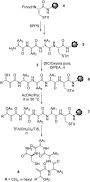
- SPPS. Thus one cysteine moiety is left deprotected and can be addressed selectively either by dimerization with another CFC(Acm) or with inversely substituted tripeptide (C(Acm)FC). These linear peptide dimers were subsequently cyclized by oxidative cleavage of the Acm groups to give a(CFC)2 and p(CFC


Chemical tuning of photoswitchable azobenzenes: a photopharmacological case study using nicotinic transmission
Beilstein J. Org. Chem. 2019, 15, 2812–2821, doi:10.3762/bjoc.15.274
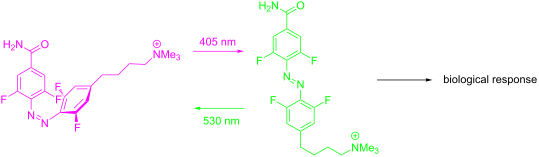
- glutathione. However, attempts to conjugate with a cysteine on a genetically modified nicotinic acetylcholine receptor did not afford the expected light-responsive channel. Our data indicate that the 4FAB photoswitch can be derivatized bifunctionally for genetically-targeted photopharmacology whilst
- temperature. The maleimide-substituted compound 1 reacted with the cysteine of glutathione, however, we found that this "4FAB version" of MAHoCh (Scheme 1) did not enable significant perturbation of nicotinic acetylcholine receptor currents used with MAHoCh [16]. However, when 4FABTA analog 2 was tested as a
- maintains the near-ideal chemical properties of Hecht’s 4FAB chromophores [12][13] (see below). The final synthetic challenge was the installation of a maleimide onto chromophore 2. The original AB photoswitchable probes which were cross-linked to cysteine mutants had amides with a reverse orientation [19




Fluorinated maleimide-substituted porphyrins and chlorins: synthesis and characterization
Beilstein J. Org. Chem. 2019, 15, 2704–2709, doi:10.3762/bjoc.15.263

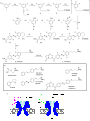
- covalently conjugates thiol groups of cysteine residues in proteins or peptides by the thio-Michael addition to the double bond of the maleimide to form a corresponding succinimidyl thioether. Conjugation of the cysteine sulfhydryl group with maleimide moieties allows us to prepare the bioconjugates


Synthesis of novel sulfide-based cyclic peptidomimetic analogues to solonamides
Beilstein J. Org. Chem. 2019, 15, 2544–2551, doi:10.3762/bjoc.15.247

- cysteine sulfhydryl side chain to electrophilic Cβ of an O-acetylated Morita–Baylis–Hillman (MBH) adduct residue (Scheme 1). Despite reports describing the use of amino acid residues with nucleophilic side chains to prompt the macrocyclization of peptides and their mimetics, to the best of our knowledge
- on the compound can be a q or t, integrating for one hydrogen, assigned to C3 methine hydrogen. The 1H,13C-HMBC spectra allows us to observe an important strong correlation between the signals assigned to the protons on C1 and the carbon Cβ of the cysteine, which strongly suggest the formation of the




Synthesis and biological evaluation of truncated derivatives of abyssomicin C as antibacterial agents
Beilstein J. Org. Chem. 2019, 15, 1468–1474, doi:10.3762/bjoc.15.147
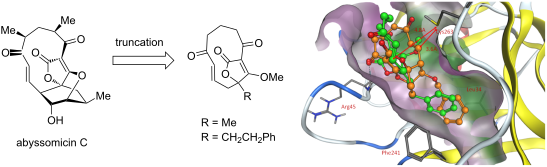
- cysteine residue in the immediate proximity to the active site and the enone moiety of AbC. The PABA pathway is essential in bacteria but absent in humans, making AbC a promising compound for further development towards an antibiotic drug candidate. Because of its intriguing structure and antibacterial
- docking of known and proposed ligands. The crystal structure contains a tryptophan molecule in the active site. Restrained molecular dynamics [20][21] was employed to position the active site cysteine (Cys-263) in a position that would allow covalent binding of the ligands in the active site. The
- , which suggests a suitable level of structural truncation of compound 2. Further docking studies, using covalent docking, also showed that both atrop-O-benzyl-desmethyl-abyssomicin C and 2 can bind to the active site cysteine via a Michael addition to the α,β-unsaturated ketone, still maintaining the


Genomics-inspired discovery of massiliachelin, an agrochelin epimer from Massilia sp. NR 4-1
Beilstein J. Org. Chem. 2019, 15, 1298–1303, doi:10.3762/bjoc.15.128
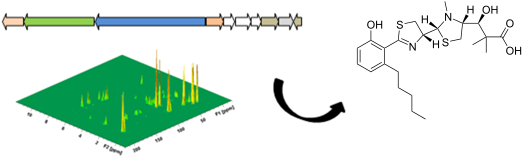
- biosynthetic precedence, MicH is responsible for the assembly of a thiazoline ring through condensation of a cysteine residue and subsequent cyclization [16]. The lack of MicH would hence indicate the absence of the corresponding thiazoline motif in the corresponding natural product. Based upon the assumption
- stereochemistry at the C2 position derived from L-cysteine. This is because the MicC homolog from Massilia sp. NR 4-1 features only a single adenylation domain for the activation of L-cysteine, which corresponds to the micacocidin and yersiniabactin assembly lines [13][16]. An inspection of the ketoreductase (KR


Diaminoterephthalate–α-lipoic acid conjugates with fluorinated residues
Beilstein J. Org. Chem. 2019, 15, 981–991, doi:10.3762/bjoc.15.96
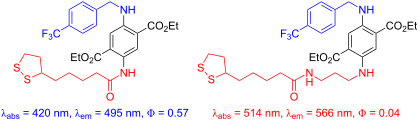
- -free click reactions) [14]. The second functional unit, the maleimide moiety, is a reactive probe for mercaptane, which could be, e.g., a protein holding a cysteine residue on its surface [15][16][17]. The successful ligation by conjugated addition can be followed by the changes of the fluorescence


Aqueous olefin metathesis: recent developments and applications
Beilstein J. Org. Chem. 2019, 15, 445–468, doi:10.3762/bjoc.15.39
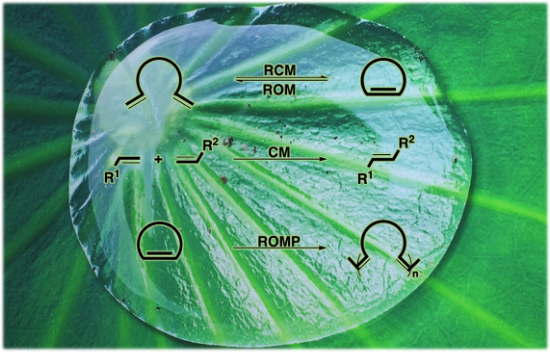
- shock protein from M. Jannaschii (MjHSP) [71]. The authors reported a HG-II-type catalyst modified on its NHC backbone with an α-bromoacetyl unit (68) that is reacted with the unique cysteine of the modified MjHSP variant (G41C) to afford ArM 4 (Scheme 15). The hybrid catalyst ArM 4 was then tested for
- variant of the β-barrel protein FhuA [73][74]. To do so, the authors duplicated multiple β-barrel strands to enlarge the cavity of the protein. HG-type catalysts bearing a maleimide moiety with different spacer lengths (69–71) were covalently anchored to a cysteine of the expanded nitrobindin variant
- -selective protein modification through aqueous CM [83], thus expanding the catalytic repertoire of protein modification with transition-metal catalysts [84][85][86][87]. A variant of subtilisin from Bacillus lentus containing a single cysteine (SBL-S156C) was modified by direct allylation to install an




Synthesis of a tubugi-1-toxin conjugate by a modulizable disulfide linker system with a neuropeptide Y analogue showing selectivity for hY1R-overexpressing tumor cells
Beilstein J. Org. Chem. 2019, 15, 96–105, doi:10.3762/bjoc.15.11
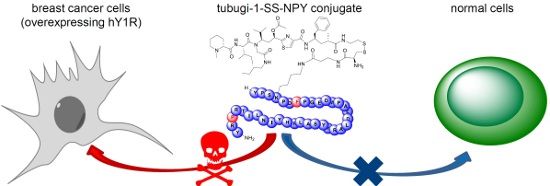
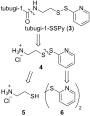
- -1)-βA),F7,L17,P34]-hNPY (8), was synthesized by reacting the tubugi-1-SSPy (3) with the free thiol function of a β-alanine–cysteine dipeptide (βAC) linked to the side chain of Lys4 of the targeting peptide. For this purpose, 1 mol equiv of the tubugi-1-SSPy building block 3 and one molar equivalent




Lectins of Mycobacterium tuberculosis – rarely studied proteins
Beilstein J. Org. Chem. 2019, 15, 1–15, doi:10.3762/bjoc.15.1
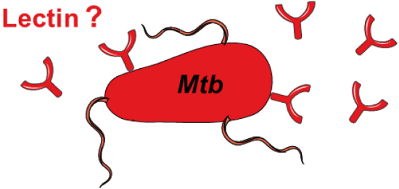
- human C-type mannose receptor 2, the sequence identity was 28%. Identical amino acids are highlighted in grey, amino acids with a small/polar side chain: orange, hydrophobic side chain: green, charged side chain: red, aromatic amino acids and cysteine: violet. β-Sheets of the secondary structure are


Green synthesis of new chiral 1-(arylamino)imidazo[2,1-a]isoindole-2,5-diones from the corresponding α-amino acid arylhydrazides in aqueous medium
Beilstein J. Org. Chem. 2018, 14, 2923–2930, doi:10.3762/bjoc.14.271
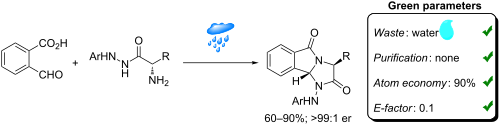
- (3d), (L)-cysteine phenylhydrazide (3g), (L)-tyrosine phenylhydrazide (3j), (L)-alanine 4-chlorophenylhydrazide (3k), (L)-phenylglycine 4-chlorophenylhydrazide (3l) and (L)-phenylalanine 4-chlorophenylhydrazide (3m) were synthesized for the first time in this work. Verardo et al. [29] have shown that




Olefin metathesis catalysts embedded in β-barrel proteins: creating artificial metalloproteins for olefin metathesis
Beilstein J. Org. Chem. 2018, 14, 2861–2871, doi:10.3762/bjoc.14.265
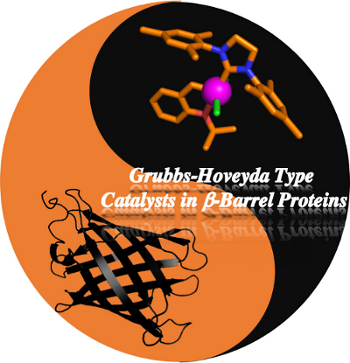
- post-expressional protein modifications [10][11][12]. For example, a single cysteine mutant of subtilisin from Bacilus lentus (SBL-S156C) was modified via sulfide bond formation with allyl cysteine displaying an allyl function on the protein surface. This allyl group was modified with a GH-type
- . Engineered variants of NB were used to construct artificial metatheases [56]. The cavity of NB was enlarged by introducing five mutations compared to the NB wild-type. Two histidines were substituted by leucine or alanine. Furthermore, a cysteine was introduced allowing covalent anchoring, and the two
- wild-type protein). For covalent anchoring, a cysteine residue was introduced at position 545 [59]. This position is suggested to be in a conformationally stable environment within the β-barrel structure. Additionally, mutation N548V was introduced to enable access of the metal catalyst to position


Novel solid-phase strategy for the synthesis of ligand-targeted fluorescent-labelled chelating peptide conjugates as a theranostic tool for cancer
Beilstein J. Org. Chem. 2018, 14, 2665–2679, doi:10.3762/bjoc.14.244
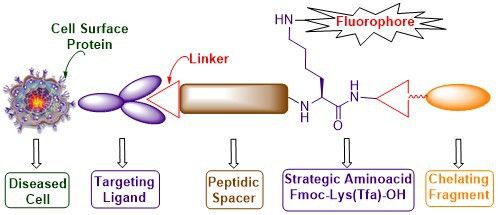
- amino acid cysteine is also cumbersome and challenging. Recently, Low et al. reported synthesis of various targeted conjugates in which fluorescent tag [37] has been attached in a solution phase reaction. Also, they have reported the synthesis of ligand-conjugated peptides containing a radiotracer
- commonly available and less expensive cysteine-labelled 2-chlorotrityl resin (Figure 1b). The methodology is general and can be significantly useful for acid-sensitive resins that contain acid-labile orthogonal amino acids with 4-methoxytrityl (Mmt) and 4-methyltrityl (Mtt) protecting groups. Results and
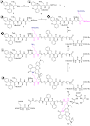
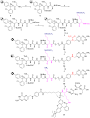
- . This is compensated by introduction of dibasic amino acid like diaminopropionic acid (Dap), acidic amino acids like aspartic acid (Asp) and polar cysteine amino acid (Cys) that makes up the chelating core. In the case of FR targeted fluorescent conjugate 17, the targeting ligand, folic acid, is



Non-native autoinducer analogs capable of modulating the SdiA quorum sensing receptor in Salmonella enterica serovar Typhimurium
Beilstein J. Org. Chem. 2018, 14, 2651–2664, doi:10.3762/bjoc.14.243
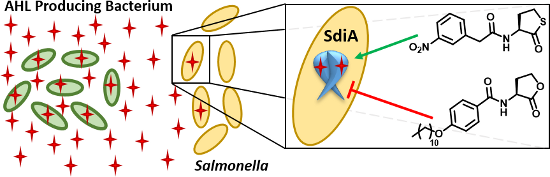
- sub-micromolar IC50 (318 nM). Compound 11 was originally designed by the Meijler lab to react with a cysteine in the AHL-binding pocket of LasR, thereby acting as an irreversible inhibitor [44]. SdiA does have a cysteine in the binding pocket (Cys45, see Figure 1D), but it is positioned near carbons 3
- identified that can be used for developing second-generation AHL-type ligands with enhanced potencies in SdiA: using electrophilic groups to target the cysteine in the SdiA binding pocket (taking a possible cue from 11); delineating the SARs for activity by the POHL class, with an eye toward examining bulky
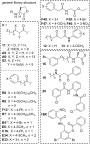
- ), and a cysteine that potentially could be involved in inhibition (purple, see discussion below). Overview of SdiA agonism and antagonism single-point screening results in the S. Typhimurium reporter. Agonists are indicated in green. Antagonists are indicated in red. Compounds with less than 10% agonism



Targeting the Pseudomonas quinolone signal quorum sensing system for the discovery of novel anti-infective pathoblockers
Beilstein J. Org. Chem. 2018, 14, 2627–2645, doi:10.3762/bjoc.14.241
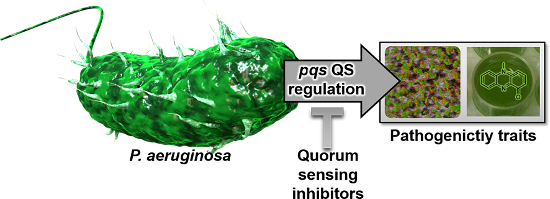
- -CoA) is then transferred to an active-site cysteine of the β-ketoacyl-ACP synthase III (FabH)-type enzyme PqsD [26][27]. Subsequently, another CoA-activated substrate comes into play. In analogy to fatty acid synthesis, malonyl-CoA is reacted with the enzyme-bound thioester to yield 2
- formed by action of the heterodimeric complex PqsBC. This time, CoA-activated octanoic acid is used to preload an active-site cysteine of PqsC with the fatty acid via a thioester linkage [30][31]. The previously produced 2-ABA is then consumed to from HHQ under decarboxylative condensation [30]. Finally
- docking [51]. These inhibitors appeared to bind in the substrate channel in a slightly remote position from the active site cysteine and, hence, termed channel blockers [51]. Optimised hits exhibited a potency in the single-digit micromolar range (12, Figure 6). However, it has been found that similar


Pathoblockers or antivirulence drugs as a new option for the treatment of bacterial infections
Beilstein J. Org. Chem. 2018, 14, 2607–2617, doi:10.3762/bjoc.14.239
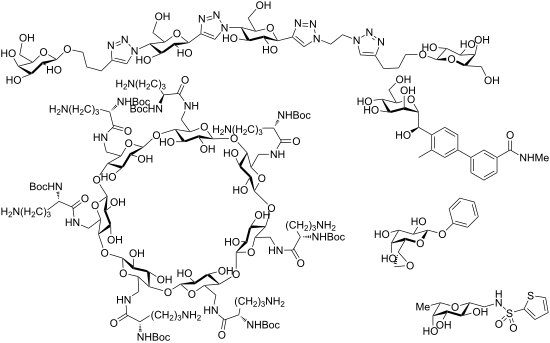
- the aryl substitution resulted in a flat SAR with only little variation in potency among the substituents analyzed [30][36][37][38][39]. Just recently, in an attempt to search for new pharmacophores, Titz et al. have reported the synthesis of the epoxyheptose derivative 11 targeting a cysteine residue




Functionalization of graphene: does the organic chemistry matter?
Beilstein J. Org. Chem. 2018, 14, 2018–2026, doi:10.3762/bjoc.14.177

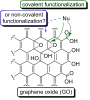
- -cysteine has been proposed or discussed. Most plausibly, the attack of cysteine’s highly nucleophilic sulfur on GO’s epoxides did occur in this case [30][31], based on the changes observed in the IR spectrum of the product. The material’s structure would include free amino and carboxyl groups forming the


β-Hydroxy sulfides and their syntheses
Beilstein J. Org. Chem. 2018, 14, 1668–1692, doi:10.3762/bjoc.14.143
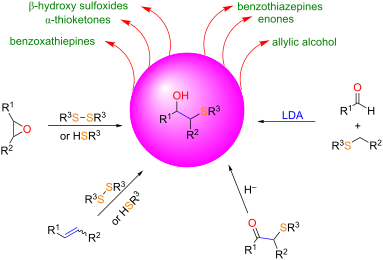
- converted to the epoxide 123, which upon thiolysis with a strategically protected cysteine, gave the regioisomeric hydroxy sulfides 124 and 125 (Scheme 43). Each of these was then converted to natural pteriatoxin A (7) and its analog 126. Epoxide opening to yield β-hydroxy sulfides of unnatural (artificial


On the design principles of peptide–drug conjugates for targeted drug delivery to the malignant tumor site
Beilstein J. Org. Chem. 2018, 14, 930–954, doi:10.3762/bjoc.14.80
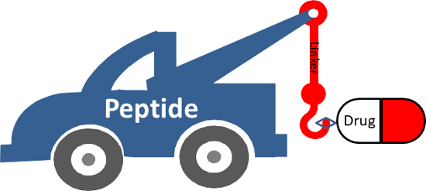
- in sufficient levels to pump inside the cell efficacious doses of the drug. The peptide-carrier should be constructed in such way that the conjugation with a drug or/and a fluorophore is feasible. Conjugation usually occurs on lysine, cysteine and glutamic acid [34] via orthogonal coupling or on the
- than their parent linear counterparts [38]. Cyclic peptides are usually synthesized by reacting the N-terminus with the C-terminus or by exploiting specific functional groups of certain amino acids present in the sequence. A representative example is the sulfhydryl group of cysteine-containing peptides
- /or in the acidic cellular compartments of cancer cells and consequently release the active drug. Additionally, disulfide linkers are often adopted in PDCs, since they are cleaved by reducing agents like cysteine and glutathione, present in high concentrations in malignant cells. Linkers bearing


Synthesis and in vitro biochemical evaluation of oxime bond-linked daunorubicin–GnRH-III conjugates developed for targeted drug delivery
Beilstein J. Org. Chem. 2018, 14, 756–771, doi:10.3762/bjoc.14.64
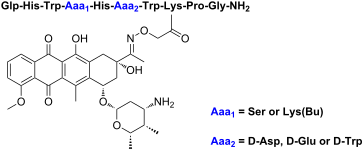
- . For instance, lysosomal cysteine proteases also known as cathepsins show a broad substrate specificity [43]. Nearly all human cysteine proteases belong to the group of endopeptidases, whereby cathepsin B is also a carboxydipeptidase and cathepsin X displays carboxymono- and dipeptidase activity [44



Mannich base-connected syntheses mediated by ortho-quinone methides
Beilstein J. Org. Chem. 2018, 14, 560–575, doi:10.3762/bjoc.14.43
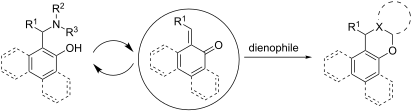
- such intermediates. By selecting the appropriate reaction conditions (various pH and temperatures), they were able to alkylate free amino acids, e.g., glycine (Gly), L-serine (Ser), L-cysteine (Cys), L-lysine (Lys), L-tyrosine (Tyr) and glutathione (Glu) in aqueous solution to isolate 55 (Scheme 8


Recent developments in the asymmetric Reformatsky-type reaction
Beilstein J. Org. Chem. 2018, 14, 325–344, doi:10.3762/bjoc.14.21
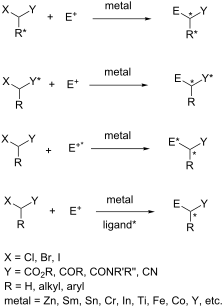
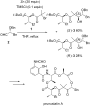
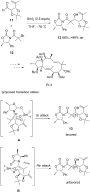
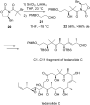
- Reformatsky reaction between L-cysteine-derived thiazolidinic aldehyde 14 and (R)-α-chloroacetyl-2-oxazolidinone 15, leading to the corresponding β-hydroxy amide 16 in both remarkable yield (95%) and diastereoselectivity (>98% de), as shown in Scheme 6. The latter was subsequently converted into the expected
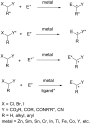











Photocatalytic formation of carbon–sulfur bonds
Beilstein J. Org. Chem. 2018, 14, 54–83, doi:10.3762/bjoc.14.4
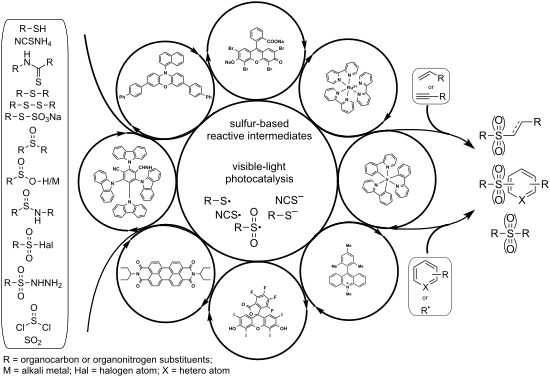
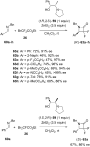
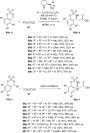
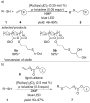
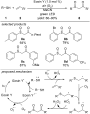
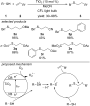
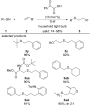
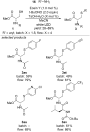
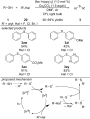
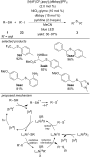
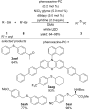
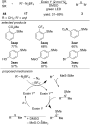
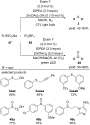
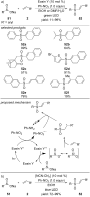
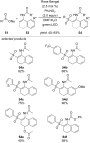
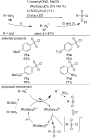
- apply cysteine-containing glutathione for the reaction with a series of highly functionalized alkenes to form the respective sulfide adducts with yields up to 99%. This concept attracted attention from different fields of chemistry. Boyer and co-workers for example applied the redox mediator accelerated
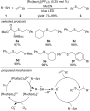
- aryl diazonium salts to give the corresponding diaryl sulfide in high yields. Very recently, Noël and co-workers applied the above-mentioned concepts for the selective arylation of cysteine and cysteine-containing peptides in batch as well as in a photomicroreactor (Scheme 18) [49]. They were able to
- efficiently couple a series of functionalized aryls with the thiol moiety of cysteine, applying the organic photocatalyst Eosin Y. The respective aryl diazonium salts were generated in situ from the respective anilines, tert-butyl nitride and catalytic amounts of p-toluenesulfonic acid. Also in 2017, Fu and





























Asymmetric synthesis of propargylamines as amino acid surrogates in peptidomimetics
Beilstein J. Org. Chem. 2017, 13, 2428–2441, doi:10.3762/bjoc.13.240
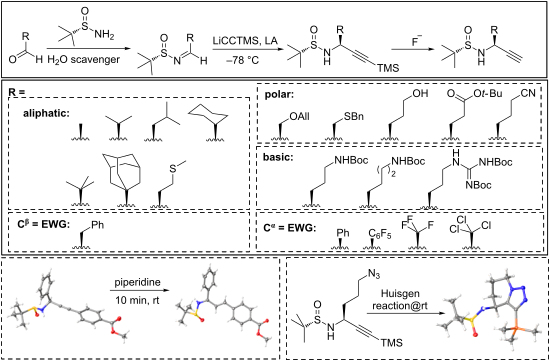
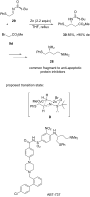
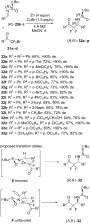
- , these propargylamines have been frequently used as precursors for the synthesis of diverse bioactive compounds. Their conversion into triazoles is best investigated, since triazoles as amide bond surrogates are found in several inhibitors of proteases such as cathepsin S [1][2][3][4][5][6], cysteine
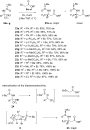
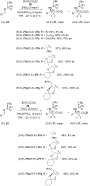
- propargylamines without an acidifying Cα-substituent. Synthesis of propargylamines containing polar or acidic functional groups The synthesis of propargylamines with polar substituents to mimic polar amino acids such as serine (alcohol), cysteine (thiol) or glutamine (carboxamide) requires special protective
- ][99]. Selective cleavage of the tert-butyl group was not yet accomplished without affecting the tert-butyl sulfinamide protection group of the amine. A cysteine-analogous alkyne could be synthesized starting from benzylmercaptan. Unfortunately, only extremely low yields were achieved and N-sulfinyl


Selective enzymatic esterification of lignin model compounds in the ball mill
Beilstein J. Org. Chem. 2017, 13, 1788–1795, doi:10.3762/bjoc.13.173
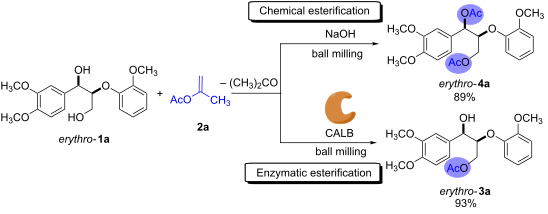
- recently investigated the resilience of enzymes under ball milling conditions. The results from these studies have shown that biocatalysts such as cysteine and serine proteases tolerated the milling conditions and catalyzed the mechanoenzymatic peptide and amide bond formation after short milling times