


Search results
Search for "antioxidant" in Full Text gives 122 result(s) in Beilstein Journal of Organic Chemistry.
Curcuminoid–BF2 complexes: Synthesis, fluorescence and optimization of BF2 group cleavage
Beilstein J. Org. Chem. 2017, 13, 2264–2272, doi:10.3762/bjoc.13.223

- curcuma longa, and its analogues, the curcuminoids, have attracted much attention regarding their biological activities [1]. These include antioxidant [2] and radical scavenging [3], antitumor [4] and anti-inflammatory [5] activities, as well as HIV inhibition [6]. Despite showing activity against several


Solid-state studies and antioxidant properties of the γ-cyclodextrin·fisetin inclusion compound
Beilstein J. Org. Chem. 2017, 13, 2138–2145, doi:10.3762/bjoc.13.212

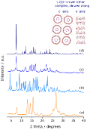
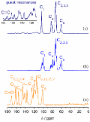
- ‘‘Molecular Physical-Chemistry – QFM-UC”, University of Coimbra, 3004-535 Coimbra, Portugal Department of Life Sciences, University of Coimbra, 3000-456 Coimbra, Portugal 10.3762/bjoc.13.212 Abstract Fisetin is a natural antioxidant with a wide range of nutraceutical properties, including antidiabetic
- using elemental analysis, powder X-ray diffraction (PXRD), Raman, infrared and 13C{1H} CP-MAS NMR spectroscopies, and thermal analysis (TGA) to verify fisetin inclusion and to present a hypothetical structural arrangement for the host–guest units. The antioxidant activity of the γ-CD·fisetin inclusion
- compound is evaluated by the DPPH assay. Keywords: antioxidant activity; co-lyophilization; fisetin; gamma-cyclodextrin; molecular encapsulation; solid-state analysis; Introduction Flavonoids, natural compounds with numerous beneficial actions on human health, including antioxidant [1], anti-inflammatory




Selective enzymatic esterification of lignin model compounds in the ball mill
Beilstein J. Org. Chem. 2017, 13, 1788–1795, doi:10.3762/bjoc.13.173
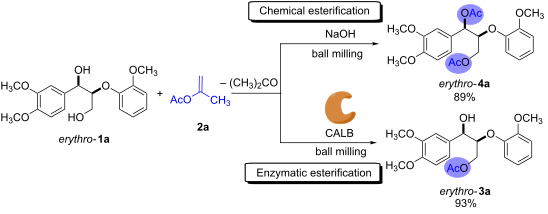
- antioxidant, antibacterial and sun protection properties [17][23][24]. Motivated by the aforementioned scenario and in line with our research interest on studying the compatibility of biocatalysts and mechanochemical milling, we decided to investigate the enzymatic esterification of lignin model compounds in
- addressing the centrally-located primary aliphatic hydroxyl content of lignins is still highly possible. This strategy is expected to allow the preservation of the phenolic and benzylic alcohol contents in modified lignins, in order to keep the antibacterial and antioxidant activities of this biopolymer



Use of costic acid, a natural extract from Dittrichia viscosa, for the control of Varroa destructor, a parasite of the European honey bee
Beilstein J. Org. Chem. 2017, 13, 952–959, doi:10.3762/bjoc.13.96

- essential oil were found active against Staphylococcus epidermidis, Streptococcus foecalis and Proteus vulgaris [36]. The methanol extract of the aerial parts of the plant showed antioxidant activity in a study on lipid peroxidation of rat liver microsomes [30]. n-Hexane extracts from air dried D. viscosa


Ultrasound-promoted organocatalytic enamine–azide [3 + 2] cycloaddition reactions for the synthesis of ((arylselanyl)phenyl-1H-1,2,3-triazol-4-yl)ketones
Beilstein J. Org. Chem. 2017, 13, 694–702, doi:10.3762/bjoc.13.68
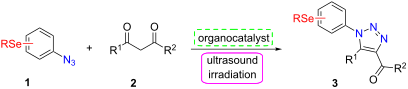
- -(phenylselanylmethyl)-1,2,3-triazole A (Se-TZ) demonstrated an antidepressant-like effect (Figure 1) [60]. In another example, 5-phenyl-1-(2-(phenylselanyl)phenyl)-1H-1,2,3-triazole-4-carbonitrile B (Se-TZCN) was reported to exhibit antioxidant activities in different in vitro assays (Figure 1) [36]. Selenanyl-quinone


Biomimetic synthesis and HPLC–ECD analysis of the isomers of dracocephins A and B
Beilstein J. Org. Chem. 2016, 12, 2523–2534, doi:10.3762/bjoc.12.247

- increase P-gp inhibitory activity [18]. Based on the unaltered accumulation of rhodamine 123, a P-gp substrate fluorescent dye, in the P-gp transfected L5178MDR cells, we observed that none of the synthesized compounds inhibits this transporter. The antioxidant activity of dracocephins A and B was also


Tunable microwave-assisted method for the solvent-free and catalyst-free peracetylation of natural products
Beilstein J. Org. Chem. 2016, 12, 2222–2233, doi:10.3762/bjoc.12.214
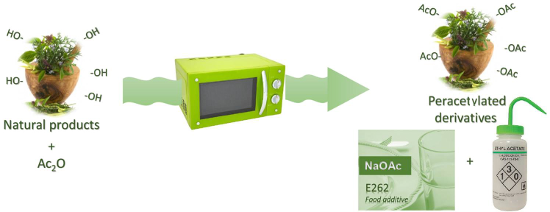
- ester (8), uridine (12) and methyl-α-D-glucopyranoside (11)) and natural antioxidant compounds in their simple (hydroxytyrosol (4), homovanillic alcohol (5), quercetin (13)) or glycosylated forms (oleuropein (14), rutin (17), alpha-hederin (16)). Because of their heterogeneity in terms of


New furoisocoumarins and isocoumarins from the mangrove endophytic fungus Aspergillus sp. 085242
Beilstein J. Org. Chem. 2016, 12, 2077–2085, doi:10.3762/bjoc.12.196
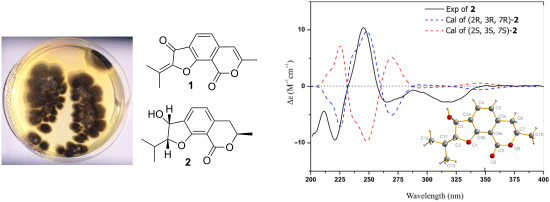
- 180 μL of DPPH· was recorded as ADPPH·, and the absorbance of the 200 μL of MeOH was measured as Ablank. The natural antioxidant vitamin C was used as a positive control. Calculations of the DPPH· scavenging activity was performed according to the following equation: scavenging activity (%) = [1


Three new trixane glycosides obtained from the leaves of Jungia sellowii Less. using centrifugal partition chromatography
Beilstein J. Org. Chem. 2016, 12, 674–683, doi:10.3762/bjoc.12.68

- -inflammatory and antioxidant effects of J. paniculata were associated to the presence of flavonoids and other polyphenols [4]. Recently, we reported the in vivo anti-inflammatory properties of an aqueous fraction of the leaves of J. sellowii, that is in agreement with its popular use in Brazil [5]. Apart from


Biosynthesis of α-pyrones
Beilstein J. Org. Chem. 2016, 12, 571–588, doi:10.3762/bjoc.12.56
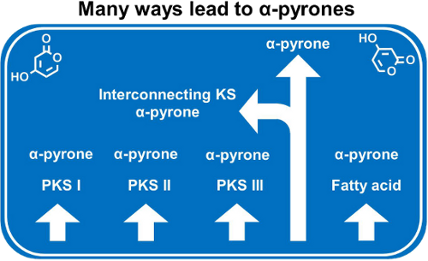
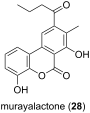
- chestnut) showed antioxidant activity [28]. Testing urolithins A, B, C, D (23–26) in an assay using myelomonocytic HL-60 cells showed antioxidant activities for 23, 25 and 26. These three derivatives inhibited the reactive oxygen species (ROS)-dependent oxygenation of the non-fluorescent 2’,7
- ’-dichlorodihydrofluorescein (DCFH) to the fluorescent 2’,7’-dichlorofluorescein (DCF) [29]. This antioxidant activity was also linked to anti-inflammatory effects by testing the in vivo effects of 23 in a carrageenan-induced paw edema assay. Oral administration of 23 to mice prior to carrageenan injection resulted in a






A selective and mild glycosylation method of natural phenolic alcohols
Beilstein J. Org. Chem. 2016, 12, 524–530, doi:10.3762/bjoc.12.51

- phenylpropenyl) glycosides having a free phenolic function at the para-position of the aglycone are substances widely occurring in plants. They exhibit numerous biological activities which are in many cases related to their structure–antioxidant activity relationship. 4-Hydroxy-3-methoxybenzyl β-D


Thermal and oxidative stability of Atlantic salmon oil (Salmo salar L.) and complexation with β-cyclodextrin
Beilstein J. Org. Chem. 2016, 12, 179–191, doi:10.3762/bjoc.12.20
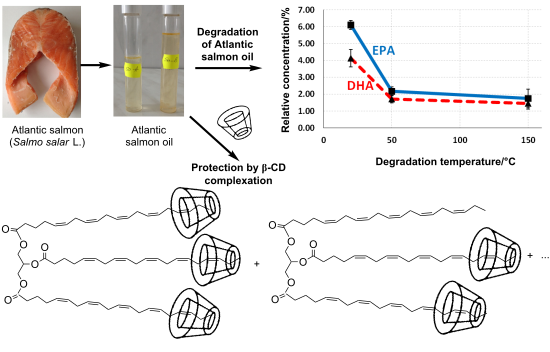
- natural antioxidants are flavonoids, anthocyanins and their glycosides. Huber and collaborators [18] revealed the inhibition of PUFA oxidation by quercetin and its 3-O-glucoside. They were as effective as butylated hydroxytoluene (BHT, a synthetic antioxidant) against the oxidation of DHA and methylated
- during the process of fish oil production leads to improved stability up to 400% [22]. Smoking the pink salmon before the oil extraction process was another method for reducing the oxidation by forming phenolic antioxidant compounds [23][24]. Another way to stabilize fish oil is microencapsulation using



Determination of formation constants and structural characterization of cyclodextrin inclusion complexes with two phenolic isomers: carvacrol and thymol
Beilstein J. Org. Chem. 2016, 12, 29–42, doi:10.3762/bjoc.12.5
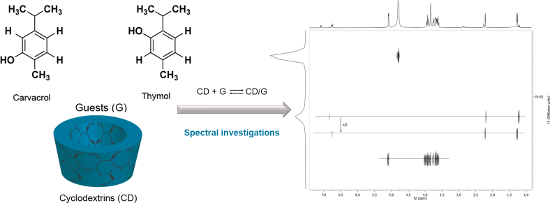
- Environnementale et Interactions sur le Vivant (UCEIV, EA 4492), ULCO, F-59140 Dunkerque, France 10.3762/bjoc.12.5 Abstract Carvacrol and thymol have been widely studied for their ability to control food spoilage and to extend shelf-life of food products due to their antimicrobial and antioxidant activities
- increasing the shelf-life of food products [7][8]. This is due to their potent activity against a broad range of natural spoilage bacteria, fungi and foodborne pathogens [9][10] as well as their pronounced antioxidant effect [11][12]. Consequently, they could be employed as alternatives to synthetic
- most energetically favorable conformation of inclusion complexes. Finally, the effect of encapsulation on the antioxidant properties of 1 and 2 was evaluated using the ABTS radical cation assay. Results and Discussion UV–visible competitive studies Stoichiometries and Kf values of inclusion complexes




Inclusion complexes of 2-methoxyestradiol with dimethylated and permethylated β-cyclodextrins: models for cyclodextrin–steroid interaction
Beilstein J. Org. Chem. 2015, 11, 2616–2630, doi:10.3762/bjoc.11.281
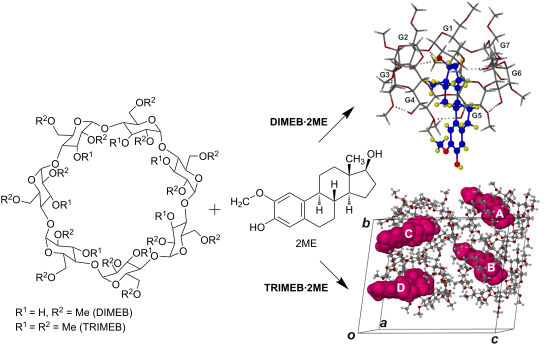
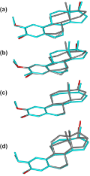
- and especially in the case of TRIMEB [30]. The TRIMEB·2ME complex is thus another example of a synthetic system that displays host–guest adaptation on complexation, complementing our recently reported analogous observations for inclusion complexes between methylated CDs and the antioxidant trans





Cross-metathesis of polynorbornene with polyoctenamer: a kinetic study
Beilstein J. Org. Chem. 2015, 11, 1796–1808, doi:10.3762/bjoc.11.195

- magnetic stirrer under inert atmosphere at 20 °C. The polymerization was stopped by the addition of 0.3 mL of ethyl vinyl ether after 2 h. The polymers were precipitated in a 0.1% acetone solution of an antioxidant 2,2’-methylenebis(6-tert-butyl-4-methylphenol) (1), decanted, washed with several portions
- of the same solution, and dried under reduced pressure at room temperature until constant mass. The yield was 2.72 g (76%). Polymer (1 g) was dissolved in 0.4% THF solution of HCl (30 mL), stirred for 4 h and precipitated in a 0.1% ethanol solution of an antioxidant 1, decanted, washed with several
- ) solution in toluene (12.3 mL) prepared as described above at 20 °C. The polymerization was stopped by the addition of 0.4 mL of ethyl vinyl ether after 1 h. The polymers were precipitated in a 0.1% ethanol solution of antioxidant 1, decanted, washed with several portions of the same solution, and dried


![[Graphic 2]](/bjoc/content/inline/1860-5397-11-195-i10.png?max-width=637&scale=1.18182) in CHCl3 on the (a) light ...
in CHCl3 on the (a) light ...


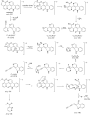
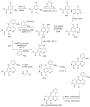
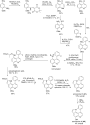
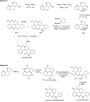
Pyridinoacridine alkaloids of marine origin: NMR and MS spectral data, synthesis, biosynthesis and biological activity
Beilstein J. Org. Chem. 2015, 11, 1667–1699, doi:10.3762/bjoc.11.183
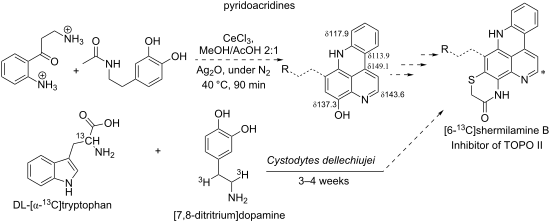
- , terpenoids, phenolics, polysaccharides and alkaloids [4]. Various bioactivity functions such as anticancer [5][6][7], phytotoxicity [8][9][10][11], antioxidant [12][13][14][15][16], antimicrobial [17][18][19], analgesic [20][21], hypotensive [22], hypoglycemic [23], antiprotozoal [24] and plant protecting











Dicarboxylic esters: Useful tools for the biocatalyzed synthesis of hybrid compounds and polymers
Beilstein J. Org. Chem. 2015, 11, 1583–1595, doi:10.3762/bjoc.11.174

- fungal β-N-acetylhexosaminidase evaluated [28]. Similarly, dimers of sylibin (11a,b, Figure 3) and dehydrosylibin, obtained by Novozyme 435-catalyzed acylation with the divinyl esters of dodecanedioc acid, were evaluated in terms of antioxidant activity and cytotoxicity [29]. The obvious hypothesis
- based on the conjugation of an acylated sylibin derivative (19) with L-ascorbic acid (20), tyrosol (21) and trolox alcohol (22) (Scheme 4) [44]. These compounds proved to have excellent electron donor, antiradical, antioxidant as well as cytoprotective abilities. Moreover, in a different research area


Antioxidant potential of curcumin-related compounds studied by chemiluminescence kinetics, chain-breaking efficiencies, scavenging activity (ORAC) and DFT calculations
Beilstein J. Org. Chem. 2015, 11, 1398–1411, doi:10.3762/bjoc.11.151

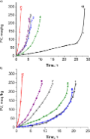
- reactions of the antioxidants with peroxyl radicals; model 2 – lipid autoxidation (lipidAO) used for assessing the chain-breaking antioxidant efficiency and reactivity; model 3 – oxygen radical absorbance capacity (ORAC), which yields the activity against peroxyl radicals generated by an azoinitiator; model
- 4 – density functional theory (DFT) calculations at UB3LYP/6-31+G(d,p) level, applied to explain the structure–activity relationship. Dimers showed 2–2.5-fold higher values of kA than their monomers. Model 2 gives information about the effects of the side chains and revealed much higher antioxidant
- activity for monomers and dimers with α,β-unsaturated side chains. Curcumin and 6 in fact are dimers of the same monomer 2. We conclude that the type of linkage between the two “halves” by which the molecule is made up does not exert influence on the antioxidant efficiency and reactivity of these two




New depsidones and isoindolinones from the mangrove endophytic fungus Meyerozyma guilliermondii (HZ-Y2) isolated from the South China Sea
Beilstein J. Org. Chem. 2015, 11, 1187–1193, doi:10.3762/bjoc.11.133
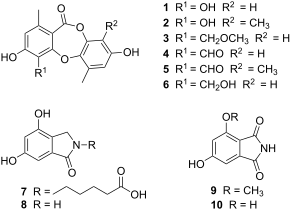
- of bioactivities including antibacterial [10], antifungal [6], antiviral [12], antioxidant [5], and cytotoxic [9]. In the last decade, our research group has been focused on isolating novel compounds from endophytic fungi growing on mangroves in the South China Sea and investigating their bioactivity


The reactions of 2-ethoxymethylidene-3-oxo esters and their analogues with 5-aminotetrazole as a way to novel azaheterocycles
Beilstein J. Org. Chem. 2015, 11, 385–391, doi:10.3762/bjoc.11.44

- ], antiviral [14], antimicrobial and antioxidant activity [15] have been found among them. The known tetrazolo[1,5-a]pyrimidines were synthesized by cyclocondensation of 5-AT with 1,3-dicarbonyl compounds or their derivatives [16]. Moreover, a convenient method for obtaining this heterocyclic skeleton is the


Natural phenolic metabolites with anti-angiogenic properties – a review from the chemical point of view
Beilstein J. Org. Chem. 2015, 11, 249–264, doi:10.3762/bjoc.11.28
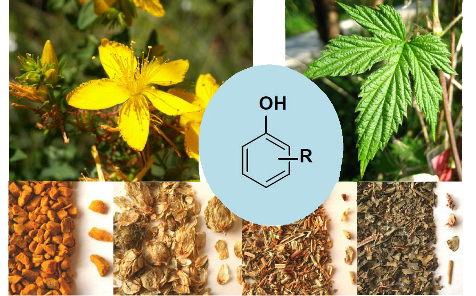
- than curcumin. To date, the number of synthesized single enones and MACs have surpassed the 1000 mark. Ellagic acid Ellagic acid (7) is a naturally existing phenolic antioxidant widely found in numerous fruits and vegetables, such as raspberries (Rubus idaeus L., Rosaceae), strawberries (Fragaria spec
- . L., Rosaceae) and pomegranates (Punica granatum L., Lythraceae). It shows potent antioxidant effects by radical scavenging and the inhibition of lipid peroxidation [28][29]. Ellagic acid is also capable of interfering with some angiogenesis-dependent pathways. It exhibits anticarcinogenic activity
- . Resveratrol Resveratrol (8) is a natural polyphenol that belongs to the stilbene-type compounds and exists in a large number of plants. It has been primarily extracted from grape (Vitis vinifera L., Vitaceae) and mulberry (Morus L., Moraceae) fruits (Figure 4) [34]. It has antioxidant effects, anti-estrogenic


Cathodic reductive coupling of methyl cinnamate on boron-doped diamond electrodes and synthesis of new neolignan-type products
Beilstein J. Org. Chem. 2015, 11, 200–203, doi:10.3762/bjoc.11.21
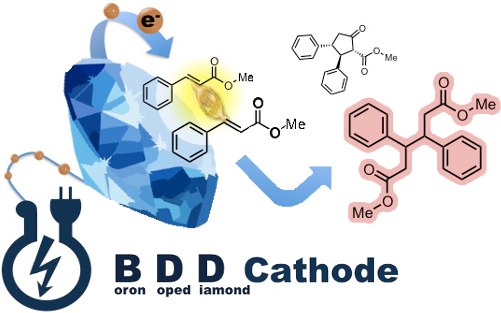
- interesting biological activities [1]. Due to their plausible roles as defense substances of plants, lignans, neolignans, and their congeners are promising candidates for agricultural chemicals, and some of their antioxidant and/or anti-inflammatory properties may be utilized for biological research and as


Inclusion of trans-resveratrol in methylated cyclodextrins: synthesis and solid-state structures
Beilstein J. Org. Chem. 2014, 10, 3136–3151, doi:10.3762/bjoc.10.331
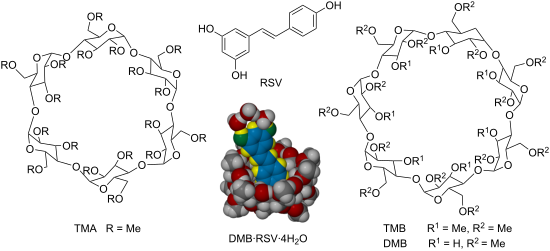
- Taramelli 12, 27100 Pavia, Italy 10.3762/bjoc.10.331 Abstract The phytoalexin trans-resveratrol, 5-[(1E)-2-(4-hydroxyphenyl)ethenyl]-1,3-benzenediol, is a well-known, potent antioxidant having a variety of possible biomedical applications. However, its adverse physicochemical properties (low stability
- -resveratrol (5-[(1E)-2-(4-hydroxyphenyl)ethenyl]-1,3-benzenediol; trans-3,5,4′-trihydroxystilbene, RSV) (1, Figure 1), is a triphenolic species which is known to have potent antioxidant activity and consequently a wide range of pharmacological activities [1][2]. In recent years the list of potential medicinal
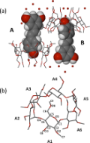
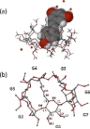
- inclusion compounds as single crystals enabled their complete structural elucidation, revealing several novel supramolecular features which are relevant for future studies of the antioxidant RSV. Availability of well-defined, crystalline inclusion complexes also ensured that their characterization using







Binding mode and free energy prediction of fisetin/β-cyclodextrin inclusion complexes
Beilstein J. Org. Chem. 2014, 10, 2789–2799, doi:10.3762/bjoc.10.296
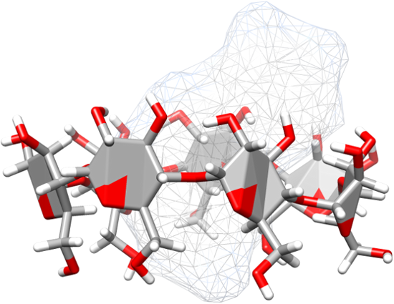
- strawberries, grapes, apples, lotus roots, cucumbers and onions [6]. Fisetin has many interesting biological activities and particularly pharmacological properties, including antioxidant, anti-inflammatory, anticarcinogenic and antiviral activities [7]. It was found that fisetin can prevent oxidation which may
- understand the two flavonoids/β-CD complexes, hesperetin and naringenin complexes, in aqueous solution. The PM3 method was applied to calculate the energy regarding the antioxidant property of the flavonoid chysin in the complex with β-CD [32]. Interestingly, the molecular docking study on the fisetin/β-CD


Aspergiloid I, an unprecedented spirolactone norditerpenoid from the plant-derived endophytic fungus Aspergillus sp. YXf3
Beilstein J. Org. Chem. 2014, 10, 2677–2682, doi:10.3762/bjoc.10.282
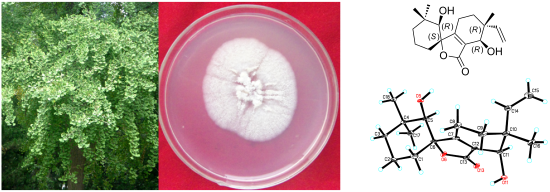
- graminearum Schw., Fusarium coeruleum Sacc., Botrytis cinerea Pers., and Fusarium oxysporum f. sp. cubense race 4), and Candida albicans (ATCC 10231), and the antioxidant, acetylcholinesterase (AChE) , α-glucosidase, and topoisomerase IIα inhibitory activities were performed in accordance with the primary





