Search results
Search for "sorption" in Full Text gives 28 result(s) in Beilstein Journal of Organic Chemistry.
Novel macrocycles: from synthesis to supramolecular function
Beilstein J. Org. Chem. 2026, 22, 982–985, doi:10.3762/bjoc.22.76
- , Šindelář and co-worker [39] designed a functionalized silica gel embedded with covalently immobilized bambusuril macrocycles. This material was engineered for the selective sorption of dicyanoaurate(I), an anion highly relevant to gold mining waste streams. The solid-supported system retains its high
Silica gel with covalently attached bambusuril macrocycle for dicyanoaurate sorption from water
Beilstein J. Org. Chem. 2025, 21, 2604–2611, doi:10.3762/bjoc.21.201
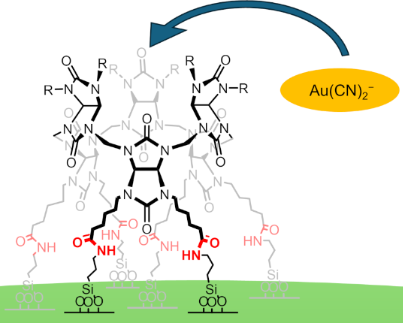
- report a new material, SG-NHCO-BU1, in which the BU1 macrocycle is covalently grafted onto the surface of silica gel. We demonstrate that this hybrid material can be used for the selective dicyanoaurate(I) sorption from water. Moreover, it is shown that unlike SG-BnBU, SG-NHCO-BU1 exhibits good stability
- observed leaching of BU1 into solution upon addition of NaCl (Supporting Information File 1, Figure S4) to this solvent system. As expected, SG-NHCO-BU1 with covalently bound BU1 remained stable in all tested solvents in the absence as well as in the presence of salts. Anion sorption by SG-NHCO-BU1 Silica
- concentration in solution reached equilibrium after 15 minutes, consistent with the equilibration time previously established for the non-covalent system SG-BnBU (Supporting Information File 1, Figure S5). Therefore, all subsequent sorption experiments were performed with an equilibration time of 15 minutes


Calcium waste as a catalyst in the transesterification for demanding esters: scalability perspective
Beilstein J. Org. Chem. 2025, 21, 1520–1527, doi:10.3762/bjoc.21.114
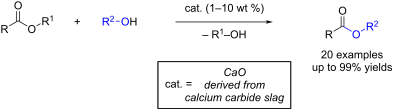
- phase (with reflections at 2θ = 32.4, 37.5, 54.0, 64.3, 67.5) to 73.5 wt % was detected due to the decomposition of the Ca(OH)2 phase; the amount of the Ca(OH)2 phase after calcination was 2.4 wt %. The amount of the CaCO3 phase increased to 17.6 wt %, probably due to the sorption of carbon dioxide or


Perspectives on push–pull chromophores derived from click-type [2 + 2] cycloaddition–retroelectrocyclization reactions of electron-rich alkynes and electron-deficient alkenes
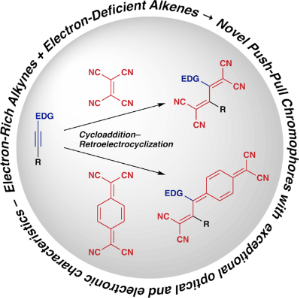
Beilstein J. Org. Chem. 2024, 20, 125–154, doi:10.3762/bjoc.20.13


Preparation of β-cyclodextrin/polysaccharide foams using saponin
Beilstein J. Org. Chem. 2023, 19, 78–88, doi:10.3762/bjoc.19.7
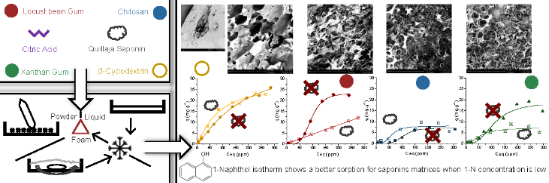
- matrices. The saponin of soapbark (Quillaja saponaria) has been used to obtain foams using different procedures. The influence of the synthesis path on the porosity of the materials and their corresponding sorption capacities in the aqueous phase were evaluated. Keywords: chitosan; cyclodextrin polymers
- ; green synthesis; locust bean gum; saponin; sorption; xanthan gum; Introduction Saponins are a family of natural molecules consisting of a hydrophobic aglycone backbone grafted with hydrophilic sugar molecules, allowing the plant to be protected from illnesses [1] and from herbivores endangerment [2
- the presence of porosity and some chemical functions after pyrolysis. Chitosan–saponin–bentonite composite films can also be produced to absorb methyl orange and Cr(VI) [27]. Native [28] or derivatized [29] chitosans allow also a good sorption of Quillaja saponins useful to liberate them from wound



[2 + 1] Cycloaddition reactions of fullerene C60 based on diazo compounds
Beilstein J. Org. Chem. 2021, 17, 630–670, doi:10.3762/bjoc.17.55
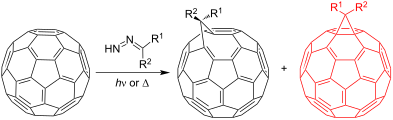
- in the use of these compounds. This is quite understandable: compounds with unique optical [2][3][4], electrophysical [5][6][7], mechanical [8][9][10], tribological [11][12][13], sorption [14][15][16][17], and biological properties [18][19][20], and even new dyes and catalysts [21][22][23][24][25
Particle size effect in the mechanically assisted synthesis of β-cyclodextrin mesitylene sulfonate
Beilstein J. Org. Chem. 2020, 16, 2598–2606, doi:10.3762/bjoc.16.211

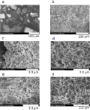
- the measurement of ca. 225 particles found in an arbitrarily chosen area of the images using the ImageJ software (version 1.4.3.67) [32]. After calibrating from the scale of the SEM images, the software provides the Feret diameter. BET (adsorption of N2) Dinitrogen sorption isotherms were collected at




Conformational preferences of fluorine-containing agrochemicals and their implications for lipophilicity prediction
Beilstein J. Org. Chem. 2020, 16, 2469–2476, doi:10.3762/bjoc.16.200
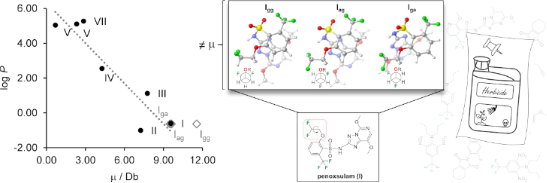
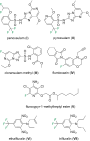
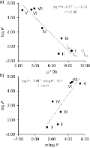
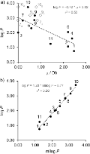
- soil sorption and bioconcentration of organic compounds. Since the C–F bond is the most polar in organic chemistry, the orientation of fluorine substituents originating from the rotation around C–C(F) bonds should affect the polarity and, consequently, the physicochemical and biological properties of



A proposed sustainability index for synthesis plans based on input provenance and output fate: application to academic and industrial synthesis plans for vanillin as a case study
Beilstein J. Org. Chem. 2020, 16, 2346–2362, doi:10.3762/bjoc.16.196
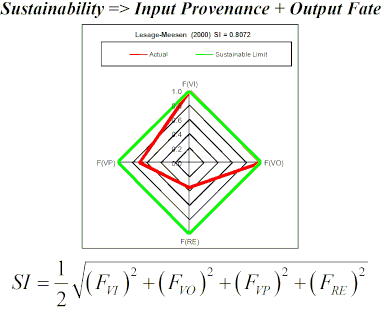
- , unitless), acidity-basicity potential (ABP, unitless), bioconcentration potential (BCP, unitless), persistence potential (PER, unitless), soil sorption coefficient (soil, Koc), half-life of solvent in environment (half-life, h), aquatic toxicity to fish (aqua, mg/L for 96 h), Q-phrase potential (Q-phrase

Carbazole-functionalized hyper-cross-linked polymers for CO2 uptake based on Friedel–Crafts polymerization on 9-phenylcarbazole
Beilstein J. Org. Chem. 2019, 15, 2856–2863, doi:10.3762/bjoc.15.279
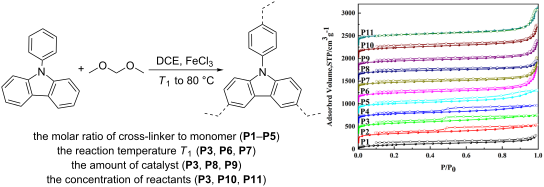
- , P2–P5 exhibited a rapid nitrogen adsorption ability at low pressures (P/P0 < 0.05, Figure 6a), which indicated that the micropores exist in the networks [35]. The sorption isotherm of P2–P4 exhibited a combination of type I and IV nitrogen sorption isotherms according to the IUPAC classification [36
- polymerization process; to explore the effect of the reaction temperature on the porosity, we have synthesized P6 and P7 by increasing the reaction temperature T1 from rt (P3) to 40 and 50 °C. When comparing the sorption isotherms of the HCPs (Supporting Information File 1, Figure S4), it was envisioned that
- those of P6 and P7 were a combination of type I and II nitrogen sorption isotherms, which emerged two steep N2 adsorption abilities at the low pressure region (P/P0 < 0.1) and the high pressure region (P/P0 > 0.9), indicating that micropores and macropores appeared in the polymers [40]. The BET specific


Attempted synthesis of a meta-metalated calix[4]arene
Beilstein J. Org. Chem. 2019, 15, 1996–2002, doi:10.3762/bjoc.15.195
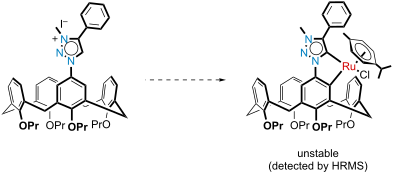
- resulted in applications in several fields, including, amongst others, the use as ligands in transition metal catalysis [2][3], in solid-phase gas sorption [4], as molecular sensors [5][6] and as biomimetic compounds [7][8]. Our own interest has been in the synthesis of inherently chiral calix[4]arenes




Mechanochemical synthesis of hyper-crosslinked polymers: influences on their pore structure and adsorption behaviour for organic vapors
Beilstein J. Org. Chem. 2019, 15, 1154–1161, doi:10.3762/bjoc.15.112
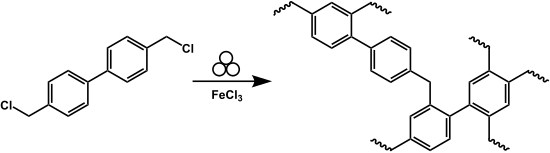
- sorption experiments with benzene and cyclohexane. Keywords: hyper-crosslinked polymers; mechanochemistry; microporous; solvent-free; vapor sorption; Introduction The widespread use of microporous materials in areas like gas storage, gas separation, and catalysis has led to the development of a wide
- analysis (TGA) was performed on a Netzsch STA 409 PC/PG system using alumina crucibles under argon stream with the heating rate of 10 K min−1. The vapor sorption experiments were carried out using a Autosorb iQ from Quantachrome equipped with a vapor source and a heated manifold. Before evaporation the


Novel approach to hydroxy-group-containing porous organic polymers from bisphenol A
Beilstein J. Org. Chem. 2017, 13, 2131–2137, doi:10.3762/bjoc.13.211
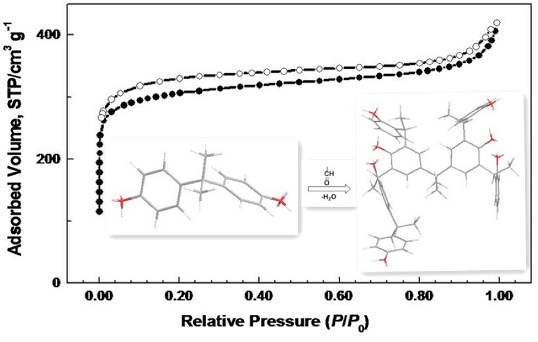
- , indicating the degradation of BPA catalyzed by TSA at high temperature [29][30]. Nitrogen sorption measurements were employed to evaluate the porosity of the obtained polymers. The nitrogen adsorption–desorption isotherms of PPOP-1–PPOP-3 are similar to each other (Figure 3a). All of the isotherms show a




Mechanochemistry-assisted synthesis of hierarchical porous carbons applied as supercapacitors
Beilstein J. Org. Chem. 2017, 13, 1332–1341, doi:10.3762/bjoc.13.130
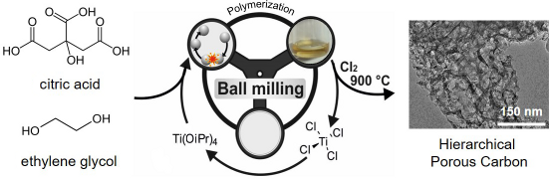
- influence of the pore size and the pore structure on (electro)sorption in energy storage devices [15][16][17]. Moreover, purely microporous carbons suffer from diffusion limitations resulting in low electrochemical performances at high charge/discharge rates [4][18][19]. Larger pores, like mesopores, or


Sugar-based micro/mesoporous hypercross-linked polymers with in situ embedded silver nanoparticles for catalytic reduction
Beilstein J. Org. Chem. 2017, 13, 1212–1221, doi:10.3762/bjoc.13.120
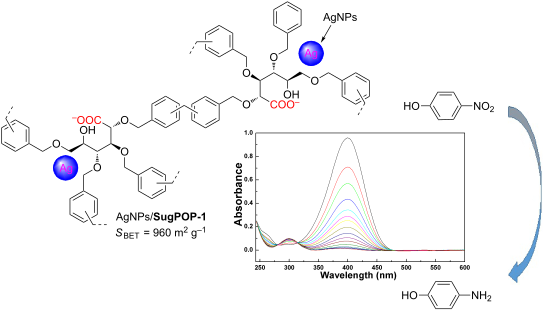
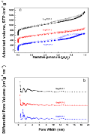
- the obtained polymers. The nitrogen adsorption–desorption isotherms (Figure 2a) of SugPOP-1–3 were measured at 77 K to explore the porosity of the obtained polymers. Both SugPOP-1 and SugPOP-3 show the combination of type I and IV sorption isotherms according to the IUPAC classification, whereas
- SugPOP-2 displays a type I sorption isotherm. A rapid uptake curve reflects the microporous monolayer adsorption tendency at low relative pressure (p/p0 < 0.10). As for SugPOP-1 and SugPOP-3, the significant hysteresis loops (0.50 < p/p0 < 1.00) are consistent with the mesoporous structure. The SSA value
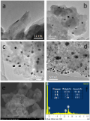
- ; (d) 24 h. (e) SEM image and (f) the corresponding EDX data of the AgNPs/SugPOP-1 composite obtained after reaction for 24 h. Nitrogen sorption isotherm at 77 K and the pore size distribution profile calculated by NLDFT analysis (inset) of the AgNPs/SugPOP-1 composite. Catalytic performance of the




Supramolecular frameworks based on [60]fullerene hexakisadducts
Beilstein J. Org. Chem. 2017, 13, 1–9, doi:10.3762/bjoc.13.1
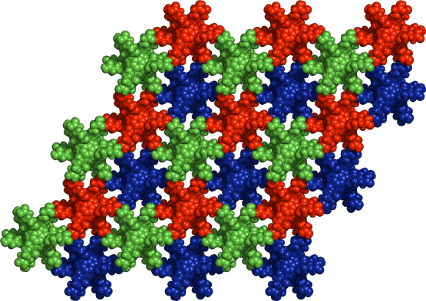
- thereby the spacing of the frameworks can be controlled and for the most elongated derivative, continuous channels are obtained within the structure. Stability, structural integrity and porosity of the material were investigated by powder X-ray diffraction, thermogravimetry and sorption measurements
- the spacer length, the solvent-filled pore systems in the solid-state structures have been tuned and structural features such as porosity of the materials have been investigated by PXRD, TGA analysis and sorption studies. Results and Discussion Recently, we reported on the synthesis and solid-state
- are not bound to any carboxlic acids and may therefore be removable upon activation. In order to elaborate on the materials properties, we synthesized HFF-3 in bulk amounts and studied the thermal stability and sorption properties of this framework. The framework crystallizes as anisotropic needles


Stabilization of nanosized titanium dioxide by cyclodextrin polymers and its photocatalytic effect on the degradation of wastewater pollutants
Beilstein J. Org. Chem. 2016, 12, 2873–2882, doi:10.3762/bjoc.12.286
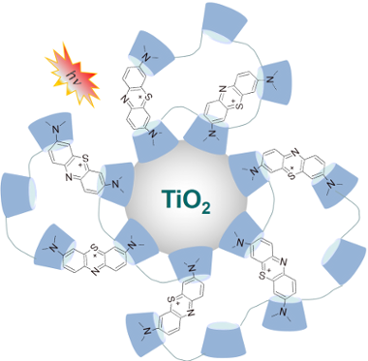
- is much lower than 0.1%, therefore this competition for the sorption sites is probably less pronounced even if we take into account that hydrogencarbonate, hydrogenphosphate and sulfate ions hinder the MB adsorption in a higher extent compared to chloride [44]. The nanoTiO2 stabilized by the polymer



Synthesis of three-dimensional porous hyper-crosslinked polymers via thiol–yne reaction
Beilstein J. Org. Chem. 2016, 12, 2570–2576, doi:10.3762/bjoc.12.252
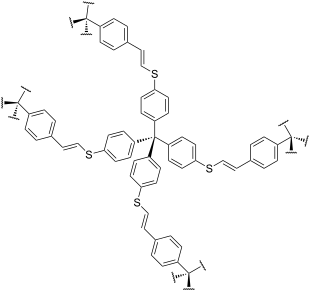
- Eggenstein-Leopoldshafen, Germany 10.3762/bjoc.12.252 Abstract Herein we report the syntheses of two porous hyper-crosslinked polymers (HCPs) via thiol–yne reaction with rigid tetrahedral and pseudo-octahedral core structures. Sorption measurements with nitrogen gas at 77 K revealed BET-surface areas up to



Robust C–C bonded porous networks with chemically designed functionalities for improved CO2 capture from flue gas
Beilstein J. Org. Chem. 2016, 12, 2274–2279, doi:10.3762/bjoc.12.220
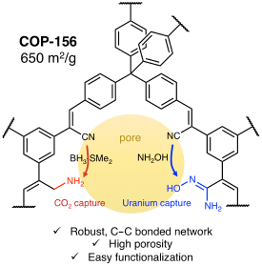
- different. BH3–Me2S gave the highest surface area and therefore CO2 uptake studies were based on this reduction method (see Supporting Information File 1, Table S1 for the properties of other obtained reduced networks). All networks were studied by FTIR, elemental analysis, TGA, and gas sorption experiments
- -amidoxime the 3400 cm−1 region is even broader, due to the combination of both NH and OH stretching. The strong peak at 1664 cm−1 can be attributed to the imine C=N bond of the amidoxime structure. The textural properties were measured through nitrogen sorption isotherms at 77 K and calculated based on the
- Brunauer–Emmett–Teller (BET) theory. COP-156 shows type II N2 sorption isotherms and a slight hysteresis, owing to the existence of micro, meso and macropores, with a surface area of 650 m2/g and a pore volume of 0.82 cm3/g at P/P0 = 0.99 (Figure 2). The pore size distribution is broad with several


Ru complexes of Hoveyda–Grubbs type immobilized on lamellar zeolites: activity in olefin metathesis reactions
Beilstein J. Org. Chem. 2015, 11, 2087–2096, doi:10.3762/bjoc.11.225
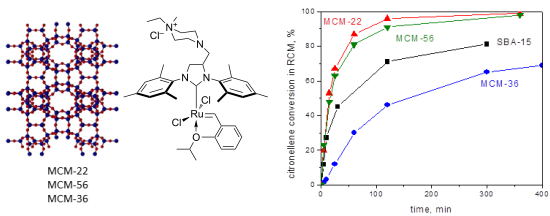
- passed through a column filled with activated alumina. Nitrogen adsorption/desorption isotherms were measured on a Micromeritics GEMINI II 2370 volumetric Surface Area Analyzer at liquid nitrogen temperature (−196 °C) to determine the surface area and pore volume. Prior to the sorption measurements, all


Properties of cationic monosubstituted tetraalkylammonium cyclodextrin derivatives – their stability, complexation ability in solution or when deposited on solid anionic surface
Beilstein J. Org. Chem. 2015, 11, 192–199, doi:10.3762/bjoc.11.20
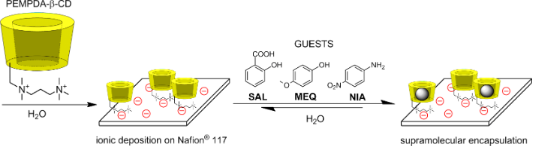
- (PErMethylated EthyleneDiAmine substituted). Its binding ability toward selected aromatic guests is compared to the native β-CD at different pH. Deposition of PEMPDA-β-CD on the surface of an anionic Nafion® 117 membrane via ionic self-assembly was also studied along with the determination of sorption kinetics


Anomalous diffusion of Ibuprofen in cyclodextrin nanosponge hydrogels: an HRMAS NMR study
Beilstein J. Org. Chem. 2014, 10, 2715–2723, doi:10.3762/bjoc.10.286
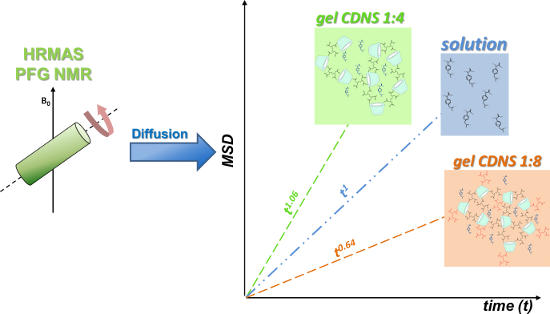
- -linked polymers; cyclodextrin nanosponges; diffusion; HRMAS NMR spectroscopy; TEM; Introduction Cyclodextrin nanosponges (CDNS) are a novel, promising class of nanoporous, three-dimensional polymers with interesting properties of sorption of both organic and inorganic species [1][2][3]. Indeed, several


Efficient CO2 capture by tertiary amine-functionalized ionic liquids through Li+-stabilized zwitterionic adduct formation
Beilstein J. Org. Chem. 2014, 10, 1959–1966, doi:10.3762/bjoc.10.204
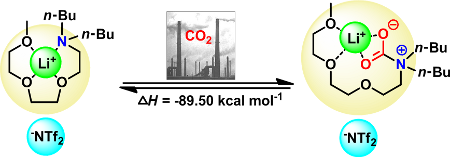
- ] showed a poor CO2 sorption capacity, implying that only physical interactions with CO2 were present (Table 1, entries 1–3). The primary amine-functionalized IL [PEG150MeNH2Li][NTf2] gave rise to CO2 uptake approaching 1:2 stoichiometry (Table 1, entry 4) as expected from the proposed mechanism for the
- -philic nature of the PEG chain facilitates CO2 sorption. Generally, anhydrous tertiary amines absorb CO2 only under high CO2 pressures to form instable zwitterionic alkylcarbonate salts (Table 1, entry 9) [42]. [PEG150MeBu2NLi][NTf2] and [PEG150MeBu2NLi][SO3CF3] were able to rapidly reach 0.66 and 0.61




Investigations of thiol-modified phenol derivatives for the use in thiol–ene photopolymerizations
Beilstein J. Org. Chem. 2014, 10, 1733–1740, doi:10.3762/bjoc.10.180

- properties of the resulting networks [34]. So far most studies focused on the optimization of the ene monomer while PETMP (pentaerythritol tetra(3-mercaptopropionate)) was constantly utilized as the thiol component. The influence of water sorption of cured dental composites on the mechanical properties have
- linkages and thus, a significant influence of water sorption on the mechanical properties should be expected. The limited availability of rigid thiol monomers is the initial point for this study. In analogy to Bis-GMA which is a well-established monomer for dental materials exhibiting good mechanical




Biantennary oligoglycines and glyco-oligoglycines self-associating in aqueous medium
Beilstein J. Org. Chem. 2014, 10, 1372–1382, doi:10.3762/bjoc.10.140
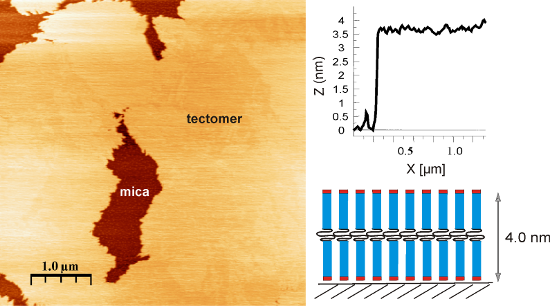
- , Figure 5b), and covering the whole surface with an even layer (texp = 2 min, Figure 5c). Presumably, longer times (texp > 2 min) are characterized by the appearance of multilayer tectomers resulting from the sorption of associates formed in solution. The multilayer tectomers can be readily removed by