Search for "structural modification" in Full Text gives 44 result(s) in Beilstein Journal of Organic Chemistry.
Beilstein J. Org. Chem. 2025, 21, 2416–2446, doi:10.3762/bjoc.21.185
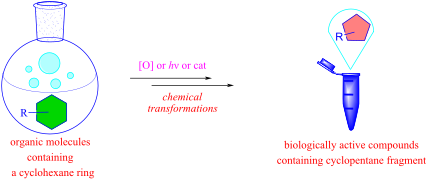
Graphical Abstract
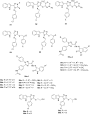
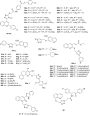
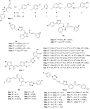
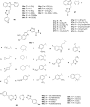
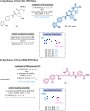
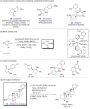
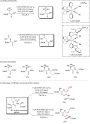
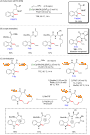
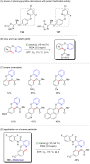
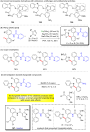
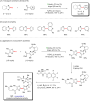
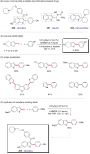
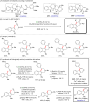
Scheme 1: Ozonolysis–cyclization sequence in the synthesis of echinopine A (3).
Scheme 2: Ozonolysis–cyclization sequence in the synthesis of taiwaniaquinoids 7–12.
Figure 1: Iridoid skeleton.
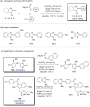
Scheme 3: Ozonolysis–cyclization sequence in the synthesis of compounds 17a,b, 18 and 19 with iridoid topolog...
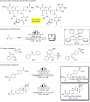
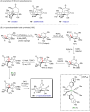
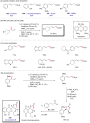
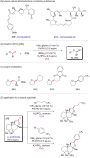
Scheme 4: Oxidation–aldol condensation sequence in the synthesis of compounds 21 and 23 with iridoid topology....
Scheme 5: Oxidation–aldol condensation sequence in the synthesis of compounds 29 and 30 with iridoid topology....
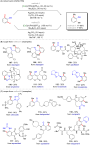
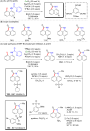
Scheme 6: Method for ring contraction in the absence of a double bond in a six-membered ring of triterpenoids....
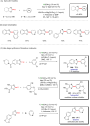
Scheme 7: Oxidation–Dieckmann cyclization sequence in the synthesis of a new nortriterpenoid 39.
Scheme 8: Oxidation–Dieckmann cyclization sequence in the synthesis of 18,19-di-nor-cholesterol (40).
Scheme 9: Oxidation–cyclization sequence in the synthesis of 3-ethyl-substituted betulinic acid derivatives 49...
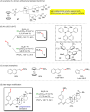
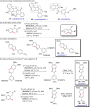
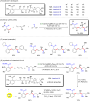
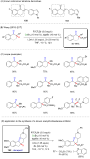
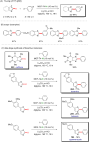
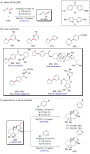
Scheme 10: Benzilic acid-type rearrangement in the synthesis of 4β-acetoxyprobotryane-9β,15α-diol (52).
Scheme 11: Benzilic acid-type rearrangement in the synthesis of (−)-taiwaniaquinone H (11).
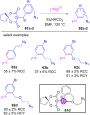
Scheme 12: Benzilic acid-type rearrangement in the synthesis of dactylicapnosines A (63) and B (64).
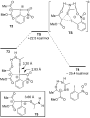
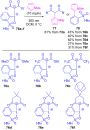
Scheme 13: Aza-benzilic acid-type rearrangement in the synthesis of (+)-stephadiamine (71).
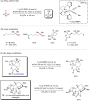
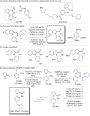
Scheme 14: α-Ketol rearrangement in the synthesis of saffloneoside (73).
Scheme 15: Conversion of (−)-preaustinoid A (80) to (−)-preaustinoid B (81) via α-ketol rearrangement.
Scheme 16: α-Ketol rearrangement in the synthesis of 2,8-oxymethano-bridged diquinane 90.
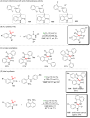
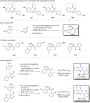
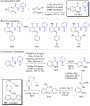
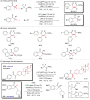
Scheme 17: Oxidative ring contraction during the synthesis of (+)-cuparene (91) and (+)-tochuinylacetate (92).
Scheme 18: Semipinacol rearrangement in the synthesis of diterpenoids 97–100.
Scheme 19: Co-catalyzed homoallyl-type rearrangement in the syntheses of meroterpenes 106–109.
Scheme 20: Ring contraction reaction promoted by TTN·3H2O and HTIB in the synthesis of indanes.
Scheme 21: Rearrangement involving a hypervalent iodine compound in the synthesis of derivative 120.
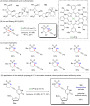
Scheme 22: Wolff rearrangement in the synthesis of taiwaniaquinones A (7), F (8), taiwaniaquinols B (10), D (1...
Scheme 23: Wolff rearrangement in the synthesis of cheloviolene C (128), seconorrisolide B (129), and seconorr...
Scheme 24: Wolff rearrangement in the synthesis of (−)-pavidolide B (134).
Scheme 25: Wolff rearrangement in the synthesis of presilphiperfolan-8-ol (141).
Scheme 26: Photochemical rearrangement in the synthesis of cyclopentane derivatives 147a,b.
Scheme 27: Synthesis of cyclopentane derivatives 147a and 151.
Scheme 28: Photochemical rearrangement in the synthesis of cyclopentane derivative 153.
Scheme 29: Photochemical rearrangement in the synthesis of tricyclic ketones 155, 156.
Scheme 30: Photochemical rearrangement in the synthesis of cis/trans salts 160.
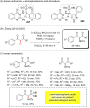
Figure 2: Scope of the photoinduced carboborative ring contraction of steroids. Reaction conditions: steroid ...
Scheme 31: Photoinduced carboborative ring contraction in the synthesis of artalbic acid (180).
Scheme 32: Synthetic versatility of the photoinduced carboborative ring contraction.
Scheme 33: Methods of disclosure of epoxide 189.
Scheme 34: Methods of disclosure of epoxide 190.
Scheme 35: Rearrangement of α,β-epoxy ketone 197.
Scheme 36: Acid-induced rearrangement in the synthesis of perhydrindane ketones 202 and 205.
Scheme 37: Rearrangement of epoxyketone 208 in the synthesis of huperzine Q (206).
Scheme 38: Rearrangement of epoxide 212 under the action of Grignard reagent.
Scheme 39: Semipinacol rearrangement of epoxide 220 in the synthesis of (−)-citrinadin A (217) and (+)-citrina...
Scheme 40: Semipinacol rearrangement of epoxide 225 in the synthesis of hamigeran G (223).
Scheme 41: Semipinacol rearrangement of epoxide 231 in the synthesis of (−)-spirochensilide A (228).
Scheme 42: Wagner–Meerwein rearrangement in the synthesis of compound 234 with iridoid topology.
Scheme 43: Wagner–Meerwein rearrangement in the synthesis of compound 238 with iridoid topology.
Scheme 44: Wagner–Meerwein rearrangement in the synthesis of compound 241 with iridoid topology.
Scheme 45: Wagner–Meerwein rearrangement in the synthesis of lupane derivatives 245, 246, 248, and 249.
Scheme 46: Wagner–Meerwein rearrangement in the synthesis of weisaconitine D (252) and cardiopetaline (255).
Scheme 47: Wagner–Meerwein rearrangement in the synthesis of cardiopetaline (255).
Beilstein J. Org. Chem. 2025, 21, 1422–1453, doi:10.3762/bjoc.21.106
Beilstein J. Org. Chem. 2024, 20, 3085–3112, doi:10.3762/bjoc.20.257
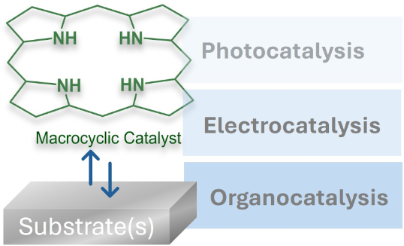
Graphical Abstract
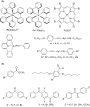
Figure 1: Chemical structures of the main tetrapyrrolic macrocycles studied in this review for their role as ...
Figure 2: Calix[4]pyrroles 3 and 4 and an their acyclic analogue 5 used for the transformation of Danishefsky...
Figure 3: Calixpyrrole-based organocatalysts 11 and 12 for the diastereoselective addition reaction of TMSOF ...
Figure 4: (a) Chemical structures of macrocyclic organocatalysts used for the synthesis of cyclic carbonates ...
Figure 5: Cuprous chloride-catalyzed aziridination of styrene (22) by chloramine-T (23) providing 1-tosyl-2-p...
Figure 6: Chemical structures of the various porphyrin macrocycles (18, 25–41) screened as potential catalyst...
Figure 7: Organocatalytic activity of distorted porphyrins explored by Senge and co-workers. Planar macrocycl...
Figure 8: Chemical structures of H2EtxTPP (x = 0, 2, 4, 6, 8) compounds with incrementally increasing nonplan...
Figure 9: Chemical structures of OxP macrocycles tested as potential organocatalysts for the conjugate additi...
Figure 10: a) Fundamental structure of the J-aggregates of diprotonated TPPS3 53 and b) its use as a catalyst ...
Figure 11: Chemical structures of amphiphilic porphyrin macrocycles used as pH-switchable catalysts based on i...
Figure 12: a) Chemical structures of porphyrin macrocycles for the cycloaddition of CO2 to N-alkyl/arylaziridi...
Figure 13: Electron and energy-transfer processes typical for excited porphyrin molecules (Por = porphyrin mac...
Figure 14: Proposed mechanism for the light-induced α-alkylation of aldehydes with EDA in the presence of H2TP...
Figure 15: a) Chemical structures of porphyrins screened as photoredox catalysts, b) model reaction of furan (...
Figure 16: Porphyrin macrocycles H2TPP (18) and PPIX 78 as photoreductants for the red light-induced C–H aryla...
Figure 17: Porphyrin macrocycles H2TPP (18) and PPIX 78 as photoredox catalyst for (a) α-alkylation of an alde...
Figure 18: Corrole macrocycles 98–100 as photoredox catalysts for C–H arylation and borylation reactions. Adap...
Figure 19: Proposed catalytic cycle of electrocatalytic generation of H2 evolution using tetrapyrrolic macrocy...
Figure 20: a) Chemical structures of tetrapyrrolic macrocycles 109, 73, and 110 used for oxygen reductions in ...
Figure 21: a) Absorption spectra (left) of the air-saturated DCE solutions containing: 5 × 10⁻⁵ M H2TPP (black...
Figure 22: Chemical structures of N,N’-dimethylated saddle-distorted porphyrin isomers, syn-Me2P 111 and anti-...
Figure 23: Reaction mechanisms for the two-electron reduction of O2 by a) syn-Me2Iph 113 and b) anti-Me2Iph 114...
Figure 24: O2/H2O2 interconversion using methylated saddle-distorted porphyrin and isophlorin (reduced porphyr...
Figure 25: Chemical structures of distorted dodecaphenylporphyrin macrocycle 117 and its diprotonated form 118...
Beilstein J. Org. Chem. 2024, 20, 2921–2930, doi:10.3762/bjoc.20.244
Graphical Abstract
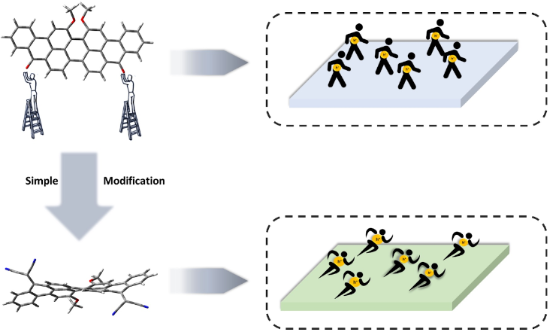
Figure 1: Chemical structures of violanthrone and dihydroxyviolanthrone.
Figure 2: Chemical structures of 2b and 3b.
Scheme 1: Synthesis of compounds 2a–c and 3a–c.
Figure 3: Optimised ground state geometries of compounds 2 and 3 calculated using B3LYP/6-311G(d,p) in the ga...
Figure 4: Views of the crystal structure of 3b (left, shows displacement ellipsoids drawn at 50% probability ...
Figure 5: Absorption spectra of 3a–c measured in dichloromethane solution (1 × 10⁻⁵ M).
Figure 6: SWV (left) and CV (right) of compound 3a–c (in dichloromethane 1 × 10⁻³ M) (V vs Fc/Fc+).
Beilstein J. Org. Chem. 2024, 20, 2129–2142, doi:10.3762/bjoc.20.183
Graphical Abstract
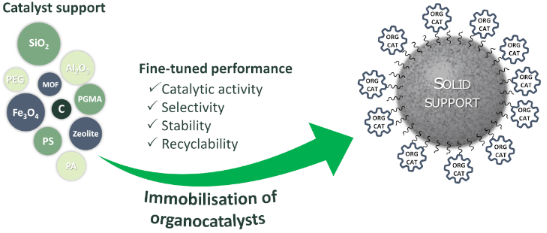
Scheme 1: Esterification of oleic acid (1) with propylsulfonic acid (Pr-SO3H)-functionalised mesoporous silic...
Scheme 2: Using confinement of organocatalytic units for improving the enantioselectivity of silica-supported...
Scheme 3: Michael addition catalysed by cinchona thiourea immobilised on magnetic nanoparticles (13).
Scheme 4: Michael addition catalysed by cinchona thiourea in the presence of magnetic nanoparticles.
Scheme 5: Benzoin condensation catalysed by N-benzylthiazolium salt attached to mesoporous material.
Scheme 6: Photoinduced RAFT polymerisation of n-butyl acrylate (19) catalysed by silica nanoparticle-supporte...
Scheme 7: Pressure and temperature dependence of the 1,4-addition of propanal to trans-β-nitrostyrene under c...
Scheme 8: α-Amination of ethyl 2-oxocyclopentanecarboxylate catalysed by PS-THU which could be recycled over ...
Scheme 9: Preparation of supported catalysts C29–C31 from cinchona squaramides 29–31 modified with a primary ...
Scheme 10: Application of PGMA-supported organocatalysts C29–C31 in the asymmetric Michael addition of pentane...
Scheme 11: Alcoholytic desymmetrisation of a cyclic anhydride 34 catalysed by polyamide-supported cinchona sul...
Beilstein J. Org. Chem. 2024, 20, 1693–1712, doi:10.3762/bjoc.20.151
Graphical Abstract
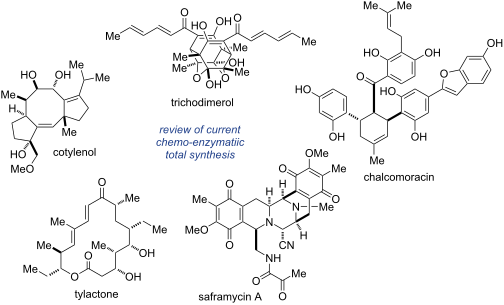
Scheme 1: Targeted natural products and key enzymatic transformations in the chemo-enzymatic total syntheses ...
Scheme 2: Biosynthetic pathway to brassicicenes in Pseudocercospora fijiensis [14]. (A) Cyclization phase catalyz...
Scheme 3: Chemo-enzymatic total synthesis of cotylenol (1) and brassicicenes. (A) Chemical cyclization phase....
Scheme 4: (A) Biosynthetic pathway for trichodimerol (2) in Penicillium chrysogenum. (B) Chemo-enzymatic tota...
Scheme 5: (A) Proposed biosynthetic pathway for chalcomoracin (3) in Morus alba. (B) Outline of the biosynthe...
Scheme 6: (A) Chemo-enzymatically synthesized natural products by using the originally identified MaDA. (B) M...
Scheme 7: Proposed biosynthetic mechanism of tylactone (4) in Streptomyces fradiae.
Scheme 8: (A) Chemical synthesis and cascade enzymatic transformations of cyclization precursors. (B) Late-st...
Scheme 9: Proposed biosynthetic mechanism of saframycin A (5) in Streptomyces lavendulae.
Scheme 10: (A) Chemo-enzymatic total synthesis of saframycin A (5) and jorunnamycin A (103). (B) Chemo-enzymat...
Beilstein J. Org. Chem. 2023, 19, 1841–1848, doi:10.3762/bjoc.19.136
Graphical Abstract
Figure 1: Glutarimide-based immunomodulatory drugs (IMiDs) and CRBN ligands.
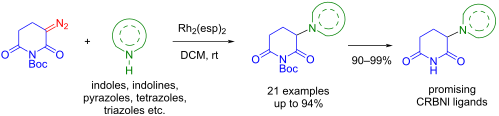
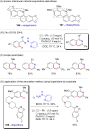
Scheme 1: Main literature approaches towards α-hetaryl glutarimides 1 (routes A and B) and new “diazo” method...
Scheme 2: Preparation of diazo reagent 5.
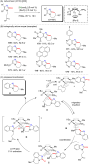
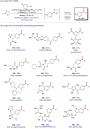
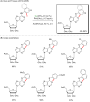
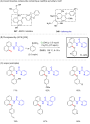
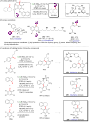
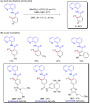
Scheme 3: Scope of NH insertion reaction of N-Boc-α-diazo glutarimide and various N-heterocycles. aIsolated y...
Figure 2: Examples of α-carbonyl NH-heterocycles for which N–H insertion products could not be obtained.
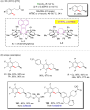
Scheme 4: Examples of N-deprotection of α-modified glutarimides 1.
Scheme 5: Preparation of NH2-containing derivative 10 via reduction of 6n.
Beilstein J. Org. Chem. 2023, 19, 1694–1712, doi:10.3762/bjoc.19.124
Graphical Abstract
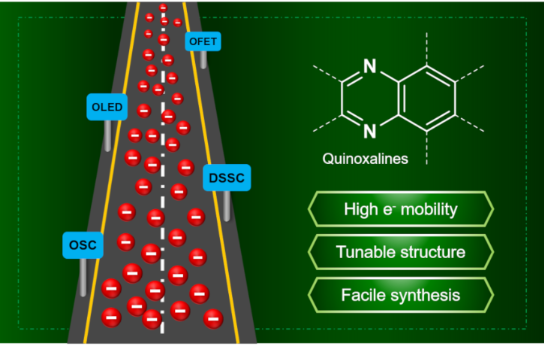
Figure 1: Structures of some of the most versatile Qx scaffolds; dashed lines indicate the substitution sites...
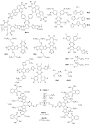
Figure 2: Qx-derived polymer acceptors.
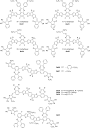
Figure 3: Qx-derived small molecule NFAs.
Figure 4: Qx-derived small molecule NFAs.
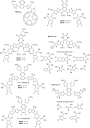
Figure 5: Dyes and sensitizers based on Qx auxiliary acceptors or bridging units.
Figure 6: Qx-derived n-type transistor materials.
Figure 7: Qx-derived ETM and TADF emitters.
Figure 8: Qx-derived chromophores.
Beilstein J. Org. Chem. 2023, 19, 1511–1524, doi:10.3762/bjoc.19.108
Graphical Abstract
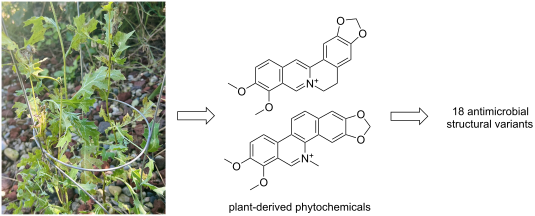
Figure 1: Zones of inhibition for 1 mg of evaporated methanolic (MeOH) extracts from various parts of the A. ...
Scheme 1: General route to berberine variants, displaying the numbering system for the berberine ring.
Scheme 2: Synthesis of new berberine variants. Reductive amination to a secondary amine was followed by cycli...
Figure 2: X-ray crystal structures of the oxidation byproducts a) B4 (CCDC 2271457) and b) B6 (CCDC 2271458; ...
Scheme 3: Direct modification of the original berberine structure.
Scheme 4: Preparation of non-cyclic charged variants of B1.
Scheme 5: Partial reduction of compound B1 to B14.
Figure 3: Kirby–Bauer zones of inhibition for all variants B1–B14 compared to original berberine (B). Mean zo...
Scheme 6: Synthesis of the substituted 2-bromoaminonaphthalenes 9 and 10.
Scheme 7: Completion of the synthesis of variants C1–C4.
Figure 4: Kirby–Bauer zones of inhibition for variants C1–C4 compared to original chelerythrine (C). Mean zon...
Figure 5: Effects of original berberine and all variants against T84 human colon cancer cells. Cells were tre...
Figure 6: Effects of original chelerythrine and all variants against T84 human colon cancer. Cells were treat...
Beilstein J. Org. Chem. 2023, 19, 1299–1369, doi:10.3762/bjoc.19.96
Graphical Abstract
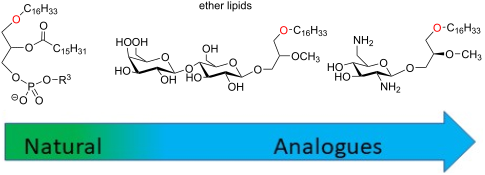
Figure 1: Chemical structure of some natural ether lipids (ELs).
Figure 2: Synthesis of lyso-PAF and PAF from 1-O-alkylglycerol [64].
Figure 3: Synthesis of lyso-PAF from 1,3-benzylideneglycerol 3.1 [69].
Figure 4: A) Synthesis of the two enantiomers of octadecylglycerol (4.6 and 4.10) from ᴅ-mannitol (4.1); B) s...
Figure 5: Four-step synthesis of PAF 5.6 from (S)-glycidol [73].
Figure 6: Synthesis of 1-O-alkylglycerol A) from solketal, B) from ᴅ- or ʟ-tartaric acid and the intermediate ...
Figure 7: Synthesis of EL building blocks starting from substituted glycidol 7.1a–c [82].
Figure 8: Synthesis of PAF 8.5 by using phosphoramidite 8.2 [86].
Figure 9: Synthesis of oleyl-PAF 9.7 from ʟ-serine [88].
Figure 10: Synthesis of racemic analogues of lyso-PAF 10.8 and PAF 10.9 featuring a phenyl group between the g...
Figure 11: Synthesis of racemic deoxy-lyso-PAF 11.7 and deoxy-PAF 11.8 [91].
Figure 12: Synthesis of racemic thio-PAF 12.8 [93].
Figure 13: Racemic synthesis of 13.6 to illustrate the modification of the glycerol backbone by adding a methy...
Figure 14: Racemic synthesis of 14.5 as an illustration of the introduction of methyl substituents on the glyc...
Figure 15: Synthesis of functionalized sn-2-acyl chains of PC-EL; A) Steglich esterification or acylation reac...
Figure 16: Synthesis of racemic mc-PAF (16.3), a carbamate analogue of PAF [102].
Figure 17: A) Synthesis of (R)-17.2 and (S)-17.6 starting from (S)-solketal (17.1); B) synthesis of N3-PAF (17...
Figure 18: Modification of the phosphocholine polar head to produce PAF analogues [81].
Figure 19: Racemic PAF analogues 19.3 and 19.5 characterized by the absence of the phosphate group [107].
Figure 20: Synthesis of PIP3-PAF (20.7) [108].
Figure 21: Large-scale synthesis of C18-edelfosine (21.8) [116].
Figure 22: Synthesis of C16-edelfosine (22.10) starting from isopropylidene-ʟ-glyceric acid methyl ester (22.1...
Figure 23: Phosphocholine moiety installation by the use of chlorophosphite 23.2 as key reagent [119].
Figure 24: Synthesis of rac-1-alkyl-2-O-methylglycerol (AMG) [120].
Figure 25: Synthesis of stereocontrolled 1-alkyl-2-O-methyl glycerol 25.9 (AMG) from dimethyl ᴅ-tartrate [81].
Figure 26: A) Racemic synthesis of thioether 26.4 [129,130], B) structure of sulfone analogue 26.5 [129].
Figure 27: Stereocontrolled synthesis of C18-edelfosine thioether analogue 27.8 [118].
Figure 28: Synthesis of thioether 28.4 that include a thiophosphate function [134].
Figure 29: Synthesis of ammonium thioether 29.4 and 29.6 [135].
Figure 30: Synthesis of the N-methylamino analogue of edelfosine 30.6 (BN52211) [138].
Figure 31: Synthesis of 1-desoxy analogues of edelfosine; A) with a saturated alkyl chain; B) synthesis of the...
Figure 32: Stereocontrolled synthesis of edelfosine analogue (S)-32.8 featuring a C18:1 lipid chain [142].
Figure 33: Synthesis of edelfosine analogues with modulation of the lipid chain; A) illustration with the synt...
Figure 34: Synthesis of phospholipid featuring a carbamate function to link the lipid chain to the glycerol un...
Figure 35: Synthesis of sesquiterpene conjugates of phospho glycero ether lipids [148].
Figure 36: Racemic synthesis of methyl-substituted glycerol analogues 36.7 and 36.10: A) synthesis of diether ...
Figure 37: Racemic synthesis of ilmofosine (37.6) [155,156].
Figure 38: A) Stereoselective synthesis of 38.5 via a stereoselective hydroboration reaction; B) synthesis of ...
Figure 39: Racemic synthesis of SRI62-834 (39.6) featuring a spiro-tetrahydrofurane heterocycle in position 2 ...
Figure 40: Racemic synthesis of edelfosine analogue 40.5 featuring an imidazole moiety in sn-2 position [160].
Figure 41: Racemic synthesis of fluorine-functionalized EL: A) Synthesis of 41.6 and B) synthesis of 41.8 [161-163].
Figure 42: A) Synthesis of the β-keto-ester 42.6 that also features a decyl linker between the phosphate and t...
Figure 43: Synthesis of phosphonate-based ether lipids; A) edelfosine phosphonate analogue 43.7 and B) thioeth...
Figure 44: Enantioselective synthesis of phosphonates 44.3 and 44.4 [171].
Figure 45: Racemic synthesis of phosphinate-based ether lipid 45.10 [172].
Figure 46: Racemic synthesis of edelfosine arsonium analogue 46.5 [173].
Figure 47: Synthesis of edelfosine dimethylammonium analogue 47.2 [118].
Figure 48: Synthesis of rac-C18-edelfosine methylammonium analogue 48.4 [176].
Figure 49: A) Synthesis of edelfosine N-methylpyrrolidinium analogue 49.2 or N-methylmorpholinium analogue 49.3...
Figure 50: A) Synthesis of edelfosine’s analogue 50.4 with a PE polar group; B) illustration of a pyridinium d...
Figure 51: A) Synthesis of 51.4 featuring a thiazolium cationic moiety; B) synthesis of thiazolium-based EL 51...
Figure 52: Synthesis of cationic ether lipids 52.3, 52.4 and 52.6 [135,183].
Figure 53: Synthesis of cationic carbamate ether lipid 53.5 [184].
Figure 54: Synthesis of cationic sulfonamide 54.5 [185].
Figure 55: Chemical structure of ONO-6240 (55.1) and SRI-63-119 (55.2).
Figure 56: Synthesis of non-ionic ether lipids 56.2–56.9 [188].
Figure 57: Synthesis of ether lipid conjugated to foscarnet 57.6 [189].
Figure 58: A) Synthesis of ether lipid conjugated to arabinofuranosylcytosine; B) synthesis of AZT conjugated ...
Figure 59: Synthesis of quercetin conjugate to edelfosine [191].
Figure 60: Synthesis of 60.8 (Glc-PAF) [194].
Figure 61: A) Synthesis of amino ether lipid 61.7 functionalized with a rhamnose unit and its amide analogue 6...
Figure 62: A) Synthesis of glucose ether lipid 62.4; B) structure of ether lipid 62.5 possessing a maltose uni...
Figure 63: A) Synthesis of glucuronic methyl ester 63.8; B) structure of cellobiose 63.9 and maltose 63.10 ana...
Figure 64: A) Synthesis of maltosyl glycerolipid 64.7; B) structure of lactose analogue 64.8 prepared followin...
Figure 65: A) Asymmetric synthesis of the aglycone moiety starting from allyl 4-methoxyphenyl ether; B) glycos...
Figure 66: A) Synthesis of ohmline possessing a lactose moiety. B) Structure of other glyco glycero lipids pre...
Figure 67: A) Synthesis of lactose-glycerol ether lipid 67.5; B) analogues possessing a maltose (67.6) or meli...
Figure 68: Synthesis of digalactosyl EL 68.6, A) by using trityl, benzyl and acetyl protecting groups, B) by u...
Figure 69: A) Synthesis of α-ohmline; B) structure of disaccharide ether lipids prepared by using similar meth...
Figure 70: Synthesis of lactose ether lipid 70.3 and its analogue 70.6 featuring a carbamate function as linke...
Figure 71: Synthesis of rhamnopyranoside diether 71.4 [196].
Figure 72: Synthesis of 1-O-hexadecyl-2-O-methyl-3-S-(α-ᴅ-1'-thioglucopyranosyl)-sn-glycerol (72.5) [225].
Figure 73: A) Preparation of lipid intermediate 73.4; B) synthesis of 2-desoxy-C-glycoside 73.10 [226].
Figure 74: Synthesis of galactose-pyridinium salt 74.3 [228].
Figure 75: Synthesis of myo-inositol derivative Ino-C2-PAF (75.10) [230].
Figure 76: A) Synthesis of myo-inositol phosphate building block 76.7; B) synthesis of myo-inositolphosphate d...
Figure 77: A) Synthesis of phosphatidyl-3-desoxy-inositol 77.4; B) synthesis of phosphono-3-desoxyinositol 77.9...
Figure 78: A) Structure of diether phosphatidyl-myo-inositol-3,4-diphosphate 78.1; B) synthesis of phosphatidy...
Figure 79: A) Synthesis of diether-phosphatidyl derivative 79.4 featuring a hydroxymethyl group in place of a ...
Figure 80: Synthesis of Glc-amine-PAF [78].
Figure 81: Synthesis of glucosamine ether lipid 81.4 and its analogues functionalized in position 3 of the ami...
Figure 82: Synthesis of fully deprotected aminoglucoside ether lipid 82.5 [246].
Figure 83: Synthesis of C-aminoglycoside 83.12 using Ramberg–Bäcklund rearrangement as a key step [250].
Figure 84: A) List of the most important glyco lipids and amino glyco lipids included in the study of Arthur a...
Figure 85: Synthesis of mannosamine ether lipid 85.6 [254].
Figure 86: A) Synthesis of glucosamine ether lipids with a non-natural ʟ-glucosamine moiety; B) synthesis of e...
Figure 87: A) Structure of the most efficient anticancer agents 87.1–87.4 featuring a diamino glyco ether lipi...
Figure 88: A) Synthesis of diamino glyco ether lipid 87.4; B) synthesis of bis-glycosylated ether lipid 88.10 [256]....
Figure 89: Synthesis of triamino ether lipid 89.4 [260].
Figure 90: Synthesis of chlorambucil conjugate 90.7 [261].
Figure 91: Three main methods for the preparation of glycerol ether lipid 91.3; A) from solketal and via a tri...
Figure 92: Four different methods for the installation of the phosphocholine polar head group; A) method using...
Figure 93: Illustration of two methods for the installation of saccharides or aminosaccharides; A) O-glycosyla...
Beilstein J. Org. Chem. 2023, 19, 1198–1215, doi:10.3762/bjoc.19.88
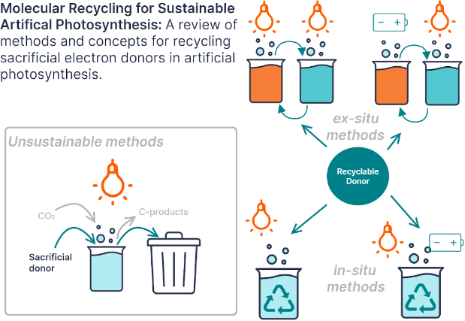
Graphical Abstract
Figure 1: Diagram comparing the two reaction pathways for sacrificial electron donors (SD) in photocatalyzed ...
Figure 2: Diagram showing water-splitting systems developed by Girault, Scanlon, and co-workers that employ i...
Figure 3: Diagram illustrating the transfer of electrons in a photocatalytic particulate suspensions Z-scheme...
Figure 4: A. Structures of the molecules represented in part B. The numbers in brackets correspond to the com...
Figure 5: A. Structures of the molecules represented in part B. The numbers in brackets correspond to the com...
Beilstein J. Org. Chem. 2023, 19, 1171–1190, doi:10.3762/bjoc.19.86
Graphical Abstract
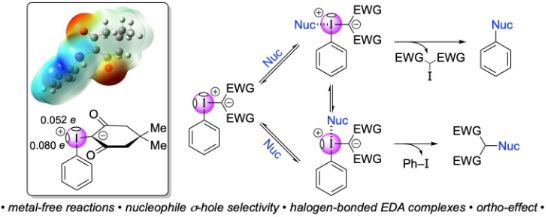
Figure 1: Generic representation of halogen bonding.
Figure 2: Quantitative evaluation of σ-holes in monovalent iodine-containing compounds; and, qualitative mole...
Figure 3: Quantitative evaluation of σ-holes in hypervalent iodine-containing molecules; and, qualitative MEP...
Figure 4: Quantitative evaluation of σ-holes in iodonium ylides; and, qualitative MEP map of I-12 from −0.083...
Scheme 1: Outline of possible reaction pathways between iodonium ylides and Lewis basic nucleophiles (top); a...
Scheme 2: Metal-free cyclopropanations of iodonium ylides, either as intermolecular (a) or intramolecular pro...
Figure 5: Zwitterionic mechanism for intramolecular cyclopropanation of iodonium ylides (left); and, stepwise...
Scheme 3: Metal-free intramolecular cyclopropanation of iodonium ylides.
Figure 6: Concerted cycloaddition pathway for the metal-free, intramolecular cyclopropanation of iodonium yli...
Scheme 4: Reaction of ylide 6 with diphenylketene to form lactone 24 and 25.
Figure 7: Nucleophilic (top) and electrophilic (bottom) addition pathways proposed by Koser and Hadjiarapoglo...
Scheme 5: Indoline synthesis from acyclic iodonium ylide 31 and tertiary amines.
Scheme 6: N-Heterocycle synthesis from acyclic iodonium ylide 31 and secondary amines.
Figure 8: Proposed mechanism for the formation of 33a from iodonium ylides and amines, involving an initial h...
Scheme 7: Indoline synthesis from acyclic iodonium ylides 39 and tertiary amines under blue light photocataly...
Scheme 8: Metal-free cycloproponation of iodonium ylides under blue LED irradiation. aUsing trans-β-methylsty...
Figure 9: Proposed mechanism of the cyclopropanation between iodonium ylides and alkenes under blue LED irrad...
Scheme 9: Formal C–H alkylation of iodonium ylides by nucleophilic heterocycles under blue LED irradiation.
Figure 10: Proposed mechanism of the formal C–H insertion of pyrrole under blue LED irradiation.
Scheme 10: X–H insertions between iodonium ylides and carboxylic acids, phenols and thiophenols.
Figure 11: Mechanistic proposal for the X–H insertion reactions of iodonium ylides.
Scheme 11: Radiofluorination of biphenyl using iodonium ylides 54a–e derived from various β-dicarbonyl auxilia...
Scheme 12: Radiofluorination of arenes using spirocycle-derived iodonium ylides 56.
Scheme 13: Radiofluorination of arenes using SPIAd-derived iodonium ylides 58.
Figure 12: Calculated reaction coordinate for the radiofluorination of iodonium ylide 60.
Scheme 14: Radiofluorination of iodonium ylides possessing various ortho- and para-substituents on the iodoare...
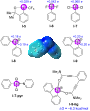
Figure 13: Difference in Gibbs activation energy for ortho- or para-anisyl derived iodonium ylides 63a and 63b....
Figure 14: Proposed equilibration of intermediates to transit between 64a (the initial adduct formed between 6...
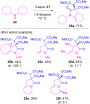
Scheme 15: Comparison of 31 and ortho-methoxy iodonium ylide 39 in rhodium-catalyzed cyclopropanation and cycl...
Figure 15: X-ray crystal structure of dimeric 39 [6], (CCDC# 893474) [143,144].
Scheme 16: Enaminone synthesis using diazonium and iodonium ylides.
Figure 16: Transition state calculations for enaminone synthesis from iodonium ylides and thioamides.
Scheme 17: The reaction between ylides 73a–f and N-methylpyrrole under 365 nm UV irradiation.
Figure 17: Crystal structures of 76c (top) and 76e (bottom) [101], (CCDC# 2104180 & 2104181) [143,144].
Beilstein J. Org. Chem. 2022, 18, 438–445, doi:10.3762/bjoc.18.46
Graphical Abstract
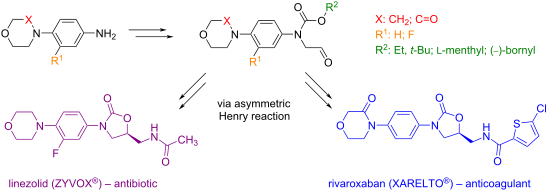
Figure 1: The structure of the oxazolidine-2-one-containing drugs linezolid (1) and rivaroxaban (2).
Figure 2: Overview of the chiral ligands that were used for the study of the asymmetric Henry reaction.
Scheme 1: Syntheses of aldehydes 15–20.
Scheme 2: Synthesis of linezolid (1) and rivaroxaban (2) from nitroaldols 24 or 26.
Beilstein J. Org. Chem. 2021, 17, 2680–2715, doi:10.3762/bjoc.17.182
Graphical Abstract
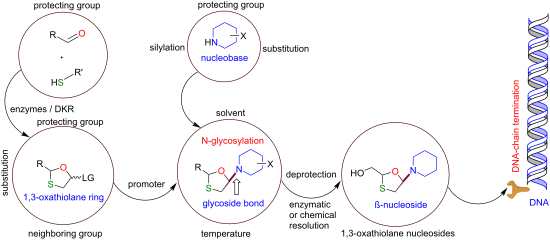
Figure 1: Representative modified 1,3-oxathiolane nucleoside analogues.
Figure 2: Mechanism of antiviral action of 1,3-oxathiolane nucleosides, 3TC (1) and FTC (2), as chain termina...
Figure 3: Synthetic strategies for the construction of the 1,3-oxathiolane sugar ring.
Scheme 1: Synthesis of 4 from benzoyloxyacetaldehyde (3a) and 2-mercapto-substituted dimethyl acetal 3na.
Scheme 2: Synthesis of 8 from protected glycolic aldehyde 3b and 2-mercaptoacetic acid (3o).
Scheme 3: Synthesis of 20 from ᴅ-mannose (3c).
Scheme 4: Synthesis of 20 from 1,6-thioanhydro-ᴅ-galactose (3d).
Scheme 5: Synthesis of 8 from 2-(tert-butyldiphenylsilyloxy)methyl-5-oxo-1,2-oxathiolane (3m).
Scheme 6: Synthesis of 20a from ʟ-gulose derivative 3f.
Scheme 7: Synthesis of 31 from (+)-thiolactic acid 3p and 2-benzoyloxyacetaldehyde (3a).
Scheme 8: Synthesis of 35a from 1,4-dithiane-2,5-diol (3q) and glyoxylic acid (3g) hydrate.
Scheme 9: Synthetic routes toward 41 through Pummerer reaction from methyl 2-mercaptoacetate (3j) and bromoac...
Scheme 10: Strategy for the synthesis of 2,5-substituted 1,3-oxathiolane 41a using 4-nitrobenzyl glyoxylate an...
Scheme 11: Synthesis of 44 by a resolution method using Mucor miehei lipase.
Scheme 12: Synthesis of 45 from benzoyloxyacetaldehyde (3a) and 2-mercaptoacetaldehyde bis(2-methoxyethyl) ace...
Scheme 13: Synthesis of 46 from 2-mercaptoacetaldehyde bis(2-methoxyethyl) acetal (3nc) and diethyl 3-phosphon...
Scheme 14: Synthesis of 48 from 1,3-dihydroxyacetone dimer 3l.
Scheme 15: Approach toward 52 from protected alkene 3rb and lactic acid derivative 51 developed by Snead et al....
Scheme 16: Recent approach toward 56a developed by Kashinath et al.
Scheme 17: Synthesis of 56a from ʟ-menthyl glyoxylate (3h) hydrate by DKR.
Scheme 18: Possible mechanism with catalytic TEA for rapid interconversion of isomers.
Scheme 19: Synthesis of 35a by a classical resolution method through norephedrine salt 58 formation.
Scheme 20: Synthesis of 63 via [1,2]-Brook rearrangement from silyl glyoxylate 61 and thiol 3nb.
Scheme 21: Combined use of STS and CAL-B as catalysts to synthesize an enantiopure oxathiolane precursor 65.
Scheme 22: Synthesis of 1 and 1a from glycolaldehyde dimer 64 and 1,4-dithiane-2,5-diol (3q) using STS and CAL...
Scheme 23: Synthesis of 68 by using Klebsiella oxytoca.
Scheme 24: Synthesis of 71 and 72 using Trichosporon taibachii lipase and kinetic resolution.
Scheme 25: Synthesis of 1,3-oxathiolan-5-ones 77 and 78 via dynamic covalent kinetic resolution.
Figure 4: Pathway for glycosidic bond formation.
Scheme 26: First synthesis of (±)-BCH-189 (1c) by Belleau et al.
Scheme 27: Enantioselective synthesis of 3TC (1).
Scheme 28: Synthesis of cis-diastereomer 3TC (1) from oxathiolane propionate 44.
Scheme 29: Synthesis of (±)-BCH-189 (1c) via SnCl4-mediated N-glycosylation of 8.
Scheme 30: Synthesis of (+)-BCH-189 (1a) via TMSOTf-mediated N-glycosylation of 20.
Scheme 31: Synthesis of 3TC (1) from oxathiolane precursor 20a.
Scheme 32: Synthesis of 83 via N-glycosylation of 20 with pyrimidine bases.
Scheme 33: Synthesis of 85 via N-glycosylation of 20 with purine bases.
Scheme 34: Synthesis of 86 and 87 via N-glycosylation using TMSOTf and pyrimidines.
Scheme 35: Synthesis of 90 and 91 via N-glycosylation using TMSOTf and purines.
Scheme 36: Synthesis of 3TC (1) via TMSI-mediated N-glycosylation.
Scheme 37: Stereoselective N-glycosylation for the synthesis of 1 by anchimeric assistance of a chiral auxilia...
Scheme 38: Whitehead and co-workers’ approach for the synthesis of 1 via direct N-glycosylation without an act...
Scheme 39: ZrCl4-mediated stereoselective N-glycosylation.
Scheme 40: Plausible reaction mechanism for stereoselective N-glycosylation using ZrCl4.
Scheme 41: Synthesis of enantiomerically pure oxathiolane nucleosides 1 and 2.
Scheme 42: Synthesis of tetrazole analogues of 1,3-oxathiolane nucleosides 97.
Scheme 43: Synthetic approach toward 99 from 1,3-oxathiolane 45 by Camplo et al.
Scheme 44: Synthesis of 100 from oxathiolane phosphonate analogue 46.
Scheme 45: Synthetic approach toward 102 and the corresponding cyclic thianucleoside monophosphate 102a by Cha...
Scheme 46: Synthesis of emtricitabine (2) from 1,4-dithiane-2,5-diol (3q) and glyoxylic acid (3g).
Scheme 47: Synthesis of 1 and 2, respectively, from 56a–d using iodine-mediated N-glycosylation.
Scheme 48: Plausible mechanism for silane- and I2-mediated N-glycosylation.
Scheme 49: Pyridinium triflate-mediated N-glycosylation of 35a.
Scheme 50: Possible pathway for stereoselective N-glycosylation via in situ chelation with a metal ligand.
Scheme 51: Synthesis of novel 1,3-oxathiolane nucleoside 108 from oxathiolane precursor 8 and 3-benzyloxy-2-me...
Scheme 52: Synthesis of 110 using T-705 as a nucleobase and 1,3-oxathiolane derivative 8 via N-glycosylation.
Scheme 53: Synthesis of 1 using an asymmetric leaving group and N-glycosylation with bromine and mesitylene.
Scheme 54: Cytidine deaminase for enzymatic separation of 1c.
Scheme 55: Enzymatic resolution of the monophosphate derivative 116 for the synthesis of (−)-BCH-189 (1) and (...
Scheme 56: Enantioselective resolution by PLE-mediated hydrolysis to obtain FTC (2).
Scheme 57: (+)-Menthyl chloroformate as a resolving agent to separate a racemic mixture 120.
Scheme 58: Separation of racemic mixture 1c by cocrystal 123 formation with (S)-(−)-BINOL.
Beilstein J. Org. Chem. 2021, 17, 1849–1938, doi:10.3762/bjoc.17.126
Graphical Abstract
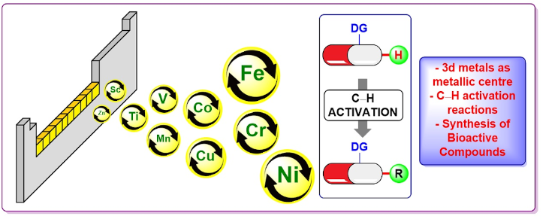
Scheme 1: Schematic overview of transition metals studied in C–H activation processes.
Scheme 2: (A) Known biological activities related to benzimidazole-based compounds; (B and C) an example of a...
Scheme 3: (A) Known biological activities related to quinoline-based compounds; (B and C) an example of a sca...
Scheme 4: (A) Known biological activities related to sulfur-containing compounds; (B and C) an example of a s...
Scheme 5: (A) Known biological activities related to aminoindane derivatives; (B and C) an example of a scand...
Scheme 6: (A) Known biological activities related to norbornane derivatives; (B and C) an example of a scandi...
Scheme 7: (A) Known biological activities related to aniline derivatives; (B and C) an example of a titanium-...
Scheme 8: (A) Known biological activities related to cyclohexylamine derivatives; (B) an example of an intram...
Scheme 9: (A) Known biologically active benzophenone derivatives; (B and C) photocatalytic oxidation of benzy...
Scheme 10: (A) Known bioactive fluorine-containing compounds; (B and C) vanadium-mediated C(sp3)–H fluorinatio...
Scheme 11: (A) Known biologically active Lythraceae alkaloids; (B) synthesis of (±)-decinine (30).
Scheme 12: (A) Synthesis of (R)- and (S)-boehmeriasin (31); (B) synthesis of phenanthroindolizidines by vanadi...
Scheme 13: (A) Known bioactive BINOL derivatives; (B and C) vanadium-mediated oxidative coupling of 2-naphthol...
Scheme 14: (A) Known antiplasmodial imidazopyridazines; (B) practical synthesis of 41.
Scheme 15: (A) Gold-catalyzed drug-release mechanism using 2-alkynylbenzamides; (B and C) chromium-mediated al...
Scheme 16: (A) Examples of anti-inflammatory benzaldehyde derivatives; (B and C) chromium-mediated difunctiona...
Scheme 17: (A and B) Manganese-catalyzed chemoselective intramolecular C(sp3)–H amination; (C) late-stage modi...
Scheme 18: (A and B) Manganese-catalyzed C(sp3)–H amination; (C) late-stage modification of a leelamine deriva...
Scheme 19: (A) Known bioactive compounds containing substituted N-heterocycles; (B and C) manganese-catalyzed ...
Scheme 20: (A) Known indoles that present GPR40 full agonist activity; (B and C) manganese-catalyzed C–H alkyl...
Scheme 21: (A) Examples of known biaryl-containing drugs; (B and C) manganese-catalyzed C–H arylation through ...
Scheme 22: (A) Known zidovudine derivatives with potent anti-HIV properties; (B and C) manganese-catalyzed C–H...
Scheme 23: (A and B) Manganese-catalyzed C–H organic photo-electrosynthesis; (C) late-stage modification.
Scheme 24: (A) Example of a known antibacterial silylated dendrimer; (B and C) manganese-catalyzed C–H silylat...
Scheme 25: (A and B) Fe-based small molecule catalyst applied for selective aliphatic C–H oxidations; (C) late...
Scheme 26: (A) Examples of naturally occurring gracilioethers; (B) the first total synthesis of gracilioether ...
Scheme 27: (A and B) Selective aliphatic C–H oxidation of amino acids; (C) late-stage modification of proline-...
Scheme 28: (A) Examples of Illicium sesquiterpenes; (B) first chemical synthesis of (+)-pseudoanisatin (80) in...
Scheme 29: (A and B) Fe-catalyzed deuteration; (C) late-stage modification of pharmaceuticals.
Scheme 30: (A and B) Biomimetic Fe-catalyzed aerobic oxidation of methylarenes to benzaldehydes (PMHS, polymet...
Scheme 31: (A) Known tetrahydroquinolines with potential biological activities; (B and C) redox-selective Fe c...
Scheme 32: (A) Known drugs containing a benzofuran unit; (B and C) Fe/Cu-catalyzed tandem O-arylation to acces...
Scheme 33: (A) Known azaindolines that act as M4 muscarinic acetylcholine receptor agonists; (B and C) intramo...
Scheme 34: (A) Known indolinones with anticholinesterase activity; (B and C) oxidative C(sp3)–H cross coupling...
Scheme 35: (A and B) Cobalt-catalyzed C–H alkenylation of C-3-peptide-containing indoles; (C) derivatization b...
Scheme 36: (A) Cobalt-Cp*-catalyzed C–H methylation of known drugs; (B and C) scope of the o-methylated deriva...
Scheme 37: (A) Known lasalocid A analogues; (B and C) three-component cobalt-catalyzed C–H bond addition; (D) ...
Scheme 38: (A and B) Cobalt-catalyzed C(sp2)–H amidation of thiostrepton.
Scheme 39: (A) Known 4H-benzo[d][1,3]oxazin-4-one derivatives with hypolipidemic activity; (B and C) cobalt-ca...
Scheme 40: (A and B) Cobalt-catalyzed C–H arylation of pyrrole derivatives; (C) application for the synthesis ...
Scheme 41: (A) Known 2-phenoxypyridine derivatives with potent herbicidal activity; (B and C) cobalt-catalyzed...
Scheme 42: (A) Natural cinnamic acid derivatives; (B and C) cobalt-catalyzed C–H carboxylation of terminal alk...
Scheme 43: (A and B) Cobalt-catalyzed C–H borylation; (C) application to the synthesis of flurbiprofen.
Scheme 44: (A) Benzothiazoles known to present anticonvulsant activities; (B and C) cobalt/ruthenium-catalyzed...
Scheme 45: (A and B) Cobalt-catalyzed oxygenation of methylene groups towards ketone synthesis; (C) synthesis ...
Scheme 46: (A) Known anticancer tetralone derivatives; (B and C) cobalt-catalyzed C–H difluoroalkylation of ar...
Scheme 47: (A and B) Cobalt-catalyzed C–H thiolation; (C) application in the synthesis of quetiapine (153).
Scheme 48: (A) Known benzoxazole derivatives with anticancer, antifungal, and antibacterial activities; (B and...
Scheme 49: (A and B) Cobalt-catalyzed C–H carbonylation of naphthylamides; (C) BET inhibitors 158 and 159 tota...
Scheme 50: (A) Known bioactive pyrrolo[1,2-a]quinoxalin-4(5H)-one derivatives; (B and C) cobalt-catalyzed C–H ...
Scheme 51: (A) Known antibacterial cyclic sulfonamides; (B and C) cobalt-catalyzed C–H amination of propargyli...
Scheme 52: (A and B) Cobalt-catalyzed intramolecular 1,5-C(sp3)–H amination; (C) late-stage functionalization ...
Scheme 53: (A and B) Cobalt-catalyzed C–H/C–H cross-coupling between benzamides and oximes; (C) late-state syn...
Scheme 54: (A) Known anticancer natural isoquinoline derivatives; (B and C) cobalt-catalyzed C(sp2)–H annulati...
Scheme 55: (A) Enantioselective intramolecular nickel-catalyzed C–H activation; (B) bioactive obtained motifs;...
Scheme 56: (A and B) Nickel-catalyzed α-C(sp3)–H arylation of ketones; (C) application of the method using kno...
Scheme 57: (A and B) Nickel-catalyzed C(sp3)–H acylation of pyrrolidine derivatives; (C) exploring the use of ...
Scheme 58: (A) Nickel-catalyzed C(sp3)–H arylation of dioxolane; (B) library of products obtained from biologi...
Scheme 59: (A) Intramolecular enantioselective nickel-catalyzed C–H cycloalkylation; (B) product examples, inc...
Scheme 60: (A and B) Nickel-catalyzed C–H deoxy-arylation of azole derivatives; (C) late-stage functionalizati...
Scheme 61: (A and B) Nickel-catalyzed decarbonylative C–H arylation of azole derivatives; (C) application of t...
Scheme 62: (A and B) Another important example of nickel-catalyzed C–H arylation of azole derivatives; (C) app...
Scheme 63: (A and B) Another notable example of a nickel-catalyzed C–H arylation of azole derivatives; (C) lat...
Scheme 64: (A and B) Nickel-based metalorganic framework (MOF-74-Ni)-catalyzed C–H arylation of azole derivati...
Scheme 65: (A) Known commercially available benzothiophene-based drugs; (B and C) nickel-catalyzed C–H arylati...
Scheme 66: (A) Known natural tetrahydrofuran-containing substances; (B and C) nickel-catalyzed photoredox C(sp3...
Scheme 67: (A and B) Another notable example of a nickel-catalyzed photoredox C(sp3)–H alkylation/arylation; (...
Scheme 68: (A) Electrochemical/nickel-catalyzed C–H alkoxylation; (B) achieved scope, including three using na...
Scheme 69: (A) Enantioselective photoredox/nickel catalyzed C(sp3)–H arylation; (B) achieved scope, including ...
Scheme 70: (A) Known commercially available trifluoromethylated drugs; (B and C) nickel-catalyzed C–H trifluor...
Scheme 71: (A and B) Stereoselective nickel-catalyzed C–H difluoroalkylation; (C) late-stage functionalization...
Scheme 72: (A) Cu-mediated ortho-amination of oxalamides; (B) achieved scope, including derivatives obtained f...
Scheme 73: (A) Electro-oxidative copper-mediated amination of 8-aminoquinoline-derived amides; (B) achieved sc...
Scheme 74: (A and B) Cu(I)-mediated C–H amination with oximes; (C) derivatization using telmisartan (241) as s...
Scheme 75: (A and B) Cu-mediated amination of aryl amides using ammonia; (C) late-stage modification of proben...
Scheme 76: (A and B) Synthesis of purine nucleoside analogues using copper-mediated C(sp2)–H activation.
Scheme 77: (A) Copper-mediated annulation of acrylamide; (B) achieved scope, including the synthesis of the co...
Scheme 78: (A) Known bioactive compounds containing a naphthyl aryl ether motif; (B and C) copper-mediated eth...
Scheme 79: (A and B) Cu-mediated alkylation of N-oxide-heteroarenes; (C) late-stage modification.
Scheme 80: (A) Cu-mediated cross-dehydrogenative coupling of polyfluoroarenes and alkanes; (B) scope from know...
Scheme 81: (A) Known anticancer acrylonitrile compounds; (B and C) Copper-mediated cyanation of unactivated al...
Scheme 82: (A) Cu-mediated radiofluorination of 8-aminoquinoline-derived aryl amides; (B) achieved scope, incl...
Scheme 83: (A) Examples of natural β-carbolines; (B and C) an example of a zinc-catalyzed C–H functionalizatio...
Scheme 84: (A) Examples of anticancer α-aminophosphonic acid derivatives; (B and C) an example of a zinc-catal...
Beilstein J. Org. Chem. 2020, 16, 1335–1342, doi:10.3762/bjoc.16.114
Graphical Abstract
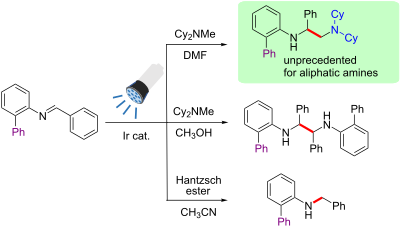
Scheme 1: Photocatalytic transformations of imines.
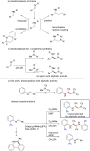
Scheme 2: Substrate scope for the radical cross-couplings. Reaction conditions: 1 (0.3 mmol), under argon atm...
Scheme 3: Substrate scope for the homocoupling. Reaction conditions: 1 (0.3 mmol), under argon atmosphere, is...
Scheme 4: Reduction of the imine 1a to the amine 4a.
Scheme 5: Proposed mechanism.
Beilstein J. Org. Chem. 2020, 16, 1277–1287, doi:10.3762/bjoc.16.108
Graphical Abstract
Figure 1: Previously reported antiinflammatory bisphosphonates 1 and 2. edema inhibition (in %, carrageenan m...
Figure 2: Designed bisphosphonic esters as antiinflammatory agents.
Scheme 1: Synthesis of the intermediate bromoaceto esters 7–10.
Scheme 2: Synthesis of the bisphosphonates 3–6.
Figure 3: Coordination of the Zn2+ ion by residues and by the carbonyl ester oxygen atom of molecule 3. The b...
Figure 4: 2D schematic representations of the MMP-8 catalytic site, with 3–6 and the most relevant interactio...
Figure 5: 2D schematic representations of the MMP-9 catalytic site, with 3–6 and the most relevant interactio...
Beilstein J. Org. Chem. 2020, 16, 1154–1162, doi:10.3762/bjoc.16.102
Graphical Abstract
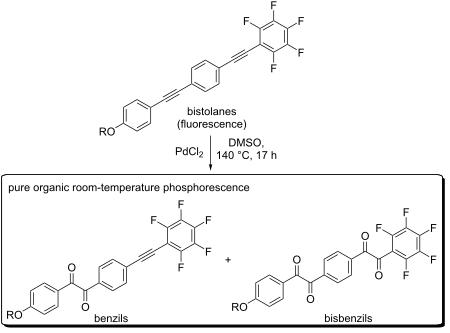
Figure 1: (A) Transition-metal-containing and (B) pure organic phosphorescent materials reported thus far (bp...
Figure 2: (A) Chemical structures of fluorescent bistolane derivatives previously developed by our group and ...
Scheme 1: Synthetic pathway for fluorinated benzil (2) and bisbenzil (3) derivatives.
Scheme 2: Proposed mechanism of Pd(II)-catalyzed alkyne oxidation by dimethyl sulfoxide (DMSO).
Figure 3: Mulliken charge distributions of fluorinated 1a and nonfluorinated 1c obtained from density functio...
Figure 4: Absorption and photoluminescence (PL) spectra of (A) 2a, (B) 2b, (C) 3a, (D) 3b, and (E) 3c in tolu...
Figure 5: Distributions of molecular orbitals (isosurface value: 0.04 a.u.) involved in vertical electronic t...
Beilstein J. Org. Chem. 2019, 15, 1575–1580, doi:10.3762/bjoc.15.161
Graphical Abstract
Scheme 1: Synthetic pathway of 9-O-R BBR.
Scheme 2: Resonance of berberrubine leading to the failure of direct BBRB cross coupling.
Scheme 3: 9-O-Aryl berberine scope via cross-coupling reaction.
Scheme 4: 9-O-Ph-linked berberine dimer through double cross-coupling reaction.
Beilstein J. Org. Chem. 2019, 15, 299–309, doi:10.3762/bjoc.15.27
Graphical Abstract
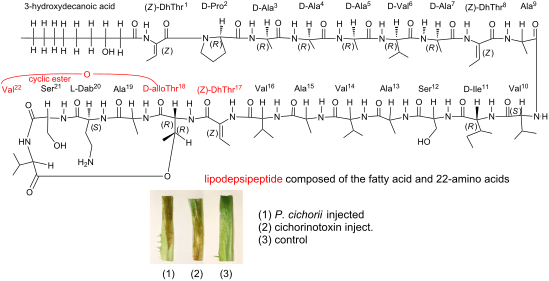
Figure 1: FABMS spectrum (positive mode, NBA matrix) of cichorinotoxin over the mass range of m/z 150─1000.
Figure 2: The segment identified based on the FABMS spectrum (peptide fragment b ions).
Figure 3: NMR analyses of the segment consisting of 3-hydroxydecanoyl-dehydrothreonin-proline (600 MHz, aceto...
Figure 4: Key NMR observations used to construct the backbone sequence.
Figure 5: Fragment obtained by acid hydrolysis and each amino acid was exclusively D-configuration (peptide f...
Figure 6: The complete structure of cichorinotoxin monoacetate and the assignments of 1H NMR chemical shifts,...
Figure 7: Determination of the positions of the acetyl groups in the tetraacetate.
Figure 8: Partial structure of compound A as deduced from its NOE data; key NOEs are represented by double-he...
Figure 9: Partial structure of compound B (Val16 to Val22 residues). The chemical shifts (δH and δC (ppm)) ar...
Figure 10: Mechanism of the formation of compounds A and B from cichorinotoxin by alkaline hydrolysis.
Beilstein J. Org. Chem. 2018, 14, 2321–2330, doi:10.3762/bjoc.14.207
Graphical Abstract
Figure 1: Structures of spinosad and spinetoram.
Scheme 1: Comparison of previous synthesis and self-protection synthesis.
Scheme 2: Synthesis of spinetoram J from spinosyn A based on a self-protection strategy.
Scheme 3: Synthesis of spinetoram J analogues.
Beilstein J. Org. Chem. 2018, 14, 2018–2026, doi:10.3762/bjoc.14.177
Graphical Abstract
Figure 1: Partial structure [7,8] of the (a) graphene oxide (GO) and (b) reduced graphene oxide (RGO).
Figure 2: Mechanism of the amidation/esterification-type reactions with the GO/RGO using carbodiimide and N-h...
Figure 3: Mechanism of the Steglich esterification with the GO/RGO: (a) acid–base reaction of the carboxyl gr...
Figure 4: Mechanism of the epoxide ring opening reaction with the GO/RGO.
Figure 5: Generation of the free amine (nucleophile) from the corresponding amine hydrohalide using an acid–b...
Figure 6: Mechanism of amidation/esterification-type reactions with the GO/RGO using 1,1’-carbonyldiimidazole...
Figure 7: Mechanism of the covalent functionalization of graphene-family material applying diazonium salts ch...
Beilstein J. Org. Chem. 2018, 14, 1459–1481, doi:10.3762/bjoc.14.124
Graphical Abstract
Figure 1: Molecular structure of neutral platinum(II) complex 1 bearing four monodentate ligands; cy = cycloh...
Figure 2: Chemical structure of the dinuclear Pt complexes 2a–b and 3 [20].
Figure 3: Molecular structure of platinum(II) complexes bearing isoquinolinylpyrazolates; dip = 2,6-diisoprop...
Figure 4: Selected neutral platinum(II) complexes featuring dianionic biazolate and neutral bipyridines [27].
Figure 5: Selected neutral platinum(II) complexes from bipyrazolate and carbene-based chelates [34,35].
Figure 6: Cyclometalated thiazol-2-ylidene platinum(II) complexes with different acetylacetonate ligands [37].
Figure 7: Neutral platinum(II) complexes 13–15 bearing azolate ligands [13].
Figure 8: Chemical structure of neutral platinum(II) complexes 16–18 bearing azine-pyrazolato bidentate ligan...
Figure 9: Molecular structure of carbene-containing cyclometallated alkynylplatinum(II) complexes 19–21 [41].
Figure 10: Chemical structure of platinum(II) complexes 22a–d bearing asymmetric C^N^N tridentate ligands [53].
Figure 11: Chemical structure of platinum(II) complexes 23 bearing bis-cyclometalating 2,6-dipyridylbenzene ty...
Figure 12: Molecular structure of dendritic carbazole-containing alkynyl-platinum(II) complexes 24a–d [62].
Figure 13: Molecular structure of bipolar alkynyl-platinum(II) complexes 25 bearing carbazole and electron-acc...
Figure 14: Molecular structures of neutral platinum(II) complexes comprising donor-acceptor alkynyls (26) or e...
Figure 15: Chemical structure of the asymmetric Pt(II) derivatives 28 bearing triazole and tetrazole moieties ...
Figure 16: Molecular structure of the tetradentate platinum complexes 29–32 bearing N^C^C^N and C^C^C^N ligand...
Figure 17: Chemical structure of the tetradentate Pt complexes 33–38 based on N^C^C^N-type of ligands [80-84].
Figure 18: Chemical structure of the macrocyclic tetradentate platinum complexes reported by Wang and co-worke...
Figure 19: Molecular structure of complex 41–46 [88,89].
Figure 20: Molecular structure of asymmetric derivatives 47–49 based on triaryl-type of bridge [90].
Figure 21: Chemical structure of the asymmetric tetradentate derivatives 50 and 51 based on spirofluorene link...
Figure 22: Molecular structure of the pyridylazolate-based complexes 52–54 reported by Chi and co-workers [97].
Figure 23: Chemical structure of the red-to-NIR emitting complexes 55–57 bearing donor–acceptor triphenylamino...
Figure 24: Molecular structures of the Pt(IV) derivatives 58 and 59 employed as triplet emitters in solution-p...
Beilstein J. Org. Chem. 2018, 14, 364–372, doi:10.3762/bjoc.14.24
Graphical Abstract
Figure 1: Compounds used for the biological study.
Figure 2: Compounds 1–4 induced cell death in U937 cells. Briefly, U937 cells (1 × 10⁴ cells/mL) were incubat...
Scheme 1: Synthesis of pentafluoro-(2-iodophenyl)-λ6-sulfane (7).
Scheme 2: Synthesis of unsymmetrical ortho-SF5 diaryliodonium salts 3p, 4b, 5a and 6a.
Figure 3: X-ray crystallographic structure of 3p drawn at 50% probability (CCDC 1573953).
Figure 4: Ortho-SF5 phenyl iodonium salts 3p and 5a and their structural components 7 and 9 induced cell deat...
Figure 5: 3k, 3m and 3p induced cell death in AGLCL, a human normal B cell line. Briefly, AGLCL cells (1 × 10⁴...
Beilstein J. Org. Chem. 2017, 13, 1828–1849, doi:10.3762/bjoc.13.178
Graphical Abstract
Scheme 1: a) Schematic representations of unsubstituted urea, thiourea and guanidine. b) Wöhler's synthesis o...
Figure 1: Antidiabetic (1–3) and antimalarial (4) drugs derived from ureas and guanidines currently available...
Scheme 2: The structures of some representative (thio)urea and guanidine organocatalysts 5–8 and anion sensor...
Scheme 3: Solid-state reactivity of isothiocyanates reported by Kaupp [30].
Scheme 4: a) Mechanochemical synthesis of aromatic and aliphatic di- and trisubstituted thioureas by click-co...
Figure 2: The supramolecular level of organization of thioureas in the solid-state.
Figure 3: The supramolecular level of organization of thioureas in the solid-state.
Scheme 5: Thiourea-based organocatalysts and anion sensors obtained by click-mechanochemical synthesis.
Scheme 6: Mechanochemical desymmetrization of ortho-phenylenediamine.
Scheme 7: Mechanochemical desymmetrization of para-phenylenediamine.
Scheme 8: a) Selected examples of a mechanochemical synthesis of aromatic isothiocyanates from anilines. b) O...
Scheme 9: In solution, aromatic N-thiocarbamoyl benzotriazoles 27 are unstable and decompose to isothiocyanat...
Scheme 10: Mechanosynthesis of a) bis-thiocarbamoyl benzotriazole 29 and b) benzimidazole thione 31. c) Synthe...
Figure 4: In situ Raman spectroscopy monitoring the synthesis of thiourea 28d in the solid-state. N-Thiocarba...
Scheme 11: a) The proposed synthesis of monosubstituted thioureas 32. b) Conversion of N-thiocarbamoyl benzotr...
Scheme 12: A few examples of mechanochemical amination of thiocarbamoyl benzotriazoles by in situ generated am...
Scheme 13: Mechanochemical synthesis of a) anion binding urea 33 by amine-isocyanate coupling and b) dialkylur...
Scheme 14: a) Solvent-free milling synthesis of the bis-urea anion sensor 35. b) Non-selective desymmetrizatio...
Scheme 15: a) HOMO−1 contours of mono-thiourea 19b and mono-urea 36. b) Mechanochemical synthesis of hybrid ur...
Scheme 16: Synthesis of ureido derivatives 38 and 39 from KOCN and hydrochloride salts of a) L-phenylalanine m...
Scheme 17: a) K2CO3-assisted synthesis of sulfonyl (thio)ureas. b) CuCl-catalyzed solid-state synthesis of sul...
Scheme 18: Two-step mechanochemical synthesis of the antidiabetic drug glibenclamide (2).
Scheme 19: Derivatization of saccharin by mechanochemical CuCl-catalyzed addition of isocyanates.
Scheme 20: a) Unsuccessful coupling of p-toluenesulfonamide and DCC in solution and by neat/LAG ball milling. ...
Scheme 21: a) Expansion of the saccharin ring by mechanochemical insertion of carbodiimides. b) Insertion of D...
Scheme 22: Synthesis of highly basic biguanides by ball milling.