
Search results
Search for "amino acids" in Full Text gives 109 result(s) in Beilstein Journal of Nanotechnology.
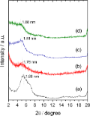
Mechanism of silica–lysozyme composite formation unravelled by in situ fast SAXS
Beilstein J. Nanotechnol. 2019, 10, 182–197, doi:10.3762/bjnano.10.17
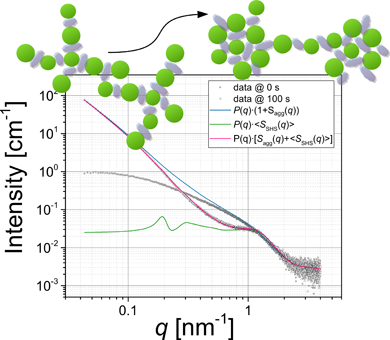
- of the opposite active sites in the side-on orientation (i.e., both active sites show similar binding properties). In such a case one should indeed expect the DLPCA mode of aggregation, with the binding of the protein to the silica NP surfaces taking place through specific amino acids at the opposite



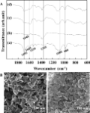
A novel polyhedral oligomeric silsesquioxane-modified layered double hydroxide: preparation, characterization and properties
Beilstein J. Nanotechnol. 2018, 9, 3053–3068, doi:10.3762/bjnano.9.284

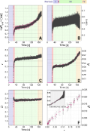
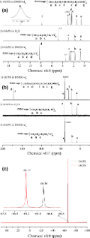
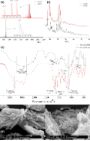
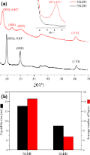
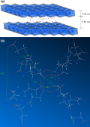
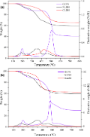
- ][19], amino acids [20], anionic dyes [11], and compounds of biological origin, such as β-cyclodextrin and eugenol derivatives [9][10][13][21]. However, most of these current modifiers do not have satisfactory thermal stability and are flammable, reducing the thermal and fire stability of the LDHs







Colloidal chemistry with patchy silica nanoparticles
Beilstein J. Nanotechnol. 2018, 9, 2989–2998, doi:10.3762/bjnano.9.278

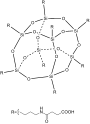
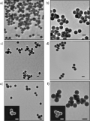
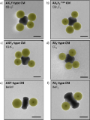
- colloidal molecules The binding of the aminated dimpled particles with the satellites is based on amide bonding, i.e., peptidic coupling, extensively studied in biochemistry for the modification of amino acids [25]. The carboxylic groups are not reactive enough toward amino groups, and a simple and well


Cytotoxicity of doxorubicin-conjugated poly[N-(2-hydroxypropyl)methacrylamide]-modified γ-Fe2O3 nanoparticles towards human tumor cells
Beilstein J. Nanotechnol. 2018, 9, 2533–2545, doi:10.3762/bjnano.9.236

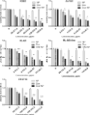
- high molecular weight, such as silica, chitosan, poly(amino acids), poly(acrylic acid), hyaluronic acid, alginic acid, poly(vinyl alcohol), polyethylenimine, dextran, or poly(ethylene glycol) (PEG) [10][11][12]. The latter one is known to escape recognition by reticuloendothelial system prolonging thus




Nanoscale characterization of the temporary adhesive of the sea urchin Paracentrotus lividus
Beilstein J. Nanotechnol. 2018, 9, 2277–2286, doi:10.3762/bjnano.9.212

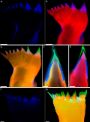
- repetitive structural unit within the adhesive. According to the authors, since the adhesive is proteinaceous in nature, this repetitive hidden length corresponds approximately to the number of amino acids involved in the intermolecular β-sheet, which in that case was 43 amino acids [1]. In the present study


Colorimetric detection of Cu2+ based on the formation of peptide–copper complexes on silver nanoparticle surfaces
Beilstein J. Nanotechnol. 2018, 9, 1414–1422, doi:10.3762/bjnano.9.134
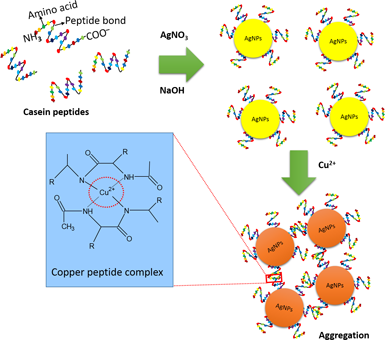
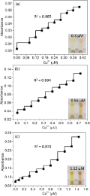
- appropriate to develop analytical applications. It can be concluded that amino acids bind to the nanoparticle surfaces through NH2–OH hydrogen bonds and electrostatic interactions [17]. In the N 1s spectrum two peaks were identified. The peak at 398.2 eV was allocated to deprotonated nitrogen bindings (N–C=O




Noble metal-modified titania with visible-light activity for the decomposition of microorganisms
Beilstein J. Nanotechnol. 2018, 9, 829–841, doi:10.3762/bjnano.9.77

- membrane by alteration of the membrane viscosity and disruption of ionic pumps [60]. It is assumed that fine gold NPs more effectively clogged the channels (called porins), which allowed for passive transports of various ions, amino acids and other important molecules. This mechanism is independent on


Bombyx mori silk/titania/gold hybrid materials for photocatalytic water splitting: combining renewable raw materials with clean fuels
Beilstein J. Nanotechnol. 2018, 9, 187–204, doi:10.3762/bjnano.9.21
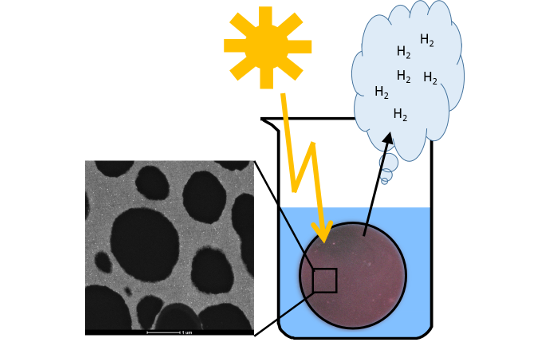
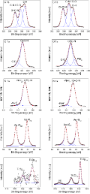
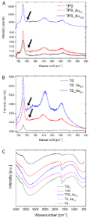
- a scaffold for photocatalyst synthesis. Instead of plasma chemistry, however, we employed a much softer wet chemistry method for materials synthesis. B. mori silk contains numerous amino acids, predominantly glycine, alanine, serine, and tyrosine [37][38]. As numerous amide and hydroxyl groups are




L-Lysine-grafted graphene oxide as an effective adsorbent for the removal of methylene blue and metal ions
Beilstein J. Nanotechnol. 2017, 8, 2680–2688, doi:10.3762/bjnano.8.268
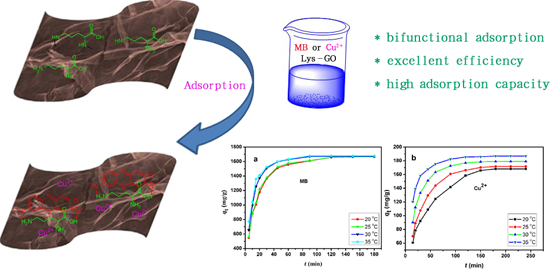
- (20 mL) at 90 °C for 12 h. The L-lysine modified graphene sheets were obtained by filtration and washed by 5 wt % NaHCO3, deionized water, and ethanol to remove the unreacted amino acids, respectively. Finally, the sample was dried under vacuum at 50 °C. The whole route of synthesis is shown in Scheme


Strategy to discover full-length amyloid-beta peptide ligands using high-efficiency microarray technology
Beilstein J. Nanotechnol. 2017, 8, 2446–2453, doi:10.3762/bjnano.8.243
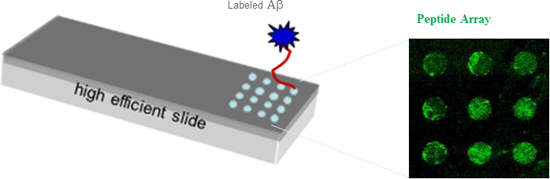
- , and scientists believe that the observed build-up of plaque between nerve cells could be the cause of cell death [1]. Two peptides, 40 and 42 amino acids long, known as Aβ40 and Aβ42 amyloid, are the main constituents of the fibrillar plaques [2]. Although amyloid fibrils were initially considered the
- in [42] this peptide was assembled using the microwave-assisted solid-phase peptide synthesis strategy on a Liberty Peptide Synthesiser. All Fmoc-amino acids were introduced according to the TBTU/HOBT/DIEA activation method, as reported elsewhere [11]. Semax was purchased from Caslo, with a purity of


Methionine-mediated synthesis of magnetic nanoparticles and functionalization with gold quantum dots for theranostic applications
Beilstein J. Nanotechnol. 2017, 8, 1734–1741, doi:10.3762/bjnano.8.174

- attachment of gold species. In recent publications amino acids such as methionine [19] and lysine [24] have been reported to be effective capping agents to control the size of magnetite [19] and Co ferrite [24] NPs during co-precipitation synthesis [25]. The main goal of the methionine capping was the


Luminescent supramolecular hydrogels from a tripeptide and nitrogen-doped carbon nanodots
Beilstein J. Nanotechnol. 2017, 8, 1553–1562, doi:10.3762/bjnano.8.157

- allows several molecular precursors to be employed, such as amino acids in aqueous solution [3]. As an example, L-tyrosine was used to form hydrophobic CNDs able to sense ions and silver nanoparticles [4]. Arginine or cysteine have also been efficiently employed as starting materials through a
- water [24]. In 2012, the first systems of uncapped tripeptides were reported to self-assemble into nanostructured hydrogels at physiological conditions and without the need for organic solvents. These tripeptides were heterochiral, that is, composed of both D- and L-amino acids, and they formed
- ][31] and bearing unnatural D-amino acids [32][33] are attractive biomaterials that may display higher durability relative to traditional peptide counterparts, in addition to better biocompatibility and the possibility to incorporate bioactive motifs relative to non-peptide hydrogels. Therefore, in the


Development of polycationic amphiphilic cyclodextrin nanoparticles for anticancer drug delivery
Beilstein J. Nanotechnol. 2017, 8, 1457–1468, doi:10.3762/bjnano.8.145

- Taxus brevifolia and further obtained semi-synthetically [1]. Its unique antimitotic mechanism depends on inducing the microtubule stabilization and inhibiting the depolymerization of microtubules [2]. PCX binds to N-terminal 31 amino acids of the β-tubulin proteins in microtubules and stabilizes


Low uptake of silica nanoparticles in Caco-2 intestinal epithelial barriers
Beilstein J. Nanotechnol. 2017, 8, 1396–1406, doi:10.3762/bjnano.8.141
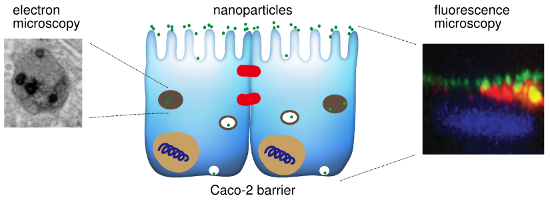
- Medium (cDMEM) supplemented with 10% FBS, 5 mL MEM non-essential amino acids (100 X), 5 mL Penicillin-Streptomycin (100 X, 10,000 units Penicillin and 10,000 µg Streptomycin) in a cell incubator at 37 °C in a humidified 5% CO2 atmosphere. Cells were trypsinised from the flasks when 80–90% confluence was



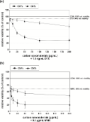
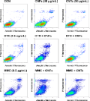
Carbon nanomaterials sensitize prostate cancer cells to docetaxel and mitomycin C via induction of apoptosis and inhibition of proliferation
Beilstein J. Nanotechnol. 2017, 8, 1307–1317, doi:10.3762/bjnano.8.132
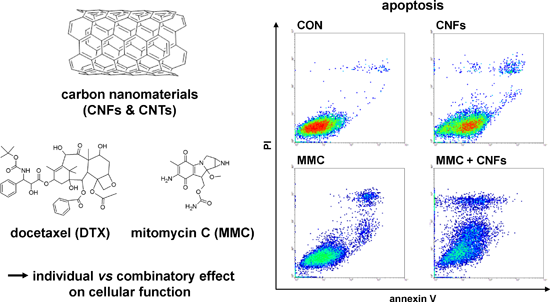
- previously described [27][28]. Cell culture The human PCa cell line DU-145 (HTB-81; ATCC, Rockville, MD, USA) was cultured in Dulbecco’s modified minimum essential medium supplemented with 10% fetal bovine serum, 1% 1 M HEPES buffer and 1% MEM non-essential amino acids (all from Invitrogen, Karlsruhe


Bright fluorescent silica-nanoparticle probes for high-resolution STED and confocal microscopy
Beilstein J. Nanotechnol. 2017, 8, 1283–1296, doi:10.3762/bjnano.8.130
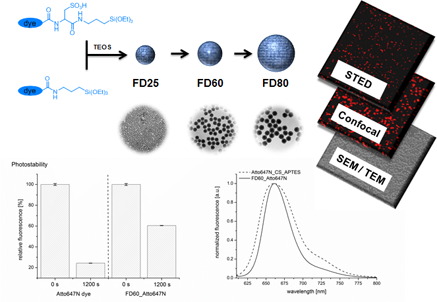
- amounts of salts, amino acids and proteins. In aqueous media, electrostatic repulsion contributes to particle stabilisation. In presence of salts at neutral pH values, this type of stabilisation might be ineffective. In contrast, the formation of a protein corona at the interface between particle surface


Evaluation of quantum dot conjugated antibodies for immunofluorescent labelling of cellular targets
Beilstein J. Nanotechnol. 2017, 8, 1238–1249, doi:10.3762/bjnano.8.125
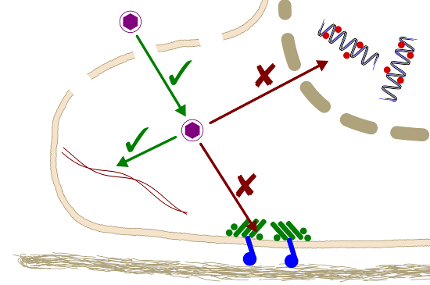
- 75 cm2 flask at 37 °C with 5% CO2, minimum essential media (MEM, Life Technologies, UK) supplemented with 10% (v/v) foetal calf serum (FCS), and 1% non-essential amino acids (NEAA). Cells were split 1,000,000 cells/mL when ≥80% confluent with trypsin-EDTA. Rat mammary (Rama) 27 fibroblasts were



Recombinant DNA technology and click chemistry: a powerful combination for generating a hybrid elastin-like-statherin hydrogel to control calcium phosphate mineralization
Beilstein J. Nanotechnol. 2017, 8, 772–783, doi:10.3762/bjnano.8.80

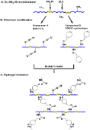
- . In the present work, an elastin-like recombinamer bearing lysine amino acids distributed along the recombinamer chain has been cross-linked via Huisgen [2 + 3] cycloaddition. The recombinamer contains the SNA15 peptide domains inspired by salivary statherin, a peptide epitope known to specifically
- of sample nomenclature), where the guest amino acid X can be any of the natural or synthetic L-amino acids except L-proline. ELRs exhibit an intrinsic inverse temperature transition (Tt) in aqueous solution. Thus, below Tt, the ELR chains are highly hydrated, which gives rise to well-solvated
- ) amino acids [36]. The addition of specific functional domains further broadens the application potential of ELRs. The SNA15 domain exhibits a high affinity for CP and is able to nucleate mineral phases from calcium- and phosphate-containing solutions [36][37]. Moreover, its α-helical conformation and


Structural and tribometric characterization of biomimetically inspired synthetic "insect adhesives"
Beilstein J. Nanotechnol. 2017, 8, 45–63, doi:10.3762/bjnano.8.6
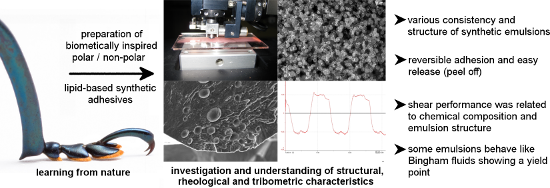
- (C30) representing hydrocarbons of defined structure and length within the range of C23–C49 as established in the biological role models. Albumin and gelatin were substitutes for proteinogenic amino acids, with the surfactant Span 80 (Sorbitane monooleate) being used as a combined replacement for fatty


Intercalation and structural aspects of macroRAFT agents into MgAl layered double hydroxides
Beilstein J. Nanotechnol. 2016, 7, 2000–2012, doi:10.3762/bjnano.7.191

- matrices [5][6][7]. For instance, hybrid LDH involving amino acids, peptides, nucleosides, nucleic acids [8][9][10], biopolymers [11][12] and various drugs [13][14][15] were investigated to develop efficient systems for therapeutic applications [16][17]. Various dyes (sulfonated spyrospiran, methyl orange


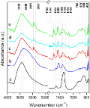
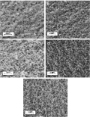
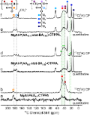

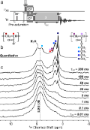
Controlled supramolecular structure of guanosine monophosphate in the interlayer space of layered double hydroxide
Beilstein J. Nanotechnol. 2016, 7, 1928–1935, doi:10.3762/bjnano.7.184

- was suggested that the geometrical restriction of molecules under the confined interlayer space of inorganics would aid the polymerization of biological molecules. Mann et al. intercalated two kinds of amino acids, aspartate and glutamate, into layered double hydroxide (LDH) to synthesize bioinorganic
- nanocomposites [5]. Post-synthetic thermal treatment resulted in polymerization of amino acids in LDH. It was also reported that amino acids such as arginine and glutamate were polymerized via peptidic condensation both on the surface and in the interlayer space of clay [6]. In that literature, peptidic
- condensation of amino acids was determined to favor heteropeptide rather than homopeptide. Besides polymerization of amino acids, it was reported that abiotic oligomerization of RNA nucleotides was catalyzed by montmorillonite clay [7]. In the presence of clay, the length of polymerized RNA oligonucleotides


3D printing of mineral–polymer bone substitutes based on sodium alginate and calcium phosphate
Beilstein J. Nanotechnol. 2016, 7, 1794–1799, doi:10.3762/bjnano.7.172

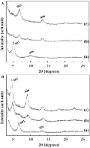
- by an increase in concentration of heterogeneous nucleation centers of a calcium phosphate phase on the carboxyl groups of the amino acids. X-ray diffraction data lend support to this tendency: the height of the strongest peak (020) of DCPD decreases by a factor of 7 as the alginate and
- phosphate reacts with alginate through the carboxyl groups of amino acids and calcium in calcium phosphate, because the frequency changes are observed for groups located near calcium ions in the phosphate structures [13]. The compressive strength of 3D printed samples is shown in Figure 6. The mechanical


Effective intercalation of zein into Na-montmorillonite: role of the protein components and use of the developed biointerfaces
Beilstein J. Nanotechnol. 2016, 7, 1772–1782, doi:10.3762/bjnano.7.170

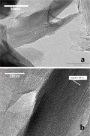
- -montmorillonite) and the possible mechanism that leads to them have not been described so far. With regard to this, the complex structure of zein and the role of the amino acids in its composition have to be considered, as well as the specific conformation of this protein, in order to understand a mechanism that
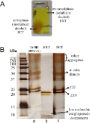
- ninhydrin spray solution as revealing agent confirmed the presence of protein in the extracted liquid phase, showing a purplish color resulting from reaction between ninhydrin and free amino groups from amino acids of solubilized zein (Supporting Information File 1, Figure S2). The molecular weight of the




Antitumor magnetic hyperthermia induced by RGD-functionalized Fe3O4 nanoparticles, in an experimental model of colorectal liver metastases
Beilstein J. Nanotechnol. 2016, 7, 1532–1542, doi:10.3762/bjnano.7.147

- motifs. These molecules could also be easily modified with functional groups, from azides or amines to other amino acids and fluorophores that give them different specificities [28]. One of the procedures to bind RGD peptides due to its unique features such as high aqueous competency, efficiency and


Functional diversity of resilin in Arthropoda
Beilstein J. Nanotechnol. 2016, 7, 1241–1259, doi:10.3762/bjnano.7.115
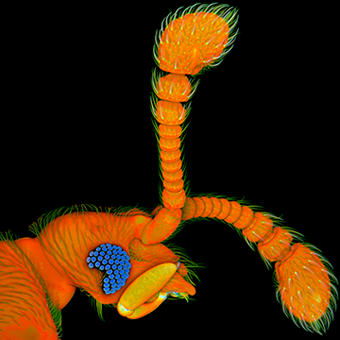
- exoskeletons of arthropods. It is composed of randomly orientated coiled polypeptide chains that are covalently cross-linked together at regular intervals by the two unusual amino acids dityrosine and trityrosine forming a stable network with a high degree of flexibility and mobility. As a result of its
- protein is called resilin, whereas the not yet cross-linked or not fully cross-linked protein is called pro-resilin [6]. Within hydrolysates of resilin, glycine constitutes the largest proportion (30–40%) of the total residues [7][8]. Such hydrolysates also feature the two unusual amino acids dityrosine
- . When resilin is stained with one of these two dyes, it does not show metachromasia. Among the amino acids that form resilin, dityrosine and trityrosine exhibit a relatively pronounced autofluorescence. This autofluorescence is present in natural resilin-containing structures and in isolated resilin