


Search results
Search for "TEM" in Full Text gives 860 result(s) in Beilstein Journal of Nanotechnology. Showing first 200.
Water-assisted purification during electron beam-induced deposition of platinum and gold
Beilstein J. Nanotechnol. 2024, 15, 884–896, doi:10.3762/bjnano.15.73
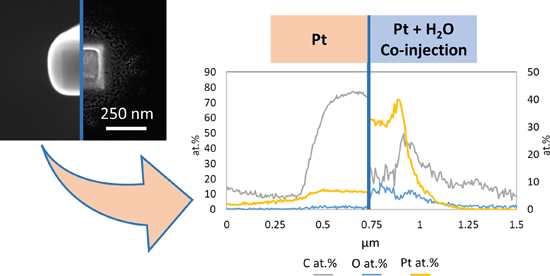
- –2.70 nA. In addition, a longer deposition experiment was performed for better EDX quantification at 0.54 nA (1a). Additional experiments include a Pt-only deposit for reference (1f) and a sample prepared for TEM analysis (1g). Except for 1f, all deposits were obtained at a deposition pressure of (4.6
- % ratio correction can be found in Supporting Information File 1 (pp S3–S5). TEM A TEM lamella was prepared in a TFS Helios dual-beam system. A PtCx layer was deposited from MeCpPtMe3 as a protection layer. Transmission electron microscopy (TEM) and STEM-EDX analysis were performed in an FEI Titan Cubed
- Cs-corrected TEM at 300 keV. STEM-EDX was performed with a Thermo Fisher Scientific EDX super-X detector in the ChemiSTEM configuration. For EDX mapping, three-pixel averaging was used. Results and Discussion Water-assisted purification of gold deposits In order to validate the compatibility of the





A review on the structural characterization of nanomaterials for nano-QSAR models
Beilstein J. Nanotechnol. 2024, 15, 854–866, doi:10.3762/bjnano.15.71

- ]. At the other extreme, there are studies where the only difference among the nanoforms used (without considering endpoint-related descriptors such as dose or time) is the size [58][59]. The size of nanoparticles is commonly measured by transmission electron microscopy (TEM). TEM images can provide
- nominal values found in the vendor's documentation. Some authors have reported the TEM diameter as primary size, but included also values for the hydrodynamic diameter measured by DLS [23][62][63], even in some cases in different media such as ultrapure water and a different medium (i.e. buffered [64] or


Intermixing of MoS2 and WS2 photocatalysts toward methylene blue photodegradation
Beilstein J. Nanotechnol. 2024, 15, 817–829, doi:10.3762/bjnano.15.68
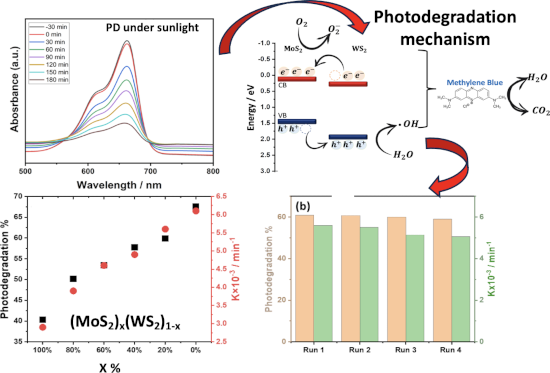
- considered samples. The specimens were prepared by drop casting a solution of the exfoliated samples on lacey carbon transmission electron microscopy (TEM) grids. Additionally, agglomeration of the flakes can be usually observed as well, which could be due to the effect of the solvent used for drop casting
- process. However, the distinct features of the flakes were overall conserved. Figure 5 depicts TEM images carried out on the samples. Low- and high-resolution images captured from MoS2, WS2, and MoS2/WS2 composite samples are shown in Figure 5a–f. The low-magnification TEM image indicates that the size of
- Figure 5f represent the MoS2/WS2 composite sample. Typical shapes and sizes corresponding to grown MoS2 and WS2 structures are also observed. High-resolution images indicate different planes corresponding to the composite sample with a corresponding d-spacing. Further, scanning TEM (STEM) images along


Synthesis of silver–palladium Janus nanoparticles using co-sputtering of independent sources: experimental and theorical study
Beilstein J. Nanotechnol. 2024, 15, 808–816, doi:10.3762/bjnano.15.67
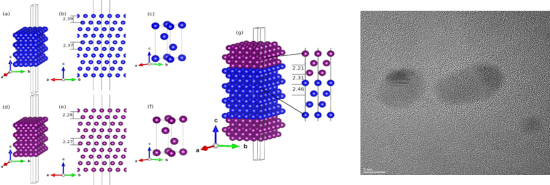
- promote the synthesis of bimetallic Janus nanoparticles. The structural properties of the resulting nanoparticles were investigated by transmission electron microscopy (TEM), and the chemical composition was analyzed by TEM energy dispersive spectroscopy (TEM-EDS), which, together with structural analysis
- , confirmed the presence of Janus-type nanostructures. Results of molecular dynamics and TEM simulations show that the differences between the crystalline structures of the Pd and Ag regions observed in the TEM micrographs can be explained by small mismatches in the orientations of the two regions of the
- carried out by molecular dynamics and TEM simulations to investigate the atomic ordering and orientation of the crystal lattice, while a detailed description of the atomic arrangement at the interface between the two metals was obtained using density functional theory (DFT). Experimental In this work, the




Electron-induced ligand loss from iron tetracarbonyl methyl acrylate
Beilstein J. Nanotechnol. 2024, 15, 797–807, doi:10.3762/bjnano.15.66
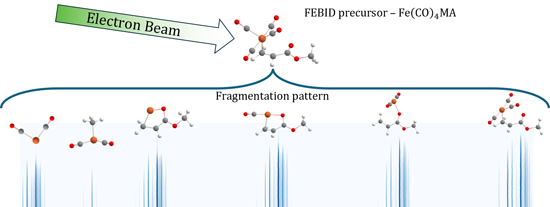
- much higher mass resolution, while the second one, the trochoidal electron monochromator quadrupole mass spectrometer (TEM-QMS), has a higher energy resolution of the incident electron beam. The CLUB setup The CLUB experimental setup has been described in detail in previous papers [22][23] and recently
- calibrated by measuring and fitting the 4.4 and 8.2 eV DEA resonance peaks of O− anions produced from CO2 molecules. TEM-QMS setup The TEM-QMS setup was originally constructed and operated at the University of Fribourg, Switzerland [28], and was later moved to Prague and modified [29]. A continuous electron
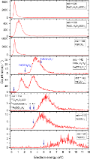
- . These spectra were recorded on the TEM-QMS setup, which has a higher energy resolution and more reliable performance at low electron energies than the CLUB setup (as will be demonstrated below). The arrows in Figure 4 denote positions of the calculated thresholds, which are tabulated in Table 2. The two



Level set simulation of focused ion beam sputtering of a multilayer substrate
Beilstein J. Nanotechnol. 2024, 15, 733–742, doi:10.3762/bjnano.15.61
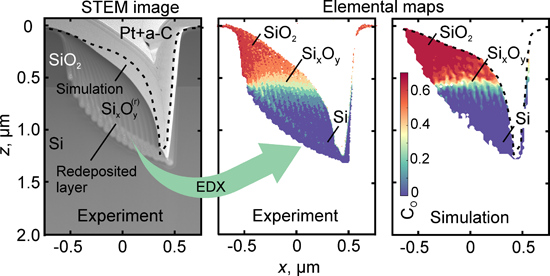
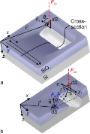
- other. Fabrication and TEM studies of test structures To verify the simulation results, two sets of test structures of different complexity were fabricated. The first set consisted of three narrow trenches formed in a thin 250 nm SiO2 layer by adopting one-dimensional beam scanning along the y axis with

![[Graphic 55]](/bjnano/content/inline/2190-4286-15-61-i68.svg?max-width=637&scale=1.18182)


Simultaneous electrochemical determination of uric acid and hypoxanthine at a TiO2/graphene quantum dot-modified electrode
Beilstein J. Nanotechnol. 2024, 15, 719–732, doi:10.3762/bjnano.15.60
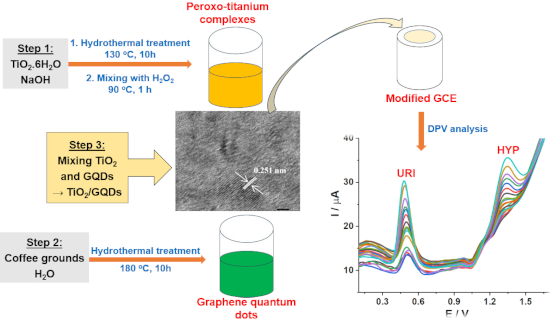
- 1357 and 1593 cm−1, respectively, in the TiO2/GQDs spectrum. The difference in ID/IG ratio, 0.94 for GQDs and 0.71 for TiO2/GQDs, may be due to the interaction between TiO2 and GQDs. Figure 3 presents TEM observations of the obtained materials. The morphology of TiO2 shows agglomerates of around 50–80


Elastic modulus of β-Ga2O3 nanowires measured by resonance and three-point bending techniques
Beilstein J. Nanotechnol. 2024, 15, 704–712, doi:10.3762/bjnano.15.58
- peaks are associated with monoclinic β-Ga2O3 (ICDD-PDF #41–1103), as indicated in Figure 1a, while the Bragg peak at around 33 degrees corresponds to the Si substrate (forbidden Si(200) reflection). Furthermore, transmission electron microscopy (TEM) was used to study the inner crystalline structure of
- individual NWs (see Figure 1b and Figure 1c). The as-grown NWs typically are single crystalline without any distinguishable planar structural defects, such as twin boundaries or stacking faults. Fast Fourier transformation (FFT) was performed on the TEM images to ascribe the crystalline planes and determine
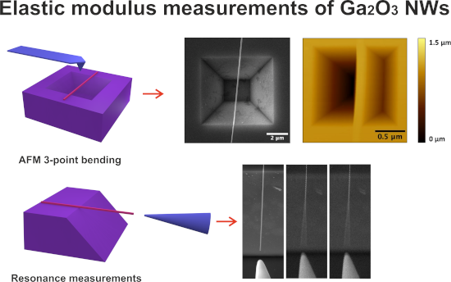
- ]. Different growth mechanisms could potentially lead to variations in the NW structural properties, as was also indicated by the TEM study. The mechanical characteristics of Ga2O3 NWs were first examined using in-situ SEM resonance tests. Figure 3a–c presents a series of SEM images depicting an excitation of


Gold nanomakura: nanoarchitectonics and their photothermal response in association with carrageenan hydrogels
Beilstein J. Nanotechnol. 2024, 15, 678–693, doi:10.3762/bjnano.15.56
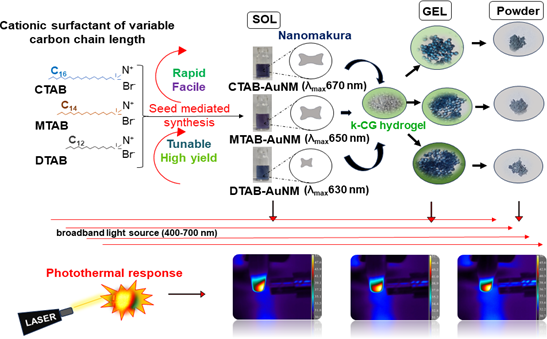
- incorporation into k-CG hydrogel beads. Transmission electron microscopy and atomic force microscopy measurements The actual mean size of the synthesized makura-shaped nanoparticles was calculated in terms of length/width aspect ratio. Figure 4 shows transmission electron microscopy (TEM) and atomic force
- using TEM and AFM. Figure 4a–c showed TEM images of nanoparticles confirming the nanomakura shape. However, it was interesting to notice that the nanomakura shape is more pronounced in DTAB-AuNM. This was also confirmed using AFM considering the AuNMs under a three-dimensional view. Furthermore, 3D
- images were captured using AFM as shown in Figure 4d–f confirming the topography of AuNMs. Therefore, it was clearly observed from the complementing results obtained through TEM and AFM that the shape of the nanoparticles is makura. It can be assumed that the breaking of nanorod-shape symmetry into a






Exfoliation of titanium nitride using a non-thermal plasma process
Beilstein J. Nanotechnol. 2024, 15, 631–637, doi:10.3762/bjnano.15.53
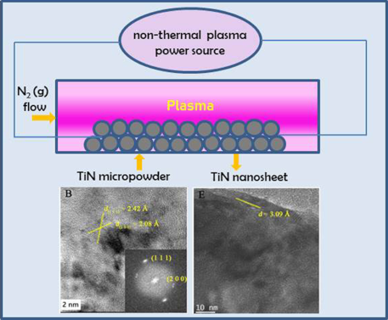
- cellulose acetate membrane with 200 nm pores. The process was concluded by drying to obtain the TiN nanosheets. The flowchart of the synthesis procedure is shown in Figure 1. The morphology of the exfoliated material was investigated by transmission electron microscopy (TEM) with a Jeol JEM-2100 electron
- is an indication of no carbon contamination, which would be observed around 1300–1400 cm−1 and 1550–1600 cm−1 [26]. The relaxation in the vibrational modes, as evidenced by the Raman spectra, serves as a compelling indicator of the successful exfoliation. It is in good agreement with XRD and TEM



Comparative analysis of the ultrastructure and adhesive secretion pathways of different smooth attachment pads of the stick insect Medauroidea extradentata (Phasmatodea)
Beilstein J. Nanotechnol. 2024, 15, 612–630, doi:10.3762/bjnano.15.52
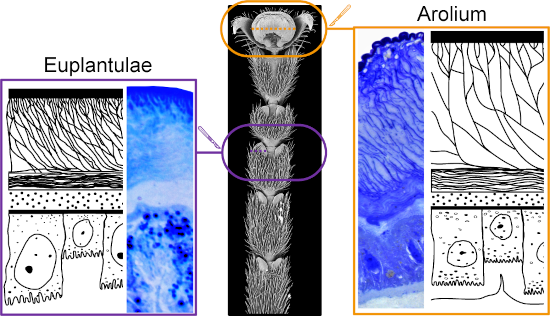
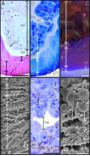
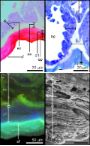
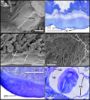
- blue. In addition, the blue colour intensity corresponds to the relative electron density of the tissue in TEM [57][58][59]. Cason’s triple stain allows for the differentiation of differently sclerotized regions from brown over orange to yellow (with a decreasing degree of sclerotization) to resilin
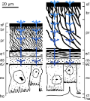
- basal layer, similar to that found in G. portentosa [45], confirmation requires TEM analysis. The presence of the wide basal layer potentially augments the mechanical stability of the exocrine cells and ultimately of the arolium [79]. Another difference lies in the autofluorescence of both exocrine



Radiofrequency enhances drug release from responsive nanoflowers for hepatocellular carcinoma therapy
Beilstein J. Nanotechnol. 2024, 15, 569–579, doi:10.3762/bjnano.15.49
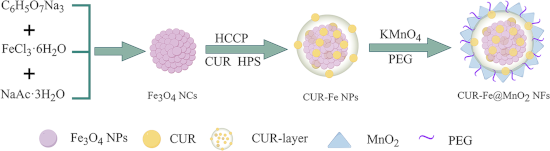
- ), and CUR-Fe@MnO2 NFs were observed via transmission electron microscopy (TEM) (Figure 2a–c). The sizes of Fe3O4 NCs, CUR-Fe NPs, and CUR-Fe@MnO2 NFs were 50.72 ± 10.16 nm, 94.00 ± 12.21 nm, and 96.27 ± 19.14 nm, respectively. The Fe3O4 NCs surface coating can be seen in Figure 1b, indicating that CUR
- was successfully incorporated. CUR-Fe@MnO2 NFs appeared flower-like in the TEM images, indicating successful modification with MnO2. The zeta potentials of the Fe3O4 NCs, CUR-Fe NPs, and CUR-Fe@MnO2 NFs were −30.133 mV, −16.133 mV, and −15.133 mV, respectively (Figure 2d) and the hydrodynamic
- diameters were 156 nm, 177 nm, and 199 nm, respectively (Figure 2e). The average size obtained from TEM was different from the sizes found by dynamic light scattering (DLS). The reason is that the TEM image depicts the size of the sample in the dry state, while the DLS method depicts the size of the


Photocatalytic degradation of methylene blue under visible light by cobalt ferrite nanoparticles/graphene quantum dots
Beilstein J. Nanotechnol. 2024, 15, 475–489, doi:10.3762/bjnano.15.43
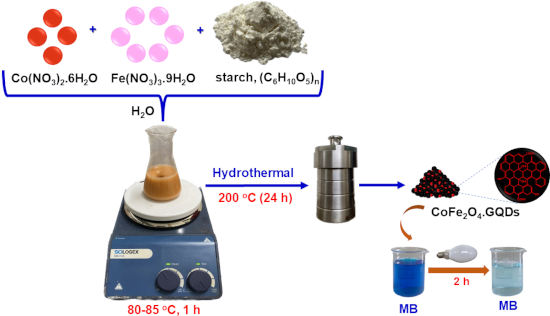
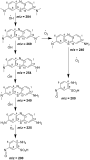
- (Japan). High-resolution transmission electron microscopy (HR-TEM) observation was performed with a JEM 1010. The intermediates in the MB degradation were determined by using an Agilent 1100 LC/MS-MS system with an electron spray ionization source combined with an ion trap. Synthesis of CoFe2O4, CoFe2O4
- CF/GQDs synthesized at hydrothermal temperatures of 140, 180 and 200 °C are shown in Figure 4a–c. The morphology reveals that CF/GQDs consist of heavily agglomerated particles, several hundreds of nanometers in diameter, because of their magnetic nature. Figure 4d and Figure 4e present the TEM images
- of CF and CF/GQDs-200, respectively, and the corresponding particle size distribution. CF has very fine particles of around 15–20 nm. The intimate interfacial contact between GQDs sheets and the CF nanoparticle is further depicted in the TEM image (Figure 4e). In this image, the deposited




Sidewall angle tuning in focused electron beam-induced processing
Beilstein J. Nanotechnol. 2024, 15, 447–456, doi:10.3762/bjnano.15.40
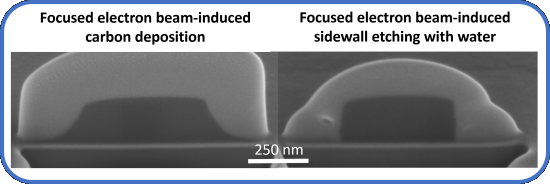
- Fisher Scientific FEG Tecnai 20 D239 S-Twin TEM using an acceleration voltage of 200 keV and spot 3. The evolution of the right sidewall is shown in Figure 4, where a clear, albeit surprising, trend is visible. The profile of the as-deposited structure (deposit 10) is shown in Figure 4j for reference
- simply varying the etch position on the sidewall using the top view SE image for reference, the slope of the deposit can be tuned from negative (outward) to positive (inward). The evolution has been studied in detail by high-resolution imaging in a TEM. A surprising trend not indicated by the simple
- , all carbon depositions were performed in succession, after which the chamber was allowed to pump down for at least 2 h, and overnight when possible. The etching experiments were then performed in succession. The carbon deposits for the TEM inspection were patterned with a 20 keV beam with 3.2 nA of




Heat-induced morphological changes in silver nanowires deposited on a patterned silicon substrate
Beilstein J. Nanotechnol. 2024, 15, 435–446, doi:10.3762/bjnano.15.39
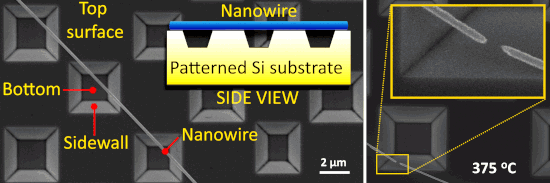
- the results from the scheme 1. Approximately one hour waiting time between cycles was chosen to give enough time for taking series of scanning electron microscopy (SEM, FEI, Nanosem 450) images after each heating cycle. Additionally, a separate series of transmission electron microscopy (TEM
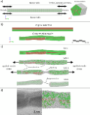
- leading to heat-induced fragmentation of Ag NWs as the mechanism of stress release, and could potentially involve recrystallization into single crystals. To test this hypothesis, we repeated experiments on TEM grids with subsequent observation of the crystal structure via TEM. It was found that the
- pentagonal structure is preserved even for small fragments of NWs that were split as a result of heat treatment as shown in Figure 7 (note that the fragments are kept in place due to contact with the thin carbon membrane of the TEM grid). These findings suggests that heat-induced morphological changes in Ag


On the mechanism of piezoresistance in nanocrystalline graphite
Beilstein J. Nanotechnol. 2024, 15, 376–384, doi:10.3762/bjnano.15.34
- corresponds to a crystallite size of 4–5 nm. TEM studies also done in our previous work on NCG gave an average domain size of 3 nm. We therefore report a grain size range of 2–5 nm for the NCG film synthesized for this study. Figure 3b shows the Raman spectra as a waterfall plot for strain values up to 0.36


Investigating ripple pattern formation and damage profiles in Si and Ge induced by 100 keV Ar+ ion beam: a comparative study
Beilstein J. Nanotechnol. 2024, 15, 367–375, doi:10.3762/bjnano.15.33
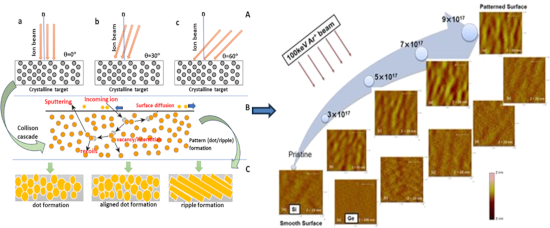
- microscopy (AFM) [3] and transmission electron microscopy (TEM), it is possible to visualize these features. Formation of dots, ripples, and pits have been well studied using IBS [4][5][6][7][8][9]. In the last few decades, numerous efforts have been made to understand IBS through simulations [10] as well as
- . The RBS measurements were performed in channelling mode using 2 MeV He+ ions at the PARAS facility at the Inter University Accelerator Centre (IUAC), New Delhi, and transmission electron microscopy (TEM) using an equipment from Jeol, Japan. The samples for TEM were prepared for cross-sectional studies
- in the TEM sample preparation lab at IUAC, New Delhi. Results and Discussion Atomic force microscopy studies Energetic ions, of a few hundreds of kiloelectronvolts, from the ion implanters modify the surface of the target material to grow nanopatterns. The surfaces of the pristine and ion-treated


Comparative electron microscopy particle sizing of TiO2 pigments: sample preparation and measurement
Beilstein J. Nanotechnol. 2024, 15, 317–332, doi:10.3762/bjnano.15.29

- could not be ruled out” [7]. Recently, papers have been published in which a number of E171 samples were found by transmission electron microscopy (TEM) to be nanomaterials according to the EU definition [8][9]. For TiO2 producers this is surprising as the former food-grade titanium dioxide E171 is
- samples in 2023. Three of the reported measurements were made by SEM and three by TEM. The following three images (Figures 3–5) illustrate typical images used for the different methods. A top-view SEM image is shown in Figure 3 (Precheza M2, Venator M3), Figure 4 is an example of a TEM image (RCPTM, P1
- particle sizes is the sample preparation: With preparation methods P1 and P6, only a small fraction (1/200 to 1/5000) of the initially prepared 2.5 mg of sample is finally transferred to the TEM grid, whereas methods M1, M2, and M3 all bring macroscopic sample amounts to the microscope. Methods RCPTM, M2


Quantitative wear evaluation of tips based on sharp structures
Beilstein J. Nanotechnol. 2024, 15, 230–241, doi:10.3762/bjnano.15.22
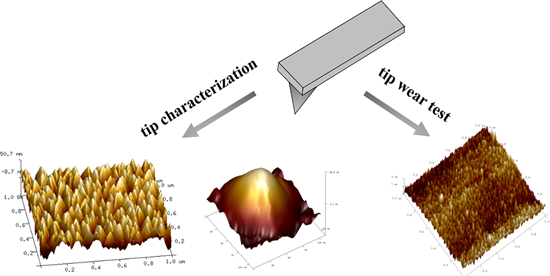
- . Orji et al. [14] utilized a transmission electron microscope (TEM) to image a tip and derived its tapered shape from the TEM image. Electron microscopic observation offers the advantages of high precision and resolution, enabling accurate acquisition of morphological information about the tip. However




Graphene removal by water-assisted focused electron-beam-induced etching – unveiling the dose and dwell time impact on the etch profile and topographical changes in SiO2 substrates
Beilstein J. Nanotechnol. 2024, 15, 190–198, doi:10.3762/bjnano.15.18
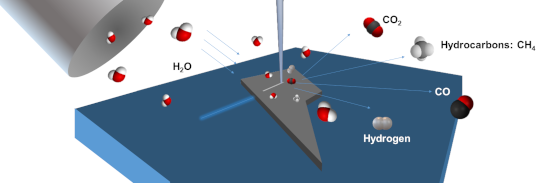
- advanced TEM cross-sectional analysis would be needed. Conclusion The feasibility of water-assisted FEBIE, available on scanning electron microscopes operating in low-vacuum mode, makes the method very promising for prototyping various optical/electronic devices based on graphene. In this work, we showed


Ferromagnetic resonance spectra of linear magnetosome chains
Beilstein J. Nanotechnol. 2024, 15, 157–167, doi:10.3762/bjnano.15.15
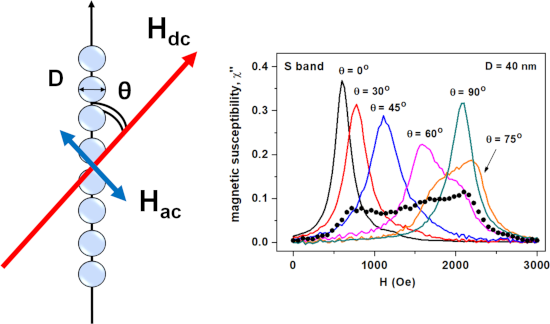
- number of nanoparticles and type of chain anisotropy accepted makes it possible to obtain statistically significant results for the magnetic susceptibility of a dilute assembly of linear chains. Results and Discussion An analysis of transmission electron microscope (TEM) images [1][2][8][38][39] shows a
- is also the average distance a between the centers of particles in the chain, since this distance determines the amplitude of the dipole field Hdip, acting between the particles of the chain. Based on the TEM data [1][2][7][8][38][39], it can be concluded that the nearest distance between the


Development and characterization of potential larvicidal nanoemulsions against Aedes aegypti
Beilstein J. Nanotechnol. 2024, 15, 104–114, doi:10.3762/bjnano.15.10
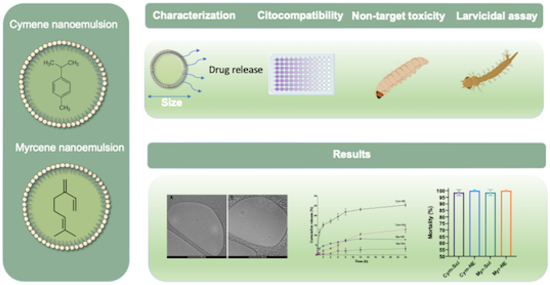
- aqueous media [37]. According to NTA measurements, the Cym-NE particle size was 145.7 ± 7.7 nm, while the Myr-NE particle size was 126.4 ± 5.6 nm, confirming the nanometric droplet size. Cryogenic transmission electron microscopy Cryogenic transmission electron microscopy (cryo-TEM) is one of the most
- useful techniques for the investigation of NEs, since it provides detailed information about the internal structure of colloidal systems observed in their native state [38]. In cryo-TEM, it was possible to observe spherical droplets (Figure 1). Similar results of spherical droplets smaller than 180 nm
- were observed with cryo-TEM [39]. This technique is widely used to characterize the morphology of nanoemulsions and faithfully confirms the results obtained with other techniques [40]. In vitro drug release One potential advantage of using NEs is their ability to enhance drug solubility and


Berberine-loaded polylactic acid nanofiber scaffold as a drug delivery system: The relationship between chemical characteristics, drug-release behavior, and antibacterial efficiency
Beilstein J. Nanotechnol. 2024, 15, 71–82, doi:10.3762/bjnano.15.7

- powder. (b) TEM image of BBR NPs. (c) Digital image of the electrospun nanofiber scaffolds. (d, d’), (e, e’), (f, f’) SEM images and the distribution of fiber diameter of electrospun PLA, BBR/PLA, and BBR NPs/PLA nanofiber scaffolds, respectively. FTIR spectra of (a) PLA, (b) BBR/PLA, and (c) BBR NPs/PLA


TEM sample preparation of lithographically patterned permalloy nanostructures on silicon nitride membranes
Beilstein J. Nanotechnol. 2024, 15, 1–12, doi:10.3762/bjnano.15.1

- submicrometer apertures were milled on SiN membranes using a focused ion beam. Furthermore, we have developed a new TEM sample preparation method, where we fabricated Py nanostructures on a bulk substrate with a SiN buffer layer and etched the substrate to create a thin SiN membrane under the Py nanostructure
- ], transmission electron microscopy (TEM) [1][8][9][10][11], scanning transmission X-ray microscopy [12][13], and magneto-optical Kerr effect microscopy [14][15]. Possible applications of Py nanodisks were proposed for zero-hysteresis magnet sensors, magnetic logic devices, and data storage [16]. Py is a nickel
- –iron alloy (80 atom % Ni and 20 atom % Fe) that has a small coercive field (Hc) [17] and low magnetostriction (λs) [18], as well as high permeability and high saturation magnetization (Ms) [19]. TEM offers high spatial resolution for magnetic imaging. TEM-based magnetic imaging techniques such as


Determination of the radii of coated and uncoated silicon AFM sharp tips using a height calibration standard grating and a nonlinear regression function
Beilstein J. Nanotechnol. 2023, 14, 1200–1207, doi:10.3762/bjnano.14.99

- relation to the PSD were collected to observe the tip blunting behavior. The quantitative determination of the tip radii compared to transmission electron microscopy (TEM) images of the tips showed corresponding results between the blunted tips and the PSD curves, concluding that blunter tips produced a





