


Search results
Search for "magnetic" in Full Text gives 890 result(s) in Beilstein Journal of Nanotechnology. Showing first 200.
Feasibility analysis of carbon nanofiber synthesis and morphology control using a LPG premixed flame
Beilstein J. Nanotechnol. 2025, 16, 581–590, doi:10.3762/bjnano.16.45
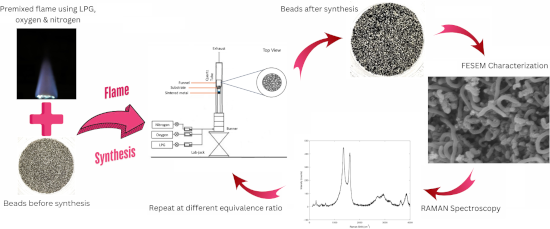
- used as a substrate for the synthesis process. In this process, 20.30 g of nickel nitrate hexahydrate were mixed with 70 mL of deionized water using a magnetic stirrer to prepare a 1 M nickel nitrate solution. The solution of nickel nitrate was used to impregnate the pores of the spherical zirconia



Nanomaterials in targeting amyloid-β oligomers: current advances and future directions for Alzheimer's disease diagnosis and therapy
Beilstein J. Nanotechnol. 2025, 16, 561–580, doi:10.3762/bjnano.16.44
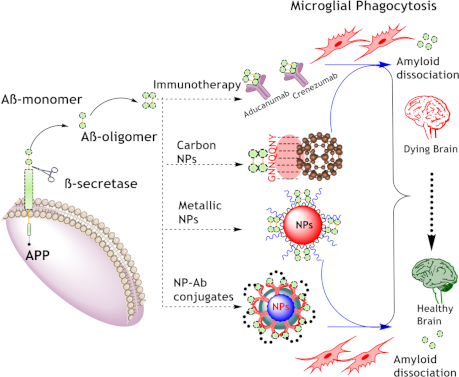
- specifically designed for the diagnosis and inhibition of AβOs. One example of this innovative approach is demonstrated by Viola et al., who designed mono-dispersed nitro-dopamine (nDOPA)- and polyethylene glycol (PEG)-stabilized magnetic nanostructures (MNSs) in a size range of 12–16 nm. The surface of these


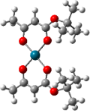
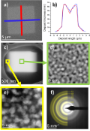
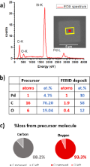
Electron beam-based direct writing of nanostructures using a palladium β-ketoesterate complex
Beilstein J. Nanotechnol. 2025, 16, 530–539, doi:10.3762/bjnano.16.41
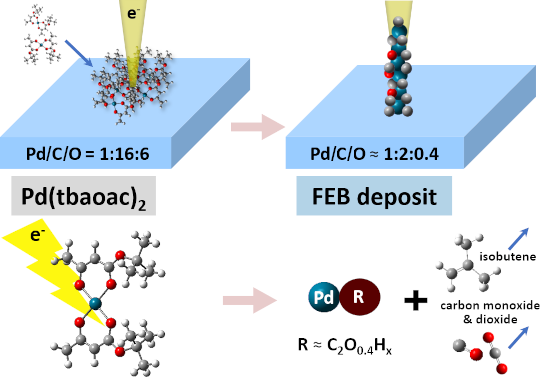
- use of masks, achieving scales down to a few nanometers with various patterns and shapes, offers significant advantages for a wide range of technological applications. These include areas that require plasmonic [1][2][3], phononic [3][4], magnetic [5][6], optoelectronic [7][8][9], and mechanical [10


Zeolite materials with Ni and Co: synthesis and catalytic potential in the selective hydrogenation of citral
Beilstein J. Nanotechnol. 2025, 16, 520–529, doi:10.3762/bjnano.16.40
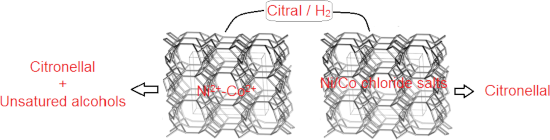
- 5 °C/min. Hydrogen uptake was monitored using the TCD. Catalytic test in citral hydrogenation In a manner analogous to [24], the hydrogenation of citral was conducted in a 250 mL autoclave equipped with a magnetic stirrer and a temperature control unit. The catalysts (400 mg) were immersed in 90 mL


Performance optimization of a microwave-coupled plasma-based ultralow-energy ECR ion source for silicon nanostructuring
Beilstein J. Nanotechnol. 2025, 16, 484–494, doi:10.3762/bjnano.16.37
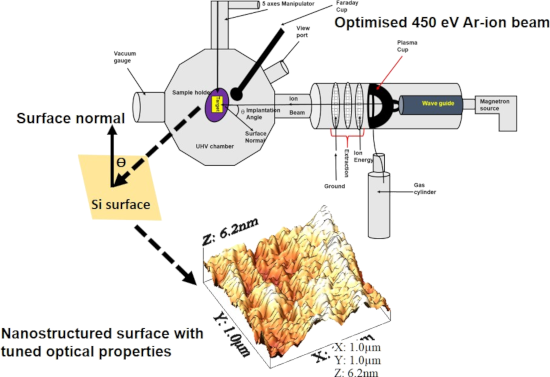
- nanopatterning and nanoscale functionalization have garnered significant interest, owing to their broad applications in DNA origami [10], tuning of wettability [11] and electrical and magnetic anisotropy [12][13], isolated dot formation [1], nanoscale plasmonic arrays [14], and field emission [15]. Thus, ion
- a strong electric field generated in the cavity, the ECR-based ion sources equipped with microwave cavities neither contain any filament nor any type of electrode [26]. The high plasma density within a quartz cup is confined by solenoid magnets surrounding it, creating a multi-cusp magnetic field
- . However, careful attention is required for the microwave coupling to the plasma cup to minimize the reflections of microwave power. Mechanical adjustments to the resonator length and waveguide are made to ensure minimal reflection. Additionally, maintaining the necessary magnetic field strength is crucial


Quantification of lead through rod-shaped silver-doped zinc oxide nanoparticles using an electrochemical approach
Beilstein J. Nanotechnol. 2025, 16, 422–434, doi:10.3762/bjnano.16.33
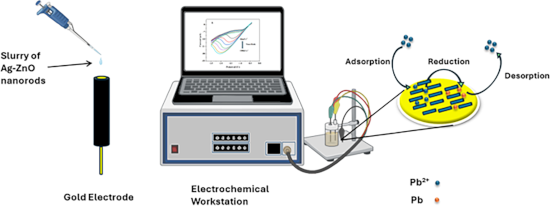
- activity, and semiconductor properties. By doping ZnO nanoparticles with transition metals, we can alter their electrical, optical, and magnetic properties by introducing new electronic states into the band structure. Herein, Ag is added to ZnO nanostructures to improve their optical properties to detect




Size control of nanoparticles synthesized by pulsed laser ablation in liquids using donut-shaped beams
Beilstein J. Nanotechnol. 2025, 16, 407–417, doi:10.3762/bjnano.16.31
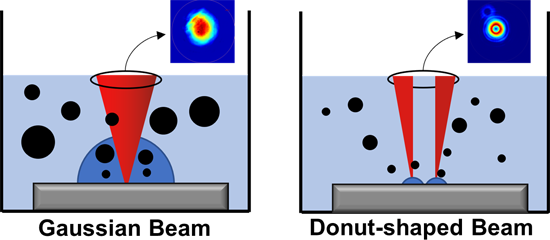
- precise compositional control such as metastable binary core–shell NPs [16] and quinary Cantor high-entropy alloy NPs [17][18]. Such high-entropy nanomaterials are recently being discussed as game changers, providing disruptive design opportunities in multifunctional catalysts or magnetic materials [19


Engineered PEG–PCL nanoparticles enable sensitive and selective detection of sodium dodecyl sulfate: a qualitative and quantitative analysis
Beilstein J. Nanotechnol. 2025, 16, 385–396, doi:10.3762/bjnano.16.29
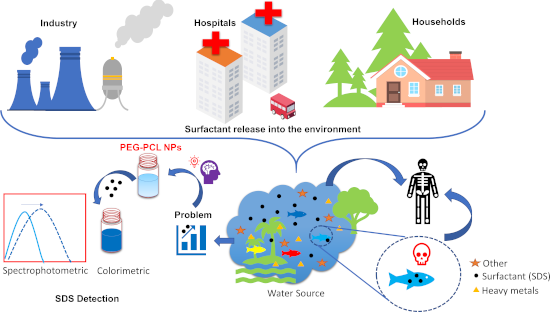
- manipulation of particles with a size less than 100 nm. These tiny particles possess unique physicochemical features, including optical, electrical, magnetic, and catalytic properties [23]. Indeed, the advanced properties of nanoparticles enables them to be used in different areas, such as biosensing, drug


Development of a mucoadhesive drug delivery system and its interaction with gastric cells
Beilstein J. Nanotechnol. 2025, 16, 371–384, doi:10.3762/bjnano.16.28
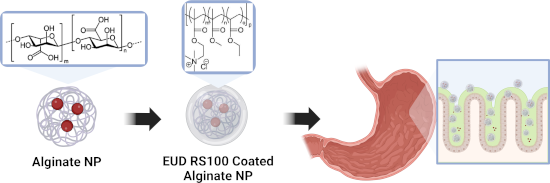
- , 40% Amp) for 5 min, followed by 30 min of incubation on a magnetic stirrer. Finally, isopropanol (4 mL) was added to the emulsion, and the nanoparticles were collected by centrifugation (3000g for 5 min). The pellet was washed once with isopropanol and three times with double-distilled water (ddH2O
- mL) were dripped into Eudragit RS 100 suspension (2%, v/v, of Eudragit RS 30D, diluted with ddH2O) by using a syringe pump at a rate of 5 mL/h, and the dispersion was incubated on a magnetic stirrer (700 rpm, 10 min, room temperature). At the end of the incubation, coated NPs were centrifuged (10000g


Vortex lattices of layered HTSCs at different vortex–vortex interaction potentials
Beilstein J. Nanotechnol. 2025, 16, 362–370, doi:10.3762/bjnano.16.27
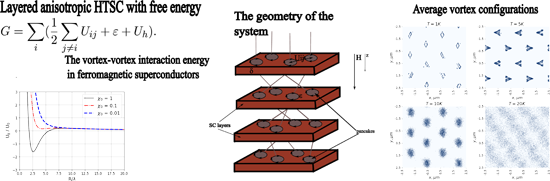
- ; Introduction Type-II superconductors, as shown by numerous studies, have a complex phase diagram in a magnetic field. In fields greater than the first critical field Hc1 and less than the second critical field Hc2, at temperatures below the critical temperature the superconductor is in a mixed state, in which
- the magnetic field penetrates the superconductor in the form of Abrikosov vortices [1]. In high-temperature superconductors (HTSCs), such as Y- and Bi-based cuprates, the vortex lattice is further complicated since these compounds have a layered structure [2][3][4][5][6]. The vortex filament in these
- ordering of the pancakes, which also enhances the pinning of vortices on defects. In [8], the vortex system in a HgBa2CuO4+δ monocrystal was studied. The measurements were performed in a wide range of temperatures and magnetic fields, and the phase diagram of the vortex system was obtained as a result of


Emerging strategies in the sustainable removal of antibiotics using semiconductor-based photocatalysts
Beilstein J. Nanotechnol. 2025, 16, 264–285, doi:10.3762/bjnano.16.21
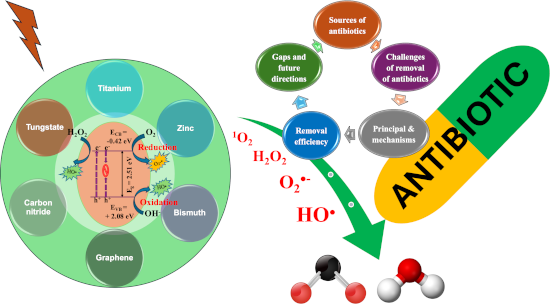
- efficacy of TiO2 under visible or solar-simulated light, retrieving the synthesized small particles poses new challenges. Researchers have recently synthesized heterojunctions using TiO2 and magnetic particles such as α-Fe2O3 and Fe3O4 in order to solve the problem of recovering particles. They
- /CoFe2O4 catalyst with GO, which demonstrated an 85% degradation rate for TC and a 99% degradation rate for DOX within 60 min of treatment time. The degradation efficiencies were improved through doping and further enhanced by adding GO and magnetic CoFe2O4. Numerous ternary compounds (see below in Table 5



Radiosensitizing properties of dual-functionalized carbon nanostructures loaded with temozolomide
Beilstein J. Nanotechnol. 2025, 16, 229–251, doi:10.3762/bjnano.16.18
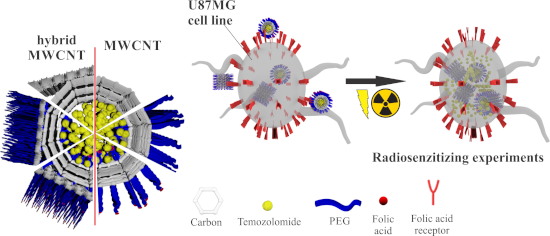
- chemical modifications and/or coupling with hydrophilic polymers. TMZ was successfully incorporated in magnetic NPs [36], mesoporous silica NPs [37], and NPs made of silver [38], zinc oxide [39], and gold [40], all of them showing high accumulation in tumor cells and cytotoxic activity in vitro and in vivo






A review of metal-organic frameworks and polymers in mixed matrix membranes for CO2 capture
Beilstein J. Nanotechnol. 2025, 16, 155–186, doi:10.3762/bjnano.16.14
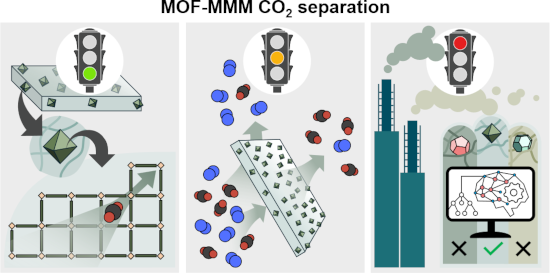
- formed may not fully represent the structure of the fabricated MOF-based MMMs. While electron microscopy offers a highly detailed qualitative analysis of specific regions within the membrane, methods such as Fourier-transform infrared spectroscopy (FTIR), nuclear magnetic resonance (NMR) spectroscopy


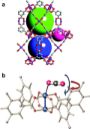



Clays enhanced with niobium: potential in wastewater treatment and reuse as pigment with antibacterial activity
Beilstein J. Nanotechnol. 2025, 16, 141–154, doi:10.3762/bjnano.16.13
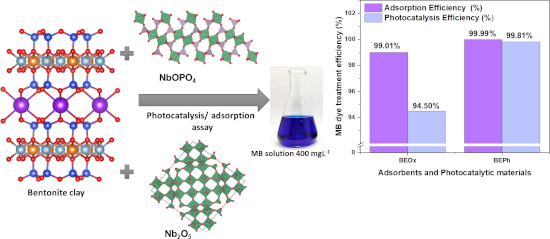
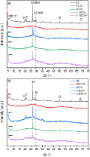
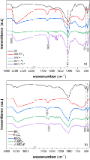
- reactor at 25 °C (open), a magnetic stirrer, and a UV lamp (253.7 nm, 15 W, 220 V) within a dark chamber. After 3 h of exposure, the solutions were centrifuged at 3500 rpm for 10 min, and their final concentrations were determined using a UV–vis spectrophotometer. These samples were labeled as A-BEPhP and




TiO2 immobilized on 2D mordenite: effect of hydrolysis conditions on structural, textural, and optical characteristics of the nanocomposites
Beilstein J. Nanotechnol. 2025, 16, 128–140, doi:10.3762/bjnano.16.12
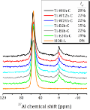
- . Figure 2 shows the 27Al magic angle spinning nuclear magnetic resonance (MAS NMR) spectra of the parent compound MOR-L and the TiO2-loaded samples. They confirm the regularity of the zeolite frameworks of the as-prepared samples. The spectrum consists of only one line at 54 ppm, which corresponds to




Characterization of ZnO nanoparticles synthesized using probiotic Lactiplantibacillus plantarum GP258
Beilstein J. Nanotechnol. 2025, 16, 78–89, doi:10.3762/bjnano.16.8
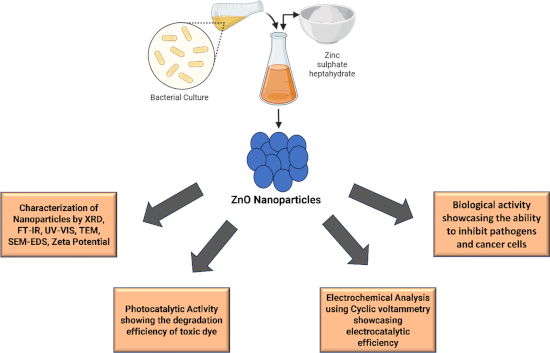
- -to-volume ratio, and magnetic, electrical, optical, antimicrobial and hardness properties give NPs distinct mechanical, thermal, and catalytic properties. As a result, nanotechnology has widespread applications across diverse domains and opened up new possibilities for innovation [1][2]. Particles





Theoretical study of the electronic and optical properties of a composite formed by the zeolite NaA and a magnetite cluster
Beilstein J. Nanotechnol. 2025, 16, 44–53, doi:10.3762/bjnano.16.5
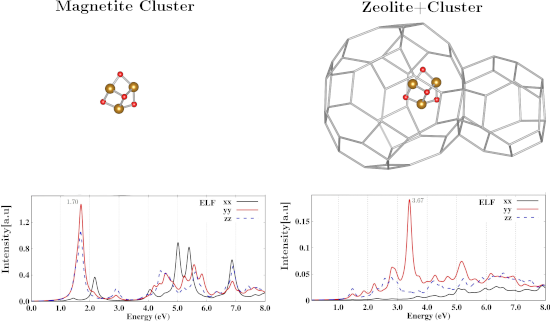
- that the composite exhibits magnetic properties of a half-semiconductor and a strong optical response within the visible and ultraviolet regions of the spectrum. Keywords: magnetic cluster; NaA zeolite; optical properties; Introduction Zeolites are crystalline materials made up of aluminosilicates
- introduction of magnetic nanoparticles into zeolite crystals so that the resulting composite can respond to an external magnetic field [33]. By imparting magnetic properties to such composites, they can be efficiently recovered after capturing contaminants such as heavy metals [34][35][36][37] and dyes [38][39
- ][40] in bodies of water, addressing a pressing environmental concern. Also, iron-modified zeolites have shown variations in both electric and magnetic properties that allow one to generate catalysts based on zeolites [41]. Among these types of composites consisting of zeolites modified with magnetic




Biomimetic nanocarriers: integrating natural functions for advanced therapeutic applications
Beilstein J. Nanotechnol. 2024, 15, 1619–1626, doi:10.3762/bjnano.15.127
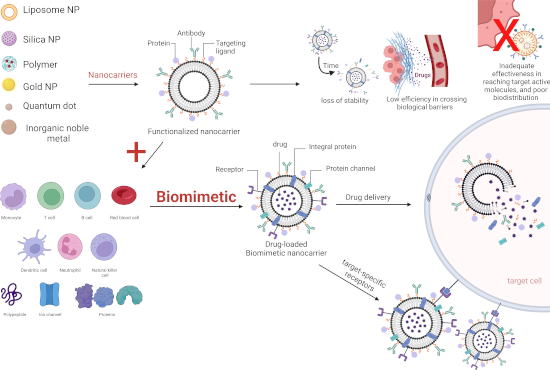
- neuronal mitochondria, as evidenced by fluorescence intensities identified in brain homogenates, and reduced Aβ1 deposition, demonstrating the ability of the nanocomposite to cross the BBB [71]. Inorganic nanoparticles exhibit unique optical, magnetic, and chemical properties and stability. Gold


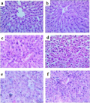
Liver-targeting iron oxide nanoparticles and their complexes with plant extracts for biocompatibility
Beilstein J. Nanotechnol. 2024, 15, 1593–1602, doi:10.3762/bjnano.15.125
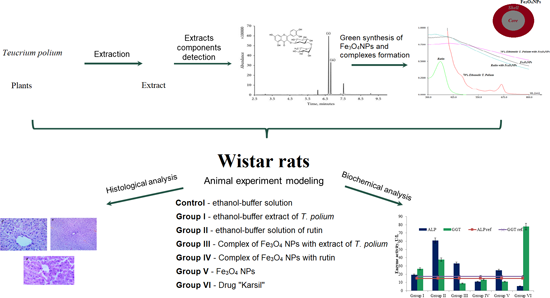
- in most biological and chemical reactions involved in the production of medical materials [10][11][12][13]. Magnetic nanoparticles (MNPs), such as iron oxides, not only exhibit superparamagnetism and high magnetic susceptibility, they also possess unique physical properties, biocompatibility
- Fe3O4 NPs have great potential for commercial use and have already found applications in biomedicine, such as magnetic resonance imaging (as contrast enhancement agents), targeted drug or gene delivery, tissue engineering, biological fluid detoxification, hyperthermia, biological sensing, nanozymes, and


Facile synthesis of size-tunable L-carnosine-capped silver nanoparticles and their role in metal ion sensing and catalytic degradation of p-nitrophenol
Beilstein J. Nanotechnol. 2024, 15, 1576–1592, doi:10.3762/bjnano.15.124
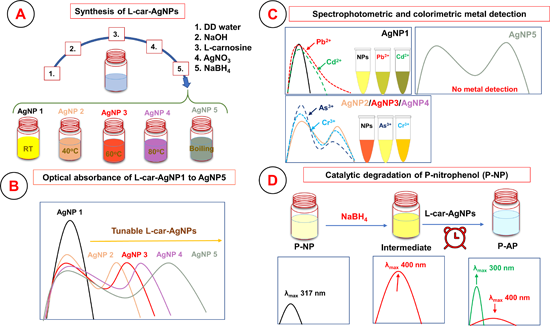
- grafting magnetic nanoparticles with ʟ-carnosine significantly enhanced the catalytic performance of the nanoparticles [15]. In another study, metal-organic framework nanoparticles fabricated with ʟ-carnosine were employed for arsenic removal via an adsorption mechanism. The maximum removal of arsenic was
- 94.33 mg/g at a pH of 8.5 and 0.4 g/L adsorbent [16]. These studies confirmed that ʟ-carnosine adsorbed on metal surfaces has widespread environmental applications. However, magnetic nanoparticles or MOFs coated with ʟ-carnosine were applicable only for environmental remediation but were incapable of





Green synthesis of silver nanoparticles derived from algae and their larvicidal properties to control Aedes aegypti
Beilstein J. Nanotechnol. 2024, 15, 1566–1575, doi:10.3762/bjnano.15.123
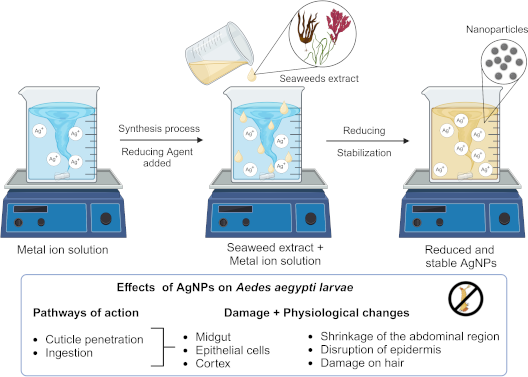
- electrical, optical, and magnetic properties for a wide range of applications [22][23]. They can be synthesized by different procedures based on “top-down” or “bottom-up” approaches [24] (Figure 1). Top-down synthesized silver nanoparticles can be obtained by lithography, attrition, milling, and other
- extract filtrate with 90 mL of AgNO3 (1 mM). To increase the yield of silver nanoparticles, the sample was placed under magnetic stirring varying the heating temperatures (37–80 °C). The formation of NPs was verified from the color change in the solution to reddish brown. The possible chemical compounds
- from red algae [54]. A. rigida seaweed extract was prepared by adding pulverized seaweed (10 g) to 500 mL of purified water. The mixture was heated to a temperature of 80 °C under magnetic stirring for 20 min. Finally, the extract was filtered and centrifuged (12298g for 10 min). The NPs were obtained


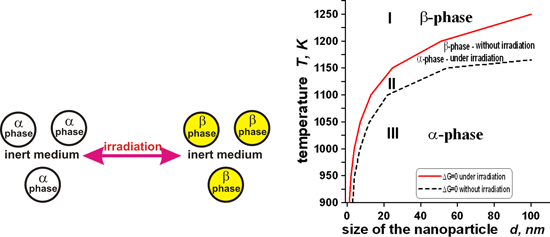
Effect of radiation-induced vacancy saturation on the first-order phase transformation in nanoparticles: insights from a model
Beilstein J. Nanotechnol. 2024, 15, 1453–1472, doi:10.3762/bjnano.15.117


Ion-induced surface reactions and deposition from Pt(CO)2Cl2 and Pt(CO)2Br2
Beilstein J. Nanotechnol. 2024, 15, 1427–1439, doi:10.3762/bjnano.15.115
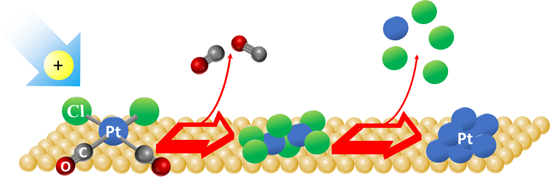
- vessel was charged with PtBr2 (0.31 g, 0.88 mmol), a magnetic stir bar and dry DCE (30 mL). The glass pressure vessel was placed in a 300 mL Parr reactor for 2 h at room temperature under CO (150 psi). The temperature was then increased to 110 °C by a sand bath, and the reaction mixture was stirred for



Lithium niobate on insulator: an emerging nanophotonic crystal for optimized light control
Beilstein J. Nanotechnol. 2024, 15, 1415–1426, doi:10.3762/bjnano.15.114
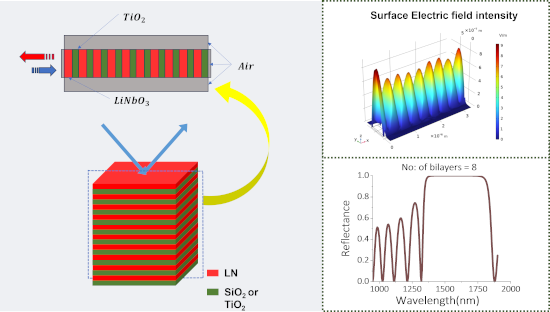
- interface engineering are crucial for success [25][26][27]. The primary motivation for choosing lithium niobate is to utilize materials whose optical properties are sensitive to one or more externally controllable factors, such as electric or magnetic fields, enabling the manipulation of the structure


Nanotechnological approaches for efficient N2B delivery: from small-molecule drugs to biopharmaceuticals
Beilstein J. Nanotechnol. 2024, 15, 1400–1414, doi:10.3762/bjnano.15.113
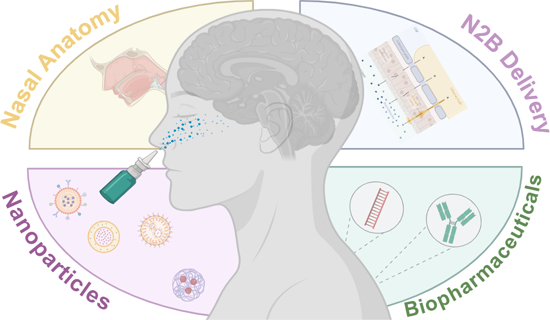
- therapeutic applications. For example, polymeric NPs exhibit easily tunable surface properties [117], lipid NPs offer high bioavailability and -compatibility [118], and inorganic NPs provide unique magnetic or optical properties [119]. Moreover, DDSs can be conjugated with ligands and coated with mucoadhesive





