
Search results
Search for "lead" in Full Text gives 1349 result(s) in Beilstein Journal of Nanotechnology. Showing first 200.
Electron beam-based direct writing of nanostructures using a palladium β-ketoesterate complex
Beilstein J. Nanotechnol. 2025, 16, 530–539, doi:10.3762/bjnano.16.41
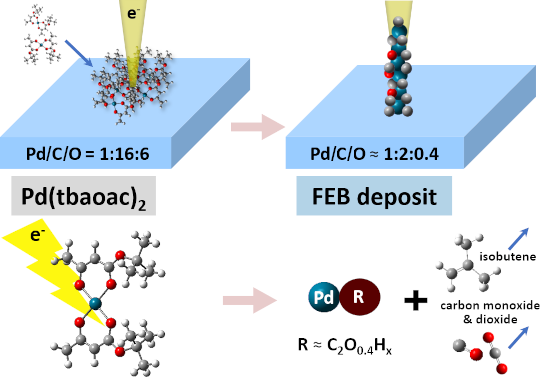
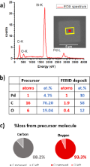
- . Of note is that we also performed a subtraction of the carbon contribution due to co-deposition from residual hydrocarbons, see details in Supporting Information File 1, section S5. Briefly, under our high-vacuum conditions, residual hydrocarbon gases lead to contamination deposits during both FEBID


Water in nanoporous hexagonal boron nitride nanosheets: a first-principles study
Beilstein J. Nanotechnol. 2025, 16, 510–519, doi:10.3762/bjnano.16.39
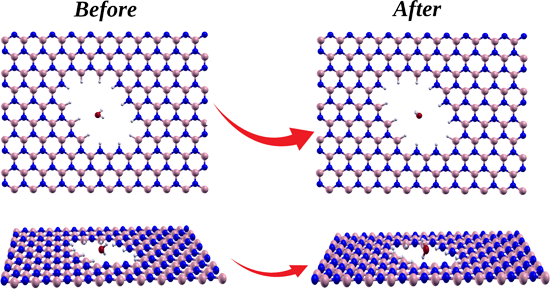
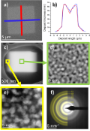
- type of pore can alter the hydrophobicity of h-BN and influence the flow of water through it. Moreover, the formation of a hydrogen bond with the N–H-terminated surface in rhombic pores, which is absent in interactions with the B–N-terminated surface, may lead to asymmetries in water flow through the




N2+-implantation-induced tailoring of structural, morphological, optical, and electrical characteristics of sputtered molybdenum thin films
Beilstein J. Nanotechnol. 2025, 16, 495–509, doi:10.3762/bjnano.16.38
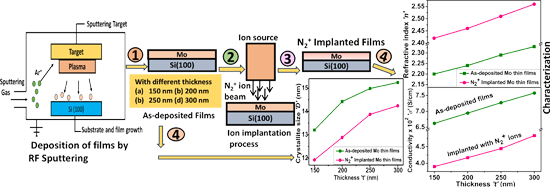
- substrates under suitable conditions lead to improvements in functionality and address the needs of various cutting-edge industries [6][7]. For the deposition of Mo thin films, various techniques such as chemical vapor deposition, physical vapor deposition (RF sputtering and DC sputtering) [1][8][9], and
- may influence the electrical properties. As the thickness changes, the internal stress distribution could lead to impediments in electron transport, causing slight deviations from linearity. Nitrogen ions create defects, vacancies, or impurities in the molybdenum film, acting as scattering centers for


Impact of adsorbate–substrate interaction on nanostructured thin films growth during low-pressure condensation
Beilstein J. Nanotechnol. 2025, 16, 473–483, doi:10.3762/bjnano.16.36
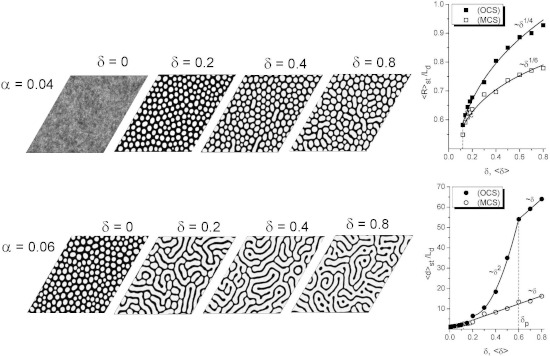
- , subsequent growth kinetics, and final structural properties of thin films. These interactions are influenced by factors such as surface energetics, lattice matching, van der Waals forces, and chemical bonding configurations [20][21]. Strong interactions can lead to ordered nucleation and the formation of
- [35]. We discuss effects of adsorbate–substrate interactions in dynamics of adsorbate structures formation and their statistical properties. It will be shown, that an increase in the strength of adsorbate–substrate interactions can induce adsorbate patterning on the first growing layer and lead to
- reactions of adatoms between neighbor layers acts in the opposite manner to the adsorption coefficient [41]. An applied external electric field can affect the type and size of the surface structures [37][42][43]. Anisotropy of surface diffusion, induced by properties of the substrate, can lead to fractal


Quantification of lead through rod-shaped silver-doped zinc oxide nanoparticles using an electrochemical approach
Beilstein J. Nanotechnol. 2025, 16, 422–434, doi:10.3762/bjnano.16.33
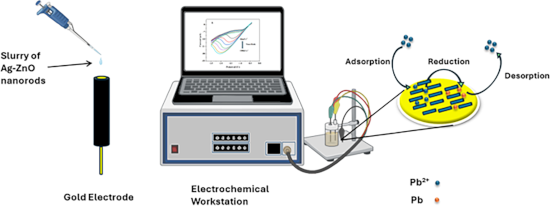
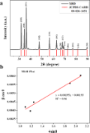
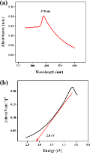
- heavy metal lead ions. The prepared lead sensor with ultrahigh sensitivity, based on silver-doped ZnO nanorods (Ag@ZnO NRs), was fabricated and characterized. The morphological, structural, compositional, and optical characteristics of the Ag@ZnO NRs were investigated using a variety of methods after
- . Electrochemical techniques comparatively offer quick, portable, sensitive, and inexpensive basic equipment for heavy metal detection. The interactions between Ag@ZnO NRs and lead were studied using electrochemical methods. The prepared lead sensor using Ag@ZnO NRs show a very low detection limit and a very high
- sensitivity toward lead. The lead chemical sensor that was developed had a detection limit of 3 ppm with a sensitivity of 16 µA·ppm−1·cm−2. The recorded reaction time of lead sensor was less than two seconds. Keywords: electrochemical methods; chemical sensor; doping; lead; nanoparticles; ZnO nanorods




ReactorAFM/STM – dynamic reactions on surfaces at elevated temperature and atmospheric pressure
Beilstein J. Nanotechnol. 2025, 16, 397–406, doi:10.3762/bjnano.16.30
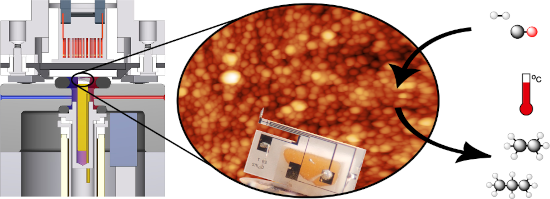
- with the QTF is magnetically held inside the piezotube that consists of a single tube and performs both the coarse approach and the fine scanning motion. The piezoelement, made of lead zirconate titanate, is placed outside the reactor and rests on an aluminum tube, which is part of the reactor wall and


Engineered PEG–PCL nanoparticles enable sensitive and selective detection of sodium dodecyl sulfate: a qualitative and quantitative analysis
Beilstein J. Nanotechnol. 2025, 16, 385–396, doi:10.3762/bjnano.16.29
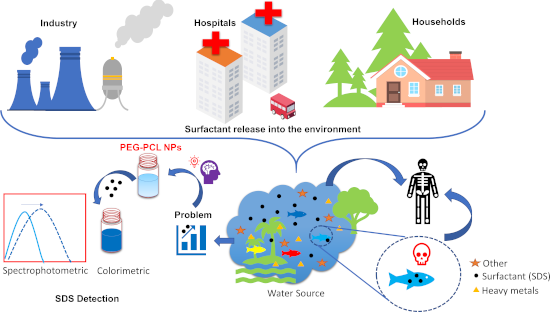
- ) and Bradford reagent (Cat. No. 19219) were purchased from SRL Chemicals (India). NIST-grade standards of arsenic (As3+), aluminium (Al3+), cadmium (Cd2+), zinc (Zn2+), mercury (Hg2+), nickel (Ni2+), copper (Cu2+), chromium (Cr3+), lead (Pb2+), iron (Fe3+), and cobalt (Co2+) (Cat. No. 041865), as well


Development of a mucoadhesive drug delivery system and its interaction with gastric cells
Beilstein J. Nanotechnol. 2025, 16, 371–384, doi:10.3762/bjnano.16.28
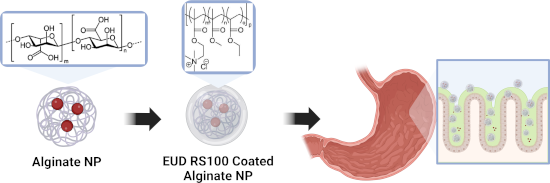
- the drugs within the mucus microenvironment of the stomach and, thus, may lead to elevated local activity or absorption of the therapeutic agents from the mucosa. Results and Discussion Morphology of nanoparticles After the synthesis of alginate (Alg) and Eudragit-coated alginate (EudAlg
- diffusion [41]. Larger particles may be filtered out, which reduces the absorption of therapeutic agents from the mucosa. Specifically, for this study, obtaining nanoscale Alg nanoparticles was critical since these particles were to be coated with a second polymer, Eudragit RS100, which would lead to
- . Mucoadhesive drug delivery systems eventually lead to an increased amount of drug at the mucosa. However, these nanocarriers might also be trapped in the mucus layer and get washed away with mucus turnover. The ability to penetrate through the mucus layer and to reach the underlying epithelium are therefore


Pulsed laser in liquid grafting of gold nanoparticle–carbon support composites
Beilstein J. Nanotechnol. 2025, 16, 349–361, doi:10.3762/bjnano.16.26
- -term stability. A widely used ionomer binder is Nafion, which is highly acidic [11] and can corrode earth-abundant catalysts that are not acid-stable [12]. Ionomer binders can additionally lead to undesired side reactions, thus reducing the energy efficiency for the desired transformation [13
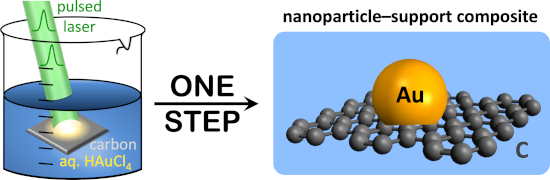
- pulsed laser-grafted gold nanoparticle–carbon fiber paper composite would lead to enhanced electrocatalytic performance. Therefore, we applied the laser-grafted gold nanoparticle–carbon fiber paper composites as cathodes for electrocatalytic bicarbonate reduction in aqueous 0.5 M KHCO3, pH 8.3


Tailoring of physical properties of RF-sputtered ZnTe films: role of substrate temperature
Beilstein J. Nanotechnol. 2025, 16, 333–348, doi:10.3762/bjnano.16.25
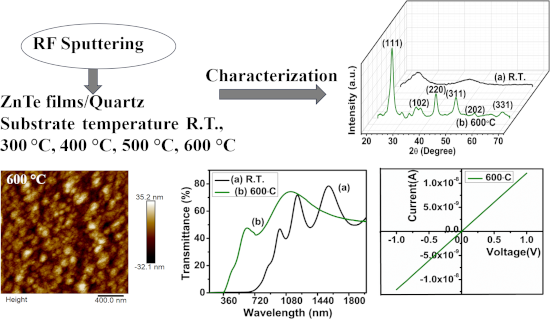
- substrate, which ultimately lead to the development of stress and strain within the film. At a substrate temperature of 600 °C, the lattice constant value is the same as in the bulk material. The strain in films occurs due to lattice mismatch between film and bulk. The microstrain in films was calculated




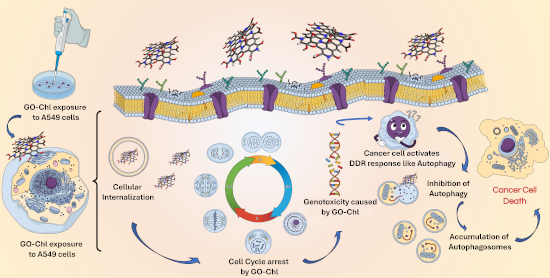
Graphene oxide–chloroquine conjugate induces DNA damage in A549 lung cancer cells through autophagy modulation
Beilstein J. Nanotechnol. 2025, 16, 316–332, doi:10.3762/bjnano.16.24
- by embedding the samples in pure resin followed by curing at 60 °C for 24 h. The blocks were then subjected to a Leica UC7 ultramicrotome (Wetzlar, Germany) to make ultrathin (60 nm) sections followed by staining with uranyl acetate and lead citrate. The sections were allowed to air dry before



Fabrication and evaluation of BerNPs regarding the growth and development of Streptococcus mutans
Beilstein J. Nanotechnol. 2025, 16, 308–315, doi:10.3762/bjnano.16.23
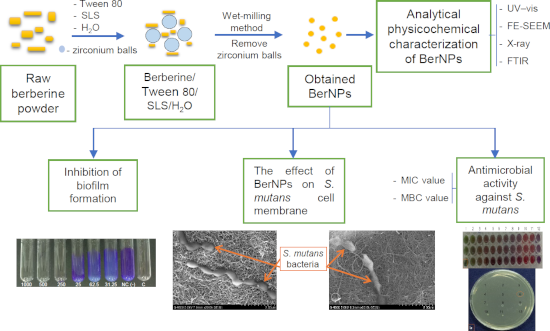
- . mutans can ferment carbohydrates, primarily sucrose and glucose or by-products in saliva, to produce weak organic acids. These acids lead to tooth surface demineralization and the subsequent enamel loss, resulting in tooth decay [6][7]. Furthermore, the biofilm formation by S. mutans contributes to




Enhancing mechanical properties of chitosan/PVA electrospun nanofibers: a comprehensive review
Beilstein J. Nanotechnol. 2025, 16, 286–307, doi:10.3762/bjnano.16.22
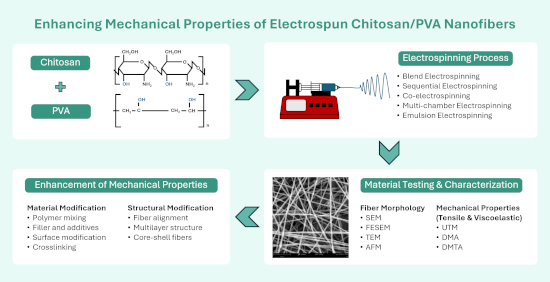
- of chemical (intermolecular and intramolecular hydrogen) bonds, which also lead to a highly cross-linked chitosan/PVA nanofiber matrix [162]. Table 7 summarizes the enhancement of material modifications on the mechanical properties of electrospun nanofiber. Another method to improve the mechanical


Emerging strategies in the sustainable removal of antibiotics using semiconductor-based photocatalysts
Beilstein J. Nanotechnol. 2025, 16, 264–285, doi:10.3762/bjnano.16.21
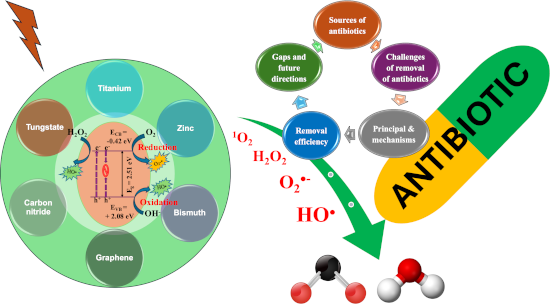
- particularly high when the dipole moment exceeds 2.0 D. The hybridization of halogens does not impact electron mobility. However, it does lead to a decrease in hole mobility while possibly enhancing the separation of charge carriers [94]. In order to enhance the photocatalytic activity of BiOX, significant



Preferential enrichment and extraction of laser-synthesized nanoparticles in organic phases
Beilstein J. Nanotechnol. 2025, 16, 254–263, doi:10.3762/bjnano.16.20
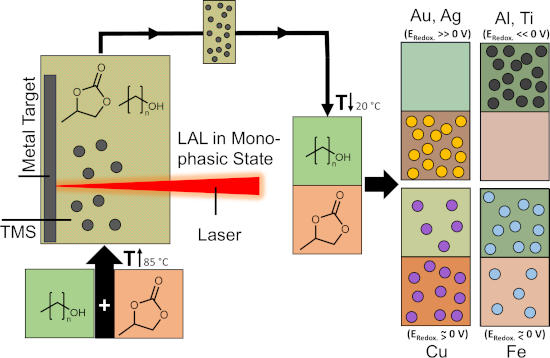
- of gold in acetone did not lead to carbon shells, whereas the formation of carbon shells during the LAL of copper in acetone has been reported [35]. This observation was discussed to be linked to the catalytic activity of copper for C–C bond formation [53][54]. Accordingly, a stronger carbon
- rates also lead to different reactivity with the cooling solvent molecules that set the final surface chemistry of the particles and, thereby, affect their phase preference. Since the standard electrochemical reduction potential of Cu and Fe is close to 0 V, the different polarities of propylene
- two solvents in both phases could be related to two possibilities. First, the mixing of the solvents affects the phase separation, which was previously associated with a decrease in colloidal stability if the phase separation was too fast. The mixing of the solvents can lead to a faster or slower


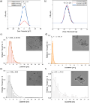


Radiosensitizing properties of dual-functionalized carbon nanostructures loaded with temozolomide
Beilstein J. Nanotechnol. 2025, 16, 229–251, doi:10.3762/bjnano.16.18
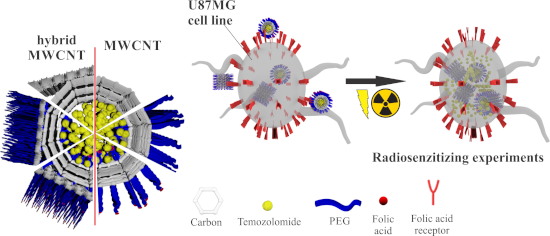
- surrounding, high levels and different mechanisms of drug resistance and radiation tolerance, as well as a blocking effect of the blood–brain–tumor barrier (BBTB) for drug permeation into the brain extracellular matrix lead to high recurrence rates (in up to 90% of patients) even when complete treatment is
- -methylguanine lesions and/or mutations that ultimatively avoid mismatch repair system and lead to apoptosis, autophagia, and cell senescence. Aside from the methylation in the O6 position of guanine, TMZ has shown an ability to alkylate other macromolecules with an important role in many cell processes related




Recent advances in photothermal nanomaterials for ophthalmic applications
Beilstein J. Nanotechnol. 2025, 16, 195–215, doi:10.3762/bjnano.16.16
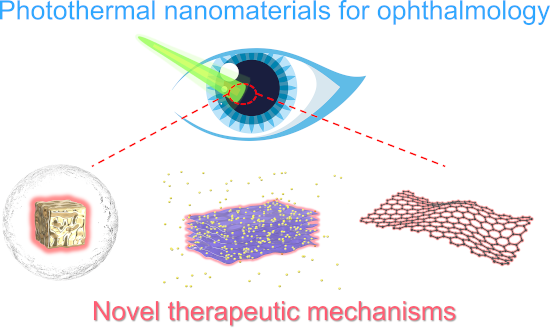
- photochemical reactions [30][31]. UV light helps the skin synthesize vitamin D, but excessive exposure to UV light may lead to DNA damage, sunburn, and photochemical damage [32][33]. Visible and NIR light with longer wavelengths have lower photon energies and are safer for use in the human body [34]. The
- [118]. Factors such as aging, myopia, or diabetes can lead to the liquefaction of this vitreous gel and the accumulation of collagen fibers, resulting in turbidity that casts shadows on the retina, manifesting as floaters in a patient’s field of vision (Figure 4a) [119][120]. Vitreous opacity can
- , over time, the excessive proliferation of conjunctival fibroblasts and remodeling of collagen around the vesicles can lead to the failure of the surgical effects [144]. The primary strategy to counter fibrosis has been the use of antimetabolic drugs, but this often leads to complications like filter


A review of metal-organic frameworks and polymers in mixed matrix membranes for CO2 capture
Beilstein J. Nanotechnol. 2025, 16, 155–186, doi:10.3762/bjnano.16.14
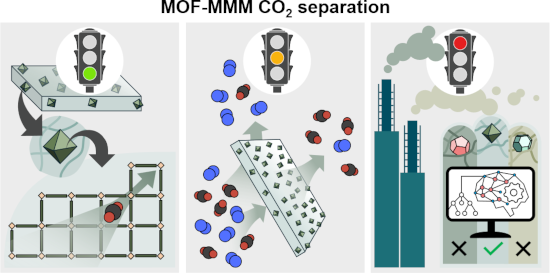
- membranes exhibit superior thermal, chemical, and mechanical stability compared to organic membranes [72][73][74]. However, inorganic membranes tend to be brittle, which can lead to crack formation in the finalized membrane, thereby reducing their selective properties. While organic membranes typically
- -labile linkers that can be labilized and cleaved provides a way to expand or contract MOF pores post-synthetically in a controlled manner [107][108]. In addition, the choice of metal ion comprising the MOF nodes may also be altered to change the MOF pore size, though this may lead to changes in the




Comparison of organic and inorganic hole transport layers in double perovskite material-based solar cell
Beilstein J. Nanotechnol. 2025, 16, 119–127, doi:10.3762/bjnano.16.11
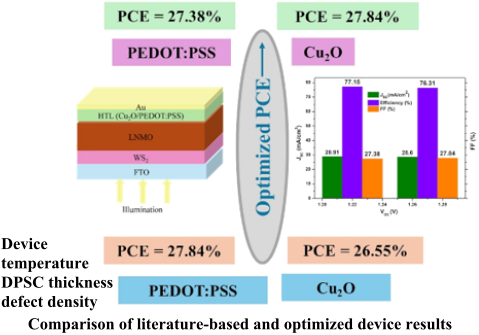
- Deepika K Arjun Singh Department of Applied Sciences, The Northcap University, Gurugram, India 10.3762/bjnano.16.11 Abstract Perovskite solar cells (PSCs) are in the focus of the photovoltaic industry. Lead-free double perovskite solar cells (DPSCs) have become an essential alternative of lead
- perovskite layer calculated via SCAPS-1D [13]. In 2023, Alla et al. simulated, using SCAPS-1D, a Cs2CuSbX6-based DPSCs with an efficiency exceeding 29% [14]. In 2023, Singh et al. optimized a lead-free DPSC with La2NiMnO6 as absorber layer, Cu2O as HTL, and ZnOS as an ETL. They obtained an efficiency of
- are given in Table 1. Experimental Verification In 2024, a lead-free DPSC was both designed and fabricated. The included LNMO material was synthesized using the sol–gel method. The experimental and simulated J–V curves showed PCEs of 4.5 % and 10%, respectively. For the simulation, TiO2 was used as


Nanocarriers and macrophage interaction: from a potential hurdle to an alternative therapeutic strategy
Beilstein J. Nanotechnol. 2025, 16, 97–118, doi:10.3762/bjnano.16.10

- saturation of the uptake with other non-toxic NPs administered as a pre-treatment. The disruption of lysosome and endocytotic processes causes the engulfment of KCs and the temporary blockade of the MPS. Although the induced modulation of innate immunity is effective, these strategies may lead to an
- surface with hydrophilic polymers such as PEG. PEGylation is widely used for its “stealth” effect, hindering protein adsorption on the hydrophobic polymer surface by steric repulsion [36]. However, the long-term use of PEGylated NCs for treating chronic diseases can lead to side effects, such as
- system erroneously targets liver cells, causing inflammation that can lead to liver failure if not properly managed. AIH can affect individuals of any age, gender, or ethnicity, though it is more prevalent in females and typically presents during adolescence or middle age [101]. The pathogenesis of AIH


Advanced atomic force microscopy techniques V
Beilstein J. Nanotechnol. 2025, 16, 54–56, doi:10.3762/bjnano.16.6
- monolayers (SAMs) and conducting AFM [10]. The authors find that rougher surfaces lead to stronger variations in conductivity, and it is suggested that a correlation of topography and conductivity maps is carried out to identify suitable areas for a representative averaging of conductivity values. Müller et
A nanocarrier containing carboxylic and histamine groups with dual action: acetylcholine hydrolysis and antidote atropine delivery
Beilstein J. Nanotechnol. 2025, 16, 11–24, doi:10.3762/bjnano.16.2
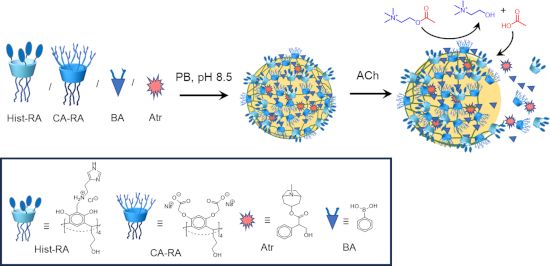
- of acetylcholine lead to serious disturbances in the functioning of the nervous system, including death. The need for rapid administration of an antidote to restore esterase activity is critical, but practical implementation of this is often difficult. One promising solution may be the development of


Orientation-dependent photonic bandgaps in gold-dust weevil scales and their titania bioreplicates
Beilstein J. Nanotechnol. 2025, 16, 1–10, doi:10.3762/bjnano.16.1
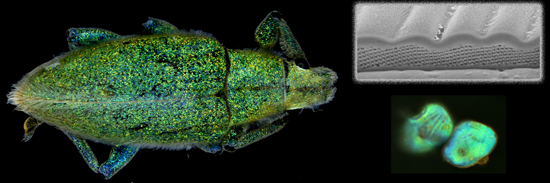
- of 1.55 to 2.00. The study suggests that the effective refractive index of titania in the 3D lattice is similar to that in sol–gel films. The study demonstrates the potential of replicating complex biophotonic structures using the sol–gel technique. Optimization of the sol–gel process could lead to
- porosity might lead to the closing of the photonic bandgap at the effective refractive index of about 2.1 [17]. Conclusion The gold-dust weevil’s scales house a complex photonic system that influences coloration and light interaction through a three-dimensional diamond-type chitin–air photonic crystal


Attempts to preserve and visualize protein corona on the surface of biological nanoparticles in blood serum using photomodification
Beilstein J. Nanotechnol. 2024, 15, 1654–1666, doi:10.3762/bjnano.15.130
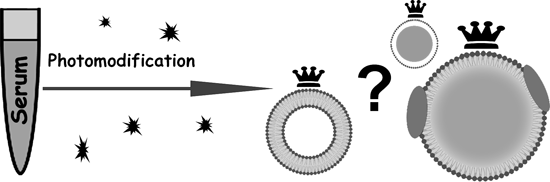
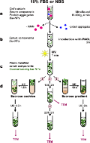
- ultrastructure of the resulting particles. The obtained results allowed us to conclude that the “natural” protein corona is present on EVs and LPs; it can be fixed by the photomodifier and visualized by TEM. Isolation on a sucrose gradient (12%, 30% and 50%) did not lead to a positive result; the protein corona



Fabrication of hafnium-based nanoparticles and nanostructures using picosecond laser ablation
Beilstein J. Nanotechnol. 2024, 15, 1639–1653, doi:10.3762/bjnano.15.129
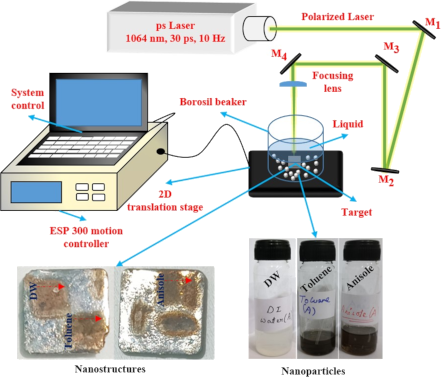
- laser pulses sometimes causes a reaction between the surrounding liquid medium and ablated target molecules, which may lead to the formation of unusual or non-equilibrium nanodimensional products [25][26][28][29]. Only few works on the laser ablation of Hf in liquid media have been reported in the