Search results
Search for "adhesion" in Full Text gives 469 result(s) in Beilstein Journal of Nanotechnology. Showing first 200.
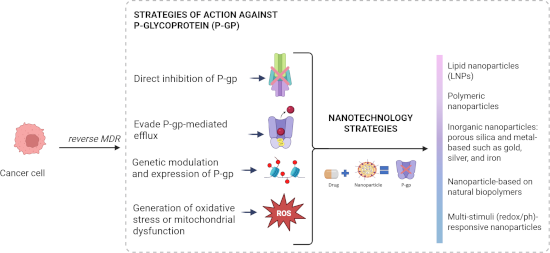
Nanocarrier strategies to overcome P-glycoprotein-mediated drug resistance in cancer therapy
Beilstein J. Nanotechnol. 2026, 17, 882–921, doi:10.3762/bjnano.17.64


Sustainable fabrication of 2D-based devices through reuse of substrates with microfabricated electrodes
Beilstein J. Nanotechnol. 2026, 17, 818–827, doi:10.3762/bjnano.17.58
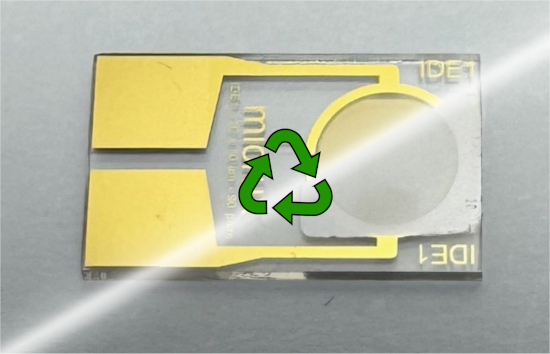
- and isopropyl alcohol (IPA) rinse and nitrogen blow-drying. This procedure is designed to remove residual 2D materials and adhesives from the substrates. The selection of cleaning solvent is critical and guided by the physical properties required to overcome the strong adhesion at the 2D material
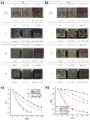
- effectively removes the MoS2 flakes while preserving the structural integrity of the electrodes, indicating that the method is compatible with different adhesion layers used beneath Au. The insets in Figure 2 provide zoomed-in optical images that further illustrate the removal of material from the electrode
- in gold-assisted exfoliation methods) [43][44]. Interestingly, in devices that had not been annealed, the entire flake was more easily removed, presumably due to weaker adhesion resulting from interfacial adsorbates or trapped air (see Supporting Information File 1, Figure S12). Despite the


Substrate-dependent pore formation in molybdenum disulfide monolayers under ion irradiation
Beilstein J. Nanotechnol. 2026, 17, 769–780, doi:10.3762/bjnano.17.54
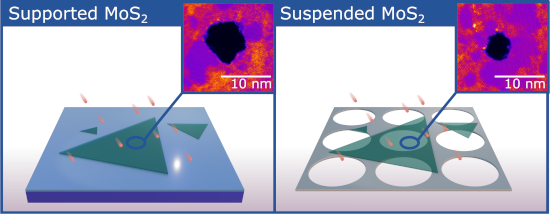
- irradiation of MoS2 on Au, a substrate suitable for mechanical exfoliation is first prepared. A 5 nm Ti adhesion layer is deposited onto SiO2, followed by the deposition of a 25 nm Au film. Immediately after deposition, MoS2 is mechanically exfoliated onto the freshly prepared Au surface. After irradiation on


Interface-engineered Caco-2 cell culture on a collagen-coated liquid–liquid interface in a microfluidic device
Beilstein J. Nanotechnol. 2026, 17, 760–768, doi:10.3762/bjnano.17.53
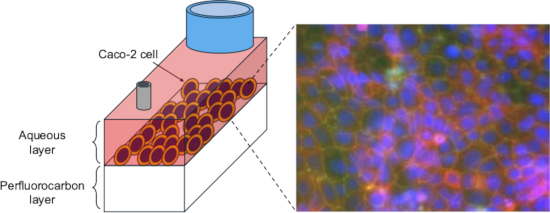
- substrates, which limit the physicochemical flexibility of the cellular microenvironment. Here, we introduce a microfluidic platform in which a collagen-coated liquid–liquid interface formed between perfluorocarbon (FC-43) and culture medium serves as a substrate for epithelial cell adhesion. By culturing
- as a cell-adhesion substrate for epithelial cells (Figure 1A). The rectangular cuboid-shaped microfluidic device allows for stable formation of the liquid–liquid interface for cell culture by sequential flow manipulation (Figure 1B). Using Caco-2 cells, a well-known epithelial cell line, we
- that is sufficiently robust to support cell adhesion. Caco-2 cells monolayer maturation Immunofluorescence staining was performed to observe the characteristics of cultured Caco-2 cells as an intestinal epithelial model. Figure 6 shows a comparison of immunofluorescence images of ZO-1, F-actin, and


Protein-based custom-designed molecular nanotraps for biomedical applications
Beilstein J. Nanotechnol. 2026, 17, 683–687, doi:10.3762/bjnano.17.47
- encoding biological functions (e.g., cell adhesion sequences such as RGD), which could lead to unintended biological interactions and off-target effects. Resulting from these considerations, the route to turn the first evidences on the potential of bioMIPs into consolidated nanomaterials for biomedical

Probing tribological evolution in atomically thin MoS2 at different scales
Beilstein J. Nanotechnol. 2026, 17, 586–597, doi:10.3762/bjnano.17.40
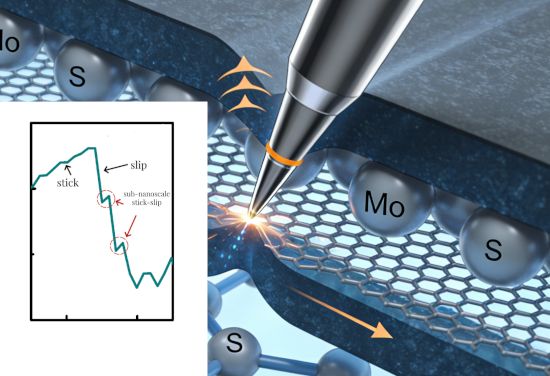
- same line was obtained. The applied loads of the tip for the atomic-scale stick–slip measurement were set to 10–100 nN, and the velocities were set to 10–40 nm·s−1. To ensure data reliability, (1) AFM tip wear was excluded by measuring tip–MoS2 adhesion before and after friction test (adhesion remained
- lengths above 100 nm) of MoS2 films induced by substrate adhesion, sliding velocity, and chemical composition of the tip [11][12]. These long-range distortions are present in our experimental system and modulate the tip–MoS2 contact geometry, which is not fully considered in the MD simulations [11][12


Nanocarrier-integrated multilayer films produced by 3D printing for improved skin adhesion and curcumin photostability
Beilstein J. Nanotechnol. 2026, 17, 440–453, doi:10.3762/bjnano.17.30
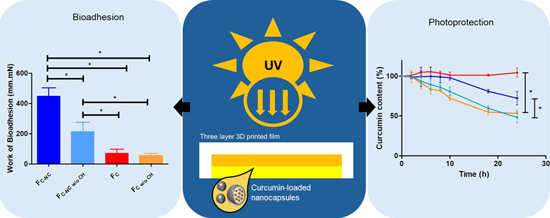
- antioxidant compound. The development of topical films for cutaneous delivery faces several challenges, including the need for strong skin adhesion and the protection of photolabile actives from light exposure. We hypothesized that multilayered films designed for the cutaneous delivery of curcumin and
- -layer system produced through additive manufacturing. At present, specific strategies to protect curcumin in topical films from UV-induced degradation have not been extensively investigated, and studies focusing on improving the skin-adhesion properties of curcumin-containing topical films remain
- calorimeter (Shimadzu DSC-60), at a heating rate of 10 °C/min, from room temperature to 300 °C. N2 gas was used at a flow rate of 50 mL/min. All film components (chitosan, CMC and alginate), as well as the resulting films (FC-NC and FC) were analysed separately. Skin adhesion measurements Bioadhesion tests of


First-principles study on elastic properties of Cu, (Cu1−x,Nix)3Sn and interfacial mechanical properties of (Cu1−x,Nix)3Sn/Cu in the lead-free solder joint
Beilstein J. Nanotechnol. 2026, 17, 428–439, doi:10.3762/bjnano.17.29
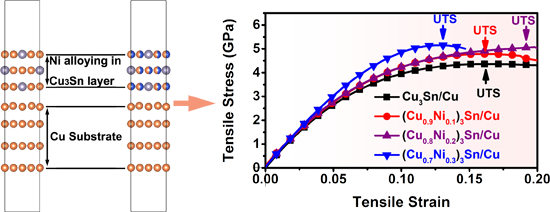
- alloying strategies to meet the requirements for electronic device miniaturization and harsh environmental applications. Keywords: ductility; elastic modulus; interfacial toughness; lead-free solder; work of adhesion; Introduction Due its toxicity, lead has caused serious problems in human health and
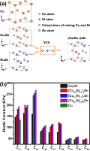
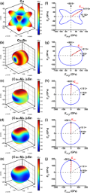
- ductility in terms of elastic moduli. Subsequently, the orientation-dependent Young’s moduli of Cu and (Cu1−xNix)3Sn were calculated. Finally, tensile modulus, ultimate tensile stress, work of adhesion, and interfacial toughness of (Cu1−xNix)3Sn/Cu were calculated based the interface model with the
- orientation relationship of (001)ε//(111)Cu and [100]ε//[−110]Cu; the underlying mechanisms responsible for the influence of Ni alloying on the work of adhesion and interfacial toughness are demonstrated. Methods In this study, first-principles calculations within the framework of density functional theory


Biomimetic nanoparticles in cancer photodynamic therapy: a review of targeted delivery systems and therapeutic outcomes
Beilstein J. Nanotechnol. 2026, 17, 396–422, doi:10.3762/bjnano.17.27
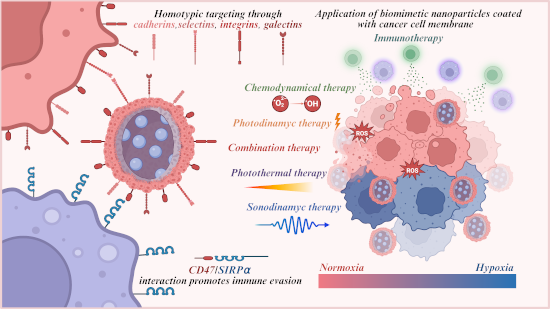
- by proteins present on their plasma membranes, which not only serve structural roles but also mediate cell–cell adhesion, either homotypic or heterotypic, depending on molecular affinity. The primary mechanisms underlying homotypic binding involve various classes of adhesion proteins, such as
- integrins, selectins, cadherins, and members of the immunoglobulin superfamily (IgSF). Integrins typically interact with the extracellular matrix, whereas selectins, cadherins, and IgSF proteins are primarily responsible for cell–cell adhesion [89]. The cytoplasmic and extracellular domains of these
- times in αVβ3-positive U-87 MG glioblastoma cells compared to αVβ3-negative HeLa cells [90]. In urological cancers, integrin α5β1 is upregulated, facilitating cell adhesion to fibronectin; PHSCN peptide-targeted BNPs have shown efficacy in inhibiting prostate cancer metastasis in preclinical and


Polycatecholamine nanocoatings on stainless steel: the effect on attachment of human fibroblasts and platelets
Beilstein J. Nanotechnol. 2026, 17, 365–380, doi:10.3762/bjnano.17.25
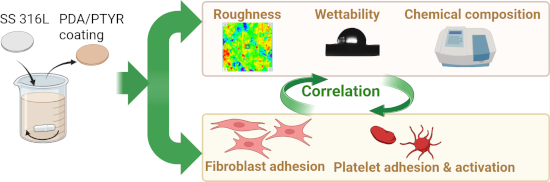
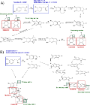
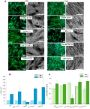
- their influence on interactions with fibroblasts and platelets. Our results show that PTYR nanocoatings significantly reduced platelet adhesion and activation, whereas PDA coatings, due to their higher primary amine content, could in some cases enhance platelet adhesion. Furthermore, fibroblast
- attachment was primarily influenced by coating roughness, with a specific threshold beyond which adhesion did not increase or was negatively impacted. These findings highlight the potential of engineered PTYR nanocoatings for developing advanced hemocompatible surfaces for biomedical implants. Keywords
- oxide and forsterite nanoparticles, all of which were shown to enhance fibroblast adhesion, migration, or proliferation [2][3][4][5]. Beyond orthopedic and dental uses, SS 316L is a standard material for cardiovascular implants, particularly stents, due to its strength, ductility and ability to form




Beam shaping techniques for pulsed laser ablation in liquids: Unlocking tunable control of nanoparticle synthesis in liquids
Beilstein J. Nanotechnol. 2026, 17, 309–342, doi:10.3762/bjnano.17.22
- mass in suspension. Incomplete solvent evaporation or residual organics can bias gravimetric results, making vacuum drying preferable. NP adhesion to container walls requires vessel washing, and aggregation during or after ablation may need sonication or size-separation steps. Overall, gravimetry







Advancing nanolithography: a comprehensive review of materials for local anodic oxidation with AFM
Beilstein J. Nanotechnol. 2026, 17, 275–291, doi:10.3762/bjnano.17.19
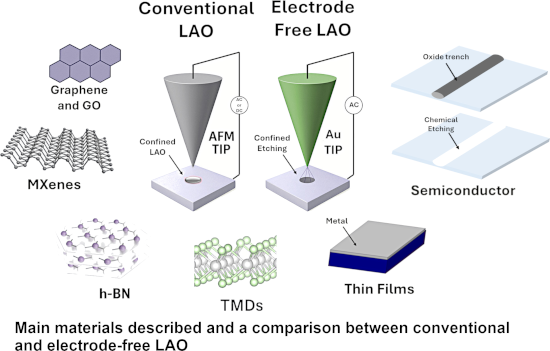
- functional surfaces tailored for medical applications [114]. By leveraging LAO’s precise patterning capabilities, researchers can develop surfaces with nanoscale features that promote specific interactions with biological systems. For instance, functionalized surfaces could enhance cell adhesion, guide


Durable antimicrobial activity of fabrics functionalized with zeolite ion-exchanged nanomaterials against Staphylococcus aureus and Escherichia coli
Beilstein J. Nanotechnol. 2026, 17, 262–274, doi:10.3762/bjnano.17.18
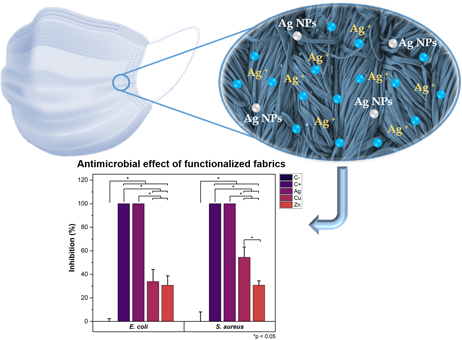
- nanoparticles act against viruses involves the interaction with the surface of the NPs, leading to adhesion and inactivation, thereby preventing the virion from entering the host cell. NPs release ions or transfer them to microorganisms, inducing oxidative stress. Given these possible mechanisms, viral
- antimicrobial activity observed after five washing cycles further supports the strong adhesion and stability of the metal-loaded zeolites on the fabric surface. Based on those experiments, only minimal metal leaching during washing is expected. Conclusion This study successfully demonstrates the
- , consistent with their known antimicrobial properties. Notably, the treated fabrics retained substantial biocidal activity even after multiple washing cycles, indicating the strong adhesion and stability of the zeolite-based nanomaterials. These findings highlight the potential of zeolite-supported metal ions




Micro- and nanoscale effects in biological and bioinspired materials and surfaces
Beilstein J. Nanotechnol. 2026, 17, 214–217, doi:10.3762/bjnano.17.14
- Chimica, Biologia e Biotecnologie, University of Perugia, Via Elce di Sotto 8, 06121 Perugia, Italy 10.3762/bjnano.17.14 Keywords: adhesion; bioengineering; functional morphology; material properties; medical coatings; microstructures; nanostructures; optics; structure–function relationships; Micro- and
- nanostructures play a crucial role in shaping the physical and functional properties of living organisms. They are the basis of key biological phenomena, such as coloration, adhesion, and mechanical stability, and influence the way how organisms interact with light, fluids, and forces at different scales. The
- bioinspired surfaces and their tribological characteristics (friction, wear resistance, and adhesion), as well as self-cleaning and optical properties, underscoring the overarching aim of the symposium to integrate biological phenomena and materials science towards biomimetic approaches. The fruitful
Influence of surface characteristics on the in vitro stability and cell uptake of nanoliposomes for brain delivery
Beilstein J. Nanotechnol. 2026, 17, 139–158, doi:10.3762/bjnano.17.9
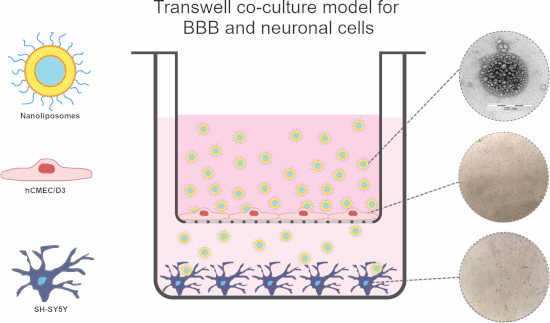
- uncompetitive movement of the nanosystems, either directly through membrane phospholipids (simple diffusion) or in combination with membrane proteins (facilitated diffusion) [8][34]. Therefore, endocytosis is a process that occurs through membrane–particle adhesion followed by elastic deformation of the cell
- cell recognition, cell membrane adhesion and interactions, the internalization mechanisms, as well as the intracellular trafficking of nanosystems since it gives them new biological identity [39]. The impact of PC on particle–cell interactions varies based on particle properties and cellular components
- formation. Hence, these results only confirm the statement regarding the opposite dependence between the particle size and hCMEC/D3 liposomal uptake and adhesion as well as the alterations on the internalization promoted by the adsorbed serum proteins onto the surface of NLs [46]. On the other hand, NLb2




Development and in vitro evaluation of liposomes and immunoliposomes containing 5-fluorouracil and R-phycoerythrin as a potential phototheranostic system for colorectal cancer
Beilstein J. Nanotechnol. 2026, 17, 97–121, doi:10.3762/bjnano.17.7
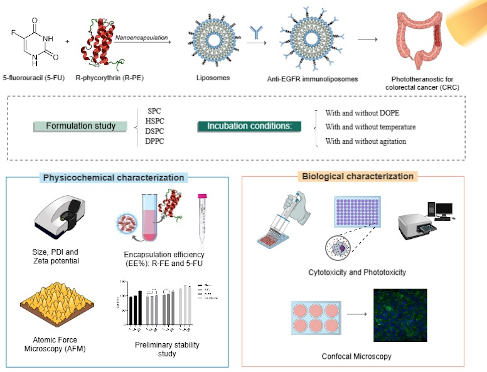
- ™ 488. 2.7 Cellular uptake Cellular internalization was assessed by confocal microscopy. For confocal microscopy, 1 × 10⁶ cells were seeded onto 6-well plates containing sterile cover slides and 1 mL of culture medium per well. After allowing cell adhesion overnight, the culture medium was removed and 1
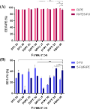
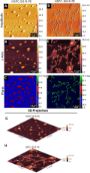
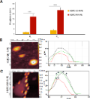
- dehydration process and adhesion forces onto the substrate [57][58]. On the other hand, the z-axis and 3D projections for HSPC-IM-R-PE (Figure 3E and Figure 3H, respectively) demonstrated a more irregular nanoparticle surface, with visibly rougher and more heterogeneous topography, a result consistent with



Functional surface engineering for cultural heritage protection: the role of superhydrophobic and superoleophobic coatings – a comprehensive review
Beilstein J. Nanotechnol. 2026, 17, 63–96, doi:10.3762/bjnano.17.6
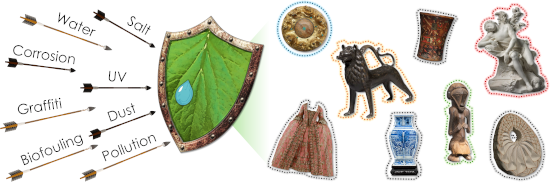
- acrylic resin (B44) or INCRALAC) and waxes (like Carnauba wax) are still widely used, often in combination with each other, being easily commercially available and well-established solutions for quick metal, glass, or stone artwork protection (especially for frescoes). They have good initial adhesion and
- stages of application [51]. For these reasons trend is to use other engineered materials. The tailoring of coating materials must be guided by the nature of the substrate since porosity, roughness, and coating thickness directly affect adhesion, durability, hydrophobicity, and ultimately compliance with
- Penteli) using a simple layer-by-layer spray surface functionalization technique. The authors claimed that the components were water-soluble, easily accessible, and with the possibility to tune properties like adhesion, self-healing, and weathering resistance by optimizing the procedure for their




Subdigital integumentary microstructure in Cyrtodactylus (Squamata: Gekkota): do those lineages with incipiently expressed toepads exclusively exhibit adhesive setae?
Beilstein J. Nanotechnol. 2026, 17, 38–56, doi:10.3762/bjnano.17.4
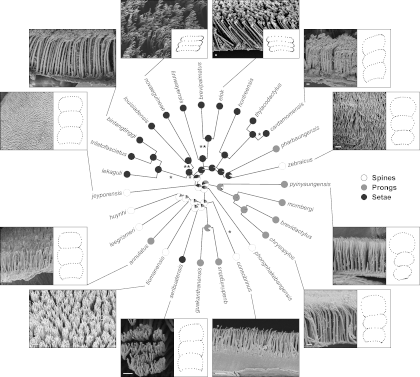
- surfaces, either by employing dry adhesion via microstructures, or wet adhesion, which is additionally supported by secretions [1][2][3][4][5]. In lizards, subdigital adhesive microstructures facilitating dry adhesion evolved independently in anoles, some skinks, and multiple times in geckos [3][6][7][8
- , in association with a long stalk, the resulting low effective bending stiffness could hinder the proper function of the spatulate tips, which depend on van der Waals forces to achieve effective adhesion [74][75][76][77][78][79]. Given that density is calculated as the number of stalks per unit area
- setae are known to enhance adhesion on inclined smooth surfaces [80][81][82], which are more prevalent in arboreal than in saxicoline habitats [31][83]. Conversely, species occupying terrestrial or generalist habitats were expected to lack traits associated with the enhancement of adhesive capabilities


Quantitative estimation of nanoparticle/substrate adhesion by atomic force microscopy
Beilstein J. Nanotechnol. 2026, 17, 1–14, doi:10.3762/bjnano.17.1

- , Leoben, Austria 10.3762/bjnano.17.1 Abstract Understanding nanoparticle adhesion to substrates is the key for their stability and performance in many applications, including energy systems, nanofabrication, catalysis, and electronic devices. In this study, we present a methodology for examining adhesion
- calibration achieved through wedge and diamagnetic lateral force calibrator methods. The work of adhesion was quantified by integrating the obtained lateral forces over the distance moved during manipulation, revealing a non-monotonic dependency on nanoparticle size with maximum adhesion observed for
- particles between 6 and 12 nm. In addition, an applied positive substrate bias voltage led to more energetic landing conditions and thus to increased adhesion forces. This study underscores the suitability of atomic force microscopy in characterizing adhesion on the nanoscale and offers insights into future



Multifrequency AFM integrating PeakForce tapping and higher eigenmodes for heterogeneous surface characterization
Beilstein J. Nanotechnol. 2025, 16, 2077–2085, doi:10.3762/bjnano.16.142
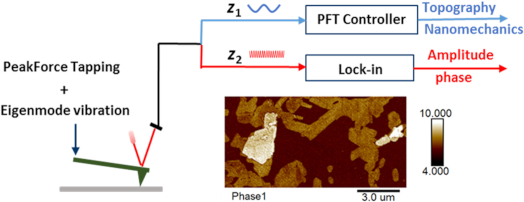
- environments such as liquids [18][19]. As demonstrated by force–distance curve analyses [19], PFT enables direct extraction of quantitative mechanical properties (e.g., Young’s modulus and adhesion) for material discrimination. However, this capability is constrained by the requirement for precise probe
- stiffness, insufficient sample deformation led to significant variability in modulus measurements (Figure 3b), indicating the ScanAsyst-Air probe was unsuitable for reliable Young’s modulus quantification. Comparative analysis revealed a high degree of similarity in the topography, modulus, and adhesion
- phase images compared to adhesion maps. Notably, the third eigenmode phase image provided the highest contrast, enabling clear distinction between thinner and thicker nanosheet regions. For the NSC15/Al BS probe (Figure 4), the lock-in amplifier detected the first two eigenmodes. Measurements were


Molecular and mechanical insights into gecko seta adhesion: multiscale simulations combining molecular dynamics and the finite element method
Beilstein J. Nanotechnol. 2025, 16, 2055–2076, doi:10.3762/bjnano.16.141
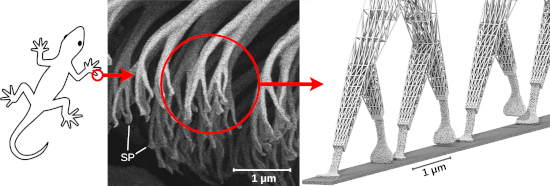
- University, Am Botanischen Garten 1–9, D-24118 Kiel, Germany 10.3762/bjnano.16.141 Abstract Gecko adhesion, enabled by micro- and nanoscale structures known as setae and spatulae, has prompted extensive research. We present a concurrent multiscale computational model of a seta that integrates molecular
- . The model reproduces key aspects of spatula behavior during adhesion and detachment, showing that spatula–substrate contact evolves through a combination of bending, sliding, and peeling, depending on the spatula’s initial orientation. Our results further demonstrate that lateral sliding can delay
- detachment, thereby enhancing adhesion strength. The computed pull-off forces and observed mechanisms are consistent with atomic force microscopy measurements and previous simulations. These results align with existing experimental and computational studies. They also overcome scale and resolution






Beyond the shell: exploring polymer–lipid interfaces in core–shell nanofibers to carry hyaluronic acid and β-caryophyllene
Beilstein J. Nanotechnol. 2025, 16, 2015–2033, doi:10.3762/bjnano.16.139
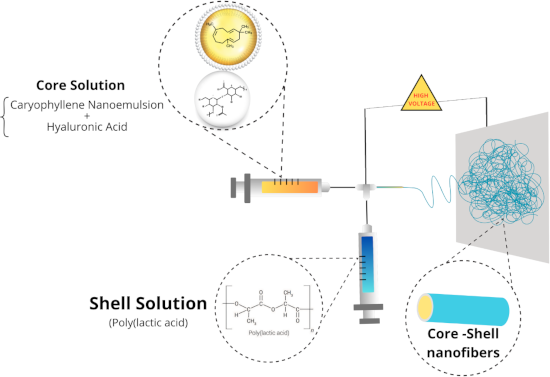
- an interconnected nanoarchitecture, forming a membrane with porosity that enhances surface hydrophobicity and promotes strong adhesion forces with water [61]. In core–shell nanofibers, the use of PLA as the shell inherently implies that the nanofibers will exhibit a hydrophobic surface due to the
- hydrophobicity, indicating strong anti-bioadhesive properties. This feature is particularly advantageous for preventing membrane adhesion to tissues, such as in tendon and abdominal surgeries [78], and can also reduce bacterial adhesion [79], enhance resistance to moisture, and protect the hydrophilic core from
- of the core, suggests a viable mechanism for the controlled release of active ingredients through diffusion. The high surface hydrophobicity of the nanofibers, confirmed by contact angle measurements, reinforces their potential use in applications that require low tissue adhesion, such as non




The cement of the tube-dwelling polychaete Sabellaria alveolata: a complex composite adhesive material
Beilstein J. Nanotechnol. 2025, 16, 1998–2014, doi:10.3762/bjnano.16.138
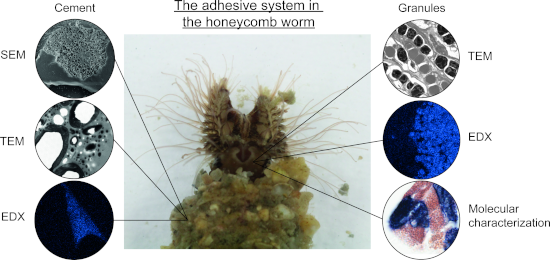
- underwater adhesive materials for various applications, particularly in the industrial and biomedical fields [3][4]. Polychaetes of the family Sabellariidae are one of the model organisms that have been studied extensively for their adhesion and have fascinated researchers since the 18th century [5]. Two
- occurrence of protein phosphorylation in biological adhesion has been reported in various organisms such as sandcastle worms, sea cucumbers, and mussels, and proposed to be an important component for their adhesion [19][44]. For example, mfp-5, an adhesive protein found in the mussel foot, has been shown to
- acids in adhesion, the enzymes involved in phosphorylation are not fully understood. In a previous study, researchers attempted to identify and locate a serine kinase responsible for phosphorylating the serine residues of the Pc-3 adhesive proteins in P. californica, but the sequence could not be found



Laser ablation in liquids for shape-tailored synthesis of nanomaterials: status and challenges
Beilstein J. Nanotechnol. 2025, 16, 1963–1997, doi:10.3762/bjnano.16.137
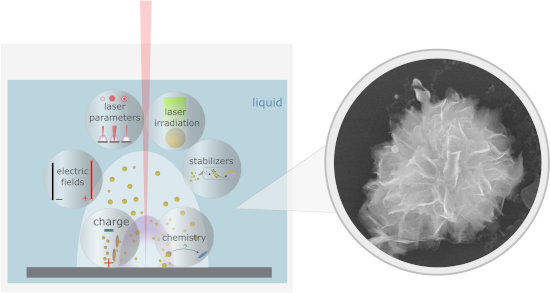
- nanostructures for both wavelengths used. Therefore, the authors attribute the formation of sheet-shaped particles to the adhesion of the spherical NPs. The increase of the laser pulse energy favoured the formation of spherical particles and hindered the growth of sheet-shaped structures, which the authors
- explained by the decrease of the adhesion of NPs. The variation of the NP shape can be more significant in organic liquids. For example, Singh et al. [33] produced drop-shaped ZnO quantum dots by laser ablation of Zn in methanol, which were prone to spontaneous self-assembly after the end of the synthesis




Mechanical property measurements enabled by short-term Fourier-transform of atomic force microscopy thermal deflection analysis
Beilstein J. Nanotechnol. 2025, 16, 1952–1962, doi:10.3762/bjnano.16.136
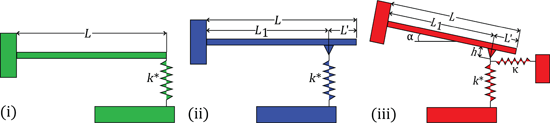
- of adhesion, which can be calculated from the pull-off force in experiments. We calculated the Tabor parameter, μT, and the transition parameter, λ, for each material pair, which are given in Table 2. Rather than fitting data with Tabor parameters smaller than 0.1 with the DMT model and greater than