


Search results
Search for "chemical synthesis" in Full Text gives 242 result(s) in Beilstein Journal of Organic Chemistry. Showing first 200.
One-pot four-component sequential synthesis of S-alkyl dithiocarbamates using lipase as a biocatalyst
Beilstein J. Org. Chem. 2026, 22, 1048–1056, doi:10.3762/bjoc.22.83
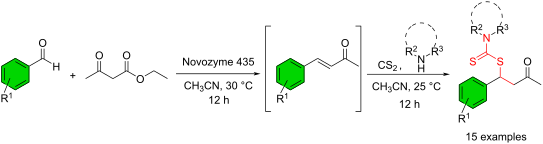
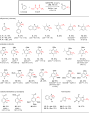
- , and polymerization agents, further enhancing their importance in chemical synthesis [15][16]. Figure 1 shows a selection of pharmaceutical agents and agrochemicals that incorporate S-alkyl dithiocarbamate scaffolds. Given their significant bioactivity and extensive applications, ongoing research into


Total synthesis of the capsular polysaccharide repeating unit towards the development of a glycoconjugate vaccine against Klebsiella pneumoniae ST512
Beilstein J. Org. Chem. 2026, 22, 821–827, doi:10.3762/bjoc.22.64
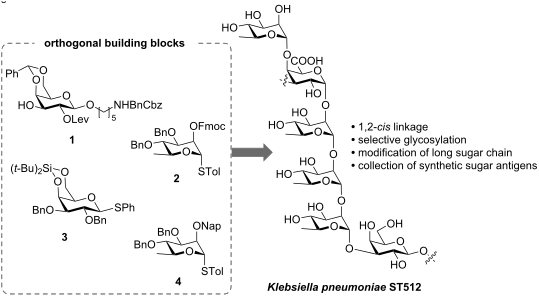
- repeating unit {3)-[α-ʟ-Rhap-(1→4)]-α-ᴅ-GalpA-(1→2)-α-ʟ-Rhap-(1→2)-α-ʟ-Rhap-(1→2)-α-ʟ-Rhap-(1→3)-β-ᴅ-Galp-(1→}n (Figure 1) [13]. The chemical synthesis of this molecule is challenging due to the stereoselective formation of the 1,2-cis glycosidic linkage on the galacturonic acid core. In addition, the
- assembly and subsequent functionalization of long oligosaccharide chains are hampered by their intrinsically low reactivity [29]. Overcoming these challenges relying on a linear strategy employing four key building blocks 1–4, we describe the first chemical synthesis of the hexasaccharide repeating unit


Synthetic study of vic-bromination of diarylacetylenes, easy purification and separation
Beilstein J. Org. Chem. 2026, 22, 795–802, doi:10.3762/bjoc.22.61
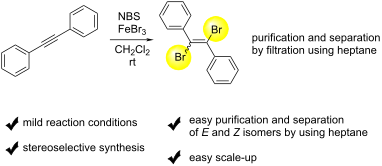
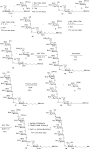
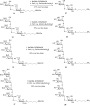
- 57% yield of E-2a. Based on these investigations, we have adopted the conditions of Table 1, entry 2, because better chemical yield of E-2a as well as a higher ratio of E-2a/Z-2a/1a with short reaction time were attractive for chemical synthesis in the laboratory [21]. Next, we have investigated the



Rongalite addition to dienones: diastereoselectivity in cyclic sulfone synthesis; stereochemical rationalization and prospects as a general conjugate nucleophile
Beilstein J. Org. Chem. 2026, 22, 742–752, doi:10.3762/bjoc.22.56

- molecules are desirable, particularly in the light of the general need for more sustainable chemical synthesis. Recently, there has been significant progress in the use of SO2 equivalents and bulk inorganic high oxidation state sulfur compounds for the direct incorporation of sulfones [2][3]. Despite these




Photoorganocatalytic trifluoromethylation of (het)arenes in green conditions
Beilstein J. Org. Chem. 2026, 22, 662–671, doi:10.3762/bjoc.22.50
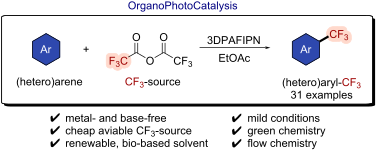
- of methodologies for efficient chemical synthesis [26][27], we report a green and sustainable protocol for the trifluoromethylation of (hetero)arenes under metal- and base-free conditions. The method employs an inexpensive CF3 source, an organic photocatalyst, visible light, and a renewable, low-cost




Regioselective approach to 5-arylsulfonylisoxazoles and their antimicrobial activity
Beilstein J. Org. Chem. 2026, 22, 592–602, doi:10.3762/bjoc.22.45
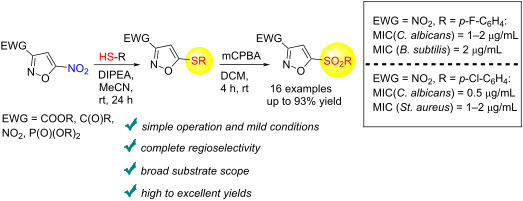
- analysis of all synthesized compounds. Funding This study was performed within the framework of the State research program “Molecular design, synthesis, and study of physiologically active compounds, advancing the methodology of medicinal chemistry, chemoinformatics, and targeted chemical synthesis” (No


Continuous-flow carbonyl hydrogenation under subatmospheric to atmospheric hydrogen pressure enabled by robust heterogeneous Pt–Fe catalysts
Beilstein J. Org. Chem. 2026, 22, 575–582, doi:10.3762/bjoc.22.43
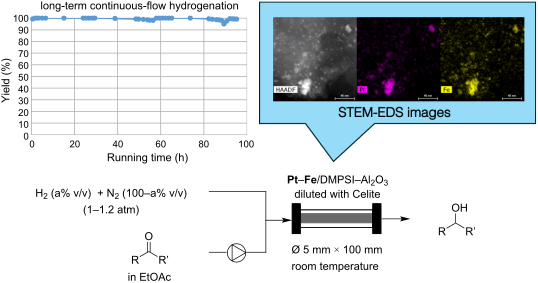
- conditions is adaptable to sustainable chemical synthesis, minimizing energy consumption and enabling the use of green hydrogen. In addition, the newly obtained insights regarding the relationships among the Fe/Pt ratios in the catalysts, the bimetallic structure, and the resulting catalytic performance for


Melifoliox B, a novel phloroglucin derivative isolated from Melicope barbigera (Rutaceae) and synthesis of new oxidation products from melifoliones A and B
Beilstein J. Org. Chem. 2026, 22, 535–546, doi:10.3762/bjoc.22.39
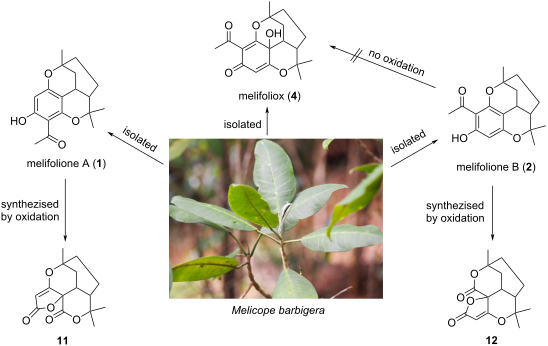
- ]pyran-3(10bH)-one (4): UV (MeOH) lmax 250 nm; NMR data see Table 1 and Table 2; HRESIMS m/z: [M + H]+ calcd. for C18H23O5, 319.1540; found, 319.1542. Chemical synthesis of compounds 1-[5,7-Dihydroxy-2-methyl-2-(4-methyl-3-pentenyl)-2H-1-benzopyran-8-yl]ethanone (5): A mixture of 2,4,6


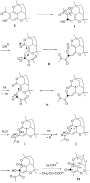

Structural reassignment of compound 968, an allosteric glutaminase inhibitor
Beilstein J. Org. Chem. 2026, 22, 455–460, doi:10.3762/bjoc.22.33
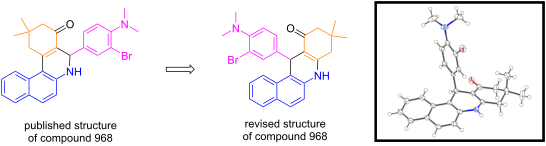
- diffractometer. Nuclear magnetic resonance spectra were recorded on a JEOL ECX400 spectrometer. Glutaminase assays were measured on a Tecan Infinite M nano spectrophotometer. Reagents and solvents for chemical synthesis were used without additional purification. Chemical synthesis 3-Bromo-4


Concept-driven strategies in target-oriented synthesis
Beilstein J. Org. Chem. 2026, 22, 451–454, doi:10.3762/bjoc.22.32

- history of science. Indeed, organic compounds have an unparalleled track record in elucidating the mysteries behind a wide range of physical, chemical, and biological phenomena, and advances in chemical synthesis have been instrumental in these explorations. Specifically, target-oriented syntheses of
- of these research efforts is the identification of “feasible” and “efficient” synthetic pathways. As mentioned in the opening paragraph, as the field of target-oriented synthesis evolves beyond mere feasibility, approaching chemical synthesis solely from a “fast and furious” perspective may not truly


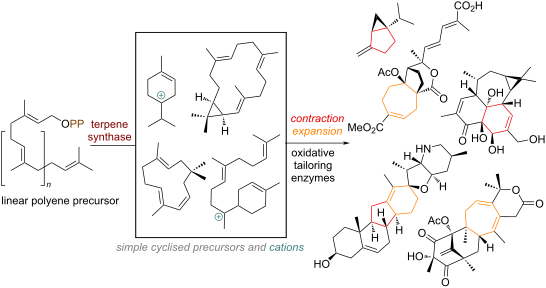
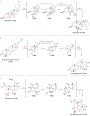
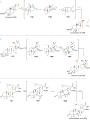
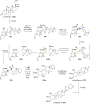
Ring contraction and ring expansion reactions in terpenoid biosynthesis and their application to total synthesis
Beilstein J. Org. Chem. 2026, 22, 289–343, doi:10.3762/bjoc.22.21






Total synthesis of asperdinones B, C, D, E and terezine D
Beilstein J. Org. Chem. 2025, 21, 2730–2738, doi:10.3762/bjoc.21.210
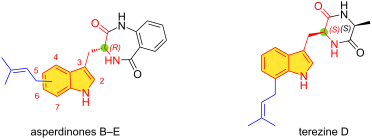
- bond formation and functional group compatibility presented unforeseen challenges. Methods for the chemical synthesis of prenyltryptophans (approach A, A–C) are scarce [25][26]. Adopting a bio-inspired approach, Ishikawa et al. treated tryptophan ethyl ester with prenyl alcohol in the presence of 2


Recent advancements in the synthesis of Veratrum alkaloids
Beilstein J. Org. Chem. 2025, 21, 2657–2693, doi:10.3762/bjoc.21.206
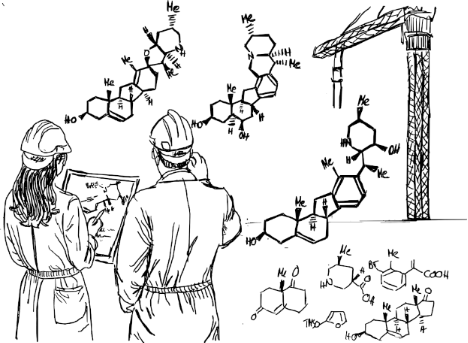
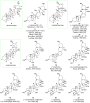
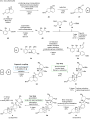
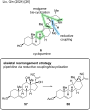
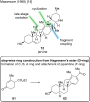
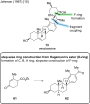
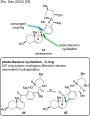
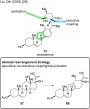
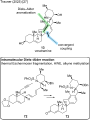
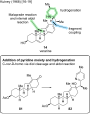
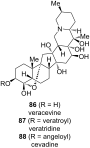
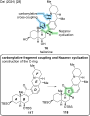
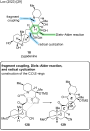
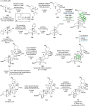
- dense stereochemistry and, thus, have stood long as benchmarks in chemical synthesis. Recently, these steroid alkaloids gained popularity as challenging targets in total synthesis, with a clear shift toward convergent strategies. Not only do these syntheses feature rapid assembly of their challenging
















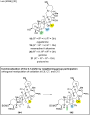
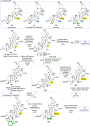
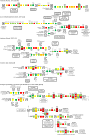
Recent advances in total synthesis of illisimonin A
Beilstein J. Org. Chem. 2025, 21, 2571–2583, doi:10.3762/bjoc.21.199
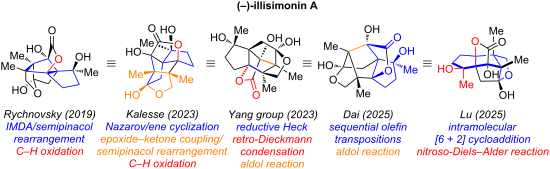
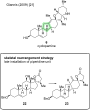
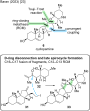
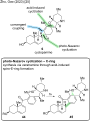
- considerable interest from synthetic chemists. Although the intricate structures of this family have posed significant challenges to chemical synthesis, more than 30 total syntheses of Illicium sesquiterpenes have been reported until now [3][4][5][6][7][8][9][10][11][12][13][14][15][16][17][18][19][20][21][22






Palladium-catalyzed regioselective C1-selective nitration of carbazoles
Beilstein J. Org. Chem. 2025, 21, 2479–2488, doi:10.3762/bjoc.21.190
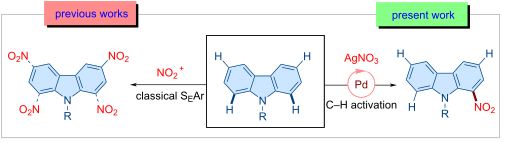
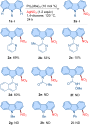
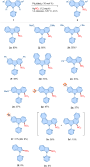
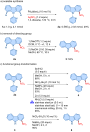
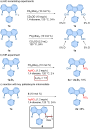
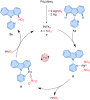
- attention has been devoted to the chemical synthesis of carbazole and its derivatives [9][10][11][12][13][14]. To access substituted carbazole cores for pharmacophores and functional materials, two main synthetic routes are: i) sequential multistep syntheses of selectively substituted carbazoles and ii


The intramolecular stabilizing effects of O-benzoyl substituents as a driving force of the acid-promoted pyranoside-into-furanoside rearrangement
Beilstein J. Org. Chem. 2025, 21, 2456–2464, doi:10.3762/bjoc.21.187
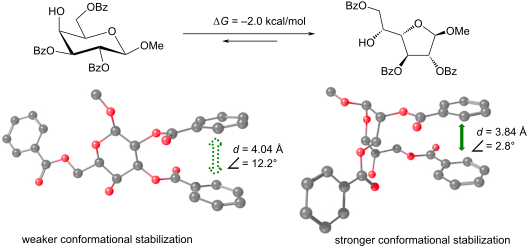
- .21.187 Abstract Furanoside derivatives are broadly present in the antigenic structures of pathogenic microorganisms and play a key role in their recognition by the host immune system. Despite the high demand for vaccine and diagnostic development, their chemical synthesis remains challenging. During the


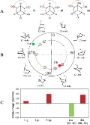

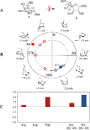

A chiral LC–MS strategy for stereochemical assignment of natural products sharing a 3-methylpent-4-en-2-ol moiety in their terminal structures
Beilstein J. Org. Chem. 2025, 21, 2243–2249, doi:10.3762/bjoc.21.171
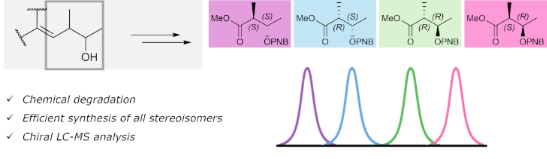
- all compounds. In this study, we developed a method to determine the absolute configuration of the terminal MPO moiety with high accuracy and sensitivity by a combination of chemical degradation, chemical synthesis, and chiral LC–MS analysis. The applicability of this method was demonstrated through
- absolute configuration of scarce natural products, including heptavalinamide A [11] and poecillastrin C [12][13] by a combination of chemical degradation, chemical synthesis, and liquid chromatography–mass spectrometry (LC–MS) analysis. The 3-methylpent-4-en-2-ol (MPO) moiety is commonly found at the


Synthesis of N-doped chiral macrocycles by regioselective palladium-catalyzed arylation
Beilstein J. Org. Chem. 2025, 21, 1917–1923, doi:10.3762/bjoc.21.149
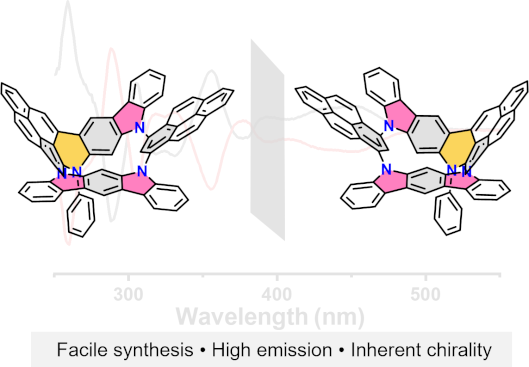
- Shuhai Qiu Junzhi Liu Department of Chemistry, The University of Hong Kong, Pokfulam Road, Hong Kong, China State Key Laboratory of Synthetic Chemistry, HKU-CAS Joint Laboratory on New Materials and Shanghai-Hong Kong Joint Laboratory on Chemical Synthesis, The University of Hong Kong, Pokfulam




Fe-catalyzed efficient synthesis of 2,4- and 4-substituted quinolines via C(sp2)–C(sp2) bond scission of styrenes
Beilstein J. Org. Chem. 2025, 21, 1799–1807, doi:10.3762/bjoc.21.142
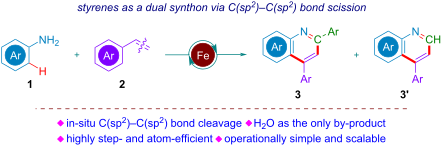
- approach in chemical synthesis and drug discovery. Representative examples of bioactive quinolines. C(sp2)–C(sp2) bond-cleavage strategies for quinoline synthesis. Substrate scope of various arylamines and styrenes. Scale-up studies for the synthesis of antifungal agents. Mechanistic investigations


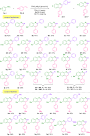


Approaches to stereoselective 1,1'-glycosylation
Beilstein J. Org. Chem. 2025, 21, 1700–1718, doi:10.3762/bjoc.21.133
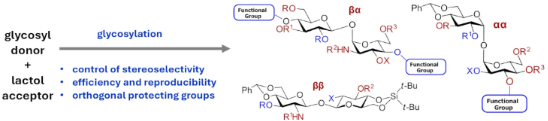
- , the chemical synthesis of thiotrehalose analogs [116][117] provides a versatile tool for the construction of therapeutically relevant ligands or inhibitors of carbohydrate-specific innate immune receptors. Synthetic thiodigalactosides and their derivatives have been identified as selective inhibitors


Structural analysis of stereoselective galactose pyruvylation toward the synthesis of bacterial capsular polysaccharides
Beilstein J. Org. Chem. 2025, 21, 1671–1677, doi:10.3762/bjoc.21.131

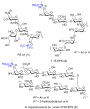
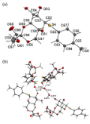
- the foundational work of Kulkarni, Codée, Boons, and other outstanding groups in their studies on zwitterionic polysaccharides [7][8][9][10][11][12]. Pyruvylation of carbohydrate diols is commonly achieved through acetal substitution in the presence of acid during chemical synthesis. In this process
- for O4-linked synthesis in preparing various PS A1 derivatives. In our research, we carried out the synthesis of the PSA1 molecule as part of a broader effort to validate chemical synthesis methodologies. This work involved verifying our experimental techniques and understanding the underlying


On the aromaticity and photophysics of 1-arylbenzo[a]imidazo[5,1,2-cd]indolizines as bicolor fluorescent molecules for barium tagging in the study of double-beta decay of 136Xe
Beilstein J. Org. Chem. 2025, 21, 1627–1638, doi:10.3762/bjoc.21.126
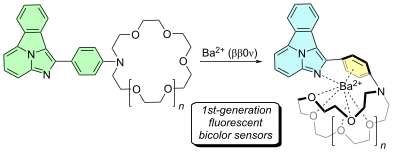
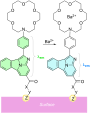
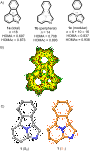
- scaffold. The chemical synthesis, photophysical properties and suitability for barium tagging will be published in due course. Two possible double beta decay modes. Left: with emission of two electronic antineutrinos (ββ2ν). Right: neutrinoless double beta decay (ββ0ν). General structure of first





Chemical synthesis of glycan motifs from the antitumor agent PI-88 through an orthogonal one-pot glycosylation strategy
Beilstein J. Org. Chem. 2025, 21, 1587–1594, doi:10.3762/bjoc.21.122

- Academy of Sciences, Kunming 650201, China 10.3762/bjoc.21.122 Abstract Chemical synthesis of monophosphorylated glycan motifs from the antitumor agent PI-88 has been achieved through an orthogonal one-pot glycosylation strategy on the basis of glycosyl ortho-(1-phenylvinyl)benzoates, which not only
- glycosylation, respectively; 2) synthesis of PI-88 glycan motif pentasaccharide via [1 + 1 + 1] and [1 + 1 + 3] one-pot orthogonal glycosylation; 3) synthesis of hexasaccharide via [1 + 1 + 1] and [1 + 1 + 1 + 3] one-pot assembly. Keywords: carbohydrates; chemical synthesis; glycosyl ortho-(1-phenylvinyl
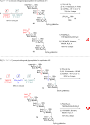
- ]. Here, we report the chemical synthesis of monophosphorylated glycan motifs 1–4 from PI-88 through an orthogonal one-pot glycosylation strategy via strategic combinations of glycosyl N-phenyltrifluoroacetimidates (PTFAI) [57][58], glycosyl ortho-(alkynylbenzoates) [59][60] (ABz), and glycosyl PVB, which


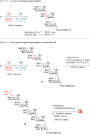

Heterologous biosynthesis of cotylenol and concise synthesis of fusicoccane diterpenoids
Beilstein J. Org. Chem. 2025, 21, 1489–1495, doi:10.3762/bjoc.21.111
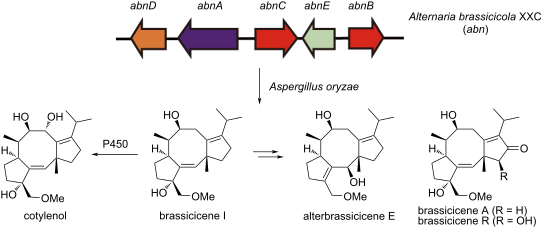
- enzymatic terpene cyclization and chemical synthesis [30][31][32][33]. Briefly, the carbon scaffolds are forged by terpene cyclases, followed by concise chemical transformations to yield the desired natural products. Here, we describe heterologous biosynthesis of cotylenol by engineering the biosynthetic


High-pressure activation for the solvent- and catalyst-free syntheses of heterocycles, pharmaceuticals and esters
Beilstein J. Org. Chem. 2025, 21, 1374–1387, doi:10.3762/bjoc.21.102
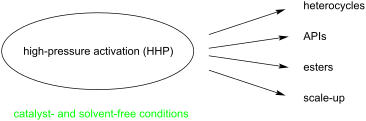
- with pressurized gases (0.01–0.1 kbar). The first reports of using HHP were related to food industry applications [3][4], and later in chemical synthesis [5][6]. While the technique had been known since the late 1800s, and it had become popular in materials science and inorganic synthesis, it has





