


Search results
Search for "halogens" in Full Text gives 137 result(s) in Beilstein Journal of Organic Chemistry.
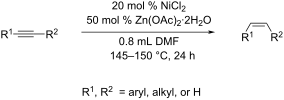
Z-Selective semihydrogenation of alkynes via Ni/Lewis acid synergistic catalyzed system using DMF as hydrogen source and solvent
- Lei Kang,
- Haifeng Gao and
- Luo Yang
Beilstein J. Org. Chem. 2026, 22, 1004–1012, doi:10.3762/bjoc.22.79
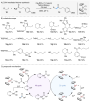
- -withdrawing groups (trifluoromethyl 2f; halogens 2g–o), and even an amide moiety (2p) were smoothly converted to the corresponding (Z)-stilbene derivatives in good to excellent yields (70–95%), with uniformly high stereoselectivity (Z/E = 97:3 to >99:1). The reaction demonstrated excellent functional group

Graphical Abstract
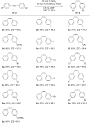
Scheme 1: NiCl2/Zn(AcO)2·2H2O-co-catalyzed Z-selective semihydrogenation of internal alkynes to Z-internal al...

Scheme 2: NiCl2/Zn(AcO)2·2H2O-co-catalyzed semihydrogenation of terminal alkynes to terminal alkenes.

Scheme 3: NiCl2/Zn(AcO)2·2H2O-co-catalyzed semihydrogenation of alkylarylacetylene and dialkylacetylene to (Z...

Scheme 4: Control experiment using DMA as solvent together with exogenous formic acid instead of DMF.

Scheme 5: Proposed catalytic cycle for the Ni/Lewis acid-catalyzed semihydrogenation of alkynes with DMF.
Halogenated azobenzene acrylates: from efficient solution photoswitching to stable solid-state photochromic materials
- Martina Vachtlová,
- Michaela Fecková,
- Vítězslav Zima,
- Jan Podlesný,
- Milan Klikar,
- Oldřich Pytela,
- Patrik Pařík,
- Jakub Opršal,
- Eliška Juhaňáková,
- Veronika Chrtová and
- Filip Bureš
Beilstein J. Org. Chem. 2026, 22, 782–794, doi:10.3762/bjoc.22.60
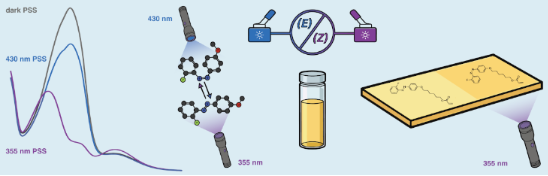
- of appended halogens. One reduction and one oxidation processes were found within the available potential window of DCE. Both electrochemical redox processes are irreversible regardless the scan rate, indicating chemical instability of the generated oxidized/reduced forms in the used system. The
- supported by DFT results. The electrochemical differences are rather minor, and the type and the number of the appended halogens do not play a significant role. However, the optical properties and particularly the forward E → Z switch induced by 355 nm light, depends on the substitution pattern. Monohalogen

Graphical Abstract

Figure 1: Molecular structure of investigated compounds 1a–f and known azobenzene derivatives A–C exploited i...

Scheme 1: Synthesis of azobenzene-acrylate monomers 1a–f.

Figure 2: Representative TGA (left) and DSC (right) curves of compounds 1c (black) and 1d (red).

Figure 3: Energy level diagram of the electrochemically measured (black) and DFT-calculated (red for E-isomer...

Figure 4: A) Experimentally measured UV–vis absorption spectra of the monosubstituted azobenzenes 1a, c and e...

Figure 5: A) Experimentally measured UV–vis absorption spectra of the azobenzenes 1c and 1d at c = 4 × 10⁻⁵ M...

Figure 6: A) HOMO/LUMO localizations in representative E-1a. B) HOMO−1/LUMO localizations in representative Z-...

Figure 7: 1H NMR spectra (500 MHz, CDCl3, 20 °C) of azobenzene 1e corresponding to the dark-adapted PSS (blac...

Figure 8: A) UV–vis absorption spectra of azobenzene 1e corresponding to the dark-adapted PSS (black), 355 nm...

Figure 9: A) Thermal kinetics curve of compound 1e obtained by UV–vis monitoring at c = 4 × 10⁻⁵ M (DCE, 60 °...

Figure 10: Photoswitching of target azobenzene 1a in the solid state (polymeric matrix). A) Polystyrene thin f...
Spirobarbiturates with a pyrrolizidine moiety: synthesis, structure and biological evaluation
- Arthur A. Puzyrkov,
- Andrew S. Drachuk,
- Ekaterina A. Popova,
- Alexander V. Stepakov and
- Vitali M. Boitsov
Beilstein J. Org. Chem. 2026, 22, 274–288, doi:10.3762/bjoc.22.20
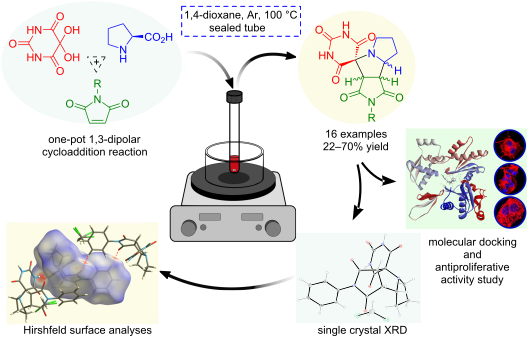
- nitrogen atom. Maleimides bearing aromatic halogens (3h, 3i, 3j, 3l) or R = Bn (3f), -CH2CH2Ph (3g), 3-NO2С6H4 (3k), and 3-CF3С6H4 (3m) groups yielded mixtures of exo- and endo-adducts. When the reaction was performed with a maleimide containing a chlorine atom at the para-position, a near 1:1 mixture of

Graphical Abstract

Scheme 1: Biologically active compounds with a spirobarbiturate moiety in their structure [7-12].

Scheme 2: Biologically active alkaloids with a pyrrolizidine moiety.

Scheme 3: Previous studies on the three-component synthesis of spirobarbiturates.
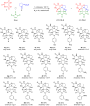
Scheme 4: Synthesis of racemic spirobarbiturates 4a–p via one-pot three-component reaction of alloxan (1), ʟ-...

Scheme 5: A plausible mechanism of spirobarbiturate formation from alloxan (1), ʟ-proline (2), and N-substitu...

Figure 1: Schematic structures of endo- and exo-adducts of spirobarbiturates 4.

Figure 2: X-ray crystal structures of compounds 4b (CCDC 2391172, left) and 4c (CCDC 2391171, right).

Figure 3: Unit cell packing of products 4b (left) and 4c (right).

Figure 4: HS mapped with dnorm for compounds 4b (left) and 4c (right).

Figure 5: A segment of the crystal structure of compound 4b with the HS (dnorm), showing intermolecular conta...

Figure 6: A segment of the crystal structure of compound 4c with the HS (dnorm), showing intermolecular conta...
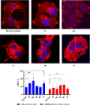
Figure 7: Microscopic images of treated cells and state of the actin cytoskeleton of Sk-mel-2 cells after cul...
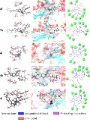
Figure 8: Docked view of compounds 4f, 4g, 4i, 4k, and 4l with the target protein (PDB ID: 8DNH).
Advances in Zr-mediated radical transformations and applications to total synthesis
- Hiroshige Ogawa and
- Hugh Nakamura
Beilstein J. Org. Chem. 2026, 22, 71–87, doi:10.3762/bjoc.22.3
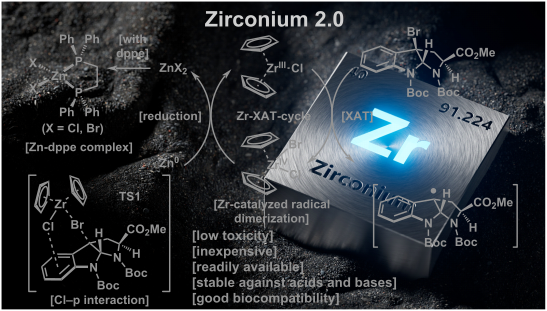
- the strong affinity of zirconium for halogens, they developed a catalytic system to address this issue. Treatment of alkyl chloride 34 with zirconocene bistosylate in the presence of an Ir-photoredox catalyst promoted halogen atom transfer to generate alkyl radical 35. This radical then abstracted a

Graphical Abstract

Figure 1: Historical background of zirconium and its physical properties. Image depicted in the background of ...

Scheme 1: Zr-mediated radical cyclization.
Scheme 2: Ni/Zr-mediated one-pot ketone synthesis.

Scheme 3: Zirconocene-catalyzed alkylative dimerization of 2-methylene-1,3-dithiane.

Scheme 4: Zirconium complexes as a photoredox catalyst.
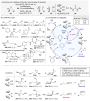
Scheme 5: Zr-catalyzed reductive ring opening of epoxides.

Scheme 6: Zr-catalyzed reductive ring opening of oxetanes. a10 mol % of Cp2Zr(OTf)2·THF was used. bPhCF3 was ...
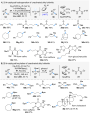
Scheme 7: Zr-catalyzed halogen atom transfer of alkyl chlorides.
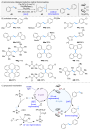
Scheme 8: Zr-catalyzed radical homo coupling of alkyl chlorides.

Scheme 9: Zr-catalyzed fluorine atom transfer.

Scheme 10: Zr-catalyzed C–O bond cleavage. aYield without the use of P(OEt)3.
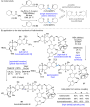
Scheme 11: Application to the total synthesis of halichondrins.
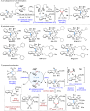
Scheme 12: Zr-catalyzed C3 dimerization of 3-bromotryptophan derivatives. aCp2ZrCl2 was used.

Scheme 13: Mechanistic studies.
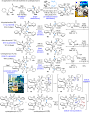
Scheme 14: Application to the total synthesis of cyctetryptomycins. A photo of compound 61b was taken by the a...
Reactivity umpolung of the cycloheptatriene core in hexa(methoxycarbonyl)cycloheptatriene
- Dmitry N. Platonov,
- Alexander Yu. Belyy,
- Rinat F. Salikov,
- Kirill S. Erokhin and
- Yury V. Tomilov
Beilstein J. Org. Chem. 2026, 22, 64–70, doi:10.3762/bjoc.22.2
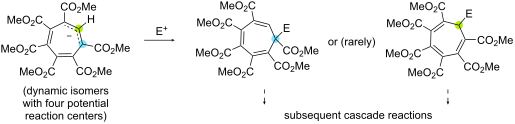
- transition states with an adjacent ester group, not to the stability of the main conformer. Conversely, the reactions with halogens and diazonium salts are immediate at room temperature and the α-selectivity, when observed, can be due to the stability of the main conformer. The transition from iodine to
- possibility of i-halogenation via a chain radical mechanism (Scheme 3). The initiation stage includes an oxidation of anion 2 into the corresponding radical 13 which in turn reacts with halogens to form products 4a,b and a halogen atom which can also oxidize the anion. Quantum chemical calculations revealed
- obtained at the revDSD-PBEP86(D4)/aug-ccpVTZ/CPCM(acetonitrile)//r2SCAN-3c/CPCM(acetonitrile) level of theory. Reactions of anion 2 generated from cycloheptatriene 3 with halogens and alkyl halides. Reactions of anion 2 generated from cycloheptatriene 3 with diazonium salts. Radical mechanism for reactions

Graphical Abstract

Figure 1: The expected and the unexpected in selected synthetic strategies.

Figure 2: Distortion in antiaromatic hepta- and hexa(methoxycarbonyl)cycloheptatrienyl anions 1 and 2. HOMO (...

Scheme 1: Reactions of anion 2 generated from cycloheptatriene 3 with halogens and alkyl halides.

Scheme 2: Reactions of anion 2 generated from cycloheptatriene 3 with diazonium salts.

Figure 3: Two conformers of hexa(methoxycarbonyl)cycloheptatrienyl anion 2 and 2'. The energies were obtained...

Scheme 3: Radical mechanism for reactions of anion 2 with halogens, suggested structure of trapped product. T...
Synthesis and applications of alkenyl chlorides (vinyl chlorides): a review
- Daniel S. Müller
Beilstein J. Org. Chem. 2026, 22, 1–63, doi:10.3762/bjoc.22.1
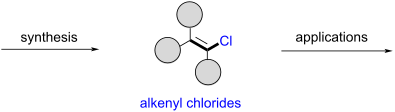
- . Among halogens, chloride is unique in its virtually limitless availability, derived from the global abundance of sodium chloride. In contrast, bromide and iodide sources are geographically restricted – bromide is predominantly extracted from the Dead Sea [1], while iodide is primarily sourced from

Graphical Abstract
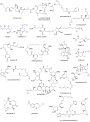
Figure 1: Representative alkenyl chloride motifs in natural products. References: Pinnaic acid [8], haterumalide ...

Figure 2: Representative alkenyl chloride motifs in pharmaceuticals and pesticides. References: clomifene [25], e...
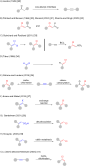
Figure 3: Graphical overview of previously published reviews addressing the synthesis of alkenyl chlorides.

Figure 4: Classification of synthetic approaches to alkenyl chlorides.

Scheme 1: Early works by Friedel, Henry, and Favorsky.

Scheme 2: Product distribution obtained by H NMR integration of crude compound as observed by Kagan and co-wo...

Scheme 3: Side reactions observed for the reaction of 14 with PCl5.

Scheme 4: Only compounds 15 and 18 were observed in the presence of Hünig’s base.

Scheme 5: Efficient synthesis of dichloride 15 at low temperatures.
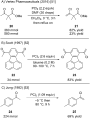
Scheme 6: Various syntheses of alkenyl chlorides on larger scale.

Scheme 7: Scope of the reaction of ketones with PCl5 in boiling cyclohexane.

Scheme 8: Side reactions occur when using excess amounts of PCl5.

Scheme 9: Formation of versatile β-chlorovinyl ketones.

Scheme 10: Mixture of PCl5 and PCl3 used for the synthesis of 49.

Scheme 11: Catechol–PCl3 reagents for the synthesis of alkenyl chlorides.

Scheme 12: (PhO)3P–halogen-based reagents for the synthesis of alkenyl halides.

Scheme 13: Preparation of alkenyl chlorides from alkenyl phosphates.

Scheme 14: Preparation of alkenyl chlorides by treatment of ketones with the Vilsmeier reagent.

Scheme 15: Preparation of electron-rich alkenyl chlorides by treatment of ketones with the Vilsmeier reagent.

Scheme 16: Cu-promoted synthesis of alkenyl chlorides from ketones and POCl3.

Figure 5: GC yield of 9 depending on time and reaction temperature.

Figure 6: Broken reaction flask after attempts to clean the polymerized residue.

Figure 7: GC yield of 9 depending on the amount of CuCl and time.

Scheme 17: Treatment of 4-chromanones with PCl3.

Scheme 18: Synthesis of alkenyl chlorides from the reaction of ketones with acyl chlorides.

Scheme 19: ZnCl2-promoted alkenyl chloride synthesis.
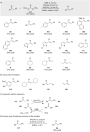
Scheme 20: Regeneration of acid chlorides by triphosgene.

Scheme 21: Alkenyl chlorides from ketones and triphosgene.
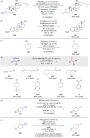
Scheme 22: Various substitution reactions.

Scheme 23: Vinylic Finkelstein reactions reported by Evano and co-workers.

Scheme 24: Challenge of selective monohydrochlorination of alkynes.

Scheme 25: Sterically encumbered internal alkynes furnish the hydrochlorination products in high yield.

Scheme 26: Recent work by Kropp with HCl absorbed on alumina.

Scheme 27: High selectivities for monhydrochlorination with nitromethane/acetic acid as solvent.

Figure 8: Functionalized alkynes which typically afford the monhydrochlorinated products.
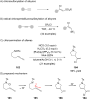
Scheme 28: Related chorosulfonylation and chloroamination reactions.
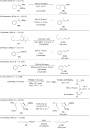
Scheme 29: Reaction of organometallic reagents with chlorine electrophiles.

Scheme 30: Elimination reactions of dichlorides to furnish alkenyl chlorides.

Scheme 31: Elimination reactions of allyl chloride 182 to furnish alkenyl chloride 183.

Scheme 32: Detailed studies by Schlosser on the elimination of dichloro compounds.

Scheme 33: Stereoselective variation caused by change of solvent.

Scheme 34: Elimination of gem-dichloride 189 to afford alkene 190.

Scheme 35: Oxidation of enones to dichlorides and in situ elimination thereof.

Scheme 36: Oxidation of allylic alcohols to dichlorides and in situ elimination thereof.

Scheme 37: Chlorination of styrenes with SOCl2 and elimination thereof.

Scheme 38: Chlorination of styrenes with SOCl2 and elimination thereof.

Scheme 39: Fluorine–chlorine exchange followed by elimination.

Scheme 40: Intercepting cations with alkynes and trapping of the alkenyl cation intermediate with chloride.

Scheme 41: Investigations by Mayr and co-workers.

Scheme 42: In situ activation of benzyl alcohol 230 with BCl3.

Scheme 43: In situ activation of benzylic alcohols with TiCl4.
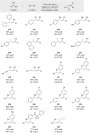
Scheme 44: In situ activation of benzylic alcohols with FeCl3.

Scheme 45: In situ activation of benzylic alcohols with FeCl3.

Scheme 46: In situ activation of aliphatic chlorides and alcohols with ZnCl2, InCl3, and FeCl3.

Scheme 47: In situ generation of benzylic cations and trapping thereof with alkynes.
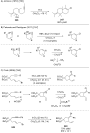
Scheme 48: Intramolecular trapping reactions affording alkenyl halides.

Scheme 49: Intramolecular trapping reactions affording alkenyl chlorides.

Scheme 50: Intramolecular trapping reactions of oxonium and iminium ions affording alkenyl chlorides.
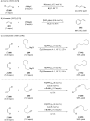
Scheme 51: Palladium and nickel-catalyzed coupling reactions to afford alkenyl chlorides.

Scheme 52: Rhodium-catalyzed couplings of 1,2-trans-dichloroethene with arylboronic esters.

Scheme 53: First report on monoselective coupling reactions for 1,1-dichloroalkenes.

Scheme 54: Negishi’s and Barluenga’s contributions.

Scheme 55: First mechanistic investigation by Johnson and co-workers.

Scheme 56: First successful cross-metathesis with choroalkene 260.

Scheme 57: Subsequent studies by Johnson.
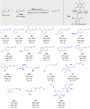
Scheme 58: Hoveyda and Schrock’s work on stereoretentive cross-metathesis with molybdenum-based catalysts.
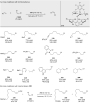
Scheme 59: Related work with (Z)-dichloroethene.
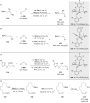
Scheme 60: Further ligand refinement and traceless protection of functional groups with HBpin.

Scheme 61: Alkenyl chloride synthesis by Wittig reaction.

Scheme 62: Alkenyl chloride synthesis by Julia olefination.

Scheme 63: Alkenyl chloride synthesis by reaction of ketones with Mg/TiCl4 mixture.

Scheme 64: Frequently used allylic substitution reactions which lead to alkenyl chlorides.
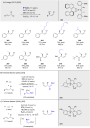
Scheme 65: Enantioselective allylic substitutions.

Scheme 66: Synthesis of alkenyl chlorides bearing an electron-withdrawing group.

Scheme 67: Synthesis of α-nitroalkenyl chlorides from aldehydes.

Scheme 68: Synthesis of alkenyl chlorides via elimination of an in situ generated geminal dihalide.

Scheme 69: Carbenoid approach reported by Pace.

Scheme 70: Carbenoid approach reported by Pace.

Scheme 71: Ring opening of cyclopropenes in the presence of MgCl2.

Scheme 72: Electrophilic chlorination of alkenyl MIDA boronates to Z- or E-alkenyl chlorides.

Scheme 73: Hydroalumination and hydroboration of alkynyl chlorides.

Scheme 74: Carbolithiation of chloroalkynes.

Scheme 75: Chlorination of enamine 420.

Scheme 76: Alkyne synthesis by elimination of alkenyl chlorides.

Scheme 77: Reductive lithiation of akenyl chlorides.

Scheme 78: Reactions of alkenyl chlorides with organolithium reagents.

Scheme 79: Reactions of alkenyl chlorides with organolithium reagents.

Scheme 80: Addition–elimination reaction of alkenyl chloride 9 with organolithium reagents.

Scheme 81: C–H insertions of lithiumcarbenoids.
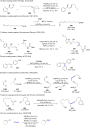
Scheme 82: Pd-catalyzed coupling reactions with alkenyl chlorides as coupling partner.

Scheme 83: Ni-catalyzed coupling of alkenylcopper reagent with alkenyl chloride 183.

Scheme 84: Ni-catalyzed coupling of heterocycle 472 with alkenyl chloride 473.

Scheme 85: Synthesis of α-chloroketones by oxidation of alkenyl chlorides.

Scheme 86: Tetrahalogenoferrate(III)-promoted oxidation of alkenyl chlorides.

Scheme 87: Chlorine–deuterium exchange promoted by a palladium catalyst.

Scheme 88: Reaction of alkenyl chlorides with thiols in the presence of AIBN (azobisisobutyronitrile).

Scheme 89: Chloroalkene annulation.
Aryl iodane-induced cascade arylation–1,2-silyl shift–heterocyclization of propargylsilanes under copper catalysis
- Rasma Kroņkalne,
- Rūdolfs Beļaunieks,
- Armands Sebris,
- Anatoly Mishnev and
- Māris Turks
Beilstein J. Org. Chem. 2025, 21, 1984–1994, doi:10.3762/bjoc.21.154
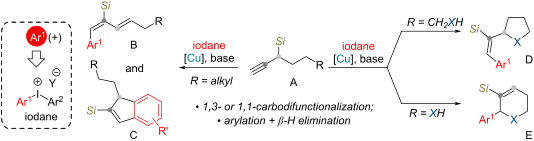
- standard column chromatography techniques (30–50% DCM). Iodanes, containing electron-rich aryl groups (p-Tol, m-MeO-C6H4, Ph) or halogens (Br, F) gave the highest tetrahydrofuran 8 yields (70–83%). In contrast, electron-withdrawing group-containing iodanes, especially those holding nucleophilic heteroatoms

Graphical Abstract

Scheme 1: Alkyne arylation with diaryl-λ3-iodanes in the context of 1,2-silyl shift and potential cyclization....

Scheme 2: Competing mechanistic pathways for diene 10 and indene 11 formation.

Scheme 3: Reaction scope for the synthesis of arylated tetrahydrofurans 8. Conditions: All reactions were per...

Scheme 4: Synthesis of lactone and pyrrolidine derivatives. Conditions: ac7e = 0.1 mmol/mL. bReaction conditi...

Scheme 5: Proposed arylation–heterocyclization mechanism for internal nucleophile-containing silanes 7.

Scheme 6: Arylation of C5-chain containing acylamides 16a–c. aThe reaction was performed under modified condi...
Photoswitches beyond azobenzene: a beginner’s guide
- Michela Marcon,
- Christoph Haag and
- Burkhard König
Beilstein J. Org. Chem. 2025, 21, 1808–1853, doi:10.3762/bjoc.21.143
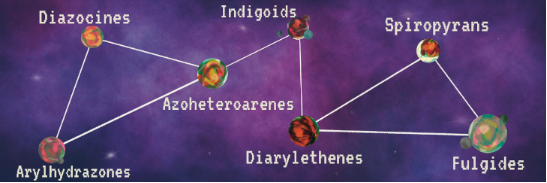
- reaction can also be used to prepare precursors for the Ullman–Goldberg coupling (Scheme 12B and 12C); however, in the presence of halogens, an alternative reduction pathway of the alkene with tosylhydrazine and NaOAc must be used [55]. Hetereodiazocines 35b and 35c are synthesised by coupling of o

Graphical Abstract

Figure 1: Energy diagram of a two-state photoswitch. Figure 1 was redrawn from [2].

Figure 2: Example of the absorption spectra of the isomers of a photoswitch with most efficient irradiation w...
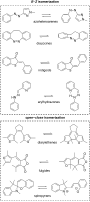
Scheme 1: Photoswitch classes described in this review.

Figure 3: Azoheteroarenes.

Scheme 2: E–Z Isomerisation (top) and mechanisms of thermal Z–E isomerisation (bottom).

Scheme 3: Rotation mechanism favoured by the electron displacement in push–pull systems. Selected examples of...

Figure 4: A) T-shaped and twisted Z-isomers determine the thermal stability and the Z–E-PSS (selected example...

Figure 5: Effect of di-ortho-substitution on thermal half-life and PSS.

Figure 6: Selected thermal lifetimes of azoindoles in different solvents and concentrations. aConcentration o...

Figure 7: Aryliminopyrazoles: N-pyrazoles (top) and N-phenyl (bottom).

Scheme 4: Synthesis of symmetrical heteroarenes through oxidation (A), reduction (B), and the Bayer–Mills rea...

Scheme 5: Synthesis of diazonium salt (A); different strategies of azo-coupling: with a nucleophilic ring (B)...

Scheme 6: Synthesis of arylazothiazoles 25 (A) and heteroaryltriazoles 28 (B).

Scheme 7: Synthesis of heteroarylimines 31a,b [36-38].

Figure 8: Push–pull non-ionic azo dye developed by Velasco and co-workers [45].

Scheme 8: Azopyridine reported by Herges and co-workers [46].

Scheme 9: Photoinduced phase transitioning azobispyrazoles [47].

Figure 9: Diazocines.

Scheme 10: Isomers, conformers and enantiomers of diazocine.

Scheme 11: Partial overlap of the ππ* band with electron-donating substituents and effect on the PSS. Scheme 11 was ada...

Figure 10: Main properties of diazocines with different bridges. aMeasured in n-hexane [56]. bMeasured in THF. cMe...

Scheme 12: Synthesis of symmetric diazocines.

Scheme 13: Synthesis of asymmetric diazocines.

Scheme 14: Synthesis of O- and S-heterodiazocines.

Scheme 15: Synthesis of N-heterodiazocines.

Scheme 16: Puromycin diazocine photoswitch [60].

Figure 11: Indigoids.

Figure 12: The main representatives of the indigoid photoswitch class.

Scheme 17: Deactivation process that prevents Z-isomerisation of indigo.

Figure 13: Stable Z-indigo derivative synthesised by Wyman and Zenhäusern [67].

Figure 14: Selected examples of indigos with aliphatic and aromatic substituents [68]. Dashed box: proposed π–π in...

Scheme 18: Resonance structures of indigo and thioindigo involving the phenyl ring.

Scheme 19: Possible deactivation mechanism for 4,4'-dihydroxythioindigo [76].

Scheme 20: Effect of different heteroaryl rings on the stability and the photophysical properties of hemiindig...

Figure 15: Thermal half-lives of red-shifted hemithioindigos in toluene [79]. aMeasured in toluene-d8.

Scheme 21: Structures of pyrrole [81] and imidazole hemithioindigo [64].

Figure 16: Examples of fully substituted double bond hemithioindigo (left), oxidised hemithioindigos (centre),...

Scheme 22: Structure of iminothioindoxyl 72 (top) and acylated phenyliminoindolinone photoswitch 73 (bottom). ...

Scheme 23: (top) Transition states of iminothioindoxyl 72. The planar transition state is associated with a lo...

Scheme 24: Baeyer–Drewsen synthesis of indigo (top) and N-functionalisation strategies (bottom).

Scheme 25: Synthesis of hemiindigo.

Scheme 26: Synthesis of hemithioindigo and iminothioindoxyl.

Scheme 27: Synthesis of double-bond-substituted hemithioindigos.

Scheme 28: Synthesis of phenyliminoindolinone.

Scheme 29: Hemithioindigo molecular motor [85].

Figure 17: Arylhydrazones.

Scheme 30: Switching of arylhydrazones. Note: The definitions of stator and rotor are arbitrary.

Scheme 31: Photo- and acidochromism of pyridine-based phenylhydrazones.

Scheme 32: A) E–Z thermal inversion of a thermally stable push–pull hydrazone [109]. B) Rotation mechanism favoured...

Scheme 33: Effect of planarisation on the half-life.

Scheme 34: The longest thermally stable hydrazone switches reported so far (left). Modulation of thermal half-...

Figure 18: Dependency of t1/2 on concentration and hypothesised aggregation-induced isomerisation.

Figure 19: Structure–property relationship of acylhydrazones.

Scheme 35: Synthesis of arylhydrazones.

Scheme 36: Synthesis of acylhydrazones.

Scheme 37: Photoswitchable fluorophore by Aprahamian et al. [115].

Scheme 38: The four-state photoswitch synthesised by the Cigáň group [116].

Figure 20: Diarylethenes.

Scheme 39: Isomerisation and oxidation pathway of E-stilbene to phenanthrene.

Scheme 40: Strategies adapted to avoid E–Z isomerisation and oxidation.
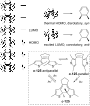
Scheme 41: Molecular orbitals and mechanism of electrocyclisation for a 6π system.

Figure 21: Aromatic stabilisation energy correlated with the thermal stability of the diarylethenes [127,129].

Figure 22: Half-lives of diarylethenes with increasing electron-withdrawing groups [128,129].

Scheme 42: Photochemical degradation pathway promoted by electron-donating groups [130].

Figure 23: The diarylethenes studied by Hanazawa et al. [134]. Increased rigidity leads to bathochromic shift.

Scheme 43: The dithienylethene synthesised by Nakatani's group [135].

Scheme 44: Synthesis of perfluoroalkylated diarylethenes.

Scheme 45: Synthesis of 139 and 142 via McMurry coupling.

Scheme 46: Synthesis of symmetrical derivatives 145 via Suzuki–Miyaura coupling.

Scheme 47: Synthesis of acyclic 148, malonic anhydride 149, and maleimide derivatives 154.

Figure 24: Gramicidin S (top left) and two of the modified diarylethene derivatives: first generation (bottom ...

Scheme 48: Pyridoxal 5'-phosphate and its reaction with an amino acid (top). The analogous dithienylethene der...

Figure 25: Fulgides.

Scheme 49: The three isomers of fulgides.

Scheme 50: Thermal and photochemical side products of unsubstituted fulgide [150].

Figure 26: Maximum absorption λc of the closed isomer compared with the nature of the aromatic ring and the su...

Scheme 51: Possible rearrangement of the excited state of 5-dimethylaminoindolylfulgide [153].

Figure 27: Quantum yields of ring closure (ΦE→C) and E–Z isomerisation (ΦE→Z) correlated with the increasing s...

Scheme 52: Active (Eα) and inactive (Eβ) conformers (left) and the bicyclic sterically blocked fulgide 169 (ri...

Scheme 53: Quantum yield of ring-opening (ΦC→E) and E–Z isomerisation (ΦE→Z) for different substitution patter...

Scheme 54: Stobbe condensation pathway for the synthesis of fulgides 179, fulgimides 181 and fulgenates 178.

Scheme 55: Alternative synthesis of fulgides through Pd-catalysed carbonylation.

Scheme 56: Optimised synthesis of fulgimides [166].

Scheme 57: Photoswitchable FRET with a fulgimide photoswitch [167].

Scheme 58: Three-state fulgimide strategy by Slanina's group.

Figure 28: Spiropyrans.

Scheme 59: Photochemical (left) and thermal (right) ring-opening mechanisms for an exemplary spiropyran with a...

Figure 29: Eight possible isomers of the open merocyanine according to the E/Z configurations of the bonds hig...

Scheme 60: pH-Controlled photoisomerisation between the closed spiropyran 191-SP and the open E-merocyanine 19...

Scheme 61: Behaviour of spiropyran in water buffer according to Andréasson and co-workers [180]. 192-SP in an aqueo...

Scheme 62: (left box) Proposed mechanism of basic hydrolysis of MC [184]. (right box) Introduction of electron-dona...

Scheme 63: Photochemical interconversion of naphthopyran 194 (top) and spirooxazine 195 (bottom) photoswitches...

Scheme 64: Synthesis of spiropyrans and spirooxazines 198 and the dicondensation by-product 199.

Scheme 65: Alternative synthesis of spiropyrans and spirooxazines with indolenylium salt 200.

Scheme 66: Synthesis of 4’-substituted spiropyrans 203 by condensation of an acylated methylene indoline 201 w...

Scheme 67: Synthesis of spironaphthopyrans 210 by acid-catalysed condensation of naphthols and diarylpropargyl...

Scheme 68: Photoswitchable surface wettability [194].

Figure 30: Some guiding principles for the choice of the most suitable photoswitch. Note that this guide is ve...
Oxetanes: formation, reactivity and total syntheses of natural products
- Peter Gabko,
- Martin Kalník and
- Maroš Bella
Beilstein J. Org. Chem. 2025, 21, 1324–1373, doi:10.3762/bjoc.21.101
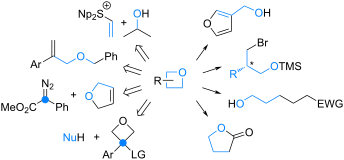
- halogens, nitriles, alkenes and heteroaryls. On the other hand, this methodology suffers from relatively low diastereoselectivity as the dr lies between 1:1 and 2:1. DFT calculations suggested the reaction proceeds through nitrogen elimination, oxonium ylide 119 formation, homolytic cleavage and radical

Graphical Abstract

Figure 1: Bond lengths and bond angles in oxetane at 140 K [2].

Figure 2: Analogy of 3-substituted oxetanes to carbonyl and gem-dimethyl groups [12].

Figure 3: Use of oxetanes in drug design – selected examples.

Figure 4: Examples of oxetane-containing natural products.

Scheme 1: Synthetic strategies towards construction of the oxetane ring.

Scheme 2: Overview of intramolecular Williamson etherification and competing Grob fragmentation.

Scheme 3: Synthesis of spiro-oxetanes via 1,4-C–H insertion and Williamson etherification.

Scheme 4: Use of phenyl vinyl selenone in the synthesis of spirooxindole oxetanes.

Scheme 5: Synthesis of bicyclic 3,5-anhydrofuranoses via double epoxide opening/etherification.

Scheme 6: Preparation of spirooxetanes by cycloisomerisation via MHAT/RPC.

Scheme 7: Oxetane synthesis via alcohol C–H functionalisation.

Scheme 8: Access to oxetanes 38 from α-acetyloxy iodides.

Scheme 9: The kilogram-scale synthesis of oxetane intermediate 41.

Scheme 10: Overview of the intramolecular opening of 3-membered rings.

Scheme 11: Synthesis of 4,7-dioxatricyclo[3.2.1.03,6]octane skeletons.

Scheme 12: Silicon-directed electrophilic cyclisation of homoallylic alcohols.

Scheme 13: Hydrosilylation–iodocyclisation of homopropargylic alcohols.

Scheme 14: Cu-catalysed intramolecular O-vinylation of γ-bromohomoallylic alcohols.

Scheme 15: Cu-catalysed intramolecular cross-coupling of hydroxyvinylstannanes.

Scheme 16: Isomerisation of oxiranyl ethers containing weakly carbanion-stabilising groups.

Scheme 17: Cyclisation of diethyl haloalkoxymalonates.

Scheme 18: Synthesis of oxetanes through a 1,5-HAT/radical recombination sequence.

Scheme 19: General approach to oxetanes via [2 + 2] cycloadditions.

Scheme 20: Synthesis of tricyclic 4:4:4 oxetanes through a photochemical triple cascade reaction.

Scheme 21: Iridium-catalysed Paternò–Büchi reaction between α-ketoesters and simple alkenes.

Scheme 22: Three-step synthesis of spirocyclic oxetanes 83 via Paternò–Büchi reaction, nucleophilic ring openi...

Scheme 23: Enantioselective Paternò–Büchi reaction catalysed by a chiral iridium photocatalyst.

Scheme 24: Synthesis of polysubstituted oxetanes 92 via Cu(II)-mediated formal [2 + 2] cycloadditions.
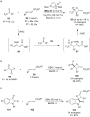
Scheme 25: Synthesis of alkylideneoxetanes via NHC- and DBU-mediated formal [2 + 2] cycloadditions.

Scheme 26: Use of sulphur-stabilised carbanions in ring expansions.

Scheme 27: Synthesis of α,α-difluoro(arylthio)methyl oxetanes.

Scheme 28: Ring expansion in an industrial synthesis of PF-06878031.

Scheme 29: Ring contraction of triflated 2-hydroxy-γ-lactones.

Scheme 30: Ring contraction in an industrial synthesis of PF-06878031.

Scheme 31: Photochemical ring contraction of 2,5-dihydrofurans by aryldiazoacetic acid esters.

Scheme 32: Synthesis of 3-oxetanones via O-H insertion of carbenes.

Scheme 33: Synthesis of phosphonate oxetanones via gold-mediated alkyne oxidation/O–H insertion.

Scheme 34: Syntheses and common derivatisations of 3-oxetanone.

Scheme 35: SN1 substitution of 3-aryloxetan-3-ols by thiols and alcohols.

Scheme 36: Fe–Ni dual-catalytic olefin hydroarylation towards 3-alkyl-3-(hetero)aryloxetanes.

Scheme 37: Synthesis of 3-aryloxetan-3-carboxylic acids.

Scheme 38: Decarboxylative alkylation of 3-aryloxetan-3-carboxylic acids.

Scheme 39: Synthesis of 3-amino-3-aryloxetanes via photoredox/nickel cross-coupling catalysis.
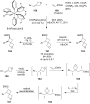
Scheme 40: Intermolecular cross-selective [2 + 2] photocycloaddition towards spirooxetanes.

Scheme 41: Synthesis of 3-aryl-3-aminooxetanes via defluorosulphonylative coupling.

Scheme 42: Two-step synthesis of amide bioisosteres via benzotriazolyl Mannich adducts 170.

Scheme 43: Functionalisation of oxetanyl trichloroacetimidates 172.

Scheme 44: Synthesis of oxetane-amino esters 176.

Scheme 45: Tandem Friedel–Crafts alkylation/intramolecular ring opening of 3-aryloxetan-3-ols.

Scheme 46: Synthesis of polysubstituted furans and pyrroles.

Scheme 47: Synthesis of oxazolines and bisoxazolines.

Scheme 48: Tandem, one-pot syntheses of various polycyclic heterocycles.

Scheme 49: Synthesis of 1,2-dihydroquinolines via skeletal reorganisation of oxetanes.

Scheme 50: Synthesis of benzoindolines and 2,3-dihydrobenzofurans and their derivatisations.

Scheme 51: Synthesis of polysubstituted 1,4-dioxanes.

Scheme 52: Preparation of various lactones via ring opening of oxetane-carboxylic acids 219.

Scheme 53: Tsuji-Trost allylation/ring opening of 3-aminooxetanes.

Scheme 54: Arylative skeletal rearrangement of 3-vinyloxetan-3-ols to 2,5-dihydrofurans.

Scheme 55: Reductive opening of oxetanes using catalytic Mg–H species.

Scheme 56: Opening of oxetanes by silyl ketene acetals.

Scheme 57: Rhodium-catalysed hydroacylation of oxetanes.

Scheme 58: Generation of radicals from oxetanes mediated by a vitamin B12-derived cobalt catalyst.

Scheme 59: Reductive opening of oxetanes by B–Si frustrated Lewis pairs.
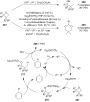
Scheme 60: Zirconocene-mediated reductive opening of oxetanes.

Scheme 61: Enantioselective syntheses of small and medium-size rings using chiral phosphoric acids.

Scheme 62: Asymmetric synthesis of 2,3-dihydrobenzo[b]oxepines catalysed by a chiral scandium complex.

Scheme 63: Enantioselective synthesis of 1,3-bromohydrins under a chiral squaramide catalysis.

Scheme 64: Enantioselective opening of 2-aryl-2-ethynyloxetanes by anilines.

Scheme 65: Ru-catalysed insertion of diazocarbonyls into oxetanes.

Scheme 66: Ring expansion of oxetanes by stabilised carbenes generated under blue light irradiation.

Scheme 67: Expansion of oxetanes via nickel-catalysed insertion of alkynyltrifluoroborates.

Scheme 68: Nickel-catalysed expansion of oxetanes into ε-caprolactones.

Scheme 69: Expansion of oxetanes via cobalt-catalysed carbonyl insertion.

Scheme 70: Gold-catalysed intramolecular 1,1-carboalkoxylation of oxetane-ynamides.

Scheme 71: Expansion of oxetanes by stabilised sulphoxonium ylides.

Scheme 72: Cu-catalysed ring expansion of 2-vinyloxetanes by diazoesters.

Scheme 73: Total synthesis of (+)-oxetin.

Scheme 74: Total synthesis of racemic oxetanocin A.

Scheme 75: Total synthesis of (−)-merrilactone A.
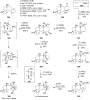
Scheme 76: Total synthesis of (+)-dictyoxetane.

Scheme 77: Total synthesis of ent-dichrocephone B.

Scheme 78: Total synthesis of (−)-mitrephorone A.
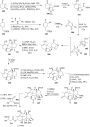
Scheme 79: Total synthesis of (−)-taxol.
Recent advances in oxidative radical difunctionalization of N-arylacrylamides enabled by carbon radical reagents
- Jiangfei Chen,
- Yi-Lin Qu,
- Ming Yuan,
- Xiang-Mei Wu,
- Heng-Pei Jiang,
- Ying Fu and
- Shengrong Guo
Beilstein J. Org. Chem. 2025, 21, 1207–1271, doi:10.3762/bjoc.21.98
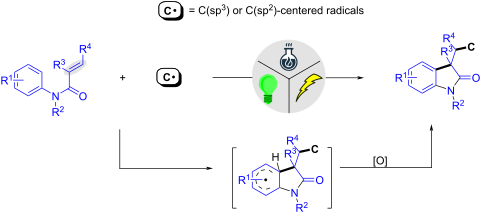
- methoxy (-OMe) and halogens (-F, -Cl, -Br), as well as electron-withdrawing functionalities like trifluoromethyl (-CF₃) and ester groups (-CO₂Me). However, highly electron-deficient substrates, such as those bearing cyano (-CN) or nitro (-NO₂) groups, did not react. Additionally, the study explored
- functional group tolerance. Various N-arylacrylamides bearing electron-donating and electron-withdrawing groups on the aryl ring reacted smoothly, affording the corresponding halogenated oxindoles 90a–e in moderate to high yields. Substituents such as alkyl, methoxy, halogens (Cl, F, Br), and esters were

Graphical Abstract

Scheme 1: DTBP-mediated oxidative alkylarylation of activated alkenes.

Scheme 2: Iron-catalyzed oxidative 1,2-alkylarylation.

Scheme 3: Possible mechanism for the iron-catalyzed oxidative 1,2-alkylation of activated alkenes.

Scheme 4: A metal-free strategy for synthesizing 3,3-disubstituted oxindoles.

Scheme 5: Iminoxyl radical-promoted cascade oxyalkylation/alkylarylation of alkenes.

Scheme 6: Proposed mechanism for the iminoxyl radical-promoted cascade oxyalkylation/alkylarylation of alkene...

Scheme 7: Bicyclization of 1,n-enynes with alkyl nitriles.

Scheme 8: Possible reaction mechanism for the bicyclization of 1,n-enynes with alkyl nitriles.

Scheme 9: Radical cyclization of N-arylacrylamides with isocyanides.

Scheme 10: Plausible mechanism for the radical cyclization of N-arylacrylamides with isocyanides.
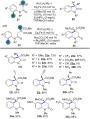
Scheme 11: Electrochemical dehydrogenative cyclization of 1,3-dicarbonyl compounds.

Scheme 12: Plausible mechanism for the dehydrogenative cyclization of 1,3-dicarbonyl compounds.

Scheme 13: Photocatalyzed cyclization of N-arylacrylamide and N,N-dimethylaniline.

Scheme 14: Proposed mechanism for the photocatalyzed cyclization of N-arylacrylamides and N,N-dimethylanilines....

Scheme 15: Electrochemical monofluoroalkylation cyclization of N-arylacrylamides with dimethyl 2-fluoromalonat...
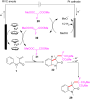
Scheme 16: Proposed mechanism for the electrochemical radical cyclization of N-arylacrylamides with dimethyl 2...

Scheme 17: Photoelectrocatalytic carbocyclization of unactivated alkenes using simple malonates.

Scheme 18: Plausible mechanism for the photoelectrocatalytic carbocyclization of unactivated alkenes with simp...

Scheme 19: Bromide-catalyzed electrochemical trifluoromethylation/cyclization of N-arylacrylamides.

Scheme 20: Proposed mechanism for the electrochemical trifluoromethylation/cyclization of N-arylacrylamides.

Scheme 21: Visible light-mediated trifluoromethylarylation of N-arylacrylamides.

Scheme 22: Plausible reaction mechanism for the visible light-mediated trifluoromethylarylation of N-arylacryl...

Scheme 23: Electrochemical difluoroethylation cyclization of N-arylacrylamides with sodium difluoroethylsulfin...

Scheme 24: Electrochemical difluoroethylation cyclization of N-methyacryloyl-N-alkylbenzamides with sodium dif...

Scheme 25: Photoredox-catalyzed radical aryldifluoromethylation of N-arylacrylamides with S-(difluoromethyl)su...

Scheme 26: Proposed mechanism for the photoredox-catalyzed radical aryldifluoromethylation of N-arylacrylamide...

Scheme 27: Visible-light-induced domino difluoroalkylation/cyclization of N-cyanamide alkenes.

Scheme 28: Proposed mechanism of photoredox-catalyzed radical domino difluoroalkylation/cyclization of N-cyana...

Scheme 29: Palladium-catalyzed oxidative difunctionalization of alkenes.

Scheme 30: Two possible mechanisms of palladium-catalyzed oxidative difunctionalization.

Scheme 31: Silver-catalyzed oxidative 1,2-alkyletherification of unactivated alkenes with α-bromoalkylcarbonyl...

Scheme 32: Photochemical radical cascade cyclization of dienes.

Scheme 33: Proposed mechanism for the photochemical radical cascade 6-endo cyclization of dienes with α-carbon...

Scheme 34: Photocatalyzed radical coupling/cyclization of N-arylacrylamides and.

Scheme 35: Photocatalyzed radical-type couplings/cyclization of N-arylacrylamides with sulfoxonium ylides.

Scheme 36: Possible mechanism of visible-light-induced radical-type couplings/cyclization of N-arylacrylamides...
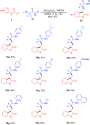
Scheme 37: Visible-light-promoted difluoroalkylated oxindoles systhesis via EDA complexes.

Scheme 38: Possible mechanism for the visible-light-promoted radical cyclization of N-arylacrylamides with bro...

Scheme 39: A dicumyl peroxide-initiated radical cascade reaction of N-arylacrylamide with DCM.

Scheme 40: Possible mechanism of radical cyclization of N-arylacrylamides with DCM.

Scheme 41: An AIBN-mediated radical cascade reaction of N-arylacrylamides with perfluoroalkyl iodides.

Scheme 42: Possible mechanism for the reaction with perfluoroalkyl iodides.

Scheme 43: Photoinduced palladium-catalyzed radical annulation of N-arylacrylamides with alkyl halides.

Scheme 44: Radical alkylation/cyclization of N-Alkyl-N-methacryloylbenzamides with alkyl halides.

Scheme 45: Possible mechanism for the alkylation/cyclization with unactivated alkyl chlorides.
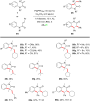
Scheme 46: Visible-light-driven palladium-catalyzed radical cascade cyclization of N-arylacrylamides with unac...

Scheme 47: NHC-catalyzed radical cascade cyclization of N-arylacrylamides with alkyl bromides.

Scheme 48: Possible mechanism of NHC-catalyzed radical cascade cyclization.

Scheme 49: Electrochemically mediated radical cyclization reaction of N-arylacrylamides with freon-type methan...

Scheme 50: Proposed mechanistic pathway of electrochemically induced radical cyclization reaction.

Scheme 51: Redox-neutral photoinduced radical cascade cylization of N-arylacrylamides with unactivated alkyl c...
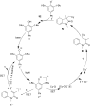
Scheme 52: Proposed mechanistic hypothesis of redox-neutral radical cascade cyclization.

Scheme 53: Thiol-mediated photochemical radical cascade cylization of N-arylacrylamides with aryl halides.

Scheme 54: Proposed possible mechanism of thiol-mediated photochemical radical cascade cyclization.

Scheme 55: Visible-light-induced radical cascade bromocyclization of N-arylacrylamides with NBS.

Scheme 56: Possible mechanism of visible-light-induced radical cascade cyclization.

Scheme 57: Decarboxylation/radical C–H functionalization by visible-light photoredox catalysis.

Scheme 58: Plausible mechanism of visible-light photoredox-catalyzed radical cascade cyclization.

Scheme 59: Visible-light-promoted tandem radical cyclization of N-arylacrylamides with N-(acyloxy)phthalimides....

Scheme 60: Plausible mechanism for the tandem radical cyclization reaction.

Scheme 61: Visible-light-induced aerobic radical cascade alkylation/cyclization of N-arylacrylamides with alde...

Scheme 62: Plausible mechanism for the aerobic radical alkylarylation of electron-deficient amides.

Scheme 63: Oxidative decarbonylative [3 + 2]/[5 + 2] annulation of N-arylacrylamide with vinyl acids.

Scheme 64: Plausible mechanism for the decarboxylative (3 + 2)/(5 + 2) annulation between N-arylacrylamides an...

Scheme 65: Rhenium-catalyzed alkylarylation of alkenes with PhI(O2CR)2.

Scheme 66: Plausible mechanism for the rhenium-catalyzed decarboxylative annulation of N-arylacrylamides with ...

Scheme 67: Visible-light-induced one-pot tandem reaction of N-arylacrylamides.

Scheme 68: Plausible mechanism for the visible-light-initiated tandem synthesis of difluoromethylated oxindole...

Scheme 69: Copper-catalyzed redox-neutral cyanoalkylarylation of activated alkenes with cyclobutanone oxime es...

Scheme 70: Plausible mechanism for the copper-catalyzed cyanoalkylarylation of activated alkenes.

Scheme 71: Photoinduced alkyl/aryl radical cascade for the synthesis of quaternary CF3-attached oxindoles.

Scheme 72: Plausible photoinduced electron-transfer (PET) mechanism.

Scheme 73: Photoinduced cerium-mediated decarboxylative alkylation cascade cyclization.

Scheme 74: Plausible reaction mechanism for the decarboxylative radical-cascade alkylation/cyclization.

Scheme 75: Metal-free oxidative tandem coupling of activated alkenes.

Scheme 76: Control experiments and possible mechanism for 1,2-carbonylarylation of alkenes with carbonyl C(sp2...

Scheme 77: Silver-catalyzed acyl-arylation of activated alkenes with α-oxocarboxylic acids.

Scheme 78: Proposed mechanism for the decarboxylative acylarylation of acrylamides.

Scheme 79: Visible-light-mediated tandem acylarylation of olefines with carboxylic acids.

Scheme 80: Proposed mechanism for the radical cascade cyclization with acyl radical via visible-light photored...

Scheme 81: Erythrosine B-catalyzed visible-light photoredox arylation-cyclization of N-arylacrylamides with ar...

Scheme 82: Electrochemical cobalt-catalyzed radical cyclization of N-arylacrylamides with arylhydrazines or po...

Scheme 83: Proposed mechanism of radical cascade cyclization via electrochemical cobalt catalysis.

Scheme 84: Copper-catalyzed oxidative tandem carbamoylation/cyclization of N-arylacrylamides with hydrazinecar...

Scheme 85: Proposed reaction mechanism for the radical cascade cyclization by copper catalysis.

Scheme 86: Visible-light-driven radical cascade cyclization reaction of N-arylacrylamides with α-keto acids.

Scheme 87: Proposed mechanism of visible-light-driven cascade cyclization reaction.

Scheme 88: Peroxide-induced radical carbonylation of N-(2-methylallyl)benzamides with methyl formate.

Scheme 89: Proposed cyclization mechanism of peroxide-induced radical carbonylation with N-(2-methylallyl)benz...

Scheme 90: Persulfate promoted carbamoylation of N-arylacrylamides and N-arylcinnamamides.

Scheme 91: Proposed mechanism for the persulfate promoted radical cascade cyclization reaction of N-arylacryla...
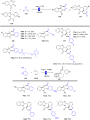
Scheme 92: Photocatalyzed carboacylation with N-arylpropiolamides/N-alkyl acrylamides.

Scheme 93: Plausible mechanism for the photoinduced carboacylation of N-arylpropiolamides/N-alkyl acrylamides.

Scheme 94: Electrochemical Fe-catalyzed radical cyclization with N-arylacrylamides.

Scheme 95: Plausible mechanism for the electrochemical Fe-catalysed radical cyclization of N-phenylacrylamide.

Scheme 96: Substrate scope of the selective functionalization of various α-ketoalkylsilyl peroxides with metha...

Scheme 97: Proposed reaction mechanism for the Fe-catalyzed reaction of alkylsilyl peroxides with methacrylami...

Scheme 98: EDA-complex mediated C(sp2)–C(sp3) cross-coupling of TTs and N-methyl-N-phenylmethacrylamides.

Scheme 99: Proposed mechanism for the synthesis of oxindoles via EDA complex.
On the photoluminescence in triarylmethyl-centered mono-, di-, and multiradicals
- Daniel Straub,
- Markus Gross,
- Mona E. Arnold,
- Julia Zolg and
- Alexander J. C. Kuehne
Beilstein J. Org. Chem. 2025, 21, 964–998, doi:10.3762/bjoc.21.80
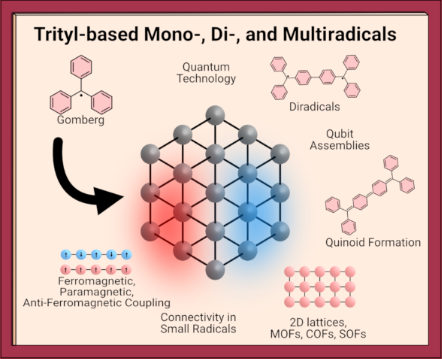
- Gomberg (see TTM and PTM in Figure 1a) [31]. Gomberg’s radical emits light in the green region of the visible spectrum, which is shifted bathochromically by substituting the ortho- and para-positions of the trityl phenyl rings with halogens. However, all symmetrical halo-trityl radicals exhibit low ϕ
- the excited state dynamics, there is evidence for this fast relaxation in donor-functionalized TTM radicals [26]. Moreover, transient absorption has been employed to elucidate the formation of a non-luminescent side-product in trityl radicals. During photodegradation, two halogens are lost and two
- improved photostability (see Figure 1a). While the triaryl oxyether-TTM does not enhance the ϕ, triaryl thioether-TTM exhibits a ϕ of up to 37.5% (in cyclohexane). Due to the stronger electron donating effect of the chalcogens compared to halogens, the emission is shifted to lower energies with λem = 625

Graphical Abstract

Figure 1: a) Tris(trichlorophenyl)methyl (TTM) radical and related trityl radicals, b) HDMO, SOMO, LUMO orbit...

Figure 2: Mixed halide tri- and perhalogenated triphenylmethyl radicals: a) Molecular structures of homo- and...

Figure 3: Pyridine-functionalized triarylmethyl radicals. a) Chemical structures of X2PyBTM, Py2MTM, and Au-F2...

Figure 4: Pyridine-functionalized triarylmethyl radicals. a) Molecular structure of Mes2F2PyBTM, and b) its f...

Figure 5: Carbazole functionalized triarylmethyl radical. a) Chemical structure of Cz-BTM and b) its energy d...
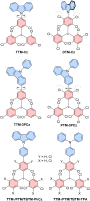
Figure 6: Donor-functionalized triphenylmethyl radicals. Molecular structures of TTM-Cz, DTM-Cz, TTM-3PCz, PT...

Figure 7: Tuning of the donor strength. Functionalization with electron-donating and electron-withdrawing gro...
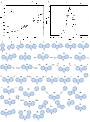
Figure 8: Tuning of the donor strength, by varying the Cz-derived donor (1–36) on a TTM radical fragment. a) ...

Figure 9: Three-state model and Marcus theory: q is the charge transfer coordinate and G the free energy. Gro...

Figure 10: Dendronized carbazole donors on TTM radicals. a) Molecular structures of G3TTM and G4TTM. b) Photol...

Figure 11: Electronic extension of the Cz donor. a) Molecular structures and optoelectronic properties of TTM-...

Figure 12: Kekulé diradicals: a) hexadeca- and perchlorinated Thiele (TTH, PTH), Chichibabin (TTM-TTM, PTM-PTM...
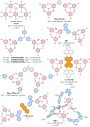
Figure 13: Non-Kekulé diradicals: perchlorinated Schlenk–Brauns radical (m-PTH), meta-coupled TTM radicals in ...

Figure 14: UV–vis absorption and photoluminescence spectra of a) TTH in solvents of different polarity, b) dir...

Figure 15: Molecular structures of m-4BTH (meta-butylated Thiele hydrocarbon), m-4TTH (meta-trichlorinated Thi...

Figure 16: a) Polystyrene-based TTM-Cz polymer. b) Molecular structure of radical particles with backbone thro...
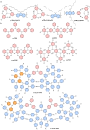
Figure 17: Molecular structures of polyradicals. a) Molecular structures of p-TBr6Cl3M-F8, p-TBr6Cl3M-acF8 and ...
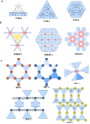
Figure 18: Structures of coordination and metal-organic frameworks. a) Carboxylic acid functionalized monomers...

Figure 19: Structures of coordination and metal-organic frameworks. a) Molecular structures of monomers TTMDI, ...

Figure 20: Molecular structures of covalent organic frameworks m-TPM-Ph-COF, m-PTM-Ph-COF, p-TPH-COF, p-PTH-COF...
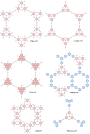
Figure 21: Molecular structures of covalent organic frameworks PTMAc-COF, oxTAMAc-COF, TOTAc-COF, PTMTAz-COF, p...
Harnessing tethered nitreniums for diastereoselective amino-sulfonoxylation of alkenes
- Shyam Sathyamoorthi,
- Appasaheb K. Nirpal,
- Dnyaneshwar A. Gorve and
- Steven P. Kelley
Beilstein J. Org. Chem. 2025, 21, 947–954, doi:10.3762/bjoc.21.78

- alkene side product, presumably arising from mesylate elimination (Table 4, entry 4). In general, the functional group tolerance of the reaction was good, and aryl halogens, aryl CF3 moieties, and benzyl ethers were fully compatible (Table 4, entries 7 and 8). Where applicable, stereoarrays could be

Graphical Abstract

Scheme 1: Existing reports of intramolecular alkene functionalization reactions with nitreniums have focused ...

Figure 1: Poor performers.

Scheme 2: Putative reaction mechanism.

Scheme 3: (A) Scale-up and (B) applications.
Silver(I) triflate-catalyzed post-Ugi synthesis of pyrazolodiazepines
- Muhammad Hasan,
- Anatoly A. Peshkov,
- Syed Anis Ali Shah,
- Andrey Belyaev,
- Chang-Keun Lim,
- Shunyi Wang and
- Vsevolod A. Peshkov
Beilstein J. Org. Chem. 2025, 21, 915–925, doi:10.3762/bjoc.21.74
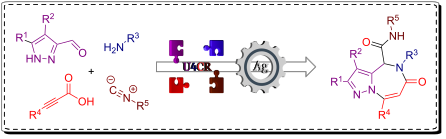
- substrates 15e–l was tested. The process proceeded efficiently in all cases, yielding pyrazolodiazepines 16e–l and demonstrating tolerance for various substituents on the aniline-derived aromatic fragment, including alkyl, halogens, electron-donating alkoxy groups, as well as electron-withdrawing

Graphical Abstract

Figure 1: Representative diazepine-fused heterocycles.

Scheme 1: Post-Ugi synthesis of benzodiazepines and heteroaryl-fused diazepines.

Scheme 2: Synthesis of pyrazole-tethered propargylamides 15 via U4CR. Conditions: Unless otherwise specified,...
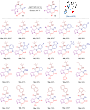
Scheme 3: Scope of the silver(I) triflate-catalyzed synthesis of pyrazolo[1,5-a][1,4]diazepines. Conditions: ...

Scheme 4: Telescope procedure for the synthesis of 16a.

Scheme 5: Tentative mechanism for the silver-catalyzed heteroannulation.

Scheme 6: Reductive post-assembly modifications of the pyrazolo[1,5-a][1,4]diazepine core. aDetermined by 1H ...
Recent advances in the electrochemical synthesis of organophosphorus compounds
- Babak Kaboudin,
- Milad Behroozi,
- Sepideh Sadighi and
- Fatemeh Asgharzadeh
Beilstein J. Org. Chem. 2025, 21, 770–797, doi:10.3762/bjoc.21.61
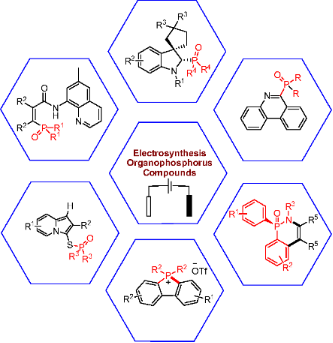
- . The reaction was carried out in an undivided cell with a graphite rod electrode as the anode and platinum as the cathode at a constant current of 7.5 mA under N2 for 4 h. Thiophenes with strong electron-withdrawing groups, and halogens produced moderate yields. However, a good yield was achieved when

Graphical Abstract

Scheme 1: Electrosynthesis of phenanthridine phosphine oxides.

Scheme 2: Electrosynthesis of 1-aminoalkylphosphine oxides.

Scheme 3: Various electrochemical C–P coupling reactions.

Scheme 4: Electrochemical C–P coupling reaction of indolines.

Scheme 5: Electrochemical C–P coupling reaction of ferrocene.

Scheme 6: Electrochemical C–P coupling reaction of acridines with phosphites.

Scheme 7: Electrochemical C–P coupling reaction of alkenes.

Scheme 8: Electrochemical C–P coupling reaction of arenes in a flow system.

Scheme 9: Electrochemical C–P coupling reaction of heteroarenes.

Scheme 10: Electrochemical C–P coupling reaction of thiazoles.

Scheme 11: Electrochemical C–P coupling reaction of indole derivatives.

Scheme 12: Electrosynthesis of 1-amino phosphonates.

Scheme 13: Electrochemical C–P coupling reaction of aryl and vinyl bromides.

Scheme 14: Electrochemical C–P coupling reaction of phenylpyridine with dialkyl phosphonates in the presence o...

Scheme 15: Electrochemical P–C bond formation of amides.

Scheme 16: Electrochemical synthesis of α-hydroxy phosphine oxides.

Scheme 17: Electrochemical synthesis of π-conjugated phosphonium salts.

Scheme 18: Electrochemical phosphorylation of indoles.

Scheme 19: Electrochemical synthesis of phosphorylated propargyl alcohols.

Scheme 20: Electrochemical synthesis of phosphoramidates.

Scheme 21: Electrochemical reaction of carbazole with diphenylphosphine.

Scheme 22: Electrochemical P–N coupling of carbazole with phosphine oxides.

Scheme 23: Electrochemical P–N coupling of indoles with a trialkyl phosphite.

Scheme 24: Electrochemical synthesis of iminophosphoranes.

Scheme 25: Electrochemical P–O coupling of phenols with dialkyl phosphonate.

Scheme 26: Electrochemical P–O coupling of alcohols with diphenylphosphine.

Scheme 27: Electrochemical P–S coupling of thiols with dialkylphosphines.

Scheme 28: Electrochemical thiophosphorylation of indolizines.

Scheme 29: Electrosynthesis of S-heteroaryl phosphorothioates.

Scheme 30: Electrochemical phosphorylation reactions.

Scheme 31: Electrochemical P–Se formation.

Scheme 32: Electrochemical selenation/halogenation of alkynyl phosphonates.

Scheme 33: Electrochemical enantioselective aryl C–H bond activation.
Effect of substitution position of aryl groups on the thermal back reactivity of aza-diarylethene photoswitches and prediction by density functional theory
- Misato Suganuma,
- Daichi Kitagawa,
- Shota Hamatani and
- Seiya Kobatake
Beilstein J. Org. Chem. 2025, 21, 242–252, doi:10.3762/bjoc.21.16
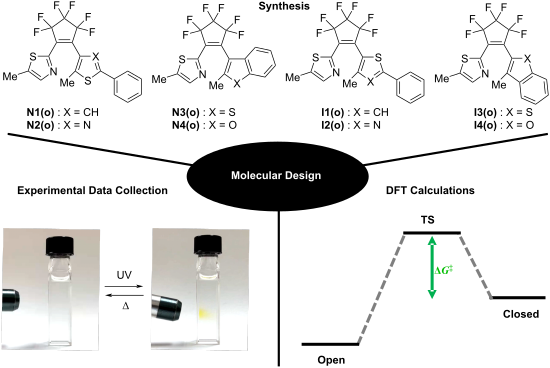
- time scale [54]. Langton and co-workers demonstrated that the thermal isomerization rate of azobenzenes can be tuned over a time scale spanning 107 seconds by introducing appropriate chalcogens and halogens at the ortho-position of the benzene rings [55]. Thus, investigation of the strategies to

Graphical Abstract
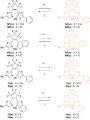
Scheme 1: Photochromic reaction of aza-diarylethene derivatives N1–N4 and I1–I4 investigated in this work.

Figure 1: Absorption spectral changes of (a) N3 and (b) I3 in n-hexane at 253 K for N3 and 203 K for I3: open...

Figure 2: Absorbance decay curves and first-order kinetics profiles for (a,b) N3 and (d,e) I3 in n-hexane at ...

Figure 3: Visualization of the difference between ΔG‡(calcd) and ΔG‡(exp) for N1–N4 and I1–I4 by calculation ...

Scheme 2: Synthetic route to aza-diarylethenes N4 and I1–I4.
Recent advances in electrochemical copper catalysis for modern organic synthesis
- Yemin Kim and
- Won Jun Jang
Beilstein J. Org. Chem. 2025, 21, 155–178, doi:10.3762/bjoc.21.9
- –heteroatom (C–X, where X = N, O, or halogens) bonds in organic synthesis. Copper was one of the first transition metals employed in cross-coupling to form C–C and C–X bonds [1][2]. In 1901, Ullmann reported the first cross-coupling reaction for the formation of biaryl compounds in the presence of

Graphical Abstract

Figure 1: General mechanisms of traditional and radical-mediated cross-coupling reactions.

Figure 2: Types of electrocatalysis (using anodic oxidation).

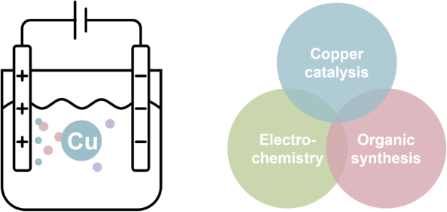
Figure 3: Recent developments and features of electrochemical copper catalysis.

Figure 4: Scheme and proposed mechanism for Cu-catalyzed alkynylation and annulation of benzamide.
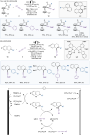
Figure 5: Scheme and proposed mechanism for Cu-catalyzed asymmetric C–H alkynylation.

Figure 6: Scheme for Cu/TEMPO-catalyzed C–H alkenylation of THIQs.
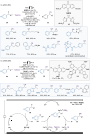
Figure 7: Scheme and proposed mechanism for Cu-catalyzed electrophotochemical enantioselective cyanation of b...
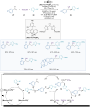
Figure 8: Scheme and proposed mechanism for Cu-catalyzed electrophotochemical asymmetric heteroarylcyanation ...
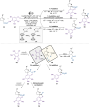
Figure 9: Scheme and proposed mechanism for Cu-catalyzed enantioselective regiodivergent cross-dehydrogenativ...
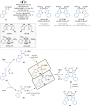
Figure 10: Scheme and proposed mechanism for Cu/Ni-catalyzed stereodivergent homocoupling of benzoxazolyl acet...
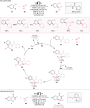
Figure 11: Scheme and proposed mechanism for Cu-catalyzed electrochemical amination.

Figure 12: Scheme and proposed mechanism for Cu-catalyzed electrochemical azidation of N-arylenamines and annu...
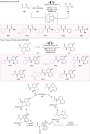
Figure 13: Scheme and proposed mechanism for Cu-catalyzed electrochemical halogenation.

Figure 14: Scheme and proposed mechanism for Cu-catalyzed asymmetric cyanophosphinoylation of vinylarenes.

Figure 15: Scheme and proposed mechanism for Cu/Co dual-catalyzed asymmetric hydrocyanation of alkenes.
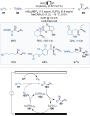
Figure 16: Scheme and proposed mechanism for Cu-catalyzed electrochemical diazidation of olefins.

Figure 17: Scheme and proposed mechanism for Cu-catalyzed electrochemical azidocyanation of alkenes.

Figure 18: Scheme and proposed mechanism for Cu-catalyzed electrophotochemical asymmetric decarboxylative cyan...
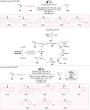
Figure 19: Scheme and proposed mechanism for electrocatalytic Chan–Lam coupling.
Hypervalent iodine-mediated intramolecular alkene halocyclisation
- Charu Bansal,
- Oliver Ruggles,
- Albert C. Rowett and
- Alastair J. J. Lennox
Beilstein J. Org. Chem. 2024, 20, 3113–3133, doi:10.3762/bjoc.20.258
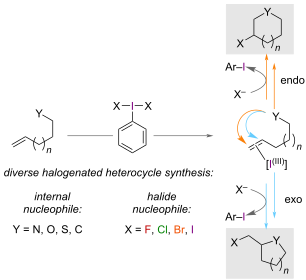
- , the intramolecular HVI-mediated halocyclisation of alkenes using carbon, oxygen, nitrogen or sulfur nucleophiles. Herein, we describe the examples reported in the literature, which are organised by the different halogens involved and the internal nucleophiles. Keywords: cyclisation; halogenation

Graphical Abstract

Figure 1: Example bioactive compounds containing cyclic scaffolds potentially accessible by HVI chemistry.

Figure 2: A general mechanism for HVI-mediated endo- or exo-halocyclisation.
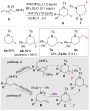
Scheme 1: Metal-free synthesis of β-fluorinated piperidines 6. Ts = tosyl.

Scheme 2: Intramolecular aminofluorination of unactivated alkenes with a palladium catalyst.
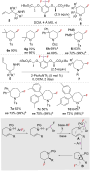
Scheme 3: Aminofluorination of alkenes in the synthesis of enantiomerically pure β-fluorinated piperidines. P...

Scheme 4: Synthesis of β-fluorinated piperidines.

Scheme 5: Intramolecular fluoroaminations of unsaturated amines published by Li.
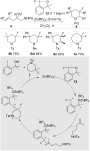
Scheme 6: Intramolecular aminofluorination of unsaturated amines using 1-fluoro-3,3-dimethylbenziodoxole (12)...
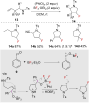
Scheme 7: 3-fluoropyrrolidine synthesis. aDiastereomeric ratio (cis/trans) determined by 19F NMR analysis.

Scheme 8: Kitamura’s synthesis of 3-fluoropyrrolidines. Values in parentheses represent the cis:trans ratio.
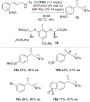
Scheme 9: Jacobsen’s enantio- and diastereoselective protocol for the synthesis of syn-β-fluoroaziridines 15.
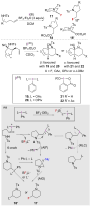
Scheme 10: Different HVI reagents lead to different diastereoselectivity in aminofluorination competing with c...
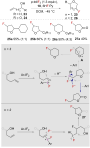
Scheme 11: Fluorocyclisation of unsaturated alcohols and carboxylic acids to make tetrahydrofurans, fluorometh...

Scheme 12: Oxyfluorination of unsaturated alcohols.
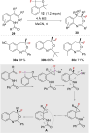
Scheme 13: Synthesis and mechanism of fluoro-benzoxazepines.
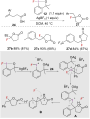
Scheme 14: Intramolecular fluorocyclisation of unsaturated carboxylic acids. Yield of isolated product within ...

Scheme 15: Synthesis of fluorinated tetrahydrofurans and butyrolactone.

Scheme 16: Synthesis of fluorinated oxazolines 32. aReaction time increased to 40 hours. Yields refer to isola...
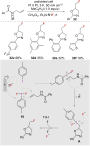
Scheme 17: Electrochemical synthesis of fluorinated oxazolines.

Scheme 18: Electrochemical synthesis of chromanes.

Scheme 19: Synthesis of fluorinated oxazepanes.
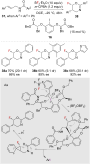
Scheme 20: Enantioselective oxy-fluorination with a chiral aryliodide catayst.
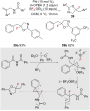
Scheme 21: Catalytic synthesis of 5‑fluoro-2-aryloxazolines using BF3·Et2O as a source of fluoride and an acti...

Scheme 22: Intramolecular carbofluorination of alkenes.

Scheme 23: Intramolecular chlorocyclisation of unsaturated amines.
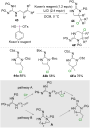
Scheme 24: Synthesis of chlorinated cyclic guanidines 44.
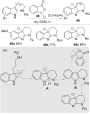
Scheme 25: Synthesis of chlorinated pyrido[2,3-b]indoles 46.

Scheme 26: Chlorolactonization and chloroetherification reactions.
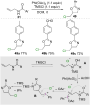
Scheme 27: Proposed mechanism for the synthesis of chloromethyl oxazolines 49.
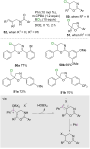
Scheme 28: Oxychlorination to form oxazine and oxazoline heterocycles promoted by BCl3.

Scheme 29: Aminobromocyclisation of homoallylic sulfonamides 53. The cis:trans ratios based on the 1H NMR of t...
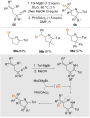
Scheme 30: Synthesis of cyclic imines 45.

Scheme 31: Synthesis of brominated pyrrolo[2,3-b]indoles 59.

Scheme 32: Bromoamidation of alkenes.

Scheme 33: Synthesis of brominated cyclic guanidines 61 and 61’.
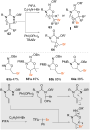
Scheme 34: Intramolecular bromocyclisation of N-oxyureas.
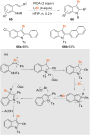
Scheme 35: The formation of 3-bromoindoles.

Scheme 36: Bromolactonisation of unsaturated acids 68.

Scheme 37: Synthesis of 5-bromomethyl-2-oxazolines.
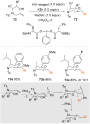
Scheme 38: Synthesis of brominated chiral morpholines.
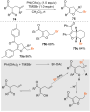
Scheme 39: Bromoenolcyclisation of unsaturated dicarbonyl groups.

Scheme 40: Brominated oxazines and oxazolines with BBr3.

Scheme 41: Synthesis of 5-bromomethtyl-2-phenylthiazoline.

Scheme 42: Intramolecular iodoamination of unsaturated amines.

Scheme 43: Formation of 3-iodoindoles.

Scheme 44: Iodoetherification of 2,2-diphenyl-4-penten-1-carboxylic acid (47’) and 2,2-diphenyl-4-penten-1-ol (...

Scheme 45: Synthesis of 5-iodomethyl-2-oxazolines.

Scheme 46: Synthesis of chiral iodinated morpholines. aFrom the ʟ-form of the amino acid starting material. Th...

Scheme 47: Iodoenolcyclisation of unsaturated dicarbonyl compounds 74.

Scheme 48: Synthesis of 5-iodomethtyl-2-phenylthiazoline (87).
Advances in radical peroxidation with hydroperoxides
- Oleg V. Bityukov,
- Pavel Yu. Serdyuchenko,
- Andrey S. Kirillov,
- Gennady I. Nikishin,
- Vera A. Vil’ and
- Alexander O. Terent’ev
Beilstein J. Org. Chem. 2024, 20, 2959–3006, doi:10.3762/bjoc.20.249
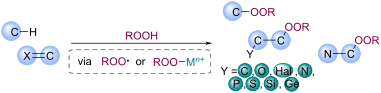

Graphical Abstract

Scheme 1: Organic peroxide initiators in polymer chemistry.

Scheme 2: Synthesis of organic peroxides.

Scheme 3: Richness of radical cascades with species formed from hydroperoxides in redox conditions.
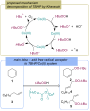
Scheme 4: Co-catalyzed allylic peroxidation of alkenes 1 and 3 by TBHP.

Scheme 5: Allylic peroxidation of alkenes 6 by Pd(II)TBHP.
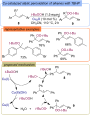
Scheme 6: Cu(I)-catalyzed allylic peroxidation.

Scheme 7: Enantioselective peroxidation of alkenes 10 with TBHP in the presence of copper(I) compounds.

Scheme 8: Oxidation of α-pinene (12) by the Cu(I)/TBHP system.

Scheme 9: Introduction of the tert-butylperoxy fragment into the α-position of cyclic ketones 15 and 17.
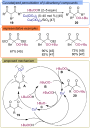
Scheme 10: α-Peroxidation of β-dicarbonyl compounds 19 using the Cu(II)/TBHP system.
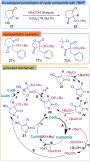
Scheme 11: Co-catalyzed peroxidation of cyclic compounds 21 with TBHP.

Scheme 12: Co-, Mn- and Fe-catalyzed peroxidation of 2-oxoindoles 23, barbituric acids 25, and 4-hydroxycoumar...

Scheme 13: Cu-catalyzed and metal-free peroxidation of barbituric acid derivatives 31 and 3,4-dihydro-1,4-benz...

Scheme 14: Electrochemical peroxidation of 1,3-dicarbonyl compounds 35.

Scheme 15: Peroxidation of β-dicarbonyl compounds, cyanoacetic esters and malonic esters 37 by the TBAI/TBHP s...
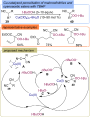
Scheme 16: Cu-catalyzed peroxidation of malonodinitriles and cyanoacetic esters 39 with TBHP.

Scheme 17: Mn-catalyzed remote peroxidation via trifluromethylation of double bond.

Scheme 18: Cu-catalyzed remote peroxidation via trifluromethylthiolation of double bond.

Scheme 19: Fe-, Mn-, and Ru-catalyzed peroxidation of alkylaromatics 45, 47, 49, and 51 with TBHP.

Scheme 20: Cu-catalyzed peroxidation of diphenylacetonitrile (53) with TBHP.
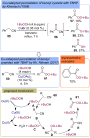
Scheme 21: Cu-catalyzed peroxidation of benzyl cyanides 60 with TBHP.
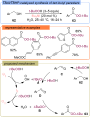
Scheme 22: Synthesis of tert-butylperoxy esters 63 from benzyl alcohols 62 using the TBAI/TBHP system.

Scheme 23: Enantioselective peroxidation of 2-phenylbutane (64) with TBHP and chiral Cu(I) complex.
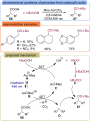
Scheme 24: Photochemical synthesis of peroxides 67 from carboxylic acids 66.
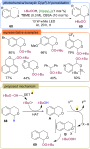
Scheme 25: Photochemical peroxidation of benzylic C(sp3)–H.
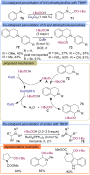
Scheme 26: Cu- and Ru-catalyzed peroxidation of alkylamines with TBHP.
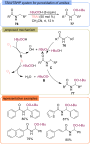
Scheme 27: Peroxidation of amides 76 with the TBAI/TBHP system.
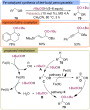
Scheme 28: Fe-catalyzed functionalization of ethers 78 with TBHP.

Scheme 29: Synthesis of 4-(tert-butylperoxy)-5-phenyloxazol-2(3H)-ones 82 from benzyl alcohols 80 and isocyana...

Scheme 30: Fe- and Co-catalyzed peroxidation of alkanes with TBHP.
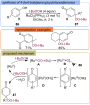
Scheme 31: Rh-catalyzed tert-butylperoxy dienone synthesis with TBHP.

Scheme 32: Rh- and Cu-catalyzed phenolic oxidation with TBHP.

Scheme 33: Metal-free peroxidation of phenols 94.

Scheme 34: Cu-catalyzed alkylation–peroxidation of acrylonitrile.

Scheme 35: Cu-catalyzed cycloalkylation–peroxidation of coumarins 99.

Scheme 36: Metal-free cycloalkylation–peroxidation of coumarins 102.

Scheme 37: Difunctionalization of indene 104 with tert-butylperoxy and alkyl groups.

Scheme 38: Acid-catalyzed radical addition of ketones (108, 111) and TBHP to alkenes 107 and acrylates 110.

Scheme 39: Cu-catalyzed alkylation–peroxidation of alkenes 113 with TBHP and diazo compounds 114.

Scheme 40: Cobalt(II)-catalyzed addition of TBHP and 1,3-dicarbonyl compound 116 to alkenes 117.

Scheme 41: Cu(0)- or Co(II)-catalyzed addition of TBHP and alcohols 120 to alkenes 119.

Scheme 42: Fe-catalyzed functionalization of allenes 122 with TBHP.

Scheme 43: Fe-catalyzed alkylation–peroxidation of alkenes 125 and 127.

Scheme 44: Fe- and Co-catalyzed alkylation–peroxidation of alkenes 130, 133 and 134 with TBHP and aldehydes as...
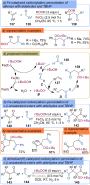
Scheme 45: Carbonylation–peroxidation of alkenes 137, 140, 143 with hydroperoxides and aldehydes.

Scheme 46: Carbamoylation–peroxidation of alkenes 146 with formamides and TBHP.

Scheme 47: TBAB-catalyzed carbonylation–peroxidation of alkenes.

Scheme 48: VOCl2-catalyzed carbonylation–peroxidation of alkenes 152.
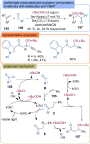
Scheme 49: Acylation–peroxidation of alkenes 155 with aldehydes 156 and TBHP using photocatalysis.
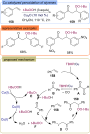
Scheme 50: Cu-catalyzed peroxidation of styrenes 158.

Scheme 51: Fe-catalyzed acylation-peroxidation of alkenes 161 with carbazates 160 and TBHP.

Scheme 52: Difunctionalization of alkenes 163, 166 with TBHP and (per)fluoroalkyl halides.

Scheme 53: Difunctionalization of alkenes 169 and 172 with hydroperoxides and sodium (per)fluoromethyl sulfina...
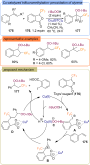
Scheme 54: Trifluoromethylation–peroxidation of styrenes 175 using MOF Cu3(BTC)2 as a catalyst.
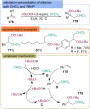
Scheme 55: Difunctionalization of alkenes 178 with tert-butylperoxy and dihalomethyl fragments.

Scheme 56: Difunctionalization of alkenes 180 with the tert-butylperoxy and dihalomethyl moieties.
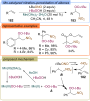
Scheme 57: The nitration–peroxidation of alkenes 182 with t-BuONO and TBHP.
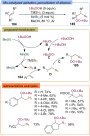
Scheme 58: Azidation–peroxidation of alkenes 184 with TMSN3 and TBHP.

Scheme 59: Co-catalyzed bisperoxidation of butadiene 186.

Scheme 60: Bisperoxidation of styrene (189) and acrylonitrile (192) with TBHP by Minisci.

Scheme 61: Mn-catalyzed synthesis of bis(tert-butyl)peroxides 195 from styrenes 194.

Scheme 62: Bisperoxidation of arylidene-9H-fluorenes 196 and 3-arylidene-2-oxoindoles 198 with TBHP under Mn-c...

Scheme 63: Synthesis of bisperoxides from styrenes 200 and 203 using the Ru and Rh catalysis.
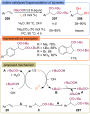
Scheme 64: Iodine-catalyzed bisperoxidation of styrenes 206.
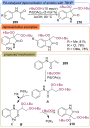
Scheme 65: Synthesis of di-tert-butylperoxyoxoindoles 210 from acrylic acid anilides 209 using a Pd(II)/TBHP o...

Scheme 66: Pinolation/peroxidation of styrenes 211 catalyzed by Cu(I).
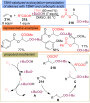
Scheme 67: TBAI-catalyzed acyloxylation–peroxidation of alkenes 214 with carboxylic acids and TBHP.

Scheme 68: Difunctionalization of alkenes 217 with TBHP and water or alcohols.

Scheme 69: TBAI-catalyzed hydroxyperoxidation of 1,3-dienes 220.

Scheme 70: Hydroxyperoxidation of 1,3-dienes 220.

Scheme 71: Iodination/peroxidation of alkenes 223 with I2 and hydroperoxides.

Scheme 72: The reactions of cyclic enol ethers 226 and 228 with I2/ROOH system.

Scheme 73: Synthesis of 1-(tert-butylperoxy)-2-iodoethanes 231.

Scheme 74: Synthesis of 1-iodo-2-(tert-butylperoxy)ethanes 233.
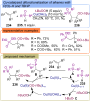
Scheme 75: Cu-catalyzed phosphorylation–peroxidation of alkenes 234.
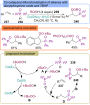
Scheme 76: Co-catalyzed phosphorylation–peroxidation of alkenes 237.
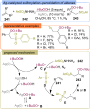
Scheme 77: Ag-catalyzed sulfonylation–peroxidation of alkenes 241.

Scheme 78: Co-catalyzed sulfonylation–peroxidation of alkenes 244.

Scheme 79: Synthesis of α/β-peroxysulfides 248 and 249 from styrenes 247.

Scheme 80: Cu-catalyzed trifluoromethylthiolation–peroxidation of alkenes 250 and allenes 252.

Scheme 81: Photocatalytic sulfonyl peroxidation of alkenes 254 via deamination of N-sulfonyl ketimines 255.

Scheme 82: Photoredox-catalyzed 1,4-peroxidation–sulfonylation of enynones 257.

Scheme 83: Cu-catalyzed silylperoxidation of α,β-unsaturated compounds 260 and enynes 261.

Scheme 84: Fe-catalyzed silyl peroxidation of alkenes.

Scheme 85: Cu-catalyzed germyl peroxidation of alkenes 267.
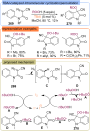
Scheme 86: TBAI-catalyzed intramolecular cyclization of diazo compounds 269 with further peroxidation.

Scheme 87: Co-catalyzed three-component coupling of benzamides 271, diazo compounds 272 and TBHP.

Scheme 88: Co-catalyzed esterification-peroxidation of diazo compounds 274 with TBHP and carboxylic acids 275.

Scheme 89: Cu-catalyzed alkylation–peroxidation of α-carbonylimines 277 or ketones 280.

Scheme 90: Mn-catalyzed ring-opening peroxidation of cyclobutanols 282 with TBHP.

Scheme 91: Peroxycyclization of tryptamines 284 with TBHP.

Scheme 92: Radical cyclization–peroxidation of homotryptamines 287.
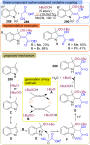
Scheme 93: Iodine-catalyzed oxidative coupling of indoles 288, cyanoacetic esters and TBHP.

Scheme 94: Summary of metal-catalyzed peroxidation processes.
Recent advances in transition-metal-free arylation reactions involving hypervalent iodine salts
- Ritu Mamgain,
- Kokila Sakthivel and
- Fateh V. Singh
Beilstein J. Org. Chem. 2024, 20, 2891–2920, doi:10.3762/bjoc.20.243

- diaryliodonium salts regardless of their differing counter-anions. A range of 2-naphthol substrates, including those bearing alkyl and aryl groups, halogens, trimethylsilyl, and protected hydroxy at positions 6 and 7, exhibited good tolerance. However, the reaction with 1-naphthol did not yield positive results

Graphical Abstract

Figure 1: Various structures of iodonium salts.

Scheme 1: Αrylation of α-fluoroacetoacetamides 5 to α-aryl-α-fluoroacetoacetamides 7 and α-fluoroacetamides 8...
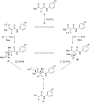
Scheme 2: Proposed mechanism for the arylation of α-fluoroacetoacetamides 5 to α-aryl-α-fluoroacetoacetamides ...

Scheme 3: α-Arylation of α-nitro- and α-cyano derivatives of α-fluoroacetamides 9 employing unsymmetrical DAI...

Scheme 4: Synthesis of α,α-difluoroketones 13 by reacting α,α-difluoro-β-keto acid esters 11 with aryl(TMP)io...

Scheme 5: Coupling reaction of arynes generated by iodonium salts 6 and arynophiles 14 for the synthesis of t...

Scheme 6: Metal-free arylation of quinoxalines 17 and quinoxalinones 19 with DAISs 16.

Scheme 7: Transition-metal-free, C–C cross-coupling of 2-naphthols 21 to 1-arylnapthalen-2-ols 22 employing d...

Scheme 8: Arylation of vinyl pinacol boronates 23 to trans-arylvinylboronates 24 in presence of hypervalent i...

Scheme 9: Light-induced selective arylation at C2 of quinoline N-oxides 25 and pyridine N-oxides 28 in the pr...

Scheme 10: Plaussible mechanism for the light-induced selective arylation of N-heterobiaryls.

Scheme 11: Photoinduced arylation of heterocycles 31 with the help of diaryliodonium salts 16 activated throug...

Scheme 12: Arylation of MBH acetates 33 with DIPEA and DAIRs 16.

Scheme 13: Aryl sulfonylation of MBH acetates 33 with DABSO and diphenyliodonium triflates 16.

Scheme 14: Synthesis of oxindoles 37 from N-arylacrylamides 36 and diaryliodonium salts 26.

Scheme 15: Mechanically induced N-arylation of amines 38 using diaryliodonium salts 16.

Scheme 16: o-Fluorinated diaryliodonium salts 40-mediated diarylation of amines 38.

Scheme 17: Proposed mechanism for the diarylation of amines 38 using o-fluorinated diaryliodonium salts 40.

Scheme 18: Ring-opening difunctionalization of aliphatic cyclic amines 41.

Scheme 19: N-Arylation of amino acid esters 44 using hypervalent iodonium salts 45.

Scheme 20: Regioselective N-arylation of triazole derivatives 47 by hypervalent iodonium salts 48.

Scheme 21: Regioselective N-arylation of tetrazole derivatives 50 by hypervalent iodonium salt 51.

Scheme 22: Selective arylation at nitrogen and oxygen of pyridin-2-ones 53 by iodonium salts 16 depending on t...

Scheme 23: N-Arylation using oxygen-bridged acyclic diaryliodonium salt 56.

Scheme 24: The successive C(sp2)–C(sp2)/O–C(sp2) bond formation of naphthols 58.

Scheme 25: Synthesis of diarylethers 62 via in situ generation of hypervalent iodine salts.

Scheme 26: O-Arylated galactosides 64 by reacting protected galactosides 63 with hypervalent iodine salts 16 i...

Scheme 27: Esterification of naproxen methyl ester 65 via formation and reaction of naproxen-containing diaryl...

Scheme 28: Etherification and esterification products 72 through gemfibrozil methyl ester-derived diaryliodoni...

Scheme 29: Synthesis of iodine containing meta-substituted biaryl ethers 74 by reacting phenols 61 and cyclic ...

Scheme 30: Plausible mechanism for the synthesis of meta-functionalized biaryl ethers 74.

Scheme 31: Intramolecular aryl migration of trifluoromethane sulfonate-substituted diaryliodonium salts 75.

Scheme 32: Synthesis of diaryl ethers 80 via site-selective aryl migration.

Scheme 33: Synthesis of O-arylated N-alkoxybenzamides 83 using aryl(trimethoxyphenyl)iodonium salts 82.

Scheme 34: Synthesis of aryl sulfides 85 from thiols 84 using diaryliodonium salts 16 in basic conditions.

Scheme 35: Base-promoted synthesis of diarylsulfoxides 87 via arylation of general sulfinates 86.

Scheme 36: Plausible mechanism for the arylation of sulfinates 86 via sulfenates A to give diaryl sulfoxides 87...

Scheme 37: S-Arylation reactions of aryl or heterocyclic thiols 88.

Scheme 38: Site-selective S-arylation reactions of cysteine thiol groups in 91 and 94 in the presence of diary...

Scheme 39: The selective S-arylation of sulfenamides 97 using diphenyliodonium salts 98.

Scheme 40: Plausible mechanism for the synthesis of sulfilimines 99.

Scheme 41: Synthesis of S-arylxanthates 102 by reacting DAIS 101 with potassium alkyl xanthates 100.

Figure 2: Structured of the 8-membered and 4-membered heterotetramer I and II.

Scheme 42: S-Arylation by diaryliodonium cations 103 using KSCN (104) as a sulfur source.

Scheme 43: S-Arylation of phosphorothioate diesters 107 through the utilization of diaryliodonium salts 108.

Scheme 44: Transfer of the aryl group from the hypervalent iodonium salt 108 to phosphorothioate diester 107.

Scheme 45: Synthesis of diarylselenides 118 via diarylation of selenocyanate 115.

Scheme 46: Light-promoted arylation of tertiary phosphines 119 to quaternary phosphonium salts 121 using diary...

Scheme 47: Arylation of aminophosphorus substrate 122 to synthesize phosphine oxides 123 using aryl(mesityl)io...

Scheme 48: Reaction of diphenyliodonium triflate (16) with DMSO (124) via thia-Sommelet–Hauser rearrangement.

Scheme 49: Synthesis of biaryl compounds 132 by reacting diaryliodonium salts 131 with arylhydroxylamines 130 ...

Scheme 50: Synthesis of substituted indazoles 134 and 135 from N-hydroxyindazoles 133.
C–H Trifluoromethylthiolation of aldehyde hydrazones
- Victor Levet,
- Balu Ramesh,
- Congyang Wang and
- Tatiana Besset
Beilstein J. Org. Chem. 2024, 20, 2883–2890, doi:10.3762/bjoc.20.242
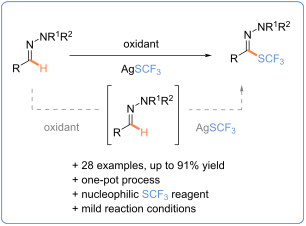
- ). Hydrazones derived from aromatic aldehydes (1a–p) were first investigated. It turned out that para-substituted compounds with electron-rich groups (e.g., OMe, OBn), halogens (Cl, Br, I), and electron-withdrawing groups (e.g., CF3) were smoothly trifluoromethylthiolated. In the same vein, meta- and ortho
- , alkenes) and halogens allowing an array of post-functionalization reactions. Finally, the trifluoromethylthiolation of molecules derived from compounds of interest was achieved to illustrate the synthetic utility of the method. Hence, the desired products 2v–x were efficiently isolated. To get more

Graphical Abstract

Scheme 1: State of the art and this work.

Scheme 2: Reaction conditions: hydrazone (0.3 mmol, 1.0 equiv), NBS (0.33 mmol, 1.1 equiv), in CH3CN (0.4 M),...
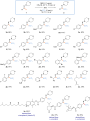
Scheme 3: Scope of the reaction. Reaction conditions: 1 (0.3 mmol, 1.0 equiv), NBS (0.33 mmol, 1.1 equiv) in ...

Scheme 4: Mechanistic investigations and post-functionalization reactions. a19F NMR yields using α,α,α-triflu...
Synthesis and cytotoxicity studies of novel N-arylbenzo[h]quinazolin-2-amines
- Battini Veeraiah,
- Kishore Ramineni,
- Dabbugoddu Brahmaiah,
- Nangunoori Sampath Kumar,
- Hélène Solhi,
- Rémy Le Guevel,
- Chada Raji Reddy,
- Frédéric Justaud and
- René Grée
Beilstein J. Org. Chem. 2024, 20, 2592–2598, doi:10.3762/bjoc.20.218
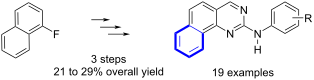
- recently [18], gave the first target 4a (R = H) in 69% yield. In a similar way, we prepared a designed library with eighteen additional members 4b to 4s (Figure 2) having in the different ortho, meta and para positions either methyl groups, halogens (F, Cl) or methoxy groups. We have also prepared

Graphical Abstract

Figure 1: Aminoquinazolines and our new target molecules.

Scheme 1: Synthesis of the desired targets 4.
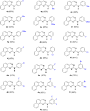
Figure 2: Target molecules 4 prepared with the yields for the last step.
A review of recent advances in electrochemical and photoelectrochemical late-stage functionalization classified by anodic oxidation, cathodic reduction, and paired electrolysis
- Nian Li,
- Ruzal Sitdikov,
- Ajit Prabhakar Kale,
- Joost Steverlynck,
- Bo Li and
- Magnus Rueping
Beilstein J. Org. Chem. 2024, 20, 2500–2566, doi:10.3762/bjoc.20.214
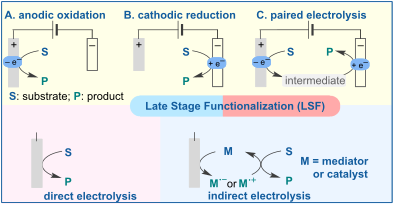

Graphical Abstract

Figure 1: Classification of LSF reactions in this review.

Scheme 1: C(sp2)–H trifluoromethylation of heteroarenes.
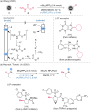
Scheme 2: C(sp2)–H and C(sp3)–H alkylation of complex molecules.

Scheme 3: Electrochemical oxidation-induced intermolecular aromatic C–H sulfonamidation.

Scheme 4: Bioconjugation of tyrosine with (a) phenothiazine and (b) urazole derivatives.

Scheme 5: Electrochemical iodoamination of indoles using unactivated amines.

Scheme 6: Allylic C(sp3)–H aminations with sulfonamides.

Scheme 7: Electrochemical benzylic oxidation of C–H bonds.
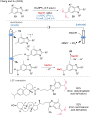
Scheme 8: Site-selective electrooxidation of methylarenes to aromatic acetals.

Scheme 9: Electrochemical activation of C–H by electron-deficient W2C nanocrystals.
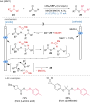
Scheme 10: α-Acyloxy sulfide preparation via C–H/OH cross-dehydrogenative coupling.
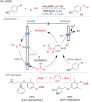
Scheme 11: Aromatic C–H-bond thiolation.

Scheme 12: C(sp2)–H functionalization for the installation of sulfonamide groups.

Scheme 13: Preparation of (hetero)aryl chlorides and vinyl chloride with 1,2-dichloroethane. aCu(OAc)2 (0.05 e...

Scheme 14: Electrochemical dual-oxidation enables access to α-chlorosulfoxides.

Scheme 15: Regio- and chemoselective formyloxylation–bromination/chlorination/trifluoromethylation of alkenes.

Scheme 16: Aziridine formation by coupling amines and alkenes.

Scheme 17: Formation of iminosulfide ethers via difunctionalization of an isocyanide.

Scheme 18: Synthesis of 1,3-difunctionalized molecules via C–C-bond cleavage of arylcyclopropane.

Scheme 19: Electrooxidative amino- and oxyselenation of alkenes. VBImBr = 1-butyl-3-vinylimidazolium bromide.

Scheme 20: Electrooxidative dehydrogenative [4 + 2] annulation of indole derivatives.
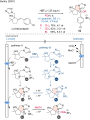
Scheme 21: Electrochemical cyclization combined with alkoxylation of triticonazole.

Scheme 22: Electrochemically tuned oxidative [4 + 2] annulation of olefins with hydroxamic acids.

Scheme 23: Electrosynthesis of indole derivatives via cyclization of 2-ethynylanilines.

Scheme 24: Allylic C–H oxidation of mono-, di-, and sesquiterpenes.

Scheme 25: Oxidation of unactivated C–H bonds.

Scheme 26: Fluorination of C(sp3)–H bonds. rAP = rapid alternating polarity.

Scheme 27: C(sp3)–H α-cyanation of secondary piperidines.
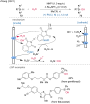
Scheme 28: Selective electrochemical hydrolysis of hydrosilanes to silanols.
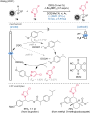
Scheme 29: Organocatalytic electrochemical amination of benzylic C–H bonds.
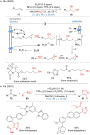
Scheme 30: Iodide ion-initiated anodic oxidation reactions.

Scheme 31: Mn(III/IV) electro-catalyzed C(sp3)–H azidation.
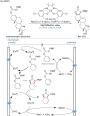
Scheme 32: Tailored cobalt–salen complexes enable electrocatalytic intramolecular allylic C–H functionalizatio...

Scheme 33: Cobalt–salen complexes-induced electrochemical (cyclo)additions.

Scheme 34: Electrochemical 1,2-diarylation of alkenes enabled by direct dual C–H functionalization of electron...

Scheme 35: Cobalt-electrocatalyzed atroposelective C–H annulation.

Scheme 36: Nickel-electrocatalyzed C(sp2)–H alkoxylation with secondary alcohols.

Scheme 37: Nickel-catalyzed electrochemical enantioselective amination.
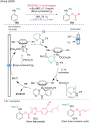
Scheme 38: Ruthenium-electrocatalyzed C(sp2)–H mono- and diacetoxylation.
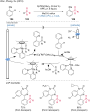
Scheme 39: Rhodium(III)-catalyzed aryl-C–H phosphorylation enabled by anodic oxidation-induced reductive elimi...

Scheme 40: Asymmetric Lewis-acid catalysis for the synthesis of non-racemic 1,4-dicarbonyl compounds.

Scheme 41: Electrochemical enantioselective C(sp3)–H alkenylation.

Scheme 42: Palladium-catalyzed electrochemical dehydrogenative cross-coupling.
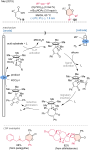
Scheme 43: Ir-electrocatalyzed vinylic C(sp2)–H activation for the annulation between acrylic acids and alkyne...

Scheme 44: Electrochemical gold-catalyzed C(sp3)–C(sp) coupling of alkynes and arylhydrazines.

Scheme 45: Photoelectrochemical alkylation of C–H heteroarenes using organotrifluoroborates.

Scheme 46: Mn-catalyzed photoelectro C(sp3)–H azidation.

Scheme 47: Photoelectrochemical undirected C–H trifluoromethylations of (Het)arenes.

Scheme 48: Photoelectrochemical dehydrogenative cross-coupling of heteroarenes with aliphatic C–H bonds.
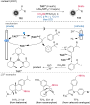
Scheme 49: C–H amination via photoelectrochemical Ritter-type reaction.

Scheme 50: Photoelectrochemical multiple oxygenation of C–H bonds.

Scheme 51: Accelerated C(sp3)–H heteroarylations by the f-EPC system.

Scheme 52: Photoelectrochemical cross-coupling of amines.

Scheme 53: Birch electroreduction of arenes. GSW = galvanized steel wire.

Scheme 54: Electroreductive deuterations.

Scheme 55: Chemoselective electrosynthesis using rapid alternating polarity.

Scheme 56: Electroreductive olefin–ketone coupling.

Scheme 57: Electroreductive approach to radical silylation.

Scheme 58: Electrochemical borylation of alkyl halides. CC = carbon close.

Scheme 59: Radical fluoroalkylation of alkenes.
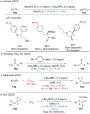
Scheme 60: Electrochemical defluorinative hydrogenation/carboxylation.

Scheme 61: Electrochemical decarboxylative olefination.

Scheme 62: Electrochemical decarboxylative Nozaki–Hiyama–Kishi coupling.
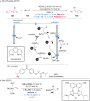
Scheme 63: Nickel-catalyzed electrochemical reductive relay cross-coupling.

Scheme 64: Electrochemical chemo- and regioselective difunctionalization of 1,3-enynes.

Scheme 65: Electrocatalytic doubly decarboxylative crosscoupling.

Scheme 66: Electrocatalytic decarboxylative crosscoupling with aryl halides.

Scheme 67: Nickel-catalyzed electrochemical reductive coupling of halides.

Scheme 68: Nickel-electrocatalyzed enantioselective carboxylation with CO2.

Scheme 69: Reductive electrophotocatalysis for borylation.
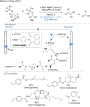
Scheme 70: Electromediated photoredox catalysis for selective C(sp3)–O cleavages of phosphinated alcohols to c...

Scheme 71: Stereoselective electro-2-deoxyglycosylation from glycals. MFE = methyl nonafluorobutyl ether.

Scheme 72: Electrochemical peptide modifications.

Scheme 73: Electrochemical α-deuteration of amides.

Scheme 74: Electrochemical synthesis of gem-diselenides.

Scheme 75: Site-selective electrochemical aromatic C–H amination.

Scheme 76: Electrochemical coupling of heteroarenes with heteroaryl phosphonium salts.
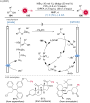
Scheme 77: Redox-neutral strategy for the dehydroxyarylation reaction.
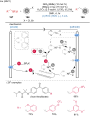
Scheme 78: Nickel-catalyzed electrochemical C(sp3)–C(sp2) cross-coupling of benzyl trifluoroborate and halides....
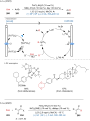
Scheme 79: Paired electrocatalysis for C(sp3)–C(sp2) coupling.

Scheme 80: Redox-neutral strategy for amination of aryl bromides.

Scheme 81: Redox-neutral cross-coupling of aryl halides with weak N-nucleophiles. aProtocol with (+) RVC | RVC...

Scheme 82: Nickel-catalyzed N-arylation of NH-sulfoximines with aryl halides.

Scheme 83: Esterification of carboxylic acids with aryl halides.

Scheme 84: Electrochemically promoted nickel-catalyzed carbon–sulfur-bond formation. GFE = graphite felt elect...

Scheme 85: Electrochemical deoxygenative thiolation by Ni-catalysis. GFE = graphite felt electrode; NFE = nick...
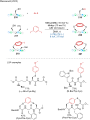
Scheme 86: Electrochemical coupling of peptides with aryl halides.

Scheme 87: Paired electrolysis for the phosphorylation of aryl halides. GFE = graphite felt electrode, FNE = f...

Scheme 88: Redox-neutral alkoxyhalogenation of alkenes.
HFIP as a versatile solvent in resorcin[n]arene synthesis
- Hormoz Khosravi,
- Valeria Stevens and
- Raúl Hernández Sánchez
Beilstein J. Org. Chem. 2024, 20, 2469–2475, doi:10.3762/bjoc.20.211
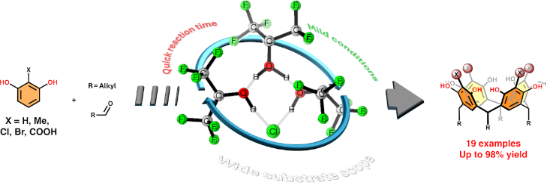
- efficient solvent for synthesizing resorcin[n]arenes in the presence of catalytic amounts of HCl at ambient temperature and within minutes. Remarkably, resorcinols with electron-withdrawing groups and halogens, which are reported in the literature as the most challenging precursors in this cyclization, are

Graphical Abstract

Scheme 1: Resorcin[n]arene synthesis.

Scheme 2: Scope of resorcin[n]arene synthesis using HFIP. aAll reactions were performed with resorcinol (1.0 ...

Figure 1: (a) Control experiment testing deiodination of 2-iodoresorcinol. (b) Molecular crystal structure of...
Synthesis and conformational analysis of pyran inter-halide analogues of ᴅ-talose
- Olivier Lessard,
- Mathilde Grosset-Magagne,
- Paul A. Johnson and
- Denis Giguère
Beilstein J. Org. Chem. 2024, 20, 2442–2454, doi:10.3762/bjoc.20.208
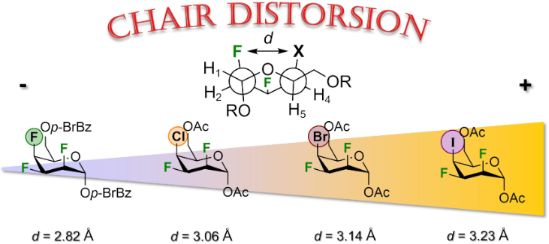
- ][3][4][5][6][7]. What about other halogens? Pyran inter-halide analogues of carbohydrates were rarely investigated as new tools in glycobiology [8]. This is surprising since the incorporation of halogens can improve cellular uptakes and enhance membrane binding and permeation [9][10][11]. In addition
- approach from levoglucosan 1 (Figure 1a) [23]. Allopyranose inter-halides 4 incorporating the 2,3-cis, 3,4-cis relationship for the halogens were prepared via intermediates 2 and 3 from levoglucosan (1). Compounds 4 were the starting point to complex 2,3,4-trihalohexanetriols and 2,3,4,5
- ][25][26][27][28][29][30], such as the solution-state conformation of diastereomeric polyfluorohexitols [31]. Herein, we report the synthesis of pyran inter-halide analogues of ᴅ-talopyranose 6, integrating also the 2,3-cis, 3,4-cis relationship for the halogens, from known intermediate 5 (Figure 1b

Graphical Abstract

Figure 1: Synthesis of trihalogenated pyrans: a) Chiron approach to multivicinal inter-halide derived from al...

Scheme 1: Synthesis of halogenated talopyranose analogues 13–15, and 17 that include a 2,3-cis, 3,4-cis relat...

Figure 2: Direct comparison of 19F resonances of halogenated talose analogues 12–15 (19F NMR; 470 MHz, CDCl3)....

Figure 3: X-ray analysis of compound 13–15, 17, and α-ᴅ-talose 18. ORTEP diagram showing 50% thermal ellipsoi...

Figure 4: Packing arrangement of compound compound 15; a) View down the b axis; b) proposed intermolecular in...
Efficacy of radical reactions of isocyanides with heteroatom radicals in organic synthesis
- Akiya Ogawa and
- Yuki Yamamoto
Beilstein J. Org. Chem. 2024, 20, 2114–2128, doi:10.3762/bjoc.20.182
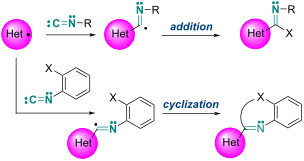
- the combination with groups 15–17 interelement compounds would be considered effective for the generation of groups 13 and 14 heteroatom radicals. Radical addition of group 17 compounds to isocyanides If isocyanides (RNC) can undergo a radical addition of hydrogen halides (HX) and molecular halogens

Graphical Abstract

Figure 1: Resonance structures and reactivity of carbon monoxide.

Figure 2: Resonance structures and reactivity of isocyanides.

Scheme 1: Possible three pathways of the E• formation for imidoylation.

Scheme 2: Radical addition of thiols to isocyanides.

Scheme 3: Selective thioselenation and catalytic dithiolation of isocyanides.

Scheme 4: Synthesis of carbacephem framework.

Scheme 5: Sequential addition of (PhSe)2 to ethyl propiolate and isocyanide.

Scheme 6: Isocyanide insertion reaction into carbon-tellurium bonds.

Scheme 7: Radical addition to isocyanides with disubstituted phosphines.

Scheme 8: Radical addition to phenyl isocyanides with diphosphines.

Scheme 9: Radical reaction of tin hydride and hydrosilane toward isocyanide.

Scheme 10: Isocyanide insertion into boron compounds.

Scheme 11: Isocyanide insertion into cyclic compounds containing boron units.

Scheme 12: Photoinduced hydrodefunctionalization of isocyanides.

Scheme 13: Tin hydride-mediated indole synthesis and cross-coupling.

Scheme 14: 2-Thioethanol-mediated radical cyclization of alkenyl isocyanide.

Scheme 15: Thiol-mediated radical cyclization of o-alkenylaryl isocyanide.

Scheme 16: (PhTe)2-assisted dithiolative cyclization of o-alkenylaryl isocyanide.

Scheme 17: Trapping imidoyl radicals with heteroatom moieties.

Scheme 18: Trapping imidoyl radicals with isocyano group.

Scheme 19: Quinoline synthesis via aza-Bergman cyclization.

Scheme 20: Phenanthridine synthesis via radical cyclization of 2-isocyanobiaryls.

Scheme 21: Phenanthridine synthesis by radical reactions with AIBN, DBP and TTMSS.

Scheme 22: Phenanthridine synthesis by oxidative cyclization of 2-isocyanobiaryls.

Scheme 23: Phenanthridine synthesis using a photoredox system.

Scheme 24: Phenanthridine synthesis induced by phosphorus-centered radicals.

Scheme 25: Phenanthridine synthesis induced by sulfur-centered radicals.

Scheme 26: Phenanthridine synthesis induced by boron-centered radicals.

Scheme 27: Phenanthridine synthesis by oxidative cyclization of 2-aminobiaryls.



