


Search results
Search for "protonation" in Full Text gives 477 result(s) in Beilstein Journal of Organic Chemistry. Showing first 200.
Amino acid-based surfactants: sustainable synthesis and antimicrobial mechanisms
- Rafaela Gomes Bezerra,
- Lourdes Pérez and
- Francisco Fábio Oliveira de Sousa
Beilstein J. Org. Chem. 2026, 22, 1067–1085, doi:10.3762/bjoc.22.85
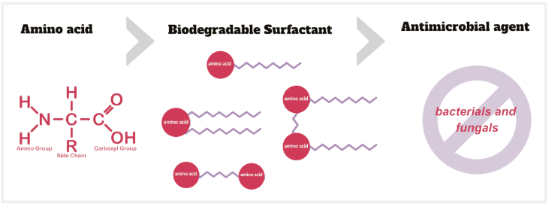
- –0.008 mM), reflecting its higher hydrophobicity [39]. These compounds illustrate how the introduction of two alkyl chains and a glycerol backbone modulates both aggregation behavior and biological activity. The strategic incorporation of histidine creates pH-responsive systems, with protonation studies
- and LKM (Table 1, entries 17 and 18), TMKM bears a fixed positive charge on the α-amino group, independent of pH. This structural modification results in consistent activity against Gram-positive bacteria (MIC 6–50 μg/mL) without requiring protonation at physiological pH, making it particularly

Graphical Abstract

Figure 1: General structure of a surfactant monomer. The monomer consists of a hydrophilic (polar) head and a...

Figure 2: Micellization process. Surfactant monomers progressively reduce surface tension until reaching the ...

Figure 3: Study selection flowchart based on PRISMA guidelines. The process includes identification, screenin...

Figure 4: Representative synthetic routes illustrating the main structural classes of amino acid-based surfac...
Electrochemical reduction of unsaturated carbon–carbon bonds via 3d transition-metal catalysis
- Geon Kang,
- Minki Jeon,
- Pooja Kumari Jat,
- Cheoljae Kim and
- Isaac Choi
Beilstein J. Org. Chem. 2026, 22, 955–981, doi:10.3762/bjoc.22.75
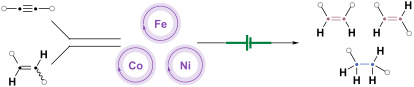
- reduction of unsaturated C–C bonds can be broadly classified according to whether the reaction proceeds through a discrete metal hydride (M–H) intermediate (Figure 2A) [49][50][51][52][53] or through a hydride-free pathway (Figure 2B). In the first category, electrochemical reduction/protonation sequences
- hydride equivalent to the substrate, followed by protonation to furnish the reduced product [64]. In sharp contrast, the second major category comprises hydride-free pathways, in which hydrogenation is achieved without the involvement of a discrete M–H intermediate. These mechanisms arise either from
- direct concerted proton–electron transfer (CPET) to the substrate or from substrate binding to electrochemically generated low-valent metal centers prior to protonation, in some cases, leading to metallacyclic intermediates. Subsequent reduction then proceeds through stepwise ET/PT sequences or PCET

Graphical Abstract

Figure 1: A design for electroorganic synthesis.

Figure 2: Modes of transition-metal-catalyzed electrochemical reduction of unsaturated C–C bonds.
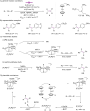
Scheme 1: Electroreductive iron catalysis for alkyne semihydrogenation enabled by a cobaltocene redox mediato...

Scheme 2: Electrochemical reduction of unactivated alkenes via iron catalysis.
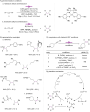
Scheme 3: Cobalt-catalyzed e-HAT for the reduction of alkynes.

Scheme 4: Dual cobalt catalyses for Z-selective semihydrogenation of alkynes.
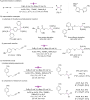
Scheme 5: Electrochemical cobalt-catalyzed semideuteration of alkynes.
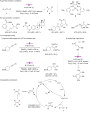
Scheme 6: Electrochemical cobalt catalysis for E-selective semihydrogenation of alkynes.

Scheme 7: Concerted proton–electron transfer-driven electrocatalytic reduction of alkenes.

Scheme 8: Electrochemical deuteration of alkenes via HAT using Co–H.

Scheme 9: Electrocatalytic reduction of alkynes by hydride transfer via PCET.

Scheme 10: Ni–H-free electrocatalytic semihydrogenation of alkynes by nickel catalysis.
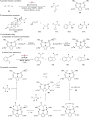
Scheme 11: Ligand-based proton and electron transfer enabling electrocatalytic semihydrogenation of alkynes.

Scheme 12: Proton-modulated electrochemical Ni–H formation for the hydrogenation of alkynes.

Scheme 13: Nickel-catalyzed electrochemical semireduction of terminal alkynes.

Scheme 14: Full hydrogenation of alkynes via nickel hydride electrocatalysis.

Scheme 15: Ni–H-mediated electrochemical reduction of alkynes to alkanes.

Scheme 16: Electrochemical nickel-catalyzed hydrogenation of alkenes.
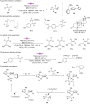
Scheme 17: Electrochemical Ni–H formation and hydrogenation of alkenes using a bifunctional ligand.
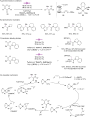
Scheme 18: Nickel hydride electrocatalysis for the hydrogenation of alkenes.
Recent advances in copper-catalyzed direct hydroamination of alkenes with (hetero)aromatic amines
- Hyejeong Lee and
- Yunmi Lee
Beilstein J. Org. Chem. 2026, 22, 925–947, doi:10.3762/bjoc.22.73
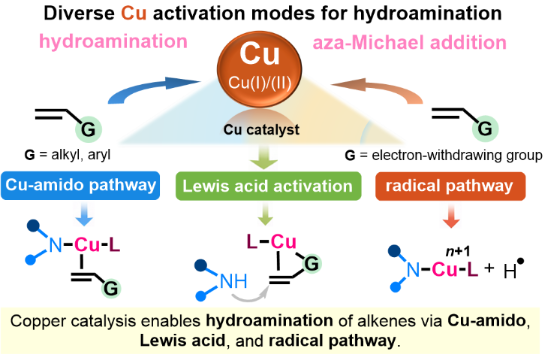
- coordinated to the copper–amido complex and underwent aminocupration or nucleophilic addition across the C=C bond, generating an organocopper intermediate IV or V. Subsequent protonation by aniline released the β-amino sulfone product and regenerated the copper–amido species, completing the catalytic cycle
- insertion pathway. Accordingly, the proposed catalytic cycle involved protonation of the alkene to generate carbocationic intermediate III, followed by nucleophilic attack of the (hetero)aromatic amine or copper–amido intermediate II to furnish the hydroamination product. In this system, the copper complex

Graphical Abstract

Scheme 1: Mechanistic pathways in copper-catalyzed hydroamination.

Scheme 2: Synthesis of copper–amido complexes.

Scheme 3: Cu–amido catalysts studied for the aza-Michael addition of aniline to electron-deficient olefins.
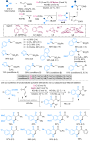
Scheme 4: Copper-catalyzed aza-Michael addition of (hetero)aromatic amines to α,β-unsaturated alkenes.

Scheme 5: Copper-catalyzed 1,6-conjugate addition of aza-heterocycles to sulfonyl dienes.

Scheme 6: Cu-catalyzed aza-Michael addition of arylamines to allylic sulfones.

Scheme 7: Cyclic(alkyl)(amino)carbene-copper-catalyzed aza-Michael addition.

Scheme 8: Aza-Michael addition enabled by Lewis acidic copper catalyst. a20 mol % bpy, 50 mol % Na2CO3.

Scheme 9: One-pot cyclization via aza-Michael addition enabled by Lewis acidic copper catalyst.

Scheme 10: Lewis acidic Cu-catalyzed tandem reaction via aza-Michael addition.

Scheme 11: Copper nanomaterials-catalyzed aza-Michael addition via Lewis acid activation and radical pathways.

Scheme 12: Copper–amido-mediated hydroamination of aniline with vinylarenes.

Scheme 13: Copper-catalyzed anti-Markovnikov hydroamination of (hetero)aromatic N–H with vinylarenes.

Scheme 14: Hydroamination of oxa- and azabenzonorbornadienes with pyrazoles.
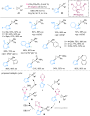
Scheme 15: Copper-catalyzed enantioselective hydroamination of cyclopropenes with pyrazoles.

Scheme 16: Copper/Brønsted acid system for hydroamination of strained alkenes.

Scheme 17: Hydroamination of allenes enabled by Lewis acidic copper catalyst.

Scheme 18: Enantioselective intramolecular hydroamination through aminocupration followed by radical processes....
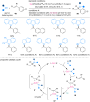
Scheme 19: Visible-light-induced copper-catalyzed hydroamination of styrenes.

Scheme 20: Lewis acid-catalyzed radical hydroamination of styrenes with isatins.
A practical CO2-mediated synthesis of 5,6-carboxylated silicon-rhodamines for targeted probe development
- Dongjie Hou,
- Shaowei Wu,
- Ning Xu,
- Pengjun Bao,
- Wenhao Jia,
- Qinglong Qiao and
- Zhaochao Xu
Beilstein J. Org. Chem. 2026, 22, 915–924, doi:10.3762/bjoc.22.72
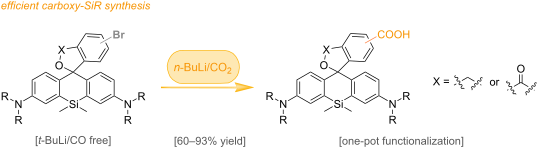
- carboxylation strategy using CO2 as an inexpensive, readily available, and non-toxic C1 source. In principle, CO2 can serve as a carbonyl source through nucleophilic addition followed by protonation to furnish the corresponding carboxylic acid. On the basis of this design (Figure 2a), brominated SiR precursors
- HRMS (Figure S24) analysis identified this side product as the uncarboxylated rhodamine formed by lithium–halogen exchange followed by protonation. This byproduct likely arises from protonation of the aryllithium intermediate before efficient trapping by CO2, possibly due to trace moisture or other

Graphical Abstract
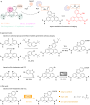
Figure 1: (a) Modular structure of spirocyclic rhodamines. (b) Conventional carboxylation strategies. (c) CO2...

Figure 2: (a) Direct carboxylation of brominated silicon-rhodamines 1a–c under n-BuLi/CO2. (b) Strategy for t...
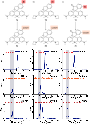
Figure 3: (a–c) Conversion of three bromo-SiR precursors 1a–c in the CO2 carboxylation reaction and their cor...
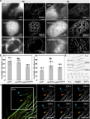
Figure 4: SMLM imaging of different organelles in live HeLa cells stained with 4a and 4b (150 nM). (a) SMLM a...

Figure 5: SIM imaging of different organelles in live HeLa cells stained with 4c (200 nM). (a) SIM images of ...
Palladium-catalyzed benzocyclization reactions of quinoline-2-carboxamides via sequential C–H/N–H functionalization
- Shoichi Sugita,
- Kentaro Okano and
- Atsunori Mori
Beilstein J. Org. Chem. 2026, 22, 905–914, doi:10.3762/bjoc.22.71
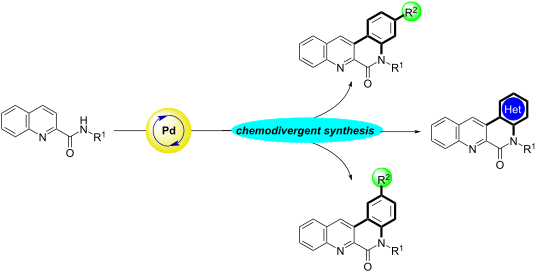
- -bromo-2-iodobenzenes or protonation of activated haloarenes and deactivation of the palladium catalyst. It is therefore indicated that bromo(iodo)benzenes with high electron density utilized in this reaction require significantly longer reaction times to achieve good to excellent yields of products 3

Graphical Abstract

Scheme 1: Various transition-metal-catalyzed coupling reactions involving aryl halides.
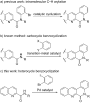
Scheme 2: Synthetic strategy for preparing fused lactams.

Figure 1: Nuclear Overhauser effect (NOE) correlations in products (a) 3ab, (b) 3ac, (c) 3ad, (d) 3aj, and (e...

Scheme 3: Detection of the intermediate Int-1ad in the annulation reaction of 1a with 1-bromo-5-tert-butyl-2-...

Scheme 4: Stepwise formation of C–C and C–N bonds during the annulation reaction.

Scheme 5: Plausible reaction mechanism for the sequential C–H/N–H functionalization reaction.
Chiral cyclopropenimine-catalyzed enantioselective Michael reactions of phenol and benzofuran-derived α,β-unsaturated pyrazolamides with benzophenone-imine of glycine esters
- Ya Bai,
- Xue-Ying Wang,
- Si-Kai Zhu,
- Yan-Ting Shen,
- Sheng-Yong Zhang and
- Ping-An Wang
Beilstein J. Org. Chem. 2026, 22, 888–896, doi:10.3762/bjoc.22.69
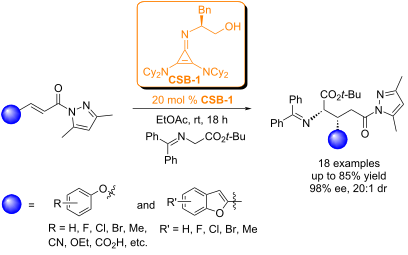
- enhance the formation of transition state B. The highly diastereomic ratio of 6a in syn-form may be generated from transition state B. The formation of intermediate C is the rate-limiting step. When intermediate C is formed, the protonation happened rapidly to afford 6a in high enantioselectivity. The

Graphical Abstract

Figure 1: Bioactive molecules with benzofuran and pyroglutamic acid motif.
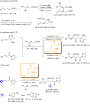
Figure 2: CSB-1-catalyzed Michael reactions of α,β-unsaturated compouds with glycine benzophenone-imine ester...

Scheme 1: Chiral base-catalyzed Michael reaction of 1a and 2a.
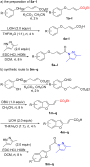
Scheme 2: The preparation of β-substituted α,β-unsaturated pyrazolamides 5.

Figure 3: The catalysts used in the screening of Michael reaction conditions.
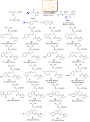
Scheme 3: CSB-1-catalyzed Michael additions between compounds compounds 2 and 5.

Figure 4: The proposed attack modes of Michael addition of 2a and 5a.

Figure 5: A proposed reaction mechanism of CSB-1 catalyzed Michael reaction between 2a and 5a.

Scheme 4: In situ acidic hydrolysis and lactamization of 6.

Figure 6: Configuration of 7d’ determined by X-ray diffraction analysis.
Knoevenagel condensation of 4,5- and 1,8-diazafluorenes
- Darya S. Cheshkina,
- Christina S. Becker,
- Alina A. Sonina and
- Maxim S. Kazantsev
Beilstein J. Org. Chem. 2026, 22, 803–812, doi:10.3762/bjoc.22.62
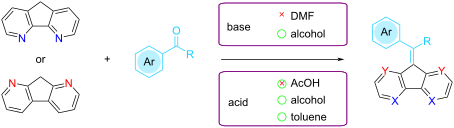
- with ketones resulted in unique di(pyridin-2-yl)methylene)-9H-diazafluorenes being electron-deficient ligands and functional materials. Keywords: acidic conditions; diazafluorene; diazafluorenylidene; Knoevenagel condensation; protonation; Introduction Diazafluorenylidene derivatives were reported to
- react at all – only starting compounds were quantitatively evaluated from all reactions (Scheme 2, Table 1). To rationalize this observation, we hypothesized that the protonation of nitrogens leads to electrostatic repulsion between the protonated diazafluorene and the iminium cation (vide infra
- mesomeric effect. On the other hand, diazafluorenes are potentially capable of reversible protonation by acetic acid, which is a competing process decreasing the equilibrium concentration of the enamine form (Scheme 2). Furthermore, an electrostatic repulsion between the protonated diazafluorene (1A/1A’ or

Graphical Abstract

Scheme 1: Knoevenagel reaction of 1 and 2 under basic conditions.
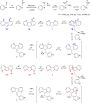
Scheme 2: Knoevenagel reaction of 1 and 2 under acidic conditions. Proposed mechanism of condensation and com...

Scheme 3: A proposed mechanism for the 4-to-2 degradation process.

Scheme 4: Condensation of 4,5- (1) and 1,8-diazafluorene (2) with di(pyrid-2-yl)ketone. Reaction yields are g...

Figure 1: a) Cyclic voltammograms of compounds 4,5-DPDAF and 1,8-DPDAF in CH2Cl2 solution and b) optical abso...

Figure 2: Molecular structure, atom and cycle numbering of 4,5-DPDAF (a) and Zn-4,5-DPDAF (d) with anisotropi...
Halogenated azobenzene acrylates: from efficient solution photoswitching to stable solid-state photochromic materials
- Martina Vachtlová,
- Michaela Fecková,
- Vítězslav Zima,
- Jan Podlesný,
- Milan Klikar,
- Oldřich Pytela,
- Patrik Pařík,
- Jakub Opršal,
- Eliška Juhaňáková,
- Veronika Chrtová and
- Filip Bureš
Beilstein J. Org. Chem. 2026, 22, 782–794, doi:10.3762/bjoc.22.60
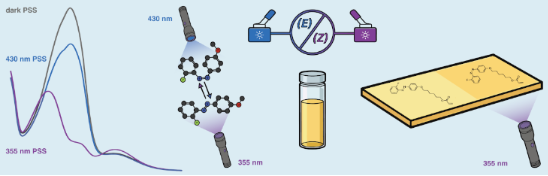
- fluorescence intensity linearly dependent on the temperature [19][20]. Priimagi et al. reported thermal sensors based on the simple azobenzenes B1–3 by exploiting the dependence of the protonation rate on the temperature, which is accompanied by a color change [21]. Four different azobenzenes C1–4 were used as

Graphical Abstract

Figure 1: Molecular structure of investigated compounds 1a–f and known azobenzene derivatives A–C exploited i...

Scheme 1: Synthesis of azobenzene-acrylate monomers 1a–f.

Figure 2: Representative TGA (left) and DSC (right) curves of compounds 1c (black) and 1d (red).

Figure 3: Energy level diagram of the electrochemically measured (black) and DFT-calculated (red for E-isomer...

Figure 4: A) Experimentally measured UV–vis absorption spectra of the monosubstituted azobenzenes 1a, c and e...

Figure 5: A) Experimentally measured UV–vis absorption spectra of the azobenzenes 1c and 1d at c = 4 × 10⁻⁵ M...

Figure 6: A) HOMO/LUMO localizations in representative E-1a. B) HOMO−1/LUMO localizations in representative Z-...

Figure 7: 1H NMR spectra (500 MHz, CDCl3, 20 °C) of azobenzene 1e corresponding to the dark-adapted PSS (blac...

Figure 8: A) UV–vis absorption spectra of azobenzene 1e corresponding to the dark-adapted PSS (black), 355 nm...

Figure 9: A) Thermal kinetics curve of compound 1e obtained by UV–vis monitoring at c = 4 × 10⁻⁵ M (DCE, 60 °...

Figure 10: Photoswitching of target azobenzene 1a in the solid state (polymeric matrix). A) Polystyrene thin f...
Synthesis of heterocycles based on azomethine ylides from α-amino acids (or amines) and carbonyl compounds
- Ekaterina V. Berezhnaya,
- Alexander I. Ponyaev,
- Vitali M. Boitsov and
- Alexander V. Stepakov
Beilstein J. Org. Chem. 2026, 22, 705–741, doi:10.3762/bjoc.22.55
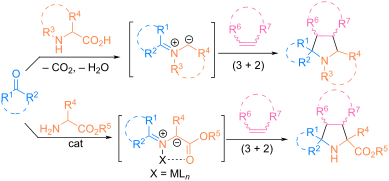
- by the formation of N,N-complex I. Water then promotes the desilylation step, leading to metallodipole II, which undergoes cycloaddition with a dipolarophile to form metalated adduct III. Final protonation leads to free pyrrolidine (Scheme 34). In [3], Mendoza and colleagues developed a universal

Graphical Abstract

Scheme 1: Strategies for the preparation of pyrrolidine derivatives by (3 + 2) cycloaddition of azomethine yl...

Scheme 2: (3 + 2) Cycloaddition of iminoesters to dimethylmaleate.

Scheme 3: Cycloaddition of 1 with various dipolarophiles catalyzed by Ag(I)-L1.

Scheme 4: Cycloaddition of 1 with tert-butyl acrylate catalyzed by Ag(I)-L2.

Scheme 5: Cycloaddition of 1 with dimethyl maleate catalyzed by Cu(I)-L3.

Scheme 6: Cycloaddition of 1 with alkenes catalyzed by Zn(II)-t-Bu-BOX (L4).

Scheme 7: (3 + 2) Cycloaddition of iminoesters to acrylates.

Scheme 8: Catalytic double (3 + 2) cycloaddition to form pyrrolizidine derivatives.

Scheme 9: (3 + 2) Cycloaddition of iminoethers to vinyl phenyl sulfone.

Scheme 10: Regiodivergent and enantioselective synthesis of pyrrolidines 16 and 17.

Scheme 11: Substrate-controlled regioreversible "normal" and "incomplete" 1,3-dipolar cycloaddition.

Scheme 12: Enantioselective synthesis of exo-/endo-pyrrolidines.

Scheme 13: (3 + 2) Cycloaddition of iminoethers 21 to dipolarophiles 22–24.

Scheme 14: Synthesis of bicyclic pyrrolidines 29 from cyclopentene-1,3-diones.

Scheme 15: (3 + 2) Cycloaddition of aldimine esters and allyl alcohols using copper-ruthenium catalysis.

Scheme 16: Synthesis of 3,3-difluoro- and 3,3,4-trifluoropyrrolidine derivatives.

Scheme 17: Use of iminoesters from natural compounds and pharmaceuticals for reactions with 1,1-difluoro- and ...

Scheme 18: Reaction of iminoesters with 1,3-enynes.

Scheme 19: Synthesis of pyrrolidines from iminoesters and vinyl(hetero)arenes.

Scheme 20: Synthesis of exo-pyrrolidines 42 and 43.

Scheme 21: Enantioselective synthesis of heteroarylpyrrolidines 45 and 46.

Scheme 22: Catalytic reaction of (3 + 2) cycloaddition of imines 12 to benzofulvenes 47.

Scheme 23: Fullerene as a dipolarophile in (3 + 2) cycloaddition reactions.

Scheme 24: Asymmetric synthesis of optically active tetrasubstituted pyrrolidines 54.

Scheme 25: (3 + 2) Cycloaddition reaction of imines 55 and α,β-unsaturated aldehydes.

Scheme 26: Probable mechanism of enantioselective (3 + 2) cycloaddition of azomethine ylides to α,β-unsaturate...

Scheme 27: Cycloaddition between iminoesters 12 and sulfinylimines 58.

Scheme 28: (3 + 2) Cycloaddition between triarylideneacetylacetone and azomethine ylides in the presence of ti...

Scheme 29: Stereoselective synthesis of decahydropyrrolo[2,1,5-cd]indolizine 66.

Scheme 30: Synthesis of policyclic derivatives 71 and 72.

Scheme 31: Catalytic аsymmetric (3 + 2) сycloaddition of 2-pyridylimines with N-methylmaleimide.

Scheme 32: Catalytic аsymmetric (3 + 2) сycloaddition of 2-pyridylimines 1 with other dipolarophiles.

Scheme 33: Enantioselective (3 + 2) cycloaddition of silylimine with various dipolarophiles.

Scheme 34: Proposed mechanism of formation of pyrrolidines 78.

Scheme 35: Synthesis of polyheterocyclic pyrrolidines 82–91.

Scheme 36: Synthesis of spirocyclic (95) and fused (96) pyrrolidines.

Scheme 37: (3 + 2) Cycloaddition involving aromatic aldehydes 97, N-propargylmaleimide (98) and α-amino acids ...

Scheme 38: Synthesis of pyrrolizidines 106 and by-product 107.

Scheme 39: Iridium-catalyzed three-component cascade (3 + 2) cycloaddition.

Scheme 40: Intramolecular (3 + 2) cycloaddition of N-alkenylpyrrole-2-carbaldehyde 110 and α-amino acids.

Scheme 41: Three-component (3 + 2) cycloaddition involving fullerene.

Scheme 42: Four-component stereoselective one-pot synthesis of spiro-cycloadducts 119–122.

Scheme 43: Reactions of azomethine ylide 123 with cyclopropenes.

Scheme 44: Three-component reactions involving ninhydrin, cyclopropenes and acyclic α-amino acids.

Scheme 45: Reaction of cyclopropenes 138 with the N-protonated form of Ruhemann purple 137.

Scheme 46: Enantioselective (3 + 2) cycloaddition of azomethine ylides generated in situ from isatins and amin...

Scheme 47: (3 + 2) Cycloaddition of cyclohexenone 143, isatins 140 and aminomalonic diesters 141, catalyzed by...

Scheme 48: Enantioselective (3 + 2) cycloaddition of azomethine ylides generated in situ from isatins and amin...

Scheme 49: Enantioselective (3 + 2) cycloaddition of azomethine ylides generated in situ from isatins and benz...

Scheme 50: (3 + 2) Cycloaddition involving isatins, azetidine-2-carboxylic acid, maleimides or itaconimides.

Scheme 51: (3 + 2) Cycloaddition involving isatins, amino acids and tetraethylvinylidenebis(phosphonate).

Scheme 52: Synthesis of spirooxindoles 156 from triarylideneacetylacetones 155.

Scheme 53: Synthesis of spirooxindole derivatives 157–160.

Scheme 54: Synthesis of hybrid spiro-heterocycles 164–166.

Scheme 55: Formation of azomethine ylide from isatin and sarcosine.

Scheme 56: (3 + 2) Cycloaddition involving isatins, amino acids and trans-3-benzoylacrylic acid.

Scheme 57: Regioselective synthesis of spirooxindoles 170.

Scheme 58: Synthesis of hybrid spiro-heterocycles 86.

Scheme 59: (3 + 2) Cycloaddition involving acenaphthenequinones, amino acids and cyclopropenes.

Scheme 60: Synthesis of hybrid glyco-3-nitrochromane cycloadducts 179.

Scheme 61: Synthesis of spiro[indenoquinoxaline-(thia)pyrrolizidines] 90a.

Scheme 62: Three-component reactions of cyclopropenes, 11H-indeno[1,2-b]quinoxalin-11-onesand α-amino acids, s...

Scheme 63: Synthesis of hybrid glyco-3-nitrochromane cycloadducts 92.

Scheme 64: (3 + 2) Cycloaddition of 11H-benzo[4,5]imidazo[1,2-a]indol-11-one (189) with cyclopropenes and male...

Scheme 65: Diastereoselective synthesis of spiro derivatives of barbituric acid from alloxan 193, α-amino acid...

Scheme 66: Probable mechanism of formation of azomethine ylide from alloxan and ʟ-proline.

Scheme 67: Three-component reactions involving tryptanthrin 196, α-amino acids and cyclopropenes.
Harnessing light energy with molecules
- Grace G. D. Han,
- Mogens Brøndsted Nielsen and
- Hermann A. Wegner
Beilstein J. Org. Chem. 2026, 22, 680–682, doi:10.3762/bjoc.22.52
- junction at ambient conditions and hence be used as an 8-bit operation unit. Molecular photoswitches are also interesting for temperature sensing applications. Thus, in their publication, Priimagi and co-workers [14] show a strong temperature-dependence of azobenzene protonation in 1,2-dichloroethane
Experimental and DFT studies on the regioselective methanolysis of 5-azido-9-oxabicyclo[6.1.0]nonan-4-yl 4-nitrobenzoate isomers
- İlknur Polat,
- Selçuk Eşsiz and
- Emine Salamci
Beilstein J. Org. Chem. 2026, 22, 547–556, doi:10.3762/bjoc.22.40
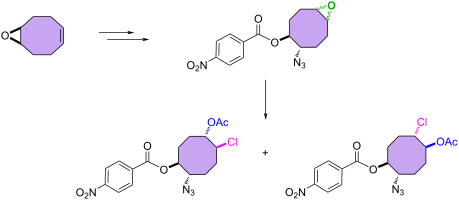
- each elementary reaction step along these routes were computed. The acid-mediated ring-opening reaction in the isomeric epoxides 9, initiated by protonation, can follow two possible pathways – either along the intermediate 12 or along the intermediate 15. There is a possibility of two products being

Graphical Abstract

Figure 1: Some important bioactive molecules with an azide group.

Scheme 1: Epoxidation of azido nitrobenzoate 8.

Scheme 2: Methanolysis of the mixture of isomeric epoxides 9a and 9b.

Figure 2: The X-ray crystal structure of 10.

Scheme 3: Suggested mechanism for the reaction of the isomeric epoxides 9a and 9b with HCl(g) in MeOH.

Figure 3: Relative free energy profile for the methanolysis of the isomeric epoxides 9.

Figure 4: Mulliken charge analysis of protonated epoxide intermediates 12 and 15.
Ring contraction and ring expansion reactions in terpenoid biosynthesis and their application to total synthesis
- Nicolas Kratena,
- Nicolas Heinzig and
- Peter Gärtner
Beilstein J. Org. Chem. 2026, 22, 289–343, doi:10.3762/bjoc.22.21
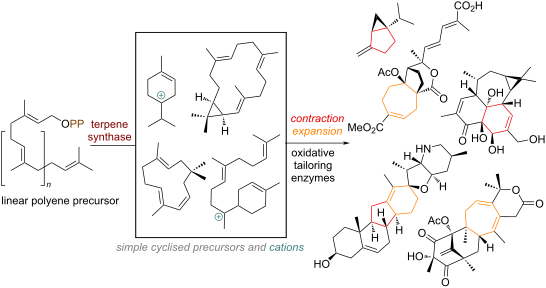
- the activation of the diphosphate group and ionisation) [25][37] and Class II (ionisation by olefin or epoxide protonation via a carboxylic acid in the active site) [26][38][39] and their reactions thus are mediated by carbocations and olefins, through careful preorganisation of the linear substrate
- →5 ring contraction can be found in the family of spirocyclic C15-sesquiterpenes, such as β-vetivone B (11, see Scheme 2B) [57][58][59][60]. The linear precursor farnesyl pyrophosphate (9) is first cyclised by germacrene A synthase (GAS) to its name-bearing product 10. From here, protonation by
- is initiated via protonation of geranylgeranyl pyrophosphate (GGPP, 12) at the terminal olefin with CpPS (= Clitopilus passeckeranis pleuromutilin synthase), forming the decalin system 12a. A cascade of 1,2-shifts delivers the carbocation 12b which undergoes ring contraction and elimination to give

Graphical Abstract

Scheme 1: Mechanistic overview of enzymes involved in ring-size-altering reactions: A: Difference in ionisati...

Scheme 2: A: Ring contraction through involvement of carbocationic intermediates in thujane monoterpene biosy...

Scheme 3: Examples of concerted ring expansions of carbocation intermediates in PxaTPS8-catalysed cyclisation...

Scheme 4: Sequential ring expansions during astellifadiene (17) synthesis reported by Abe and co-workers.

Scheme 5: Cyclobutane ring expansion and sequential ring contractions catalysed by the synthase AITS in the b...

Scheme 6: Ring expansion and transannular ring contraction of a cyclopentane to cyclobutane in the biosynthes...

Scheme 7: Computationally elucidated concerted cyclisations/alkyl/hydride shifts during the biosynthesis of t...

Scheme 8: Cyclisation events and 6→5-ring contraction during the construction of epi-isozizaene (26) catalyse...

Scheme 9: Transannular cyclisations and 4→5-membered ring expansion through dyotropic 1,2-rearrangement of al...

Scheme 10: Ring expansion in presilphiperfolan-8b-ol (31) biosynthesis and ring contraction of the presilphipe...

Scheme 11: Ring contraction via transannular cyclopropanation and opening of cyclopropane in the biosynthesis ...

Scheme 12: The crucial CYP450-catalysed oxidative rearrangement defining the skeleton in gibberellin biosynthe...

Scheme 13: CYP450-mediated oxidation of cyclopentane methylene expanding the 8-membered ring in the biosynthes...

Scheme 14: CYP450-mediated oxidation of an exocyclic methyl group to effect transannular cyclisation across th...

Scheme 15: Non-enzymatic transannular aldol reaction enables the formation of the 5/13/3-tricyclic ring system...

Scheme 16: A: Oxidative ring expansion of a cyclopentane by incorporation of a methyl group in the biosynthesi...

Scheme 17: Rearrangement and ring expansion in the construction of the complex bridged carbon framework of and...

Scheme 18: Ketoglutarate-mediated oxidations of preaustinoid A1 (53) en route to complex meroterpenoids, B-rin...

Scheme 19: Proposed putative biosynthetic formation of the tigliane skeleton from an E,E,Z-triene.

Scheme 20: Photocatalytic tandem ring expansion/contraction of santonin to give photosantonin products and gua...

Scheme 21: A: Proposed biosynthesis of stelleroid B (66) from stelleranoid I (65) by ketol rearrangement; B: o...

Scheme 22: Singular examples of A,B-ring contractions and expansions in the biosynthesis of sesquiterpenoids e...

Scheme 23: A: plausible proposed biosynthetic pathway for the tigliane/ingenane skeletal rearrangement and 1,2...

Scheme 24: A: Multiple ring-size alterations during xenovulene A (90) biosynthesis; B: Ring contraction and re...

Scheme 25: Proposed biosyntheses of the complex, polycyclic terpenoid illisimonin A (97) and the bridged antro...

Scheme 26: Proposed biogenetic origin for the meroterpenoid liphagal (104) via epoxide-mediated ring expansion....

Scheme 27: Proposed biogenetic origin for the ring-contracted members of the taiwaniaquinol family.
Scheme 28: A: Schenck ene/Hock/Aldol cascade effecting B-ring contraction in atheronal B (113); B: Selective C...
Scheme 29: A: D-ring expansion of buxenone (118) via cyclopropanation towards buxaustroine A (119); B: Propose...

Scheme 30: Biosynthetic origin of alstoscholarinoids A (124) and B (125) via cascade oxidative rearrangement c...

Scheme 31: Biogenetic origin of the hedgehog signalling inhibitor cyclopamine (129) by tandem ring contraction...

Scheme 32: Proposed biogenetic origin of the B-ring contracted spirocyclic triterpenoid spirochensilide A (131...

Scheme 33: A: Proposed B-ring contraction during the biosynthesis of holophyllane A (133); B: B-ring contracti...

Scheme 34: Radical and ionic/polar mechanisms for the C-ring-contracted triterpenoids phomopsterone B (139) an...

Scheme 35: A: Plausible mechanism for the formation of schiglautone A (144) from anwuweizic acid (145); B: Pro...

Scheme 36: Reported biosynthetic proposal for the formation of B-ring expanded triterpenoids rhodoterpenoids A...

Scheme 37: A: Final reaction step in the synthesis of euphorikanin A (154), benzilic acid-type ring contractio...

Scheme 38: Tricyclic ring expansion in the Gui synthesis of gibbosterol A (158) and sarocladione (160) via Ru-...

Scheme 39: A: A-ring expansion during the Gui synthesis of rubriflordilactone B (161); B: Mechanism for the bi...

Scheme 40: Photosantonin rearrangement effects A/B ring contraction/expansion in Li’s synthesis of the complex...

Scheme 41: Tandem A/B ring expansion/contraction of an ergosterol derivative via pinacol rearrangement in the ...

Scheme 42: Synthetic studies towards cyclocitrinol (179) by A) the semisynthetic approach by Gui et al. using ...

Scheme 43: A: Bioinspired synthesis of spirochensilide A (131) by the Heretsch group via selective 8,9-epoxida...
Scheme 44: Baran’s synthesis of cortistatin A (191), expanding the B-ring through a cyclopropane fragmentation....

Scheme 45: Ding’s total synthesis of retigeranic acid (198) showcasing sequential 6→5 ring contractions.

Scheme 46: A: Oxa-di-π-methane (ODPM) rearrangement of a bicyclic ketone en route to silphiperfolenone (203); ...

Scheme 47: Biomimetic synthesis of liphagal (104) from sclareolide (221) by George and co-workers.

Scheme 48: Wu’s bioinspired synthesis of cucurbalsaminones B (224) and C (225) by photocatalytic oxa-di-π-meth...

Scheme 49: Baran’s total synthesis of maoecrystal V (230) featuring a pinacol rearrangement for ring expansion...

Scheme 50: A: Ketol rearrangement leading to ring contraction in the total synthesis of preaustinoid B; B: Ben...

Scheme 51: A: Scheidt’s synthesis of isovelleral (251) by pinacol rearrangement triggered by Mitsunobu conditi...

Scheme 52: Biomimetic transformations of simplified test substrates related to Euphorbia diterpenoids.

Scheme 53: A: First generation synthesis of taiwaniaquinones by benzilic acid-type rearrangement of the B-ring...

Scheme 54: A: Norrish type 1 radical recombination leading to ring contraction en route to cuparenone (272): 1...

Scheme 55: Ring contraction of a bridged D-ring system in the total synthesis of andrastatin D (280), terrenoi...

Scheme 56: Biomimetic synthesis of hyperjapone A (284) and hyperjaponol C (285) by George et al.

Scheme 57: Heretsch’ synthesis of dankastarones A (288) and B (289), swinhoeisterol A (290), and periconiaston...

Scheme 58: A: Zhang’s ring contraction during the synthesis of stemar-13-ene (295) by pinacol rearrangement; B...

Scheme 59: Trauner’s biomimetic synthesis of preuisolactone A (307) featuring a ring contraction via benzilic ...

Scheme 60: Bioinspired approaches for ring contraction/expansion reactions in the synthesis of alstoscholarino...

Scheme 61: A: Sarpong and Li, Wang and co-workers’ ring expansion of cephanolide A (313) to reach harringtonol...
Arene activation via π-bond localization: concepts and opportunities
- Paul Meiners,
- Julian J. Melder and
- Tobias Morack
Beilstein J. Org. Chem. 2026, 22, 257–273, doi:10.3762/bjoc.22.19
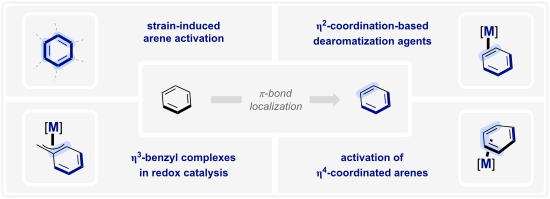
- during subsequent electrophilic addition. Although the trifluorotoluene complex exists as a mixture of its two coordination diastereomers, the pronounced electronic asymmetry of the molybdenum fragment channels protonation to a single η2-arenium intermediate. This enables nucleophilic addition of a
- sulfone complex of W(0) (Scheme 3A) [60]. As established previously [61], protonation of η2-arene ligands bearing electron-withdrawing substituents generates reactive arenium intermediates that react with nucleophiles to furnish disubstituted η2-cyclohexadiene complexes. A second protonation/nucleophilic
- protonated by mild acids to form thermally robust arenium complexes (Figure 11B). This remarkable basicity underscores the exceptional electron-donating power of the {Cr(CO)3}2− and {Mn(CO)3}− units, which stabilize dearomatized, cationic intermediates without auxiliary tethers. Beyond protonation and

Graphical Abstract

Figure 1: Aromatic molecules as the foundation of modern molecular chemistry.

Figure 2: Arenes as springboards to three-dimensional chemical space and strategies toward arene activation v...

Figure 3: Structure and synthetic utilization of strained arenes; NICS: nucleus independent chemical shifts [26-28].

Figure 4: Bonding and reactivity of η2-coordinated aromatic systems [44,46].

Figure 5: Illustrative selection of η2-coordinating dearomatization agents; MeIm: N-methylimidazole, NHE: nor...

Figure 6: Preparation, lability and most stable linkage isomers of pentaammineosmium(II) complexes.

Scheme 1: Heteroatom-directed reactions of η2-arene complexes [45,50].

Figure 7: Latent functionality through transient metal binding.
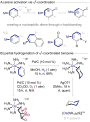
Figure 8: Selective hydrogenation of η2-coordinated benzene to cyclohexene under ambient conditions [53,54].

Scheme 2: Synthesis and utilization of enantioenrichted Mo(η2-arene) complexes in enantioselective synthesis [55]....

Scheme 3: Synthesis of trisubstituted cyclohexenes from phenyl sulfones enabled by tungsten-mediated dearomat...

Scheme 4: Diels–Alder reactions of η2-arene complexes with alkenes and alkynes; NMM: N-methylmaleimide [64,65].

Scheme 5: Binding characteristics and pioneering examples of isolable η3-benzyl complexes.

Figure 9: Divergent functionalization of benzyl electrophiles leveraging η3-benzyl complexes toward benzylic ...

Scheme 6: p-Selective allylation of benzyl chlorides with allylstannanes and subsequent synthetic expansion o...

Figure 10: Strategies for para- and ortho-selective arene functionalization/dearomatization via η3-benzyl comp...

Scheme 7: Substrate-dependent ortho- and para-selective dearomatization of naphthyl chlorides and leveraging ...

Figure 11: η4-Arene coordination as an underexplored but promising pathway for arene activation [96,98-100].
Base-promoted deacylation of 2-acetyl-2,5-dihydrothiophenes and their oxygen-mediated hydroxylation
- Vladimir G. Ilkin,
- Margarita Likhacheva,
- Igor V. Trushkov,
- Tetyana V. Beryozkina,
- Vera S. Berseneva,
- Vladimir T. Abaev,
- Wim Dehaen and
- Vasiliy A. Bakulev
Beilstein J. Org. Chem. 2026, 22, 192–204, doi:10.3762/bjoc.22.13
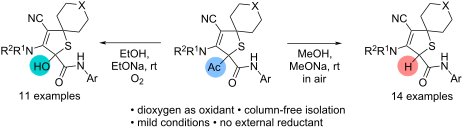
- led to the intermediate A. Elimination of ethyl/methyl acetate from intermediate A afforded anion B. The latter reacted in ethanolic solution with molecular oxygen [52] with the formation of peroxide anion C. The protonation of anion C with proton sources (residual water or/and solvent or 3a can serve

Graphical Abstract

Scheme 1: Previous reports (A‒C) and our work (D, E).
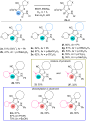
Scheme 2: Oxidation of 2-acetyldihydrothiophenes 1. Conditions: dihydrothiophenes 1 (0.12–0.21 mmol, 1.0 equi...

Scheme 3: Deacylation of 2-acetyldihydrothiophenes 1. Conditions: dihydrothiophenes 1 (0.11–0.18 mmol, 1.0 eq...

Scheme 4: Synthesis of dihydrothiophenes 5. Conditions: dihydrothiophenes 4 (0.13–0.22 mmol, 1.0 equiv), sodi...

Scheme 5: Control experiments.

Figure 1: HRMS analysis of the crude product.

Figure 2: UV–vis spectra of the crude mixture (5.6 mg of the crude mixture was dissolved in 15 mL of methanol...
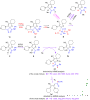
Scheme 6: Proposed mechanism.
Total synthesis of natural products based on hydrogenation of aromatic rings
- Haoxiang Wu and
- Xiangbing Qi
Beilstein J. Org. Chem. 2026, 22, 88–122, doi:10.3762/bjoc.22.4
- sequential electron transfer and protonation, enabling regioselective partial dearomatization that is difficult to achieve under hydrogenation conditions. Likewise, hydride reagents – including NaBH3CN, DIBAL-H, and other aluminum or borohydride derivatives – have been widely employed for the selective
- protonation during reduction or an isomerization event. Kinetic translocation of the double bond to the correct position enabled an intramolecular Heck reaction, a transformation originally developed by Fukuyama (Scheme 12) [78]. Hydrogenation of (−)-tabersonine to (−)-decahydrotabersonine by Catherine

Graphical Abstract

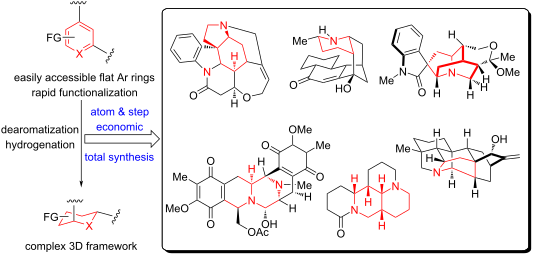
Scheme 1: The association between dearomatization and natural product synthesis.

Scheme 2: Key challenges in hydrogenation of aromatic rings.
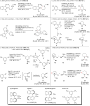
Scheme 3: Hydrogenation of heterocyclic aromatic rings.
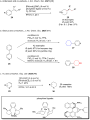
Scheme 4: Hydrogenation of the carbocyclic aromatic rings.
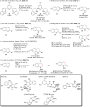
Scheme 5: Hydrogenation of the heterocycle part in bicyclic aromatic rings.
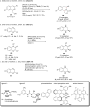
Scheme 6: Hydrogenation of the heterocycle part in bicyclic aromatic rings.
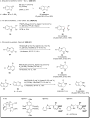
Scheme 7: Hydrogenation of benzofuran, indole, and their analogues.
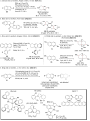
Scheme 8: Hydrogenation of benzofuran, indole, and their analogues.

Scheme 9: Total synthesis of (±)-keramaphidin B by Baldwin and co-workers.

Scheme 10: Total synthesis of (±)-LSD by Vollhardt and co-workers.

Scheme 11: Total synthesis of (±)-dihydrolysergic acid by Boger and co-workers.

Scheme 12: Total synthesis of (±)-lysergic acid by Smith and co-workers.

Scheme 13: Hydrogenation of (−)-tabersonine to (−)-decahydrotabersonine by Catherine Dacquet and co-workers.

Scheme 14: Total synthesis of (±)-nominine by Natsume and co-workers.
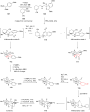
Scheme 15: Total synthesis of (+)-nominine by Gin and co-workers.

Scheme 16: Total synthesis of (±)-lemonomycinone and (±)-renieramycin by Magnus.

Scheme 17: Total synthesis of GB13 by Sarpong and co-workers.

Scheme 18: Total synthesis of GB13 by Shenvi and co-workers.

Scheme 19: Total synthesis of (±)-corynoxine and (±)-corynoxine B by Xia and co-workers.
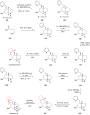
Scheme 20: Total synthesis of (+)-serratezomine E and the putative structure of huperzine N by Bonjoch and co-...

Scheme 21: Total synthesis of (±)-serralongamine A and the revised structure of huperzine N and N-epi-huperzin...

Scheme 22: Early attempts to indenopiperidine core.

Scheme 23: Homogeneous hydrogenation and completion of the synthesis.
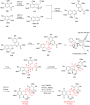
Scheme 24: Total synthesis of jorunnamycin A and jorumycin by Stoltz and co-workers.

Scheme 25: Early attempt towards (−)-finerenone by Aggarwal and co-workers.

Scheme 26: Enantioselective synthesis towards (−)-finerenone.

Scheme 27: Total synthesis of (+)-N-methylaspidospermidine by Smith, Grigolo and co-workers.

Scheme 28: Dearomatization approach towards matrine-type alkaloids.

Scheme 29: Asymmetric total synthesis to (−)-senepodine F via an asymmetric hydrogenation of pyridine.

Scheme 30: Selective hydrogenation of indole derivatives and application.
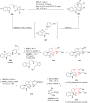
Scheme 31: Synthetic approaches to the oxindole alkaloids by Qi and co-workers.

Scheme 32: Total synthesis of annotinolide B by Smith and co-workers.
Synthesis and applications of alkenyl chlorides (vinyl chlorides): a review
- Daniel S. Müller
Beilstein J. Org. Chem. 2026, 22, 1–63, doi:10.3762/bjoc.22.1
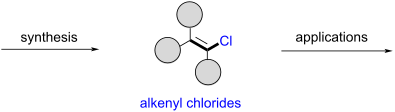
- , Scheme 24) towards further protonation – often proceeding via more stabilized tertiary carbocation intermediates (for example: 153 is more stable compared to initially formed alkenyl cation 152, Scheme 24) [91]. This protonation pathway commonly leads to the formation of gem-dichloride species 151, which

Graphical Abstract
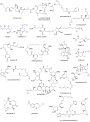
Figure 1: Representative alkenyl chloride motifs in natural products. References: Pinnaic acid [8], haterumalide ...

Figure 2: Representative alkenyl chloride motifs in pharmaceuticals and pesticides. References: clomifene [25], e...
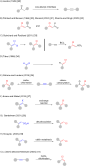
Figure 3: Graphical overview of previously published reviews addressing the synthesis of alkenyl chlorides.

Figure 4: Classification of synthetic approaches to alkenyl chlorides.

Scheme 1: Early works by Friedel, Henry, and Favorsky.

Scheme 2: Product distribution obtained by H NMR integration of crude compound as observed by Kagan and co-wo...

Scheme 3: Side reactions observed for the reaction of 14 with PCl5.

Scheme 4: Only compounds 15 and 18 were observed in the presence of Hünig’s base.

Scheme 5: Efficient synthesis of dichloride 15 at low temperatures.
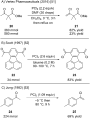
Scheme 6: Various syntheses of alkenyl chlorides on larger scale.

Scheme 7: Scope of the reaction of ketones with PCl5 in boiling cyclohexane.

Scheme 8: Side reactions occur when using excess amounts of PCl5.

Scheme 9: Formation of versatile β-chlorovinyl ketones.

Scheme 10: Mixture of PCl5 and PCl3 used for the synthesis of 49.

Scheme 11: Catechol–PCl3 reagents for the synthesis of alkenyl chlorides.

Scheme 12: (PhO)3P–halogen-based reagents for the synthesis of alkenyl halides.

Scheme 13: Preparation of alkenyl chlorides from alkenyl phosphates.

Scheme 14: Preparation of alkenyl chlorides by treatment of ketones with the Vilsmeier reagent.

Scheme 15: Preparation of electron-rich alkenyl chlorides by treatment of ketones with the Vilsmeier reagent.

Scheme 16: Cu-promoted synthesis of alkenyl chlorides from ketones and POCl3.

Figure 5: GC yield of 9 depending on time and reaction temperature.

Figure 6: Broken reaction flask after attempts to clean the polymerized residue.

Figure 7: GC yield of 9 depending on the amount of CuCl and time.

Scheme 17: Treatment of 4-chromanones with PCl3.

Scheme 18: Synthesis of alkenyl chlorides from the reaction of ketones with acyl chlorides.

Scheme 19: ZnCl2-promoted alkenyl chloride synthesis.
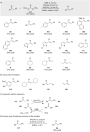
Scheme 20: Regeneration of acid chlorides by triphosgene.

Scheme 21: Alkenyl chlorides from ketones and triphosgene.
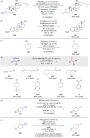
Scheme 22: Various substitution reactions.

Scheme 23: Vinylic Finkelstein reactions reported by Evano and co-workers.

Scheme 24: Challenge of selective monohydrochlorination of alkynes.

Scheme 25: Sterically encumbered internal alkynes furnish the hydrochlorination products in high yield.

Scheme 26: Recent work by Kropp with HCl absorbed on alumina.

Scheme 27: High selectivities for monhydrochlorination with nitromethane/acetic acid as solvent.

Figure 8: Functionalized alkynes which typically afford the monhydrochlorinated products.
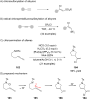
Scheme 28: Related chorosulfonylation and chloroamination reactions.
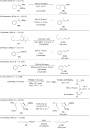
Scheme 29: Reaction of organometallic reagents with chlorine electrophiles.

Scheme 30: Elimination reactions of dichlorides to furnish alkenyl chlorides.

Scheme 31: Elimination reactions of allyl chloride 182 to furnish alkenyl chloride 183.

Scheme 32: Detailed studies by Schlosser on the elimination of dichloro compounds.

Scheme 33: Stereoselective variation caused by change of solvent.

Scheme 34: Elimination of gem-dichloride 189 to afford alkene 190.

Scheme 35: Oxidation of enones to dichlorides and in situ elimination thereof.

Scheme 36: Oxidation of allylic alcohols to dichlorides and in situ elimination thereof.

Scheme 37: Chlorination of styrenes with SOCl2 and elimination thereof.

Scheme 38: Chlorination of styrenes with SOCl2 and elimination thereof.

Scheme 39: Fluorine–chlorine exchange followed by elimination.

Scheme 40: Intercepting cations with alkynes and trapping of the alkenyl cation intermediate with chloride.

Scheme 41: Investigations by Mayr and co-workers.

Scheme 42: In situ activation of benzyl alcohol 230 with BCl3.

Scheme 43: In situ activation of benzylic alcohols with TiCl4.
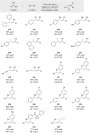
Scheme 44: In situ activation of benzylic alcohols with FeCl3.

Scheme 45: In situ activation of benzylic alcohols with FeCl3.

Scheme 46: In situ activation of aliphatic chlorides and alcohols with ZnCl2, InCl3, and FeCl3.

Scheme 47: In situ generation of benzylic cations and trapping thereof with alkynes.
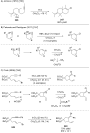
Scheme 48: Intramolecular trapping reactions affording alkenyl halides.

Scheme 49: Intramolecular trapping reactions affording alkenyl chlorides.

Scheme 50: Intramolecular trapping reactions of oxonium and iminium ions affording alkenyl chlorides.
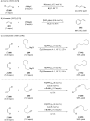
Scheme 51: Palladium and nickel-catalyzed coupling reactions to afford alkenyl chlorides.

Scheme 52: Rhodium-catalyzed couplings of 1,2-trans-dichloroethene with arylboronic esters.

Scheme 53: First report on monoselective coupling reactions for 1,1-dichloroalkenes.

Scheme 54: Negishi’s and Barluenga’s contributions.

Scheme 55: First mechanistic investigation by Johnson and co-workers.

Scheme 56: First successful cross-metathesis with choroalkene 260.

Scheme 57: Subsequent studies by Johnson.
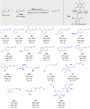
Scheme 58: Hoveyda and Schrock’s work on stereoretentive cross-metathesis with molybdenum-based catalysts.
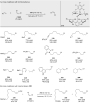
Scheme 59: Related work with (Z)-dichloroethene.
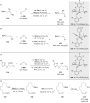
Scheme 60: Further ligand refinement and traceless protection of functional groups with HBpin.

Scheme 61: Alkenyl chloride synthesis by Wittig reaction.

Scheme 62: Alkenyl chloride synthesis by Julia olefination.

Scheme 63: Alkenyl chloride synthesis by reaction of ketones with Mg/TiCl4 mixture.

Scheme 64: Frequently used allylic substitution reactions which lead to alkenyl chlorides.
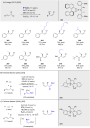
Scheme 65: Enantioselective allylic substitutions.

Scheme 66: Synthesis of alkenyl chlorides bearing an electron-withdrawing group.

Scheme 67: Synthesis of α-nitroalkenyl chlorides from aldehydes.

Scheme 68: Synthesis of alkenyl chlorides via elimination of an in situ generated geminal dihalide.

Scheme 69: Carbenoid approach reported by Pace.

Scheme 70: Carbenoid approach reported by Pace.

Scheme 71: Ring opening of cyclopropenes in the presence of MgCl2.

Scheme 72: Electrophilic chlorination of alkenyl MIDA boronates to Z- or E-alkenyl chlorides.

Scheme 73: Hydroalumination and hydroboration of alkynyl chlorides.

Scheme 74: Carbolithiation of chloroalkynes.

Scheme 75: Chlorination of enamine 420.

Scheme 76: Alkyne synthesis by elimination of alkenyl chlorides.

Scheme 77: Reductive lithiation of akenyl chlorides.

Scheme 78: Reactions of alkenyl chlorides with organolithium reagents.

Scheme 79: Reactions of alkenyl chlorides with organolithium reagents.

Scheme 80: Addition–elimination reaction of alkenyl chloride 9 with organolithium reagents.

Scheme 81: C–H insertions of lithiumcarbenoids.
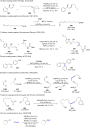
Scheme 82: Pd-catalyzed coupling reactions with alkenyl chlorides as coupling partner.

Scheme 83: Ni-catalyzed coupling of alkenylcopper reagent with alkenyl chloride 183.

Scheme 84: Ni-catalyzed coupling of heterocycle 472 with alkenyl chloride 473.

Scheme 85: Synthesis of α-chloroketones by oxidation of alkenyl chlorides.

Scheme 86: Tetrahalogenoferrate(III)-promoted oxidation of alkenyl chlorides.

Scheme 87: Chlorine–deuterium exchange promoted by a palladium catalyst.

Scheme 88: Reaction of alkenyl chlorides with thiols in the presence of AIBN (azobisisobutyronitrile).

Scheme 89: Chloroalkene annulation.
Thiazolidinones: novel insights from microwave synthesis, computational studies, and potentially bioactive hybrids
- Luan A. Martinho,
- Victor H. J. G. Praciano,
- Guilherme D. R. Matos,
- Claudia C. Gatto and
- Carlos Kleber Z. Andrade
Beilstein J. Org. Chem. 2025, 21, 2618–2636, doi:10.3762/bjoc.21.203
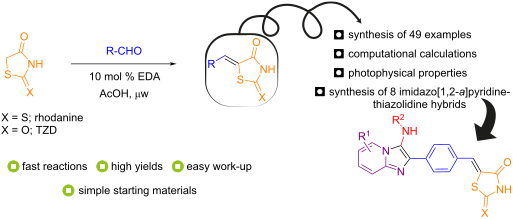
- aldehyde 1, activated by protonation of the oxygen atom through structure ii, forming the intermediate aldol iii. In the presence of EDDA, water elimination occurs in intermediate iv, yielding the Knoevenagel adducts 3 or 4. Synthesis of novel imidazo[1,2-a]pyridine–thiazolidinone hybrids To further
- band around 350 nm was observed. This increase can be explained by deprotonation of the structures, which facilitates solvation effects by water molecules. The cause for the tautomerism effect at acidic pH may be due to the protonation of the basic site of the amino group present in the derivatives
- -TZVPP single point calculations in CPCM water of compounds 3n and 4n in protonated, deprotonated, and neutral forms showed that there is a degree of charge transfer between a HOMO–LUMO excitation in their neutral and deprotonated forms [98]. Protonation of the nitrogen atom in the donor region shifts

Graphical Abstract

Figure 1: Structure of thiazolidinone derivatives.

Figure 2: Selected examples of commercial drugs containing the thiazolidinone core.

Scheme 1: Multicomponent reaction of benzaldehyde, rhodanine, and piperidine in ethanol leading directly to a...
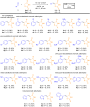
Scheme 2: Substrate scope of the EDA-catalyzed Knoevenagel condensation reactions using a range of aromatic/h...

Scheme 3: Limitations of the EDA-catalyzed Knoevenagel reactions for the synthesis of rhodanine or thiazolidi...

Scheme 4: Plausible reaction mechanism for the EDA-catalyzed Knoevenagel condensation reactions.

Scheme 5: Substrate scope of the HPW-catalyzed GBB reactions.

Scheme 6: Synthesis of imidazo[1,2-a]pyridine-thiazolidinone hybrids by EDA-catalyzed Knoevenagel condensatio...
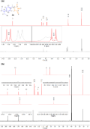
Figure 3: Overlay of predicted (red) and experimental (black) NMR spectra for compound 3n: a) 1H NMR spectra ...

Figure 4: a) Molecular structure of 3n with crystallographic labeling (50% probability displacement). b) Pers...

Scheme 7: a) Tautomeric forms of thiazolidinones and b) resonance structures for compounds 3n and 4n.

Figure 5: Molecular energy as a function of the torsion angle obtained from a relaxed dihedral scan at the M0...

Figure 6: Identification of the carbon atoms used in the theoretical study of chemical shifts. In red, easily...

Figure 7: a) Visual impressions of the solvatochromic study in various solvents (10−5 M) after excitation wit...

Scheme 8: Proposed ICT-type mechanism for the fluorescence process, adapted from ref. [89].

Figure 8: Photophysical study in aqueous solution under different pH values for compound 3n (10−5 M) at room ...

Scheme 9: Two equilibria of compound 3n in aqueous solutions, adapted from ref. [92,93].

Figure 9: Molecular fragments associated with intramolecular charge transfer states.

Figure 10: Frontier molecular orbitals of compounds 3n and 4n in three different states: protonated, deprotona...
Rotaxanes with integrated photoswitches: design principles, functional behavior, and emerging applications
- Jullyane Emi Matsushima,
- Khushbu,
- Zuliah Abdulsalam,
- Udyogi Navodya Kulathilaka Conthagamage and
- Víctor García-López
Beilstein J. Org. Chem. 2025, 21, 2345–2366, doi:10.3762/bjoc.21.179
- macrocycle occurs along a thread containing fumaramide and succinic amide ester units as recognition sites, with highly fluorescent perylene bisimide and pyrene serving as stoppers [67]. The macrocycle features two pyridine units that, upon protonation, effectively quench the fluorescence of both

Graphical Abstract

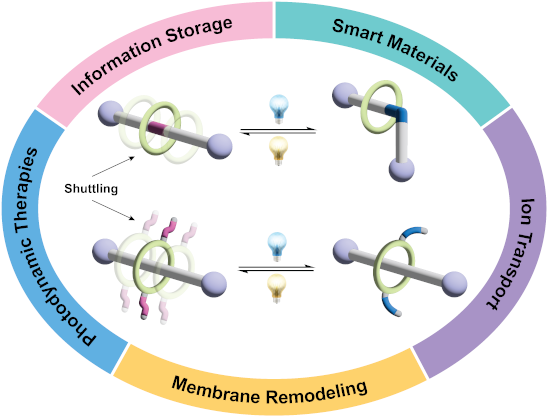
Figure 1: Schematic of common rotaxanes (left) and depiction of the macrocycle shuttling (right).

Figure 2: Structure of some common photoswitches integrated into rotaxanes.

Figure 3: Rotaxane with an acridane photoswitch on the axle modulates the translation of a CBQT4+ macrocycle ...

Figure 4: Hydrogel composed of [2]rotaxanes featuring a central azobenzene in the axle and a cyclodextrin mac...

Figure 5: Dendrimer composed of [2]rotaxane with an azobenzene photoswitch functioning as a macroscopic actua...

Figure 6: (a) Structure of the [2]rotaxane and (b) mechanism for K+ cations transport across lipid bilayers. Figure 6...

Figure 7: Dithienylethene-based [2]rotaxane used in writing patterning applications: (a) rotaxane with open d...

Figure 8: Dithienylethene-based [1]rotaxane shuttling motion triggered by pH changes (top). Dithienylethene p...
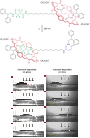
Figure 9: Depiction of a fumaramide-based [2]rotaxane photoswitching cycle and deposition on glass and mica s...

Figure 10: Hydrazone-based rotaxane controls helical pitch in a liquid crystal. Figure 10 was adapted from [73] (© 2024 S. ...

Figure 11: (a) Light- and pH-responsive Förster resonance energy transfer observed on a spiropyran-based [2]ro...

Figure 12: Photoresponsive bending of artificial muscle with [c2]daisy chain reported by Harada and collaborat...

Figure 13: Light-responsive shuttling motion of [2]rotaxane based on a stiff-stilbene photoswitch. Figure 13 was reprod...
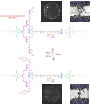
Figure 14: Azobenzene-based rotaxane modulating lipid bilayers upon photoisomerization. Figure 14 was adapted from [23] (© ...

Figure 15: Depiction of fluorescence quenching processes upon external stimuli of a dithienylethene-based [2]r...
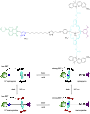
Figure 16: Diagrammatic illustration of rotaxane 1-H-SP depicting interconversions between the four isomeric s...
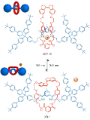
Figure 17: Representation of [2]rotaxane chloride binding modulated by photoisomerization of a stiff-stilbene. ...
Comparative analysis of complanadine A total syntheses
- Reem Al-Ahmad and
- Mingji Dai
Beilstein J. Org. Chem. 2025, 21, 2334–2344, doi:10.3762/bjoc.21.178
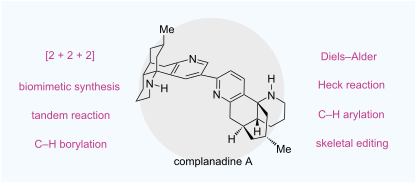
- in four steps. Subsequent conjugate addition of the lithium anion of TMS-acetonitrile to 15, followed by careful one-pot protonation of the resulting enolate with ethyl salicylate and TMS removal with CsF, gave 16 bearing three properly arranged substituents. Grignard 1,2-addition to ketone 16

Graphical Abstract
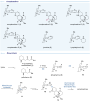
Scheme 1: Complanadine natural products and their plausible biosynthesis.

Scheme 2: The Siegel total synthesis of complanadine A enabled by [2 + 2 + 2] cycloadditions.
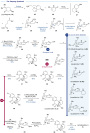
Scheme 3: The Sarpong total synthesis of complanadine A enabled by a biomimetic strategy and C–H activation.
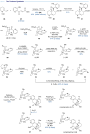
Scheme 4: The Tsukano total synthesis of complanadine A enabled by Diels–Alder cycloaddition, Heck cyclizatio...
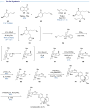
Scheme 5: The Dai total synthesis of complanadine A using single-atom skeletal editing.

Scheme 6: Comparative summary of the four complanadine A total syntheses.
Pathway economy in cyclization of 1,n-enynes
- Hezhen Han,
- Wenjie Mao,
- Bin Lin,
- Maosheng Cheng,
- Lu Yang and
- Yongxiang Liu
Beilstein J. Org. Chem. 2025, 21, 2260–2282, doi:10.3762/bjoc.21.173
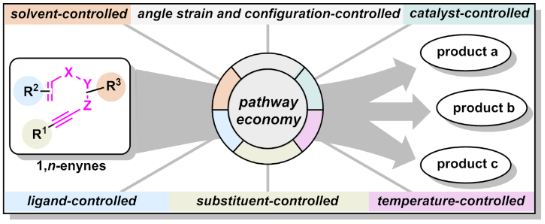
- 2, path b). In the following years, Liu and co-workers discovered that the protonation of intermediate 2 triggered its conversion to intermediate 3, which subsequently underwent oxidation with oxygen, resulting in the generation of an indenone skeleton 6 [9]. This tunability achieved efficient and
- pathway-controlled approach using tryptamine ynamides bearing Michael acceptor moieties as substrates (Scheme 27) [38][39]. Under strong Brønsted acid catalysis, protonation of the carbonyl group was achieved, which facilitated a Michael addition between the electron-rich indole C3-position and the

Graphical Abstract

Scheme 1: Economical synthesis and pathway economy.

Scheme 2: Au(I)-catalyzed cascade cyclization paths of 1,5-enynes.

Scheme 3: Au(I)-catalyzed cyclization paths of 1,7-enynes.

Scheme 4: I2/TBHP-mediated radical cycloisomerization paths of 1,n-enyne.

Scheme 5: Au(I)-catalyzed cycloisomerization paths of 3-allyloxy-1,6-diynes.

Scheme 6: Pd(II)-catalyzed cycloisomerization paths of 2-alkynylbenzoate-cyclohexadienone.

Scheme 7: Stereoselective cyclization of 1,5-enynes.

Scheme 8: Substituent-controlled cycloisomerization of propargyl vinyl ethers.

Scheme 9: Au(I)-catalyzed pathway-controlled domino cyclization of 1,2-diphenylethynes.

Scheme 10: Au(I)-catalyzed tandem cyclo-isomerization of tryptamine-N-ethynylpropiolamide.

Scheme 11: Au(I)-catalyzed tunable cyclization of 1,6-cyclohexenylalkyne.

Scheme 12: Substituent-controlled 7-exo- and 8-endo-dig-selective cyclization of 2-propargylaminobiphenyl deri...

Scheme 13: BiCl3-catalyzed cycloisomerization of tryptamine-ynamide derivatives.

Scheme 14: Au(I)-mediated substituent-controlled cycloisomerization of 1,6-enynes.

Scheme 15: Ligand-controlled regioselective cyclization of 1,6-enynes.

Scheme 16: Ligand-dependent cycloisomerization of 1,7-enyne esters.

Scheme 17: Ligand-controlled cycloisomerization of 1,5-enynes.

Scheme 18: Ligand-controlled cyclization strategy of alkynylamide tethered alkylidenecyclopropanes.

Scheme 19: Ag(I)-mediated pathway-controlled cycloisomerization of tryptamine-ynamides.

Scheme 20: Gold-catalyzed cycloisomerization of indoles with alkynes.

Scheme 21: Catalyst-dependent cycloisomerization of dienol silyl ethers.

Scheme 22: Cycloisomerization of aromatic enynes governed by catalyst.

Scheme 23: Catalyst-dependent 1,2-migration in cyclization of 1-(indol-2-yl)-3-alkyn-1-ols.

Scheme 24: Gold-catalyzed cycloisomerization of N-propargyl-N-vinyl sulfonamides.

Scheme 25: Gold(I)-mediated enantioselective cycloisomerizations of ortho-(alkynyl)styrenes.

Scheme 26: Catalyst-controlled intramolecular cyclization of 1,7-enynes.

Scheme 27: Brønsted acid-catalyzed cycloisomerizations of tryptamine ynamides.

Scheme 28: Catalyst-controlled cyclization of indolyl homopropargyl amides.

Scheme 29: Angle strain-dominated 6-endo-trig cyclization of propargyl vinyl ethers.

Scheme 30: Angle strain-controlled cycloisomerization of alkyn-tethered indoles.

Scheme 31: Geometrical isomeration-dependent cycloisomerization of 1,3-dien-5-ynes.

Scheme 32: Temperature-controlled cyclization of 1,7-enynes.

Scheme 33: Cycloisomerizations of n-(o-ethynylaryl)acrylamides through temperature modulation.

Scheme 34: Temperature-controlled boracyclization of biphenyl-embedded 1,3,5-trien-7-ynes.
Electrochemical cyclization of alkynes to construct five-membered nitrogen-heterocyclic rings
- Lifen Peng,
- Ting Wang,
- Zhiwen Yuan,
- Bin Li,
- Zilong Tang,
- Xirong Liu,
- Hui Li,
- Guofang Jiang,
- Chunling Zeng,
- Henry N. C. Wong and
- Xiao-Shui Peng
Beilstein J. Org. Chem. 2025, 21, 2173–2201, doi:10.3762/bjoc.21.166
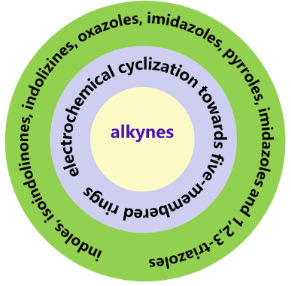
- generation of 12a in Cu rod electrodes, the Cu anode was expected to liberate Cu+ into the reaction mixture. The reaction of this Cu+ with DMSO and I− afforded (DMSO)nCuI, which was coordinated with C≡C to give B. The intermediate C was obtained by cyclization of B and deprotonation. Further protonation of C
- -exo-dig N-radical addition into the C≡C bond to generate the cyclic species C. The radical anion D was then obtained via single electron reduction of C at the cathode. The subsequent protonation of D gave α-aminyl radical E [215][216][217], which was converted into the anion F by further cathodic
- reduction. The subsequent protonation of F occurred to complete the formation of 28. This approach, applying electrolyte as the proton sources, avoided the use of reductants and metal catalysts efficiently. In 2022, Guo developed an electrochemical intramolecular 1,2-amino oxygenation of alkyne to access

Graphical Abstract

Figure 1: Natural products and functional molecules possessing five-membered rings.
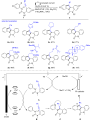
Scheme 1: Electrochemical intramolecular coupling of ureas to form indoles.
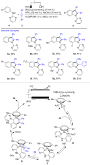
Scheme 2: Electrochemical dehydrogenative annulation of alkynes with anilines.

Scheme 3: Electrochemical annulations of o-arylalkynylanilines.
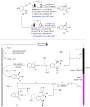
Scheme 4: Electrochemical cyclization of 2-ethynylanilines.
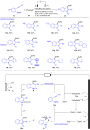
Scheme 5: Electrochemical selenocyclization of diselenides and 2-ethynylanilines.

Scheme 6: Electrochemical cascade approach towards 3-selenylindoles.

Scheme 7: Electrochemical C–H indolization.

Scheme 8: Electrochemical annulation of benzamides and terminal alkynes.

Scheme 9: Electrochemical synthesis of isoindolinone by 5-exo-dig aza-cyclization.

Scheme 10: Electrochemical reductive cascade annulation of o-alkynylbenzamide.
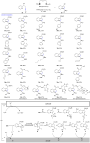
Scheme 11: Electrochemical intramolecular 1,2-amino oxygenation of alkyne.
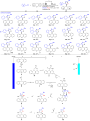
Scheme 12: Electrochemical multicomponent reaction of nitrile, (thio)xanthene, terminal alkyne and water.
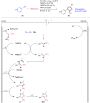
Scheme 13: Electrochemical aminotrifluoromethylation/cyclization of alkynes.

Scheme 14: Electrochemical cyclization of o-nitrophenylacetylene.
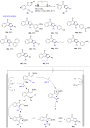
Scheme 15: Electrochemical annulation of alkynyl enaminones.

Scheme 16: Electrochemical annulation of alkyne and enamide.

Scheme 17: Electrochemical tandem Michael addition/azidation/cyclization.

Scheme 18: Electrochemical [3 + 2] cyclization of heteroarylamines.

Scheme 19: Electrochemical CuAAC to access 1,2,3-triazole.
Enantioselective desymmetrization strategy of prochiral 1,3-diols in natural product synthesis
- Lihua Wei,
- Rui Yang,
- Zhifeng Shi and
- Zhiqiang Ma
Beilstein J. Org. Chem. 2025, 21, 1932–1963, doi:10.3762/bjoc.21.151

- with the desired C6 chiral center was constructed via intermediate 229, where the sulfinyl group induced K+–oxygen chelation to form a six-membered transition state prior to protonation from the less hindered face. Acid-mediated epimerization at C9 of 230 yielded compound 231, which was transformed

Graphical Abstract

Scheme 1: General mechanism of a lipase-catalyzed esterification.

Scheme 2: Shishido’s synthesis of (−)-xanthorrhizol (4) and (+)-heliannuol D (8).

Scheme 3: Shishido’s synthesis of a) (−)-heliannuol A (15) and b) heliannuol G (20) and heliannuol H (21).

Scheme 4: Deska’s synthesis of hyperione A (30) and ent-hyperione B (31).

Scheme 5: Huang’s synthesis of (+)-brazilin (37).

Scheme 6: Shishido’s synthesis of (−)-heliannuol D (42) and (+)-heliannuol A (43).

Scheme 7: Chênevert’s synthesis of (S)-α-tocotrienol (49).

Scheme 8: Kita’s synthesis of monoester 53.

Scheme 9: Kita’s synthesis of fredericamycin A (60).

Scheme 10: Takabe’s synthesis of (E)-3,7-dimethyl-2-octene-1,8-diol (64).

Scheme 11: Takabe’s synthesis of (18S)-variabilin (70).

Scheme 12: Kawasaki’s synthesis of (S)-Rosaphen (74) and (R)-Rosaphen (75).
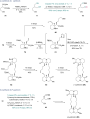
Scheme 13: Tokuyama’s synthesis of a) (−)-petrosin (84) and b) (+)-petrosin (86).

Scheme 14: Fukuyama’s synthesis of leustroducsin B (96).
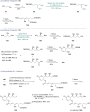
Scheme 15: Nanda’s synthesis of a) fragment 100, b) fragment 106 and c) (−)-rasfonin (109).

Scheme 16: Davies’ synthesis of (+)-pilocarpine (115) and (+)-isopilocarpine (116).

Scheme 17: Ōmura’s synthesis of salinosporamide A (125).

Scheme 18: Kang’s synthesis of ʟ-cladinose (124) and its derivative.

Scheme 19: Kang’s preparation of fragment 139.
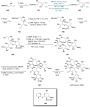
Scheme 20: Kang’s synthesis of azithromycin (149).

Scheme 21: Kang’s synthesis of (−)-dysiherbaine (156).

Scheme 22: Kang’s synthesis of (−)-kaitocephalin (166).
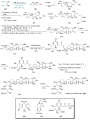
Scheme 23: Kang’s synthesis of laidlomycin (180).

Scheme 24: Snyder’s synthesis of arboridinine (190).
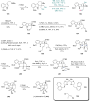
Scheme 25: Ma’s synthesis of (+)-alstrostine G (203).
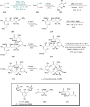
Scheme 26: Trost’s synthesis of (−)-18-epi-peloruside A (215).

Scheme 27: Lindel’s synthesis of (–)-dihydroraputindole (223).

Scheme 28: Iwata’s synthesis of a) (−)-talaromycin B (232) and b) (+)-talaromycin A (235).

Scheme 29: Cook’s synthesis of a) (−)-vincamajinine (240) and b) (−)-11-methoxy-17-epivincamajine (245).

Scheme 30: Cook’s synthesis of (+)-dehydrovoachalotine (249) and voachalotine (250).
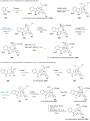
Scheme 31: Cook’s synthesis of a) (−)-12-methoxy-Nb-methylvoachalotine (257) and b) (+)-polyneuridine, macusin...

Scheme 32: Trauner’s synthesis of stephadiamine (273).

Scheme 33: Garg’s synthesis of (–)-ψ-akuammigine (285).

Scheme 34: Ding’s synthesis of (+)-18-benzoyldavisinol (293) and (+)-davisinol (294).
Stereoselective electrochemical intramolecular imino-pinacol reaction: a straightforward entry to enantiopure piperazines
- Margherita Gazzotti,
- Fabrizio Medici,
- Valerio Chiroli,
- Laura Raimondi,
- Sergio Rossi and
- Maurizio Benaglia
Beilstein J. Org. Chem. 2025, 21, 1897–1908, doi:10.3762/bjoc.21.147
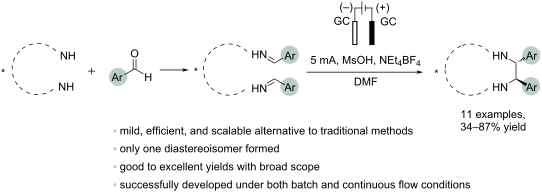
- methanesulfonic acid, which acts as a strong Brønsted acid to selectively protonate the imine nitrogen atoms. This protonation step increases the electrophilicity of the adjacent imine carbons by inductive effect, leading to the formation of a highly reactive diiminium intermediate 4a. When formed, compound 4a is

Graphical Abstract

Scheme 1: Synthesis of vicinal diamines via imino-pinacol coupling in the presence of metal-based reductants.

Scheme 2: Light-promoted imino-pinacol coupling for the synthesis of vicinal diamines.
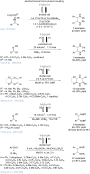
Scheme 3: Historical perspective on electrochemical imino-coupling protocols.

Scheme 4: Stereoselective electroreductive intramolecular imino-pinacol reaction.
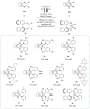
Scheme 5: Scope of the imino-pinacol coupling reaction. Reaction conditions: GC electrodes, NEt4BF4 (2.6 equi...

Figure 1: X-ray determined structure of chiral piperazine 2b.

Scheme 6: Continuous flow synthesis of piperazine 2a. The yield was determined by 1H NMR spectroscopy using 1...

Scheme 7: Proposed reaction mechanism.

Scheme 8: Cyclic voltammetry investigation. Cyclic voltammetry of a 0.325 M solution of Et4NBF4 in DMF (light...
Photoswitches beyond azobenzene: a beginner’s guide
- Michela Marcon,
- Christoph Haag and
- Burkhard König
Beilstein J. Org. Chem. 2025, 21, 1808–1853, doi:10.3762/bjoc.21.143
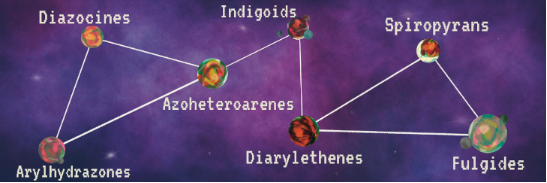
- between hydrazone and pyridine can be broken by protonation with an acid and even by metal coordination, rendering these compounds photo- and acidochromic (Scheme 31) [102]. The equilibrium can also be modulated by introducing hydrogen-bond acceptors in R1 [107] or by introducing substituents to the

Graphical Abstract

Figure 1: Energy diagram of a two-state photoswitch. Figure 1 was redrawn from [2].

Figure 2: Example of the absorption spectra of the isomers of a photoswitch with most efficient irradiation w...
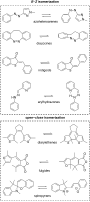
Scheme 1: Photoswitch classes described in this review.

Figure 3: Azoheteroarenes.

Scheme 2: E–Z Isomerisation (top) and mechanisms of thermal Z–E isomerisation (bottom).

Scheme 3: Rotation mechanism favoured by the electron displacement in push–pull systems. Selected examples of...

Figure 4: A) T-shaped and twisted Z-isomers determine the thermal stability and the Z–E-PSS (selected example...

Figure 5: Effect of di-ortho-substitution on thermal half-life and PSS.

Figure 6: Selected thermal lifetimes of azoindoles in different solvents and concentrations. aConcentration o...

Figure 7: Aryliminopyrazoles: N-pyrazoles (top) and N-phenyl (bottom).

Scheme 4: Synthesis of symmetrical heteroarenes through oxidation (A), reduction (B), and the Bayer–Mills rea...

Scheme 5: Synthesis of diazonium salt (A); different strategies of azo-coupling: with a nucleophilic ring (B)...

Scheme 6: Synthesis of arylazothiazoles 25 (A) and heteroaryltriazoles 28 (B).

Scheme 7: Synthesis of heteroarylimines 31a,b [36-38].

Figure 8: Push–pull non-ionic azo dye developed by Velasco and co-workers [45].

Scheme 8: Azopyridine reported by Herges and co-workers [46].

Scheme 9: Photoinduced phase transitioning azobispyrazoles [47].

Figure 9: Diazocines.

Scheme 10: Isomers, conformers and enantiomers of diazocine.

Scheme 11: Partial overlap of the ππ* band with electron-donating substituents and effect on the PSS. Scheme 11 was ada...

Figure 10: Main properties of diazocines with different bridges. aMeasured in n-hexane [56]. bMeasured in THF. cMe...

Scheme 12: Synthesis of symmetric diazocines.

Scheme 13: Synthesis of asymmetric diazocines.

Scheme 14: Synthesis of O- and S-heterodiazocines.

Scheme 15: Synthesis of N-heterodiazocines.

Scheme 16: Puromycin diazocine photoswitch [60].

Figure 11: Indigoids.

Figure 12: The main representatives of the indigoid photoswitch class.

Scheme 17: Deactivation process that prevents Z-isomerisation of indigo.

Figure 13: Stable Z-indigo derivative synthesised by Wyman and Zenhäusern [67].

Figure 14: Selected examples of indigos with aliphatic and aromatic substituents [68]. Dashed box: proposed π–π in...

Scheme 18: Resonance structures of indigo and thioindigo involving the phenyl ring.

Scheme 19: Possible deactivation mechanism for 4,4'-dihydroxythioindigo [76].

Scheme 20: Effect of different heteroaryl rings on the stability and the photophysical properties of hemiindig...

Figure 15: Thermal half-lives of red-shifted hemithioindigos in toluene [79]. aMeasured in toluene-d8.

Scheme 21: Structures of pyrrole [81] and imidazole hemithioindigo [64].

Figure 16: Examples of fully substituted double bond hemithioindigo (left), oxidised hemithioindigos (centre),...

Scheme 22: Structure of iminothioindoxyl 72 (top) and acylated phenyliminoindolinone photoswitch 73 (bottom). ...

Scheme 23: (top) Transition states of iminothioindoxyl 72. The planar transition state is associated with a lo...

Scheme 24: Baeyer–Drewsen synthesis of indigo (top) and N-functionalisation strategies (bottom).

Scheme 25: Synthesis of hemiindigo.

Scheme 26: Synthesis of hemithioindigo and iminothioindoxyl.

Scheme 27: Synthesis of double-bond-substituted hemithioindigos.

Scheme 28: Synthesis of phenyliminoindolinone.

Scheme 29: Hemithioindigo molecular motor [85].

Figure 17: Arylhydrazones.

Scheme 30: Switching of arylhydrazones. Note: The definitions of stator and rotor are arbitrary.

Scheme 31: Photo- and acidochromism of pyridine-based phenylhydrazones.

Scheme 32: A) E–Z thermal inversion of a thermally stable push–pull hydrazone [109]. B) Rotation mechanism favoured...

Scheme 33: Effect of planarisation on the half-life.

Scheme 34: The longest thermally stable hydrazone switches reported so far (left). Modulation of thermal half-...

Figure 18: Dependency of t1/2 on concentration and hypothesised aggregation-induced isomerisation.

Figure 19: Structure–property relationship of acylhydrazones.

Scheme 35: Synthesis of arylhydrazones.

Scheme 36: Synthesis of acylhydrazones.

Scheme 37: Photoswitchable fluorophore by Aprahamian et al. [115].

Scheme 38: The four-state photoswitch synthesised by the Cigáň group [116].

Figure 20: Diarylethenes.

Scheme 39: Isomerisation and oxidation pathway of E-stilbene to phenanthrene.

Scheme 40: Strategies adapted to avoid E–Z isomerisation and oxidation.
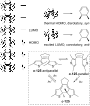
Scheme 41: Molecular orbitals and mechanism of electrocyclisation for a 6π system.

Figure 21: Aromatic stabilisation energy correlated with the thermal stability of the diarylethenes [127,129].

Figure 22: Half-lives of diarylethenes with increasing electron-withdrawing groups [128,129].

Scheme 42: Photochemical degradation pathway promoted by electron-donating groups [130].

Figure 23: The diarylethenes studied by Hanazawa et al. [134]. Increased rigidity leads to bathochromic shift.

Scheme 43: The dithienylethene synthesised by Nakatani's group [135].

Scheme 44: Synthesis of perfluoroalkylated diarylethenes.

Scheme 45: Synthesis of 139 and 142 via McMurry coupling.

Scheme 46: Synthesis of symmetrical derivatives 145 via Suzuki–Miyaura coupling.

Scheme 47: Synthesis of acyclic 148, malonic anhydride 149, and maleimide derivatives 154.

Figure 24: Gramicidin S (top left) and two of the modified diarylethene derivatives: first generation (bottom ...

Scheme 48: Pyridoxal 5'-phosphate and its reaction with an amino acid (top). The analogous dithienylethene der...

Figure 25: Fulgides.

Scheme 49: The three isomers of fulgides.

Scheme 50: Thermal and photochemical side products of unsubstituted fulgide [150].

Figure 26: Maximum absorption λc of the closed isomer compared with the nature of the aromatic ring and the su...

Scheme 51: Possible rearrangement of the excited state of 5-dimethylaminoindolylfulgide [153].

Figure 27: Quantum yields of ring closure (ΦE→C) and E–Z isomerisation (ΦE→Z) correlated with the increasing s...

Scheme 52: Active (Eα) and inactive (Eβ) conformers (left) and the bicyclic sterically blocked fulgide 169 (ri...

Scheme 53: Quantum yield of ring-opening (ΦC→E) and E–Z isomerisation (ΦE→Z) for different substitution patter...

Scheme 54: Stobbe condensation pathway for the synthesis of fulgides 179, fulgimides 181 and fulgenates 178.

Scheme 55: Alternative synthesis of fulgides through Pd-catalysed carbonylation.

Scheme 56: Optimised synthesis of fulgimides [166].

Scheme 57: Photoswitchable FRET with a fulgimide photoswitch [167].

Scheme 58: Three-state fulgimide strategy by Slanina's group.

Figure 28: Spiropyrans.

Scheme 59: Photochemical (left) and thermal (right) ring-opening mechanisms for an exemplary spiropyran with a...

Figure 29: Eight possible isomers of the open merocyanine according to the E/Z configurations of the bonds hig...

Scheme 60: pH-Controlled photoisomerisation between the closed spiropyran 191-SP and the open E-merocyanine 19...

Scheme 61: Behaviour of spiropyran in water buffer according to Andréasson and co-workers [180]. 192-SP in an aqueo...

Scheme 62: (left box) Proposed mechanism of basic hydrolysis of MC [184]. (right box) Introduction of electron-dona...

Scheme 63: Photochemical interconversion of naphthopyran 194 (top) and spirooxazine 195 (bottom) photoswitches...

Scheme 64: Synthesis of spiropyrans and spirooxazines 198 and the dicondensation by-product 199.

Scheme 65: Alternative synthesis of spiropyrans and spirooxazines with indolenylium salt 200.

Scheme 66: Synthesis of 4’-substituted spiropyrans 203 by condensation of an acylated methylene indoline 201 w...

Scheme 67: Synthesis of spironaphthopyrans 210 by acid-catalysed condensation of naphthols and diarylpropargyl...

Scheme 68: Photoswitchable surface wettability [194].

Figure 30: Some guiding principles for the choice of the most suitable photoswitch. Note that this guide is ve...
Research progress on calixarene/pillararene-based controlled drug release systems
- Liu-Huan Yi,
- Jian Qin,
- Si-Ran Lu,
- Liu-Pan Yang,
- Li-Li Wang and
- Huan Yao
Beilstein J. Org. Chem. 2025, 21, 1757–1785, doi:10.3762/bjoc.21.139
- of supramolecular vesicles using WP6 and pyridine derivatives (G1) (Figure 4). This supramolecular system achieves controllable assembly and disassembly through pH responsiveness: under acidic conditions (pH 6.0), protonation of the WP6 carboxyl groups leads to vesicle disassembly; whereas in a
- hydrophobic alkyl chain core. The assembly driving force directly relies on the host–guest interaction between WP6 and FC. Further studies have shown that by regulating the deprotonation/protonation state of the WP6 carboxyl groups through pH control, the reversible dissociation and reassembly of the vesicle

Graphical Abstract

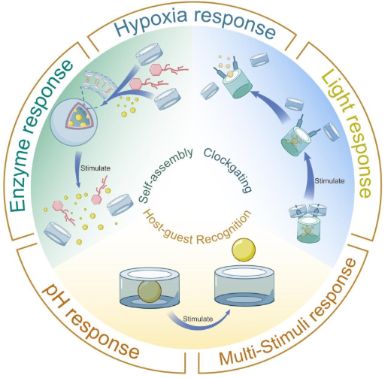
Figure 1: Schematic diagram of drug-controlled release mechanisms based on aromatic macrocycles.

Figure 2: Chemical structure of a) calix[n]arene (m = 1,3,5), and b) pillar[n]arene (m = 1,2,3).

Figure 3: Changes in pH conditions cause the release of drugs from CA8 host–guest complexes [101]. Figure 3 was adapted wi...

Figure 4: The illustration of the pH-mediated 1:1 complex formation between the host and guest molecules in a...

Figure 5: Illustration of the pH-responsive self-assembly of mannose-modified CA4 into micelles and the subse...

Figure 6: Illustration of the assembly of supramolecular prodrug nanoparticles from WP6 and DOX-derived prodr...

Figure 7: Illustration of the formation of supramolecular vesicles and their pH-dependent drug release [93]. Figure 7 was...

Figure 8: Schematic illustration of the application of the multifunctional nanoplatform CyCA@POPD in combined...

Figure 9: Illustration of the photolysis of an amphiphilic assembly via CA-induced aggregation [114]. Figure 9 was reprint...
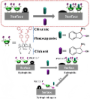
Figure 10: Schematic illustration of drug release controlled by the photo-responsive macroscopic switch based ...

Figure 11: Schematic illustration of the formation process of Azo-SMX and its photoisomerization reaction unde...

Figure 12: Schematic illustration of the enzyme-responsive behavior of supramolecular polymers [95]. Figure 12 was used wit...

Figure 13: Schematic illustration of the amphiphilic assembly of SC4A and its enzyme-responsive applications [119]. ...

Figure 14: Stimuli-responsive nanovalves based on MSNs and choline-SC4A[2]pseudorotaxanes, MSN-C1 with ester-l...

Figure 15: A schematic diagram showing the construction of a supramolecular system by host–guest interaction b...
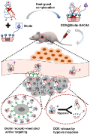
Figure 16: A schematic diagram showing the formation of the host–guest complex DOX@Biotin-SAC4A by biotin modi...

Figure 17: A schematic diagram showing the self-assembly of CA4 into a hypoxia-responsive peptide hydrogel, wh...

Figure 18: Schematic illustration of the formation process of Lip@GluAC4A and the release of Lip under hypoxic...

Figure 19: Schematic illustration of the construction of a supramolecular vesicle based on the host–guest comp...

Figure 20: Schematic illustration of WP6 self-assembly at pH > 7, and the stimulus-responsive drug release beh...

Figure 21: Schematic illustration of the formation of supramolecular vesicles based on the WP5⊃G super-amphiph...

Figure 22: Schematic illustrations of the host–guest recognition of QAP5⊃SXD, the formation of the nanoparticl...

Figure 23: Schematic illustration of the activation of T-SRNs by acid, alkali, or Zn2+ stimuli to regulate the...

Figure 24: Illustration of the triggered release of BH from CP[5]A@MSNs-Q NPs in response to a drop in pH or a...

Figure 25: Illustration of the supramolecular amphiphiles TPENCn@1 (n = 6 and 12) self-assembling with disulfi...



