


Search results
Search for "antibiotic" in Full Text gives 280 result(s) in Beilstein Journal of Organic Chemistry. Showing first 200.
Synthesis and antimycotic activity of new derivatives of imidazo[1,2-a]pyrimidines
Beilstein J. Org. Chem. 2024, 20, 2806–2817, doi:10.3762/bjoc.20.236
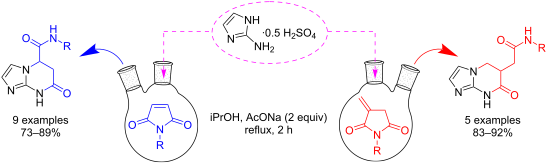
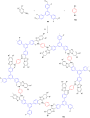
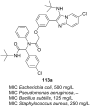
- include the use of immunosuppressive and cytotoxic drugs, broad-spectrum antibiotic therapy, pre-existing illnesses such as AIDS or diabetes, and the use of central venous catheters, urethral catheters, and implantable medical devices [42]. The mainstay of therapy for these infections is the use of broad


Efficient modification of peroxydisulfate oxidation reactions of nitrogen-containing heterocycles 6-methyluracil and pyridine
Beilstein J. Org. Chem. 2024, 20, 2599–2607, doi:10.3762/bjoc.20.219
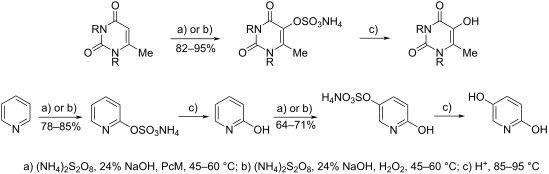
- , including drugs and alkaloids [8]. Several drugs are known to contain the 2-pyridone structure, such as the cardiotonic drugs milrinone (Figure 1c) and amrinone (Figure 1d) [9][10], as well as the antibiotic pilicide (Figure 1e) [11][12]. As described in [13] during preliminary experiments, it was


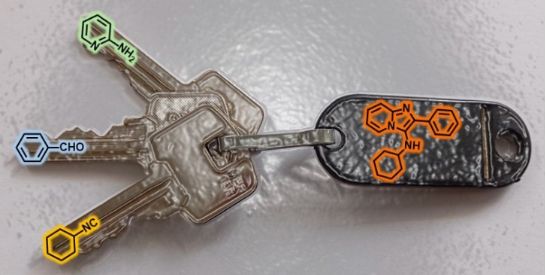
The Groebke–Blackburn–Bienaymé reaction in its maturity: innovation and improvements since its 21st birthday (2019–2023)
Beilstein J. Org. Chem. 2024, 20, 1839–1879, doi:10.3762/bjoc.20.162


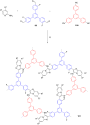




Discovery of antimicrobial peptides clostrisin and cellulosin from Clostridium: insights into their structures, co-localized biosynthetic gene clusters, and antibiotic activity
Beilstein J. Org. Chem. 2024, 20, 1800–1816, doi:10.3762/bjoc.20.159
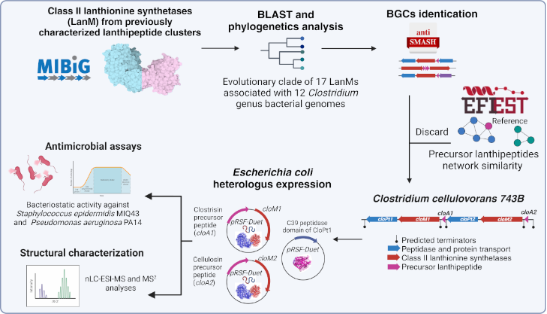
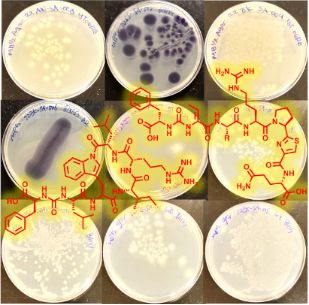
- lanthipeptide synthetases exhibit antimicrobial activity against various pathogens, including drug-resistant strains [23][24]. These molecules are relevant as they have strong antibiotic effects against pathogenic bacteria such as Staphylococcus aureus, Enterococcus sp., Clostridioides difficile, and
- cellulolyticum, and clostrubin, a polyphenolic polyketide antibiotic and the first reported polyketide from anaerobic bacteria [35][36][37]. Therefore, the discovery of a lantibiotic with a Clostridium origin, reported in this study, has significant implications for developing novel antibiotics. The unique
- each bacterium at 10.5 µg/mL, where they showed no inhibition. The peptides exhibited no antibiotic activity against E. coli ATCC IM08B, C. difficile R20291, A. baumannii ATCC BAA 747, and MRSA at the concentrations employed. It was expected that the lack of effect on E. coli would occur, as the pre




Syntheses and medicinal chemistry of spiro heterocyclic steroids
Beilstein J. Org. Chem. 2024, 20, 1713–1745, doi:10.3762/bjoc.20.152
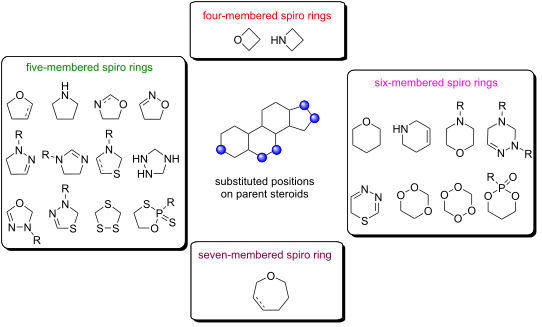
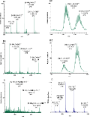
- -thiazolidin-4-one moiety at the C-3 steroid position, employing the drugs sulfapyridine and sulfadiazine. The corresponding heterocycles were afforded in similar yields. The spiro products were evaluated for their antimicrobial and antifungal properties, demonstrating comparable activity to the antibiotic


Chemo-enzymatic total synthesis: current approaches toward the integration of chemical and enzymatic transformations
Beilstein J. Org. Chem. 2024, 20, 1693–1712, doi:10.3762/bjoc.20.151
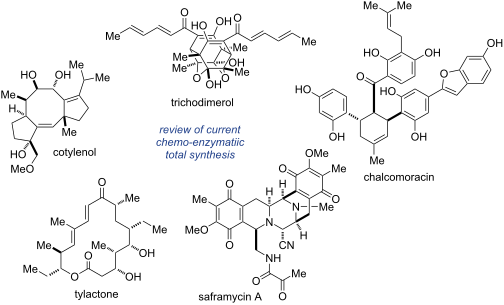
- macrolactonization catalyzed by two massive PKS modules exemplifies a refined and innovative method in chemo-enzymatic synthesis. Tylactone (4), a 16-membered macrolactone, was isolated from a Streptomyces fradiae mutant and characterized as the aglycone of the macrolide antibiotic tylosin (Scheme 7) [69]. Since the




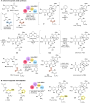
Methyltransferases from RiPP pathways: shaping the landscape of natural product chemistry
Beilstein J. Org. Chem. 2024, 20, 1652–1670, doi:10.3762/bjoc.20.147
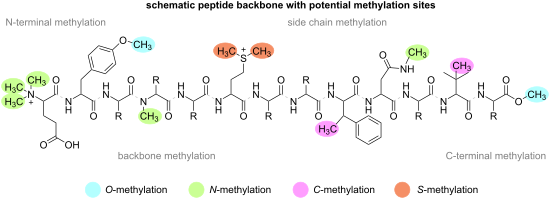
- resulting natural products with a spectrum of chemical complexity, contributing to the broad range of biological activities exhibited by RiPPs. Bioactivities attributed to RiPPs include a wide range of effects, such as antibiotic, antifungal, antiviral, antiparasitic, antitumour, analgesic, anti
- a class I SAM-dependent MT. The closest structural homologues with defined biosynthetic pathways are CcbJ and KedS8. These enzymes N-methylate the antibiotic lincosamide celesticetin and the anticancer protein kedaricidin, respectively. Crocagin A is a potent inhibitor of the RNA binding protein
- -terminally methylated nisin retains its antibiotic activity, with MIC (minimal inhibitory concentration) values of 1 µM and 4 µM against Lactococcus lactis and Bacillus subtilis, respectively. Haloduracin is a two-component lanthibiotic that is methylated at both cyclised N-termini by CypM. These experiments





Polymer degrading marine Microbulbifer bacteria: an un(der)utilized source of chemical and biocatalytic novelty
Beilstein J. Org. Chem. 2024, 20, 1635–1651, doi:10.3762/bjoc.20.146
- (VHPO) was detected in the genome and recombinantly produced VHPO was shown to brominate AQs. Besides, the brominated AQs demonstrated increased antibiotic activity against Staphylococcus aureus and other marine bacteria [148]. In addition to the antimicrobial activity demonstrated herein, AQs are




Supramolecular assemblies of amphiphilic donor–acceptor Stenhouse adducts as macroscopic soft scaffolds
Beilstein J. Org. Chem. 2024, 20, 1590–1603, doi:10.3762/bjoc.20.142
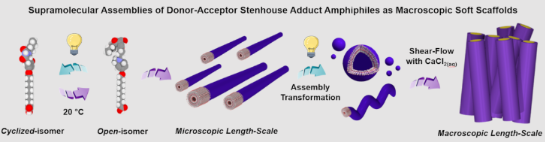
- calcium chloride solution, the obtained DAn macroscopic scaffold was washed three times with fresh Milli-Q water, followed by the addition of 0.5 mL of a growth medium consisting of minimum essential medium (MEM α, no phenol red, Gibco), 10% fetal bovine serum (FBS, Gibco), and 1% antibiotic–antimycotic




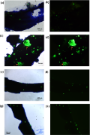
Photoswitchable glycoligands targeting Pseudomonas aeruginosa LecA
Beilstein J. Org. Chem. 2024, 20, 1486–1496, doi:10.3762/bjoc.20.132
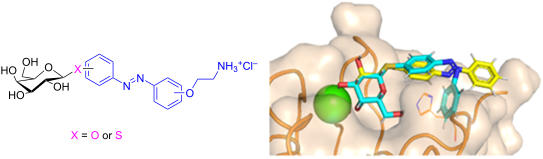
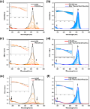
- antibiotic-sparing anti-infective drugs. Building synthetic glycoconjugates for the inhibition and modulation of bacterial lectins have shown promising results. Light-sensitive lectin ligands could allow the modulation of lectins activity with precise spatiotemporal control. Despite the potential of
- the bacteria. Bacterial lectins are therefore attractive targets for the development of new antibiotic-sparing anti-infective drugs. For example, some Escherichia coli fimbrial lectin FimH inhibitors are currently in clinical development to treat and prevent urinary tract infections [9][10]. A large


Bioinformatic prediction of the stereoselectivity of modular polyketide synthase: an update of the sequence motifs in ketoreductase domain
Beilstein J. Org. Chem. 2024, 20, 1476–1485, doi:10.3762/bjoc.20.131
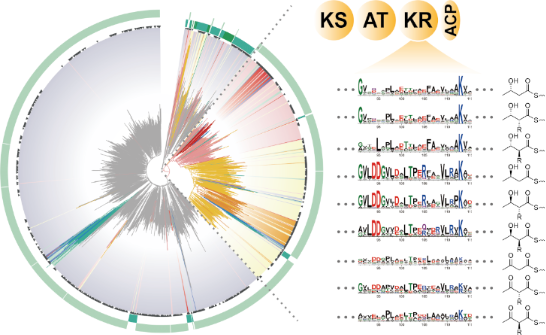
- : bioinformatics; conserved motifs; ketoreductase; polyketide synthase; stereocontrol; Introduction Type I modular polyketide synthases (PKSs) are large enzyme complexes that play a crucial role in the biosynthesis of bacterial polyketides, including many important clinical drugs such as erythromycin (antibiotic


Synthetic applications of the Cannizzaro reaction
Beilstein J. Org. Chem. 2024, 20, 1376–1395, doi:10.3762/bjoc.20.120
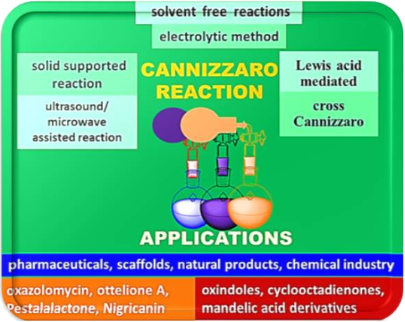
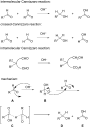
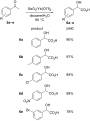
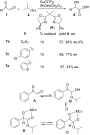
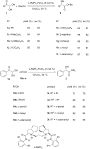
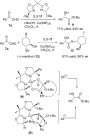
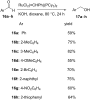
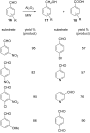
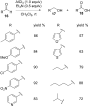
- intramolecular Cannizzaro reaction was demonstrated by the group of Schmalz in the total synthesis of the marine antibiotic pestalone [86]. They observed a facile isomerization of the pestalone derivatives 55/57 into the intramolecular lactone derivatives rac-56a,b which features a Cannizzaro–Tishchenko-type









A Diels–Alder probe for discovery of natural products containing furan moieties
Beilstein J. Org. Chem. 2024, 20, 1001–1010, doi:10.3762/bjoc.20.88
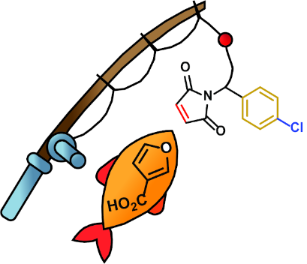
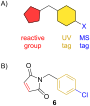
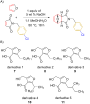
- . Natural products with furan moieties can also be signaling hormones. Methylenomycin furans (MMFs) are naturally occurring secondary metabolites that are produced by Streptomyces coelicolor, a soil dwelling bacterium. These molecules are important as they induce the production of the antibiotic




One-pot Ugi-azide and Heck reactions for the synthesis of heterocyclic systems containing tetrazole and 1,2,3,4-tetrahydroisoquinoline
Beilstein J. Org. Chem. 2024, 20, 912–920, doi:10.3762/bjoc.20.81
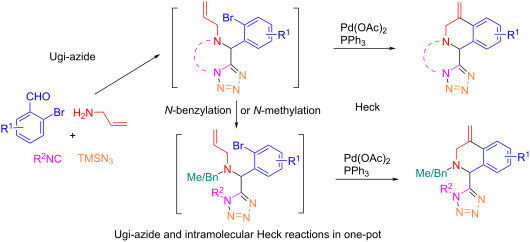
- can be found in natural products and synthetic compounds with antitumor, anti-HIV, antibiotic, antifungal, antivirus, and anti-inflammatory activities [18][19][20][21]. The antischistosomal drug praziquantel (PZQ), a tetrahydroisoquinoline derivative, is a commercialized drug for the treatment of


Activity assays of NnlA homologs suggest the natural product N-nitroglycine is degraded by diverse bacteria
Beilstein J. Org. Chem. 2024, 20, 830–840, doi:10.3762/bjoc.20.75
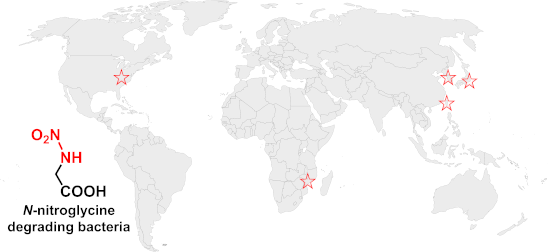
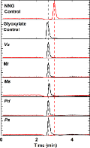
- antibiotic activity towards Gram-negative bacteria. An NNG degrading heme enzyme, called NnlA, has recently been discovered in the genome of Variovorax sp. strain JS1663 (Vs NnlA). Evidence is presented that NnlA and therefore, NNG degradation activity is widespread. To achieve this objective, we
- often exhibit antibiotic activity and it has been shown that NNG exhibits antibiotic activity towards Gram-negative bacteria (0.18 to 25 μg/mL) [24]. Moreover, the nitramine functional group has potential to serve as a potent warhead in an antibiotic. For example, a cytochrome P450 homolog, XplA
- portion of NNG would be expected to exist as the inhibitory nitronate form at physiological pH, suggesting another potential role for nitramine groups as potent warheads in antibiotics. This antibiotic activity may also require further modification of NNG or its incorporation into a larger natural product




Synthesis of new representatives of A3B-type carboranylporphyrins based on meso-tetra(pentafluorophenyl)porphyrin transformations
Beilstein J. Org. Chem. 2024, 20, 767–776, doi:10.3762/bjoc.20.70
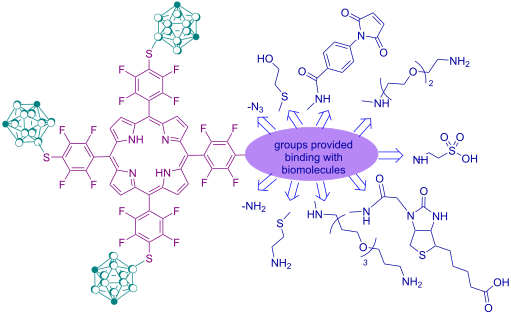
- biosensors, bioimaging probes, and especially as photosensitizers (PSs) in photodynamic therapy (PDT) [2]. PDT is a treatment modality that uses the combination of a non-toxic PS, oxygen, and light to treat diseases ranging from cancer to age-related macular degeneration and antibiotic-resistant infections



Methodology for awakening the potential secondary metabolic capacity in actinomycetes
Beilstein J. Org. Chem. 2024, 20, 753–766, doi:10.3762/bjoc.20.69
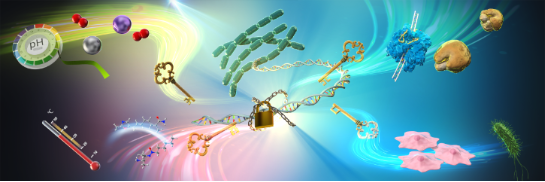
- production of secondary metabolites. For example, overexpression of Streptomyces antibiotic regulatory protein (SARP) family transcriptional activators led to the discovery of many new secondary metabolites [42]. Du et al. searched for SARP family transcriptional activators from the draft genome of
- inducing resistance, and this approach has contributed to the isolation of many new compounds [47]. The ribosome engineering method is based on the principle that a mutation in the ribosomal S12 protein, which is associated with the acquisition of antibiotic resistance, activates secondary metabolism. The
- production of antibiotics such as actinorhodin (ACT, 8), undecylprodigiosin (RED, 21), and calcium-dependent antibiotic (CDA, 22) in Streptomyces coelicolor M145 (Figure 3b). Chen et al. and Shu et al. reported that under stress associated with high concentrations of glutamate, AfsQ1/Q2 is important not only


Substrate specificity of a ketosynthase domain involved in bacillaene biosynthesis
Beilstein J. Org. Chem. 2024, 20, 734–740, doi:10.3762/bjoc.20.67
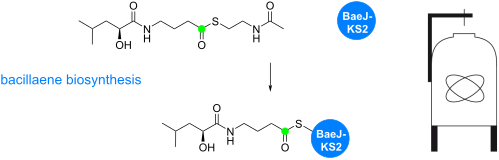
- understanding of polyketide biosynthesis has been reached, including a detailed knowledge of the extender unit selection and the stereochemical implications that are predictable from amino acid sequences [5][6]. The polyene antibiotic bacillaene was first isolated from Bacillus subtilis [7]. This soil-dwelling


Chemoenzymatic synthesis of macrocyclic peptides and polyketides via thioesterase-catalyzed macrocyclization
Beilstein J. Org. Chem. 2024, 20, 721–733, doi:10.3762/bjoc.20.66
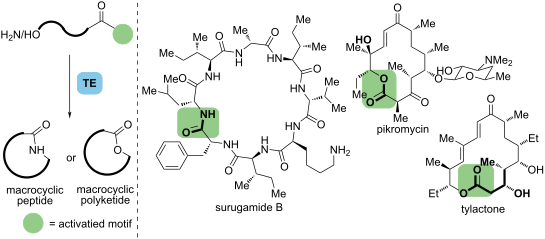
- -product biosynthesis and combinatorial solid-phase chemistry, this strategy has expanded the sequence space of macrocyclic peptides significantly (Scheme 2c). The daptomycins The calcium-dependent antibiotic (CDA, 11), daptomycin (12), and A54145 are acidic lipopeptides isolated from Streptomycetes, which
- produce over 67% of naturally occurring antibiotics [47]. Notably, daptomycin, branded as Cubicin, was approved by the FDA as a last-resort antibiotic in 2003 for the treatment of infections caused by numerous Gram-positive bacterial strains [48], including methicillin-resistant S. aureus (MRSA) and
- biosynthesis of these acidic lipopeptides, Marahiel and co-workers accomplished a chemoenzymatic synthesis of the calcium-dependent antibiotic (CDA,11) utilizing CDA3 TE, a cyclase derived from CDA synthetase [53]. To simulate the native peptide-S-PCP substrate, they evaluated four leaving groups: SNAC


Genome mining of labdane-related diterpenoids: Discovery of the two-enzyme pathway leading to (−)-sandaracopimaradiene in the fungus Arthrinium sacchari
Beilstein J. Org. Chem. 2024, 20, 714–720, doi:10.3762/bjoc.20.65
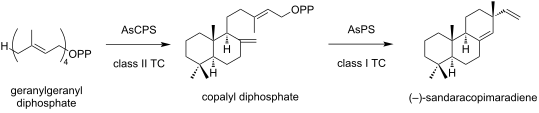
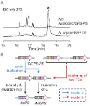
- inhibitor aphidicolin [28] and a ribosome-targeting antibiotic pleuromutilin [29] (Figure 1), they remained as underexplored targets in genome-mining approaches. In this study, we examined the biosynthetic genes for LRDs and identified two TCs consisting of αβ and αβγ domains. Heterologous expression in


Chemical and biosynthetic potential of Penicillium shentong XL-F41
Beilstein J. Org. Chem. 2024, 20, 597–606, doi:10.3762/bjoc.20.52
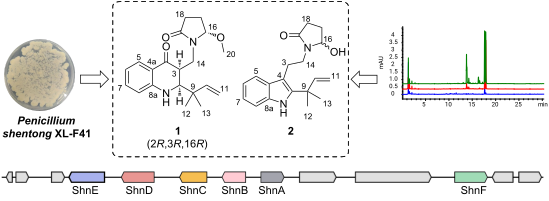
- antibiotic mycophenolic acid originally isolated by Gosio in the 1890s [2], the important antibiotic penicillin was characterized more than one decade after Fleming discovered the antibacterial activity of a Penicillium extract, and since then, Penicillium has been an important target in drug development




A myo-inositol dehydrogenase involved in aminocyclitol biosynthesis of hygromycin A
Beilstein J. Org. Chem. 2024, 20, 589–596, doi:10.3762/bjoc.20.51
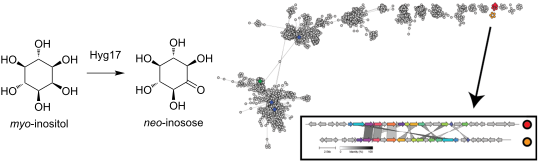
- Michael O. Akintubosun Melanie A. Higgins Department of Biological Sciences, The University of Alabama, 3314 Science and Engineering Complex, Tuscaloosa, AL 35487, USA 10.3762/bjoc.20.51 Abstract Hygromycin A is a broad-spectrum antibiotic that contains a furanose, cinnamic acid, and
- was discovered in the 1950s and is produced by the soil bacterium Streptomyces hygroscopicus [1]. It has broad spectrum antibiotic activity, antitreponemal activity against the pathogen that causes swine dysentery, and selective activity against the spirochete that causes Lyme disease [1][2][3]. It
- /bleomycin resistance protein/dioxygenase superfamily (PF00903) sequences, 81 associated with CrcB-like protein, camphor resistance (PF02537) sequences, 22 associated with aminoglycoside antibiotic resistance kinase (PF04655) sequences, and 2 associated with putative multidrug resistance efflux protein


Entry to new spiroheterocycles via tandem Rh(II)-catalyzed O–H insertion/base-promoted cyclization involving diazoarylidene succinimides
Beilstein J. Org. Chem. 2024, 20, 561–569, doi:10.3762/bjoc.20.48
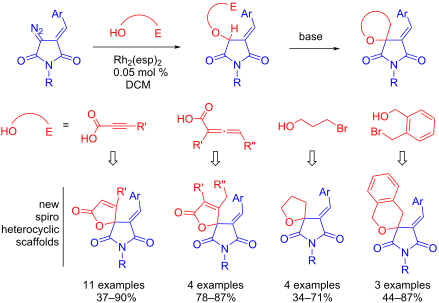
- products. For example, spirocyclic Δα,β-butenolides (furan-2(5H)-ones) represent a valuable class of molecular frameworks for drug design and are abundant in nature [15]. Bioactive naturally occurring spiro Δα,β-butenolides include spirofragilide (with anti-inflammatory, antibiotic, antitumor, anti-HIV


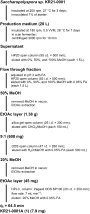
A new analog of dihydroxybenzoic acid from Saccharopolyspora sp. KR21-0001
Beilstein J. Org. Chem. 2024, 20, 497–503, doi:10.3762/bjoc.20.44
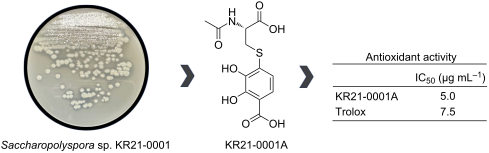
- but showed potent antioxidant activity. Keywords: antioxidant activity; dihydroxybenzoic acid analog; rare actinomycetes; Introduction Actinomycetes are Gram-positive bacteria with high GC content in their genome. They are well-known as the main producers of bioactive compounds such as antibiotic



Development of a chemical scaffold for inhibiting nonribosomal peptide synthetases in live bacterial cells
Beilstein J. Org. Chem. 2024, 20, 445–451, doi:10.3762/bjoc.20.39
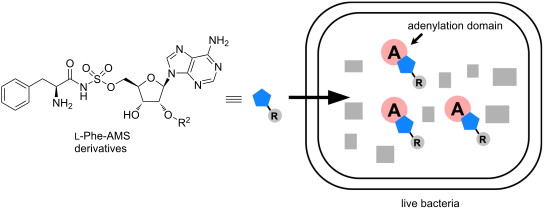
- ) domain, consequently resulting in the formation of the final products. Inhibitors that target each domain of NRPSs are valuable for elucidating the biosynthetic pathways associated with bioactive NRPs and for developing antibiotic molecules. Burkart et al. reported a systematic strategy for inhibiting





