


Search results
Search for "cancer cells" in Full Text gives 172 result(s) in Beilstein Journal of Organic Chemistry.
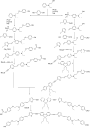
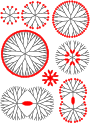
Fluorescent phosphorus dendrimers excited by two photons: synthesis, two-photon absorption properties and biological uses
Beilstein J. Org. Chem. 2019, 15, 2287–2303, doi:10.3762/bjoc.15.221
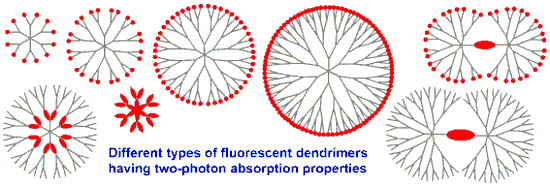
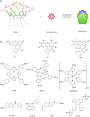
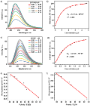
- shown in Figure 11 was tested in vitro on human breast cancer cells MCF-7. One-photon absorption induced fluorescence demonstrated that this dendrimer is efficiently internalized after 3 h of incubation, more after 24 h, and was non-toxic at 50 μg mL−1 without irradiation. Two-photon irradiation was









Archangelolide: A sesquiterpene lactone with immunobiological potential from Laserpitium archangelica
Beilstein J. Org. Chem. 2019, 15, 1933–1944, doi:10.3762/bjoc.15.189
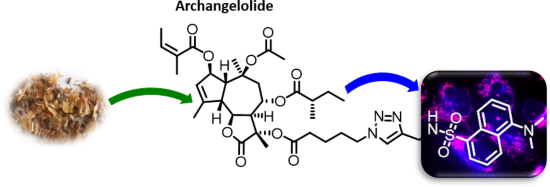
- ] and was also found to be cytotoxic with localization to the endoplasmic reticulum [8]. The cytotoxicity of compound 2 prompted the preparation and evaluation of compound 2 conjugates with porphyrins [9] and steroids [10] for targeted uptake of compound 2 into cancer cells, and the conjugates showed


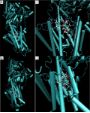


Morphology-tunable and pH-responsive supramolecular self-assemblies based on AB2-type host–guest-conjugated amphiphilic molecules for controlled drug delivery
Beilstein J. Org. Chem. 2019, 15, 1925–1932, doi:10.3762/bjoc.15.188
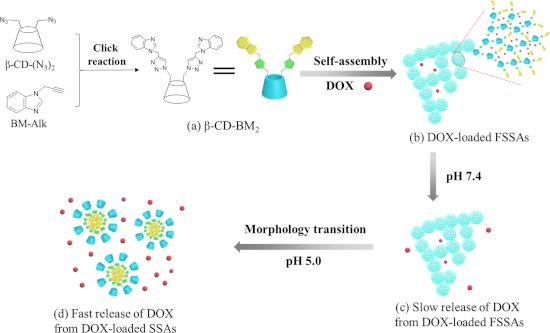
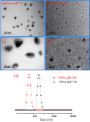
- -loaded FSSAs could be considered to deliver and release DOX in cancer cells. Conclusion In summary, an AB2-type host–guest-conjugated amphiphilic monomer, β-cyclodextrin-benzimidazole2 (β-CD-BM2), was successfully prepared to construct pH-responsive supramolecular self-assemblies. On the basis of the pH




Complexation of a guanidinium-modified calixarene with diverse dyes and investigation of the corresponding photophysical response
Beilstein J. Org. Chem. 2019, 15, 1394–1406, doi:10.3762/bjoc.15.139
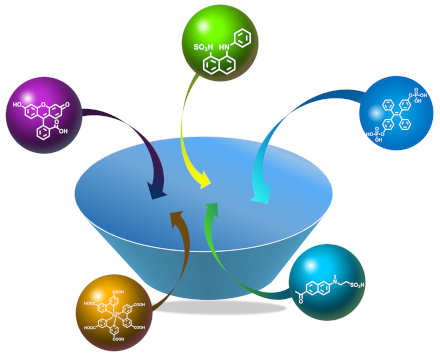
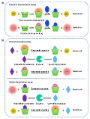
- ][27][58]. Nau and co-workers reported a SC4A–lucigenin IDA system to monitor the cell-uptake efficiencies of choline, acetylcholine and protamine [58]. Also, we reported a non-covalent fluorescence switch-on strategy for hypoxia imaging in cancer cells by utilizing the complex of a carboxyl-modified



One-pot activation–alkynylation–cyclization synthesis of 1,5-diacyl-5-hydroxypyrazolines in a consecutive three-component fashion
Beilstein J. Org. Chem. 2019, 15, 1360–1370, doi:10.3762/bjoc.15.136
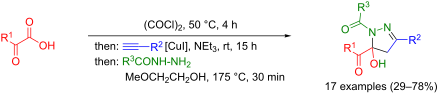
- , presumably by inhibition of microtubuli formation in cancer cells [22]. More specifically, a series of 60 1,3-diaryl-1-acylpyrazolines was tested as xanthine oxygenase inhibitors that can be efficacious against articular gout, cancer, and inflammation, with IC50 values of four derivatives in the range of 5.3


Anomeric sugar boronic acid analogues as potential agents for boron neutron capture therapy
Beilstein J. Org. Chem. 2019, 15, 1355–1359, doi:10.3762/bjoc.15.135
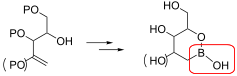
- not fully satisfactory owing to their rapid clearance from blood [2], their only moderate selectivity for cancer cells and short retention times in tumors. Therefore, research efforts are ongoing to synthesize new BNCT candidates with improved tumor selectivity and cell retention. The development of


Doebner-type pyrazolopyridine carboxylic acids in an Ugi four-component reaction
Beilstein J. Org. Chem. 2019, 15, 1281–1288, doi:10.3762/bjoc.15.126
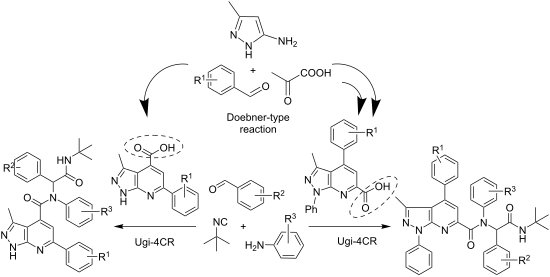
- discovery. The target products containing a heterocyclic core bound to a peptide-like chain also showed a broad spectrum of biological activity: β-secretase (BACE1) inhibitory activity [15]; inducing apoptosis in colorectal cancer cells [16]; antimalarial activity against a chloroquine (CQ) non-resistant


Multicomponent reactions (MCRs): a useful access to the synthesis of benzo-fused γ-lactams
Beilstein J. Org. Chem. 2019, 15, 1065–1085, doi:10.3762/bjoc.15.104
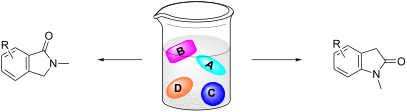
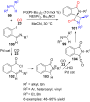
- ]. Besides, several hybrid molecules containing, inter alia the oxindole moiety, have been discovered and they demonstrated diverse therapeutic activities, for example, against breast [46] and colon cancer cells [47] and drug-resistant bacteria [48]. Among the many excellent recent reviews on the preparation










Heck- and Suzuki-coupling approaches to novel hydroquinone inhibitors of calcium ATPase
Beilstein J. Org. Chem. 2019, 15, 971–975, doi:10.3762/bjoc.15.94
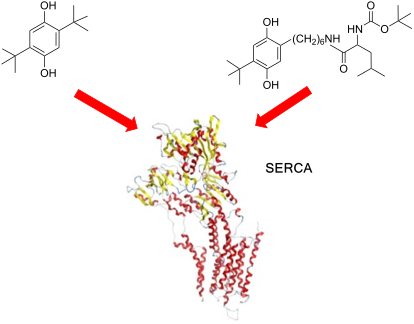
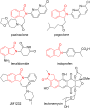
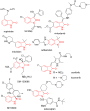
- convey specificity for prostate cancer cells. Keywords: calcium ATPase inhibitors; Heck- and Suzuki-coupling reactions; hydroquinones; prostate cancer; tethered amino acid; Introduction Sarco/endoplasmic reticulum calcium ATPase (SERCA) is an integral protein that resides in the membrane of the
- cytotoxic agent. The problem of concomitant toxicity to healthy cells has been circumvented by attaching a short peptide (His-Ser-Ser-Lys-Leu-Gln-Leu) to a tether at TG’s C-8 position (1b). This modification renders the inhibitor inactive [3]. Prostate cancer cells produce on their surface the serine
- tissues are avoided. Compound 1b was found to be selectively toxic to PSA-producing prostate cancer cells as well as in animal studies at submicromolar concentrations [3]. Unfortunately, TG has been difficult to obtain: extraction yields from natural sources are low and the total synthesis of TG required


Photochemical generation of the 2,2,6,6-tetramethylpiperidine-1-oxyl (TEMPO) radical from caged nitroxides by near-infrared two-photon irradiation and its cytocidal effect on lung cancer cells
Beilstein J. Org. Chem. 2019, 15, 863–873, doi:10.3762/bjoc.15.84
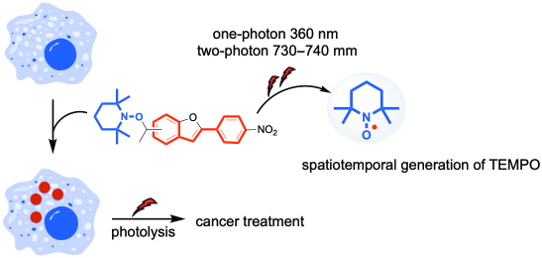
- for 2b in benzene. The cytocidal effect of compound 2a on lung cancer cells under photolysis conditions was also assessed to test the efficacy as anticancer agents. In a medium containing 100 μg mL−1 of 2a exposed to light, the number of living cells decreased significantly compared to the unexposed
- described above, nitroxides are not toxic to normal host cells and exhibit toxicity only to tumor cells. Thus, nitroxides are ideal candidates as anticancer therapeutic agents. Based on this knowledge, the cytocidal effect of the radical released from compound 2a on lung cancer cells was tested in vitro, in
- vitro using lung cancer cells. One hundred thousand Lewis lung carcinoma (LLC) cells were seeded into 24-well plates (medium: DMEM) and incubated overnight at 37 °C under an atmosphere of 95% air and 5% CO2. The medium was replaced with fresh phenol-red free DMEM containing various concentrations of 2a






A chemoenzymatic synthesis of ceramide trafficking inhibitor HPA-12
Beilstein J. Org. Chem. 2019, 15, 490–496, doi:10.3762/bjoc.15.42
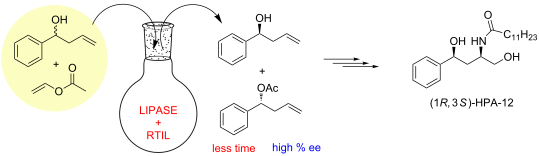
- ]. Since then, HPA-12 has been the subject of extensive biological evaluation. The HPA-12-mediated CERT knockdown has been associated with restoration of cell death in paclitaxel-resistant ovarian cancer cells [3] and also with the increased rate of ceramide-induced apoptosis following UVB irradiation


Synthesis and fluorescent properties of N(9)-alkylated 2-amino-6-triazolylpurines and 7-deazapurines
Beilstein J. Org. Chem. 2019, 15, 474–489, doi:10.3762/bjoc.15.41
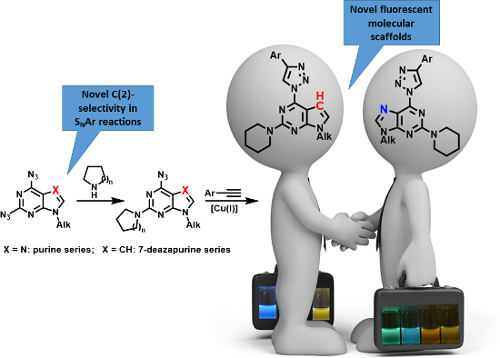
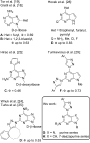
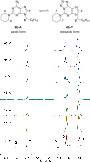
- of cancer cells were acquired with a fluorescence microscope (Olympus IX 71, Center Valley, PA, USA). Light from an Hg lamp (100 W) passed separately through filter (365 ± 20 nm) before it was used to excite the compound. The emission filters used in this study are long pass filters, with cut-on




Aqueous olefin metathesis: recent developments and applications
Beilstein J. Org. Chem. 2019, 15, 445–468, doi:10.3762/bjoc.15.39
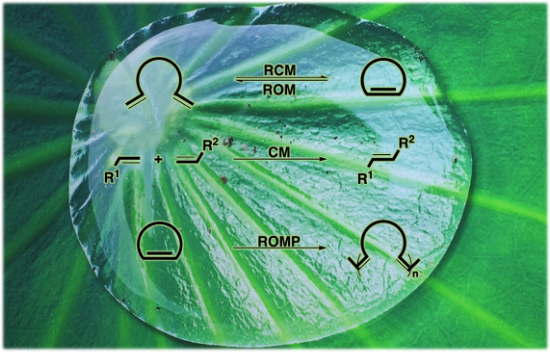
- the solid phase), this technology has been exploited to disrupt protein–protein interactions (PPIs) in cancer cells [94][95][96]. Aileron Therapeutics recently launched a stapled peptide platform aiming at developing molecules like ALRN-6924, a stapled peptide that interacts with p53 inhibitors MDMX




Metal-free C–H mercaptalization of benzothiazoles and benzoxazoles using 1,3-propanedithiol as thiol source
Beilstein J. Org. Chem. 2019, 15, 279–284, doi:10.3762/bjoc.15.24

- cancer cells [3][4][5]. 2-Mercapto-N-(substituted arylidine)benzoxazole-5-carbohydrazide derivatives have promising anti-inflammatory activities [6]. 2-Mercapto-5-nitro-1,3-benzoxazole and its derivatives shows strong anthelmintic activity [7]. 2-Mercapto-5-chloro-1,3-benzothiazoles possess antifungal


Synthesis of a tubugi-1-toxin conjugate by a modulizable disulfide linker system with a neuropeptide Y analogue showing selectivity for hY1R-overexpressing tumor cells
Beilstein J. Org. Chem. 2019, 15, 96–105, doi:10.3762/bjoc.15.11
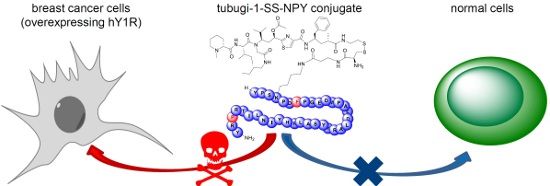
- treatment of, for instance, cancer cells: (1) a sufficient in vivo half-life, ideally hours to days, to reach the diseased cells with a high portion of intact PDC; (2) a selective conjugate binding to a specific target molecule, e.g., a cell-surface receptor, that is characteristic for the diseased cells
- cells. Hence, these toxins primarily affect fast dividing cells, for instance all active cancer cells. Tubugis as derivatives of natural tubulysins have an almost identical antitumor activity, but are readily available and, most importantly, are chemically more inert and less degradable than native
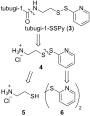
- of linkers are unsuitable, as they rendered the peptide inactive (results not shown). However, disulfide-bonded linkers retained activity, presumably by cleavage in the reductive milieu of cancer cells, if connected via a short ester or amide linkage at the C-terminus. The retrosynthetic analysis




Microwave-assisted synthesis of biologically relevant steroidal 17-exo-pyrazol-5'-ones from a norpregnene precursor by a side-chain elongation/heterocyclization sequence
Beilstein J. Org. Chem. 2018, 14, 2589–2596, doi:10.3762/bjoc.14.236
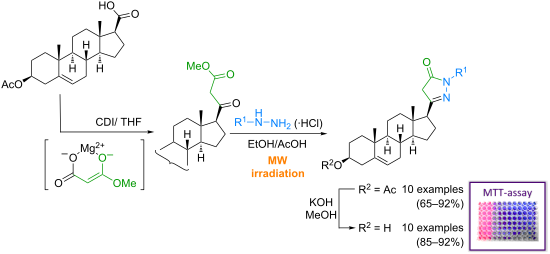
- known to display cytotoxic effects on diverse cancer cells by inducing a disturbance in the cell cycle and promoting apoptosis without affecting normal cellular proliferation [4][5]. In these latter cases, detailed structural criteria are still not available owing to little information about the mode of
- compounds on fibroblasts than on cancer cells. All of them displayed less than 20% growth inhibition at 10 μM and their calculated IC50 values proved to be higher than those obtained on the malignant cell lines. Conclusion In summary, a microwave-assisted one-pot method for the facile and efficient


Comparative cell biological study of in vitro antitumor and antimetastatic activity on melanoma cells of GnRH-III-containing conjugates modified with short-chain fatty acids
Beilstein J. Org. Chem. 2018, 14, 2495–2509, doi:10.3762/bjoc.14.226
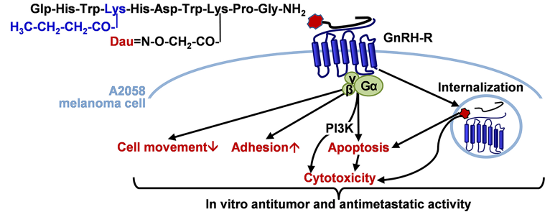
- approaches to diminish this kind of cytotoxic effects on healthy tissues is the employment of drug delivery systems directed specifically to cancer cells. The chemotherapeutic drug targeting is often based on the receptors for certain peptide hormones that are preferentially expressed by cancer cells. The
- its derivatives in the later studies. There are some factors that could fundamentally limit the effectiveness of the GnRH-III-based targeting: (i) the relatively rapid proteolytic degradation of the peptide part [17], (ii) the variable density of the GnRH-R on cancer cells [18], (iii) the slow
- lines (e.g., colon [20], breast cancer cells [21]). Based on a former receptor binding experiment, the conjugates with Lys(Ac) or Lys(Bu) have a more suitable structure for receptor binding, which is even more preferential in case of the butyryl side chain; however, the even longer side chain linked to


Synthesis and photophysical studies of a multivalent photoreactive RuII-calix[4]arene complex bearing RGD-containing cyclopentapeptides
Beilstein J. Org. Chem. 2018, 14, 1758–1768, doi:10.3762/bjoc.14.150
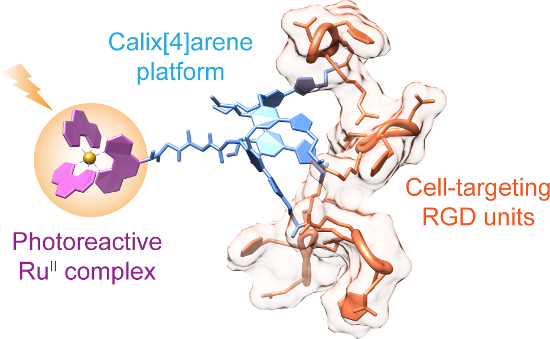
- , once incorporated into targeted cancer cells thanks to the multivalent platform. Keywords: anticancer drug; calixarene; cell targeting; RGD peptide; ruthenium complex; Introduction Long-living luminescent polyazaaromatic ruthenium(II) complexes are intensively studied in a biological context, in
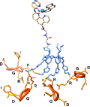
- systems that could potentially target and enter cancer cells. The selective tethering of a photoreactive Ru-TAP complex on the small rim of a calix[4]arene and the introduction of four c-[RGDfK] moieties on its large rim were efficiently achieved. In good agreement with molecular modeling simulations, it
- cytotoxic activity, once incorporated into targeted cancer cells thanks to the multivalent platform. In cellulo studies are currently under investigation and will be reported in the near future. Experimental General: All the solvents and reagents for the syntheses were at least reagent grade quality and





Natural and redesigned wasp venom peptides with selective antitumoral activity
Beilstein J. Org. Chem. 2018, 14, 1693–1703, doi:10.3762/bjoc.14.144
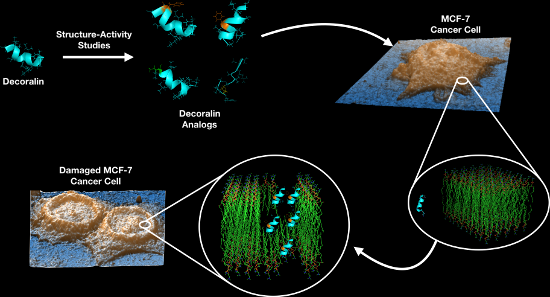
- show that both a natural antimicrobial peptide (AMP) derived from wasp venom (decoralin, Dec-NH2), and its synthetic variants generated via peptide design, display potent activity against cancer cells. We tested the derivatives at increasing doses and observed anticancer activity at concentrations as
- low as 12.5 μmol L−1 for the selective targeting of MCF-7 breast cancer cells. Flow cytometry assays further revealed that treatment with wild-type (WT) peptide Dec-NH2 led to necrosis of MCF-7 cells. Additional atomic force microscopy (AFM) measurements indicated that the roughness of cancer cell
- conformational propensity led to peptide inactivation, whereas increasing the net positive charge of peptides enhanced their activity. We present peptide templates with selective activity towards breast cancer cells that leave normal cells unaffected. These templates represent excellent scaffolds for the design


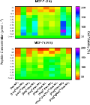
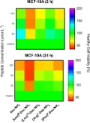


Drug targeting to decrease cardiotoxicity – determination of the cytotoxic effect of GnRH-based conjugates containing doxorubicin, daunorubicin and methotrexate on human cardiomyocytes and endothelial cells
Beilstein J. Org. Chem. 2018, 14, 1583–1594, doi:10.3762/bjoc.14.136
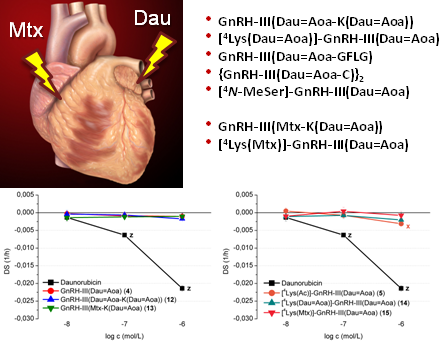
- the DNA of the cancer cells. Methotrexate is an antimetabolite that inhibits the folate metabolism of tumor cells. All three drugs have a great number of adverse effects; doxorubicin and daunorubicin are especially known for their cardiotoxicity, leading to cardiomyopathy and heart failure [18][19
- lack of an enzymatically cleavable spacer resulted in conjugate 4 without toxic effects on any cardiac cell types. Because the oxime bond-linked Dau conjugates with or without spacers showed a similar antitumor effect on cancer cells, conjugate 4 could be the safest compound for cancer treatment. The
- ) showed a higher antitumor effect on MCF-7 human breast, HT-29 human colon and LNCaP human prostate cancer cells in vitro than that of conjugate 4, but not of conjugate 5. Conjugates 13 and 15 containing one Mtx and one Dau were more effective only on HT-29 cells in comparison with conjugate 4


Design and biological characterization of novel cell-penetrating peptides preferentially targeting cell nuclei and subnuclear regions
Beilstein J. Org. Chem. 2018, 14, 1378–1388, doi:10.3762/bjoc.14.116
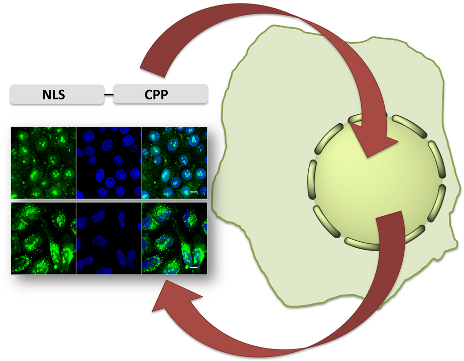
- recently described sC18 peptide and a nuclear- or nucleolar-targeting sequence. These novel peptides proved to be very efficiently taken up by cancer cells and to accumulate within their target destinations. Beside a careful characterization concerning their uptake behavior, we used these peptides in an



Novel unit B cryptophycin analogues as payloads for targeted therapy
Beilstein J. Org. Chem. 2018, 14, 1281–1286, doi:10.3762/bjoc.14.109
- -52 and to better understand the fundamental structure for biological activity, numerous structure–activity relationship studies have been carried out [24][25][26][27][28][29][30][31][32][33][34][35]. However, like cryptophycin-52, the new analogues were not selective against cancer cells making them


An overview of recent advances in duplex DNA recognition by small molecules
Beilstein J. Org. Chem. 2018, 14, 1051–1086, doi:10.3762/bjoc.14.93
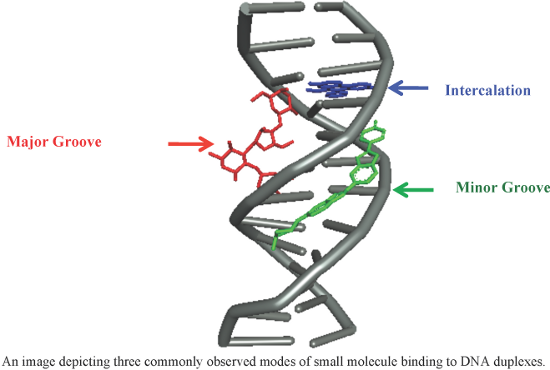
- . Szerszenowicz et al. developed a new set of potential minor groove binders derived from netropsin and bis-netropsin analogs by replacing N-methylpyrrole rings with other heterocyclic rings and their antiproliferative activity was tested on MCF-7 breast cancer cells [60]. Suckling et al. recently designed and
- DNA binding affinity as well as antiproliferative effects on human MCF-7 breast cancer cells were evaluated [99]. These conjugates bind within the minor groove of B-DNA. They inhibited catalytic action of endonucleases in A·A, A·T, T·T and A·G restriction sites but failed to block G·C-rich sequences
- cancer cells towards apoptosis through the mitochondrial pathway. Mitrasinovic has reported sequence-dependent binding of various structurally different flavonoids (quercetin (QUE) and flavopiridol (FLP)), a family of prospective anticancer agents, to duplex DNAs [104]. The five hydroxy groups in QUE






On the design principles of peptide–drug conjugates for targeted drug delivery to the malignant tumor site
Beilstein J. Org. Chem. 2018, 14, 930–954, doi:10.3762/bjoc.14.80
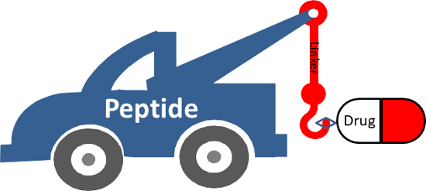
- intervention, radiation and chemotherapy. Drugs used for this purpose are inevitably cytotoxic in order to eliminate cancer cells, but they lack selectivity that could be developed through targeting malignant cells (Figure 1). Due to the uncontrolled peripheral toxicity, anticancer drugs usually kill healthy
- tissues, resulting in severe effects on the patient’s health. One representative example is gemcitabine, which demonstrates higher toxicity for healthy cells, after long-term administration, with respect to cancer cells. This happens since cancer cells evolve more rapidly and develop drug resistance by
- enormous pool of unspecific cytotoxic agents that can efficiently kill cancer cells. What is currently needed is not to invest so intensively in generating more cytotoxic agents but to re-use and re-cycle available ones and tailor them to be transformed into targeted chemotherapeutics. Along these lines


Development of novel cyclic NGR peptide–daunomycin conjugates with dual targeting property
Beilstein J. Org. Chem. 2018, 14, 911–918, doi:10.3762/bjoc.14.78
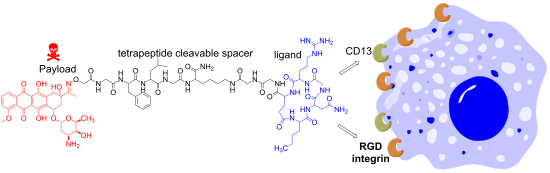
- receptors are highly expressed on cancer cells/tissues. NGR (Asn-Gly-Arg) motif-containing peptides identified by phage display are suitable candidates for selective drug delivery. NGR peptides bind to CD13-receptors on tumor cells and tumor related angiogenic blood vessels [1][2]. CD13 is a transmembrane
- conjugates revealed substantial in vitro cytostatic/cytotoxic effects. Our results indicated that the conjugates had an antitumor effect against both CD13+ HT-1080 cells and CD13− (but integrin receptor positive) HT-29 human colon cancer cells. Moreover, we showed that the toxicity and the selectivity of the
- positive [17]. The effect of the new drug conjugates was compared with the toxicity of free Dau and our lead compound Dau=Aoa-GFLGK(c[KNGRE]-GG)-NH2 (K). The bioconjugates enter cancer cells most likely by receptor-mediated endocytosis (at least at lower micromolar concentration) followed by the release of





