


Search results
Search for "separation" in Full Text gives 886 result(s) in Beilstein Journal of Organic Chemistry. Showing first 200.
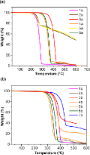
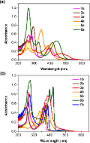
Structure–property relationships in dicyanopyrazinoquinoxalines and their hydrogen-bonding-capable dihydropyrazinoquinoxalinedione derivatives
Beilstein J. Org. Chem. 2024, 20, 1037–1052, doi:10.3762/bjoc.20.92
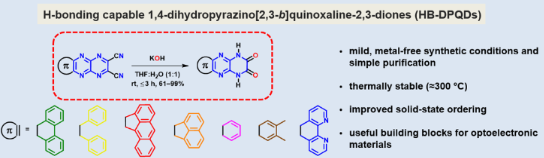
- displaying some localization on the dicyanopyrazinopyrazine acceptor. Notably, compound 3a displays the highest orbital density separation between donors and acceptors – an attribute relevant to efficient intramolecular charge transfer processes. This aligns with the observed lower optical HOMO–LUMO gap for




Synthesis and properties of 6-alkynyl-5-aryluracils
Beilstein J. Org. Chem. 2024, 20, 898–911, doi:10.3762/bjoc.20.80
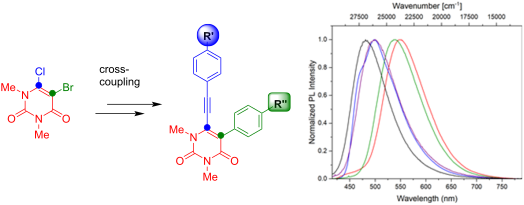
- effect can be observed for 3e, 3f and 3i. Furthermore, the separation of these products has proven to be more challenging than other compounds with higher yields. In the reaction with 3-pyridylacetylene no product 3g could be obtained. The reaction at 50 °C was found to be chemoselective, giving only the


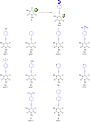

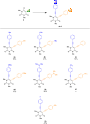
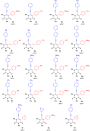


Research progress on the pharmacological activity, biosynthetic pathways, and biosynthesis of crocins
Beilstein J. Org. Chem. 2024, 20, 741–752, doi:10.3762/bjoc.20.68
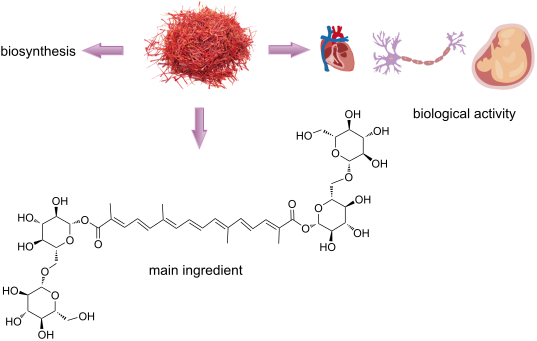
- derivatives in microorganisms has been achieved by various teams. This article comprehensively reviews the research progress on the extraction, separation, pharmacological activity, biosynthesis, and synthetic biology of crocins. The biosynthesis of crocins is depicted in detail to shed light on the efficient


SOMOphilic alkyne vs radical-polar crossover approaches: The full story of the azido-alkynylation of alkenes
Beilstein J. Org. Chem. 2024, 20, 701–713, doi:10.3762/bjoc.20.64
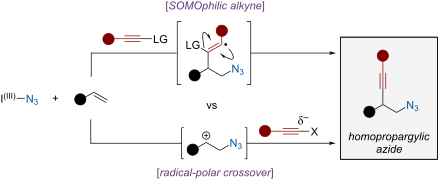
- higher yield was observed when α-methylstyrene (1h) was used instead but it remained low (<27%). In general, when the reaction performed poorly (<30%) a large number of byproducts are formed, making the separation of the desired compound from the impurities impossible. Attempting the reaction on the


Synthesis and biological profile of 2,3-dihydro[1,3]thiazolo[4,5-b]pyridines, a novel class of acyl-ACP thioesterase inhibitors
Beilstein J. Org. Chem. 2024, 20, 540–551, doi:10.3762/bjoc.20.46
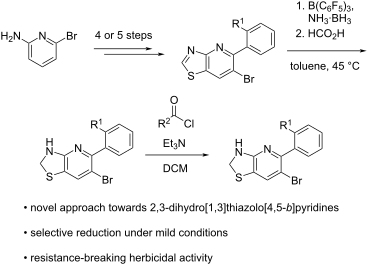
- extraction and phase separation. The aqueous layer was thoroughly extracted with DCM, and the combined organic layer was dried over anhydrous MgSO4, filtered, and concentrated under reduced pressure. The remaining crude product was purified via column chromatography (gradient ethyl acetate/heptane) to afford


Switchable molecular tweezers: design and applications
Beilstein J. Org. Chem. 2024, 20, 504–539, doi:10.3762/bjoc.20.45
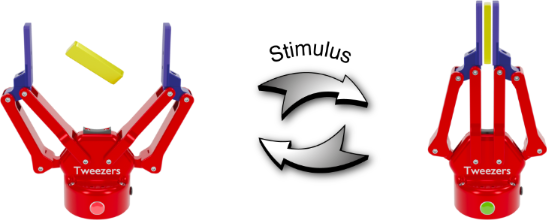
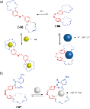
- signals in the low-range visible/NIR region. Upon protonation of the pyridine, the conformation switch leads to a spatial separation of the active Pt moieties and a release of the guest (Figure 4). Also, the same group demonstrated the induction of chirality and fluorescence with chiral guest molecules
- [4]pyrroles [73]. The electrochemical properties of the host–guest system are modulated by a thermally induced electron transfer (ET) that generates the charge separation state [PrS-TTF-C4P•+/Li+@C60•−]. This behavior was first reported with Cl− as an allosteric regulator but was then described with




(E,Z)-1,1,1,4,4,4-Hexafluorobut-2-enes: hydrofluoroolefins halogenation/dehydrohalogenation cascade to reach new fluorinated allene
Beilstein J. Org. Chem. 2024, 20, 452–459, doi:10.3762/bjoc.20.40
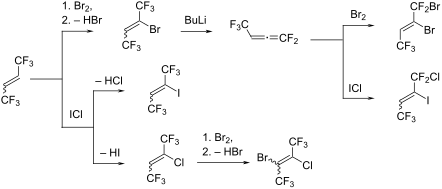
- noted that the reaction of alkane 5 with DBU or Hünig’s base in Et2O or dimethoxyethane (DME) as a solvent, resulted only in the formation of 2-chloro-1,1,1,4,4,4-hexafluorobut-2-enes 6a,b (Scheme 5). Unfortunately, due to difficulties in separation from solvent, olefins 6a,b in this case were not


Green and sustainable approaches for the Friedel–Crafts reaction between aldehydes and indoles
Beilstein J. Org. Chem. 2024, 20, 379–426, doi:10.3762/bjoc.20.36




Spatial arrangements of cyclodextrin host–guest complexes in solution studied by 13C NMR and molecular modelling
Beilstein J. Org. Chem. 2024, 20, 331–335, doi:10.3762/bjoc.20.33
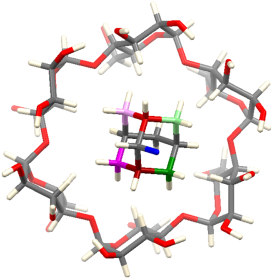
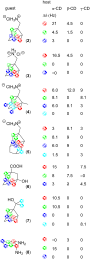
- signals in 13C NMR spectra. This signal split can be correlated to the distance of the guest atoms from the wall of the host cavity and to the spatial separation of binding sites preferred by pairs of prochiral carbon atoms. These measurements complement traditional solid-state analyses, which rely on the
- delivery [2][3][4], in analytical and preparative chemistry for compound separation [5] and in materials science for small molecule detection [6][7]. Association (binding) constants between the host and guest molecules [8][9][10] are typically measured by 1H NMR titration [11][12] or isothermal titration




Discovery of unguisin J, a new cyclic peptide from Aspergillus heteromorphus CBS 117.55, and phylogeny-based bioinformatic analysis of UngA NRPS domains
Beilstein J. Org. Chem. 2024, 20, 321–330, doi:10.3762/bjoc.20.32
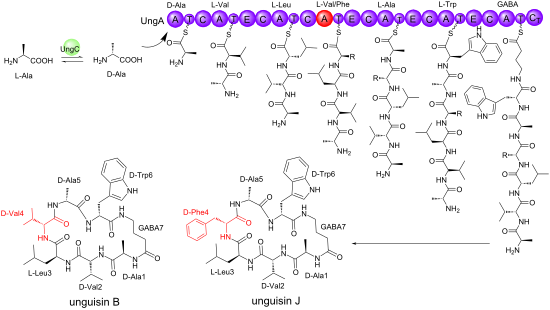
- domains forming their own branch and C domain from modules 1 and 3 clearly distinct to those from modules 2, 4, 5, and 6 (Figure 6). This separation of the non-terminal C domains could be due to modules 1 and 3 lacking an E domain. Again, the domains from UngA and UngA’’ were more closely related than


Perspectives on push–pull chromophores derived from click-type [2 + 2] cycloaddition–retroelectrocyclization reactions of electron-rich alkynes and electron-deficient alkenes
Beilstein J. Org. Chem. 2024, 20, 125–154, doi:10.3762/bjoc.20.13
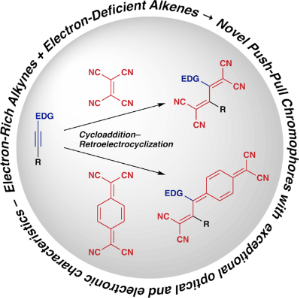
- one-pot reaction involving TCNE and one equivalent of 3-(4-(dimethylamino)phenyl)propionitrile in toluene at 90 °C for 24 h. Subsequently, one equivalent of 1 was added at 90 °C for 24 h (Scheme 6) [101]. While the separation of the isomers was not achieved, the structure of the 3Z,5E isomer was
- intensity at 890 nm, indicating the emergence of 1C60* state with a lifetime of 115 ps, was accompanied by a subsequent increase in the absorption intensity at 1,021 nm, corresponding to the formation of the C60 radical anion. The lifetimes of the charge separation and charge recombination events were
- exhibited bleaching along with an increase in the absorption intensity at 523 nm and a decrease in the NIR region, similar to the trend observed for 80. Notably, no other distinctive changes were observed. The photoexcitation of 78 at 420 nm caused CT band excitation, leading to charge separation. This was


Optimizing reaction conditions for the light-driven hydrogen evolution in a loop photoreactor
Beilstein J. Org. Chem. 2024, 20, 74–91, doi:10.3762/bjoc.20.9
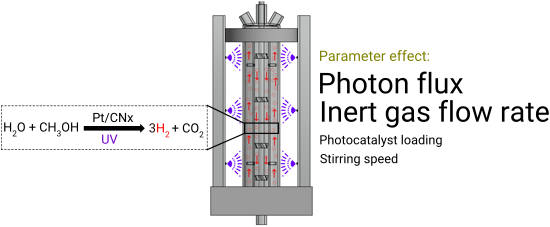
- ) processes, and photocatalysis. Upon upscaling, both PV-E and PEC reactors exhibit pH gradients at electrodes and elevated solution electrical resistivity. These challenges arise from the substantial separation between reduction and oxidation sites, alongside mass transport restrictions in the liquid phase


Cycloaddition reactions of heterocyclic azides with 2-cyanoacetamidines as a new route to C,N-diheteroarylcarbamidines
Beilstein J. Org. Chem. 2024, 20, 17–24, doi:10.3762/bjoc.20.3
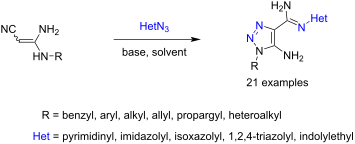
- solvents screened, 1,4-dioxane was found the best solvent in terms of yield of the target product, solubility of the reagents, and ease of separation of the product. Thus, the optimal conditions found were reacting amidine 1 with azide 2 in the presence of DBU in a 1:1:1 ratio in 1,4-dioxane at room



Controlling the reactivity of La@C82 by reduction: reaction of the La@C82 anion with alkyl halide with high regioselectivity
Beilstein J. Org. Chem. 2023, 19, 1858–1866, doi:10.3762/bjoc.19.138
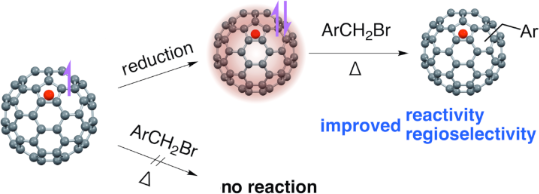
- °C for 2 h (Scheme 1). Figure 1 depicts the changes in the visible–near infrared (vis–NIR) absorption spectra during the reaction, showing gradual changes with isosbestic points. Since the electrolyte interferes with the high-performance liquid chromatography (HPLC) separation and anionic species may
- not be eluted under typical fullerene HPLC separation conditions, trifluoroacetic acid was added to the reaction mixture. Notably, La@C2v-C82 is produced after the addition of trifluoroacetic acid to the La@C2v-C82 anion [20]. After removing the solvent under vacuum, the electrolyte was removed by
- adding CS2 and then filtering. Subsequent HPLC separation of the reaction mixture with 1a afforded products 2a, 3a, 4a, and 5a in yields of 40, 37, 9, and 1%, respectively, based on the consumption of La@C2v-C82 (Figure 2a and Supporting Information File 1, Figure S1). The yield was estimated from the


A novel recyclable organocatalyst for the gram-scale enantioselective synthesis of (S)-baclofen
Beilstein J. Org. Chem. 2023, 19, 1811–1824, doi:10.3762/bjoc.19.133
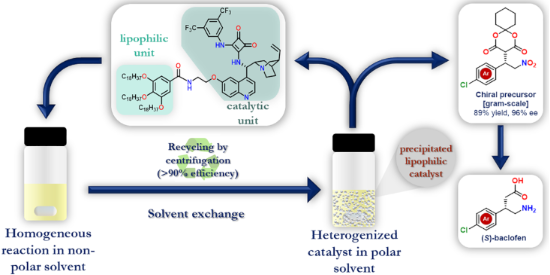
- long and expensive process. Therefore, for sustainable application, the cost-efficient recovery and reuse of organocatalysts are critical issues. Fortunately, a wide range of recycling options are known in the literature, often based on liquid–solid phase separation [14]. Catalyst recycling can be
- achieved, for example, by immobilizing the catalysts to a solid support [15], e.g., silica gel [16][17][18], organic polymers [19][20][21], magnetic nanoparticles [22][23], or by membrane separation, e.g., using organic solvent nanofiltration (OSN) [24][25][26], which methods can be easily implemented in
- ). After phase separation, the product was isolated from the supernatant by preparative thin-layer chromatography, while the catalyst was reused in subsequent reaction cycles. The precipitated catalyst was further washed twice with acetonitrile, and dried in vacuo. The results are collected in Table 3


Quinoxaline derivatives as attractive electron-transporting materials
Beilstein J. Org. Chem. 2023, 19, 1694–1712, doi:10.3762/bjoc.19.124
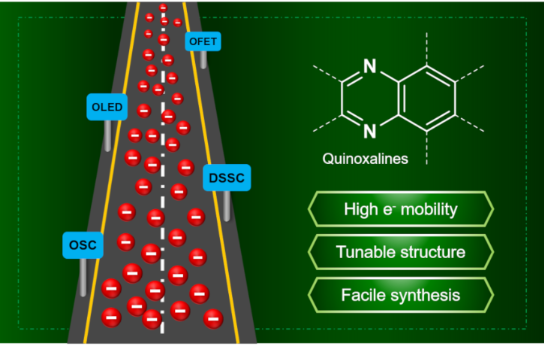
- separation by reducing Coulomb attraction and exciton binding energy. The resulting enhancement in exciton dissociation and reduced charge recombination contribute to the improved performance of polymer acceptors, especially Qx2 which achieved PCE of 5.32% with PBDB-T donor in an all-PSC device [20]. In a
- charge separation in all-PSCs such as switching from p-type dominated behaviour of polymer Qx5 to n-type dominated behaviour of Q6, with no off state due to presence of free charge carriers in the latter case [21]. Besides optimizing polymer structures, side chain engineering, introduction of electron
- -series acceptor with the Qx moiety (Y-O6) and copolymerized it with the PBDB-T donor in two ratios to give Qx11a and Qx11b. This approach enhanced charge transport and nanophase separation, resulting in a record PCE of 13.02% in an SCOSC device made of Qx11b with diluted YO6 component [24]. Table 1


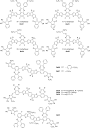
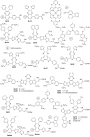


A deep-red fluorophore based on naphthothiadiazole as emitter with hybridized local and charge transfer and ambipolar transporting properties for electroluminescent devices
Beilstein J. Org. Chem. 2023, 19, 1664–1676, doi:10.3762/bjoc.19.122
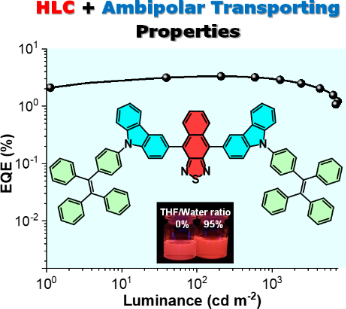
- luminescence efficiency, while a significant spatial separation between hole and particle wavefunctions considered for CT component promoting RISC process along high-lying excitation state for enhancing an exciton utilization efficiency (EUE). The photophysical properties of TPECNz were studied in solution


Tying a knot between crown ethers and porphyrins
Beilstein J. Org. Chem. 2023, 19, 1630–1650, doi:10.3762/bjoc.19.120
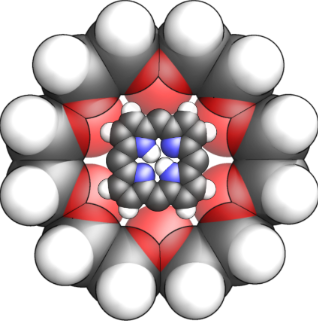
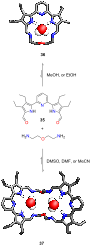
- separation between the cation and anion. Sessler and co-workers introduced a similar ion-pair receptor, in which the calix[4]arene-strapped calix[4]pyrrole 5 demonstrated an additional binding mode of CsF (Figure 5). The binding constant Ka = 1.3·104 M−1 in CHCl3/MeOH 9:1 was reported [101][102]. This
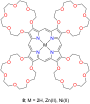
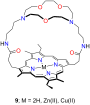
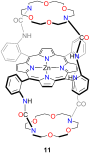
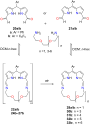
- deviations from the N3O plane. An intriguing feature of the helicates was their short metal–metal separation (3.151 Å [Fe], 3.521 Å [Mn], and 3.104 Å [Co]) enabled by the flexibility of the ligand incorporating the sp3-hybridised meso-carbons. Crownphyrins and similar systems In 2022 our group reported on









Sulfur-containing spiroketals from Breynia disticha and evaluations of their anti-inflammatory effect
Beilstein J. Org. Chem. 2023, 19, 1604–1614, doi:10.3762/bjoc.19.117
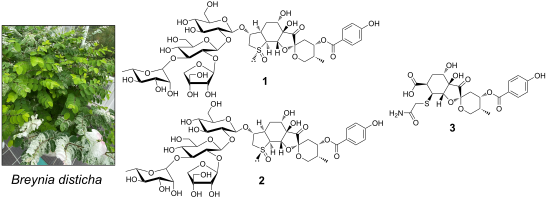
- filtered and analyzed by HPLC without dilution. HPLC separation was performed on a 150 × 4.6 mm i.d. CAPCELL PAK C18 UG120 column (Osaka Soda) at 35 °C with isocratic elution using 20% CH3CN in 50 mM H3PO4 for 30 min and subsequent column washing with 90% CH3CN at a flow rate 0.8 mL/min. Detection at 250



Secondary metabolites of Diaporthe cameroonensis, isolated from the Cameroonian medicinal plant Trema guineensis
Beilstein J. Org. Chem. 2023, 19, 1555–1561, doi:10.3762/bjoc.19.112
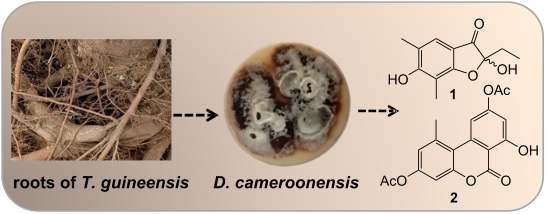
- with CH2Cl2/MeOH 97.5:2.5 (v/v) was subjected to a flash chromatography system (PLC 2020, Gilson) equipped with a VP Nucleodur C18 HTec column (10 µm, 250 × 40 mm). The chromatographic separation was performed by using a constant flow rate of 10 mL/min with the mobile phases made with solvent A


Functional characterisation of twelve terpene synthases from actinobacteria
Beilstein J. Org. Chem. 2023, 19, 1386–1398, doi:10.3762/bjoc.19.100
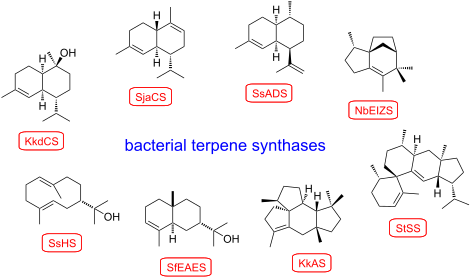
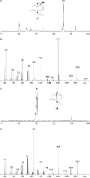
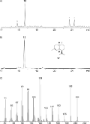
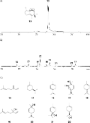
- synthase from Allokutzneria albata. The availability of a selective enzyme for allokutznerene is particularly interesting, because the separation of phomopsene and allokutznerene is reportedly very difficult [50]. Last but not least, a sesterterpene synthase for sesterviolene was discovered from




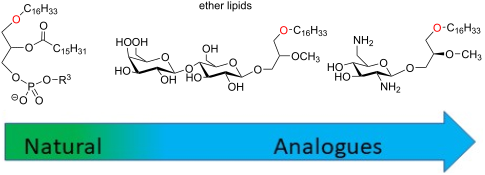
Synthesis of ether lipids: natural compounds and analogues
Beilstein J. Org. Chem. 2023, 19, 1299–1369, doi:10.3762/bjoc.19.96






Organic thermally activated delayed fluorescence material with strained benzoguanidine donor
Beilstein J. Org. Chem. 2023, 19, 1289–1298, doi:10.3762/bjoc.19.95
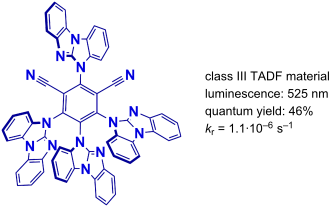
- -conjugation of benzoguanidine induced a larger hole–electron separation resulting in a smaller energy gap between the excited singlet and triplet states (S1 and T1) and ΔEST resulting in faster radiative rates. This study aimed to synthesize and explore the luminescent properties of the 4BGIPN material
- and E1/2 for quasi-reversible processes (*), V, vs FeCp2), onset potentials (E, V, vs FeCp2), peak-to-peak separation in parentheses for quasi-reversible processes (ΔEp in mV), EHOMO/ELUMO (eV) and band gap values (ΔE, eV) for the redox changes exhibited by 4BGIPN.a UV–vis data for compounds 4BGIPN


Enabling artificial photosynthesis systems with molecular recycling: A review of photo- and electrochemical methods for regenerating organic sacrificial electron donors
Beilstein J. Org. Chem. 2023, 19, 1198–1215, doi:10.3762/bjoc.19.88
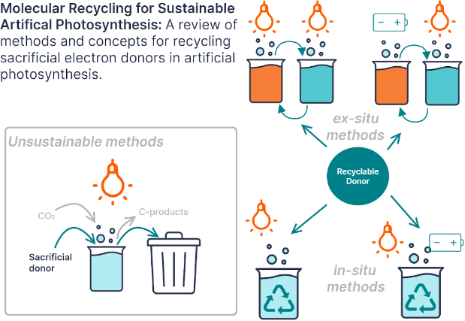
- another experiment, the team chemically oxidized the sacrificial donor and regenerated it by hydrogenation. Carpenter and co-workers briefly discussed phase separation to enable sacrificial donor recycling by improving the recovery of the oxidized donor [32]. This idea was central to the works published
- facilitated the in-situ redox mediator recycling and separation. The authors actually employed this strategy using 3 different reactor configurations (Figure 2). The first and simplest ex-situ photorecycling method involved adding and extracting 2 aqueous phases containing the catalysts and reactant to
- microscopy [36][37]. In nature, chemical gradients and phase separation are maintained by compartmentalization in liposomes, micelles, and vesicles rather than at interfaces such as ITIES. Artificial photosynthesis systems are being designed to mimic this behavior and recently the field of artificial


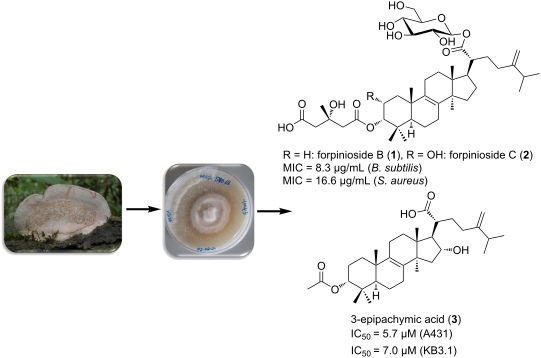
Two new lanostanoid glycosides isolated from a Kenyan polypore Fomitopsis carnea
Beilstein J. Org. Chem. 2023, 19, 1161–1169, doi:10.3762/bjoc.19.84
- , Milford, MA, USA). The solvent system was as follows; deionized H2O + 0.1% formic acid (FA, v/v) (solvent A) and acetonitrile (ACN) + 0.1% FA (v/v) (solvent B). The separation gradient was operated as follows; 5% B for 0.5 min, 5% B to 100% B for 20 min, and 100% B for 10 min. The flow rate was maintained
- Technologies, Santa Clara, CA, USA). The HPLC system’s stationary phase was composed of a C18 Acquity UPLC BEH column (Waters). The mobile phase employed was as follows; deionized H2O + 0.1% FA (v/v) (solvent A) and ACN + 0.1% FA (v/v) (solvent B). The separation gradient was operated as follows; 5% B for 0.5





