


Search results
Search for "oligosaccharides" in Full Text gives 180 result(s) in Beilstein Journal of Organic Chemistry.
An easily accessible sulfated saccharide mimetic inhibits in vitro human tumor cell adhesion and angiogenesis of vascular endothelial cells
Beilstein J. Org. Chem. 2012, 8, 787–803, doi:10.3762/bjoc.8.89
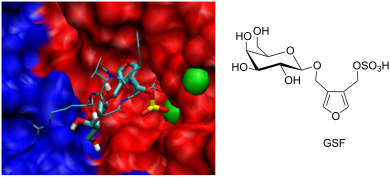
- Kao Germany GmbH, Pfungstädter Str. 92–100, 64297 Darmstadt/Eberstadt, Germany, Biognos AB, Generatorsgatan 1, 41705 Goeteborg, Sweden 10.3762/bjoc.8.89 Abstract Oligosaccharides aberrantly expressed on tumor cells influence processes such as cell adhesion and modulation of the cell’s
- among cells are mediated by binding of proteins such as lectins to oligosaccharides. Upon progression to higher malignancy, the glycosylation patterns of glycoproteins and glycosphingolipids on tumor cell surfaces undergo several alterations [6]. These changes are closely associated with distinct
- development not only of new tools for tumor diagnosis and monitoring but also in the design of new anticancer drugs [8]. Attempts have been made to mount an immune response against tumor oligosaccharides by carbohydrate vaccines [9] and also to inhibit adhesive processes, such as the interaction between


Triterpenoid saponins from the roots of Acanthophyllum gypsophiloides Regel
Beilstein J. Org. Chem. 2012, 8, 763–775, doi:10.3762/bjoc.8.87
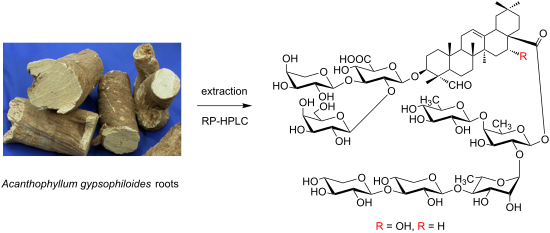
- triterpene aglycon and showed the positions of the substitutions within the oligosaccharide fragments (Table 1 and Table 2). The ROESY spectra (identical for compounds 1 and 2) disclosed the sequence of the residues in two oligosaccharides and their location at the C-3 and C-28 of the aglycon. Thus, the
- (Figure 4). The other inter-residue correlation peaks were in agreement with the structure of oligosaccharides established from analysis of the ROESY spectra. Characteristic chemical shifts in the 13C NMR spectrum of 2 (δC 85.4 ppm for C-3 and δC 176.4 ppm for C-28 of the aglycon) evidence the


Chemo-enzymatic modification of poly-N-acetyllactosamine (LacNAc) oligomers and N,N-diacetyllactosamine (LacDiNAc) based on galactose oxidase treatment
Beilstein J. Org. Chem. 2012, 8, 712–725, doi:10.3762/bjoc.8.80
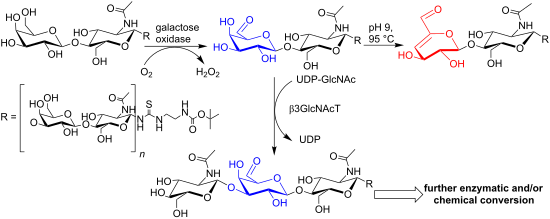
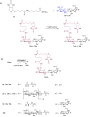
- . Results and Discussion Evaluation of Gal- and GalNAc terminated poly-LacNAc oligomers as substrates of galactose oxidase The activity of galactose oxidase from Dactylium dendroides with LacNAc 1a, Gal-terminated poly-LacNAc oligosaccharides 1b–d and LacDiNAc 2 (Scheme 1) was investigated by a photometric
- oligosaccharides, either by photometric or by HPLC analysis, even after long reaction times (data not shown). This confirms that galactose oxidase accepts only terminal galactose residues of poly-LacNAc glycans, as previously concluded for the oxidation of raffinose and plant arabinogalactan polysaccharides [36
- -antigens (β1,6-branched poly-LacNAc) [58][59]. The I-antigen structures have so far been synthesised by chemical routes [60][61]. A similar coupling of oligosaccharides has already been shown by Rodriguez et al. on peptides, but no branching site in the glycans was introduced in their study [35]. In




Sonogashira–Hagihara reactions of halogenated glycals
Beilstein J. Org. Chem. 2012, 8, 675–682, doi:10.3762/bjoc.8.75
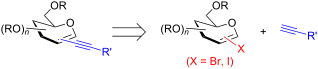
- ][3][4]. Many different monosaccharide units and the large variety of possibilities to link two subunits result in an immense variety of highly complex biomolecules [5][6][7]. In order to mimic certain subunits of oligosaccharides, e.g., for the inhibition of glycosidases or glycosyltransferases


2-Allylphenyl glycosides as complementary building blocks for oligosaccharide and glycoconjugate synthesis
Beilstein J. Org. Chem. 2012, 8, 597–605, doi:10.3762/bjoc.8.66
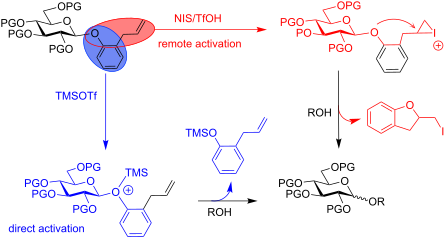
- efficient oligosaccharide assembly. Keywords: carbohydrates; glycosylation; leaving group; oligosaccharides; orthogonal strategy; selective activation; Introduction Current knowledge about the key roles of carbohydrates is still limited. However, thanks to the explosive growth of the field of glycobiology
- particularly stimulating for major scientific efforts in the field of modern glycosciences. The traditional chemical synthesis of oligosaccharides is lengthy because it involves multiple manipulations of protecting and/or leaving groups between glycosylation steps [5]. Many advanced strategies that shorten the
- give streamlined access to oligosaccharides (Scheme 1). Yet, the orthogonal strategy remains underdeveloped, with too few examples to become universally applicable. Only Ogawa’s S-phenyl (SPh) versus fluoride [9][10][13] and our thioimidate-based approaches [14][15][16] are known. A very promising


Enantioselective supramolecular devices in the gas phase. Resorcin[4]arene as a model system
Beilstein J. Org. Chem. 2012, 8, 539–550, doi:10.3762/bjoc.8.62
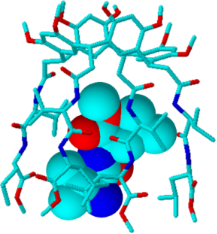
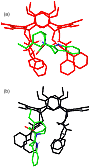
- , even in the gas phase. The most recent advances in this field include several gas-phase investigations: (i) The size and structure selectivity of tetraethyl and tetraphenyl resorcin[4]arenes in the recognition of mono, di-, and oligosaccharides by electrospray coupled with Fourier transform ion




Electrochemical generation of 2,3-oxazolidinone glycosyl triflates as an intermediate for stereoselective glycosylation
Beilstein J. Org. Chem. 2012, 8, 456–460, doi:10.3762/bjoc.8.52
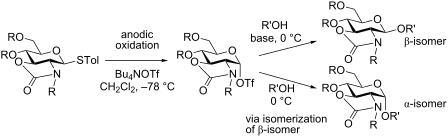
- Stereoselective formation of glycosidic linkages is the key issue in oligosaccharide synthesis, because both 1,2-trans and 1,2-cis aminoglycosides are ubiquitous in biologically active oligosaccharides [1][2][3][4][5]. The 1,2-trans aminoglycosides, which are found in Nod factor [1] and lipid A [2], can be easily


Synthesis of fluorinated maltose derivatives for monitoring protein interaction by 19F NMR
Beilstein J. Org. Chem. 2012, 8, 448–455, doi:10.3762/bjoc.8.51
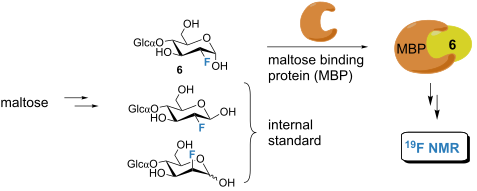
- involved in active transport processes of small molecules into gram-negative bacteria through their function as an initial high-affinity binding component; furthermore, these proteins participate as sensors for signaling during chemotaxis [14]. MBP binds maltodextrin and linear oligosaccharides of up to
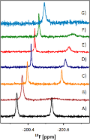
- addition of 0.04 equiv of maltose. Similar results were obtained for the malto-oligosaccharides, maltotriose and maltohexose as well. In contrast, α-methyl glucoside and cellobiose showed no binding. To specify the precise hydroxy groups that are directly involved in hydrogen bonding to MBP, further


Facile synthesis of nitrophenyl 2-acetamido-2-deoxy-α-D-mannopyranosides from ManNAc-oxazoline
Beilstein J. Org. Chem. 2012, 8, 428–432, doi:10.3762/bjoc.8.48
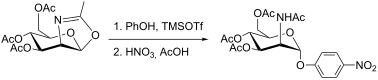
- capsular polysaccharides in Gram-negative bacteria. N-Acetyl-D-mannosamine (ManNAc) has been found to be, presumably, the strongest monosaccharidic ligand for the natural killer cells (NK-cells) activating protein NKR-P1 [1], and some ManNAc-containing oligosaccharides (e.g., GlcpNAc-β-(1→4)ManpNAc) have
- preparation of glycoproteins [9][10], various alcohol glycosides [11][12], phosphates [13] and oligosaccharides [12]. To the best of our knowledge, glycosylation of phenolic OH with oxazoline has not been accomplished so far. Therefore, we decided to test oxazoline 3 [14] glycosylation in our synthetic


Acceptor-influenced and donor-tuned base-promoted glycosylation
Beilstein J. Org. Chem. 2012, 8, 413–420, doi:10.3762/bjoc.8.46
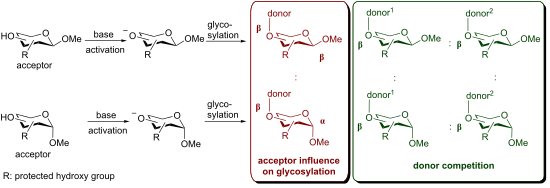
- glycosylation is a recently established stereoselective and regioselective approach for the assembly of di- and oligosaccharides by using partially protected acceptors and glycosyl halide donors. Initial studies were performed on partially methylated acceptor and donor moieties as a model system in order to
- . Keywords: glycosylation; oxyanion; reactivity; regioselectivity; Introduction For the assembly of oligosaccharides the complex and challenging control of regio- and stereochemistry has to be solved. Various contributions have facilitated enormously the access to complex oligosaccharide structures so far
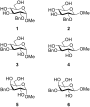
- synthetic applications. To develop the synthetic potential and evolve this method into an applicable alternative pathway towards di-, tri- or oligosaccharides, more research needs to be done. So far, glycosylation reactions have been conducted by employing methyl α-glycopyranoside acceptors. Therefore, it



Synthesis in the glycosciences II
Beilstein J. Org. Chem. 2012, 8, 411–412, doi:10.3762/bjoc.8.45
- to assemble as the oligosaccharides. And there is no other cell organelle that is less understood in its detailed biochemical function and the meaning of its supramolecular identity than the glycocalyx. Hence, the field of “glycomics” may comprise a rather infant field of the “omics era”, but it is
Dependency of the regio- and stereoselectivity of intramolecular, ring-closing glycosylations upon the ring size
Beilstein J. Org. Chem. 2011, 7, 1609–1619, doi:10.3762/bjoc.7.189
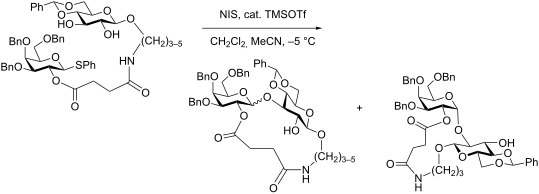
- -mannosidic and β-L-rhamnosidic bonds) and to the synthesis of complex oligosaccharides [22][23][24], the distinct effects which govern the regio- and stereoselectivity of the intramolecular formation of glycosidic bonds remain enigmatic. Both, the nature and the torsional flexibility of the tether and the


Highly efficient cyclosarin degradation mediated by a β-cyclodextrin derivative containing an oxime-derived substituent
Beilstein J. Org. Chem. 2011, 7, 1543–1554, doi:10.3762/bjoc.7.182
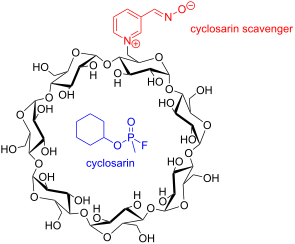
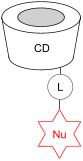
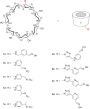
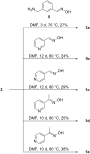
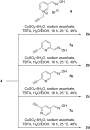
- substituents represents a promising approach for the development of scavengers able to detoxify highly toxic nerve agents. Keywords: acetylcholinesterase; cyclodextrins; cyclosarin; neurotoxic organophosphonates; oximes; Introduction Cyclodextrins, cyclic oligosaccharides composed of α-1,4-linked D-glucose







Chiral recognition of ephedrine: Hydrophilic polymers bearing β-cyclodextrin moieties as chiral sensitive host molecules
Beilstein J. Org. Chem. 2011, 7, 1516–1519, doi:10.3762/bjoc.7.177
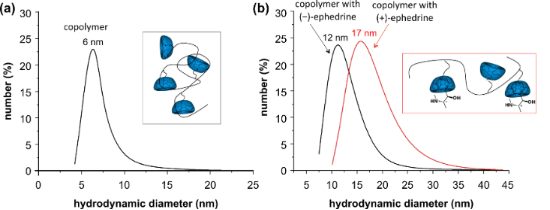
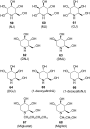
- ]. Cyclodextrins are cyclic oligosaccharides comprising six, seven or eight α-1–4-linked D-glucopyranose units. They are used in pharmaceutical, medical and industrial applications, allowing even hydrophobic molecules to become water-soluble [15][16]. However, there are only a few works published dealing with


Metathesis access to monocyclic iminocyclitol-based therapeutic agents
Beilstein J. Org. Chem. 2011, 7, 699–716, doi:10.3762/bjoc.7.81

- configuration proved to be potent β-glucosidase inhibitors that showed only weak activity towards α-glucosidase and α-mannosidase [78][79][80]. Malto-oligosaccharides and analogues of di- and trisaccharides containing polyhydroxylated azepane moieties are glucosidase or HIV/FIV-protease blockers, or both. As





Chiral recognition of macromolecules with cyclodextrins: pH- and thermosensitive copolymers from N-isopropylacrylamide and N-acryloyl-D/L-phenylalanine and their inclusion complexes with cyclodextrins
Beilstein J. Org. Chem. 2011, 7, 204–209, doi:10.3762/bjoc.7.27
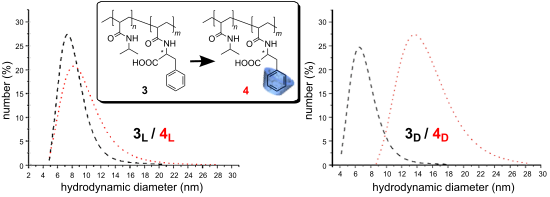
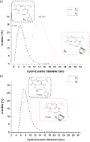
- few papers exist dealing with recognition of chiral polymeric systems by use of cyclodextrins. One of the first published methods was the enantioselective inclusion of isotactic polylactides with cyclodextrin (CD) rings [2]. Cyclodextrins (CDs) are cyclic oligosaccharides comprising six, seven or


Ene–yne cross-metathesis with ruthenium carbene catalysts
Beilstein J. Org. Chem. 2011, 7, 156–166, doi:10.3762/bjoc.7.22
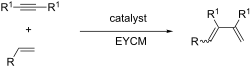
- the disubstituted double bond possessing a (Z)-configuration does not participate in Diels–Alder reactions [61]. Using the EYCM/Diels–Alder sequence, tetrahydropyridines [57], substituted phenylalanines [71][72], modified porphyrins [73], carbocycle-linked oligosaccharides [74] and heterocycles [75


Carbasugar analogues of galactofuranosides: α-O-linked derivatives
Beilstein J. Org. Chem. 2010, 6, 1127–1131, doi:10.3762/bjoc.6.129

- oligosaccharides, including plant polysaccharides [5], fungal cell wall polysaccharides [6], glycolipids from thermophilic bacteria [7] and glycosphingolipids from marine sponge (agelagalastatin) [8]. Moreover, the precursor to β-galactofuranosides and the substrate for galactofuranosyltransferases is UDP


Synthesis of 6-PEtN-α-D-GalpNAc-(1–>6)-β-D-Galp-(1–>4)-β-D-GlcpNAc-(1–>3)-β-D-Galp-(1–>4)-β-D-Glcp, a Haemophilus influenzae lipopolysacharide structure, and biotin and protein conjugates thereof
Beilstein J. Org. Chem. 2010, 6, 704–708, doi:10.3762/bjoc.6.80
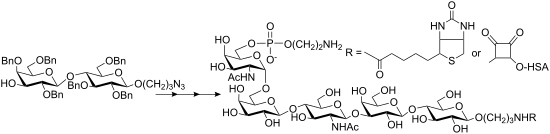
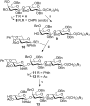
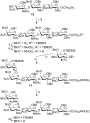
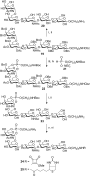
- of compounds 20 and 24 showed a loading of 16 oligosaccharides/protein molecule and 7 oligosaccharides/protein molecule, respectively. Since derivative 24 contains a free amino group there is a possibility of oligomerisation in addition to protein conjugation. To what extent this happened was not


New amphiphilic glycopolymers by click functionalization of random copolymers – application to the colloidal stabilisation of polymer nanoparticles and their interaction with concanavalin A lectin
Beilstein J. Org. Chem. 2010, 6, No. 58, doi:10.3762/bjoc.6.58
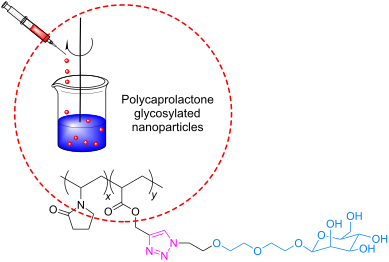
- as glycoconjugates or as high molecular weight polymers, the actual “recognized” fractions are most often small oligosaccharides (3 to 10 carbohydrate units). Efficient binding has also been reported for monosaccharide ligands; for instance, galactose residues are targetable moieties for hepatocytes


Synthesis of glycosylated β3-homo-threonine conjugates for mucin-like glycopeptide antigen analogues
Beilstein J. Org. Chem. 2010, 6, No. 47, doi:10.3762/bjoc.6.47
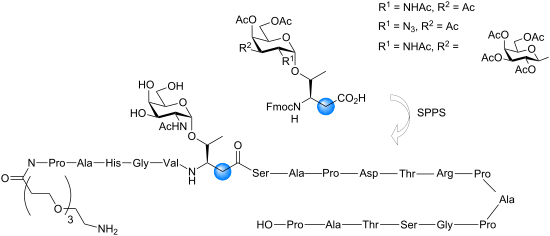
- proteins involved in fundamental biological recognition events of cell adhesion, cell differentiation and cell growth [1][2][3]. As a consequence, synthetic oligosaccharides and their conjugates are recognised as important tools for the expanding field of chemical biology [4]. Aberrant glycosylation of
- cell surface glycoproteins is associated with various pathological incidents, e.g., autoimmune and infectious diseases and cancer. In the latter case, unusual glycan structures composed of truncated O-linked oligosaccharides of carcinoma-derived mucin glycoproteins can be used as markers of the


Molecular recognition of organic ammonium ions in solution using synthetic receptors
Beilstein J. Org. Chem. 2010, 6, No. 32, doi:10.3762/bjoc.6.32




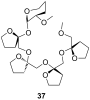


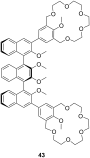


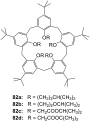


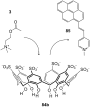


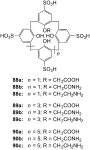


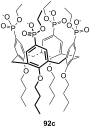


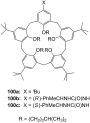


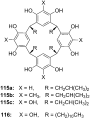
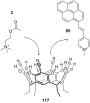


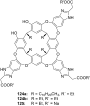
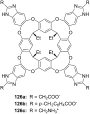


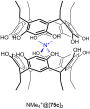


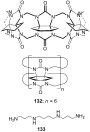


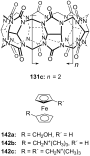


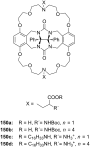
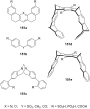


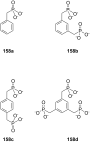

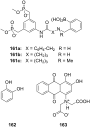


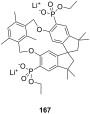
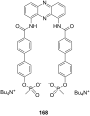

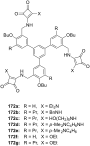
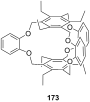


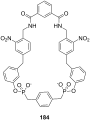


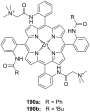








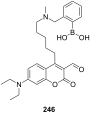


(Pseudo)amide-linked oligosaccharide mimetics: molecular recognition and supramolecular properties
Beilstein J. Org. Chem. 2010, 6, No. 20, doi:10.3762/bjoc.6.20
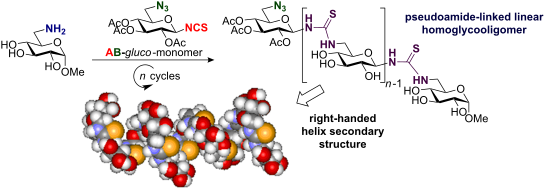
- , Seville 41092, Spain 10.3762/bjoc.6.20 Abstract Oligosaccharides are currently recognised as having functions that influence the entire spectrum of cell activities. However, a distinct disadvantage of naturally occurring oligosaccharides is their metabolic instability in biological systems. Therefore
- ; glycomimetics; pseudooligosaccharides; spaced sugars; Review Among the major classes of biomolecules, carbohydrates are characterized by nearly unlimited structural diversity. Monosaccharide units can combine to produce oligosaccharides in a number of permutations that increases rapidly with the number of
- centres (α or β), the presence of additional substituents such as sulfate or acyl groups and the overall degree of branching. The molecular diversity of oligosaccharide offers a valuable tool for drug discovery in the areas of biologically important oligosaccharides, glycoconjugates and molecular


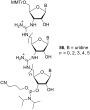

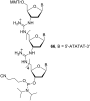
Benzyne arylation of oxathiane glycosyl donors
Beilstein J. Org. Chem. 2010, 6, No. 19, doi:10.3762/bjoc.6.19
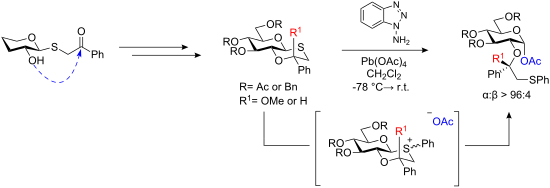
- ; stereoselective glycosylations; Introduction Carbohydrates play important roles in many biological processes including tumour metastasis [1][2], bacterial and viral recognition [3][4][5], and the immunological response [6][7][8]. In order to obtain pure samples of oligosaccharides for biological studies


Chemical synthesis using enzymatically generated building units for construction of the human milk pentasaccharides sialyllacto-N-tetraose and sialyllacto-N-neotetraose epimer
Beilstein J. Org. Chem. 2010, 6, No. 18, doi:10.3762/bjoc.6.18
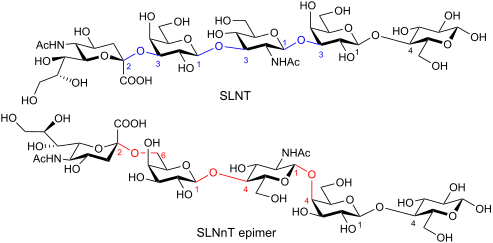
- derivatives. Keywords: block synthesis; human milk oligosaccharides; sialyllacto-N-neotetraose epimer; sialyllacto-N-tetraose; trisaccharide thioglycoside donors; Introduction From an inspection of contemporary syntheses of biologically and medicinally relevant oligosaccharides, it is evident that the
- , sialyllacto-N-tetraose (1) and an epimer of sialyllacto-N-neotetraose (2) (Figure 1) were selected as target molecules. Both these pentasaccharides, Neu5Acα2-3Galβ1-3GlcNAcβ1-3Galβ1-4Glc (1) and Neu5Acα2-6Galβ1-4GlcNAcβ1-4Galβ1-4Glc (2), are dominant constituents of complex human milk oligosaccharides (Figure
- human milk oligosaccharides are considered as soluble receptor analogues of epithelial cell surfaces [6]. Results and Discussion Previously, we reported the chemoenzymatic synthesis of the 3-sialylated lactosamine derivative 3 obtained by the enzymatic β-galactosylation of the 2-azidothioglucoside with





