


Search results
Search for "Wolff rearrangement" in Full Text gives 19 result(s) in Beilstein Journal of Organic Chemistry.
Ring contraction and ring expansion reactions in terpenoid biosynthesis and their application to total synthesis
- Nicolas Kratena,
- Nicolas Heinzig and
- Peter Gärtner
Beilstein J. Org. Chem. 2026, 22, 289–343, doi:10.3762/bjoc.22.21
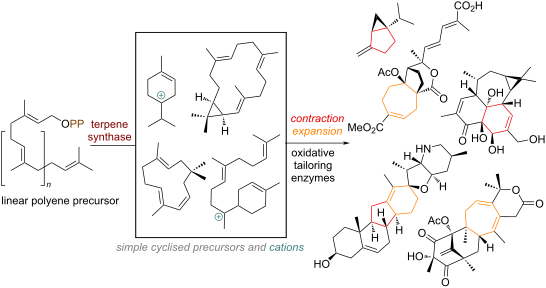
- were explored in the first part of this review to effect challenging ring-size modifications. Apart from these, selected examples of interesting unrelated ring-contraction strategies (like Wolff-rearrangement) have been included. The Jia group reported their bioinspired synthesis of euphorikanin A (154

Graphical Abstract

Scheme 1: Mechanistic overview of enzymes involved in ring-size-altering reactions: A: Difference in ionisati...

Scheme 2: A: Ring contraction through involvement of carbocationic intermediates in thujane monoterpene biosy...

Scheme 3: Examples of concerted ring expansions of carbocation intermediates in PxaTPS8-catalysed cyclisation...

Scheme 4: Sequential ring expansions during astellifadiene (17) synthesis reported by Abe and co-workers.

Scheme 5: Cyclobutane ring expansion and sequential ring contractions catalysed by the synthase AITS in the b...

Scheme 6: Ring expansion and transannular ring contraction of a cyclopentane to cyclobutane in the biosynthes...

Scheme 7: Computationally elucidated concerted cyclisations/alkyl/hydride shifts during the biosynthesis of t...

Scheme 8: Cyclisation events and 6→5-ring contraction during the construction of epi-isozizaene (26) catalyse...

Scheme 9: Transannular cyclisations and 4→5-membered ring expansion through dyotropic 1,2-rearrangement of al...

Scheme 10: Ring expansion in presilphiperfolan-8b-ol (31) biosynthesis and ring contraction of the presilphipe...

Scheme 11: Ring contraction via transannular cyclopropanation and opening of cyclopropane in the biosynthesis ...

Scheme 12: The crucial CYP450-catalysed oxidative rearrangement defining the skeleton in gibberellin biosynthe...

Scheme 13: CYP450-mediated oxidation of cyclopentane methylene expanding the 8-membered ring in the biosynthes...

Scheme 14: CYP450-mediated oxidation of an exocyclic methyl group to effect transannular cyclisation across th...

Scheme 15: Non-enzymatic transannular aldol reaction enables the formation of the 5/13/3-tricyclic ring system...

Scheme 16: A: Oxidative ring expansion of a cyclopentane by incorporation of a methyl group in the biosynthesi...

Scheme 17: Rearrangement and ring expansion in the construction of the complex bridged carbon framework of and...

Scheme 18: Ketoglutarate-mediated oxidations of preaustinoid A1 (53) en route to complex meroterpenoids, B-rin...

Scheme 19: Proposed putative biosynthetic formation of the tigliane skeleton from an E,E,Z-triene.

Scheme 20: Photocatalytic tandem ring expansion/contraction of santonin to give photosantonin products and gua...

Scheme 21: A: Proposed biosynthesis of stelleroid B (66) from stelleranoid I (65) by ketol rearrangement; B: o...

Scheme 22: Singular examples of A,B-ring contractions and expansions in the biosynthesis of sesquiterpenoids e...

Scheme 23: A: plausible proposed biosynthetic pathway for the tigliane/ingenane skeletal rearrangement and 1,2...

Scheme 24: A: Multiple ring-size alterations during xenovulene A (90) biosynthesis; B: Ring contraction and re...

Scheme 25: Proposed biosyntheses of the complex, polycyclic terpenoid illisimonin A (97) and the bridged antro...

Scheme 26: Proposed biogenetic origin for the meroterpenoid liphagal (104) via epoxide-mediated ring expansion....

Scheme 27: Proposed biogenetic origin for the ring-contracted members of the taiwaniaquinol family.
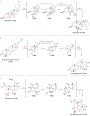
Scheme 28: A: Schenck ene/Hock/Aldol cascade effecting B-ring contraction in atheronal B (113); B: Selective C...
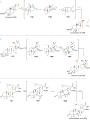
Scheme 29: A: D-ring expansion of buxenone (118) via cyclopropanation towards buxaustroine A (119); B: Propose...

Scheme 30: Biosynthetic origin of alstoscholarinoids A (124) and B (125) via cascade oxidative rearrangement c...

Scheme 31: Biogenetic origin of the hedgehog signalling inhibitor cyclopamine (129) by tandem ring contraction...

Scheme 32: Proposed biogenetic origin of the B-ring contracted spirocyclic triterpenoid spirochensilide A (131...

Scheme 33: A: Proposed B-ring contraction during the biosynthesis of holophyllane A (133); B: B-ring contracti...

Scheme 34: Radical and ionic/polar mechanisms for the C-ring-contracted triterpenoids phomopsterone B (139) an...

Scheme 35: A: Plausible mechanism for the formation of schiglautone A (144) from anwuweizic acid (145); B: Pro...

Scheme 36: Reported biosynthetic proposal for the formation of B-ring expanded triterpenoids rhodoterpenoids A...

Scheme 37: A: Final reaction step in the synthesis of euphorikanin A (154), benzilic acid-type ring contractio...

Scheme 38: Tricyclic ring expansion in the Gui synthesis of gibbosterol A (158) and sarocladione (160) via Ru-...

Scheme 39: A: A-ring expansion during the Gui synthesis of rubriflordilactone B (161); B: Mechanism for the bi...

Scheme 40: Photosantonin rearrangement effects A/B ring contraction/expansion in Li’s synthesis of the complex...

Scheme 41: Tandem A/B ring expansion/contraction of an ergosterol derivative via pinacol rearrangement in the ...

Scheme 42: Synthetic studies towards cyclocitrinol (179) by A) the semisynthetic approach by Gui et al. using ...

Scheme 43: A: Bioinspired synthesis of spirochensilide A (131) by the Heretsch group via selective 8,9-epoxida...
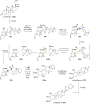
Scheme 44: Baran’s synthesis of cortistatin A (191), expanding the B-ring through a cyclopropane fragmentation....

Scheme 45: Ding’s total synthesis of retigeranic acid (198) showcasing sequential 6→5 ring contractions.

Scheme 46: A: Oxa-di-π-methane (ODPM) rearrangement of a bicyclic ketone en route to silphiperfolenone (203); ...

Scheme 47: Biomimetic synthesis of liphagal (104) from sclareolide (221) by George and co-workers.

Scheme 48: Wu’s bioinspired synthesis of cucurbalsaminones B (224) and C (225) by photocatalytic oxa-di-π-meth...

Scheme 49: Baran’s total synthesis of maoecrystal V (230) featuring a pinacol rearrangement for ring expansion...

Scheme 50: A: Ketol rearrangement leading to ring contraction in the total synthesis of preaustinoid B; B: Ben...

Scheme 51: A: Scheidt’s synthesis of isovelleral (251) by pinacol rearrangement triggered by Mitsunobu conditi...

Scheme 52: Biomimetic transformations of simplified test substrates related to Euphorbia diterpenoids.

Scheme 53: A: First generation synthesis of taiwaniaquinones by benzilic acid-type rearrangement of the B-ring...

Scheme 54: A: Norrish type 1 radical recombination leading to ring contraction en route to cuparenone (272): 1...

Scheme 55: Ring contraction of a bridged D-ring system in the total synthesis of andrastatin D (280), terrenoi...

Scheme 56: Biomimetic synthesis of hyperjapone A (284) and hyperjaponol C (285) by George et al.

Scheme 57: Heretsch’ synthesis of dankastarones A (288) and B (289), swinhoeisterol A (290), and periconiaston...

Scheme 58: A: Zhang’s ring contraction during the synthesis of stemar-13-ene (295) by pinacol rearrangement; B...

Scheme 59: Trauner’s biomimetic synthesis of preuisolactone A (307) featuring a ring contraction via benzilic ...

Scheme 60: Bioinspired approaches for ring contraction/expansion reactions in the synthesis of alstoscholarino...

Scheme 61: A: Sarpong and Li, Wang and co-workers’ ring expansion of cephanolide A (313) to reach harringtonol...
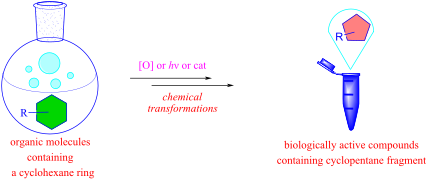
Transformation of the cyclohexane ring to the cyclopentane fragment of biologically active compounds
- Natalya Akhmetdinova,
- Ilgiz Biktagirov and
- Liliya Kh. Faizullina
Beilstein J. Org. Chem. 2025, 21, 2416–2446, doi:10.3762/bjoc.21.185
- (III) and iodine(III), and Wolff rearrangement. 2.1 Benzilic acid and semipinacol-type rearrangements The strategy of ring contraction using the benzilic acid-type rearrangement was used by Zhang et al. [38] for the asymmetric synthesis of 4β-acetoxyprobotryane-9β,15α-diol (52). This compound contains
- 30% and a selectivity of 70% at −100 °C (Scheme 21). 2.3 Wolff rearrangement The Wolff rearrangement is the transformation of α-diazoketones into acids or their derivatives through heating, catalysis, or UV irradiation in the presence of water, alcohols, ammonia, amines, etc. The Wolff rearrangement
- 6,5,6-abeoabietane scaffold and impressive antitumor activity. α-Diazoketone 124 was synthesized from commercially available 1,2,4-trimethoxybenzene (123) [64] by a series of synthetic transformations, and converted by Wolff rearrangement to esters 125 and 126 with a trans-fused 6,5,6-ring system

Graphical Abstract

Scheme 1: Ozonolysis–cyclization sequence in the synthesis of echinopine A (3).

Scheme 2: Ozonolysis–cyclization sequence in the synthesis of taiwaniaquinoids 7–12.

Figure 1: Iridoid skeleton.

Scheme 3: Ozonolysis–cyclization sequence in the synthesis of compounds 17a,b, 18 and 19 with iridoid topolog...

Scheme 4: Oxidation–aldol condensation sequence in the synthesis of compounds 21 and 23 with iridoid topology....

Scheme 5: Oxidation–aldol condensation sequence in the synthesis of compounds 29 and 30 with iridoid topology....

Scheme 6: Method for ring contraction in the absence of a double bond in a six-membered ring of triterpenoids....

Scheme 7: Oxidation–Dieckmann cyclization sequence in the synthesis of a new nortriterpenoid 39.

Scheme 8: Oxidation–Dieckmann cyclization sequence in the synthesis of 18,19-di-nor-cholesterol (40).

Scheme 9: Oxidation–cyclization sequence in the synthesis of 3-ethyl-substituted betulinic acid derivatives 49...

Scheme 10: Benzilic acid-type rearrangement in the synthesis of 4β-acetoxyprobotryane-9β,15α-diol (52).

Scheme 11: Benzilic acid-type rearrangement in the synthesis of (−)-taiwaniaquinone H (11).

Scheme 12: Benzilic acid-type rearrangement in the synthesis of dactylicapnosines A (63) and B (64).

Scheme 13: Aza-benzilic acid-type rearrangement in the synthesis of (+)-stephadiamine (71).

Scheme 14: α-Ketol rearrangement in the synthesis of saffloneoside (73).

Scheme 15: Conversion of (−)-preaustinoid A (80) to (−)-preaustinoid B (81) via α-ketol rearrangement.

Scheme 16: α-Ketol rearrangement in the synthesis of 2,8-oxymethano-bridged diquinane 90.

Scheme 17: Oxidative ring contraction during the synthesis of (+)-cuparene (91) and (+)-tochuinylacetate (92).

Scheme 18: Semipinacol rearrangement in the synthesis of diterpenoids 97–100.

Scheme 19: Co-catalyzed homoallyl-type rearrangement in the syntheses of meroterpenes 106–109.

Scheme 20: Ring contraction reaction promoted by TTN·3H2O and HTIB in the synthesis of indanes.

Scheme 21: Rearrangement involving a hypervalent iodine compound in the synthesis of derivative 120.

Scheme 22: Wolff rearrangement in the synthesis of taiwaniaquinones A (7), F (8), taiwaniaquinols B (10), D (1...

Scheme 23: Wolff rearrangement in the synthesis of cheloviolene C (128), seconorrisolide B (129), and seconorr...

Scheme 24: Wolff rearrangement in the synthesis of (−)-pavidolide B (134).

Scheme 25: Wolff rearrangement in the synthesis of presilphiperfolan-8-ol (141).

Scheme 26: Photochemical rearrangement in the synthesis of cyclopentane derivatives 147a,b.

Scheme 27: Synthesis of cyclopentane derivatives 147a and 151.

Scheme 28: Photochemical rearrangement in the synthesis of cyclopentane derivative 153.

Scheme 29: Photochemical rearrangement in the synthesis of tricyclic ketones 155, 156.

Scheme 30: Photochemical rearrangement in the synthesis of cis/trans salts 160.

Figure 2: Scope of the photoinduced carboborative ring contraction of steroids. Reaction conditions: steroid ...

Scheme 31: Photoinduced carboborative ring contraction in the synthesis of artalbic acid (180).

Scheme 32: Synthetic versatility of the photoinduced carboborative ring contraction.

Scheme 33: Methods of disclosure of epoxide 189.

Scheme 34: Methods of disclosure of epoxide 190.

Scheme 35: Rearrangement of α,β-epoxy ketone 197.

Scheme 36: Acid-induced rearrangement in the synthesis of perhydrindane ketones 202 and 205.

Scheme 37: Rearrangement of epoxyketone 208 in the synthesis of huperzine Q (206).

Scheme 38: Rearrangement of epoxide 212 under the action of Grignard reagent.

Scheme 39: Semipinacol rearrangement of epoxide 220 in the synthesis of (−)-citrinadin A (217) and (+)-citrina...

Scheme 40: Semipinacol rearrangement of epoxide 225 in the synthesis of hamigeran G (223).

Scheme 41: Semipinacol rearrangement of epoxide 231 in the synthesis of (−)-spirochensilide A (228).

Scheme 42: Wagner–Meerwein rearrangement in the synthesis of compound 234 with iridoid topology.

Scheme 43: Wagner–Meerwein rearrangement in the synthesis of compound 238 with iridoid topology.

Scheme 44: Wagner–Meerwein rearrangement in the synthesis of compound 241 with iridoid topology.

Scheme 45: Wagner–Meerwein rearrangement in the synthesis of lupane derivatives 245, 246, 248, and 249.

Scheme 46: Wagner–Meerwein rearrangement in the synthesis of weisaconitine D (252) and cardiopetaline (255).

Scheme 47: Wagner–Meerwein rearrangement in the synthesis of cardiopetaline (255).
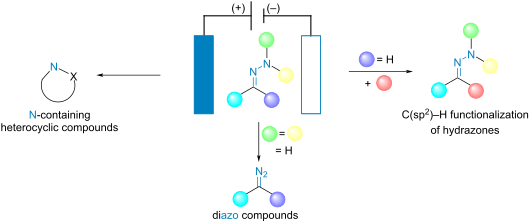
Harnessing the versatility of hydrazones through electrosynthetic oxidative transformations
- Aurélie Claraz
Beilstein J. Org. Chem. 2024, 20, 1988–2004, doi:10.3762/bjoc.20.175
- ’-dimethoxybenzilhydrazone (X = H, Cl). In these cases, the diazo compounds directly underwent both Wolff rearrangement and overoxidations to yield a mixture of the corresponding diphenyl acetal and benzil dimethyl acetal (akin to the conversion of 132 into 133 in Scheme 27), respectively (Scheme 29) [78]. Using a similar

Graphical Abstract

Scheme 1: Synthesis of triazolopyridinium salts [34-36].

Scheme 2: Synthesis of pyrazoles [37].
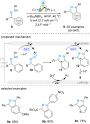
Scheme 3: Synthesis of indazoles from ketone-derived hydrazones [38].
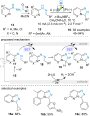
Scheme 4: Intramolecular C(sp2)–H functionalization of aldehyde-derived N-(2-pyridinyl)hydrazones for the syn...

Scheme 5: Synthesis of pyrazolo[4,3-c]quinoline derivatives [40].
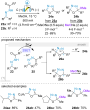
Scheme 6: Synthesis of 1,3,4-oxadiazoles and Δ3-1,3,4-oxadiazolines [41].
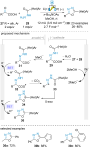
Scheme 7: Synthesis of 1,3,4-oxadiazoles [43].
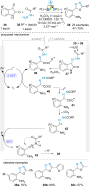
Scheme 8: Synthesis of 2-(1,3,4-oxadiazol-2-yl)anilines [44].
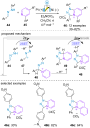
Scheme 9: Synthesis of fused s-triazolo perchlorates [45].
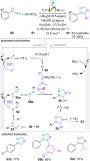
Scheme 10: Synthesis of 1-aryl and 1,5-disubstitued 1,2,4-triazoles [49].
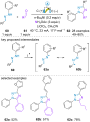
Scheme 11: Synthesis of 1,3,5-trisubstituted 1,2,4-triazoles [50].

Scheme 12: Alternative synthesis of 1,3,5-trisubstituted 1,2,4-triazoles [51].

Scheme 13: Synthesis of 5-amino 1,2,4-triazoles [55].
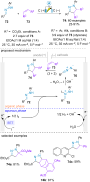
Scheme 14: Synthesis of 1-arylpyrazolines [58].
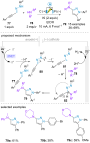
Scheme 15: Synthesis of 3‑aminopyrazoles [60].
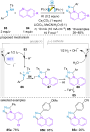
Scheme 16: Synthesis of [1,2,4]triazolo[4,3-a]quinolines [61].·
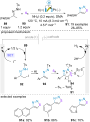
Scheme 17: Synthesis of 1,2,3-thiadiazoles [64].
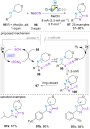
Scheme 18: Synthesis of 5-thioxo-1,2,4-triazolium inner salts [65].
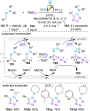
Scheme 19: Synthesis of 1-aminotetrazoles [66].
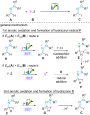
Scheme 20: C(sp2)–H functionalization of aldehyde-derived hydrazones: general mechanisms.

Scheme 21: C(sp2)–H functionalization of benzaldehyde diphenyl hydrazone [68,69].

Scheme 22: Phosphorylation of aldehyde-derived hydrazones [70].

Scheme 23: Azolation of aldehyde-derived hydrazones [72].

Scheme 24: Thiocyanation of benzaldehyde-derived hydrazone 122 [73].

Scheme 25: Sulfonylation of aromatic aldehyde-derived hydrazones [74].

Scheme 26: Trifluoromethylation of aromatic aldehyde-derived hydrazones [76].

Scheme 27: Electrooxidation of benzophenone hydrazones [77].

Scheme 28: Electrooxidative coupling of benzophenone hydrazones and alkenes [77].

Scheme 29: Electrosynthesis of α-diazoketones [78].
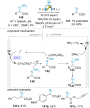
Scheme 30: Electrosynthesis of stable diazo compounds [80].
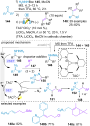
Scheme 31: Photoelectrochemical synthesis of alkenes through in situ generation of diazo compounds [81].

Scheme 32: Synthesis of nitriles [82].
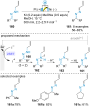
Scheme 33: Electrochemical oxidation of ketone-derived NH-allylhydrazone [83].
Access to 2-oxoazetidine-3-carboxylic acid derivatives via thermal microwave-assisted Wolff rearrangement of 3-diazotetramic acids in the presence of nucleophiles
- Ivan Lyutin,
- Vasilisa Krivovicheva,
- Grigory Kantin and
- Dmitry Dar’in
Beilstein J. Org. Chem. 2024, 20, 1894–1899, doi:10.3762/bjoc.20.164

- 191036, Russian Federation 10.3762/bjoc.20.164 Abstract In this work, we report an efficient approach to 2-oxoazetidine-3-carboxylic acid derivatives based on a thermally promoted Wolff rearrangement of diazotetramic acids in the presence of nucleophiles. The method allows easy variation of the
- well as a wide range of nucleophiles provides access to a structural diversity of medically relevant 2-oxoazetidine-3-carboxylic acid amides and esters. Keywords: β-lactams; diazotetramic acids; nucleophiles; spirocycles; thermolysis; Wolff rearrangement; Introduction The importance of the β-lactam
- ketenes 2 generated by a thermally promoted Wolff rearrangement [3]. The interaction of such ketenes with nucleophiles of different nature could serve as a source of libraries of structurally diverse 2-oxoazetidine-3-carboxylic acid derivatives 3 (Scheme 1). The 2-oxoazetidine-3-carboxylic acid

Graphical Abstract

Scheme 1: Synthetic routes to 2-oxoazetidine-3-carboxylic acid derivatives.

Scheme 2: Scope of diazotetramic acids 1 thermolysis in the presence of various nucleophiles. PMP = p-methoxy...

Scheme 3: Negative results with several N-, O-, and C-nucleophiles and with diazo reagent 1m.

Scheme 4: Preparation of acids 4 by hydrogenolysis of benzyl esters and examples of acid 4a amidation.
(Bio)isosteres of ortho- and meta-substituted benzenes
- H. Erik Diepers and
- Johannes C. L. Walker
Beilstein J. Org. Chem. 2024, 20, 859–890, doi:10.3762/bjoc.20.78
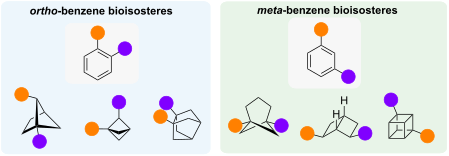
- planarity. Brown and co-workers prepared the [2]-ladderanes via a multistep sequence from diene 147 including an intramolecular [2 + 2] cycloaddition (to (±)-148) and a Wolff rearrangement (to (±)-150) (Scheme 16A) [63]. This approach yielded predominantly the endo diastereomer of trans-[2]-ladderanes 150

Graphical Abstract

Figure 1: Scaffolds commonly reported as bioisosteric replacements of para-substituted benzene and examples p...

Figure 2: 1,2-BCPs as isosteres for ortho-and meta-substituted benzenes: comparison of reported exit vector p...
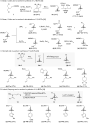
Scheme 1: 1,2-Disubstituted bicyclo[1.1.1]pentanes as isosteres of ortho-substituted benzenes. A: Baran, Coll...

Scheme 2: Synthesis of 1,2-BCPs from BCP 15 by bridge C–H bromination as reported by MacMillan and co-workers ...

Figure 3: Comparative physicochemical data of telmisartan, lomitapide and their BCP isosteres [26,33]. Shake flask d...
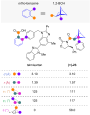
Figure 4: 1,2-Disubstituted bicyclo[2.1.1]hexanes as isosteres of ortho-benzenes: Exit vector parameters of t...
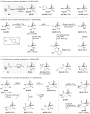
Scheme 3: Synthesis of 1,2-disubstituted bicyclo[2.1.1]hexanes via alkene insertion into bicyclo[1.1.0]butane...

Scheme 4: Synthesis of 1,2-disubstituted bicyclo[2.1.1]hexanes via intramolecular crossed [2 + 2] cycloadditi...

Figure 5: Comparison of physicochemical data of fluxapyroxad and boscalid and their 1,2-BCH bioisosteres [36]. Sh...

Figure 6: Antifungal activity of fluxapyroxad, its 1,5-BCH bioisostere (±)-55, boscalid and its bioisostere 1...
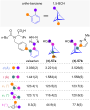
Figure 7: 1,5-Disubstituted bicyclo[2.1.1]hexanes as isosteres of ortho-substituted benzenes. Comparison of e...
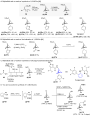
Scheme 5: Synthesis of 1,5-disubstituted bicyclo[2.1.1]hexanes as isosteres of ortho-benzenes via intramolecu...

Figure 8: Comparison of physicochemical data of fluxapyroxad and boscalid and their 1,5-BCH bioisosteres [45]. Sh...

Figure 9: Antifungal activity of fluxapyroxad, its 1,5-BCH bioisostere (±)-64, boscalid and its bioisostere 1...
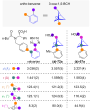
Figure 10: 1,5-Disubstituted 3-oxabicylco[2.1.1]hexanes as isosteres for ortho-benzenes: Comparison of exit ve...

Scheme 6: Synthesis of 1,5-disubstituted 3-oxabicyclo[2.1.1]hexanes as isosteres for ortho-benzenes via intra...

Figure 11: Comparison of physicochemical data of fluxapyroxad and boscalid and their 3-oxa-1,5-BCH bioisostere...

Figure 12: Antifungal activity of fluxapyroxad and boscalid and their 3-oxa-1,5-BCH bioisosteres (±)-75 and (±...

Figure 13: 1,2-Disubstituted bicyclo[3.1.1]heptanes as isosteres of ortho-benzenes. Schematic representation o...

Scheme 7: Synthesis of 1,2-disubstituted bicyclo[3.1.1]heptanes as isosteres for ortho-benzenes via alkene in...

Figure 14: 1,2-Disubstituted stellanes as ortho-benzene isosteres: Comparison of selected exit vector paramete...

Scheme 8: Synthesis of 1,2-disubstituted stellanes as isosteres for ortho-benzenes reported by Ryabukhin, Vol...

Figure 15: 1,2-Disubstituted cubanes as ortho-benzene isosteres: Comparison of substituent distances and angle...

Scheme 9: Synthesis of 1,2-disubsituted cubanes as isosteres for ortho-benzenes. A: Synthesis of 1,2-cubane d...
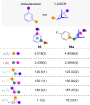
Figure 16: 1,3-Disubstituted bicyclo[2.1.1]hexanes as isosteres of meta-benzenes: comparative exit vector para...

Scheme 10: Synthesis of 1,3-disubstituted bicyclo[2.1.1]hexanes as isosteres for meta-benzenes reported by Wal...
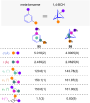
Figure 17: 1,4-Disubstituted bicyclo[2.1.1]hexanes as isosteres of meta-benzenes: comparative exit vector para...

Scheme 11: Synthesis of 1,4-disubstituted bicyclo[2.1.1}hexanes as isosteres for ortho-benzenes via intramolec...

Figure 18: 1,4-Disubstituted-2-oxabicyclo[2.1.1]hexanes as meta-benzene isosteres: comparison of selected exit...

Scheme 12: Synthesis of 1,4-disubstituted 2-oxabicyclo[2.1.1]hexanes as isosteres for meta-benzenes. A: Mykhai...

Figure 19: Comparative physicochemical data for 2- and 3-oxa-1,4-BCHs and para-substituted benzene equivalents...

Figure 20: 1,5-Disubstituted bicyclo[3.1.1]heptanes as isosteres of meta-benzenes: comparison of exit vector p...

Scheme 13: Synthesis of [3.1.1]propellane as a precursor for 1,5-disubsituted bicyclo[3.1.1]heptanes. A: aGass...

Scheme 14: Synthesis of iodine-substituted 1,5-disubstituted bicyclo[3.1.1]heptanes as isosteres for meta-benz...

Scheme 15: Synthesis of nitrogen-, chalcogen- and tin-substituted 1,5-disubstituted bicyclo[3.1.1]heptanes as ...

Figure 21: Comparative physicochemical data of URB597 and 1,5-BCHep isostere 146 [27]. Kinetic aqueous solubility ...
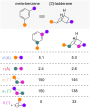
Figure 22: [2]-Ladderanes as isosteres of meta-benzenes: comparison of reported exit vector parameters [63].

Scheme 16: Synthesis of cis-2,6-disubstituted bicyclo[2.2.0]hexanes as isosteres for meta-benzenes. A: Brown a...

Figure 23: Comparative physicochemical data of meta-benzene 158 and [2]-ladderane isostere 159 [63]. Partition coe...

Figure 24: 1,3-Disubstituted cubanes as isosteres of meta-benzenes: comparison of selected exit vector paramet...
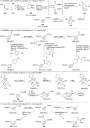
Scheme 17: Synthesis of 1,3-disubsituted cubanes as isosteres for meta-benzenes. A: MacMillan and co-workers’ ...

Figure 25: Comparative physicochemical data of lumacaftor and its 1,3-cubane bioisostere 183 [51]. Distribution co...

Figure 26: 1,3-Disubstituted cuneanes as isosteres of meta-benzenes: comparison of selected exit vector parame...

Scheme 18: Synthesis of 1,3-cuneanes as isosteres of meta-benzene. A: Synthesis of 1,3-cuneanes reported by La...

Figure 27: Comparative physicochemical data of sonidegib and its 1,3-cuneane isostere 190 [71]. aSolubility was to...

Figure 28: Exemplary polysubstituted scaffolds related to disubstituted scaffolds suggested as isosteres of or...
Efficient synthesis of ethyl 2-(oxazolin-2-yl)alkanoates via ethoxycarbonylketene-induced electrophilic ring expansion of aziridines
- Yelong Lei and
- Jiaxi Xu
Beilstein J. Org. Chem. 2022, 18, 70–76, doi:10.3762/bjoc.18.6
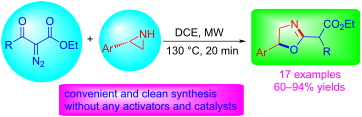
- heating, diazo esters 1 undergo a Wolff rearrangement to generate ethoxycarbonylketenes A by loss of nitrogen. The nucleophilic attack of 2-arylaziridine 2 on the ketene moiety produces zwitterionic intermediates B, in which the aziridinium is opened to form the benzylic carbocation stabilized through the

Graphical Abstract

Figure 1: Oxazoline-containing bioactive natural products.
Scheme 1: Synthetic methods of oxazoline derivatives.
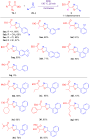
Scheme 2: Scopes of aziridines and diazo esters.

Scheme 3: Proposed reaction mechanism.

Scheme 4: Direction of tautomerization.
Novel photochemical reactions of carbocyclic diazodiketones without elimination of nitrogen – a suitable way to N-hydrazonation of C–H-bonds
- Liudmila L. Rodina,
- Xenia V. Azarova,
- Jury J. Medvedev,
- Dmitrij V. Semenok and
- Valerij A. Nikolaev
Beilstein J. Org. Chem. 2018, 14, 2250–2258, doi:10.3762/bjoc.14.200

- %. Further irradiation of hydrazones derived from furan-fused tricyclic diazocyclopentanediones culminates in the cycloelimination of furans to yield 2-N-(alkyl)hydrazone of cyclopentene-1,2,3-trione. By contrast, the direct photolysis of carbocyclic diazodiketones gives only Wolff rearrangement products
- with up to 90–97% yield. Keywords: C–H insertion; diazo compounds; excited state; photochemistry; Wolff rearrangement; Introduction Photochemical reactions of diazocarbonyl compounds are well-known transformations in the synthesis of the diversified acyclic, carbo- and heterocyclic structures [1][2
- nucleophilic reagents (H2O, MeOH) or C–H-bonds at С5 or С6 atoms in 1 [26][42][43][44][45] were detected in the reaction mixtures. Thus, it was experimentally shown that the direct photolysis of diazodiketones 1а–c employing UV light with λ > 210 nm produces only Wolff rearrangement products in high yields

Graphical Abstract

Figure 1: The structures of carbocyclic diazodiketones 1a–g and C–H-donating tetrahydrofuran used in the proj...

Figure 2: Molecular structure of hydrazone 2b as determined by X-ray analysis data (Olex2 plot with 50% proba...

Scheme 1: Photochemical cycloelimination of furans from hydrazones 2d,e.

Scheme 2: Different pathways of diazodiketones 1 light-induced reactions in the singlet (reaction I) and trip...
One hundred years of benzotropone chemistry
- Arif Dastan,
- Haydar Kilic and
- Nurullah Saracoglu
Beilstein J. Org. Chem. 2018, 14, 1120–1180, doi:10.3762/bjoc.14.98
- compound 267. Nitro compound 267 was also hydrogenated to produce 7-amino derivative 264. Diazoketone 265 was prepared from 264 with sodium nitrite in fluoroboric acid (HBF4) and its Wolff rearrangement under reflux conditions in water gave 1-hydroxy-2-naphthoic acid (266). Acetylation of 264 with sodium

Graphical Abstract

Scheme 1: Tropone (1), tropolone (2) and their resonance structures.

Figure 1: Natural products containing a tropone nucleus.

Figure 2: Possible isomers 11–13 of benzotropone.

Scheme 2: Synthesis of benzotropones 11 and 12.

Scheme 3: Oxidation products of benzotropylium fluoroborate (16).

Scheme 4: Oxidation of 7-bromo-5H-benzo[7]annulene (22).

Scheme 5: Synthesis of 4,5-benzotropone (11) using o-phthalaldehyde (27).

Scheme 6: Synthesis of 4,5-benzotropone (11) starting from oxobenzonorbornadiene 31.

Scheme 7: Acid-catalyzed cleavage of oxo-bridge of 34.

Scheme 8: Synthesis of 4,5-benzotropone (11) from o-xylylene dibromide (38).

Scheme 9: Synthesis of 4,5-benzotropone (11) via the carbene adduct 41.

Scheme 10: Heck coupling strategy for the synthesis of 11.

Scheme 11: Synthesis of benzofulvalenes via carbonyl group of 4,5-benzotropone (11).

Figure 3: Some cycloheptatrienylium cations.

Scheme 12: Synthesis of condensation product 63 and its subsequent oxidative cyclization products.

Figure 4: A novel series of benzo[7]annulenes prepared from 4,5-benzotropone (11).

Scheme 13: Preparation of substituted benzo[7]annulene 72 using the Mukaiyama-Michael reaction.

Figure 5: Possible benzo[7]annulenylidenes 73–75.

Scheme 14: Thermal and photochemical decomposition of 7-diazo-7H-benzo[7]annulene (76) and the trapping of int...

Scheme 15: Synthesis of benzoheptafulvalene 86.

Scheme 16: Synthesis of 7-(diphenylmethylene)-7H-benzo[7]annulene (89).

Scheme 17: Reaction of 4,5-benzotropone (11) with dimethyl diazomethane.

Scheme 18: Synthesis of dihydrobenzomethoxyazocine 103.

Scheme 19: Synthesis and reducibility of benzo-homo-2-methoxyazocines.

Scheme 20: Synthesis of 4,5-benzohomotropones 104 and 115 from 4,5-benzotropones 11 and 113.

Scheme 21: A catalytic deuterogenation of 4,5-benzotropone (11) and synthesis of 5-monosubstituted benzo[7]ann...

Scheme 22: Synthesis of methyl benzo[7]annulenes 131 and 132.

Scheme 23: Ambident reactivity of halobenzo[7]annulenylium cations 133a/b.

Scheme 24: Preparation of benzo[7]annulenylidene–iron complexes 147.

Scheme 25: Synthesis of 1-ethynylbenzotropone (150) and the etheric compound 152 from 4,5-benzotropone (11) wi...

Scheme 26: Thermal decomposition of 4,5-benzotropone (11).

Scheme 27: Reaction of 4,5-benzotropone (11) with 1,2-ethanediol and 1,2-ethanedithiol.

Scheme 28: Conversions of 1-benzosuberone (162) to 2,3-benzotropone (12).

Scheme 29: Synthesis strategies for 2,3-bezotropone (12) using 1-benzosuberones.

Scheme 30: Oxidation-based synthesis of 2,3-benzotropone (12) via 1-benzosuberone (162).

Scheme 31: Synthesis of 2,3-benzotropone (12) from α-tetralone (171) via ring-expansion.

Scheme 32: Preparation of 2,3-benzotropone (12) by using of benzotropolone 174.

Figure 6: Benzoheptafulvenes as condensation products of 2,3-benzotropone (12).

Scheme 33: Conversion of 2,3-benzotropone (12) to tosylhydrazone salt 182 and gem-dichloride 187.

Figure 7: Benzohomoazocines 191–193 and benzoazocines 194–197.

Scheme 34: From 2,3-benzotropone (12) to carbonium ions 198–201.

Scheme 35: Cycloaddition reactions of 2,3-benzotropone (12).
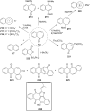
Scheme 36: Reaction of 2,3-benzotropone (12) with various reagents and compounds.

Figure 8: 3,4-Benzotropone (13) and its resonance structure.

Scheme 37: Synthesis of 6,7-benzobicyclo[3.2.0]hepta-3,6-dien-2-one (230).

Figure 9: Photolysis and thermolysis products of 230.

Figure 10: Benzotropolones and their tautomeric structures.

Scheme 38: Synthesis strategies of 4,5-benzotropolone (238).

Scheme 39: Synthesis protocol for 2-hydroxy-4,5-benzotropone (238) using oxazole-benzo[7]annulene 247.

Figure 11: Some quinoxaline and pyrazine derivatives 254–256 prepared from 4,5-benzotropolone (238).

Scheme 40: Nitration product of 4,5-benzotropolone (238) and its isomerization to 1-nitro-naphthoic acid (259)....

Scheme 41: Synthesis protocol for 6-hydroxy-2,3-benzotropone (239) from benzosuberone (162).
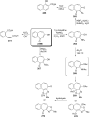
Scheme 42: Various reactions via 6-hydroxy-2,3-benzotropone (239).

Scheme 43: Photoreaction of 6-hydroxy-2,3-benzotropone (239).

Scheme 44: Synthesis of 7-hydroxy-2,3-benzotropone (241) from benzosuberone (162).

Scheme 45: Synthesis strategy for 7-hydroxy-2,3-benzotropone (241) from ketone 276.

Scheme 46: Synthesis of 7-hydroxy-2,3-benzotropone (241) from β-naphthoquinone (280).

Scheme 47: Synthesis of 7-hydroxy-2,3-benzotropone (241) from bicyclic endoperoxide 213.

Scheme 48: Synthesis of 7-hydroxy-2,3-benzotropone (241) by ring-closing metathesis.

Figure 12: Various monosubstitution products 289–291 of 7-hydroxy-2,3-benzotropone (241).

Scheme 49: Reaction of 7-hydroxy-2,3-benzotropone (241) with various reagents.

Scheme 50: Synthesis of 4-hydroxy-2,3-benzotropones 174 and 304 from diketones 300/301.

Scheme 51: Catalytic hydrogenation of diketones 300 and 174.

Scheme 52: Synthesis of halo-benzotropones from alkoxy-naphthalenes 306, 307 and 310.

Figure 13: Unexpected byproducts 313–315 during synthesis of chlorobenzotropone 309.

Figure 14: Some halobenzotropones and their cycloadducts.

Scheme 53: Multisep synthesis of 2-chlorobenzotropone 309.

Scheme 54: A multistep synthesis of 2-bromo-benzotropone 26.

Scheme 55: A multistep synthesis of bromo-2,3-benzotropones 311 and 316.

Scheme 56: Oxidation reactions of 8-bromo-5H-benzo[7]annulene (329) with some oxidants.

Scheme 57: Synthesis of 2-bromo-4,5-benzotropone (26).

Scheme 58: Synthesis of 6-chloro-2,3-benzotropone (335) using LiCl and proposed intermediate 336.

Scheme 59: Reaction of 7-bromo-2,3-benzotropone (316) with methylamine.

Scheme 60: Reactions of bromo-2,3-benzotropones 26 and 311 with dimethylamine.

Scheme 61: Reactions of bromobenzotropones 311 and 26 with NaOMe.

Scheme 62: Reactions of bromobenzotropones 26 and 312 with t-BuOK in the presence of DPIBF.

Scheme 63: Cobalt-catalyzed reductive cross-couplings of 7-bromo-2,3-benzotropone (316) with cyclic α-bromo en...

Figure 15: Cycloadduct 357 and its di-π-methane rearrangement product 358.

Scheme 64: Catalytic hydrogenation of 2-chloro-4,5-benzotropone (311).

Scheme 65: Synthesis of dibromo-benzotropones from benzotropones.

Scheme 66: Bromination/dehydrobromination of benzosuberone (162).

Scheme 67: Some transformations of isomeric dibromo-benzotropones 261A/B.

Scheme 68: Transformations of benzotropolone 239B to halobenzotropolones 369–371.

Figure 16: Bromobenzotropolones 372–376 and 290 prepared via bromination/dehydrobromination strategy.

Scheme 69: Synthesis of some halobenzotropolones 289, 377 and 378.

Figure 17: Bromo-chloro-derivatives 379–381 prepared via chlorination.

Scheme 70: Synthesis of 7-iodo-3,4-benzotropolone (382).

Scheme 71: Hydrogenation of bromobenzotropolones 369 and 370.

Scheme 72: Debromination reactions of mono- and dibromides 290 and 375.

Figure 18: Nitratation and oxidation products of some halobenzotropolenes.
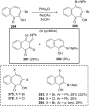
Scheme 73: Azo-coupling reactions of some halobenzotropolones 294, 375 and 378.

Figure 19: Four possible isomers of dibenzotropones 396–399.

Figure 20: Resonance structures of tribenzotropone (400).

Scheme 74: Two synthetic pathways for tribenzotropone (400).

Scheme 75: Synthesis of tribenzotropone (400) from dibenzotropone 399.

Scheme 76: Synthesis of tribenzotropone (400) from 9,10-phenanthraquinone (406).

Scheme 77: Synthesis of tribenzotropone (400) from trifluoromethyl-substituted arene 411.

Figure 21: Dibenzosuberone (414).

Figure 22: Reduction products 415 and 416 of tribenzotropone (400).

Figure 23: Structures of tribenzotropone dimethyl ketal 417 and 4-phenylfluorenone (412) and proposed intermed...

Figure 24: Structures of benzylidene- and methylene-9H-tribenzo[a,c,e][7]annulenes 419 and 420 and chiral phos...

Figure 25: Structures of tetracyclic alcohol 422, p-quinone methide 423 and cation 424.

Figure 26: Structures of host molecules 425–427.

Scheme 78: Synthesis of non-helical overcrowded derivatives syn/anti-431.

Figure 27: Hexabenzooctalene 432.

Figure 28: Structures of possible eight isomers 433–440 of naphthotropone.

Scheme 79: Synthesis of naphthotropone 437 starting from 1-phenylcycloheptene (441).

Scheme 80: Synthesis of 10-hydroxy-11H-cyclohepta[a]naphthalen-11-one (448) from diester 445.

Scheme 81: Synthesis of naphthotropone 433.

Scheme 82: Synthesis of naphthotropones 433 and 434 via cycloaddition reaction.

Scheme 83: Synthesis of naphthotropone 434 starting from 452.

Figure 29: Structures of tricarbonyl(tropone)irons 458, and possible cycloadducts 459.

Scheme 84: Synthesis of naphthotropone 436.

Scheme 85: Synthesis of precursor 465 for naphthotropone 435.

Scheme 86: Generation of naphthotropone 435 from 465.

Figure 30: Structures of tropylium cations 469 and 470.

Figure 31: Structures of tropylium ions 471+.BF4−, 472+.BF4−, and 473+.BF4−.

Scheme 87: Synthesis of tropylium ions 471+.BF4− and 479+.ClO4−.

Scheme 88: Synthesis of 1- and 2-methylanthracene (481 and 482) via carbene–carbene rearrangement.

Figure 32: Trapping products 488–490.

Scheme 89: Generation and chemistry of a naphthoannelated cycloheptatrienylidene-cycloheptatetraene intermedia...

Scheme 90: Proposed intermediates and reaction pathways for adduct 498.

Scheme 91: Exited-state intramolecular proton transfer of 505.

Figure 33: Benzoditropones 506 and 507.

Scheme 92: Synthesis of benzoditropone 506e.

Scheme 93: Synthetic approaches for dibenzotropone 507 via tropone (1).

Scheme 94: Formation mechanisms of benzoditropone 507 and 516 via 515.

Scheme 95: Synthesis of benzoditropones 525 and 526 from pyromellitic dianhydride (527).

Figure 34: Possible three benzocyclobutatropones 534–536.

Scheme 96: Synthesis of benzocyclobutatropones 534 and 539.

Scheme 97: Synthesis attempts for benzocyclobutatropone 545.

Scheme 98: Generation and trapping of symmetric benzocyclobutatropone 536.

Scheme 99: Synthesis of chloro-benzocyclobutatropone 552 and proposed mechanism of fluorenone derivatives.

Scheme 100: Synthesis of tropolone analogue 559.

Scheme 101: Synthesis of tropolones 561 and 562.

Figure 35: o/p-Tropoquinone rings (563 and 564) and benzotropoquinones (565–567).

Scheme 102: Synthesis of benzotropoquinone 566.

Scheme 103: Synthesis of benzotropoquinone 567 via a Diels–Alder reaction.

Figure 36: Products 575–577 through 1,2,3-benzotropoquinone hydrate 569.

Scheme 104: Structures 578–582 prepared from tropoquinone 567.

Figure 37: Two possible structures 583 and 584 for dibenzotropoquinone, and precursor compound 585 for 583.
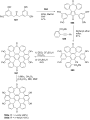
Scheme 105: Synthesis of saddle-shaped ketone 592 using dibenzotropoquinone 584.
Unusual reactions of diazocarbonyl compounds with α,β-unsaturated δ-amino esters: Rh(II)-catalyzed Wolff rearrangement and oxidative cleavage of N–H-insertion products
- Valerij A. Nikolaev,
- Jury J. Medvedev,
- Olesia S. Galkina,
- Ksenia V. Azarova and
- Christoph Schneider
Beilstein J. Org. Chem. 2016, 12, 1904–1910, doi:10.3762/bjoc.12.180
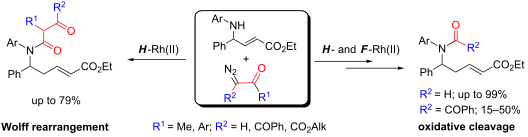
- .12.180 Abstract Rh(II)-сatalyzed reactions of aroyldiazomethanes, diazoketoesters and diazodiketones with α,β-unsaturated δ-aminoesters, in contrast to reactions of diazomalonates and other diazoesters, give rise to the Wolff rearrangement and/or oxidative cleavage of the initially formed N–H-insertion
- ; transition-metal-catalyzed reactions; Wolff rearrangement; Introduction Transition-metal-catalyzed reactions of diazocarbonyl compounds (DCC) with different organic substrates comprise a powerful tool of organic synthesis [1][2][3][4][5][6][7][8]. Of prime importance was found to be the ability of reactive
- as a consequence of the initial Wolff rearrangement of diazoketoesters 3a,b accompanied by acylation of the N–H-group of aminoester 1 with α-oxoketene formed. When passing from diazoketoesters 3a,b to dibenzoyldiazomethane 3с, the formation of N,N-disubstituted 2-oxo-2-phenylacetamide 7 was observed

Graphical Abstract

Scheme 1: Catalytic reactions of diazocarbonyl compounds with unsaturated δ-amino esters.

Figure 1: The structures of the starting compounds 1–3 and catalysts used in this study.

Scheme 2: The assumed pathway for the occurance of amides 6a–c by way of the catalytic Wolff rearrangement.

Scheme 3: The assumed mechanism for the formation of the amides 4 and 7 during oxidative cleavage of the N–H-...
The synthesis of functionalized bridged polycycles via C–H bond insertion
- Jiun-Le Shih,
- Po-An Chen and
- Jeremy A. May
Beilstein J. Org. Chem. 2016, 12, 985–999, doi:10.3762/bjoc.12.97
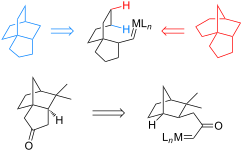
- [31]. Metal-catalyzed reactions Copper The earliest example to our knowledge of transition metal catalysis for the formation of bridged rings via C–H bond insertion was Wolff’s use of copper (Scheme 6) [32][33]. Silver was also examined as a possible catalyst, but then a Wolff rearrangement was the
- primary outcome. The major product with copper was insertion into the more electron-rich methine to give bicyclo[3.2.1]octane 29. The yields of both transannular C–H insertion products were increased relative to the Wolff rearrangement when a methyl group was present on the cyclohexyl carbon bearing the

Graphical Abstract

Figure 1: Bridged polycyclic natural products.

Figure 2: Strategic limitations.

Scheme 1: Bridged rings from N–H bond insertions.

Scheme 2: The synthesis of deoxystemodin.

Scheme 3: A model system for ingenol.

Scheme 4: Formal synthesis of platensimycin.
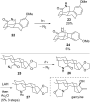
Scheme 5: The formal synthesis of gerryine.

Scheme 6: Copper-catalyzed bridged-ring synthesis.
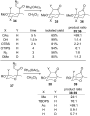
Scheme 7: Factors influencing insertion selectivity.

Scheme 8: Bridged-lactam formation.

Scheme 9: The total synthesis of (+)-codeine.

Scheme 10: A model system for irroratin.

Scheme 11: The utility of 1,6-insertion.

Scheme 12: Piperidine functionalization.

Scheme 13: Wilkinson’s catalyst for C–H bond insertion.

Scheme 14: Bridgehead insertion and the total synthesis of albene and santalene.

Scheme 15: The total synthesis of neopupukean-10-one.

Scheme 16: An approach to phomoidride B.

Scheme 17: Carbene cascade for fused bicycles.
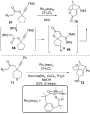
Scheme 18: Cascade formation of bridged rings.
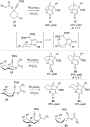
Scheme 19: Conformational effects.

Scheme 20: Hydrazone cascade reaction.

Scheme 21: Mechanistic studies.

Scheme 22: Gold carbene formation from alkynes.

Scheme 23: Au-catalyzed bridged-bicycle formation.

Scheme 24: Gold carbene/alkyne cascade.

Scheme 25: Gold carbene/alkyne cascade with C–H bond insertion.

Scheme 26: Platinum cascades.

Scheme 27: Tungsten cascade.
Azirinium ylides from α-diazoketones and 2H-azirines on the route to 2H-1,4-oxazines: three-membered ring opening vs 1,5-cyclization
- Nikolai V. Rostovskii,
- Mikhail S. Novikov,
- Alexander F. Khlebnikov,
- Galina L. Starova and
- Margarita S. Avdontseva
Beilstein J. Org. Chem. 2015, 11, 302–312, doi:10.3762/bjoc.11.35

- active electrophilic trap in the reaction mixture. 3-Diazoacetylacetone under Rh(II)-catalysis gives, along with a Rh(II) carbenoid, a highly electrophilic acetyl(methyl)ketene (12) via Wolff rearrangement (Scheme 3). The nucleophilic attack of the azirenooxazole 10j nitrogen on the ketene sp-carbon
- presence of Rh2(Oct)4 (Scheme 5). We suggested that the azirenooxazole formed from the azirine and diazo compound 2d will be trapped by ketene 12 generated from diazoacetylacetone 2c via Wolff rearrangement. The 1H NMR and TLC analysis of the reaction mixture revealed, along with oxazines 4k, 4h and adduct
- -2-ene and/or 5,7-dioxa-1-azabicyclo[4.3.1]deca-3,8-diene-2-one derivatives. This reaction sequence partly occurs, when 3-aryl-2H-azirines and 3-diazoacetylacetone, which is able to produce acetyl(methyl)ketenes via Rh(II)-catalyzed Wolff rearrangement, are used as starting materials. According to

Graphical Abstract

Scheme 1: Rh(II)-catalyzed synthesis of photochromic 2H-1,4-oxazines from 2H-azirines and α-diazo-β-ketoester...

Scheme 2: Rh(II)-catalyzed reaction of azirines 1a−g with diazo compounds 2a–c.

Figure 1: X-ray crystal structure of azadiene 3e.

Figure 2: X-ray crystal structures of compounds 6f and 7h.

Scheme 3: General scheme for the formation of compounds 4,6 and 7.

Scheme 4: Possible pathways for the formation of 6j and 7j from azirenooxazole 10j and ketene 12.

Figure 3: Energy profiles [DFT B3LYP/6-31+G(d,p), 357 K, 1,2-dichloroethane (PCM)] for the transformation of ...

Scheme 5: Rh2(Oct)4-catalyzed reaction of azirine 1g with diazo compound 2d in the presence of diazo compound ...

Scheme 6: Rh2(OAc)4-catalyzed reaction of azirine 1h with diazo compound 2c.

Figure 4: X-ray crystal structure of compound 17.

Scheme 7: Effect of the C5-substituent in the 2H-1,4-oxazine system on its photochromic activity.
Domino reactions of 2H-azirines with acylketenes from furan-2,3-diones: Competition between the formation of ortho-fused and bridged heterocyclic systems
- Alexander F. Khlebnikov,
- Mikhail S. Novikov,
- Viktoriia V. Pakalnis,
- Roman O. Iakovenko and
- Dmitry S. Yufit
Beilstein J. Org. Chem. 2014, 10, 784–793, doi:10.3762/bjoc.10.74

- application of the reaction is the nonselective mode of the Wolff rearrangement of the unsymmetrical diazo compounds. This generates a mixture of isomeric oxoketenes [27][28][29] and, as a result, a complex mixture of products is formed [22]. Moreover not all diazo compounds give oxoketenes easily [27][28][29

Graphical Abstract

Scheme 1: Reactions of furan-2,3-diones 1 and azirines 2.

Figure 1: Molecular structures of compounds 3а, 4b.

Scheme 2: The route of formation of compounds 3 and possible intermediates in route to compounds 4 and 5.

Figure 2: Energy profiles for the reactions of azirines 2a,c and acylketene 6a, as well as acylketene 6a with...

Scheme 3: Possible intermediates in routes to compounds 4 and 5.

Figure 3: Energy profiles for the reactions of dihydropyrazine 11a with acylketene 6a, as well as acylketene ...

Figure 4: Energy profiles for the reactions of azirines 2a,c with protonated azirines 14a,c. Relative free en...

Scheme 4: Isodesmic equation for evaluation of relative basicity of azirines 2c,a.

Scheme 5: Reaction of furandione 1a with azirine 2d.

Figure 5: Molecular structure of compound 17.

Scheme 6: Reaction of furandione 1d with azirine 2a.

Scheme 7: Reactions of compounds 3d and 18a with methanol.
Recent applications of the divinylcyclopropane–cycloheptadiene rearrangement in organic synthesis
- Sebastian Krüger and
- Tanja Gaich
Beilstein J. Org. Chem. 2014, 10, 163–193, doi:10.3762/bjoc.10.14
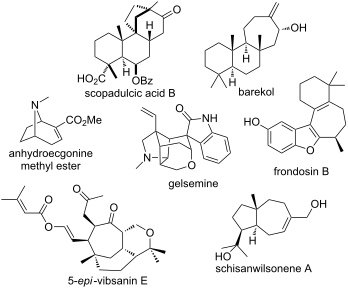
- condition. Final reduction gave core skeleton 233. DVCPR in tandem reactions The group of Stoltz [196][197] succeeded in establishing a tandem Wolff rearrangement/divinylcyclopropane rearrangement strategy [198]. Readily accessible α-diazo ketone 234 (see Scheme 28) was shown to undergo Wolff rearrangement

Graphical Abstract

Scheme 1: Vogel’s first approach towards the divinylcyclopropane rearrangement [4] and characterization of cis-d...

Scheme 2: Transition states for the Cope rearrangement and the related DVCPR. Ts = transition state.

Scheme 3: Two possible mechanisms of trans-cis isomerizations of divinylcyclopropanes.

Scheme 4: Proposed biosynthesic pathway to ectocarpene (21), an inactive degradation product of a sexual pher...

Scheme 5: Proposed biosynthesis of occidenol (25) and related natural compounds.

Scheme 6: Gaich’s bioinspired system using the DVCPR to mimick the dimethylallyltryptophan synthase. DMAPP = ...

Scheme 7: Iguchi’s total synthesis of clavubicyclone, part 1.

Scheme 8: Iguchi’s total synthesis of clavubicyclone, part 2.

Scheme 9: Wender’s syntheses of the two pseudoguainanes confertin (50) and damsinic acid (51) and Pier’s appr...
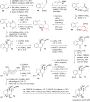
Scheme 10: Overman’s total synthesis of scopadulcic acid B.

Scheme 11: Davies’ total syntheses of tremulenolide A and tremulenediol A.

Scheme 12: Davies formal [4 + 3] cycloaddition approach towards the formal synthesis of frondosin B.

Scheme 13: Davies and Sarpongs formal [4 + 3]-cycloaddition approach towards barekoxide (106) and barekol (107...

Scheme 14: Davies formal [4 + 3]-cycloaddition approach to 5-epi-vibsanin E (115) containing an intermediate c...

Scheme 15: Echavarren’s total synthesis of schisanwilsonene A (126) featuring an impressive gold-catalzed casc...

Scheme 16: Davies early example of a formal [4 + 3]-cycloaddition in alkaloids synthesis.

Scheme 17: Fukuyama’s total synthesis of gelsemine, part 1.

Scheme 18: Fukuyama’s total synthesis of gelsemine, featuring a divinylcyclopropane rearrangement, part 2.

Scheme 19: Kende’s total synthesis of isostemofoline, using a formal [4 + 3]-cycloaddition, including an inter...

Scheme 20: Danishefsky’s total synthesis of gelsemine, part 1.

Scheme 21: Danishefsky’s total synthesis of gelsemine, part 2.

Scheme 22: Fukuyama’s total synthesis of gelsemoxonine.

Scheme 23: Wender’s synthetic access to the core skeleton of tiglianes, daphnanes and ingenanes.

Scheme 24: Davies’ approach towards the core skeleton of CP-263,114 (212).

Scheme 25: Wood’s approach towards actinophyllic acid.

Scheme 26: Takeda’s approach towards the skeleton of the cyanthins, utilitizing the divinylcyclopropane rearra...

Scheme 27: Donaldson’s organoiron route towards the guianolide skeleton.

Scheme 28: Stoltz’s tandem Wolff/DVCPR rearrangement.

Scheme 29: Stephenson’s tandem photocatalysis/arylvinylcyclopropane rearrangement.

Scheme 30: Padwa’s rhodium cascade involving a DVCPR.

Scheme 31: Matsubara’s version of a DVCPR.

Scheme 32: Toste’s tandem gold-catalyzed Claisen-rearrangement/DVCPR.

Scheme 33: Ruthenium- and gold-catalyzed versions of tandem reactions involving a DVCPR.

Scheme 34: Tungsten, platinum and gold catalysed cycloisomerizations leading to a DVCPR.

Scheme 35: Reisman’s total synthesis of salvileucalin B, featuring an (undesired) vinylcyclopropyl carbaldehyd...

Scheme 36: Studies on the divinylepoxide rearrangement.

Scheme 37: Studies on the vinylcyclopropanecarbonyl rearrangement.

Scheme 38: Nitrogen-substituted variants of the divinylcyclopropane rearrangement.
Less reactive dipoles of diazodicarbonyl compounds in reaction with cycloaliphatic thioketones – First evidence for the 1,3-oxathiole–thiocarbonyl ylide interconversion
- Valerij A. Nikolaev,
- Alexey V. Ivanov,
- Ludmila L. Rodina and
- Grzegorz Mlostoń
Beilstein J. Org. Chem. 2013, 9, 2751–2761, doi:10.3762/bjoc.9.309

- . The formation of 1,3-oxathiinone 4b (in addition to 1,3-oxathiole 3b) in the reaction of diazo compound 2b with thioketone 1a at 80 °С is evidently caused by partial thermal decomposition and a Wolff rearrangement of diazodiketone 2b which gives rise to 2-oxoketene 12b [7][8][19][26]. The latter
- corresponding 1,3-oxathiole. Upon increasing the reaction temperature, the rate of the [2 + 3]-cycloaddition of the diazodicarbonyl compounds notably increases, but in the case of diazodiketone 2b simultaneous thermolysis followed by the Wolff rearrangement occurs. The in situ formed 2-oxoketene reacts as a

Graphical Abstract

Figure 1: Thioketones 1 and diazodicarbonyl compounds 2.
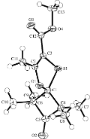
Figure 2: ORTEP plot [17] of the molecular structure of the 1,3-oxathiole 3a (50% probability ellipsoids; arbitra...

Scheme 1: Reaction of diazocarbonyl compounds 2a,c,e with adamantane-2-thione (1b).

Scheme 2: Three possible pathways A, B and C for the formation of 1,3-oxathioles 3,7 and thiiranes 5 and 8 fr...

Scheme 3: Two competitive transformations of dibenzoyldiazomethane (2b) at 80 °С leading to 3b and 4b.

Scheme 4: Interconversion of 1,3-oxathiole 3e and C=S ylide 6e’ accompanied by 1,3-electrocyclization and des...

Figure 3: Energy profile for the transformation of 1,3-oxathiole 3e to alkene 5e. Relative free energies (kca...
Total synthesis of (−)-epimyrtine by a gold-catalyzed hydroamination approach
- Thi Thanh Huyen Trinh,
- Khanh Hung Nguyen,
- Patricia de Aguiar Amaral and
- Nicolas Gouault
Beilstein J. Org. Chem. 2013, 9, 2042–2047, doi:10.3762/bjoc.9.242
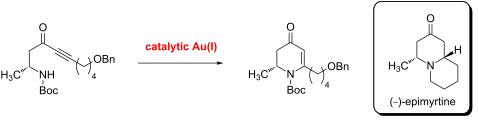
- of the β-aminoynone 2 began with the Arndt–Eistert homologation [23] of N-Boc-protected D-alanine (Scheme 3). Thus, the N-Boc-D-alanine was treated with isobutyl chloroformate at 0 °C in THF/diethyl ether followed by the addition of diazomethane to afford the corresponding diazoketone. The Wolff
- rearrangement was then carried out by using silver nitrate in THF to give the intermediate ketene which was trapped with N,O-dimethylhydroxylamine to provide the corresponding Weinreb amide 1 in 84% yield over two steps. In the next step, the Weinreb amide 1 was added to a solution of O-protected 1-hexynol

Graphical Abstract

Scheme 1: Previously reported approach from β-aminoynones for the synthesis of pyridones.

Scheme 2: Retrosynthetic analysis of (−)-epimyrtine.

Scheme 3: Synthesis of (−)-epimyrtine.
Flow photochemistry: Old light through new windows
- Jonathan P. Knowles,
- Luke D. Elliott and
- Kevin I. Booker-Milburn
Beilstein J. Org. Chem. 2012, 8, 2025–2052, doi:10.3762/bjoc.8.229

Graphical Abstract

Figure 1: An immersion-well batch reactor with 125 W medium pressure Hg lamp.

Figure 2: Transmission profile of a 0.05 M solution, ε = 200 M−1 cm−1.

Figure 3: Schematic of a typical microflow photochemical reactor (above) and detail of a triple-channel micro...

Figure 4: Schematic of a typical macroflow photochemical reactor (above) and images of the FEP photochemical ...

Scheme 1: [2 + 2] photocycloadditions of enones with enol derivatives.

Scheme 2: Competing reactions in an intramolecular [2 + 2] photocycloaddition.

Scheme 3: Diastereocontrolled cycloaddition of a cyclic enone with cyclopentene.

Scheme 4: Comparison of yields and reaction times for a batch reactor with a microflow system.

Scheme 5: Intramolecular [2 + 2] photocycloaddition.

Scheme 6: Paterno–Büchi reaction of benzophenone with an allylic alcohol.

Scheme 7: Photooxygenation of cyclopentadiene.

Scheme 8: Preparation of the anthelmintic ascaridole 23.

Scheme 9: Production of rose oxide 27 from (−)-β-citronellol (24).

Scheme 10: Photocatalytic alkylation of benzylamine.

Scheme 11: Photocatalytic reduction of 4-nitroacetophenone.

Scheme 12: Conversion of L-lysine to L-pipecolinic acid.

Scheme 13: Photocatalytic hydrodehalogenation.

Scheme 14: Photocatalytic aza-Henry reactions.

Scheme 15: Photocatalytic α-alkylation of aliphatic ketones.

Scheme 16: Decarboxylative photochemical additions.

Scheme 17: Photochemical addition of isopropanol to furanones.

Scheme 18: Photochemical addition of methanol to limonene.

Scheme 19: Light-promoted reduction of flavone.

Scheme 20: Photoreduction of benzophenone with benzhydrol.

Scheme 21: Barton reaction in a microflow system.

Scheme 22: Microflow synthesis of vitamin D3.

Scheme 23: photochemical chlorination of cyclohexane.

Scheme 24: photochemical cyanation of pyrene.

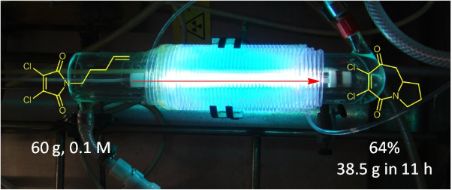
Scheme 25: Intermolecular [2 + 2] cycloaddition of maleimide (76) and intramolecular [2 + 2] cycloaddition of ...

Scheme 26: Intramolecular [5 + 2] cycloaddition of maleimide under flow conditions.

Scheme 27: Intramolecular [5 + 2] cycloaddition as a key step in the synthesis of (±)-neostenine.

Scheme 28: In situ generation of a thioaldehyde by photolysis of a phenacyl sulfide.

Scheme 29: Photodimerisation of maleic anhydride.

Scheme 30: [2 + 2] cycloaddition of a chiral enone with ethylene.

Scheme 31: Intramolecular [2 + 2] cycloaddition of a cyclopentenone.

Scheme 32: Photochemical Wolff rearrangement and cyclisation to β-lactams.

Scheme 33: Photochemical rearrangement of aryl azides.

Scheme 34: Rearrangement of quinoline N-oxides to quinolones.

Scheme 35: Photochemical rearrangement of cyclobutenones.

Scheme 36: Photoisomerisation en route to a vitamin-D derivative.

Scheme 37: Schematic of the Seeberger photooxygenation apparatus and sensitised photooxygenation of citronello...

Scheme 38: Sensitised photooxygenation of dihydroartemisinic acid.

Scheme 39: Photochemical preparation of CpRu(MeCN)3PF6.

Scheme 40: In situ photochemical generation and reaction of a [CpRu]+ catalyst.

Scheme 41: Intermolecular alkene–alkyne coupling with photogenerated catalyst.

Scheme 42: PET deoxygenation of nucleosides.

Scheme 43: Photochemical defluorination of DABFT.

Scheme 44: Aromatic azide reduction by visible-light-mediated photocatalysis.

Scheme 45: Examples of visible-light-mediated reactions.

Scheme 46: Visible-light-mediated formation of iminium ions.

Scheme 47: Examples of visible-light-mediated photocatalytic reactions.

Scheme 48: Anhydride formation from a visible-light-mediated process.

Scheme 49: Light-mediated conjugate addition of glycosyl bromide 141 to acrolein.

Scheme 50: Visible-light-mediated photocyclisation to [5]helicene.
Synthesis of trifunctional cyclo-β-tripeptide templates
- Frank Stein,
- Tahir Mehmood,
- Tilman Plass,
- Javid H. Zaidi and
- Ulf Diederichsen
Beilstein J. Org. Chem. 2012, 8, 1576–1583, doi:10.3762/bjoc.8.180

- prepared from the respective β-amino acids by Arndt–Eistert homologation [17][18][19]. The β-amino acids were transformed into the respective diazoketones with isobutyl chloroformate, triethylamine and diazomethane. The ketones were further converted into the β-amino acids by Wolff rearrangement using
- intermolecular stack of rings by backbone hydrogen bonding. β-Amino acids 1–3 with orthogonal side-chain protection obtained by Arndt–Eistert homologation followed by Wolff rearrangement; cyclo-β-tripeptide template 4 as obtained by coupling of amino acids 1–3 followed by cyclization. Functional units provided

Graphical Abstract

Figure 1: Trifunctional cyclic β-tripeptide forming an intermolecular stack of rings by backbone hydrogen bon...

Figure 2: β-Amino acids 1–3 with orthogonal side-chain protection obtained by Arndt–Eistert homologation foll...

Scheme 1: Synthesis of cyclic peptides employing the oxidation-labile aryl hydrazide linker [11,24].

Figure 3: Functional units provided as carboxylic acids for the attachment to the cyclo-β-peptide: 5(6)-tetra...

Scheme 2: Functionalization of the cyclic β-tripeptide 4.

Figure 4: Cyclic β-tripeptides varying in two side-chain functionalities and containing an additional azide m...
Synthesis of glycosylated β3-homo-threonine conjugates for mucin-like glycopeptide antigen analogues
- Florian Karch and
- Anja Hoffmann-Röder
Beilstein J. Org. Chem. 2010, 6, No. 47, doi:10.3762/bjoc.6.47
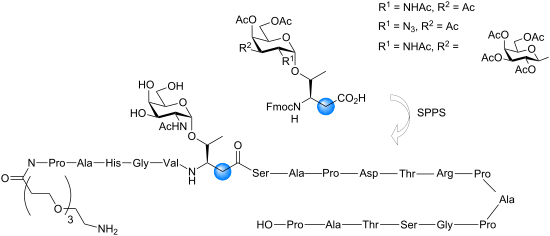
- ). Without further purification, the latter was subjected to a silver-promoted Wolff-rearrangement, again using NMM as the base, providing the spectroscopically pure TN antigen analogue Fmoc-β3hThr(αAc3GalNAc)-OH (2a) in 60% yield over two steps after aqueous work-up. Compound 2a was also accessible from a
- . The organic layer was dried over Na2SO4, filtered, and the solvents were removed under reduced pressure. The resulting diazo ketones were used without further purification. General procedure (GP2) for the Wolff-rearrangement: The diazo ketone (1 equiv) was dissolved in a mixture of THF/H2O (9:1) and

Graphical Abstract

Figure 1: Structures of the naturally occurring TN and TF antigens and the targeted Fmoc-β3hThr analogues.

Scheme 1: Synthesis of Fmoc-β3hThr antigen conjugates by Arndt–Eistert homologation.

Scheme 2: Solid-phase synthesis of the tumour-associated MUC1 α/β-hybrid glycopeptide analogue 8 carrying the...
Synthesis of highly substituted allenylsilanes by alkylidenation of silylketenes
- Stephen P. Marsden and
- Pascal C. Ducept
Beilstein J. Org. Chem. 2005, 1, No. 5, doi:10.1186/1860-5397-1-5
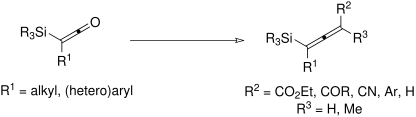
- functional group tolerant approach to substituted silylketenes based upon a rhodium-mediated formal Wolff rearrangement of silylated diazoketones.[23] Related photolytic approaches also hold some promise.[24][25][26][27] These methods allow access for the first time to a wide range of substituted

Graphical Abstract

Figure 1: Alkylidenation approach to the synthesis of allenylsilanes.

Scheme 1: Synthesis of substituted silylketenes 1

Scheme 2: Reaction of substituted silylketenes with ester-stabilised phosphoranes

Scheme 3: Reaction of silylketenes with various ylides

Scheme 4: Methylenation of silylketene 1b with the Lombardo reagent

Scheme 5: Methylenation of silylketenes with the Petasis reagent



