


Search results
Search for "derivatives" in Full Text gives 2843 result(s) in Beilstein Journal of Organic Chemistry. Showing first 200.
Triazole-based hybrid molecules in anticancer drug discovery: structural classes and mechanistic insights, 2014–2025
Beilstein J. Org. Chem. 2026, 22, 1168–1195, doi:10.3762/bjoc.22.94
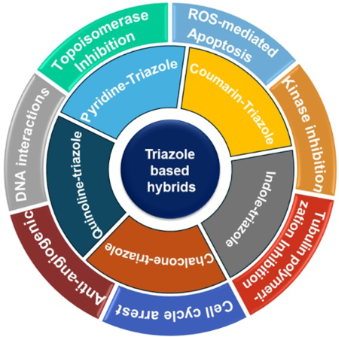
- (Figure 4) which have demonstrated efficacy across diverse cancer cell lines such as lung, prostate, colon, and breast. Though cefatrizine (10) showed no clinical development yet, 1,2,3-triazole-dithiocarbamate derivatives continue to be intriguing preclinical anticancer leads; nevertheless, no molecule
- towards metastatic kidney cancers was also explored. A random phase III trial was additionally undertaken to determine the effectiveness of the same triazole in managing people who have stage III or stage IV non-small cell lung cancer [28][29]. Similarly, 1,2,4-triazole derivatives also exhibit
- therapies. Coumarin–triazole hybrids Although coumarin and 1,2,3-triazole derivatives individually demonstrated significant anticancer behavior, lead researchers have extensively explored hybrid compounds combining these pharmacophores for an enhanced and broader spectrum of action [45][46]. In recent years






The surprising reaction of (chloro- and methanesulfonyloxy)(phenyl)methylphosphonates and –(phenyl)methylphosphine oxides with potassium diphenylphosphide followed by oxidation
Beilstein J. Org. Chem. 2026, 22, 1160–1167, doi:10.3762/bjoc.22.93
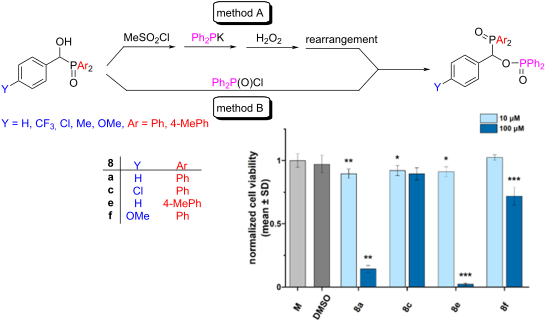
- P-phenyl rings. Keywords: hydroxyphosphonate derivatives; phosphinylation; potassium diphenylphosphide; rearrangement; reversibility; Introduction α-Hydroxyphosphonates and α-hydroxyphosphine oxides represent a prominent class of compounds due to three reasons [1]. Their synthesis by the Pudovik
- , the α-hydroxyphosphonates and their derivatives may be of real or potential biological activity [10][11][12][13][14][15][16]. As regards the reactions of α-hydroxyphosphonates, the Keglevich group found that under microwave (MW) conditions, due to the beneficial effect of the adjacent P=O group, the
- with alcohols to provide the α-alkoxy derivatives [8]. Surprisingly, the sulfonyloxyphosphonates could also be involved in the Michaelis–Arbuzov reaction with trivalent P-esters to furnish bisphosphonic derivatives [8][9]. Hydroxymethylene-bisphosphonates form a special group within α


A cascade synthesis of 2-aminothiochromones from 2-fluorophenyl ketone and thiocarbonyldiimidazole
Beilstein J. Org. Chem. 2026, 22, 1151–1159, doi:10.3762/bjoc.22.92
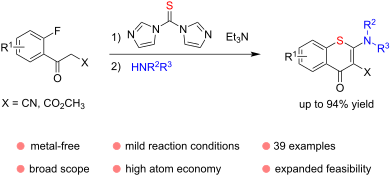
- agents [10]. Furthermore, oxidation of the sulfur atom in thiochromones yields sulfoxide or sulfone derivatives that also possess diverse biological activities [4]. Beyond pharmaceutical applications, thiochromones have also been widely used in materials science. For instance, they can serve as
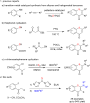
- cyclization of thiophenol derivatives. The transition-metal-catalyzed carbonylation reaction of aryl halides represents an attractive strategy for thiochromone synthesis due to its atom economy and straightforward construction of the essential carbonyl-containing framework [15][16][17][18]. Among these
- thiophenol derivatives (Scheme 1b). A classic example is the condensation of substituted thiophenols with β-keto esters in the presence of polyphosphoric acid [22]. A gentle route was developed by Simon, which involved the reaction of thiosalicylic acids with 2-substituted N,N-dialkylacetamides in the



Construction of CF2 moieties in FDA-approved drugs (2016–2025): industrial routes, mechanisms, and scale-up considerations
Beilstein J. Org. Chem. 2026, 22, 1122–1150, doi:10.3762/bjoc.22.91
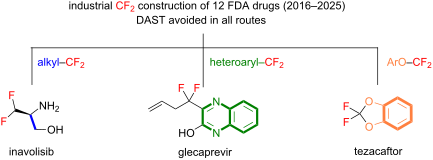
- during clinical and commercial manufacturing phases. The term "CF2" structural unit discussed in this review broadly refers to fragments in drug molecules containing a gem-difluoromethylene group (–CF2–) or a difluoromethyl group (–CF2H), as well as derivatives such as –CF2Cl. In addition, molecules






Discovery of sugarnitriles A and B, and structural reassignment of SF-2140, from a sugarcane endophytic actinomycete Amycolatopsis sp. JS-O27
Beilstein J. Org. Chem. 2026, 22, 1114–1121, doi:10.3762/bjoc.22.90
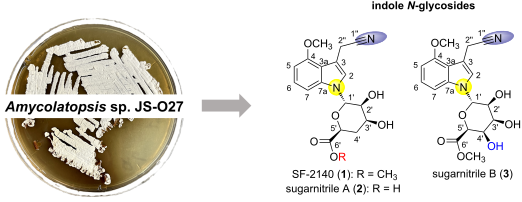
- Qiuyun Li Ying Liu Baoyue Wei Yu Sun Di Mao Yanmin Zou Shan Lu School of Pharmacy, Jiangsu University, 301 Xuefu Road, Zhenjiang 212013, China 10.3762/bjoc.22.90 Abstract Three rare cyano-substituted indole N-glycosides, SF-2140 (1) and its two previously undescribed derivatives, sugarnitriles A
- significantly hindered the discovery and structure assignment of its derivatives. In our ongoing investigation of bioactive natural products from the endophyte library [29][30][31][32][33], three cyano-substituted indole N-glycosides, SF-2140 (1) and its two previously undescribed derivatives, sugarnitriles A
- antibacterial activity (Figure 4). Conclusion In conclusion, this study carried out the complete NMR assignment of SF-2140 (1) and identified two new derivatives, sugarnitriles A (2) and B (3), expanding the structural diversity of indole N-glycosides. The full NMR assignment of these compounds provides a basis


Rhodopyran, a carboxylated hexahydrocyclopenta[b]pyran from Rhodococcus
Beilstein J. Org. Chem. 2026, 22, 1107–1113, doi:10.3762/bjoc.22.89
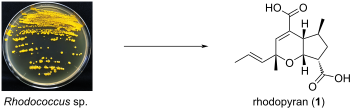
- substitution pattern. These differences suggest that the diospentenols should be regarded as structural comparators rather than biosynthetic analogues of 1. Moreover, the few reported examples differ substantially from compound 1 in that they are more highly oxidized (e.g., ketone-containing derivatives) and


Synthesis and acaricidal activity against Varroa destructor of α- and γ-costic acid dimers
Beilstein J. Org. Chem. 2026, 22, 1088–1096, doi:10.3762/bjoc.22.87
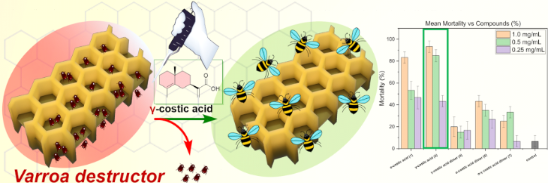
- the costic acid derivatives, comprising the two monomers 1, 3, and the three dimers 4, 6, 7, was evaluated in vitro against V. destructor at three concentrations (0.25, 0.5 and 1.0 mg/mL) (Table 1 and Figure 2). The efficacy of the compounds was determined based on the mortality observed after 24
- affect mortality. These results show that the acaricidal activity of costic acid derivatives is highly structure-specific and dose-dependent, with γ-costic acid (3), the acaricidal activity of which was never reported before, emerging as the most promising candidate for the development of effective and
- environmentally friendly strategies for the control of V. destructor. To highlight the potential of the costic acid derivatives in V. destructor control, their activity has been also compared with that reported in the literature for compound 2 and for widely employed natural acaricides as formic acid (8) and


Amino acid-based surfactants: sustainable synthesis and antimicrobial mechanisms
Beilstein J. Org. Chem. 2026, 22, 1067–1085, doi:10.3762/bjoc.22.85
- moderate to high yields, whereas direct alkylation requires strict stoichiometric and reaction control to minimize overalkylation and side reactions [13]. In addition, double-chain derivatives (e.g., LANHCn) are commonly obtained via aminolysis of methyl esters with long-chain amines under thermal
- production, while arginine- and lysine-based cationic derivatives remain promising for advanced biomedical uses. Additionally, small variations in the structure of the surfactant, can be a strategy to improve the use of these compounds [39]. This aspect has been demonstrated in studies of compounds such as
- derivatives (Table 1, entries 7–10) also display potent activity against Gram-positive bacteria. The 88R homologue (Table 1, entry 7) shows the lowest MIC values (4–64 μg/mL) [55], whereas 1414RAc (Table 1, entry 10) exhibits a broader MIC range (8–256 μg/mL) but with substantially lower CMC values (0.002


Synthesis of functionalized, 13-alkyl-substituted coralyne derivatives and investigation of their interactions with duplex and abasic site-containing DNA
Beilstein J. Org. Chem. 2026, 22, 1057–1066, doi:10.3762/bjoc.22.84
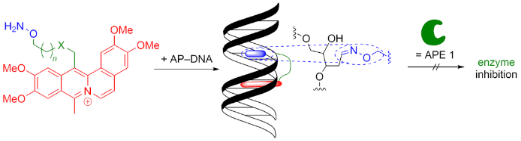
- with a more efficient preliminary DNA binding of the ligand before covalent connection. Herein, we report on our general attempts to synthesize coralyne derivatives with additional substituents in position 13 as well as exemplary studies of their ability for DNA binding and enzyme inhibition. Results
- The synthesis of the coralyne derivatives started with papaverine (3a), as it is a readily available starting material and its transformation to coralyne (2a) is an established and reliable synthetic route [41][42][43]. Moreover, the alkylation of the benzylic position of papaverine (3a) is well
- described [44]. Hence, papaverine (3a) was deprotonated in the benzylic position by the reaction with n-BuLi, and the resulting anion was treated with 1,5-dibromopentane or ethyl 4-iodobutanoate [45] to give the alkylated papaverine derivatives 3b and 3c in 67% and 79% yield, respectively (Scheme 2


One-pot four-component sequential synthesis of S-alkyl dithiocarbamates using lipase as a biocatalyst
Beilstein J. Org. Chem. 2026, 22, 1048–1056, doi:10.3762/bjoc.22.83
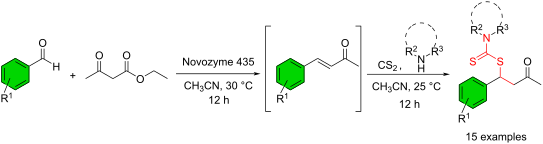
- nucleophilic addition reaction with dithiocarbamate anions, which are generated in situ by reacting CS2 with amines. This sequence successfully yields 15 derivatives of S-alkylated dithiocarbamates with high to excellent yields ranging from 69% to 96%. Keywords: biocatalysis; dithiocarbamate; four-component
- a four-component reaction with benzaldehyde derivatives, aryl methyl ketones, amines, and carbon disulfide to form S-alkyl dithiocarbamates. However, when acetone was used as the fourth component in this reaction, no dithiocarbamate product was formed, and instead, benzylidene acetone was identified
- formed from an amine and carbon disulfide, without isolation of intermediates. Under mild reaction conditions, 15 derivatives were obtained in good to excellent yields. Beyond the preparation of the target compounds, this study highlights the potential of lipase catalytic promiscuity in sequential


Synthesis of novel 1,2,4-oxadiazole-isoxazoline hybrids and their in silico potential with adenosine receptors
Beilstein J. Org. Chem. 2026, 22, 1033–1047, doi:10.3762/bjoc.22.82
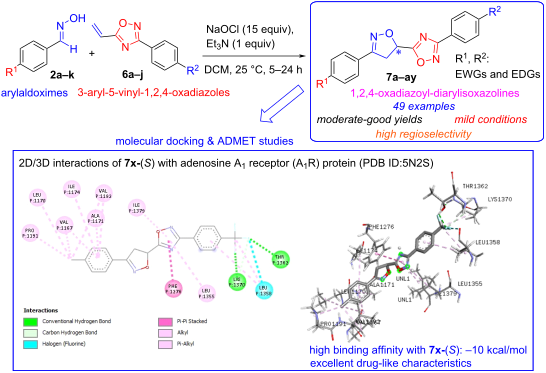
- –97%) and fully characterized by IR, NMR, and HRMS analyses. The reactions exhibited high regioselectivity, exclusively affording 5-isoxazoline derivatives, while substituent effects played a decisive role in modulating reaction efficiency. In silico studies revealed that all hybrids 7a–ay display
- amide functional groups [1][2][3][4][5]. 1,2,4-Oxadiazole derivatives interact with various receptors as agonists or antagonists, demonstrating a wide spectrum of biological activities including anti-inflammatory, anticancer, antidepressant, anti-HIV, antifungal, and anticonvulsant properties [6][7][8
- , such as sulfisoxazole, oxacillin, and acivicin, have been clinically utilized for many years [21][22][23][24][25][26][27][28] (Figure 1). The synthesis of 1,2,4-oxadiazole derivatives can be achieved through various efficient methods, such as the cyclocondensation of amidoximes with carbonyl compounds


Semisynthesis, characterisation, and antibacterial evaluation of a novel lecanoric acid-derived amide library
Beilstein J. Org. Chem. 2026, 22, 1023–1032, doi:10.3762/bjoc.22.81
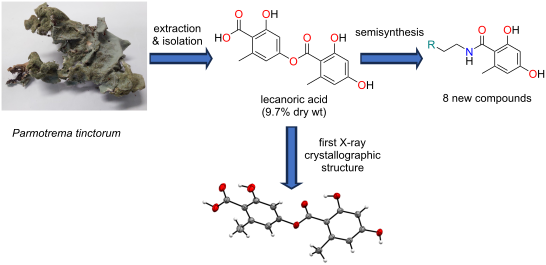
- metabolites that included divaricatic acid (2), orcinol (3), orsellinic acid (4), and methyl orsellinate (5). Parallel solution-phase synthesis using amidation chemistry on the abundant scaffold 1 afforded a series of novel amide derivatives 6–13 in high purity (>95%) and low to moderate yields (12–53%). All
- products and their semisynthetic derivatives. Owing to the Davis group’s ongoing interest in the semisynthesis of unique and rare biodiscovery screening libraries based on Australian natural products [10][11][12][13][14], a locally collected lichen, Parmotrema tinctorum, was selected for chemical
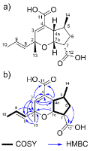
- the aromatic moiety was established through HMBC and ROESY correlations. Key COSY, HMBC, and ROESY correlations are shown below in Figure 4. Owing to the Davis group’s interest in discovering new natural products or derivatives with antibacterial properties, all compounds 1–13 were assessed via a


Synthesis and optical resolution of 4,5-diaminohomoadamantane: a promising scaffold for chiral ligands and bioactive compounds
Beilstein J. Org. Chem. 2026, 22, 1013–1022, doi:10.3762/bjoc.22.80
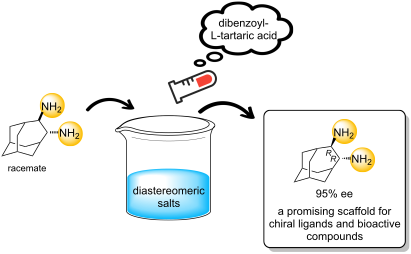
- CAM-B3LYP functional and the 6-311G++(2d,2p) basis set with solvation by CH2Cl2 in the SMD model on the base of conformational analysis. Catalytic systems based on (4R,5R)-4,5-diaminohomoadamantane derivatives exhibited low to moderate asymmetric induction in Henry and Michael reactions. These results
- , a few examples of homoadamantane derivatives showing pronounced biological activity are known. More than 40 homoadamantane polyprenylated acylphloroglucinols have been isolated from Hypericum plants [54][55][56]. Among them, hyperacmosins A and B showed a protective effect in paracetamol-induced


Z-Selective semihydrogenation of alkynes via Ni/Lewis acid synergistic catalyzed system using DMF as hydrogen source and solvent
Beilstein J. Org. Chem. 2026, 22, 1004–1012, doi:10.3762/bjoc.22.79
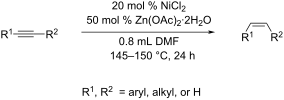
- and nickel catalysts further suggests its potential as a combined solvent and hydrogen donor in a synergistic catalytic manifold [43][44]. Related amide derivatives, such as formamide, have also been employed as safe cyanide sources or hydrogen-donor precursors, offering useful precedents for their
- -withdrawing groups (trifluoromethyl 2f; halogens 2g–o), and even an amide moiety (2p) were smoothly converted to the corresponding (Z)-stilbene derivatives in good to excellent yields (70–95%), with uniformly high stereoselectivity (Z/E = 97:3 to >99:1). The reaction demonstrated excellent functional group
- mol % Zn(OAc)2·2H2O, DMF, 150 °C, 24 h), substrates bearing methyl (4b), methoxy (4c), and halogen (F for 4d, Cl for 4e, Br for 4f) substituents were smoothly converted to the corresponding styrene derivatives in 64–68% yields. Both electron-donating groups (methyl, methoxy) and halogen functional



Rh(III)-catalyzed chelation-assisted C–H activation/annulation of 2-arylimidazolines with cyclic diazo-1,3-dicarbonyl compounds: a novel approach to tetracyclic annulated derivatives of 2,3-dihydroimidazo[2,1-a]isoquinoline
Beilstein J. Org. Chem. 2026, 22, 997–1003, doi:10.3762/bjoc.22.78
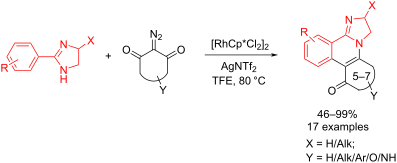
- for the creation of more potent medications and the hunt for novel biologically active compounds. One important group of these are imidazoline derivatives since they are well known as pharmacophores [1] for adrenergic and imidazoline receptors. Imidazolines have found utility in the development of
- synthesizing imidazolines [7][8], but access to their annulated derivatives is still very limited despite many promising results on their bioactivity. For example, several derivatives of 5-aryl-2,3-dihydroimidazo[2,1-a]isoquinolines (Figure 1, 1) have demonstrated antitumor [9][10][11], anti-inflammatory, and
- immunosuppressive activity. The latter was used to develop antiasthmatic, pulmonary, and anti-allergy agents acting as platelet-activating factor receptor (PAF-R) antagonists [12][13]. Derivatives with X = H were accessed only via lithiation of 2-(o-tolyl)imidazolines followed by condensation with aromatic esters


Novel macrocycles: from synthesis to supramolecular function
Beilstein J. Org. Chem. 2026, 22, 982–985, doi:10.3762/bjoc.22.76
- application potential of macrocyclic chemistry, their further development relies on access to versatile and selectively functionalizable scaffolds. In this context, Vatsouro and co-workers [40] report efficient methodologies for accessing heteromultifunctional calix[4]arene derivatives. Through carefully
- derivatives that assemble into homo- and heterodimeric supramolecular capsules. This work establishes adaptable synthetic platforms for the preparation of increasingly complex supramolecular architectures. The development of such multifunctional systems can also help address major environmental challenges
Electrochemical reduction of unsaturated carbon–carbon bonds via 3d transition-metal catalysis
Beilstein J. Org. Chem. 2026, 22, 955–981, doi:10.3762/bjoc.22.75
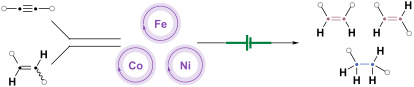
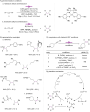
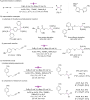
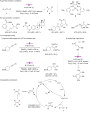
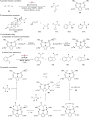
- , and the successful late-stage electrohydrogenative functionalization of structurally complex molecules and drug derivatives further underscored the practical applicability of this strategy in medicinal chemistry contexts. To probe the involvement of catalytically relevant Fe–H species, radical probe
- exhibits a broad substrate scope, high efficiency, excellent functional-group tolerance, and consistently high levels of deuterium incorporation (Scheme 5Bi) [100][101]. Notably, the transformation proceeds efficiently with derivatives of biologically active molecules, such as serine and niflumic acid
- , the desired succinic acid derivatives were obtained. Importantly, this efficient conversion was observed only in the presence of the mediator; in its absence, product yields were markedly diminished and substantial amounts of starting material remained unreacted. According to the proposed mechanism








Synthesis of sterically shielded piperidine nitroxides via acid-catalyzed heterocyclization of β-aminoketone derivatives with ketones
Beilstein J. Org. Chem. 2026, 22, 948–954, doi:10.3762/bjoc.22.74
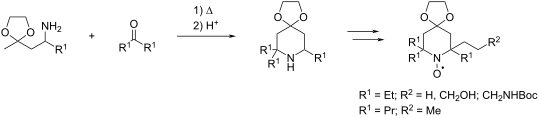
- -tetraethylpiperidine (TEEPONE). Keywords: heterocyclization; piperidine nitroxide; TEEPONE synthesis; Introduction Since their discovery in 1959 by Lebedev and Kazarnovsky, stable nitroxides of the piperidine series (2,2,6,6-tetramethylpiperidine-1-oxyl (TEMPO) derivatives) hold a prominent position as compounds of
- radicals are based on approaches employing either the tetraethyl analog of phorone or acetonine [11][15][17][18] or the desulfurization of dispirothiapyranone derivatives [19][20][21][22]. Consequently, the structural diversity of radicals bearing acyclic substituents is practically limited to derivatives
- nitroxides 7a–d in 50–80% overall yield from piperidines 5a,b (Scheme 3). The structures of nitroxides 7a–d were confirmed by 1H NMR spectroscopy of their amine derivatives, obtained via Zn/CF3COOH reduction in CD3OD, following a reported procedure [37]. The full line-shape analysis of the 1H NMR spectra for


Recent advances in copper-catalyzed direct hydroamination of alkenes with (hetero)aromatic amines
Beilstein J. Org. Chem. 2026, 22, 925–947, doi:10.3762/bjoc.22.73
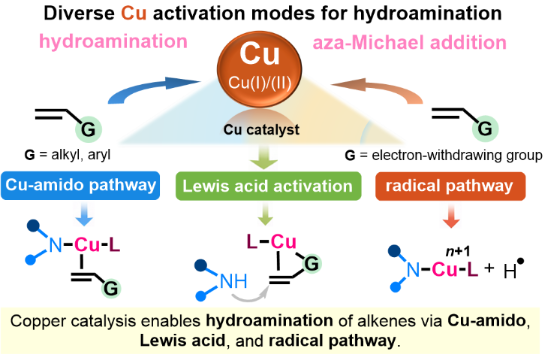
- -Michael addition [13][14][15][16][17][18]. In such cases, the reaction provides direct access to β-amino carbonyl derivatives and related motifs that serve as versatile intermediates in synthetic and medicinal chemistry. Despite its conceptual simplicity, catalytic hydroamination remains challenging. This
- using an inexpensive CuCl catalyst in combination with electron-donating phosphine ligands (L1, L2) or NHC salts (L3, L4) and KOt-Bu [37]. Various aromatic amines and heteroaromatic N–H nucleophiles reacted efficiently with electron-deficient alkenes 2, such as vinyl sulfones, acrylonitrile derivatives
- significantly affecting the reaction efficiency. In addition to simple anilines, diverse heteroaromatic amines including indole, pyrrole, triazole, carbazole, and imidazole derivatives participated effectively in the copper-catalyzed conjugate addition, providing the corresponding β-amino products 3 in high







A practical CO2-mediated synthesis of 5,6-carboxylated silicon-rhodamines for targeted probe development
Beilstein J. Org. Chem. 2026, 22, 915–924, doi:10.3762/bjoc.22.72
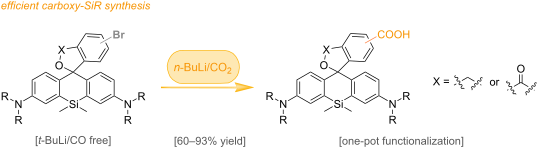
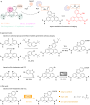
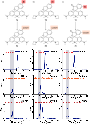
- challenging synthesis of 5,6-carboxylated SiR derivatives, which are essential intermediates for bioconjugation. Here, we report a practical CO2-mediated strategy for the synthesis of 5,6-carboxylated SiRs from brominated SiR precursors via lithium–halogen exchange and direct carboxylation. Using n-BuLi and
- readily available CO2, this method delivers carboxylated SiR derivatives in 60–93% yields while avoiding the use of t-BuLi, toxic CO, and expensive palladium catalysts. In addition, the crude carboxylation mixtures can be directly subjected to amide coupling without chromatographic purification, enabling
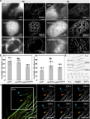
- makes SiRs highly attractive as fluorogenic probes for precise super-resolution imaging by enabling target-specific recognition and significantly improving signal-to-noise ratio (SNR). In addition, hydroxymethyl-substituted SiR derivatives, including HMSiR [30][31] and Aze-HMSiR [32][33][34], can



Palladium-catalyzed benzocyclization reactions of quinoline-2-carboxamides via sequential C–H/N–H functionalization
Beilstein J. Org. Chem. 2026, 22, 905–914, doi:10.3762/bjoc.22.71
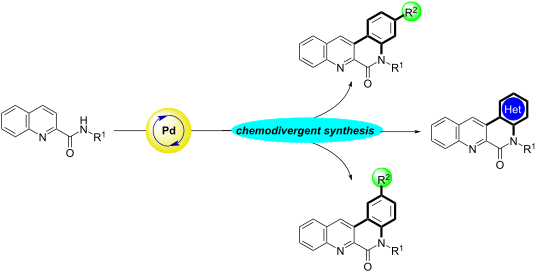
- intriguing moiety in biologically active compounds (e.g., natural products used for medicines, quinine, and quinidine [5][6][7]) and synthesized pharmaceutical agents (e.g., quinolone antibiotics [8]). Moreover, quinoline-2-carboxamide derivatives are used as ligands in organic synthesis owing to their high
- preparation of annulation precursors through o-brominated aniline derivatives [36][37][38][39][40][41]. Furthermore, the reported methodologies for synthesizing N-heterocycle-fused lactams are characterized by either low efficiency or protracted processes [42][43]. On the other hand, benzocyclization




Cascade transformation of 2-(diazoacetyl)-2H-azirines to 2-aroyl-3-hydroxy-1H-pyrroles via condensation with aromatic aldehydes
Beilstein J. Org. Chem. 2026, 22, 897–904, doi:10.3762/bjoc.22.70
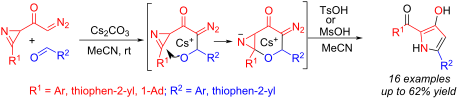
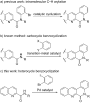
- (Scheme 6). However, attempts to cyclize them using the benzoyl group to form 4H-furo[3,2-b]pyrrole derivatives were unsuccessful. Triflate 7a is obtained from pyrrole 5a by treatment with Tf2O in 85% yield, but it proved inert in the Suzuki reaction with 4-chlorophenylboronic acid and 2-(4,4,5,5


Chiral cyclopropenimine-catalyzed enantioselective Michael reactions of phenol and benzofuran-derived α,β-unsaturated pyrazolamides with benzophenone-imine of glycine esters
Beilstein J. Org. Chem. 2026, 22, 888–896, doi:10.3762/bjoc.22.69
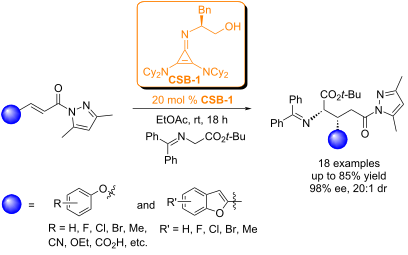
- synthesis, neurotransmitter function, and regulation of acid-base balance, metabolic intermediates, and promotion of nutrient absorption [4]. Therefore, the synthesis of substituted glutamic and pyroglutamic acid derivatives is vital to medicinal chemistry. In our previous reports, we have synthesized a






Diastereodivergent electrophilic trapping of α-boryl lithium derivatives
Beilstein J. Org. Chem. 2026, 22, 882–887, doi:10.3762/bjoc.22.68
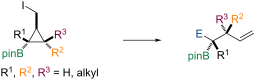
- task [25][26][27]. The electronic character of these intermediates, especially for boronic ester derivatives that allow coordination between oxygen atoms and the metal counterion, complicates predictable stereochemical outcome. Developing strategies to harness the exceptional nature of these carbanions
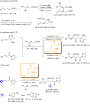
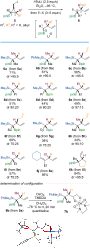
- lithium derivatives. Reactivity of α-boryl lithium intermediates 5 possessing alkyl substituents at the allylic position. Effect of the nature of the substituent R3 on the diastereoselectivity. Mechanistic hypothesis to rationalize the diastereoselectivity. Supporting Information Supporting Information




Unsymmetrical sulfoxides with sterically hindered catechol fragment: synthesis, structure, electrochemical properties, and antiradical activity
Beilstein J. Org. Chem. 2026, 22, 828–837, doi:10.3762/bjoc.22.65
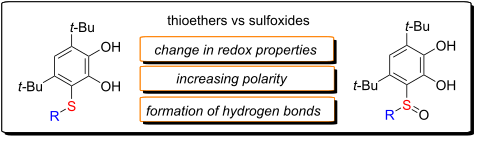
- corresponding thioether 1 (AE = 2.45), both containing an isopropyl substituent. However, these AE values exceeded that of 3,5-DTBC, indicating enhanced neutralizing activity of the sulfur-containing derivatives. The ABTS assay is one of the most widely used methods for assessing the antioxidant capacity of
- values observed for compounds bearing isopropyl and tert-butyl substituents. Notably, sulfoxide 1a (isopropyl) showed enhanced antiradical activity compared to its thioether precursor, while for most other derivatives the activity decreased upon oxidation of sulfur. The combination of a primary





