Search results
Search for "drug delivery" in Full Text gives 184 result(s) in Beilstein Journal of Organic Chemistry.
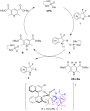
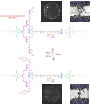
Controlled supramolecular assemblies of luminescent tridentate cyclometalated alkynylgold(III) amphiphiles in aqueous media
Beilstein J. Org. Chem. 2026, 22, 1097–1106, doi:10.3762/bjoc.22.88
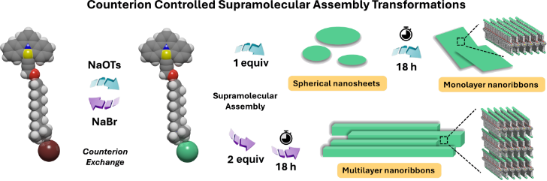
- various stimuli-responsive molecular motifs, amphiphiles can respond to external stimuli, such as light, pH, and heat [4][6][10][11][12][13][14][15][16][17][18][19][20][21][22][23][24][25][26][27][28][29][30][31][32][33], allowing them to be used in biomedical applications, such as, drug delivery and


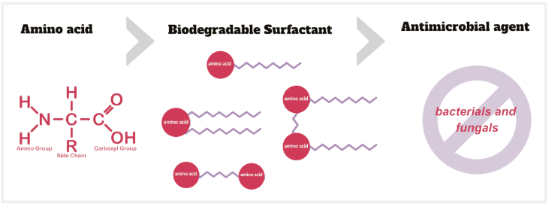
Amino acid-based surfactants: sustainable synthesis and antimicrobial mechanisms
Beilstein J. Org. Chem. 2026, 22, 1067–1085, doi:10.3762/bjoc.22.85


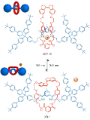
Novel macrocycles: from synthesis to supramolecular function
Beilstein J. Org. Chem. 2026, 22, 982–985, doi:10.3762/bjoc.22.76
- molecular separation [26][27][28]. Their practical relevance is further highlighted by their incorporation into commercial products and technologies, including the household deodorizer Febreze [29], novel cyclodextrin-based adsorbent DEXSORB [30], diagnostic devices [31], and drug-delivery platforms [32]. A
- perspective, Yang, Wang, Yao, and co-workers [37] discuss recent progress in smart supramolecular drug delivery systems. Their Review article highlights the utility of calixarenes and pillararenes as platforms for controlled-release applications due to their hydrophobic cavities, straightforward
Halogenated azobenzene acrylates: from efficient solution photoswitching to stable solid-state photochromic materials
Beilstein J. Org. Chem. 2026, 22, 782–794, doi:10.3762/bjoc.22.60
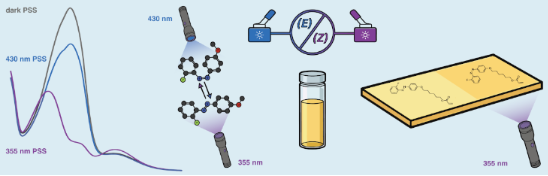
- used to construct a light–heat responsive polyurethane actuator [15], a silicon-based liquid crystalline polyacrylate with photoinduced transition from the smectic mesophase to the isotropic phase [16], a drug delivery system capable to release the drug via E/Z isomerization induced by direct (UV) or


Harnessing light energy with molecules
Beilstein J. Org. Chem. 2026, 22, 680–682, doi:10.3762/bjoc.22.52
- storage, catalysis, or controlled drug delivery. In the article by Venkataramani, Gopakumar, and co-workers [13], it is shown how a fluorinated tripodal N-functionalized arylazo-3,5-dimethylpyrazole derivative, self-assembled on a graphite surface, can be switched between eight states in a tunneling
Improved synthesis and physicochemical characterization of the selective serotonin 2A receptor agonist 25CN-NBOH
Beilstein J. Org. Chem. 2026, 22, 175–184, doi:10.3762/bjoc.22.11
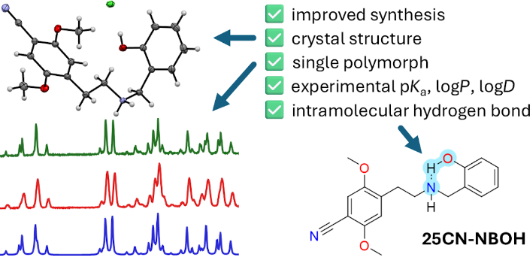
- Department of Pharmacy, Faculty of Health and Medical Sciences, University of Copenhagen, Universitetsparken 2, 2100 Copenhagen, Denmark LEO Foundation Center for Cutaneous Drug Delivery, Department of Pharmacy, Faculty of Health and Medical Sciences, University of Copenhagen, Universitetsparken 2, 2100


Synthesis and characterization of a isothiouronium-calix[4]arene derivative: self-assembly and anticancer activity
Beilstein J. Org. Chem. 2025, 21, 2535–2541, doi:10.3762/bjoc.21.195
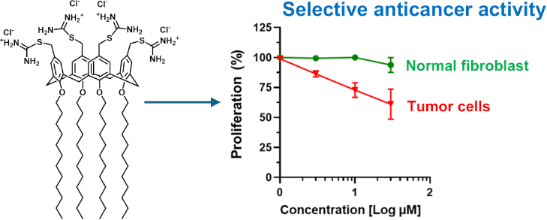
- and precise than current treatments. Numerous multivalent constructs have been reported in literature, both as compounds with intrinsic anticancer activity [4] and nanocarriers for anticancer drug delivery [5][6]. In the development of multivalent compounds, macrocyclic scaffolds such as cyclodextrins
- ][26]. A variety of calixarene-based nanoconstructs have been reported, including nanosystems with light-triggered anticancer activity [27], potential anticancer vaccine candidates [28], and nanocarriers for anticancer drug delivery [29][30][31][32][33]. Numerous bioactive groups have been introduced
- promising candidates for further investigations as a drug delivery system. The entrapment of different drugs combined with the intrinsic anticancer activity of the nanoassemblies could provide new agents for a combination multidrug anticancer treatment. Experimental Materials and methods: All chemicals were


Effect of a photoswitchable rotaxane on membrane permeabilization across lipid compositions
Beilstein J. Org. Chem. 2025, 21, 2498–2512, doi:10.3762/bjoc.21.192
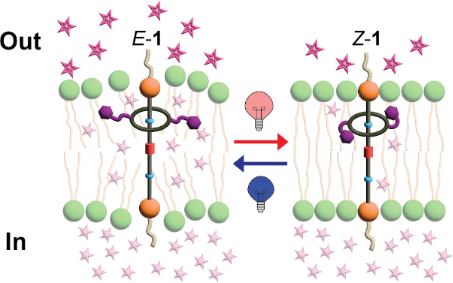
- organelles within the same cell [2]. Therefore, there is a great need to develop molecular tools capable of modulating membrane structure in a controlled manner, either to facilitate cargo transport (such as drug delivery) [3][4], to irreversibly disrupt membranes and induce cell death (e.g., for targeting
- functional efficacy. Such optimized systems have significant potential for various applications, including controlled drug delivery and the targeted modulation of membrane properties in live cells for biotechnological and therapeutic use. Experimental All glassware used in chemical reactions was dried in an




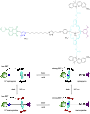
Rotaxanes with integrated photoswitches: design principles, functional behavior, and emerging applications
Beilstein J. Org. Chem. 2025, 21, 2345–2366, doi:10.3762/bjoc.21.179
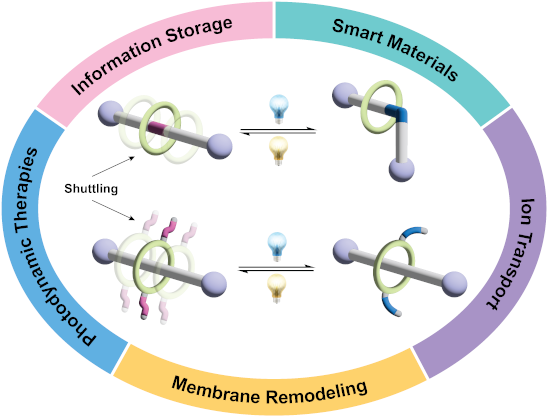
- for drug delivery, therapeutics, and various biotechnological applications [85][86][87][88]. As a proof of principle, this rotaxane was used to trigger the light-induced release of hydrophilic cargo from large vesicles, highlighting its potential as a platform for controlled drug delivery. Recently





Research progress on calixarene/pillararene-based controlled drug release systems
Beilstein J. Org. Chem. 2025, 21, 1757–1785, doi:10.3762/bjoc.21.139
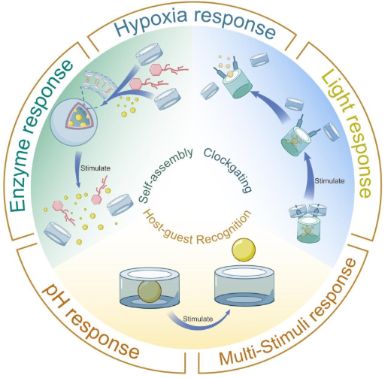
- Liu-Huan Yi Jian Qin Si-Ran Lu Liu-Pan Yang Li-Li Wang Huan Yao School of Pharmaceutical Science, Hengyang Medical School, University of South China, Hengyang 421001, China 10.3762/bjoc.21.139 Abstract Intelligent controlled-release drug delivery systems that are responsive to various external
- stimuli have garnered significant interest from researchers and have broad applications in the biomedical field. Aromatic macrocycles, including calixarenes and pillararenes, are considered ideal candidates for the construction of supramolecular drug delivery systems because of their simple synthesis
- , ease of modification, electron-rich and hydrophobic cavities, and highly selective molecular recognition. In recent years, numerous supramolecular drug delivery systems utilizing aromatic macrocycles have been developed. This review article provides an overview of the advancements of controlled drug






Tautomerism and switching in 7-hydroxy-8-(azophenyl)quinoline and similar compounds
Beilstein J. Org. Chem. 2025, 21, 1404–1421, doi:10.3762/bjoc.21.105
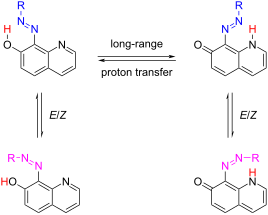
- and systems, including gels [17], metal-organic frameworks [18][19][20][21], photocatalysts [22][23], container molecules [24][25][26], drug delivery systems [27][28][29], photoresponsive polymers [30][31][32][33][34][35][36][37], photoswitches [12][13][38][39][40][41], optical storage devices [42][43




Supramolecular assembly of hypervalent iodine macrocycles and alkali metals
Beilstein J. Org. Chem. 2025, 21, 1095–1103, doi:10.3762/bjoc.21.87
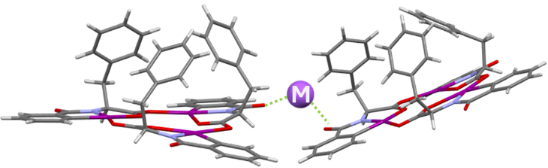
- devices or therapeutics [1], drug delivery [2], supramolecular sensing [3], purification [4], and separation [5][6]. The interactions in supramolecular assemblies are driven by well-known hydrogen-bonding, hydrophobic interactions, electrostatic interactions and π–π stacking [7][8]. The supramolecular



Biobased carbon dots as photoreductants – an investigation by using triarylsulfonium salts
Beilstein J. Org. Chem. 2025, 21, 1024–1030, doi:10.3762/bjoc.21.84
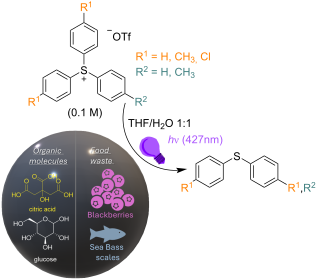
- , among the others, optoelectronics [5], sensing [6] and biomedicine (including bioimaging [7] and drug delivery [8]). Unlike traditional semiconductors, CDs are composed primarily of carbon, which makes them environmentally friendly easy-to-synthesize and appealing nanomaterials for photocatalysis [9


Acyclic cucurbit[n]uril bearing alkyl sulfate ionic groups
Beilstein J. Org. Chem. 2025, 21, 717–726, doi:10.3762/bjoc.21.55
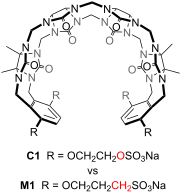
- and water [1][2][3][4]. Building on this fundamental knowledge, supramolecular chemists created a variety of functional systems including supramolecular polymers, sensing ensembles, molecular machines, supramolecular separation phases, and drug delivery systems [5][6][7][8][9]. A primary subfield of




Hot shape transformation: the role of PSar dehydration in stomatocyte morphogenesis
Beilstein J. Org. Chem. 2025, 21, 47–54, doi:10.3762/bjoc.21.5
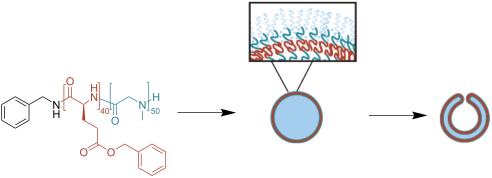
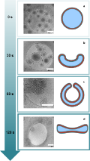
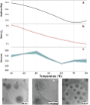
- broadening their potential applications in drug delivery and nanotechnology. Our findings shed light on the unique capabilities of polysarcosine-based polymers, paving the way for further exploration and harnessing of their distinctive properties in biomedical research. Keywords: biodegradable; poly(benzyl
- glutamate); polysarcosine; shape transformation; stomatocyte; supramolecular chemistry; Introduction Polymeric vesicles represent a promising candidate for usage in drug delivery systems due to their facile assembly and ability to provide a stable soft interface. Among these materials, polyethylene glycol
- , characterized by a concave shape with a central cavity [1]. Such structures hold significant potential for drug delivery applications as nanomotors, offering both encapsulation capability and controlled release functionalities [2][3]. Moreover, researchers have explored novel shapes utilizing PEG-PS copolymers


Advances in the use of metal-free tetrapyrrolic macrocycles as catalysts
Beilstein J. Org. Chem. 2024, 20, 3085–3112, doi:10.3762/bjoc.20.257
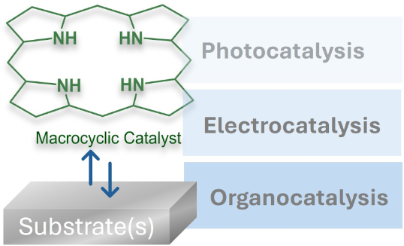
- conformational flexibility, allowing them to adopt four key conformations: 1,3-alternate, cone, partial cone, and 1,2-alternate [1][2]. Calix[4]pyrroles are one of the most studied hosts in supramolecular chemistry, finding use in applications of molecular recognition and extraction, drug delivery, ion transport


Applications of microscopy and small angle scattering techniques for the characterisation of supramolecular gels
Beilstein J. Org. Chem. 2024, 20, 2608–2634, doi:10.3762/bjoc.20.220
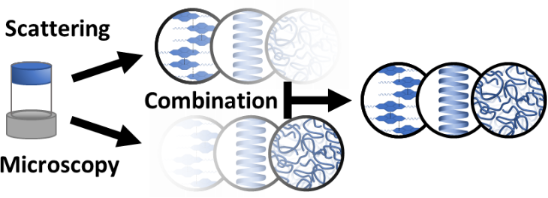
- nature of soft matter systems has been of interest to materials scientists for decades [3][4][5]. The large number of materials and processing techniques under development will allow these materials to be utilised in increasingly sophisticated applications such as drug delivery, environmental remediation


Understanding X-ray-induced isomerisation in photoswitchable surfactant assemblies
Beilstein J. Org. Chem. 2024, 20, 2005–2015, doi:10.3762/bjoc.20.176
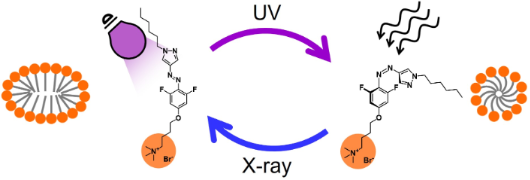
- guidelines for future X-ray experiments using photoswitchable molecules, which can aid more accurate understanding of these materials for application in solar energy storage, catalysis or controlled drug delivery. Keywords: arylazopyrazole; azobenzene; micelle; photoswitch; X-ray; Introduction The design
- of smart materials whose properties can be controlled using external stimuli is of significant interest for diverse applications spanning soft robotics [1], energy storage [2] and drug delivery [3]. Light is an ideal stimulus as it is non-invasive and can be administered selectively with high
- guidelines for X-ray experiments using photoswitchable molecules, which is required to ensure these systems are understood accurately on designing them for applications such as solar energy storage [32], catalysis [11] or drug delivery [3]. Results and Discussion Effect of light irradiation First, in-situ UV



2-Heteroarylethylamines in medicinal chemistry: a review of 2-phenethylamine satellite chemical space
Beilstein J. Org. Chem. 2024, 20, 1880–1893, doi:10.3762/bjoc.20.163
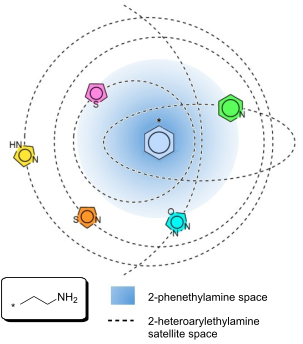
- solute carrier protein which is used as strategic target for blood–brain-barrier drug delivery. In general, the authors found the compounds less potent than the natural substrate ʟ-tryptophan, with exception of derivative 112 (Scheme 17). Tetrazoles: Taking advantage of using tetrazoles not as a phenyl




Synthesis of 4-functionalized pyrazoles via oxidative thio- or selenocyanation mediated by PhICl2 and NH4SCN/KSeCN
Beilstein J. Org. Chem. 2024, 20, 1453–1461, doi:10.3762/bjoc.20.128
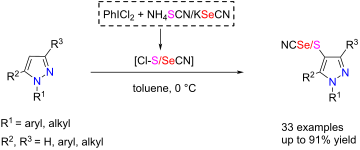
- Jialiang Wu Haofeng Shi Xuemin Li Jiaxin He Chen Zhang Fengxia Sun Yunfei Du Tianjin Key Laboratory for Modern Drug Delivery & High-Efficiency, School of Pharmaceutical Science and Technology, Tianjin University, Tianjin 300072, China Hebei Research Center of Pharmaceutical and Chemical


Sustainable tandem acylation/Diels–Alder reaction toward versatile tricyclic epoxyisoindole-7-carboxylic acids in renewable green solvents
Beilstein J. Org. Chem. 2024, 20, 1308–1319, doi:10.3762/bjoc.20.114
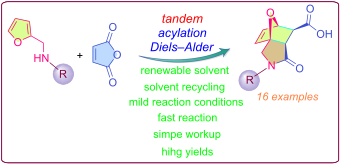
- applications [15][16]. These oils are of increasing interest for the production of a wide range of polymeric materials [17][18][19][20][21][22][23], drug delivery systems [24][25][26][27][28][29], less toxic anticancer drugs [30][31][32][33] and intermediates suitable for various organic transformations [14


Chemoenzymatic synthesis of macrocyclic peptides and polyketides via thioesterase-catalyzed macrocyclization
Beilstein J. Org. Chem. 2024, 20, 721–733, doi:10.3762/bjoc.20.66
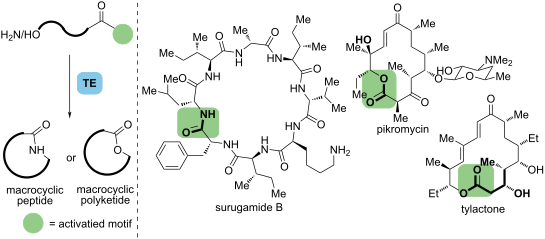
- Senze Qiao Zhongyu Cheng Fuzhuo Li Department of Natural Medicine, School of Pharmacy, Fudan University, Shanghai, 201203, China Key Laboratory of Smart Drug Delivery (Ministry of Education), State Key Laboratory of Medical Neurobiology, Fudan University, Shanghai, 201203, China 10.3762/bjoc


Switchable molecular tweezers: design and applications
Beilstein J. Org. Chem. 2024, 20, 504–539, doi:10.3762/bjoc.20.45
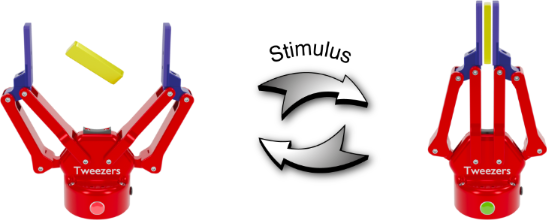
- represents prototypes of molecular machines in which guest binding is regulated by stimuli-induced conformational changes between open and closed states (Figure 1). This feature holds significant promise for applications in sensing, drug delivery, or membrane transport within biological systems. Moreover
- and drug delivery systems [12]. pH-Responsive molecular tweezers A particular case of coordination-responsive systems is when a proton is used as a stimulus leading to pH-responsive systems with the protonation/deprotonation of the switchable moiety. The conformational switch in these systems is
- arms, can encapsulate planar aromatic molecules, making this system promising for drug delivery. The advancement of pH-switchable molecular tweezers laid the groundwork for the development of switchable lipids [20]. When such lipids are incorporated in lipid vesicles, they provide means for controlled




Spatial arrangements of cyclodextrin host–guest complexes in solution studied by 13C NMR and molecular modelling
Beilstein J. Org. Chem. 2024, 20, 331–335, doi:10.3762/bjoc.20.33
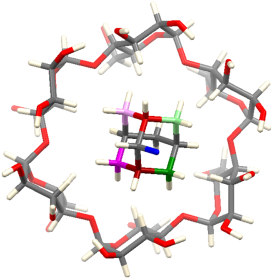
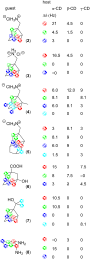
- crystallization of host–guest complexes and their crystallographic analysis. Keywords: anisotropy; 13C NMR; cyclodextrin; host–guest complexes; Introduction Complexation of organic and inorganic compounds with α-, β-, or γ-cyclodextrins and their derivatives [1] is an established tool used in medicine for drug
- delivery [2][3][4], in analytical and preparative chemistry for compound separation [5] and in materials science for small molecule detection [6][7]. Association (binding) constants between the host and guest molecules [8][9][10] are typically measured by 1H NMR titration [11][12] or isothermal titration




Chiral phosphoric acid-catalyzed transfer hydrogenation of 3,3-difluoro-3H-indoles
Beilstein J. Org. Chem. 2024, 20, 205–211, doi:10.3762/bjoc.20.20
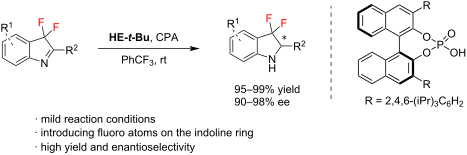
- Yumei Wang Guangzhu Wang Yanping Zhu Kaiwu Dong School of Pharmacy, Key Laboratory of Molecular Pharmacology and Drug Evaluation, Ministry of Education, Collaborative Innovation Center of Advanced Drug Delivery System and Biotech Drugs in Universities of Shandong, Yantai University, Shandong