Search for "pyrrole" in Full Text gives 302 result(s) in Beilstein Journal of Organic Chemistry. Showing first 200.
Beilstein J. Org. Chem. 2025, 21, 2604–2611, doi:10.3762/bjoc.21.201
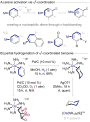
Graphical Abstract
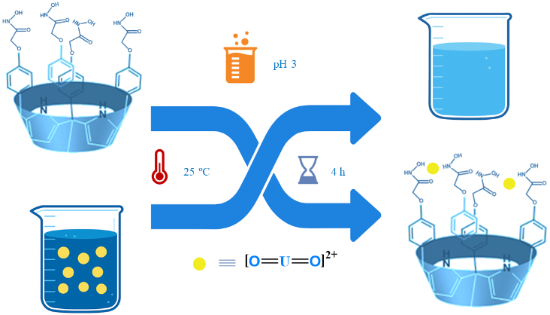
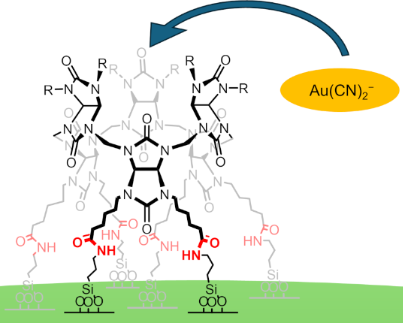
Scheme 1: Synthesis of SG-NHCO-BU1 and SG-BU1 materials based on covalently and non-covalently attached BU1 o...
Figure 1: A) Thermogravimetric analyses of BU1, SG, a-SG, and SG-NHCO-BU1. B) UV–vis titration of K[Au(CN)2] ...
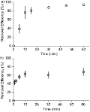
Figure 2: The efficiency of materials (blue SG-BU1, grey SG-NHCO-BU1) in sorbing dicyanoaurate from its water...
Beilstein J. Org. Chem. 2025, 21, 2553–2570, doi:10.3762/bjoc.21.198
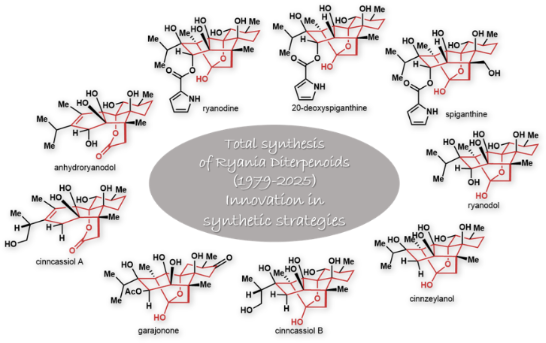
Graphical Abstract
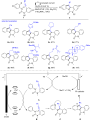
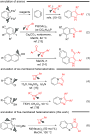
Scheme 1: Representative Ryania diterpenoids and their derivatives.
Scheme 2: Deslongchamps’s total synthesis of ryanodol (4).
Scheme 3: Deslongchamps’s total synthesis of 3-epi-ryanodol (5).
Scheme 4: Inoue’s total synthesis of ryanodol (4).
Scheme 5: Inoue’s total synthesis of ryanodine (1) from ryanodol (4).
Scheme 6: Inoue’s total synthesis of cinncassiol A (9), cinncassiol B (7), cinnzeylanol (6), and 3-epi-ryanod...
Scheme 7: Reisman’s total synthesis of (+)-ryanodol (4).
Scheme 8: Reisman’s total synthesis of (+)-ryanodine (1) and (+)-20-deoxyspiganthine (2).
Scheme 9: Micalizio’s formal total synthesis of ryanodol (4).
Scheme 10: Zhao’s total synthesis of garajonone (8).
Scheme 11: Zhao’s formal total synthesis of ryanodol (4) and ryanodine (1).
Beilstein J. Org. Chem. 2025, 21, 2383–2388, doi:10.3762/bjoc.21.183
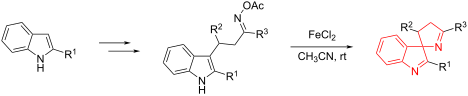
Graphical Abstract
Figure 1: Natural and synthetic bioactive spiro[indoline-3,2'-pyrrolidine] derivatives.
Scheme 1: Previous approaches and our work.
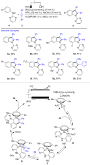
Scheme 2: The reaction of 2-arylindoles 1 with α,β-unsaturated ketones 2. aIsolated yield of the 5 mmol scale...
Scheme 3: The scope of the Fe-catalyzed spirocyclization. aIsolated yield of the 4.2 mmol scale experiment.
Scheme 4: The proposed mechanism of product 4 formation.
Beilstein J. Org. Chem. 2025, 21, 2334–2344, doi:10.3762/bjoc.21.178
Graphical Abstract
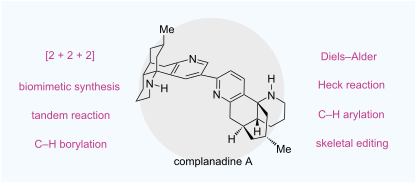
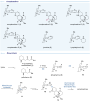
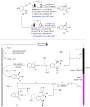
Scheme 1: Complanadine natural products and their plausible biosynthesis.
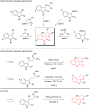
Scheme 2: The Siegel total synthesis of complanadine A enabled by [2 + 2 + 2] cycloadditions.
Scheme 3: The Sarpong total synthesis of complanadine A enabled by a biomimetic strategy and C–H activation.
Scheme 4: The Tsukano total synthesis of complanadine A enabled by Diels–Alder cycloaddition, Heck cyclizatio...
Scheme 5: The Dai total synthesis of complanadine A using single-atom skeletal editing.
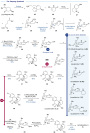
Scheme 6: Comparative summary of the four complanadine A total syntheses.
Beilstein J. Org. Chem. 2025, 21, 2302–2314, doi:10.3762/bjoc.21.176
Graphical Abstract
Figure 1: Chemical structures of selected hosts used as the basis for sequestrants.
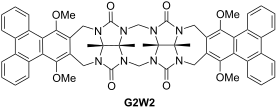
Scheme 1: a) Synthesis of triphenylene-derived aromatic walls W1 and W2, and b) structure of commercially ava...
Scheme 2: Synthesis of methylene-bridged glycoluril dimers G2W1–G2W4. Conditions: a) TFA: Ac2O, 95 °C, 3.5 h (...
Figure 2: Chemical structures of dyes used in this study.
Figure 3: 1H NMR spectra recorded (400 MHz, DMSO-d6, rt) for: a) G2W1, b) G2W2, c) G2W3, d) G2W4.
Figure 4: Plot of removal efficiency of dyes from water after incubating with equimolar amounts (7.2 μmol) of ...
Figure 5: Cross-eyed stereoview of: a) one molecule of G2W3 in the crystal, and b) the packing of G2W3 in the...
Figure 6: Cross-eyed stereoview of: a) a molecule of G2W1 in the crystal, b) the packing of G2W1 along the xz...
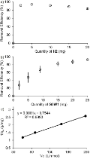
Figure 7: a) Plot of removal efficiency of methylene blue (240 μM, 1 mL) from water after incubating with dif...
Figure 8: Plot of the removal efficiency versus methylene blue concentration (70, 90, 120, 180, 240, 300, 100...
Figure 9: a) Plot of removal efficiency of methylene blue (240 μM, 1 mL) from water as a function of time aft...
Beilstein J. Org. Chem. 2025, 21, 2220–2233, doi:10.3762/bjoc.21.169
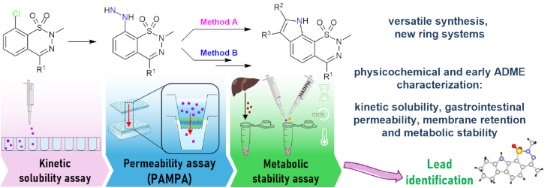
Graphical Abstract
Figure 1: Phthalazinones 1, benzothiadiazine dioxides 2, and thiadiazinoindole dioxides 3.
Scheme 1: Synthesis of tri- and tetracyclic thiadiazinoindole dioxides 3.
Figure 2: 1H NMR and selective 1D NOESY (with the excitation of NH) spectra of (E)-7h.
Figure 3: 1H NMR and selective 1D NOESY (with the excitation of NH) spectra of (Z)-7h.
Scheme 2: Synthesis of pentacyclic compounds 10.
Figure 4: X-ray structures of compounds 3d (A), 7d (B), (Z)-7h (C), and (E)-9a (D).
Figure 5: The capacity factor (logk) vs calculated partition coefficients (clogP) by ACD Labs/Percepta [36]); the...
Beilstein J. Org. Chem. 2025, 21, 2173–2201, doi:10.3762/bjoc.21.166
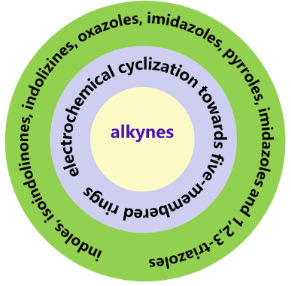
Graphical Abstract
Figure 1: Natural products and functional molecules possessing five-membered rings.
Scheme 1: Electrochemical intramolecular coupling of ureas to form indoles.
Scheme 2: Electrochemical dehydrogenative annulation of alkynes with anilines.
Scheme 3: Electrochemical annulations of o-arylalkynylanilines.
Scheme 4: Electrochemical cyclization of 2-ethynylanilines.
Scheme 5: Electrochemical selenocyclization of diselenides and 2-ethynylanilines.
Scheme 6: Electrochemical cascade approach towards 3-selenylindoles.
Scheme 7: Electrochemical C–H indolization.
Scheme 8: Electrochemical annulation of benzamides and terminal alkynes.
Scheme 9: Electrochemical synthesis of isoindolinone by 5-exo-dig aza-cyclization.
Scheme 10: Electrochemical reductive cascade annulation of o-alkynylbenzamide.
Scheme 11: Electrochemical intramolecular 1,2-amino oxygenation of alkyne.
Scheme 12: Electrochemical multicomponent reaction of nitrile, (thio)xanthene, terminal alkyne and water.
Scheme 13: Electrochemical aminotrifluoromethylation/cyclization of alkynes.
Scheme 14: Electrochemical cyclization of o-nitrophenylacetylene.
Scheme 15: Electrochemical annulation of alkynyl enaminones.
Scheme 16: Electrochemical annulation of alkyne and enamide.
Scheme 17: Electrochemical tandem Michael addition/azidation/cyclization.
Scheme 18: Electrochemical [3 + 2] cyclization of heteroarylamines.
Scheme 19: Electrochemical CuAAC to access 1,2,3-triazole.
Beilstein J. Org. Chem. 2025, 21, 2103–2172, doi:10.3762/bjoc.21.165
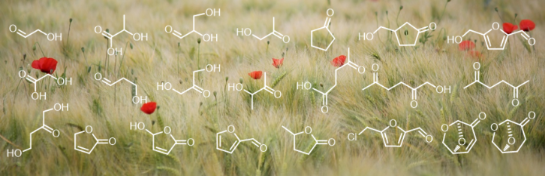
Graphical Abstract
Figure 1: C2–C6 biobased carbonyl building blocks.
Scheme 1: Proposed (2 + 2) route to glycolaldehyde and glycolic acid from erythritol by Cu/AC catalyst (AC = ...
Scheme 2: Reductive amination of GCA.
Scheme 3: N-Formylation of secondary amines by reaction with GCA.
Scheme 4: Synthesis and conversion of hydroxy acetals to cyclic acetals.
Scheme 5: Synthesis of 3-(indol-3-yl)-2,3-dihydrofurans via three-component reaction of glycolaldehyde, indol...
Scheme 6: BiCl3-catalyzed synthesis of benzo[a]carbazoles from 2-arylindoles and α-bromoacetaldehyde ethylene...
Scheme 7: Cu/NCNSs-based conversion of glycerol to glycolic acid and other short biobased acids.
Scheme 8: E. coli-based biotransformation of C1 source molecules (CH4, CO2 and CO) towards C2 glycolic acid.
Scheme 9: N-Formylation of amines with C2 (a) or C3 (b) biomass-based feedstocks.
Scheme 10: Methods for the formation of propanoic acid (PA) from lactic acid (LA).
Scheme 11: Co-polymerization of biobased lactic acid and glycolic acid via a bicatalytic process.
Scheme 12: Oxidation of α-hydroxy acids by tetrachloroaurate(III) in acetic acid–sodium acetate buffer medium.
Figure 2: Selective catalytic pathways for the conversion of lactic acid (LA).
Scheme 13: Synthesis of 1,3-PDO via cross-aldol reaction between formaldehyde and acetaldehyde to 3-hydroxypro...
Scheme 14: Hydrothermal conversion of 1,3-dihydroxy-2-propane and 2,3-dihydroxypropanal to methylglyoxal.
Scheme 15: FLS-catalyzed formose reaction to synthesize GA and DHA.
Scheme 16: GCA and DHA oxidation products of glycerol and isomerization of GCA to DHA under flow conditions us...
Scheme 17: Acid-catalyzed reactions of DHA with alcohols.
Scheme 18: Synthesis of dihydroxyacetone phosphate from dihydroxyacetone.
Scheme 19: Bifunctional acid–base catalyst DHA conversion into lactic acid via pyruvaldehyde or fructose forma...
Scheme 20: Catalytic one-pot synthesis of GA and co-synthesis of formamides and formates from DHA.
Scheme 21: (a) Synthesis of furan derivatives and (b) synthesis of thiophene derivative by cascade [3 + 2] ann...
Scheme 22: Brønsted acidic ionic liquid catalyzed synthesis of benzo[a]carbazole from renewable acetol and 2-p...
Scheme 23: Asymmetric hydrogenation of α-hydroxy ketones to 1,2-diols.
Scheme 24: Synthesis of novel 6-(substituted benzylidene)-2-methylthiazolo [2,3-b]oxazol-5(6H)-one from 1-hydr...
Scheme 25: ʟ-Proline-catalyzed synthesis of anti-diols from hydroxyacetone and aldehydes.
Scheme 26: C–C-bond-formation reactions of a biomass-based feedstock aromatic aldehyde (C5) and hydroxyacetone...
Scheme 27: Ethanol upgrading to C4 bulk chemicals via the thiamine (VB1)-catalyzed acetoin condensation.
Scheme 28: One-pot sequential chemoenzymatic synthesis of 2-aminobutane-1,4-diol and 1,2,4-butanetriol via 1,4...
Scheme 29: Synthesis of 1,4-dihydroxybutan-2-one by microbial transformation.
Scheme 30: Conversion of polyols by [neocuproine)Pd(OAc)]2(OTf)2] to α-hydroxy ketones.
Scheme 31: Chemoselective oxidation of alcohols with chiral palladium-based catalyst 2.
Scheme 32: Electrochemical transformation of furfural to 5-hydroxy-2(5H)-furanone (HFO).
Scheme 33: Selective hydrodeoxygenation of HFO and oxidation to γ-butyrolactone (GBL).
Scheme 34: Photosensitized oxygenation of furan towards HFO via ozonide intermediates.
Scheme 35: Conversion of furfural to HFO and MAN by using mesoporous carbon nitride (SGCN) as photocatalyst.
Scheme 36: Synthesis of HFO from furan derivatives.
Scheme 37: Photooxidation of furfural to 5-hydroxy-2(5H)-furanone (HFO).
Scheme 38: Synthesis of Friedel–Crafts indole adduct from HFO.
Scheme 39: Conversion of HFO to α,γ-substituted chiral γ-lactones.
Scheme 40: Tautomeric transformation of HFO to formylacrylic acid.
Scheme 41: Hydrolysis of HFO to succinic acid in aqueous solution.
Scheme 42: Substitution and condensation reactions of 5-hydroxy-2(5H)-furanone (HFO).
Scheme 43: (a) Conversion of HFO towards valuable C4 chemicals and (b) anodic oxidation of 5-hydroxy-2(5H)-fur...
Figure 3: Conversion of HFO towards other natural and synthetic substances.
Scheme 44: Conversion of furfural to maleic anhydride (reaction a: VOx/Al2O3; reaction b: VPO).
Scheme 45: Conversion of furfural into succinic acid.
Scheme 46: Electro‑, photo‑, and biocatalysis for one-pot selective conversions of furfural into C4 chemicals.
Scheme 47: Production route of furfural from hemicellulose.
Scheme 48: Mechanism for xylose dehydration to furfural through a choline xyloside intermediate.
Scheme 49: Conversion of furfural to furfuryl alcohol and its derivatives.
Scheme 50: Conversion of furfural to furfuryl alcohol and 3-(2-furyl)acrolein.
Scheme 51: The aerobic oxidative condensation of biomass-derived furfural and linear alcohols.
Scheme 52: The single-step synthesis of 2-pentanone from furfural.
Scheme 53: Electrocatalytic coupling reaction of furfural and levulinic acid.
Scheme 54: Conversion of furfural to m-xylylenediamine.
Scheme 55: Conversion of furfural to tetrahydrofuran-derived amines.
Scheme 56: Formation of trans-4,5-diamino-cyclopent-2-enones from furfural.
Scheme 57: Production of pyrrole and proline from furfural.
Scheme 58: Synthesis of 1‑(trifluoromethyl)-8-oxabicyclo[3.2.1]oct-3-en-2-ones from furfural.
Scheme 59: Conversion of furfural to furfural-derived diacids.
Scheme 60: A telescope protocol derived from furfural and glycerol.
Scheme 61: A tandem cyclization of furfural and 5,5-dimethyl-1,3-cyclohexanedione.
Scheme 62: A Ugi four-component reaction to construct furfural-based polyamides.
Scheme 63: One-pot synthesis of γ-acyloxy-Cy7 from furfural.
Scheme 64: Dimerization–Piancatelli sequence toward humins precursors from furfural.
Scheme 65: Conversion of furfural to CPN.
Scheme 66: Synthesis of jet fuels range cycloalkanes from CPN and lignin-derived vanillin.
Scheme 67: Solar-energy-driven synthesis of high-density biofuels from CPN.
Scheme 68: Reductive amination of CPN to cyclopentylamine.
Scheme 69: Asymmetric hydrogenation of C=O bonds of exocyclic α,β-unsaturated cyclopentanones.
Scheme 70: Preparation of levulinic acid via the C5 route (route a) or C6 route (routes b1 and b2).
Scheme 71: Mechanism of the rehydration of HMF to levulinic acid and formic acid.
Scheme 72: Important levulinic acid-derived chemicals.
Scheme 73: Direct conversion of levulinic acid to pentanoic acid.
Scheme 74: Catalytic aerobic oxidation of levulinic acid to citramalic acid.
Scheme 75: Conversion of levulinic acid to 1,4-pentanediol (a) see ref. [236]; b) see ref. [237]; c) see ref. [238]; d) see r...
Scheme 76: Selective production of 2-butanol through hydrogenolysis of levulinic acid.
Scheme 77: General reaction pathways proposed for the formation of 5MPs from levulinic acid.
Scheme 78: Selective reductive amination of levulinic acid to N-substituted pyrroles.
Scheme 79: Reductive amination of levulinic acid to chiral pyrrolidinone.
Scheme 80: Reductive amination of levulinic acid to non-natural chiral γ-amino acid.
Scheme 81: Nitrogen-containing chemicals derived from levulinic acid.
Scheme 82: Preparation of GVL from levulinic acid by dehydration and hydrogenation.
Scheme 83: Ruthenium-catalyzed levulinic acid to chiral γ-valerolactone.
Scheme 84: Catalytic asymmetric hydrogenation of levulinic acid to chiral GVL.
Scheme 85: Three steps synthesis of ε-caprolactam from GVL.
Scheme 86: Multistep synthesis of nylon 6,6 from GVL.
Scheme 87: Preparation of MeGVL by α-alkylation of GVL.
Scheme 88: Ring-opening polymerization of five-membered lactones.
Scheme 89: Synthesis of GVL-based ionic liquids.
Scheme 90: Preparation of butene isomers from GVL under Lewis acid conditions.
Scheme 91: Construction of C5–C12 fuels from GVL over nano-HZSM-5 catalysts.
Scheme 92: Preparation of alkyl valerate from GVL via ring opening/reduction/esterification sequence.
Scheme 93: Construction of 4-acyloxypentanoic acids from GVL.
Scheme 94: Synthesis of 1,4-pentanediol (PDO) from GVL.
Scheme 95: Construction of novel cyclic hemiketal platforms via self-Claisen condensation of GVL.
Scheme 96: Copper-catalyzed lactamization of GVL.
Figure 4: Main scaffolds obtained from HMF.
Scheme 97: Biginelli reactions towards HMF-containing dihydropyrimidinones.
Scheme 98: Hantzsch dihydropyridine synthesis involving HMF.
Scheme 99: The Kabachnik–Fields reaction involving HMF.
Scheme 100: Construction of oxazolidinone from HMF.
Scheme 101: Construction of rhodamine-furan hybrids from HMF.
Scheme 102: A Groebke–Blackburn–Bienaymé reaction involving HMF.
Scheme 103: HMF-containing benzodiazepines by [4 + 2 + 1] cycloadditions.
Scheme 104: Synthesis of fluorinated analogues of α-aryl ketones.
Scheme 105: Synthesis of HMF derived disubstituted γ-butyrolactone.
Scheme 106: Functionalized aromatics from furfural and HMF.
Scheme 107: Diels–Alder adducts from HMF or furfural with N-methylmaleimide.
Scheme 108: Pathway of the one-pot conversion of HMF into phthalic anhydride.
Scheme 109: Photocatalyzed preparation of humins (L-H) from HMF mixed with spoiled HMF residues (LMW-H) and fur...
Scheme 110: Asymmetric dipolar cycloadditions on HMF.
Scheme 111: Dipolar cycloadditions of HMF based nitrones to 3,4- and 3,5-substituted isoxazolidines.
Scheme 112: Production of δ-lactone-fused cyclopenten-2-ones from HMF.
Scheme 113: Aza-Piancatelli access to aza-spirocycles from HMF-derived intermediates.
Scheme 114: Cross-condensation of furfural, acetone and HMF into C13, C14 and C15 products.
Scheme 115: Base-catalyzed aldol condensation/dehydration sequences from HMF.
Scheme 116: Condensation of HMF and active methylene nitrile.
Scheme 117: MBH reactions involving HMF.
Scheme 118: Synthesis of HMF-derived ionic liquids.
Scheme 119: Reductive amination/enzymatic acylation sequence towards HMF-based surfactants.
Scheme 120: The formation of 5-chloromethylfurfural (CMF).
Scheme 121: Conversion of CMF to HMF, levulinic acid, and alkyl levulinates.
Scheme 122: Conversion of CMF to CMFCC and FDCC.
Scheme 123: Conversion of CMF to BHMF.
Scheme 124: Conversion of CMF to DMF.
Scheme 125: CMF chlorine atom substitutions toward HMF ethers and esters.
Scheme 126: Introduction of carbon nucleophiles in CMF.
Scheme 127: NHC-catalyzed remote enantioselective Mannich-type reactions of CMF.
Scheme 128: Conversion of CMF to promising biomass-derived dyes.
Scheme 129: Radical transformation of CMF with styrenes.
Scheme 130: Synthesis of natural herbicide δ-aminolevulinic acid from CMF.
Scheme 131: Four step synthesis of the drug ranitidine from CMF.
Scheme 132: Pd/CO2 cooperative catalysis for the production of HHD and HXD.
Scheme 133: Different ruthenium (Ru) catalysts for the ring-opening of 5-HMF to HHD.
Scheme 134: Proposed pathways for preparing HXD from HMF.
Scheme 135: MCP formation and uses.
Scheme 136: Cu(I)-catalyzed highly selective oxidation of HHD to 2,5-dioxohexanal.
Scheme 137: Synthesis of N‑substituted 3‑hydroxypyridinium salts from 2,5-dioxohexanal.
Scheme 138: Ru catalyzed hydrogenations of HHD to 1,2,5-hexanetriol (a) see ref. [396]; b) see ref. [397]).
Scheme 139: Aviation fuel range quadricyclanes produced by HXD.
Scheme 140: Synthesis of HDGK from HXD and glycerol as a chain extender.
Scheme 141: Synthesis of serinol pyrrole from HXD and serinol.
Scheme 142: Synthesis of pyrroles from HXD and nitroarenes.
Scheme 143: Two-step production of PX from cellulose via HXD.
Scheme 144: Preparation of HCPN from HMF via hydrogenation and ring rearrangement.
Scheme 145: Suggested pathways from HMF to HCPN.
Scheme 146: α-Alkylation of HCPN with ethylene gas.
Scheme 147: Synthesis of 3-(hydroxymethyl)cyclopentylamine from HMF via reductive amination of HCPN.
Scheme 148: Production of LGO and Cyrene® from biomass.
Scheme 149: Synthesis of HBO from LGO and other applications.
Scheme 150: Construction of m-Cyrene® homopolymer.
Scheme 151: Conversion of Cyrene® to THFDM and 1,6-hexanediol.
Scheme 152: RAFT co-polymerization of LGO and butadienes.
Scheme 153: Polycondensation of HO-LGOL and diols with dimethyl adipate.
Scheme 154: Self-condensation of Cyrene® and Claisen–Schmidt reactions.
Scheme 155: Synthesis of 5-amino-2-(hydroxymethyl)tetrahydropyran from Cyrene®.
Beilstein J. Org. Chem. 2025, 21, 1808–1853, doi:10.3762/bjoc.21.143
Graphical Abstract
Figure 1: Energy diagram of a two-state photoswitch. Figure 1 was redrawn from [2].
Figure 2: Example of the absorption spectra of the isomers of a photoswitch with most efficient irradiation w...
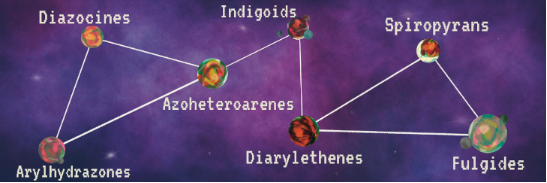
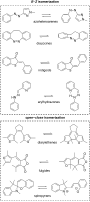
Scheme 1: Photoswitch classes described in this review.
Figure 3: Azoheteroarenes.
Scheme 2: E–Z Isomerisation (top) and mechanisms of thermal Z–E isomerisation (bottom).
Scheme 3: Rotation mechanism favoured by the electron displacement in push–pull systems. Selected examples of...
Figure 4: A) T-shaped and twisted Z-isomers determine the thermal stability and the Z–E-PSS (selected example...
Figure 5: Effect of di-ortho-substitution on thermal half-life and PSS.
Figure 6: Selected thermal lifetimes of azoindoles in different solvents and concentrations. aConcentration o...
Figure 7: Aryliminopyrazoles: N-pyrazoles (top) and N-phenyl (bottom).
Scheme 4: Synthesis of symmetrical heteroarenes through oxidation (A), reduction (B), and the Bayer–Mills rea...
Scheme 5: Synthesis of diazonium salt (A); different strategies of azo-coupling: with a nucleophilic ring (B)...
Scheme 6: Synthesis of arylazothiazoles 25 (A) and heteroaryltriazoles 28 (B).
Scheme 7: Synthesis of heteroarylimines 31a,b [36-38].
Figure 8: Push–pull non-ionic azo dye developed by Velasco and co-workers [45].
Scheme 8: Azopyridine reported by Herges and co-workers [46].
Scheme 9: Photoinduced phase transitioning azobispyrazoles [47].
Figure 9: Diazocines.
Scheme 10: Isomers, conformers and enantiomers of diazocine.
Scheme 11: Partial overlap of the ππ* band with electron-donating substituents and effect on the PSS. Scheme 11 was ada...
Figure 10: Main properties of diazocines with different bridges. aMeasured in n-hexane [56]. bMeasured in THF. cMe...
Scheme 12: Synthesis of symmetric diazocines.
Scheme 13: Synthesis of asymmetric diazocines.
Scheme 14: Synthesis of O- and S-heterodiazocines.
Scheme 15: Synthesis of N-heterodiazocines.
Scheme 16: Puromycin diazocine photoswitch [60].
Figure 11: Indigoids.
Figure 12: The main representatives of the indigoid photoswitch class.
Scheme 17: Deactivation process that prevents Z-isomerisation of indigo.
Figure 13: Stable Z-indigo derivative synthesised by Wyman and Zenhäusern [67].
Figure 14: Selected examples of indigos with aliphatic and aromatic substituents [68]. Dashed box: proposed π–π in...
Scheme 18: Resonance structures of indigo and thioindigo involving the phenyl ring.
Scheme 19: Possible deactivation mechanism for 4,4'-dihydroxythioindigo [76].
Scheme 20: Effect of different heteroaryl rings on the stability and the photophysical properties of hemiindig...
Figure 15: Thermal half-lives of red-shifted hemithioindigos in toluene [79]. aMeasured in toluene-d8.
Scheme 21: Structures of pyrrole [81] and imidazole hemithioindigo [64].
Figure 16: Examples of fully substituted double bond hemithioindigo (left), oxidised hemithioindigos (centre),...
Scheme 22: Structure of iminothioindoxyl 72 (top) and acylated phenyliminoindolinone photoswitch 73 (bottom). ...
Scheme 23: (top) Transition states of iminothioindoxyl 72. The planar transition state is associated with a lo...
Scheme 24: Baeyer–Drewsen synthesis of indigo (top) and N-functionalisation strategies (bottom).
Scheme 25: Synthesis of hemiindigo.
Scheme 26: Synthesis of hemithioindigo and iminothioindoxyl.
Scheme 27: Synthesis of double-bond-substituted hemithioindigos.
Scheme 28: Synthesis of phenyliminoindolinone.
Scheme 29: Hemithioindigo molecular motor [85].
Figure 17: Arylhydrazones.
Scheme 30: Switching of arylhydrazones. Note: The definitions of stator and rotor are arbitrary.
Scheme 31: Photo- and acidochromism of pyridine-based phenylhydrazones.
Scheme 32: A) E–Z thermal inversion of a thermally stable push–pull hydrazone [109]. B) Rotation mechanism favoured...
Scheme 33: Effect of planarisation on the half-life.
Scheme 34: The longest thermally stable hydrazone switches reported so far (left). Modulation of thermal half-...
Figure 18: Dependency of t1/2 on concentration and hypothesised aggregation-induced isomerisation.
Figure 19: Structure–property relationship of acylhydrazones.
Scheme 35: Synthesis of arylhydrazones.
Scheme 36: Synthesis of acylhydrazones.
Scheme 37: Photoswitchable fluorophore by Aprahamian et al. [115].
Scheme 38: The four-state photoswitch synthesised by the Cigáň group [116].
Figure 20: Diarylethenes.
Scheme 39: Isomerisation and oxidation pathway of E-stilbene to phenanthrene.
Scheme 40: Strategies adapted to avoid E–Z isomerisation and oxidation.
Scheme 41: Molecular orbitals and mechanism of electrocyclisation for a 6π system.
Figure 21: Aromatic stabilisation energy correlated with the thermal stability of the diarylethenes [127,129].
Figure 22: Half-lives of diarylethenes with increasing electron-withdrawing groups [128,129].
Scheme 42: Photochemical degradation pathway promoted by electron-donating groups [130].
Figure 23: The diarylethenes studied by Hanazawa et al. [134]. Increased rigidity leads to bathochromic shift.
Scheme 43: The dithienylethene synthesised by Nakatani's group [135].
Scheme 44: Synthesis of perfluoroalkylated diarylethenes.
Scheme 45: Synthesis of 139 and 142 via McMurry coupling.
Scheme 46: Synthesis of symmetrical derivatives 145 via Suzuki–Miyaura coupling.
Scheme 47: Synthesis of acyclic 148, malonic anhydride 149, and maleimide derivatives 154.
Figure 24: Gramicidin S (top left) and two of the modified diarylethene derivatives: first generation (bottom ...
Scheme 48: Pyridoxal 5'-phosphate and its reaction with an amino acid (top). The analogous dithienylethene der...
Figure 25: Fulgides.
Scheme 49: The three isomers of fulgides.
Scheme 50: Thermal and photochemical side products of unsubstituted fulgide [150].
Figure 26: Maximum absorption λc of the closed isomer compared with the nature of the aromatic ring and the su...
Scheme 51: Possible rearrangement of the excited state of 5-dimethylaminoindolylfulgide [153].
Figure 27: Quantum yields of ring closure (ΦE→C) and E–Z isomerisation (ΦE→Z) correlated with the increasing s...
Scheme 52: Active (Eα) and inactive (Eβ) conformers (left) and the bicyclic sterically blocked fulgide 169 (ri...
Scheme 53: Quantum yield of ring-opening (ΦC→E) and E–Z isomerisation (ΦE→Z) for different substitution patter...
Scheme 54: Stobbe condensation pathway for the synthesis of fulgides 179, fulgimides 181 and fulgenates 178.
Scheme 55: Alternative synthesis of fulgides through Pd-catalysed carbonylation.
Scheme 56: Optimised synthesis of fulgimides [166].
Scheme 57: Photoswitchable FRET with a fulgimide photoswitch [167].
Scheme 58: Three-state fulgimide strategy by Slanina's group.
Figure 28: Spiropyrans.
Scheme 59: Photochemical (left) and thermal (right) ring-opening mechanisms for an exemplary spiropyran with a...
Figure 29: Eight possible isomers of the open merocyanine according to the E/Z configurations of the bonds hig...
Scheme 60: pH-Controlled photoisomerisation between the closed spiropyran 191-SP and the open E-merocyanine 19...
Scheme 61: Behaviour of spiropyran in water buffer according to Andréasson and co-workers [180]. 192-SP in an aqueo...
Scheme 62: (left box) Proposed mechanism of basic hydrolysis of MC [184]. (right box) Introduction of electron-dona...
Scheme 63: Photochemical interconversion of naphthopyran 194 (top) and spirooxazine 195 (bottom) photoswitches...
Scheme 64: Synthesis of spiropyrans and spirooxazines 198 and the dicondensation by-product 199.
Scheme 65: Alternative synthesis of spiropyrans and spirooxazines with indolenylium salt 200.
Scheme 66: Synthesis of 4’-substituted spiropyrans 203 by condensation of an acylated methylene indoline 201 w...
Scheme 67: Synthesis of spironaphthopyrans 210 by acid-catalysed condensation of naphthols and diarylpropargyl...
Scheme 68: Photoswitchable surface wettability [194].
Figure 30: Some guiding principles for the choice of the most suitable photoswitch. Note that this guide is ve...
Beilstein J. Org. Chem. 2025, 21, 1748–1756, doi:10.3762/bjoc.21.138
Graphical Abstract
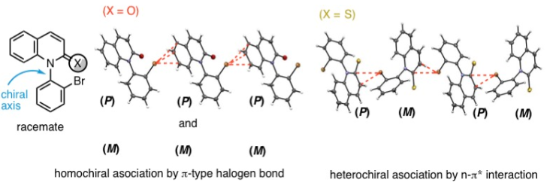
Figure 1: Various C–N atropisomeric compounds and their intermolecular interactions in single crystals.
Scheme 1: Synthesis of N-(2-halophenyl)quinolin-2-ones 1a,b and quinoline-2-thione 2a.
Figure 2: Intramolecular associations detected in crystals of rac-1a and rac-1b.
Figure 3: Intramolecular association detected in the crystals of (P)-1a and (P)-1b.
Figure 4: Angles (θ, α) and distances (d) in racemate rac-1a,b and (P)-1a,b.
Figure 5: Crystal structure of racemic quinoline-2-thione rac-2a.
Beilstein J. Org. Chem. 2025, 21, 1648–1660, doi:10.3762/bjoc.21.129
Graphical Abstract
Figure 1: a) Common types of chirality. b) Representative functional molecules bearing non-central chirality.
Scheme 1: Construction of planar chirality.
Scheme 2: Construction of axial chirality.
Scheme 3: Construction of inherent chirality.
Scheme 4: Construction of helical chirality.
Scheme 5: CPA-catalyzed enantioselective Groebke–Blackburn–Bienaymé reaction.
Scheme 6: Construction of axially chiral 3-arylpyrroles via de novo pyrrole formation.
Scheme 7: Synthesis of atropoisomeric 3-arylpyrroles via central-to-axial chirality transfer.
Scheme 8: Dynamic kinetic resolution of bridged biaryls with α-acidic isocyanides.
Scheme 9: Desymmetrization of prochiral compounds with α-acidic isocyanides.
Beilstein J. Org. Chem. 2025, 21, 1627–1638, doi:10.3762/bjoc.21.126
Graphical Abstract
Figure 1: Two possible double beta decay modes. Left: with emission of two electronic antineutrinos (ββ2ν). R...
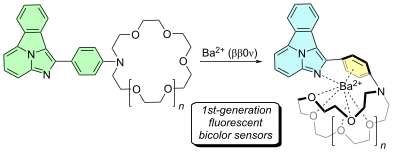
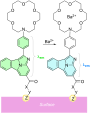
Figure 2: General structure of first-generation bicolor fluorescent indicators based on 1-aryl benzo[a]imidaz...
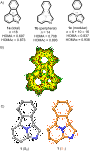
Scheme 1: Hyperhomodesmotic equations used to analyze the resonance energy of benzo[a]imidazo[5,1,2-cd]indoli...
Figure 3: (A) Total, peripheral and modular delocalization patterns for fluorophore 1. The ground state (So) ...
Scheme 2: Isodesmic (A) and reaction profiles (B) for the analysis of the interaction of Ba2+ with different ...
Figure 4: Fully optimized geometries (B3LYP-D3BJ/6ccrow-311++G**&DefTZVPP(Ba) level of theory) of Ba2+·crown ...
Figure 5: Relaxed scan of the relative conformational energies of sensor 18 at the free state (A) and bound t...
Scheme 3: Reaction of fluorescent probe 18 with barium perchlorate, as indicated in Figure 2 (X = O, Y, Z = Me). The ...
Figure 6: Fully optimized structures (B3LYP-D3BJ/6-311++G(d,p)&DefTZVPP(Ba) level of theory) of compounds 18 ...
Figure 7: Comparison between the calculated and experimental differences between the emission wavelength of 18...
Beilstein J. Org. Chem. 2025, 21, 1595–1602, doi:10.3762/bjoc.21.123
Graphical Abstract
Scheme 1: Synthesis of fused pyrroles and azoles by [3 + 2] annulation reactions of azirines.
Scheme 2: Synthesis of benzo[4,5]thieno[3,2-b]pyrroles 3.
Scheme 3: Plausible mechanism for the formation of compounds 3.
Scheme 4: Post-modifications of 1H-benzo[4,5]thieno[3,2-b]pyrrole (3b).
Scheme 5: Synthesis of pyrrolo[3,2-b]indole 10.
Scheme 6: IPrCuCl-catalyzed reactions of indoles 9b,c with azirine 2a.
Scheme 7: Ni(II)- and Cu(I)-catalyzed reactions of indole 15 with azirine 2a.
Beilstein J. Org. Chem. 2025, 21, 1561–1567, doi:10.3762/bjoc.21.119
Graphical Abstract
Figure 1: (a) Increased ring-strain from macrocyclic oligoarene to partially fused oligoarene and nanobelt. (...
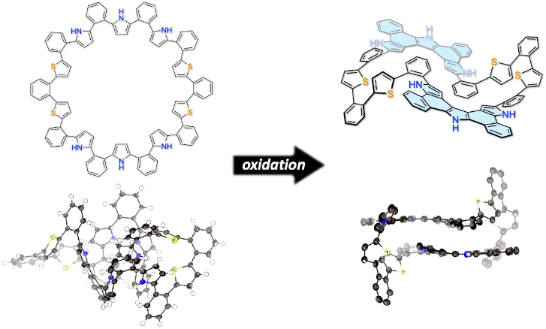
Scheme 1: Synthesis of o-phenylene-pyrrole-thiophene hybrid macrocycles.
Figure 2: X-ray crystal structure of 4. Thermal ellipsoids are scaled to 50% probability level. Solvent molec...
Scheme 2: Synthesis of aza[5]helicene-incorporated macrocyclic heteroarene 5.
Figure 3: 1H NMR spectra of 5 in DMSO-d6 (a) at room temperature and (b) at 100 °C.
Figure 4: (a) X-ray crystal structure of 5; (left) top view, (right) side view. Thermal ellipsoids are scaled...
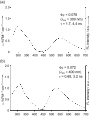
Figure 5: UV–vis absorption and emission spectra of (a) 4 and (b) 5 in DMSO.
Beilstein J. Org. Chem. 2025, 21, 1422–1453, doi:10.3762/bjoc.21.106
Beilstein J. Org. Chem. 2025, 21, 1324–1373, doi:10.3762/bjoc.21.101
Graphical Abstract
Figure 1: Bond lengths and bond angles in oxetane at 140 K [2].
Figure 2: Analogy of 3-substituted oxetanes to carbonyl and gem-dimethyl groups [12].
Figure 3: Use of oxetanes in drug design – selected examples.
Figure 4: Examples of oxetane-containing natural products.
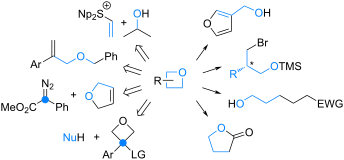
Scheme 1: Synthetic strategies towards construction of the oxetane ring.
Scheme 2: Overview of intramolecular Williamson etherification and competing Grob fragmentation.
Scheme 3: Synthesis of spiro-oxetanes via 1,4-C–H insertion and Williamson etherification.
Scheme 4: Use of phenyl vinyl selenone in the synthesis of spirooxindole oxetanes.
Scheme 5: Synthesis of bicyclic 3,5-anhydrofuranoses via double epoxide opening/etherification.
Scheme 6: Preparation of spirooxetanes by cycloisomerisation via MHAT/RPC.
Scheme 7: Oxetane synthesis via alcohol C–H functionalisation.
Scheme 8: Access to oxetanes 38 from α-acetyloxy iodides.
Scheme 9: The kilogram-scale synthesis of oxetane intermediate 41.
Scheme 10: Overview of the intramolecular opening of 3-membered rings.
Scheme 11: Synthesis of 4,7-dioxatricyclo[3.2.1.03,6]octane skeletons.
Scheme 12: Silicon-directed electrophilic cyclisation of homoallylic alcohols.
Scheme 13: Hydrosilylation–iodocyclisation of homopropargylic alcohols.
Scheme 14: Cu-catalysed intramolecular O-vinylation of γ-bromohomoallylic alcohols.
Scheme 15: Cu-catalysed intramolecular cross-coupling of hydroxyvinylstannanes.
Scheme 16: Isomerisation of oxiranyl ethers containing weakly carbanion-stabilising groups.
Scheme 17: Cyclisation of diethyl haloalkoxymalonates.
Scheme 18: Synthesis of oxetanes through a 1,5-HAT/radical recombination sequence.
Scheme 19: General approach to oxetanes via [2 + 2] cycloadditions.
Scheme 20: Synthesis of tricyclic 4:4:4 oxetanes through a photochemical triple cascade reaction.
Scheme 21: Iridium-catalysed Paternò–Büchi reaction between α-ketoesters and simple alkenes.
Scheme 22: Three-step synthesis of spirocyclic oxetanes 83 via Paternò–Büchi reaction, nucleophilic ring openi...
Scheme 23: Enantioselective Paternò–Büchi reaction catalysed by a chiral iridium photocatalyst.
Scheme 24: Synthesis of polysubstituted oxetanes 92 via Cu(II)-mediated formal [2 + 2] cycloadditions.
Scheme 25: Synthesis of alkylideneoxetanes via NHC- and DBU-mediated formal [2 + 2] cycloadditions.
Scheme 26: Use of sulphur-stabilised carbanions in ring expansions.
Scheme 27: Synthesis of α,α-difluoro(arylthio)methyl oxetanes.
Scheme 28: Ring expansion in an industrial synthesis of PF-06878031.
Scheme 29: Ring contraction of triflated 2-hydroxy-γ-lactones.
Scheme 30: Ring contraction in an industrial synthesis of PF-06878031.
Scheme 31: Photochemical ring contraction of 2,5-dihydrofurans by aryldiazoacetic acid esters.
Scheme 32: Synthesis of 3-oxetanones via O-H insertion of carbenes.
Scheme 33: Synthesis of phosphonate oxetanones via gold-mediated alkyne oxidation/O–H insertion.
Scheme 34: Syntheses and common derivatisations of 3-oxetanone.
Scheme 35: SN1 substitution of 3-aryloxetan-3-ols by thiols and alcohols.
Scheme 36: Fe–Ni dual-catalytic olefin hydroarylation towards 3-alkyl-3-(hetero)aryloxetanes.
Scheme 37: Synthesis of 3-aryloxetan-3-carboxylic acids.
Scheme 38: Decarboxylative alkylation of 3-aryloxetan-3-carboxylic acids.
Scheme 39: Synthesis of 3-amino-3-aryloxetanes via photoredox/nickel cross-coupling catalysis.
Scheme 40: Intermolecular cross-selective [2 + 2] photocycloaddition towards spirooxetanes.
Scheme 41: Synthesis of 3-aryl-3-aminooxetanes via defluorosulphonylative coupling.
Scheme 42: Two-step synthesis of amide bioisosteres via benzotriazolyl Mannich adducts 170.
Scheme 43: Functionalisation of oxetanyl trichloroacetimidates 172.
Scheme 44: Synthesis of oxetane-amino esters 176.
Scheme 45: Tandem Friedel–Crafts alkylation/intramolecular ring opening of 3-aryloxetan-3-ols.
Scheme 46: Synthesis of polysubstituted furans and pyrroles.
Scheme 47: Synthesis of oxazolines and bisoxazolines.
Scheme 48: Tandem, one-pot syntheses of various polycyclic heterocycles.
Scheme 49: Synthesis of 1,2-dihydroquinolines via skeletal reorganisation of oxetanes.
Scheme 50: Synthesis of benzoindolines and 2,3-dihydrobenzofurans and their derivatisations.
Scheme 51: Synthesis of polysubstituted 1,4-dioxanes.
Scheme 52: Preparation of various lactones via ring opening of oxetane-carboxylic acids 219.
Scheme 53: Tsuji-Trost allylation/ring opening of 3-aminooxetanes.
Scheme 54: Arylative skeletal rearrangement of 3-vinyloxetan-3-ols to 2,5-dihydrofurans.
Scheme 55: Reductive opening of oxetanes using catalytic Mg–H species.
Scheme 56: Opening of oxetanes by silyl ketene acetals.
Scheme 57: Rhodium-catalysed hydroacylation of oxetanes.
Scheme 58: Generation of radicals from oxetanes mediated by a vitamin B12-derived cobalt catalyst.
Scheme 59: Reductive opening of oxetanes by B–Si frustrated Lewis pairs.
Scheme 60: Zirconocene-mediated reductive opening of oxetanes.
Scheme 61: Enantioselective syntheses of small and medium-size rings using chiral phosphoric acids.
Scheme 62: Asymmetric synthesis of 2,3-dihydrobenzo[b]oxepines catalysed by a chiral scandium complex.
Scheme 63: Enantioselective synthesis of 1,3-bromohydrins under a chiral squaramide catalysis.
Scheme 64: Enantioselective opening of 2-aryl-2-ethynyloxetanes by anilines.
Scheme 65: Ru-catalysed insertion of diazocarbonyls into oxetanes.
Scheme 66: Ring expansion of oxetanes by stabilised carbenes generated under blue light irradiation.
Scheme 67: Expansion of oxetanes via nickel-catalysed insertion of alkynyltrifluoroborates.
Scheme 68: Nickel-catalysed expansion of oxetanes into ε-caprolactones.
Scheme 69: Expansion of oxetanes via cobalt-catalysed carbonyl insertion.
Scheme 70: Gold-catalysed intramolecular 1,1-carboalkoxylation of oxetane-ynamides.
Scheme 71: Expansion of oxetanes by stabilised sulphoxonium ylides.
Scheme 72: Cu-catalysed ring expansion of 2-vinyloxetanes by diazoesters.
Scheme 73: Total synthesis of (+)-oxetin.
Scheme 74: Total synthesis of racemic oxetanocin A.
Scheme 75: Total synthesis of (−)-merrilactone A.
Scheme 76: Total synthesis of (+)-dictyoxetane.
Scheme 77: Total synthesis of ent-dichrocephone B.
Scheme 78: Total synthesis of (−)-mitrephorone A.
Scheme 79: Total synthesis of (−)-taxol.
Beilstein J. Org. Chem. 2025, 21, 1010–1017, doi:10.3762/bjoc.21.82
Graphical Abstract
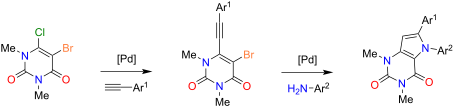
Figure 1: Development of drugs based on pyrrolopyrimidines: A: Cadeguomycin. B: Tubercidin. C: Toyocamycin. D...
Scheme 1: Synthesis of 3a–h. Conditions: i) Br2 (1.0 equiv), Ac2O (1.5 equiv), AcOH, 25 °C, 1 h [25]; ii) aryl ac...
Scheme 2: C–N cross-coupling/hydroamination reaction.
Scheme 3: Synthesis of 4a–m. Conditions: Pd(OAc)2 (5 mol %), DPEphos (5 mol %), K3PO4 (3 equiv), DMA, 100 °C,...
Figure 2: UV–vis absorption (left) and emission (right, λex = 300 nm) spectra of compounds 4a, 4j, 4k, 4l, an...
Beilstein J. Org. Chem. 2025, 21, 955–963, doi:10.3762/bjoc.21.79
Graphical Abstract
Figure 1: The structure of brevicolline ((S)-1) and brevicarine (2).
Scheme 1: Synthesis of racemic brevicolline ((±)-1) starting from 1-methyl-9H-β-carbolin-4-yl trifluoromethan...
Scheme 2: Synthesis of brevicarine (2) from brevicolline ((S)-1).
Scheme 3: First total synthesis of brevicarine (2).
Scheme 4: Multistep synthesis of brevicarine (2) starting from nitrovinylindole 19.
Scheme 5: New synthesis variants for the preparation of brevicarine alkaloid (2) and its synthetic derivative ...
Scheme 6: Preparation of carbamate 28 and subsequent reduction with LiAlH4.
Scheme 7: Experiments for the synthesis of racemic brevicolline ((±)-1), and formation of unexpected products....
Figure 2: X-ray structure of compound 31.
Beilstein J. Org. Chem. 2025, 21, 915–925, doi:10.3762/bjoc.21.74
Graphical Abstract
Figure 1: Representative diazepine-fused heterocycles.
Scheme 1: Post-Ugi synthesis of benzodiazepines and heteroaryl-fused diazepines.
Scheme 2: Synthesis of pyrazole-tethered propargylamides 15 via U4CR. Conditions: Unless otherwise specified,...
Scheme 3: Scope of the silver(I) triflate-catalyzed synthesis of pyrazolo[1,5-a][1,4]diazepines. Conditions: ...
Scheme 4: Telescope procedure for the synthesis of 16a.
Scheme 5: Tentative mechanism for the silver-catalyzed heteroannulation.
Scheme 6: Reductive post-assembly modifications of the pyrazolo[1,5-a][1,4]diazepine core. aDetermined by 1H ...
Beilstein J. Org. Chem. 2025, 21, 296–326, doi:10.3762/bjoc.21.22
Graphical Abstract
Figure 1: Influence of the metal center M (Fe, Ru, Os) on the position of the MLCT and MC (metal-centered) ab...
Scheme 1: Red-light-mediated ring-closing metathesis through activation of a ruthenium catalyst by an osmium ...
Scheme 2: Photocatalyzed polymerization of dicylopentadiene mediated with red or blue light.
Figure 2: Comparison between [Ru(bpy)3]2+ and [Os(tpy)2]2+ in a photocatalyzed trifluoromethylation reaction:...
Scheme 3: Red-light photocatalyzed C–N cross-coupling reaction by T. Rovis et al. (SET = single-electron tran...
Figure 3: Red-light-mediated aryl oxidative addition with a bismuthinidene complex.
Scheme 4: Red-light-mediated reduction of aryl derivatives by O. S. Wenger et al. (PC = photocatalyst, anh = ...
Scheme 5: Red-light-mediated aryl halides reduction with an isoelectronic chromium complex (TDAE = tetrakis(d...
Scheme 6: Red-light-photocatalyzed trifluoromethylation of styrene derivatives with Umemoto’s reagent and a p...
Scheme 7: Red-light-mediated energy transfer for the cross-dehydrogenative coupling of N-phenyltetrahydroisoq...
Scheme 8: Red-light-mediated oxidative cyanation of tertiary amines with a phthalocyanin zinc complex.
Scheme 9: Formation of dialins and tetralins via a red-light-photocatalyzed reductive decarboxylation mediate...
Scheme 10: Oxidation of β-citronellol (28) via energy transfer mediated by a red-light activable silicon phtha...
Scheme 11: Formation of alcohol derivatives 32 from boron compounds 31 using chlorophyll (chl) as a red-light-...
Scheme 12: Red-light-driven reductive dehalogenation of α-halo ketones mediated by a thiaporphyrin photocataly...
Figure 4: Photoinduced electron transfer-reversible addition-fragmentation chain transfer polymerization medi...
Figure 5: Recent examples of red-light-mediated photocatalytic reactions with traditional organic dyes.
Figure 6: Squaraine photocatalysts used by Goddard et al. and aza-Henry reaction with squaraine-based photoca...
Figure 7: Reactions described by Goddard et al. involving 40 as the photocatalyst.
Figure 8: Various structures of squaraine derivatives used to initiate photopolymerizations.
Figure 9: Naturally occurring cyanins.
Figure 10: Influence of the structure on the photophysical properties of a cyanin dye.
Figure 11: NIR-light-mediated aza-Henry reaction photocatalyzed by 46.
Scheme 13: Photocatalyzed arylboronic acids oxidation by 46.
Figure 12: Cyanin structures synthetized and characterized by Goddard et al. (redox potentials given against s...
Figure 13: N,N′-Di-n-propyl-1,13-dimethoxyquinacridinium (55) with its redox potentials at its ground state an...
Scheme 14: Dual catalyzed C(sp2)–H arylation of 57 using DMQA 55 as the red-light-absorbing photocatalyst.
Scheme 15: Red-light-mediated aerobic oxidation of arylboronic acids 59 into phenols 60 via the use of DMQA as...
Figure 14: Red-light-photocatalyzed reactions proposed by Gianetti et al. using DMQA as the photocatalyst.
Scheme 16: Simultaneous release of NO and production of superoxide (O2•−) and their combination yielding the p...
Figure 15: Palladium porphyrin complex as the photoredox catalyst and the NO releasing substrate are linked in...
Scheme 17: Uncaging of compound 69 which is a microtubule depolymerizing agent using near IR irradiation. The ...
Scheme 18: Photochemical uncaging of drugs protected with a phenylboronic acid derivative using near IR irradi...
Scheme 19: Photoredox catalytical generation of aminyl radicals with near IR irradiation for the transfer of b...
Scheme 20: Photoredox catalytical fluoroalkylation of tryptophan moieties.
Figure 16: Simultaneous absorption of two photons of infrared light of low energy enables electronic excitatio...
Scheme 21: Uncaging Ca2+ ions using two-photon excitation with near infrared light.
Beilstein J. Org. Chem. 2025, 21, 179–188, doi:10.3762/bjoc.21.10
Graphical Abstract
Scheme 1: a) Chemical structures of H-bonded macrocycles H1, H2, and guest G1, and schematic representation o...
Figure 1: ESIMS spectrum of an equimolar mixture of G1 and H1 in CHCl3/CH3CN (1:1, v/v), including calculated...
Figure 2: Stacked 1H NMR spectra (CDCl3/CD3CN 1:1, v/v, 400 MHz, 298 K) of G1 upon addition of different equi...
Figure 3: Single-crystal X-ray structure of the complex H2 ⊃ G1. a) Dimeric structure formed by cyclo[6]arami...
Figure 4: Stacked 1H NMR spectra (CDCl3/CD3CN 1:1, v/v, 400 MHz, 298 K) of G2 upon addition of different equi...
Figure 5: TEM images of a solution of H1, G2, and Zn(ClO4)2 at different concentrations (CHCl3/CH3CN 1:1, v/v...
Figure 6: Stacked 1H NMR spectra (CDCl3/CD3CN 1:1, v/v, 400 MHz, 298 K) of G2 and Zn2+ upon addition of diffe...
Figure 7: Specific viscosity of the linear supramolecular polymer in CHCl3/CH3CN (1:1, v/v, 298 K) at variabl...
Figure 8: Variable-concentration 1H NMR spectra of the supramolecular polymer: (a) 2.0 mM, (b) 4.0 mM, (c) 6....
Beilstein J. Org. Chem. 2025, 21, 55–121, doi:10.3762/bjoc.21.6
Graphical Abstract
Scheme 1: Formation of axially chiral styrenes 3 via iminium activation.
Scheme 2: Synthesis of axially chiral 2-arylquinolines 6.
Scheme 3: Atroposelective intramolecular (4 + 2) annulation leading to aryl-substituted indolines.
Scheme 4: Atroposelective formation of biaryl via twofold aldol condensation.
Scheme 5: Strategy towards diastereodivergent formation of axially chiral oligonaphthylenes.
Scheme 6: Atroposelective formation of chiral biaryls based on a Michael/Henry domino reaction.
Scheme 7: Organocatalytic Michael/aldol cascade followed by oxidative aromatization.
Scheme 8: Atroposelective formation of C(sp2)–C(sp3) axially chiral compounds.
Scheme 9: NHC-catalyzed synthesis of axially chiral styrenes 26.
Scheme 10: NHC-catalyzed synthesis of biaxial chiral pyranones.
Scheme 11: Formation of bridged biaryls with eight-membered lactones.
Scheme 12: The NHC-catalyzed (3 + 2) annulation of urazoles 37 and ynals 36.
Scheme 13: NHC-catalyzed synthesis of axially chiral 4‑aryl α‑carbolines 41.
Scheme 14: NHC-catalyzed construction of N–N-axially chiral pyrroles and indoles.
Scheme 15: NHC-catalyzed oxidative Michael–aldol cascade.
Scheme 16: NHC-catalyzed (4 + 2) annulation for the synthesis of benzothiophene-fused biaryls.
Scheme 17: NHC-catalyzed desymmetrization of N-aryl maleimides.
Scheme 18: NHC-catalyzed deracemization of biaryl hydroxy aldehydes 55a–k into axially chiral benzonitriles 56a...
Scheme 19: NHC-catalyzed desymmetrization of 2-aryloxyisophthalaldehydes.
Scheme 20: NHC-catalyzed DKR of 2-arylbenzaldehydes 62.
Scheme 21: Atroposelective biaryl amination.
Scheme 22: CPA-catalyzed atroposelective amination of 2-anilinonaphthalenes.
Scheme 23: Atroposelective DKR of naphthylindoles.
Scheme 24: CPA-catalyzed kinetic resolution of binaphthylamines.
Scheme 25: Atroposelective amination of aromatic amines with diazodicarboxylates.
Scheme 26: Atroposelective Friedländer heteroannulation.
Scheme 27: CPA-catalyzed formation of axially chiral 4-arylquinolines.
Scheme 28: CPA-catalyzed Friedländer reaction of arylketones with cyclohexanones.
Scheme 29: CPA-catalyzed atroposelective Povarov reaction.
Scheme 30: Atroposelective CPA-catalyzed Povarov reaction.
Scheme 31: Paal–Knorr formation of axially chiral N-pyrrolylindoles and N-pyrrolylpyrroles.
Scheme 32: Atroposelective Paal–Knorr reaction leading to N-pyrrolylpyrroles.
Scheme 33: Atroposelective Pictet–Spengler reaction of N-arylindoles with aldehydes.
Scheme 34: Atroposelective Pictet–Spengler reaction leading to tetrahydroisoquinolin-8-ylanilines.
Scheme 35: Atroposelective formation of arylindoles.
Scheme 36: CPA-catalyzed arylation of naphthoquinones with indolizines.
Scheme 37: Atroposelective reaction of o-naphthoquinones.
Scheme 38: CPA-catalyzed formation of axially chiral arylquinones.
Scheme 39: CPA-catalyzed axially chiral N-arylquinones.
Scheme 40: Atroposelective additions of bisindoles to isatin-based 3-indolylmethanols.
Scheme 41: CPA-catalyzed synthesis of axially chiral arylindolylindolinones.
Scheme 42: CPA-catalyzed reaction between bisindoles and ninhydrin-derived 3-indoylmethanols.
Scheme 43: Atroposelective reaction of bisindoles and isatin-derived imines.
Scheme 44: CPA-catalyzed formation of axially chiral bisindoles.
Scheme 45: Atroposelective reaction of 2-naphthols with alkynylhydroxyisoindolinones.
Scheme 46: CPA-catalyzed reaction of indolylnaphthols with propargylic alcohols.
Scheme 47: Atroposelective formation of indolylpyrroloindoles.
Scheme 48: Atroposelective reaction of indolylnaphthalenes with alkynylnaphthols.
Scheme 49: CPA-catalyzed addition of naphthols to alkynyl-2-naphthols and 2-naphthylamines.
Scheme 50: CPA-catalyzed formation of axially chiral aryl-alkene-indoles.
Scheme 51: CPA-catalyzed formation of axially chiral styrenes.
Scheme 52: Atroposelective formation of alkenylindoles.
Scheme 53: Atroposelective formation of axially chiral arylquinolines.
Scheme 54: Atroposelective (3 + 2) cycloaddition of alkynylindoles with azonaphthalenes.
Scheme 55: CPA-catalyzed formation of axially chiral 3-(1H-benzo[d]imidazol-2-yl)quinolines.
Scheme 56: Atroposelective cyclization of 3-(arylethynyl)-1H-indoles.
Scheme 57: Atroposelective three-component heteroannulation.
Scheme 58: CPA-catalyzed formation of arylbenzimidazols.
Scheme 59: CPA-catalyzed reaction of N-naphthylglycine esters with nitrosobenzenes.
Scheme 60: CPA-catalyzed formation of axially chiral N-arylbenzimidazoles.
Scheme 61: CPA-catalyzed formation of axially chiral arylbenzoindoles.
Scheme 62: CPA-catalyzed formation of pyrrolylnaphthalenes.
Scheme 63: CPA-catalyzed addition of naphthols and indoles to nitronaphthalenes.
Scheme 64: Atroposelective reaction of heterobiaryl aldehydes and aminobenzamides.
Scheme 65: Atroposelective cyclization forming N-arylquinolones.
Scheme 66: Atroposelective formation of 9H-carbazol-9-ylnaphthalenes and 1H-indol-1-ylnaphthalene.
Scheme 67: CPA-catalyzed formation of pyrazolylnaphthalenes.
Scheme 68: Atroposelective addition of diazodicarboxamides to azaborinephenols.
Scheme 69: Catalytic formation of axially chiral arylpyrroles.
Scheme 70: Atroposelective coupling of 1-azonaphthalenes with 2-naphthols.
Scheme 71: CPA-catalyzed formation of axially chiral oxindole-based styrenes.
Scheme 72: Atroposelective electrophilic bromination of aminonaphthoquinones.
Scheme 73: Atroposelective bromination of dienes.
Scheme 74: CPA-catalyzed formation of axially chiral 5-arylpyrimidines.
Scheme 75: Atroposelective hydrolysis of biaryloxazepines.
Scheme 76: Atroposelective opening of dinaphthosiloles.
Scheme 77: Atroposelective reduction of naphthylenals.
Scheme 78: Atroposelective allylic substitution with 2-naphthols.
Scheme 79: Atroposelective allylic alkylation with phosphinamides.
Scheme 80: Atroposelective allylic substitution with aminopyrroles.
Scheme 81: Atroposelective allylic substitution with aromatic sulfinamides.
Scheme 82: Atroposelective sulfonylation of naphthylynones.
Scheme 83: Squaramide-catalyzed reaction of alkynyl-2-naphthols with 5H-oxazolones.
Scheme 84: Formation of axially chiral styrenes via sulfonylative opening of cyclopropanols.
Scheme 85: Atroposelective organo-photocatalyzed sulfonylation of alkynyl-2-naphthols.
Scheme 86: Thiourea-catalyzed atroposelective cyclization of alkynylnaphthols.
Scheme 87: Squaramide-catalyzed formation of axially chiral naphthylisothiazoles.
Scheme 88: Atroposelective iodo-cyclization catalyzed by squaramide C69.
Scheme 89: Squaramide-catalyzed formation of axially chiral oligoarenes.
Scheme 90: Atroposelective ring-opening of cyclic N-sulfonylamides.
Scheme 91: Thiourea-catalyzed kinetic resolution of naphthylpyrroles.
Scheme 92: Atroposelective ring-opening of arylindole lactams.
Scheme 93: Atroposelective reaction of 1-naphthyl-2-tetralones and diarylphosphine oxides.
Scheme 94: Atroposelective reaction of iminoquinones with indoles.
Scheme 95: Kinetic resolution of binaphthylalcohols.
Scheme 96: DKR of hydroxynaphthylamides.
Scheme 97: Atroposelective N-alkylation with phase-transfer catalyst C75.
Scheme 98: Atroposelective allylic substitution via kinetic resolution of biarylsulfonamides.
Scheme 99: Atroposelective bromo-functionalization of alkynylarenes.
Scheme 100: Sulfenylation-induced atroposelective cyclization.
Scheme 101: Atroposelective O-sulfonylation of isochromenone-indoles.
Scheme 102: NHC-catalyzed atroposelective N-acylation of anilines.
Scheme 103: Peptide-catalyzed atroposelective ring-opening of lactones.
Scheme 104: Peptide-catalyzed coupling of 2-naphthols with quinones.
Scheme 105: Atroposelective nucleophilic aromatic substitution of fluoroarenes.
Beilstein J. Org. Chem. 2024, 20, 3144–3150, doi:10.3762/bjoc.20.260
Graphical Abstract
Scheme 1: Aromatic stabilization energy across a series of small aromatics (upper); graphical depiction of th...
Scheme 2: Clar–Loschmidt graphs: [upper] defining the relationship of the molecular fragment to the graph nod...
Scheme 3: CL graph perspective on acidic PAH-CpHs; pentabenzocorannulene and pentabenzoazocorannulene (upper)...
Beilstein J. Org. Chem. 2024, 20, 3085–3112, doi:10.3762/bjoc.20.257
Graphical Abstract
Figure 1: Chemical structures of the main tetrapyrrolic macrocycles studied in this review for their role as ...
Figure 2: Calix[4]pyrroles 3 and 4 and an their acyclic analogue 5 used for the transformation of Danishefsky...
Figure 3: Calixpyrrole-based organocatalysts 11 and 12 for the diastereoselective addition reaction of TMSOF ...
Figure 4: (a) Chemical structures of macrocyclic organocatalysts used for the synthesis of cyclic carbonates ...
Figure 5: Cuprous chloride-catalyzed aziridination of styrene (22) by chloramine-T (23) providing 1-tosyl-2-p...
Figure 6: Chemical structures of the various porphyrin macrocycles (18, 25–41) screened as potential catalyst...
Figure 7: Organocatalytic activity of distorted porphyrins explored by Senge and co-workers. Planar macrocycl...
Figure 8: Chemical structures of H2EtxTPP (x = 0, 2, 4, 6, 8) compounds with incrementally increasing nonplan...
Figure 9: Chemical structures of OxP macrocycles tested as potential organocatalysts for the conjugate additi...
Figure 10: a) Fundamental structure of the J-aggregates of diprotonated TPPS3 53 and b) its use as a catalyst ...
Figure 11: Chemical structures of amphiphilic porphyrin macrocycles used as pH-switchable catalysts based on i...
Figure 12: a) Chemical structures of porphyrin macrocycles for the cycloaddition of CO2 to N-alkyl/arylaziridi...
Figure 13: Electron and energy-transfer processes typical for excited porphyrin molecules (Por = porphyrin mac...
Figure 14: Proposed mechanism for the light-induced α-alkylation of aldehydes with EDA in the presence of H2TP...
Figure 15: a) Chemical structures of porphyrins screened as photoredox catalysts, b) model reaction of furan (...
Figure 16: Porphyrin macrocycles H2TPP (18) and PPIX 78 as photoreductants for the red light-induced C–H aryla...
Figure 17: Porphyrin macrocycles H2TPP (18) and PPIX 78 as photoredox catalyst for (a) α-alkylation of an alde...
Figure 18: Corrole macrocycles 98–100 as photoredox catalysts for C–H arylation and borylation reactions. Adap...
Figure 19: Proposed catalytic cycle of electrocatalytic generation of H2 evolution using tetrapyrrolic macrocy...
Figure 20: a) Chemical structures of tetrapyrrolic macrocycles 109, 73, and 110 used for oxygen reductions in ...
Figure 21: a) Absorption spectra (left) of the air-saturated DCE solutions containing: 5 × 10⁻⁵ M H2TPP (black...
Figure 22: Chemical structures of N,N’-dimethylated saddle-distorted porphyrin isomers, syn-Me2P 111 and anti-...
Figure 23: Reaction mechanisms for the two-electron reduction of O2 by a) syn-Me2Iph 113 and b) anti-Me2Iph 114...
Figure 24: O2/H2O2 interconversion using methylated saddle-distorted porphyrin and isophlorin (reduced porphyr...
Figure 25: Chemical structures of distorted dodecaphenylporphyrin macrocycle 117 and its diprotonated form 118...
Beilstein J. Org. Chem. 2024, 20, 2954–2958, doi:10.3762/bjoc.20.248
Graphical Abstract
Scheme 1: Synthesis of the starting materials 16, 17, and 18 for the subsequent Williamson ether synthesis wi...
Scheme 2: Synthesis of perfluoroalkyl ester-functionalized aldehydes 22, 23, and 24. Conditions: a) NIS, TFA,...
Scheme 3: Porphyrin synthesis. a) Rothemund porphyrin synthesis of metal-free porphyrins 26, 27, and 28; b) m...