


Search results
Search for "enzymes" in Full Text gives 507 result(s) in Beilstein Journal of Organic Chemistry. Showing first 200.
Construction of CF2 moieties in FDA-approved drugs (2016–2025): industrial routes, mechanisms, and scale-up considerations
Beilstein J. Org. Chem. 2026, 22, 1122–1150, doi:10.3762/bjoc.22.91
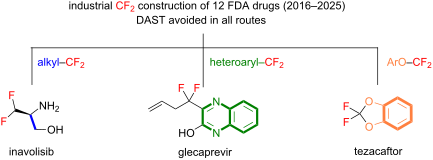
- conformations, while aromatic C–F groups can influence arene–arene interactions by altering the electronic properties of the aromatic system. Such property modifications can block unnecessary oxidative drug metabolism, thereby improving metabolic stability and enhancing affinity with target enzymes, leading to






Rhodopyran, a carboxylated hexahydrocyclopenta[b]pyran from Rhodococcus
Beilstein J. Org. Chem. 2026, 22, 1107–1113, doi:10.3762/bjoc.22.89
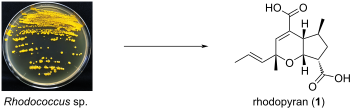
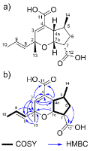
- origin, because both routes could converge at the level of linear β-oxo/β-hydroxy acyl intermediates. The absence of 1 from the uninoculated A-3M medium control indicates that rhodopyran is not a pre-existing medium component or a medium-derived extraction artifact. However, the responsible enzymes, the
- be excluded. The responsible enzymes and detailed pathway remain to be established. NMR spectroscopic data for rhodopyran (1) in CD3OD. Supporting Information Supporting Information File 16: NMR, HRMS, IR spectra, and HPLC chromatogram for compound 1. Funding This work was supported by JSPS KAKENHI


Amino acid-based surfactants: sustainable synthesis and antimicrobial mechanisms
Beilstein J. Org. Chem. 2026, 22, 1067–1085, doi:10.3762/bjoc.22.85
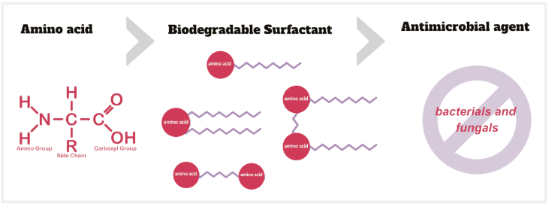
- -spectrum effects, including antibiofilm and antifungal properties [24]. Notably, these compounds also disrupt microbial membranes via lytic or non-lytic mechanisms (e.g., pore formation, lipid extraction, or inhibition of essential enzymes like ATP synthases) [25][26][27][28]. The antimicrobial activity
- developed adaptive resistance mechanisms, such as the production of enzymes that degrade antibiotics (such as β-lactamases), modifications to the target site of antimicrobials, alteration on the cell membrane permeability and activation of efflux pumps [79]. The rapid development of antibiotic resistance
- revealing specific inhibitory concentrations and binding affinities [16][60]. Molecular docking simulations demonstrated that these compounds bind to enzymes critical for microbial survival, such as DNA gyrase (involved in bacterial replication) and dihydrofolate reductase (DHFR) (key to nucleotide


Synthesis of functionalized, 13-alkyl-substituted coralyne derivatives and investigation of their interactions with duplex and abasic site-containing DNA
Beilstein J. Org. Chem. 2026, 22, 1057–1066, doi:10.3762/bjoc.22.84
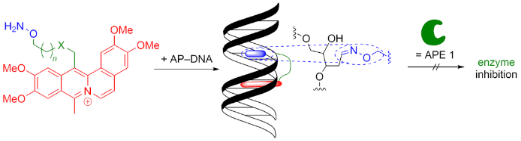
- ]. These structural changes may, in turn, suppress recognition processes between DNA and physiologically relevant enzymes, which are essential for important DNA-based cellular processes. For instance, genotoxic, antitumoral DNA ligands, such as topoisomerase inhibitors, operate according to this principle
- enzymes to the lesion site [41][57]. With the available data, however, insertion of the coralyne part of 2g in the AP site cannot be excluded. Nevertheless, as this is only a dynamic non-covalent interaction, the competing covalent attachment through oxime formation will prevail. Conclusion In summary
- : Enzymes (UNG, APE1, NEIL1, NTHL1, NEIL3, OGG1) and mutants were produced as reported previously [59]. General methods The reaction mixtures were stirred with a magnetic stirrer equipped with a stirring bar. The average room temperature (rt) was 22–24 °C. If not stated otherwise, operations were conducted


One-pot four-component sequential synthesis of S-alkyl dithiocarbamates using lipase as a biocatalyst
Beilstein J. Org. Chem. 2026, 22, 1048–1056, doi:10.3762/bjoc.22.83
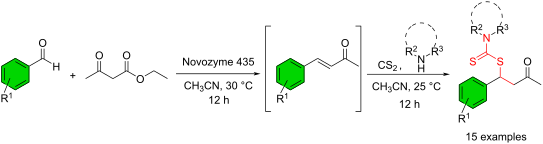
- operational simplicity, providing efficient access to structurally diverse S-alkyl dithiocarbamates under mild reaction conditions (Scheme 1c). Lipases (triacylglycerol hydrolases, EC 3.1.1.3) are among the most widely utilized enzymes in both biotechnology and chemistry [27][28][29]. These enzymes primarily


Semisynthesis, characterisation, and antibacterial evaluation of a novel lecanoric acid-derived amide library
Beilstein J. Org. Chem. 2026, 22, 1023–1032, doi:10.3762/bjoc.22.81
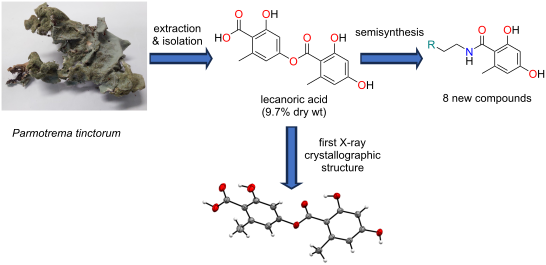
- include the dibenzofuran derivative usnic acid that has been found to strongly inhibit cholinergic enzymes [e.g., AChE (IC50 1.27 nM) and BChE (IC50 0.24 nM)] that are drug targets for Alzheimer’s disease [6], and the depside atranorin, which has been shown to moderately inhibit the growth of the breast


Site-specific labelling of native peptides and proteins: chemical and enzymatic strategies
Beilstein J. Org. Chem. 2026, 22, 857–881, doi:10.3762/bjoc.22.67
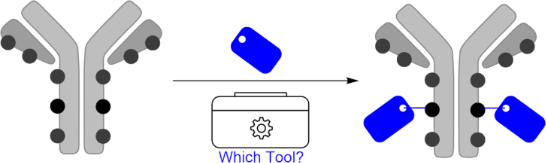
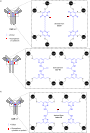
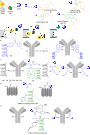
- activity of the modified protein, recyclability and manufacturing cost of the enzymes also need to be carefully considered, as costs can easily balloon in process development. Nonetheless, the use of glycan remodelling is expanding for applications such as site-specific protein labelling, with ADC
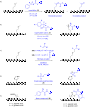
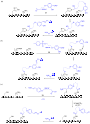
- development exemplifying its significant potential. Enzyme-mediated modifications Enzymes are highly attractive tools for native-sequence protein modification, offering exquisite spatial precision under mild, biocompatible conditions and easy access via recombinant technologies. Their catalytic activity
- supports scalability, making them suitable for both academic and industrial applications. Moreover, enzymes enable a broad spectrum of chemistries, targeting both amino acid sidechains and the protein backbone [140][141][142]. Despite these advantages, the repertoire of enzymes applied for native-sequence








Synthesis of depressin, cryptomeridiol and 4-epi-cryptomeridiol enabled by a terpenoid chiral pool-producing platform
Beilstein J. Org. Chem. 2026, 22, 683–690, doi:10.3762/bjoc.22.53
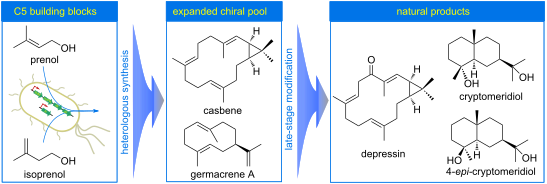
- of both casbane-type diterpene and germacrane-type sesquiterpene, we firstly prepared two plasmids containing genes encoding enzymes responsible for the biosynthesis of geranylgeranyl pyrophosphate (GGPP) and farnesyl pyrophosphate (FPP) by taking advantage of the IU pathway (Table S1, Supporting


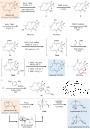
Advantages of PROTACs in achieving selective degradation of homologous protein families
Beilstein J. Org. Chem. 2026, 22, 628–661, doi:10.3762/bjoc.22.49
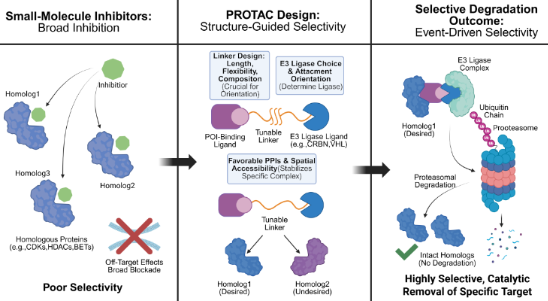
- overall selectivity of PROTACs, utilizing several high-profile targets as illustrative examples. CDK Cyclin-dependent kinases (CDKs) are members of the serine/threonine (S/T) kinase subfamily comprising 21 CDK enzymes [44]. CDK1, 2, 3, 4, and 6 play a key role in cell cycle regulation. CDK7, 8, 9, and 11
- proteins under the catalysis of a series of enzymes [112]. The ubiquitinated protein can be recognized explicitly by the proteasome to achieve degradation. The whole process requires the participation of three enzymes: ubiquitin-activating enzyme (E1), ubiquitin-conjugating enzymes (E2), and ubiquitin
- -ligase enzymes (E3) [113][114][115]. So far, two E1 enzymes, about 40 E2 enzymes, and more than 600 E3 enzymes have been found in the human proteome [116]. As the specificity of the substrate protein in the ubiquitination is determined by E3 ubiquitin ligase, the E3 enzyme is a colossal protein family


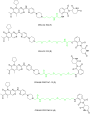

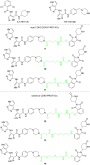


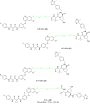
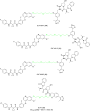


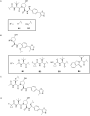


Towards the targeted protein degradation of CK2: design and synthesis of CAM4066-based PROTACs
Beilstein J. Org. Chem. 2026, 22, 611–619, doi:10.3762/bjoc.22.47
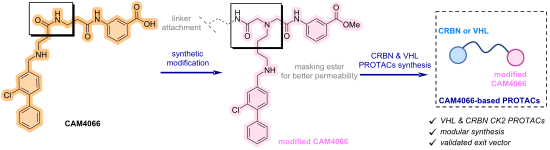
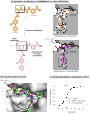
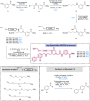
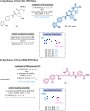
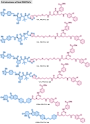
- binding affinity comparable to CAM4066, confirming that linker installation is tolerated and preserves key interactions in the αD and ATP sites. Keywords: CAM4066; casein kinase 2 (CK2); PROTACs; targeted protein degradation; Introduction Protein kinases form a large family of more than 500 enzymes that

Regioselective approach to 5-arylsulfonylisoxazoles and their antimicrobial activity
Beilstein J. Org. Chem. 2026, 22, 592–602, doi:10.3762/bjoc.22.45
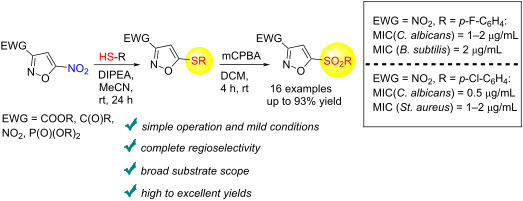
- studies indicate that these compounds induce the bacterial SOS response without inhibiting DNA synthesis-related enzymes such as DNA polymerase I, DNA gyrase, or topoisomerases I and IV, suggesting activation via bacterial reductases. These findings highlight the potential of these isoxazole derivatives
- SOS response is a global response to DNA damage which can occur due to several reasons, including, but not limited to, inhibition of enzymes such as DNA gyrase, DNA polymerase or topoisomerases I and IV. We conducted studies of inhibitory activity of samples 3h, 3g and 4b against the above-mentioned
- enzymes as described previously [34]. Firstly, we conducted the Klenow fragment test to assess potential inhibitory activity on DNA polymerase I. The principal scheme of this test is shown in Figure 3A. Briefly, two primers (74 bases and 89 bases) anneal to each other, and the Klenow fragment of DNA


Experimental and DFT studies on the regioselective methanolysis of 5-azido-9-oxabicyclo[6.1.0]nonan-4-yl 4-nitrobenzoate isomers
Beilstein J. Org. Chem. 2026, 22, 547–556, doi:10.3762/bjoc.22.40
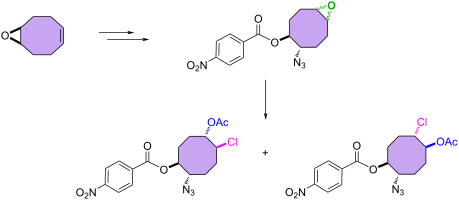
- azidomorphine (4) are utilized as pharmaceuticals (Figure 1) [1][6][7][8][9]. Additionally, recent studies demonstrated that nonglycosyl azides hamper glycan acceptance by carbohydrate-processing enzymes [10][11]. Moreover, azido sugars are used directly in cell biology studies. Therefore, synthetic


Synthesis of a HDAC inhibitor–nanogold probe for cryo-EM visualization in class I HDAC co-repressor complexes
Beilstein J. Org. Chem. 2026, 22, 480–485, doi:10.3762/bjoc.22.35
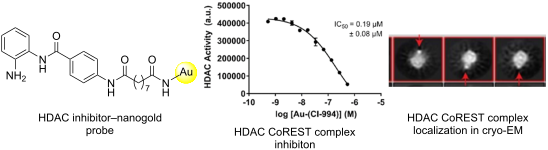
- domain within the CoREST complex. Keywords: CI-994; co-repressor complex; CoREST; cryo-EM; gold nanoparticle; HDAC; Introduction Histone deacetylase (HDAC) enzymes catalyze the hydrolysis of acetyl groups from N-acetylated lysine residues in histone proteins. HDACs are also capable of the deacetylation
- of non-histone proteins [1], and the hydrolysis of other acyl functional groups [2]. The human genome encodes 18 histone deacetylases (HDACs), which are divided into two main groups based on their catalytic mechanisms [3]. Eleven HDACs are zinc-dependent enzymes, while the remaining seven, known as
- independently and that their activities and modulation by inhibitors and activators are closely coupled. Both enzymes exist in at least two distinguishable states that differ in their kinetic properties, consistent with the two distinct structural states of the complex observed in the cryo-EM maps [10]. However



Structural reassignment of compound 968, an allosteric glutaminase inhibitor
Beilstein J. Org. Chem. 2026, 22, 455–460, doi:10.3762/bjoc.22.33
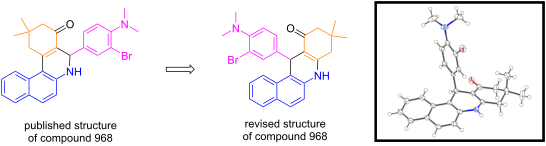
- ]. Glutamine serves as a nitrogen donor for the biosynthesis of asparagine, amino sugars, and nucleotides. Glutamine is also hydrolyzed to glutamate by glutaminase (GLS) enzymes, which are often overexpressed in cancer cells. The resulting glutamate supports the biosynthesis of glutathione and can be
- the liver. GAC is a highly active splice variant of KGA often expressed in cancer cells [3]. GLS1 and GLS2 enzymes share similar sequences, tetrameric structures, and enzymatic stimulation by phosphate [4][5][6]. The reliance of cancer cells on glutamine to meet the energetic, biosynthetic, and redox
- inhibits glutaminase by covalently labeling the catalytic serine [8]. DON inhibits other glutamine-utilizing enzymes such as asparagine synthetase and has activity against a wide range of cancer cell lines [9][10]. BPTES is a potent allosteric inhibitor of GAC/KGA that binds at the dimer–dimer interface


Design, synthesis and biological evaluation of 2,5-diaryloxazolo[4,5-d]pyrimidin-7-ylamines as selective cytotoxic agents against HeLa cells
Beilstein J. Org. Chem. 2026, 22, 390–398, doi:10.3762/bjoc.22.27

- activity. They combine purine-like recognition features with the synthetic flexibility of heterocycles, offering a platform for selective targeting of tumor-related enzymes and receptors. Tumor cells overexpress kinases, DNA/RNA polymerases, and metabolic enzymes that bind purine nucleotides. Cancer cell
- lines such as HepG2 (liver), HeLa (cervix), A549 (lung), and glioblastoma models rely on enhanced nucleotide metabolism to sustain rapid DNA/RNA synthesis. Oxazolopyrimidines can inhibit these overactive enzymes in cancer cells, while normal cells (with lower demand) are less affected. This explains why


Ring contraction and ring expansion reactions in terpenoid biosynthesis and their application to total synthesis
Beilstein J. Org. Chem. 2026, 22, 289–343, doi:10.3762/bjoc.22.21
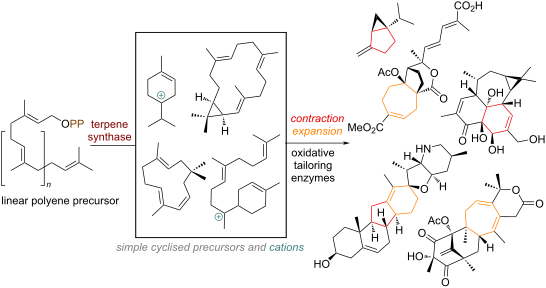
- deliver the most common terpene frameworks. In some instances, these enzymes can also effect ring contraction or expansion directly during the initial cyclisation mechanism [19][20][21][22][23][24][25][26][27]. In many cases though, the ring-altering reaction instead takes place at a later stage of
- terpenoids and highlight the utility of strategically including such a step in a natural product synthesis. To start, an overview of the different classes of enzymes, and thus common mechanisms, of ring-size-altering reactions for terpenes will be presented. In Scheme 1 the four most important manifolds for
- terpenoid modification in nature are depicted. Terpene synthase enzymes are centrally important for determining the carbon skeleton and thus family the terpenoid belongs to. These cyclisation enzymes are divided into Class I (active site cleft contains multiple Mg2+-binding motifs which are responsible for






Spirobarbiturates with a pyrrolizidine moiety: synthesis, structure and biological evaluation
Beilstein J. Org. Chem. 2026, 22, 274–288, doi:10.3762/bjoc.22.20
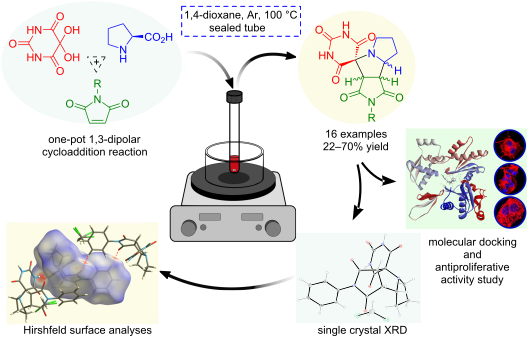
- ] and antiviral activities (7,7a-diepialexine) [40]. Some pyrrolizidine derivatives are inhibitors of enzymes such as acetylcholinesterase (AChE) (echimidine) [41] or β-N-acetylglucosaminidase (GlcNAcases) (pochonicine) [42]. Our previous studies have shown that spiro-fused barbiturates containing




Conformational analysis of difluoromethylornithine: factors influencing its gas-phase and bioactive conformations
Beilstein J. Org. Chem. 2026, 22, 237–243, doi:10.3762/bjoc.22.17
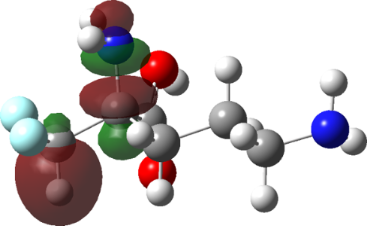
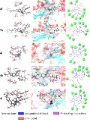
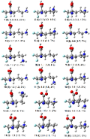
- decarboxylase from Leishmania infantum complexed with PLP and DFMO, the bound ligand corresponds instead to human arginase I (PDB code 3GN0). While binding to arginase I is not related to DFMO’s pharmacological activity, both enzymes recognize ornithine-related substrates, allowing DFMO to occupy the arginase




Enantioselective radical chemistry: a bright future ahead
Beilstein J. Org. Chem. 2025, 21, 2283–2296, doi:10.3762/bjoc.21.174
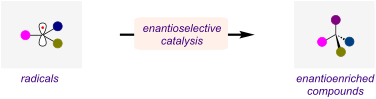
- individually or synergistically with other catalytic systems. Enzymatic catalysis can pose challenges including enzyme engineering, reaction scale-up, etc. but is optimal in terms of the toxicity profile of the reaction conditions. Biomolecules such as enzymes are attractive candidates for efficient and
- , particularly involving photoredox catalysts, have led to the emerging area of photoenzymatic catalysis. Several new modes of activation successfully catalyzed by enzymes have been demonstrated [71][72][73][74]. Notable photoenzymatic reactions involving radical cyclizations have been reported. In one
- , organocatalysts, transition-metal complexes, and enzymes. In many cases, low catalyst loadings have been achieved, especially in transition-metal catalyzed, photoredox, and biocatalytic methods. Photoredox catalysis has had a tremendous impact on the field of organic radical chemistry. In many modern radical


Research towards selective inhibition of the CLK3 kinase
Beilstein J. Org. Chem. 2025, 21, 2250–2259, doi:10.3762/bjoc.21.172
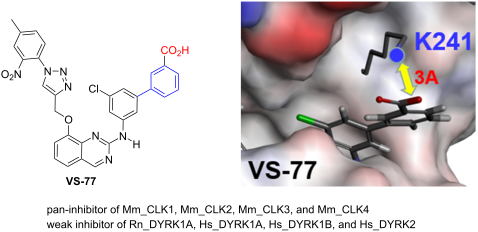
- last 25 years and more than 400 orally effective protein kinase inhibitors are in clinical trials worldwide [4][5]. However, and despite this high interest, the function in human biology of approximately one third of the kinase members is poorly understood [6]. These enzymes are classified as “dark


C2 to C6 biobased carbonyl platforms for fine chemistry
Beilstein J. Org. Chem. 2025, 21, 2103–2172, doi:10.3762/bjoc.21.165
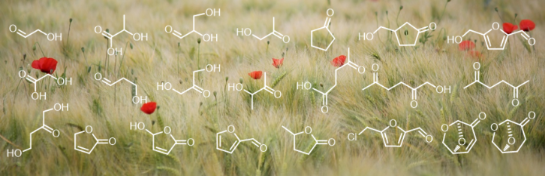
- biomass-based molecule and widely used building block in the food industry as flavoring compound. It can be synthesized from diacetyl by reduction using enzymes such as Aerobacter aerogenes [102] or thiamine diphosphate-dependent lyase (ThdP-lyase) [103]. The biotechnological production of chiral acetoin
- acid, fumaric acid and ʟ-aspartic acid by biocatalysis in 91%, 79%, 94%, 97% yield, respectively, in the presence of enzymes such as maleate hydratase, maleate cis–trans isomerase, fumarase, or ʟ-aspartase [155]. C5 biobased carbonyl platforms Furfural Furfural is a versatile biobased C5 platform


Bioinspired total syntheses of natural products: a personal adventure
Beilstein J. Org. Chem. 2025, 21, 2048–2061, doi:10.3762/bjoc.21.160
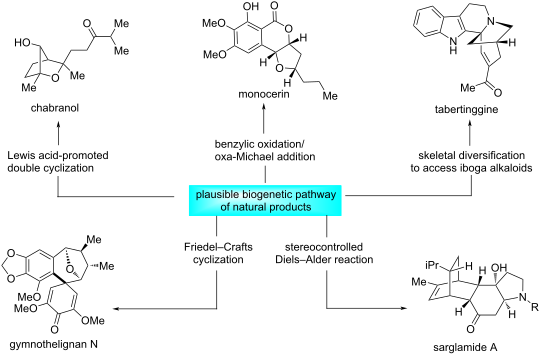
- functionalities in a complex framework are formidable challenges for mankind since such transformations in nature are precisely induced by enzymes. Bioinspired functionalization of C–H bond in total synthesis is rarely developed and it represents another challenge, despite numerous methodologies have been
- invented. Moreover, bioinspired total synthesis involving visible light and enzymes are new significant trends in this field, and these techniques have demonstrated great power in achieving unprecedented selectivity and reactivity. Since nature still prevails in rapid generating molecular complexity and



α-Ketoglutaric acid in Ugi reactions and Ugi/aza-Wittig tandem reactions
Beilstein J. Org. Chem. 2025, 21, 2021–2029, doi:10.3762/bjoc.21.157
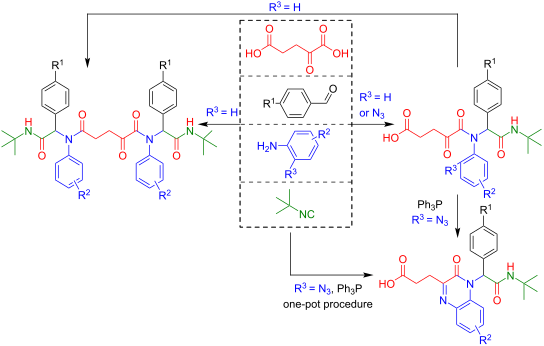
- as low toxicity of these substances [42]. Biological activity screening also suggests that quinoxalinone-based compounds can inhibit aldose reductase [43], α-amylase and α-glucosidase [44], as well as key enzymes involved in the processes of saturated fatty acid conversion [45] and glycogenolysis [46


Enantioselective desymmetrization strategy of prochiral 1,3-diols in natural product synthesis
Beilstein J. Org. Chem. 2025, 21, 1932–1963, doi:10.3762/bjoc.21.151

- been developed, employing enzymes, metal complexes, or organocatalysts to convert prochiral or meso precursors into chiral motifs. Different from other strategies constructing chiral centers by formation of a new chemical bond at the central carbon, enantioselective desymmetrization is achieved through
- high enantioselectivity. However, since an enzymatic reaction generally produces only one of the two enantiomers, extensive enzyme screening is often required to access the desired enantiomer. Among various types of enzymes, lipases have proven to be efficient for the desymmetrization of 1,3-diols
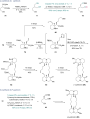
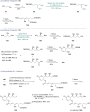
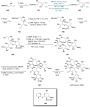
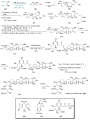
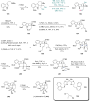
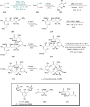
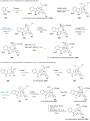
- includes two enzymes, CAL-A and CAL-B [35][36]. Although a previous report [27] indicated that the desymmetrization of prochiral diol 2 with CAL was ineffective, the Shishido group prepared optically active compound (S)-11 via CAL-catalyzed asymmetric transesterification of the structurally similar diol 10












Systematic pore lipophilization to enhance the efficiency of an amine-based MOF catalyst in the solvent-free Knoevenagel reaction
Beilstein J. Org. Chem. 2025, 21, 1854–1863, doi:10.3762/bjoc.21.144
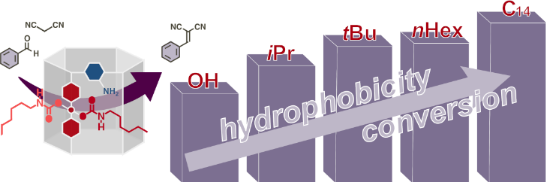
- enhance covalent and/or acid–base catalysis via any combination of non-covalent interactions (hydrogen bonding, π–π stacking, lipophilic interactions, etc) [4][5][6]. Inspired by enzymes, Nature's most efficient catalysts, chemists have long endeavored to synthesize catalytic materials in which multiple
- catalysis have focused on lipophilization to prevent water-based catalyst decomposition, with only a few investigating how lipophilic pores surfaces can increase catalyst efficiency [32][33], despite enzymes employing such a strategy. The lipophilicity of enzyme active sites tends to improve reaction rates
- . This trend suggests that the lipophilic surfaces may destabilize hydrophilic intermediates, promoting faster conversion of HPMM to BMN, similar to the ground-state destabilization of polar substrates observed in enzymes with lipophilic pockets [54][55]. It should be noted that this result is in





