Search results
Search for "plants" in Full Text gives 251 result(s) in Beilstein Journal of Organic Chemistry. Showing first 200.
Synthesis and optical resolution of 4,5-diaminohomoadamantane: a promising scaffold for chiral ligands and bioactive compounds
Beilstein J. Org. Chem. 2026, 22, 1013–1022, doi:10.3762/bjoc.22.80
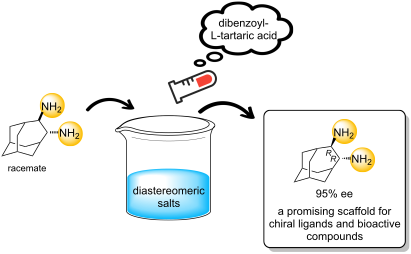
- , a few examples of homoadamantane derivatives showing pronounced biological activity are known. More than 40 homoadamantane polyprenylated acylphloroglucinols have been isolated from Hypericum plants [54][55][56]. Among them, hyperacmosins A and B showed a protective effect in paracetamol-induced


Synthesis and biological evaluation of new brassinosteroid analogs with C-22 benzoate function
Beilstein J. Org. Chem. 2026, 22, 753–762, doi:10.3762/bjoc.22.57
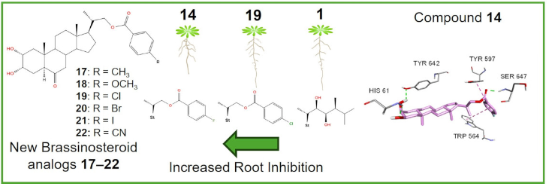
- bioactivity can be correlated with the binding of BRs to BRI1 [23][24], and some structure–activity relationships (SAR) have been proposed [25][26]. The low abundance of BRs present in plants has prompted the quest of synthetic pathways to obtain these compounds. However, to synthesize molecules with the same
- main idea is to correlate the amount and form of BES1 with the activity exhibited by these analogs on the root growth assay. The results of the immunoblot analysis of proteins with an antibody specific for BES1, in roots of A. thaliana ecotype Col-0 plants are shown in Figure S67, Supporting


Anti-invasive and cytotoxic evaluation of a (+)-pinoresinol-based semisynthetic library against glioblastoma
Beilstein J. Org. Chem. 2026, 22, 691–704, doi:10.3762/bjoc.22.54
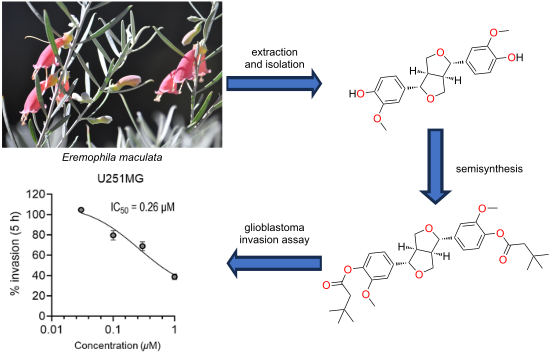
- approved by the FDA are derived from natural products, their derivatives, or synthetic mimetics inspired by natural compounds [5]. The traditional knowledge of native plants for medicinal purposes is invaluable, and there are ongoing investigations by many research groups from around the world that aim to
- scientifically validate these traditional remedies and explore their potential applications in modern medicine. Australia's native flora, which is renowned for its rich biodiversity, has been used by Australian Aboriginal peoples for thousands of years, and they have long used Eremophila plants such as E
- . longifolia and E. alternifolia as traditional medicines [6][7][8]. In recent times, Eremophila plants have been shown to generate impressive chemical diversity, along with a wide range of biological activities from both extracts or isolated natural products, such as antibacterial, antimalarial, and

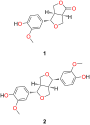


Synthesis of depressin, cryptomeridiol and 4-epi-cryptomeridiol enabled by a terpenoid chiral pool-producing platform
Beilstein J. Org. Chem. 2026, 22, 683–690, doi:10.3762/bjoc.22.53
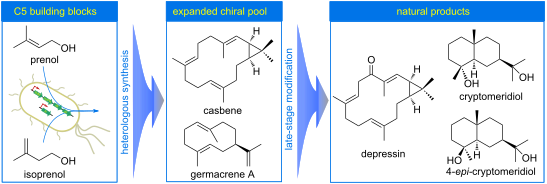
- of different plants with broad biological activity. Most of the syntheses focused on the transformation of chiral pool substrates into their trans-6/6-fused ring system. We herein report the synthesis of compounds 1–3 by taking advantage of an expanded chiral pool strategy, in which the terpenoid
- ][24][25][26], hence providing an efficient biocatalytic tool for the biosynthesis of casbene and related diterpenes [24][27]. Cryptomeridiol (2) and its C4-epimer 4-epi-cryptomeridiol (3) are two eudesmane-type sesquiterpene diols that have been found in different plants with biological activity


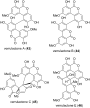
Melifoliox B, a novel phloroglucin derivative isolated from Melicope barbigera (Rutaceae) and synthesis of new oxidation products from melifoliones A and B
Beilstein J. Org. Chem. 2026, 22, 535–546, doi:10.3762/bjoc.22.39
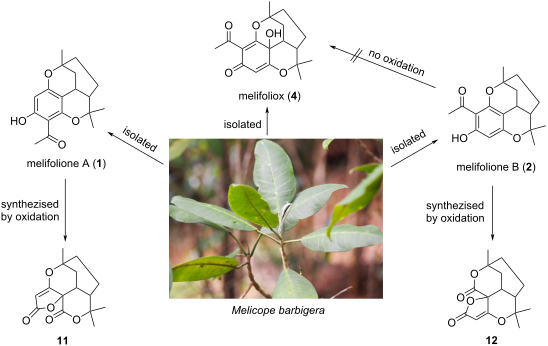
- Duesseldorf, Germany Integrative Taxonomy of Plants, Friedrich-Schiller-University Jena, 07743 Jena, Germany Senckenberg Institute for Plant Form and Function (SIP) Jena, 07743 Jena, Germany National Tropical Botanical Garden, 3530 Papalina Road, Kalaheo, HI 96741, USA 10.3762/bjoc.22.39 Abstract In addition



A facile and practical method for the synthesis of trans-(±)-taxifolin and its derivatives via Darzens reaction
Beilstein J. Org. Chem. 2026, 22, 443–450, doi:10.3762/bjoc.22.31
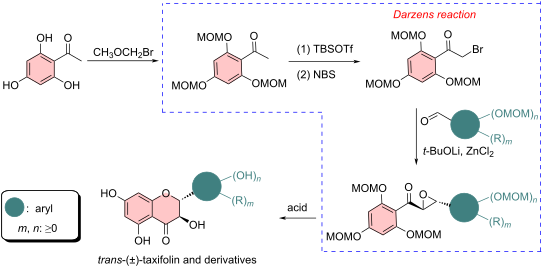
- [6] (Figure 1). Taxifolin can be obtained by extraction from natural plants [7][8][9], however, this is not economically viable due to the complicated extraction and purification process and low natural abundance of taxifolin. Enzymatic synthesis [10][11][12][13][14] is another method employed to


Synthesis of diaryl phosphates using phytic acid as a phosphorus source
Beilstein J. Org. Chem. 2026, 22, 213–223, doi:10.3762/bjoc.22.15
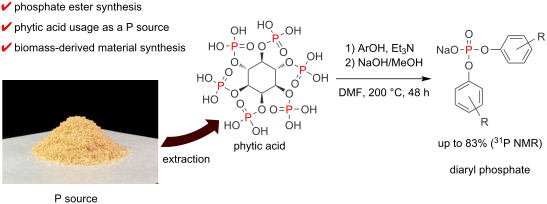
- Research, Saga University, 152-1 Shonan-cho, Karatsu, Saga 847-0021, Japan Nippon Concrete Industries Co., Ltd., 4-6-14 Shibaura, Minato-ku, Tokyo 108-8560, Japan 10.3762/bjoc.22.15 Abstract Phytic acid is a phosphorus-rich molecule, which is produced by plants using water-soluble phosphates absorbed from
- produced by plants using water-soluble phosphates absorbed from soil and stored as a phosphorus source in their bodies. Rice bran accounts for 10% of rice weight and contains approximately 6 g phytic acid/100 g rice bran [1][2][3]. Phytic acid has a structure, in which six phosphoric acid molecules
- condense into a myo-inositol skeleton. Phytic acid can be enzymatically hydrolyzed in the presence of phytases, resulting in the release of phosphoric acid molecules [3][4][5]. Plants and microorganisms possess their own phytases and thus utilize phytic acid as a phosphorus source. However, the artificial




Total synthesis of natural products based on hydrogenation of aromatic rings
Beilstein J. Org. Chem. 2026, 22, 88–122, doi:10.3762/bjoc.22.4
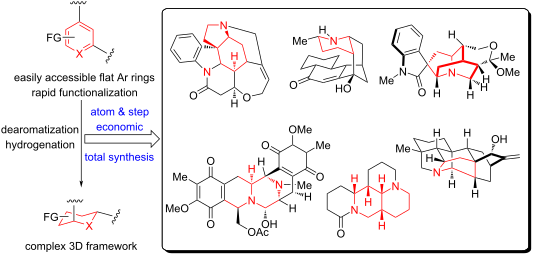
- collective synthesis of matrine-type alkaloids. Asymmetric total synthesis of senepodine F by Ishikawa, 2023 Lycopodium alkaloids, isolated from plants of the Lycopodium genus (Lycopodiaceae family), represent a vast and structurally diverse family of natural products. To date, over 500 members of this











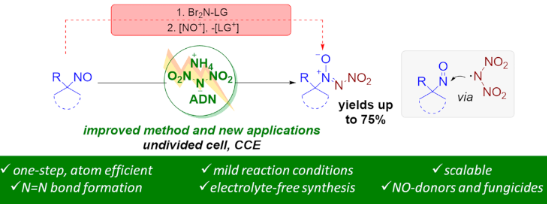
Sustainable electrochemical synthesis of aliphatic nitro-NNO-azoxy compounds employing ammonium dinitramide and their in vitro evaluation as potential nitric oxide donors and fungicides
Beilstein J. Org. Chem. 2025, 21, 2739–2754, doi:10.3762/bjoc.21.211
- scab), Rhizoctonia solani (R.s., basidiomycete causing potato black scurf), Fusarium oxysporum (F.o., ascomycete affecting the vascular system of plants and inducing wilting), Fusarium moniliforme (F.m., ascomycete known also as Fusarium verticillioides in modern literature, important pathogen of maize





Total synthesis of asperdinones B, C, D, E and terezine D
Beilstein J. Org. Chem. 2025, 21, 2730–2738, doi:10.3762/bjoc.21.210
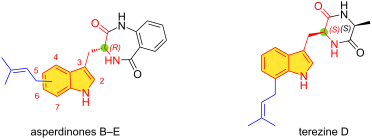
- indole alkaloids is known for its biomedical importance [2]. These alkaloids have been isolated from plants [3], marine sources [4], bacterial sources [5][6][7], and they are particularly relevant primarily because of their potent pharmacological activities as among other, anticancer drugs, but also for


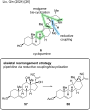
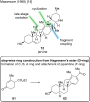
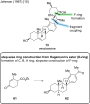
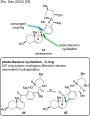
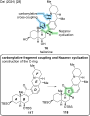
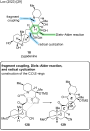
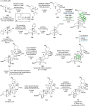
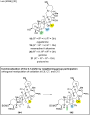
Recent advancements in the synthesis of Veratrum alkaloids
Beilstein J. Org. Chem. 2025, 21, 2657–2693, doi:10.3762/bjoc.21.206
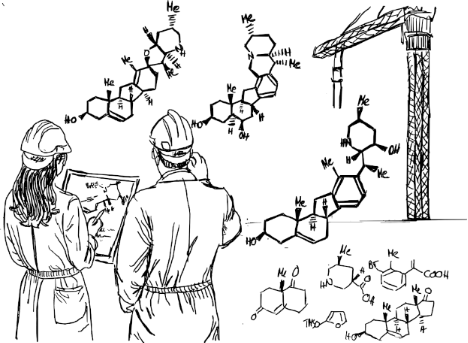
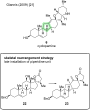
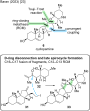
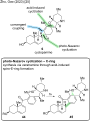
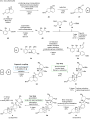
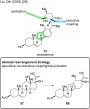
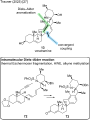
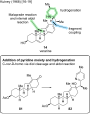
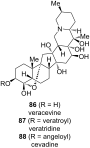
- unique obstacles for synthetic strategies [2]. The steroid alkaloids include Solanum, Veratrum, Apocynaceae, and Buxus alkaloids in the kingdom of plants, and salamander alkaloids and batrachotoxins, which include one of the most toxic compounds known, in the animal kingdom [1]. Looking at common
















Chemoenzymatic synthesis of the cardenolide rhodexin A and its aglycone sarmentogenin
Beilstein J. Org. Chem. 2025, 21, 2637–2644, doi:10.3762/bjoc.21.204
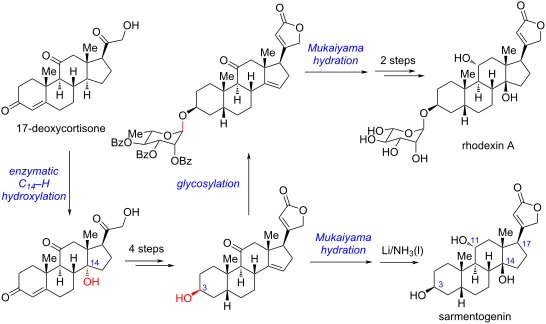
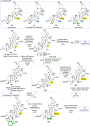
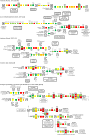
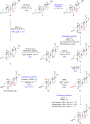
- ; C–H hydroxylation; chemoenzymatic synthesis; Mukaiyama hydration; protecting-group-free synthesis; Introduction Cardiac glycosides (CGs) are widely distributed natural products, generated by plants and amphibians [1]. Structurally, they are composed of an aglycone-steroidal moiety, an unsaturated
- absorption and metabolism, and specific moieties like rhamnose can enhance CG potency markedly by more than 25 times [1][7]. In addition, the -OH groups on the steroids’ structure also play an important role on their activity. However, these compounds are mainly isolated from plants or animals, which not
- isolated from the leaves and roots of the Japanese evergreen plant Rohdea japonica in 1951, and was also discovered in several other plants later [18]. Rhodexin A is the only natural CG that exhibits both cardiotonic activity and strong inhibitory activity on human leukemia K562 cells with an IC50 = 19 nM



Transformation of the cyclohexane ring to the cyclopentane fragment of biologically active compounds
Beilstein J. Org. Chem. 2025, 21, 2416–2446, doi:10.3762/bjoc.21.185
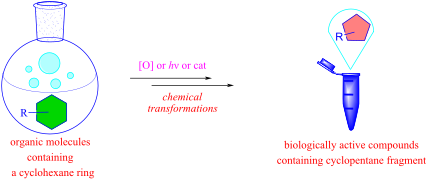
- objects for investigating the possibility of using them in the synthesis of compounds of iridoid topology. Iridoids belong to the class of terpenoids and are secondary metabolites of plants, as well as multi-tasking objects [5][17][18]. Studies on the pharmacological properties of iridoids have shown


Recent advances in Norrish–Yang cyclization and dicarbonyl photoredox reactions for natural product synthesis
Beilstein J. Org. Chem. 2025, 21, 2315–2333, doi:10.3762/bjoc.21.177
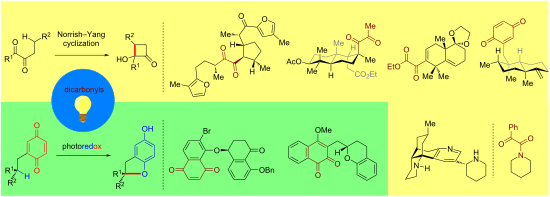
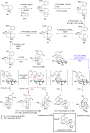
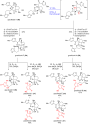
- alkaloids – a structurally diverse class of natural products found in plants of the widely distributed genus Lycopodium. Guided by biosynthetic hypotheses, Sarpong's group envisioned a divergent total synthesis of five lycodine-type Lycopodium alkaloids (including lycoplatyrine A (89)) used N-Boc-β







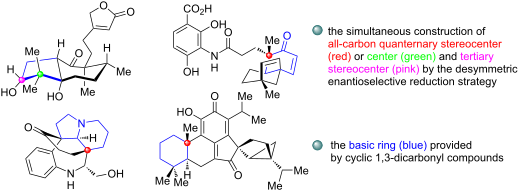
The application of desymmetric enantioselective reduction of cyclic 1,3-dicarbonyl compounds in the total synthesis of terpenoid and alkaloid natural products
Beilstein J. Org. Chem. 2025, 21, 2085–2102, doi:10.3762/bjoc.21.164
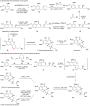
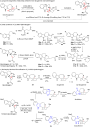
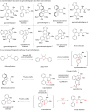
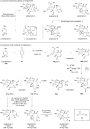
- (−)-aspidospermidine (−)-Hunterine A (14) and (−)-aspidospermidine (15) are monoterpene indole alkaloids, which were isolated from Hunteria zeylanica and Apocynaceae plants, respectively [56][57]. Structurally, these two natural products both contain the fused polycyclic skeleton core bearing four consecutive


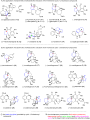


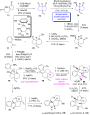

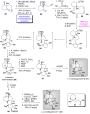


Bioinspired total syntheses of natural products: a personal adventure
Beilstein J. Org. Chem. 2025, 21, 2048–2061, doi:10.3762/bjoc.21.160
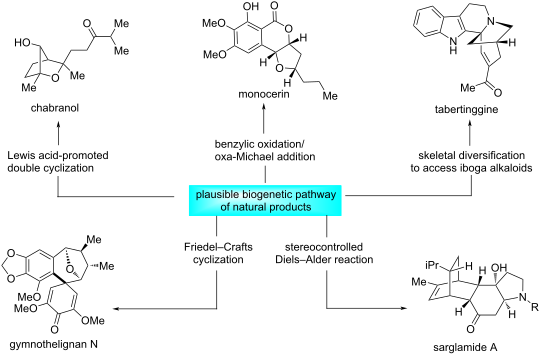
- voatinggine and tabertinggine from the plants of Tabernaemontana (Apocynaceae) genus in Malayan, which are literally widely distributed in tropical America, Africa, and Asia [29]. Given the fact that these plants are rich sources of bioactive alkaloids, voatinggine and tabertinggine with unprecedented
- natural product ervaoffine D. Thus, through the bioinspired skeletal diversifications of (12-OMe)-tabertinggine, four iboga alkaloids could be powerfully synthesized. Bioinispired total synthesis of gymnothelignans The Gymnotheca (Saururaceae) genus only contains two species of plants, Gymnotheca
- chinensis Decne and Gymnotheca involucrate Pei. These two plants are endemic in China, and have been used as medicinal herb for a long history to treat diseases such as dysentery, abdominal distention, edema, contusion, and strains [31]. Since 2012, Zhou and co-workers extensively investigated the



Preparation of spirocyclic oxindoles by cyclisation of an oxime to a nitrone and dipolar cycloaddition
Beilstein J. Org. Chem. 2025, 21, 1890–1896, doi:10.3762/bjoc.21.146
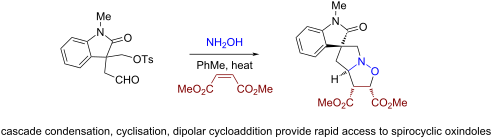
- derived from evergreen trees found in tropical and subtropical regions of Africa, Australia, Central America, Polynesia, and Southeast Asia. Plants of the genus Alstonia have been used in traditional medicines to treat a wide variety of conditions, including coughs, dysentery, fever, malaria, rheumatism
- , sore throats, toothache, ulcers, and snake bites [1]. The medicinal qualities of these plants are ascribed to the presence of alkaloids, and they are rich in many different indole and oxindole alkaloids [2]. About 100 Alstonia alkaloids are known, with more being isolated on a regular basis [3][4


Approaches to stereoselective 1,1'-glycosylation
Beilstein J. Org. Chem. 2025, 21, 1700–1718, doi:10.3762/bjoc.21.133
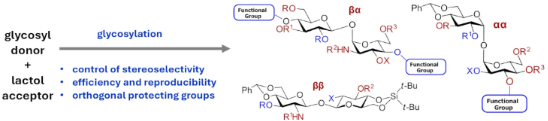
- sucrose derivatives in plants [79][80][81]. In this case, the carboxymethyl group in the 2-thioethyl fructofuranoside was locked by an intramolecular bridge formed by the TIPDS group to the C4–OH [1,4-O-(1,1,3,3-tetraisopropyldisiloxane-1,3-diyl) bridge], resulting in a β-directing fructofuranosyl donor


Heterologous biosynthesis of cotylenol and concise synthesis of fusicoccane diterpenoids
Beilstein J. Org. Chem. 2025, 21, 1489–1495, doi:10.3762/bjoc.21.111
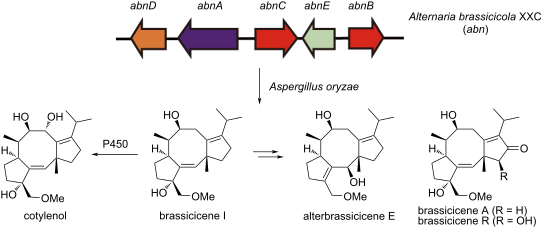
- biosynthesis; P450 oxidation; synthesis; Introduction Fusicoccanes are a family of 5-8-5 tricyclic diterpenoid natural products that are produced by bacteria, fungi, algae, and plants (Figure 1a) [1][2][3][4][5][6][7]. Fusicoccanes possess a broad range of biological activities, including anticancer, anti


Studies on the syntheses of β-carboline alkaloids brevicarine and brevicolline
Beilstein J. Org. Chem. 2025, 21, 955–963, doi:10.3762/bjoc.21.79
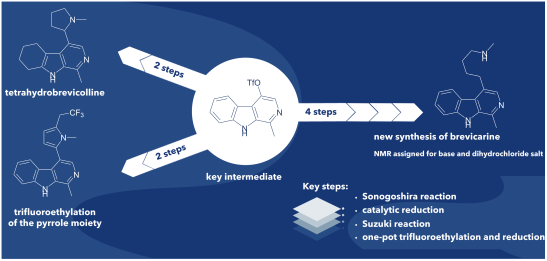
- brevicarine (2) from (S)-brevicolline ((S)-1) (see Scheme 2) and their biogenetic relationship suggest that (S)-brevicolline could serve as a biosynthetic intermediate of brevicarine (2) in plants [19]. Brevicarine (2), isolated in 1967 from Carex brevicollis DC [27], has also been identified in various other


Extension of the π-system of monoaryl-substituted norbornadienes with acetylene bridges: influence on the photochemical conversion and storage of light energy
Beilstein J. Org. Chem. 2024, 20, 3061–3068, doi:10.3762/bjoc.20.254
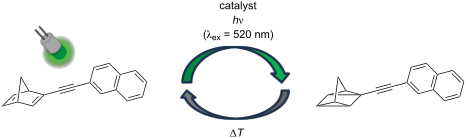
- new, energy-intensive technologies and overconsumption of energy [1][2]. In this context, windpower plants and solar photovoltaic systems have become increasingly important contributions to the overall available energy, although both technologies still pose some problems regarding the storage of the


Chemical structure metagenomics of microbial natural products: surveying nonribosomal peptides and beyond
Beilstein J. Org. Chem. 2024, 20, 3050–3060, doi:10.3762/bjoc.20.253
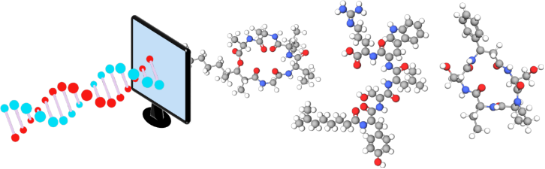
- of almost any bioactivity of interest that originate from plants, fungi, and even animals (such as sponges and corals). Perspective BGF can access only a fraction of the natural product chemical space For nearly a century, BGF has been the method of choice and identified the vast majority of natural
- . Structure prediction of natural products other than NRPs and PKs has historically progressed slower. However, it was not due to a lack of data. Indeed, terpenoids and alkaloids are the two largest families of natural products in plants and also represent a sizable minority in microorganisms. The lagging


Tailored charge-neutral self-assembled L2Zn2 container for taming oxalate
Beilstein J. Org. Chem. 2024, 20, 3007–3015, doi:10.3762/bjoc.20.250
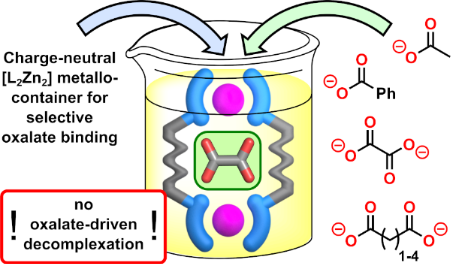
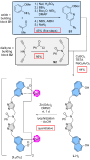
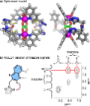
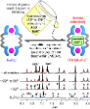
- conjugated base of the smallest dicarboxylic acid, stands out from the list of highly relevant analytes because oxalic acid is found in common edible plants and its corresponding dianion is tied to several diseases, e.g., the formation of kidney stones through complexation of calcium and precipitation of



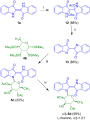
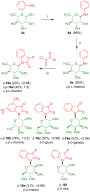
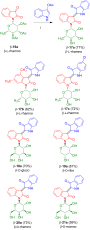
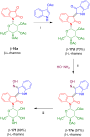
N-Glycosides of indigo, indirubin, and isoindigo: blue, red, and yellow sugars and their cancerostatic activity
Beilstein J. Org. Chem. 2024, 20, 2840–2869, doi:10.3762/bjoc.20.240
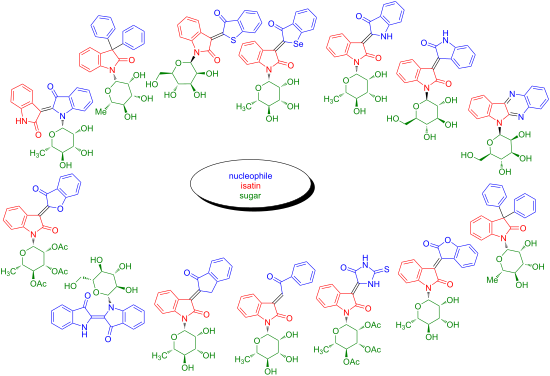
- anticancer activity of these compounds. Keywords: cancerostatic activity; carbohydrates; heterocycles; N-glycosides; indirubin; Introduction Indigo (1a), known for more than 6000 years and originally produced from indigo plants in India, represents a famous traditional blue pigment which was an expensive
- controlled by such protein kinases. Therefore, the investigation of the influence of drugs on protein kinases plays an important role in current medicinal chemistry. Indigo naturalis is a traditional drug, derived from indigo plants, which has been used in China for centuries and also more recently against











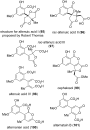
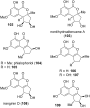
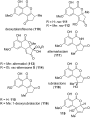
Natural resorcylic lactones derived from alternariol
Beilstein J. Org. Chem. 2024, 20, 2171–2207, doi:10.3762/bjoc.20.187
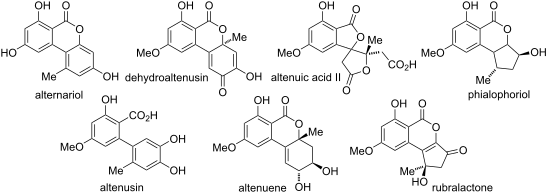
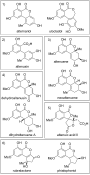
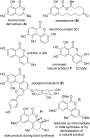
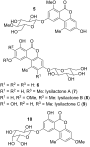
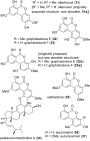
- interesting biological activities. Keywords: biosynthesis; fungal metabolites; polyketides; resorcylic lactones; total synthesis; Introduction Alternariol and some of its derivatives are ubiquitous as fungal metabolites present in infested plants and in food and feed, but similarly in soil, in wallpapers
- has been investigated thoroughly on its biological activities, especially on its toxicity [6][12]. Its phytotoxicity has already been noted in the first reports; it induced chlorosis when injected to the leaves of tobacco plants [110]. It turned out to be cytotoxic against HeLa and lymphoma L5178Y