


Search results
Search for "polycyclic aromatic hydrocarbons (PAHs)" in Full Text gives 29 result(s) in Beilstein Journal of Organic Chemistry.
Recent advances in the stereoselective synthesis of distal biaxially chiral molecules
- Fanxing Zhou,
- Chen Zhang,
- Lingyu Sun,
- Yiyun Fang,
- Siming Zheng,
- Lina Hu,
- Mengyang Shen,
- Zhen Zhao,
- Wei Xu,
- Yunqiang Sun and
- Zi-Qiang Rong
Beilstein J. Org. Chem. 2026, 22, 461–479, doi:10.3762/bjoc.22.34
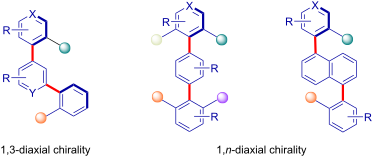
- . Soon after, Shibata and co-workers developed a cycloisomerization strategy that generated various axially chiral polycyclic aromatic hydrocarbons (PAHs) 70 through bond-cleavage followed by successive cyclization reactions with excellent yields and enantioselectivity (Scheme 19) [58]. In 2020, Miller

Graphical Abstract

Figure 1: Natural products with various stereogenic axes.

Scheme 1: Iridium complex-catalyzed asymmetrical synthesis of axially chiral (a) teraryl compounds 3 [40] and (b)...

Scheme 2: Rhodium-catalyzed enantio- and diastereoselective cycloaddition of 1,2-bis(arylpropiolyl)benzenes w...

Scheme 3: Synthesis of remote double axially chiral phosphoric acids.

Scheme 4: Construction of chiral biaxial diphosphine ligand.

Scheme 5: Atroposelective synthesis of biaxially chiral 1,4-distyryl-2,3-naphthalene diols.

Scheme 6: H-Bond-enabled enantioselective synthesis of remote biaxially chiral amides mediated by the counter...

Scheme 7: Enantioselective synthesis of biaryl products with twofold chiral axes.

Scheme 8: Iridium-catalyzed C–H alkylation to obtain the distal biaxial atropisomers.

Scheme 9: Co/SPDO-catalyzed biaxial bridged terphenyl compounds.

Scheme 10: Atroposelective Co-catalyzed synthesis of pyridoindolones with two distinct C–N axes.

Scheme 11: NHC organocatalytic synthesis of fused 1,4-biaxial uracils with C–C and C–N chiral axes.

Scheme 12: Synthesis of the first biaxially chiral compound reported by Ito and co-workers [35].

Scheme 13: Synthesis of chiral homoaryl compounds by Suzuki–Miyaura coupling.

Scheme 14: Structurally complex APIs with multiple chiral axes.

Scheme 15: Synthesis of helicenes containing stereogenic axes.

Scheme 16: Chiral NHC–Pd complex-catalyzed Suzuki–Miyaura cross-coupling reaction for the synthesis of block-t...

Scheme 17: Highly enantioselective C–H arylation of heteroarenes.

Scheme 18: Synthesis of novel axially chiral N-arylcarbazole skeletons by the assembly of azidonaphthalenes an...

Scheme 19: Catalytic enantioselective synthesis of axially chiral polycyclic aromatic hydrocarbons.

Scheme 20: Catalytic synthesis of biaxial triphenylene block-transfer isomers.

Scheme 21: A Pd(II)-catalyzed trans-selective C–H alkenylation strategy through thioether-directed olefination....

Scheme 22: Synthesis of N-arylphthalimides from prochiral maleimides and NHC-activated dienolides.

Scheme 23: Ni-catalyzed synthesis of triaxially chiral polysubstituted naphthalene scaffolds.

Scheme 24: Enantioselective Ni-catalyzed Suzuki–Miyaura cross-coupling reaction.

Scheme 25: The stereoselective synthesis of axial chiral indole–quinoline systems.

Scheme 26: The synthesis of bisbenzofuran atropisomeric oligoarenes containing two distal C–C stereogenic axes....
Electrosynthetic access to unsymmetrical oxaza[8]helicenes with high chiral stability and strong circularly polarized luminescence (CPL)
- Tin Zar Aye,
- Rubal Sharma,
- Muthu Karuppasamy,
- Daiya Suzuki,
- Haruka Nakajima,
- Yoshitane Imai,
- Mitsuhiro Arisawa,
- Mohamed S. H. Salem and
- Shinobu Takizawa
Beilstein J. Org. Chem. 2026, 22, 372–382, doi:10.3762/bjoc.22.25
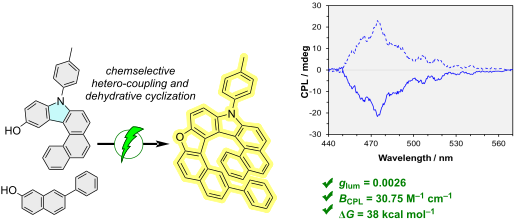
- ; electrochemistry; emission; helical elongation; helicene; photophysical; Introduction Chirality is a pervasive feature of natural and artificial systems, and chiral small molecules continue to underpin advances in chemistry and materials science [1][2]. Among them, helicenes – ortho-condensed polycyclic aromatic
- hydrocarbons (PAHs) built from angularly annulated rings – occupy a distinctive niche because their non-planar, screw-shaped architectures generate inherent, configurational chirality [3][4][5]. This helicity originates from intramolecular steric congestion and stabilizing π–π interactions between terminal

Graphical Abstract

Scheme 1: Recent examples of hetero[8]helicenes: (A) symmetric hetero[8]helicenes; (B) unsymmetrical hetero[8...

Scheme 2: Short-step synthesis of unsymmetrical oxaza[8]helicenes 5.
Figure 1: A plausible reaction mechanism: cyclic voltammetry (CV) analyses of hydroxycarbazole derivative 3 a...

Figure 2: Aromaticity of oxaza[8]helicenes: (A) NICS(0)zz and NICS(1)zz values of 5a and 5b calculated at MN1...

Figure 3: (P/M) Enantiomerization process of 5a (A), 5b (B), 6a (C), and 6b (D); relative Gibbs free energies...

Figure 4: Photophysical characters of oxaza[n]helicenes: (A) and (B) UV–vis absorption and PL spectra; (C) Fr...

Figure 5: Chiroptical properties of oxaza[n]helicenes: (A) CD spectra measured in chloroform (1 × 10⁻⁵ M); CP...
Advances in nitrogen-containing helicenes: synthesis, chiroptical properties, and optoelectronic applications
- Meng Qiu,
- Jing Du,
- Nai-Te Yao,
- Xin-Yue Wang and
- Han-Yuan Gong
Beilstein J. Org. Chem. 2025, 21, 1422–1453, doi:10.3762/bjoc.21.106
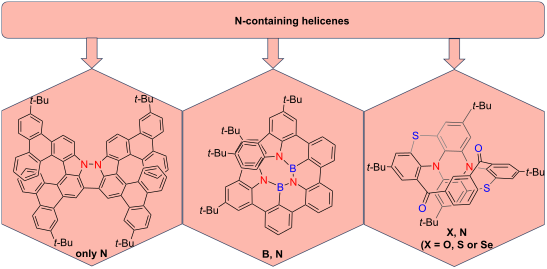
- synthesizing azahelicenes and diaza[8]circulenes 65a–d [24] (Table 22). These molecules exhibited distinct Cotton effects and CPL, with |glum| reaching up to 1.6 × 10⁻³. This approach offers a generalizable route to structurally diverse chiral polycyclic aromatic hydrocarbons (PAHs) with strong chiroptical

Recent advances and future challenges in the bottom-up synthesis of azulene-embedded nanographenes
- Bartłomiej Pigulski
Beilstein J. Org. Chem. 2025, 21, 1272–1305, doi:10.3762/bjoc.21.99
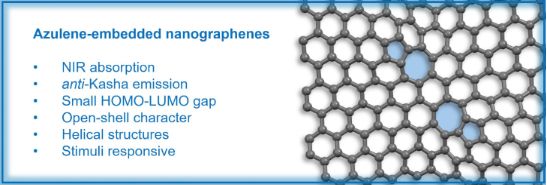
- design beyond all-hexagon polycyclic aromatic hydrocarbons (PAHs). Among these, π-conjugated scaffolds featuring embedded azulene units have gained considerable attention due to their unique optical and electronic properties. This review provides an overview of representative azulene-embedded
- benzenoid nanographenes, also known as polycyclic aromatic hydrocarbons (PAHs) [8][9]. PAHs can be considered molecular models of bulk graphene, offering invaluable insights into structure–property relationships in graphene and graphene-based materials. Structural defects appear to be inevitable in real
- transition is included, as it serves as an important indicator of the electronic structure. This review provides an up-to-date summary of known synthetic strategies for azulene-embedded polycyclic aromatic hydrocarbons (PAHs) as models of defective graphene, offering guidelines for designing new carbon

Graphical Abstract

Figure 1: a) Stone–Wales (red) and azulene (blue) defects in graphene; b) azulene and its selected resonance ...

Figure 2: Examples of azulene-embedded 2D allotropic forms of carbon: a) phagraphene and b) TPH-graphene.

Scheme 1: Synthesis of non-alternant isomers of pyrene (2 and 6) using dehydrogenation.

Scheme 2: Synthesis of non-alternant isomer 9 of benzo[a]pyrene and 14 of benzo[a]perylene using dehydrogenat...

Scheme 3: Synthesis of azulene-embedded isomers of benzo[a]pyrene (18 and 22) inspired by Ziegler–Hafner azul...

Figure 3: General strategies leading to azulene-embedded nanographenes: a) construction of azulene moiety in ...

Scheme 4: Synthesis of biradical PAHs possessing significant biradical character using oxidation of partially...

Scheme 5: Synthesis of dicyclohepta[ijkl,uvwx]rubicene (29) and its further modifications.

Scheme 6: Synthesis of warped PAHs with one embedded azulene subunit using Scholl-type oxidation.

Scheme 7: Synthesis of warped PAHs with two embedded azulene subunits using Scholl oxidation.

Scheme 8: Synthesis of azulene-embedded PAHs using [3 + 2] annulation accompanied by ring expansion.

Scheme 9: Synthesis of azulene-embedded isomers of linear acenes using [3 + 2] annulation accompanied by ring...

Scheme 10: Synthesis of azulene-embedded PAHs using intramolecular C–H arylation.

Scheme 11: Synthesis of azulene-embedded isomers of acenes using intramolecular C–H arylation.

Scheme 12: Synthesis of azulene-embedded PAHs using intramolecular condensations.

Scheme 13: Synthesis of azulene-embedded PAH 89 using palladium-catalysed [5 + 2] annulation.
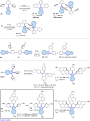
Scheme 14: Synthesis of azulene-embedded PAHs using oxidation of substituents around the azulene core.
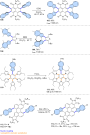
Scheme 15: Synthesis of azulene-embedded PAHs using the oxidation of reactive positions 1 and 3 of azulene sub...

Scheme 16: Synthesis of azulene-embedded PAHs using intramolecular C–H arylation.

Scheme 17: Synthesis of an azulene-embedded isomer of terylenebisimide using tandem Suzuki coupling and C–H ar...

Scheme 18: Synthesis of azulene embedded PAHs using a bismuth-catalyzed cyclization of alkenes.
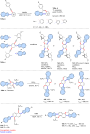
Scheme 19: Synthesis of azulene-embedded nanographenes using intramolecular cyclization of alkynes.

Scheme 20: Synthesis of azulene-embedded graphene nanoribbons and azulene-embedded helicenes using annulation ...

Scheme 21: Synthesis of azulene-fused acenes.

Scheme 22: Synthesis of non-alternant isomer of perylene 172 using Yamamoto-type homocoupling.

Scheme 23: Synthesis of N- and BN-nanographenes with embedded azulene unit(s).
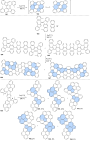
Scheme 24: On-surface synthesis of azulene-embedded nanographenes from benzenoid precursors via dehydrogenatio...
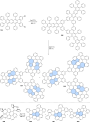
Scheme 25: On-surface synthesis of azulene-embedded nanographenes from benzenoid precursors.
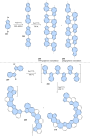
Scheme 26: On-surface synthesis of azulene-embedded nanoribbons.
Photochemically assisted synthesis of phenacenes fluorinated at the terminal benzene rings and their electronic spectra
- Yuuki Ishii,
- Minoru Yamaji,
- Fumito Tani,
- Kenta Goto,
- Yoshihiro Kubozono and
- Hideki Okamoto
Beilstein J. Org. Chem. 2025, 21, 670–679, doi:10.3762/bjoc.21.53
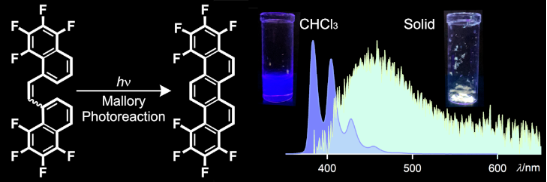
- , most likely due to different crystalline packing motifs. Keywords: fluorescence; fluorinated aromatics; phenacene; photoreaction; Introduction Polycyclic aromatic hydrocarbons (PAHs) have been subject of continuous interest not only from aspects of fundamental synthetic, structural, and physical

Graphical Abstract

Figure 1: Chemical structures of phenacenes studied in this work.
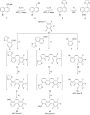
Scheme 1: Synthesis of building blocks 10, 13, and 15. Reagents and conditions: a) NaBH4, MeOH, THF, reflux; ...

Scheme 2: Synthesis of F8PIC, F8FUL, and F87PHEN. Reagents and conditions: a) KOH, 18-crown-6, CH2Cl2, reflux...
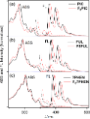
Figure 2: UV–vis and fluorescence spectra of F8PIC (a), F8FUL (b), and F87PHEN (c) (red lines) and the corres...

Figure 3: Photoluminescence spectra of F8PIC (a), F8FUL (b), and F87PHEN (c) in toluene at 77 K.
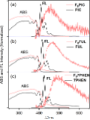
Figure 4: Electronic spectra of F8PIC (a), F8FUL (b), and F87PHEN (c) (red lines) and the corresponding paren...

Figure 5: (a) The MO diagrams of the parent and fluorinated phenacenes (B3LYP/6-31+G(d,p)). H and L, respecti...
Synthesis and characterizations of highly luminescent 5-isopropoxybenzo[rst]pentaphene
- Islam S. Marae,
- Jingyun Tan,
- Rengo Yoshioka,
- Zakaria Ziadi,
- Eugene Khaskin,
- Serhii Vasylevskyi,
- Ryota Kabe,
- Xiushang Xu and
- Akimitsu Narita
Beilstein J. Org. Chem. 2025, 21, 270–276, doi:10.3762/bjoc.21.19
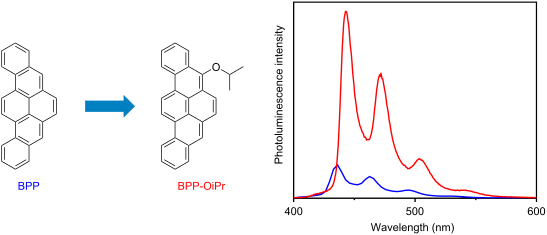
- aromatic hydrocarbons (PAHs) have attracted increasing attention in view of their fascinating optical and electronic properties, which strongly depend on their size, shape, and edge structures, e.g., armchair and zigzag [1][2][3][4][5][6]. Benzo[rst]pentaphene (BPP) is an intriguing PAH with a combination
- by scanning electron microscopy. The intriguing optical properties of BPP and its derivatives may lead to their application as fluorophores. Keywords: benzo[rst]pentaphene; intramolecular charge transfer; nanocrystals; photoluminescence; polycyclic aromatic hydrocarbon; Introduction Polycyclic

Graphical Abstract

Scheme 1: Synthesis of BPP-OiPr 3 and BPP-dione 4.
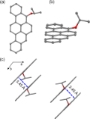
Figure 1: Single crystal structure of BPP-OiPr 3: a) top view, b) side view (thermal ellipsoids shown at 50% ...

Figure 2: a) UV–vis absorption spectra of BPP 2, BPP-OiPr 3, and BPP-dione 4 measured in toluene. Inset: magn...

Figure 3: SEM images of BPP-OiPr showing: a) the variety in crystallization, including differences in shape, ...
Synthesis of acenaphthylene-fused heteroarenes and polyoxygenated benzo[j]fluoranthenes via a Pd-catalyzed Suzuki–Miyaura/C–H arylation cascade
- Merve Yence,
- Dilgam Ahmadli,
- Damla Surmeli,
- Umut Mert Karacaoğlu,
- Sujit Pal and
- Yunus Emre Türkmen
Beilstein J. Org. Chem. 2024, 20, 3290–3298, doi:10.3762/bjoc.20.273
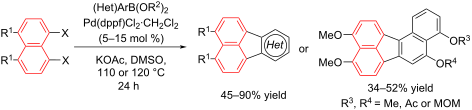
- total synthesis of the fungal natural product bulgarein. Keywords: acenaphthylene-fused heteroarenes; benzo[j]fluoranthenes; C–H arylation; fluoranthenes; heterocycles; Introduction An important subclass of polycyclic aromatic hydrocarbons (PAHs) [1] is comprised of fluoranthenes, which have been the

Graphical Abstract

Figure 1: Examples of important azafluoranthene and benzo[j]fluoranthene natural products, and acenaphthylene...
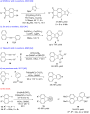
Scheme 1: Selected synthetic strategies towards heterocyclic fluoranthene analogues, and our approach.

Scheme 2: Synthesis of benzo[j]fluoranthene 18.

Scheme 3: Synthesis of benzo[j]fluoranthene 23.

Scheme 4: Synthesis of benzo[j]fluoranthene 28.
Hetero-polycyclic aromatic systems: A data-driven investigation of structure–property relationships
- Sabyasachi Chakraborty,
- Eduardo Mayo Yanes and
- Renana Gershoni-Poranne
Beilstein J. Org. Chem. 2024, 20, 1817–1830, doi:10.3762/bjoc.20.160
- heteroatoms boron, nitrogen, oxygen, and sulfur and ranging in size from four-membered to six-membered rings. Compared to the parent polycyclic aromatic hydrocarbons (PAHs), PASs containing heterocycles offer greater structural diversity as well as a much broader range of optoelectronic properties. Such

Graphical Abstract

Figure 1: A) The building blocks used in the COMPAS-2 datasets. B) Possible annulation types formed when comb...

Figure 2: Roadmap of the work described in this article. Three main criteria are defined in increasing struct...

Figure 3: Comparison between COMPAS-1 (blue) and COMPAS-2 (purple). A) Principal Moments of Inertia shape dis...

Figure 4: Distributions of electronic properties of the dataset. KDE plots of HOMO, LUMO, Gap, AIP, and AEA c...

Figure 5: KDE distributions of the HOMO, LUMO, and Gap separated and colored by the longest L for: A) all 9-r...

Figure 6: Distributions of molecular properties for 4n and (4n + 2) π-electron count systems, divided by the ...

Figure 7: Stacked histograms showing the prevalence of the different heteroatoms across different areas of th...

Figure 8: Distributions of electronic properties of the dataset. KDE plots of A) HOMO, B) LUMO, C) Gap, D) AI...
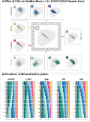
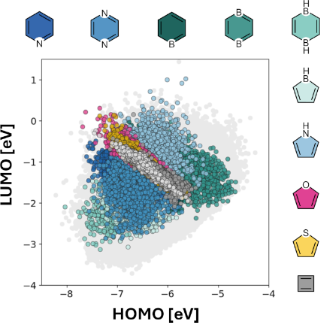
Figure 9: A) Scatter plot of the HOMO (x-axis) and LUMO (y-axis) values of the molecules in COMPAS-2. In each...

Figure 10: The effect of multiple heterocycles of a certain type on the A) HOMO, B) LUMO, and C) Gap. For all ...
Synthesis of polycyclic aromatic quinones by continuous flow electrochemical oxidation: anodic methoxylation of polycyclic aromatic phenols (PAPs)
- Hiwot M. Tiruye,
- Solon Economopoulos and
- Kåre B. Jørgensen
Beilstein J. Org. Chem. 2024, 20, 1746–1757, doi:10.3762/bjoc.20.153
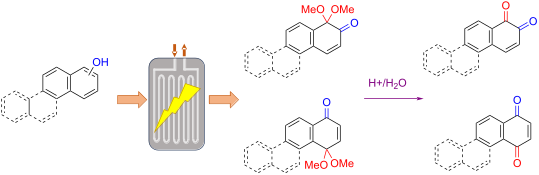
- properties make them privileged structures in medicinal chemistry [2]. Benzoquinone and naphthoquinone can exist as ortho-quinone and para-quinone, with the latter considered more stable [5]. Additionally, p- and o-quinones are formed in metabolism of drugs [6] as well as polycyclic aromatic hydrocarbons
- (PAHs) by cytochrome P450 (CYP) and other metabolic enzymes [7][8]. Main metabolic pathways form quinone isomers of benzo[a]pyrene [8], naphthalene [9][10], and benzene [11]. Numerous methods for the oxidation of phenols or their derivatives to quinones have been described [12]. Oxidation with Fremy’s

Graphical Abstract

Scheme 1: Formation of phenoxonium cation in the anodic oxidation of phenol performed under neutral or weakly...

Scheme 2: Anodic oxidation reported by Swenton et al. [37].
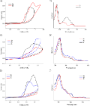
Figure 1: Cyclic voltammograms of PAPs first scan at 0.1 V/s in 0.1 M [NBu4] [PF6] in MeCN and UV–vis spectra...

Scheme 3: Proposed mechanism for the formation of p-dimethoxy acetals in the anodic oxidation of 1b and 3b.

Figure 2: Resonance structures of the phenoxonium cation formed from 2-chrysenol (3a).
Switchable molecular tweezers: design and applications
- Pablo Msellem,
- Maksym Dekthiarenko,
- Nihal Hadj Seyd and
- Guillaume Vives
Beilstein J. Org. Chem. 2024, 20, 504–539, doi:10.3762/bjoc.20.45

- achieved by chemical (hydroxide/proton) or electrochemical (reduction/oxidation) stimuli allowing the enrichment of perylene from a mixture of polycyclic aromatic hydrocarbons (PAHs) in phase-transfer experiments into a perfluorocarbon phase. Metal cation responsive tweezers In the early 2000s, Lehn and co

Graphical Abstract

Figure 1: Principle of switchable molecular tweezers.

Figure 2: Principle of pH-switchable molecular tweezers 1 [19].

Figure 3: a) pH-Switchable tweezers 2 substituted with alkyl chains as switchable lipids. b) Schematic depict...

Figure 4: Modification of spectral properties of 3 by controlled induction of Pt–Pt interactions.

Figure 5: Conformational switching of di(hydroxyphenyl)pyrimidine-based tweezer 4 upon alkylation or fluoride...

Figure 6: Hydrazone-based pH-responsive tweezers 5 for mesogenic modulation.

Figure 7: pH-Switchable molecular tweezers 6 bearing acridinium moieties.

Figure 8: a) Terpyridine and pyridine-hydrazone-pyridine analogs molecular tweezers and b) extended pyridine ...

Figure 9: Terpyridine-based molecular tweezers with M–salphen arms and their field of application. Figure 9 was adapt...

Figure 10: a) Terpyridine-based molecular tweezers for diphosphate recognition [48]; b) bishelicene chiroptical te...

Figure 11: Terpyridine-based molecular tweezers with allosteric cooperative binding.

Figure 12: Terpyridine-based molecular tweezers presenting closed by default conformation.

Figure 13: Pyridine-pyrimidine-pyridine-based molecular tweezers.

Figure 14: Coordination-responsive molecular tweezers based on nitrogen-containing ligands.

Figure 15: Molecular tweezers exploiting the remote bipyridine or pyridine binding to trigger the conformation...

Figure 16: Bipyridine-based molecular tweezers exploiting the direct s-trans to s-cis-switching for a) anion b...

Figure 17: a) Podand-based molecular tweezers [66,67]. b) Application of tweezers 32 for the catalytic allosteric reg...

Figure 18: Anion-triggered molecular tweezers based on calix[4]pyrrole.

Figure 19: Anion-triggered molecular tweezers.

Figure 20: a) Principle of the weak link approach (WLA) developed by Mirkin and its application to b) symmetri...

Figure 21: Molecular tweezers as allosteric catalyst in asymmetric epoxide opening [80].

Figure 22: Allosteric regulation of catalytic activity in ring-opening polymerization with double tweezers 41.

Figure 23: a) Conformational switching of 42 by intramolecular –S–S– bridge formation. b) Shift of conformatio...

Figure 24: a) Redox-active glycoluril-TTF tweezers 44. b) Mechanism of stepwise oxidation of said tweezers wit...

Figure 25: Mechanism of formation of the mixed-valence dimers of tweezers 45.

Figure 26: Mechanism of carbohydrate liberation upon redox-mediated conformation switching of 46.

Figure 27: a) The encapsulation properties of 47 as well as the DCTNF release process from its host–guest comp...

Figure 28: Redox-active bipyridinium-based tweezers. a) With a ferrocenyl hinge 49, b) with a propyl hinge 50 ...

Figure 29: Redox-active calix[4]arene porphyrin molecular tweezers.

Figure 30: a) Mechanism of the three orthogonal stimuli. b) Cubic scheme showing the eight different states of ...

Figure 31: Redox-controlled molecular gripper based on a diquinone resorcin[4]arene.
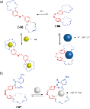
Figure 32: a) Shinkai's butterfly tweezers and their different host–guest properties depending on the isomer. ...

Figure 33: Cyclam-tethered tweezers and their different host–guest complexes depending on their configuration.

Figure 34: Azobenzene-based catalytic tweezers.

Figure 35: Photoswitchable PIEZO channel mimic.

Figure 36: Stilbene-based porphyrin tweezers for fullerene recognition.

Figure 37: Stiff-stilbene-based tweezers with urea or thiourea functional units for a) anion binding, b) anion...

Figure 38: Feringa’s photoswitchable organocatalyst (a) and different catalyzed reactions with that system (b)....

Figure 39: a) Irie and Takeshita’s thioindigo-based molecular tweezers. b) Family of hemithioindigo-based mole...

Figure 40: Dithienylethylene crown ether-bearing molecular tweezers reported by Irie and co-workers.
Multi-redox indenofluorene chromophores incorporating dithiafulvene donor and ene/enediyne acceptor units
- Christina Schøttler,
- Kasper Lund-Rasmussen,
- Line Broløs,
- Philip Vinterberg,
- Ema Bazikova,
- Viktor B. R. Pedersen and
- Mogens Brøndsted Nielsen
Beilstein J. Org. Chem. 2024, 20, 59–73, doi:10.3762/bjoc.20.8
- Sciences, Beijing, China 10.3762/bjoc.20.8 Abstract Large donor–acceptor scaffolds derived from polycyclic aromatic hydrocarbons (PAHs) with tunable HOMO and LUMO energies are important for several applications, such as organic photovoltaics. Here, we present a large selection of PAHs based on central
- +) containing two 6π-aromatic 1,3-dithiolium rings. The redox properties and geometries of the redox states have been finely tuned by extending the conjugated system with various cores, such as polycyclic aromatic hydrocarbons (PAHs), resulting in so-called extended TTFs [9][10][11][12]. One example of this is

Graphical Abstract
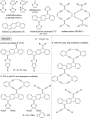
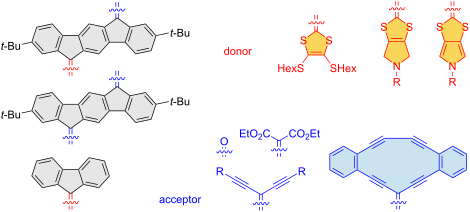
Figure 1: Overview of structural motifs relevant for the work described herein.
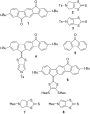
Figure 2: Dione/ketones 1, 4–6 and 1,3-dithiole-2-thione compounds 2, 3, 7, and 8 are building blocks used in...
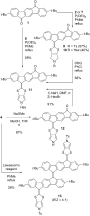
Scheme 1: Synthesis of IF-DTF ketones 9–12 and dimer 13.

Scheme 2: Further functionalization of the IF-DTF ketone 11 via Ramirez/Corey–Fuchs dibromo-olefination and K...

Scheme 3: Coupling of 1,3-dithiole-2-thione building blocks 2 and 3 with fluorenone 5 to afford fluorene-exte...
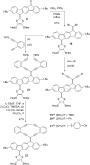
Scheme 4: Synthesis of acetylenic scaffolds based on IF-DTF. Conditions: (a) Pd(PPh3)2Cl2, CuI, THF, Et3N, rt...
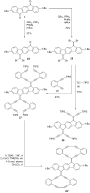
Scheme 5: Synthesis of acetylenic scaffolds with IF as central core. *Not fully characterized due to poor sol...

Scheme 6: Reduction of IF dione 1 to dihydro-IF 29.

Figure 3: UV–vis absorption spectra of compounds 4, 9–12, and 15 in PhMe at 25 °C.

Figure 4: UV–vis absorption spectra of compounds 13, 16, 17, and 30 in CH2Cl2 at 25 °C.

Figure 5: UV–vis absorption spectra of compounds 22, 23, 26, and 27 in CH2Cl2 at 25 °C.
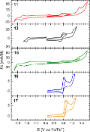
Figure 6: Cyclic voltammograms of compounds 11 (in MeCN), 13 (in CH2Cl2), 15 (in MeCN), 16 (in CH2Cl2), and 17...
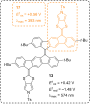
Figure 7: Comparison of properties of compounds 13 and 17.

Figure 8: Cyclic voltammograms of compounds 22, 23, 26, and 27 in CH2Cl2; supporting electrolyte: 0.1 M Bu4NPF...

Figure 9: Radical anion (left), dianion (middle), and radical cation (right) of compound 23; the radical anio...

Figure 10: ORTEP plots (50% probability) and crystal packing of compounds a) 25, b) 26, and c) 29. The respect...

Figure 11: Labels of bonds within five-membered ring.
Biphenylene-containing polycyclic conjugated compounds
- Cagatay Dengiz
Beilstein J. Org. Chem. 2023, 19, 1895–1911, doi:10.3762/bjoc.19.141
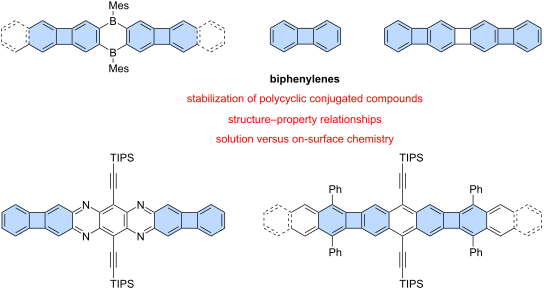
- ; biphenylene; [N]phenylenes; polycyclic aromatic compounds; Introduction Acenes represent an important category of carbon-rich polycyclic aromatic hydrocarbons (PAHs) characterized by the presence of linearly fused benzene rings [1][2]. Investigating the electronic properties of acenes is essential for

Graphical Abstract
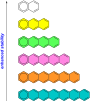
Figure 1: The correlation between stability and Clar's rule in acenes.

Scheme 1: General synthetic strategies to access the biphenylene core 1.

Figure 2: [N]Phenylenes 7–12 with different topologies.

Scheme 2: Synthesis of POAs 15a and 15b via reactions of BBD 13 and bis(cyanomethyl) compounds 14a and 14b.

Scheme 3: Synthesis of benzo[b]biphenylene (18).

Scheme 4: Synthesis of benzobiphenylene 18 and POA 21.

Scheme 5: Synthesis of symmetric POAs 25a and 25b.

Scheme 6: Synthesis of POA 29 via palladium-catalyzed annulation/aromatization reaction.

Scheme 7: Synthesis of bisphenylene-containing structures 34a–c.

Scheme 8: Synthesis of curved PAH 38 via Pd-catalyzed annulation and Ir-catalyzed cycloaddition reactions.

Scheme 9: Synthesis of [3]naphthylenes.

Scheme 10: Sequential Pd-catalyzed annulation reactions.

Scheme 11: Synthesis of biphenylene-containing unsymmetrical azaacenes 54a–c.

Scheme 12: Synthesis of biphenylene containing symmetrical azaacenes 58a,b.

Scheme 13: Synthesis of azaacene analogues 62–64.

Scheme 14: Synthesis of POA-type structure 69.

Scheme 15: Synthesis of boron-doped POA 73.

Scheme 16: Synthesis of “v”- and “z”-shaped B-POAs 77 and 78.

Scheme 17: Synthesis of boron-doped extended POA 84.

Scheme 18: Ag(111) surface-catalyzed synthesis of POA 87.

Scheme 19: Au(100) and Au(111) surface-catalyzed synthesis of POA 91.

Scheme 20: Au(111) on-surface synthesis of POA 87.
Preparation of β-cyclodextrin/polysaccharide foams using saponin
- Max Petitjean and
- José Ramón Isasi
Beilstein J. Org. Chem. 2023, 19, 78–88, doi:10.3762/bjoc.19.7
- and cholesterol lowering properties, for example [10]. As reported by Liu et al. [19], saponins can show interesting interactions with hydrophobic organic compounds (HOC) and more precisely with polycyclic aromatic hydrocarbons (PAHs). For example, phenanthrene can be removed by saponins [20], by

Graphical Abstract

Figure 1: Quillaja saponin foamability (left) and foam stability over time for the β-cyclodextrin/polysacchar...

Figure 2: SEM images of crushed β-c-LBG as a function of the synthesis pathways (see below, Experimental sect...

Figure 3: SEM of β-csp after crosslinking with or without washing the sample.

Figure 4: β-csp (left) and c-CSsp (right) matrices unwashed showing the “foam-like” morphologies.

Figure 5: Values (in mg/g) of equivalent ‘free β-cyclodextrin’ in the polysaccharide (PS) matrices, as a func...

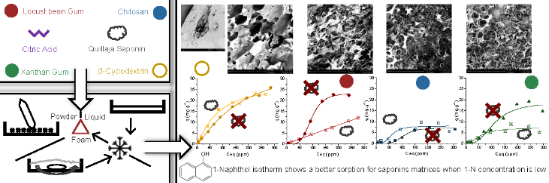
Figure 6: 1-Naphthol isotherms of crosslinked β-cyclodextrin/polysaccharides (blue curves for chitosan, red f...

Figure 7: Sorption of phenols (V, vanillin; Ph, phenol; m-c, m-cresol; 4eP, 4-ethylphenol; Eu, eugenol) in β-...
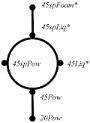
Figure 8: Six synthesis routes (*lyophilized matrices) used to prepare samples β-c-XGsp; β-c-LBGsp; β-c-CSsp ...
Electrochemical and spectroscopic properties of twisted dibenzo[g,p]chrysene derivatives
- Tomoya Imai,
- Ryuhei Akasaka,
- Naruhiro Yoshida,
- Toru Amaya and
- Tetsuo Iwasawa
Beilstein J. Org. Chem. 2022, 18, 963–971, doi:10.3762/bjoc.18.96
- , a strong photoluminescence was observed for DBC-H and DBC-Si. Keywords: DFT calculation; dibenzo[g,p]chrysenes; fluorescent compounds; oxidation; polycyclic aromatic hydrocarbon (PAH); twisted acenes; Introduction Polycyclic aromatic hydrocarbons (PAHs) have attracted interest as potential

Graphical Abstract

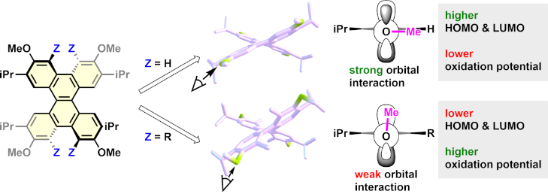
Figure 1: a) DBC. b) Dependence of Eox1 on the position of the MeO groups [43]. c) Previous work [52]. d) This work.

Figure 2: CVs and SWVs of DBC derivatives in CH2Cl2 (≈1.0 × 10⁻³ M, see Supporting Information File 1 for details) including 5.0 × 10⁻² M ...

Figure 3: DFT-optimized structures, orbital drawings of HOMO, schematic drawings of orbital interaction, and ...
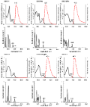
Figure 4: Absorption (solid line) and photoluminescence (dotted red line) spectra (upper graphs) in CH2Cl2 an...
1,2-Naphthoquinone-4-sulfonic acid salts in organic synthesis
- Ruan Carlos B. Ribeiro,
- Patricia G. Ferreira,
- Amanda de A. Borges,
- Luana da S. M. Forezi,
- Fernando de Carvalho da Silva and
- Vitor F. Ferreira
Beilstein J. Org. Chem. 2022, 18, 53–69, doi:10.3762/bjoc.18.5
- catecholamines and other compounds, but they can also be ingested as exogenous products of air and water. The most common quinones, such as benzoquinone, naphthoquinone, anthraquinone, and phenanthrenequinone, can be formed by incomplete combustion or photooxidation of their respective polycyclic aromatic
- hydrocarbons (PAHs) [5][6]. Among all of the compounds in this class, 1,2- and 1,4-naphthoquinones stand out, as they are present in plants, fungi, lichens, bacteria, algae, viruses, insects, and higher organisms and perform several biochemical functions, such as defense, transference of electrons in various

Graphical Abstract

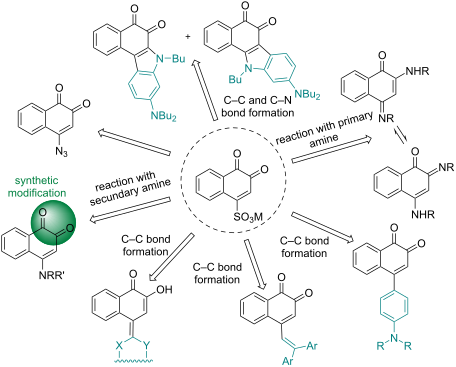
Figure 1: Naphthoquinones are commonly used in organic synthesis.

Figure 2: Some important natural and synthetic naphthoquinones.

Scheme 1: Synthetic studies of BNQs and reactions with amines.

Scheme 2: Methods described for the synthesis of β-NQS.

Figure 3: Drugs detected using β-NQSNa.

Scheme 3: Reactions between β-NQS and amines.

Scheme 4: Isomerization of 4-arylamino-1,2-naphthoquinones.

Scheme 5: Synthesis of unsymmetrical 2-amino-4-imino compounds.

Scheme 6: Synthesis of bis(isoxazolyl)naphthoquinones from β-NQS.

Scheme 7: The reaction of β-NQS with 30 followed by cycle condensation.

Scheme 8: Synthesis of 4-(2-amino-5-selenothiazoles)-1,2-naphthoquinones.

Scheme 9: Synthesis of amino- and phenoxy-1,2-naphthoquinones.

Scheme 10: Synthesis of 4-semicarbazide-1,2-naphthoquinone.

Scheme 11: Reactions of 4-azido-1,2-naphthoquinone.

Figure 4: Modifications that can be easily carried out from the products of β-NQS 8.

Scheme 12: Derivatives of 1,2-naphthoquinones obtained from β-NQS.

Scheme 13: Oximes as well as 4-amino- and 4-phenoxy-1,2-naphthoquinone as potential anti-inflammatory agents.

Scheme 14: Synthesis of triazoles from β-NQS.

Scheme 15: Synthesis of naphtho[1,2-d]oxazoles from β-NQS.

Scheme 16: A) Arylation and vinylation of β-NQS catalyzed by Ni(II) salts. B) Transformation of the 1,2-dicarb...

Scheme 17: Benzo[a]carbazole and benzo[c]carbazoles fused with 1,2-naphthoquinone.

Scheme 18: Synthesis of 1,2-naphthoquinones having a C=C bond from β-NQS. Method A: NaOH, EtOH/H2O, 40 °C, 2 h...

Scheme 19: C=C bond formation from β-NQS and substituted acetonitriles.
Development of N-F fluorinating agents and their fluorinations: Historical perspective
- Teruo Umemoto,
- Yuhao Yang and
- Gerald B. Hammond
Beilstein J. Org. Chem. 2021, 17, 1752–1813, doi:10.3762/bjoc.17.123
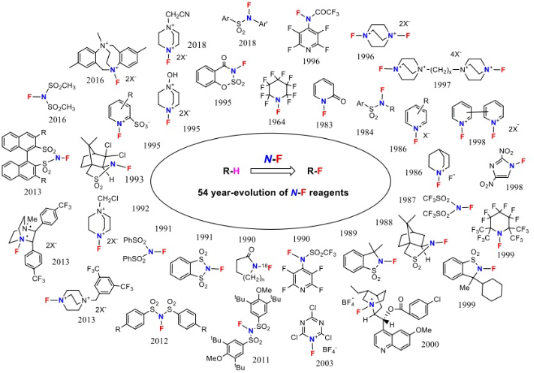
- powerful fluorinating agent with a high fluorine content, F: 103 g/1 kg (comparison; 54 g/1 kg for Selectfluor). 1-25. N-Fluoro-2,4-dinitroimidazole In 1998, Laali et al. reported the fluorination of polycyclic aromatic hydrocarbons (PAHs) with N-fluoro-2,4-dinitroimidazole (25-1) [87] (Scheme 56). This

Graphical Abstract

Scheme 1: Fluorination with N-F amine 1-1.

Scheme 2: Preparation of N-F amine 1-1.

Scheme 3: Reactions of N-F amine 1-1.

Scheme 4: Synthesis of N-F perfluoroimides 2-1 and 2-2.

Scheme 5: Synthesis of 1-fluoro-2-pyridone (3-1).

Scheme 6: Fluorination with 1-fluoro-2-pyridone (3-1).

Figure 1: Synthesis of N-F sulfonamides 4-1a–g.
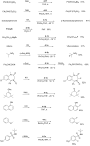
Scheme 7: Fluorination with N-F reagent 4-1b,c,f.

Scheme 8: Fluorination of alkenyllithiums with N-F 4-1h.

Scheme 9: Synthesis of N-fluoropyridinium triflate (5-4a).

Scheme 10: Synthetic methods for N-F-pyridinium salts.

Figure 2: Synthesis of various N-fluoropyridinium salts. Note: athis yield was the one by the improved method...

Scheme 11: Fluorination power order of N-fluoropyridinium salts.
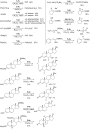
Scheme 12: Fluorinations with N-F salts 5-4.

Scheme 13: Fluorination of Corey lactone 5-7 with N-F-bis(methoxymethyl) salt 5-4l.

Scheme 14: Fluorination with NFPy.

Scheme 15: Synthesis of the N-F reagent, N-fluoroquinuclidinium fluoride (6-1).

Scheme 16: Fluorinations achieved with N-F fluoride 6-1.

Scheme 17: Synthesis of N-F imides 7-1a–g.

Scheme 18: Fluorination with (CF3SO2)2NF, 7-1a.
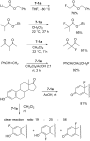
Scheme 19: Fluorination reactions of various substrates with 7-1a.

Scheme 20: Synthesis of N-F triflate 8-1.

Scheme 21: Synthesis of chiral N-fluoro sultams 9-1 and 9-2.
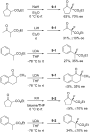
Scheme 22: Fluorination with chiral N-fluoro sultams 9-1 and 9-2.

Scheme 23: Synthesis of saccharin-derived N-fluorosultam 10-2.

Scheme 24: Fluorination with N-fluorosultam 10-2.

Scheme 25: Synthesis of N-F reagent 11-2.

Scheme 26: Fluorination with N-F reagent 11-2.

Scheme 27: Synthesis and reaction of N-fluorolactams 12-1.

Scheme 28: Synthesis of NFOBS 13-2.
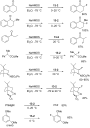
Scheme 29: Fluorination with NFOBS 13-2.

Scheme 30: Synthesis of NFSI (14-2).
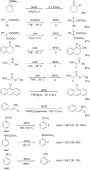
Scheme 31: Fluorination with NFSI 14-2.

Scheme 32: Synthesis of N-fluorosaccharin (15-1) and N-fluorophthalimide (15-2).

Scheme 33: Synthesis of N-F salts 16-3.
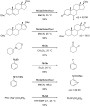
Scheme 34: Fluorination with N-F salts 16-3.

Figure 3: Monofluorination with Selectfluor (16-3a).

Figure 4: Difluorination with Selectfluor (16-3a).

Scheme 35: Transfer fluorination of Selectfluor (16-3a).
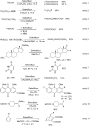
Scheme 36: Fluorination of substrates with Selectfluor (16-3a).

Scheme 37: Synthesis of chiral N-fluoro-sultam 17-2.

Scheme 38: Asymmetric fluorination with chiral 17-2.

Figure 5: Synthesis of Zwitterionic N-fluoropyridinium salts 18-2a–h.

Scheme 39: Fluorinating power order of zwitterionic N-fluoropyridinium salts.

Scheme 40: Fluorination with zwitterionic 18-2.

Scheme 41: Activation of salt 18-2h with TfOH.

Scheme 42: Synthesis of NFTh, 19-2.
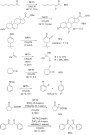
Scheme 43: Fluorination with NFTh, 19-2.

Scheme 44: Synthesis of 3-fluorobenzo-1,2,3-oxathiazin-4-one 2,2-dioxide (20-2).

Scheme 45: Fluorination with 20-2.

Scheme 46: Synthesis of N-F amide 21-3.

Scheme 47: Fluorination with N-F amide 21-2.

Scheme 48: Synthesis of N,N’-difluorodiazoniabicyclo[2.2.2]octane salts 22-1.

Scheme 49: One-pot synthesis of N,N’-difluoro-1,4-diazoniabicyclo[2.2.2]octane bistetrafluoroborate salt (22-1d...

Figure 6: Fluorination of anisole with 22-1a, d, e.
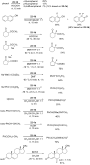
Scheme 50: Fluorination with N,N’-diF bisBF4 22-1d.

Scheme 51: Synthesis of bis-N-F reagents 23-1–5.
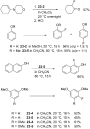
Scheme 52: Fluorination with 23-2, 4, 5.

Figure 7: Synthesis of N,N’-difluorobipyridinium salts 24-2.

Figure 8: Controlled fluorination of N,N’-diF 24-2.

Scheme 53: Fluorinating power of N,N’-diF salts 24-2 and N-F salt 5-4a.
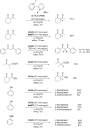
Scheme 54: Fluorination reactions with SynfluorTM (24-2b).
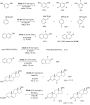
Scheme 55: Additional fluorination reactions with SynfluorTM (24-2b).

Scheme 56: Synthesis of N-F 25-1.

Scheme 57: Fluorination of polycyclic aromatics with 25-1.

Scheme 58: Synthesis of 26-1 and dimethyl analog 26-2.

Scheme 59: Fluorination with reagents 26-1, 26-2, 1-1, and 26-3.

Scheme 60: Synthesis of N-F reagent 27-2.

Scheme 61: Synthesis of chiral N-F reagents 27-6.

Scheme 62: Synthesis of chiral N-F 27-7–9.
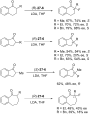
Scheme 63: Asymmetric fluorination with 27-6.

Scheme 64: Synthesis of chiral N-F reagents 28-3.

Scheme 65: Asymmetric fluorination with 28-3.

Scheme 66: Synthesis of chiral N-F reagents 28-7.

Figure 9: Asymmetric fluorination with 28-7.

Scheme 67: In situ formation of N-fluorinated cinchona alkaloids with SelectfluorTM.
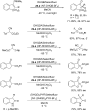
Scheme 68: Asymmetric fluorination with N-F alkaloids formed in situ.

Scheme 69: Synthesis of N-fluorocinchona alkaloids with Selectfluor.

Scheme 70: Asymmetric fluorination with 30-1–4.

Scheme 71: Transfer fluorination from various N-F reagents.

Figure 10: Asymmetric fluorination of silyl enol ethers.

Scheme 72: Synthesis of N-fluoro salt 32-2.

Scheme 73: Reactivity of N-fluorotriazinium salt 32-2.

Scheme 74: Synthesis of bulky N-fluorobenzenesulfonimide NFBSI 33-3.

Scheme 75: Comparison of NFSI and NFBSI.

Scheme 76: Synthesis of p-substituted N-fluorobenzenesulfonimides 34-3.

Figure 11: Asymmetric fluorination with 34-3 and a chiral catalyst 34-4.

Scheme 77: 1,4-Fluoroamination with Selecfluor and a chiral catalyst.

Figure 12: Asymmetric fluoroamination with 35-5a, b.

Scheme 78: Synthesis of Selectfluor analogs 35-5a, b.

Scheme 79: Synthesis of chiral dicationic DABCO-based N-F reagents 36-5.
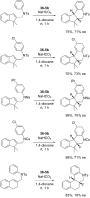
Scheme 80: Asymmetric fluorocyclization with chiral 36-5b.

Scheme 81: Synthesis of chiral 37-2a,b.

Scheme 82: Asymmetric fluorination with chiral 37-2a,b.

Scheme 83: Asymmetric fluorination with chiral 37-2b.

Scheme 84: Reaction of indene with chiral 37-2a,b.

Scheme 85: Synthesis of Me-NFSI, 38-2.

Scheme 86: Fluorination of active methine compounds with Me-NFSI.

Scheme 87: Fluorination of malonates with Me-NFSI.

Scheme 88: Fluorination of keto esters with Me-NFSI.

Scheme 89: Synthesis of N-F 39-3 derived from the ethylene-bridged Tröger’s base.

Scheme 90: Fluorine transfer from N-F 39-3.

Scheme 91: Fluorination with N-F 39-3.

Scheme 92: Synthesis of SelectfluorCN.

Scheme 93: Bistrifluoromethoxylation of alkenes using SelectfluorCN.

Figure 13: Synthesis of NFAS 41-2.

Scheme 94: Radical fluorination with different N-F reagents.

Scheme 95: Radical fluorination of alkenes with NFAS 41-2.

Scheme 96: Radical fluorination of alkenes with NFAS 41-2f.

Scheme 97: Decarboxylative fluorination with NFAS 41-2a,f.

Scheme 98: Fluorine plus detachment (FPD).

Figure 14: FPD values of representative N-F reagents in CH2Cl2 and CH3CN (in parentheses). Adapted with permis...

Scheme 99: N-F homolytic bond dissociation energy (BDE).

Figure 15: BDE values of representative N-F reagents in CH3CN. Adapted with permission from ref. [127]. Copyright 2...

Figure 16: Quantitative reactivity scale for popular N-F reagents. Adapted with permission from ref. [138], publish...

Scheme 100: SET and SN2 mechanisms.

Scheme 101: Radical clock reactions.

Scheme 102: Reaction of potassium enolate of citronellic ester with N-F reagents, 10-1, NFSI, and 8-1.

Scheme 103: Reaction of compound IV with Selectfluor (OTf) and NFSI.

Scheme 104: Reaction of TEMPO with Selecfluor.
Design, synthesis and photophysical properties of novel star-shaped truxene-based heterocycles utilizing ring-closing metathesis, Clauson–Kaas, Van Leusen and Ullmann-type reactions as key tools
- Shakeel Alvi and
- Rashid Ali
Beilstein J. Org. Chem. 2021, 17, 1374–1384, doi:10.3762/bjoc.17.96
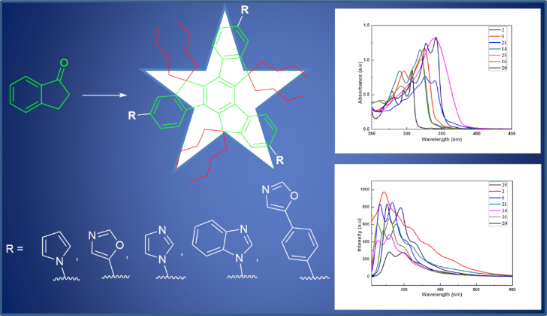
- Shakeel Alvi Rashid Ali Department of Chemistry, Jamia Millia Islamia, Jamia Nagar, Okhla, New Delhi-110025, India; Phone: +91-7011867613 10.3762/bjoc.17.96 Abstract Design, synthesis and properties of polycyclic aromatic hydrocarbons (PAHs) has historically attracted a considerable

Graphical Abstract

Scheme 1: Retrosynthetic pathways to the pyrrole-based C3-symmetric truxene derivative 6.

Scheme 2: Synthesis of tripyrrolotruxene 6 via cyclotrimerization and RCM as crucial steps.

Scheme 3: Synthesis of star-shaped molecule 6 utilizing the Clauson–Kaas pyrrole strategy.

Scheme 4: Synthesis of truxene derivative 6 involving Ullmann-type cross-coupling reaction.

Scheme 5: Synthesis of imidazole and benzimidazole containing truxene derivatives 14 and 16.

Scheme 6: Construction of truxene-based di- and trioxazole derivatives 21 and 20.

Scheme 7: Synthesis of benzene-bridged rings containing trioxazolotruxene system 25.

Figure 1: Normalized absorption (left); fluorescence spectra (right) of the synthesized truxene derivatives (...
Efficient synthesis of 3,6,13,16-tetrasubstituted-tetrabenzo[a,d,j,m]coronenes by selective C–H/C–O arylations of anthraquinone derivatives
- Seiya Terai,
- Yuki Sato,
- Takuya Kochi and
- Fumitoshi Kakiuchi
Beilstein J. Org. Chem. 2020, 16, 544–550, doi:10.3762/bjoc.16.51
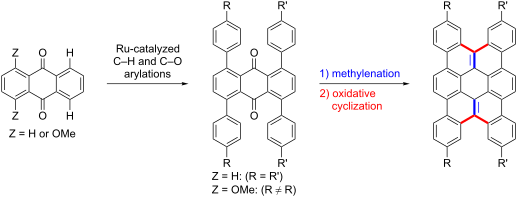
- tetrabenzo[a,d,j,m]coronene product indicated its self-assembling behavior in CDCl3. Keywords: C–H arylation; C–O arylation; oxidative cyclization; polycyclic aromatic hydrocarbons; ruthenium catalyst; Introduction Polycyclic aromatic hydrocarbons (PAHs) and their derivatives have attracted much attention

Graphical Abstract

Scheme 1: Projected synthetic routes for 3,6,13,16-tetrasubstituted tetrabenzo[a,d,j,m]coronenes.

Scheme 2: Reported syntheses of 2,7,12,17-tetrasubstituted tetrabenzo[a,d,j,m]coronenes.

Scheme 3: C–H tetraarylation of anthraquinone (1).

Scheme 4: C–H diarylation of 1,4-diarylanthraquinones 5.

Figure 1: Normalized UV–vis absorption spectra of 7aa, 7bb, and 7ba.

Figure 2: Effects of the concentration and the temperature on the 1H NMR spectra of 7aa.
Copper-catalyzed remote C–H arylation of polycyclic aromatic hydrocarbons (PAHs)
- Anping Luo,
- Min Zhang,
- Zhangyi Fu,
- Jingbo Lan,
- Di Wu and
- Jingsong You
Beilstein J. Org. Chem. 2020, 16, 530–536, doi:10.3762/bjoc.16.49
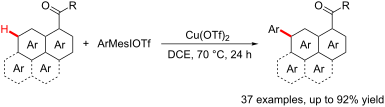
- substituted polycyclic aromatic hydrocarbons (PAHs) is a desired but challenging task. A copper-catalyzed C7–H arylation of 1-naphthamides has been developed by using aryliodonium salts as arylating reagents. This protocol does not need to use precious metal catalysts and tolerates wide variety of functional
- arylation; nonprecious metal catalyst; copper catalysis; polycyclic aromatic hydrocarbons (PAHs); regioselectivity; Introduction Polycyclic aromatic hydrocarbons (PAHs) with rigid planar structure, such as naphthalene, phenanthrene, pyrene and their derivatives, can usually emit relatively strong

Graphical Abstract

Scheme 1: Direct C–H arylation of PAHs.
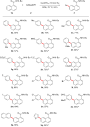
Scheme 2: Scope of aryliodonium salts. Reaction conditions: 1a (0.2 mmol), 2 (0.3 mmol) in DCE (1 mL) at 70 °...
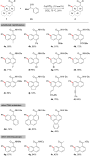
Scheme 3: Scope of PAHs. Reaction conditions: 1 (0.2 mmol), 2a (0.3 mmol) in DCE (1 mL) at 70 °C under N2 for...

Scheme 4: Proposed catalytic cycle.

Figure 1: a) UV-visible absorption spectra of 4k, 4n and 4o in toluene (1 × 10⁻⁵ mol/L). b) Emission spectra ...
Synthesis of triphenylene-fused phosphole oxides via C–H functionalizations
- Md. Shafiqur Rahman and
- Naohiko Yoshikai
Beilstein J. Org. Chem. 2020, 16, 524–529, doi:10.3762/bjoc.16.48
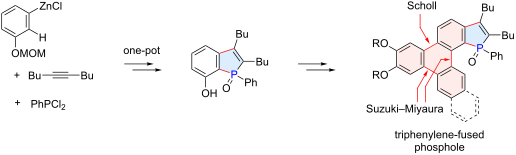
- extended π-system. These included, in particular, those fused with polycyclic aromatic hydrocarbons (PAHs) for possible applications in organic electronics, bioimaging and sensing, and asymmetric catalysis (Figure 1). To name a few examples, Yamaguchi et al. described synthetic routes to novel phosphorus

Graphical Abstract

Figure 1: Examples of functional molecules based on π-extended phospholes.

Scheme 1: Syntheses of PAH-fused phospholes featuring a 7-hydroxybenzo[b]phosphole as a key intermediate.

Scheme 2: Synthesis of phosphole-fused ortho-teraryl compounds 7.

Scheme 3: Oxidative cyclization of phosphole-fused ortho-teraryl compounds 7 into triphenylene-fused phosphol...
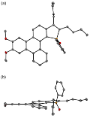
Figure 2: ORTEP drawings of compound 8a (thermal ellipsoids set at 50% probability). a) top view; b) side vie...

Figure 3: UV–vis absorption (solid lines) and fluorescence (dashed lines) spectra of compounds 8a–c.
Six-fold C–H borylation of hexa-peri-hexabenzocoronene
- Mai Nagase,
- Kenta Kato,
- Akiko Yagi,
- Yasutomo Segawa and
- Kenichiro Itami
Beilstein J. Org. Chem. 2020, 16, 391–397, doi:10.3762/bjoc.16.37
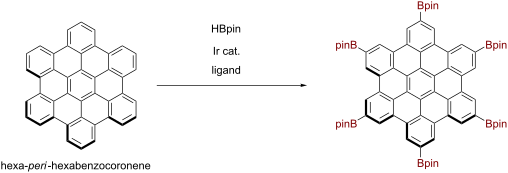
- calculations. The spectra revealed a bathochromic shift of absorption bands compared with unsubstituted HBC under the effect of the σ-donation of boryl groups. Keywords: C–H borylation; hexa-peri-hexabenzocoronene; iridium catalyst; X-ray crystallography; Introduction Polycyclic aromatic hydrocarbons (PAHs

Graphical Abstract

Figure 1: C–H functionalization of HBCs. (a) Perchlorinated HBC. (b) Borylated HBC substituted by 2,4,6-trime...

Figure 2: Synthesis of hexaborylated HBC 1. (a) Solvent screening of six-fold C–H borylation of unsubstituted...

Figure 3: The structure of 1 confirmed by X-ray crystallographic analysis. (a) ORTEP drawing of 1 with therma...

Figure 4: Photophysical properties of 1. (a) UV–vis absorption (solid lines) spectra, fluorescence (dotted li...
Nanopatterns of arylene–alkynylene squares on graphite: self-sorting and intercalation
- Tristan J. Keller,
- Joshua Bahr,
- Kristin Gratzfeld,
- Nina Schönfelder,
- Marcin A. Majewski,
- Marcin Stępień,
- Sigurd Höger and
- Stefan-S. Jester
Beilstein J. Org. Chem. 2019, 15, 1848–1855, doi:10.3762/bjoc.15.180
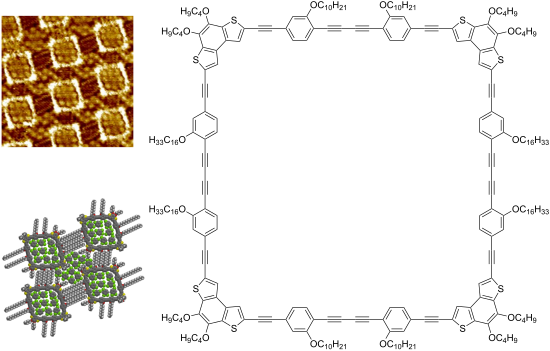
- nanopores from the gas phase [15], the intercalation of organic molecules into nanopores is rather difficult to tailor from scratch, however, with prominent examples [16][17]. Likewise, larger polycyclic aromatic hydrocarbons (PAHs) and nanographenes form robust adsorbate films in a certain size range, and
- –alkynylene macrocycles 1a/b (Figure 1), and the intercalation of solvent molecules and polycyclic aromatic hydrocarbons (PAHs). Our way towards nanoporous quadratic templates containing long (OC16H33) alkoxy side chains on two opposite sides of the square and two shorter (OC10H21, OC6H13) side chains on the

Graphical Abstract

Figure 1: Chemical structures of the molecular squares 1a/b, the kekulene derivative 2, and octulene derivati...
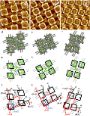
Figure 2: (a)–(c) Scanning tunneling microscopy images, (d)–(f) supramolecular models, and (g)–(l) schematic ...

Figure 3: (a) Overview scanning tunneling microscopy image of a nanopattern of 1a with intermolecularly inter...

Figure 4: (a–c) Scanning tunneling microscopy images of a nanopattern of 1a with intermolecularly intercalate...
Recent advances on the transition-metal-catalyzed synthesis of imidazopyridines: an updated coverage
- Gagandeep Kour Reen,
- Ashok Kumar and
- Pratibha Sharma
Beilstein J. Org. Chem. 2019, 15, 1612–1704, doi:10.3762/bjoc.15.165
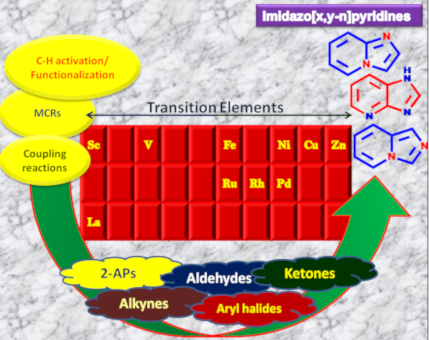

Graphical Abstract

Figure 1: Various drugs having IP nucleus.

Figure 2: Participation percentage of various TMs for the syntheses of IPs.

Scheme 1: CuI–NaHSO4·SiO2-catalyzed synthesis of imidazo[1,2-a]pyridines.

Scheme 2: Experimental examination of reaction conditions.

Scheme 3: One-pot tandem reaction for the synthesis of 2-haloimidazopyridines.

Scheme 4: Mechanistic scheme for the synthesis of 2-haloimidazopyridine.

Scheme 5: Copper-MOF-catalyzed three-component reaction (3-CR) for imidazo[1,2-a]pyridines.

Scheme 6: Mechanism for copper-MOF-driven synthesis.

Scheme 7: Heterogeneous synthesis via titania-supported CuCl2.

Scheme 8: Mechanism involving oxidative C–H functionalization.

Scheme 9: Heterogeneous synthesis of IPs.

Scheme 10: One-pot regiospecific synthesis of imidazo[1,2-a]pyridines.

Scheme 11: Vinyl azide as an unprecedented substrate for imidazo[1,2-a]pyridines.

Scheme 12: Radical pathway.

Scheme 13: Cu(I)-catalyzed transannulation approach for imidazo[1,5-a]pyridines.

Scheme 14: Plausible radical pathway for the synthesis of imidazo[1,5-a]pyridines.

Scheme 15: A solvent-free domino reaction for imidazo[1,2-a]pyridines.

Scheme 16: Cu-NPs-mediated synthesis of imidazo[1,2-a]pyridines.

Scheme 17: CuI-catalyzed synthesis of isoxazolylimidazo[1,2-a]pyridines.

Scheme 18: Functionalization of 4-bromo derivative via Sonogashira coupling reaction.

Scheme 19: A plausible reaction pathway.

Scheme 20: Cu(I)-catalyzed intramolecular oxidative C–H amidation reaction.

Scheme 21: One-pot synthetic reaction for imidazo[1,2-a]pyridine.

Scheme 22: Plausible reaction mechanism.

Scheme 23: Cu(OAc)2-promoted synthesis of imidazo[1,2-a]pyridines.

Scheme 24: Mechanism for aminomethylation/cycloisomerization of propiolates with imines.

Scheme 25: Three-component synthesis of imidazo[1,2-a]pyridines.

Figure 3: Scope of pyridin-2(1H)-ones and acetophenones.

Scheme 26: CuO NPS-promoted A3 coupling reaction.

Scheme 27: Cu(II)-catalyzed C–N bond formation reaction.

Scheme 28: Mechanism involving Chan–Lam/Ullmann coupling.

Scheme 29: Synthesis of formyl-substituted imidazo[1,2-a]pyridines.

Scheme 30: A tandem sp3 C–H amination reaction.

Scheme 31: Probable mechanistic approach.

Scheme 32: Dual catalytic system for imidazo[1,2-a]pyridines.

Scheme 33: Tentative mechanism.

Scheme 34: CuO/CuAl2O4/ᴅ-glucose-promoted 3-CCR.

Scheme 35: A tandem CuOx/OMS-2-based synthetic strategy.

Figure 4: Biomimetic catalytic oxidation in the presence of electron-transfer mediators (ETMs).

Scheme 36: Control experiment.

Scheme 37: Copper-catalyzed C(sp3)–H aminatin reaction.

Scheme 38: Reaction of secondary amines.

Scheme 39: Probable mechanistic pathway.

Scheme 40: Coupling reaction of α-azidoketones.

Scheme 41: Probable pathway.

Scheme 42: Probable mechanism with free energy calculations.

Scheme 43: MCR for cyanated IP synthesis.

Scheme 44: Substrate scope for the reaction.

Scheme 45: Reaction mechanism.

Scheme 46: Probable mechanistic pathway for Cu/ZnAl2O4-catalyzed reaction.

Scheme 47: Copper-catalyzed double oxidative C–H amination reaction.

Scheme 48: Application towards different coupling reactions.

Scheme 49: Reaction mechanism.

Scheme 50: Condensation–cyclization approach for the synthesis of 1,3-diarylated imidazo[1,5-a]pyridines.

Scheme 51: Optimized reaction conditions.

Scheme 52: One-pot 2-CR.

Scheme 53: One-pot 3-CR without the isolation of chalcone.

Scheme 54: Copper–Pybox-catalyzed cyclization reaction.

Scheme 55: Mechanistic pathway catalyzed by Cu–Pybox complex.

Scheme 56: Cu(II)-promoted C(sp3)-H amination reaction.

Scheme 57: Wider substrate applicability for the reaction.

Scheme 58: Plausible reaction mechanism.

Scheme 59: CuI assisted C–N cross-coupling reaction.

Scheme 60: Probable reaction mechanism involving sp3 C–H amination.

Scheme 61: One-pot MCR-catalyzed by CoFe2O4/CNT-Cu.

Scheme 62: Mechanistic pathway.

Scheme 63: Synthetic scheme for 3-nitroimidazo[1,2-a]pyridines.

Scheme 64: Plausible mechanism for CuBr-catalyzed reaction.

Scheme 65: Regioselective synthesis of halo-substituted imidazo[1,2-a]pyridines.

Scheme 66: Synthesis of 2-phenylimidazo[1,2-a]pyridines.

Scheme 67: Synthesis of diarylated compounds.

Scheme 68: CuBr2-mediated one-pot two-component oxidative coupling reaction.

Scheme 69: Decarboxylative cyclization route to synthesize 1,3-diarylimidazo[1,5-a]pyridines.

Scheme 70: Mechanistic pathway.

Scheme 71: C–H functionalization reaction of enamines to produce diversified heterocycles.

Scheme 72: A plausible mechanism.

Scheme 73: CuI-promoted aerobic oxidative cyclization reaction of ketoxime acetates and pyridines.

Scheme 74: CuI-catalyzed pathway for the formation of imidazo[1,2-a]pyridine.

Scheme 75: Mechanistic pathway.

Scheme 76: Mechanistic rationale for the synthesis of products.

Scheme 77: Copper-catalyzed synthesis of vinyloxy-IP.

Scheme 78: Regioselective product formation with propiolates.

Scheme 79: Proposed mechanism for vinyloxy-IP formation.

Scheme 80: Regioselective synthesis of 3-hetero-substituted imidazo[1,2-a]pyridines with different reaction su...

Scheme 81: Mechanistic pathway.

Scheme 82: CuI-mediated synthesis of 3-formylimidazo[1,2-a]pyridines.

Scheme 83: Radical pathway for 3-formylated IP synthesis.

Scheme 84: Pd-catalyzed urea-cyclization reaction for IPs.

Scheme 85: Pd-catalyzed one-pot-tandem amination and intramolecular amidation reaction.

Figure 5: Scope of aniline nucleophiles.

Scheme 86: Pd–Cu-catalyzed Sonogashira coupling reaction.

Scheme 87: One-pot amide coupling reaction for the synthesis of imidazo[4,5-b]pyridines.

Scheme 88: Urea cyclization reaction for the synthesis of two series of pyridines.

Scheme 89: Amidation reaction for the synthesis of imidazo[4,5-b]pyridines.

Figure 6: Amide scope.

Scheme 90: Pd NPs-catalyzed 3-component reaction for the synthesis of 2,3-diarylated IPs.

Scheme 91: Plausible mechanistic pathway for Pd NPs-catalyzed MCR.

Scheme 92: Synthesis of chromenoannulated imidazo[1,2-a]pyridines.

Scheme 93: Mechanism for the synthesis of chromeno-annulated IPs.

Scheme 94: Zinc oxide NRs-catalyzed synthesis of imidazo[1,2-a]azines/diazines.

Scheme 95: Zinc oxide-catalyzed isocyanide based GBB reaction.

Scheme 96: Reaction pathway for ZnO-catalyzed GBB reaction.

Scheme 97: Mechanistic pathway.

Scheme 98: ZnO NRs-catalyzed MCR for the synthesis of imidazo[1,2-a]azines.

Scheme 99: Ugi type GBB three-component reaction.

Scheme 100: Magnetic NPs-catalyzed synthesis of imidazo[1,2-a]pyridines.

Scheme 101: Regioselective synthesis of 2-alkoxyimidazo[1,2-a]pyridines catalyzed by Fe-SBA-15.

Scheme 102: Plausible mechanistic pathway for the synthesis of 2-alkoxyimidazopyridine.

Scheme 103: Iron-catalyzed synthetic approach.

Scheme 104: Iron-catalyzed aminooxygenation reaction.

Scheme 105: Mechanistic pathway.

Scheme 106: Rh(III)-catalyzed double C–H activation of 2-substituted imidazoles and alkynes.

Scheme 107: Plausible reaction mechanism.

Scheme 108: Rh(III)-catalyzed non-aromatic C(sp2)–H bond activation–functionalization for the synthesis of imid...

Scheme 109: Reactivity and selectivity of different substrates.

Scheme 110: Rh-catalyzed direct C–H alkynylation by Li et al.

Scheme 111: Suggested radical mechanism.

Scheme 112: Scandium(III)triflate-catalyzed one-pot reaction and its mechanism for the synthesis of benzimidazo...

Scheme 113: RuCl3-assisted Ugi-type Groebke–Blackburn condensation reaction.

Scheme 114: C-3 aroylation via Ru-catalyzed two-component reaction.

Scheme 115: Regioselective synthetic mechanism.

Scheme 116: La(III)-catalyzed one-pot GBB reaction.

Scheme 117: Mechanistic approach for the synthesis of imidazo[1,2-a]pyridines.

Scheme 118: Synthesis of imidazo[1,2-a]pyridine using LaMnO3 NPs under neat conditions.

Scheme 119: Mechanistic approach.

Scheme 120: One-pot 3-CR for regioselective synthesis of 2-alkoxy-3-arylimidazo[1,2-a]pyridines.

Scheme 121: Formation of two possible products under optimization of the catalysts.

Scheme 122: Mechanistic strategy for NiFe2O4-catalyzed reaction.

Scheme 123: Two-component reaction for synthesizing imidazodipyridiniums.

Scheme 124: Mechanistic scheme for the synthesis of imidazodipyridiniums.

Scheme 125: CuI-catalyzed arylation of imidazo[1,2-a]pyridines.

Scheme 126: Mechanism for arylation reaction.

Scheme 127: Cupric acetate-catalyzed double carbonylation approach.

Scheme 128: Radical mechanism for double carbonylation of IP.

Scheme 129: C–S bond formation reaction catalyzed by cupric acetate.

Scheme 130: Cupric acetate-catalyzed C-3 formylation approach.

Scheme 131: Control experiments for signifying the role of DMSO and oxygen.

Scheme 132: Mechanism pathway.

Scheme 133: Copper bromide-catalyzed CDC reaction.

Scheme 134: Extension of the substrate scope.

Scheme 135: Plausible radical pathway.

Scheme 136: Transannulation reaction for the synthesis of imidazo[1,5-a]pyridines.

Scheme 137: Plausible reaction pathway for denitrogenative transannulation.

Scheme 138: Cupric acetate-catalyzed C-3 carbonylation reaction.

Scheme 139: Plausible mechanism for regioselective C-3 carbonylation.

Scheme 140: Alkynylation reaction at C-2 of 3H-imidazo[4,5-b]pyridines.

Scheme 141: Two-way mechanism for C-2 alkynylation of 3H-imidazo[4,5-b]pyridines.

Scheme 142: Palladium-catalyzed SCCR approach.

Scheme 143: Palladium-catalyzed Suzuki coupling reaction.

Scheme 144: Reaction mechanism.

Scheme 145: A phosphine free palladium-catalyzed synthesis of C-3 arylated imidazopyridines.

Scheme 146: Palladium-mediated Buchwald–Hartwig cross-coupling reaction.

Figure 7: Structure of the ligands optimized.

Scheme 147: Palladium acetate-catalyzed direct arylation of imidazo[1,2-a]pyridines.

Scheme 148: Palladium acetate-catalyzed mechanistic pathway.

Scheme 149: Palladium acetate-catalyzed regioselective arylation reported by Liu and Zhan.

Scheme 150: Mechanism for selective C-3 arylation of IP.

Scheme 151: Pd(II)-catalyzed alkenylation reaction with styrenes.

Scheme 152: Pd(II)-catalyzed alkenylation reaction with acrylates.

Scheme 153: A two way mechanism.

Scheme 154: Double C–H activation reaction catalyzed by Pd(OAc)2.

Scheme 155: Probable mechanism.

Scheme 156: Palladium-catalyzed decarboxylative coupling.

Scheme 157: Mechanistic cycle for decarboxylative arylation reaction.

Scheme 158: Ligand-free approach for arylation of imidazo[1,2-a]pyridine-3-carboxylic acids.

Scheme 159: Mechanism for ligandless arylation reaction.

Scheme 160: NHC-Pd(II) complex assisted arylation reaction.

Scheme 161: C-3 arylation of imidazo[1,2-a]pyridines with aryl bromides catalyzed by Pd(OAc)2.

Scheme 162: Pd(II)-catalyzed C-3 arylations with aryl tosylates and mesylates.

Scheme 163: CDC reaction for the synthesis of imidazo[1,2-a]pyridines.

Scheme 164: Plausible reaction mechanism for Pd(OAc)2-catalyzed synthesis of imidazo[1,2-a]pyridines.

Scheme 165: Pd-catalyzed C–H amination reaction.

Scheme 166: Mechanism for C–H amination reaction.

Scheme 167: One-pot synthesis for 3,6-di- or 2,3,6-tri(hetero)arylimidazo[1,2-a]pyridines.

Scheme 168: C–H/C–H cross-coupling reaction of IPs and azoles catalyzed by Pd(II).

Scheme 169: Mechanistic cycle.

Scheme 170: Rh-catalyzed C–H arylation reaction.

Scheme 171: Mechanistic pathway for C–H arylation of imidazo[1,2-a]pyridine.

Scheme 172: Rh(III)-catalyzed double C–H activation of 2-phenylimidazo[1,2-a]pyridines and alkynes.

Scheme 173: Rh(III)-catalyzed mechanistic pathway.

Scheme 174: Rh(III)-mediated oxidative coupling reaction.

Scheme 175: Reactions showing functionalization of the product obtained by the group of Kotla.

Scheme 176: Mechanism for Rh(III)-catalyzed oxidative coupling reaction.

Scheme 177: Rh(III)-catalyzed C–H activation reaction.

Scheme 178: Mechanistic cycle.

Scheme 179: Annulation reactions of 2-arylimidazo[1,2-a]pyridines and alkynes.

Scheme 180: Two-way reaction mechanism for annulations reaction.

Scheme 181: [RuCl2(p-cymene)]2-catalyzed C–C bond formation reaction.

Scheme 182: Reported reaction mechanism.

Scheme 183: Fe(III) catalyzed C-3 formylation approach.

Scheme 184: SET mechanism-catalyzed by Fe(III).

Scheme 185: Ni(dpp)Cl2-catalyzed KTC coupling.

Scheme 186: Pd-catalyzed SM coupling.

Scheme 187: Vanadium-catalyzed coupling of IP and NMO.

Scheme 188: Mechanistic cycle.

Scheme 189: Selective C3/C5–H bond functionalizations by mono and bimetallic systems.

Scheme 190: rGO-Ni@Pd-catalyzed C–H bond arylation of imidazo[1,2-a]pyridine.

Scheme 191: Mechanistic pathway for heterogeneously catalyzed arylation reaction.

Scheme 192: Zinc triflate-catalyzed coupling reaction of substituted propargyl alcohols.
Chemical systems, chemical contiguity and the emergence of life
- Terrence P. Kee and
- Pierre-Alain Monnard
Beilstein J. Org. Chem. 2017, 13, 1551–1563, doi:10.3762/bjoc.13.155
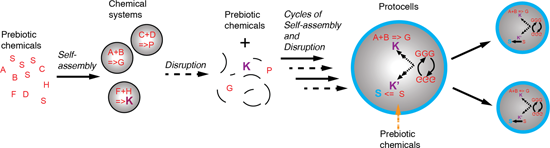
- . However, recent studies [16][61][74] have substantiated their potential early existence. Indeed, a class of photosensitive chemicals, the polycyclic aromatic hydrocarbons, PAHs (Figure 2), are capable of spontaneously inserting into amphiphile structures, even medium-length fatty acid vesicles (fatty

Graphical Abstract

Figure 1: (A) Possible approaches to the historical reconstruction. Two complementary approaches exist: top-d...

Figure 2: The bottom-up approach research strategies. (A) Each protocell component (vide infra) can be invest...
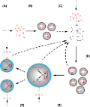
Figure 3: A putative scenario for the evolution of chemical systems towards protocells. (A) Prebiotic chemist...
Cross-linked cyclodextrin-based material for treatment of metals and organic substances present in industrial discharge waters
- Élise Euvrard,
- Nadia Morin-Crini,
- Coline Druart,
- Justine Bugnet,
- Bernard Martel,
- Cesare Cosentino,
- Virginie Moutarlier and
- Grégorio Crini
Beilstein J. Org. Chem. 2016, 12, 1826–1838, doi:10.3762/bjoc.12.172
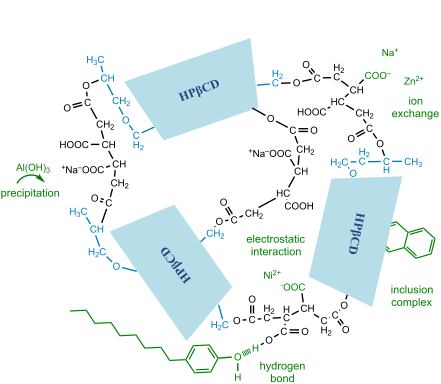
- polycyclic aromatic hydrocarbons (PAHs) and alkylphenols (APs) at concentrations varying from hundreds of nanograms per liter to some micrograms per liter [1]. However, it is extremely difficult to remove pollutants present at low concentrations (a few hundreds of micrograms per liter for some organic

Graphical Abstract

Figure 1: Chemical structure of the non-activated polyBTCA-CD.

Figure 2: Determination of the PZC for the non-activated and activated polyBTCA-CD polymers (pHi: initial pH ...

Figure 3: XRD pattern of the two polymers: non-activated and activated polyBTCA-CD.
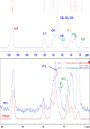
Figure 4: CPMAS and MAS spectra of polyBTCA-CD.
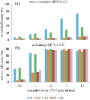
Figure 5: Adsorption capacity (%) of (a) the non-activated and (b) the activated (NaHCO3 treatment) polyBTCA-...

Figure 6: Adsorption kinetics for two solutions containing five metals at two concentrations (solution at 10 ...

Figure 7: Removal efficiency (%) after treatment with activated polyBTCA-CD (concentration = 2 g·L−1) for (a)...

Figure 8: Removal efficiency (%) of inorganic elements after treatment of five DWs by polyBTCA-CD (concentrat...



