


Search results
Search for "cytotoxic" in Full Text gives 311 result(s) in Beilstein Journal of Organic Chemistry. Showing first 200.
Ceratinadin G, a new psammaplysin derivative possessing a cyano group from a sponge of the genus Pseudoceratina
Beilstein J. Org. Chem. 2024, 20, 3215–3220, doi:10.3762/bjoc.20.267
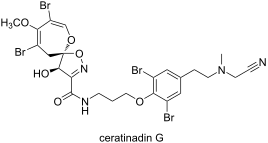
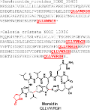
- ceratinadin G (1) was evaluated against L1210 murine leukemia cells and KB epidermoid carcinoma cells. Ceratinadin G (1) showed moderate cytotoxic activity against L1210 cells (IC50 = 4.7 μM) and KB cells (IC50 = 15.1 μM). Conclusion Ceratinadin G (1) is the first psammaplysin derivative identified to contain


Synthesis of the 1,5-disubstituted tetrazole-methanesulfonylindole hybrid system via high-order multicomponent reaction
Beilstein J. Org. Chem. 2024, 20, 3077–3084, doi:10.3762/bjoc.20.256
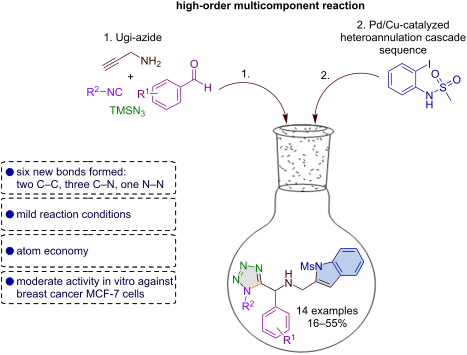
- cytotoxic compounds. For example, a cytotoxic effect was found in CAL 27 cells, presumably through a mechanism of TNF-α inhibition in vitro, which could be related to the anti-inflammatory effect identified in several studies of NSAIDs that inhibit cancer cell viability in vitro [37][38]. In another study
- aimed at inhibiting tubulin assembly, N-mesyl-2-(1-phenylvinyl)indoles were active against HCT-116 cells on the order of a GI50 of 10 mM, although the mechanism originally sought was not demonstrated [39]. Therefore, in this work, the cytotoxic activity of methanesulfonylindoles 18a–j was explored
- relevant for the cytotoxic activity. The 1,5-disubstituted tetrazole-1,2,3-triazole hybrids synthesized by our group [26] had similar effects to the present compounds, suggesting that 1,5-disubstituted tetrazole and indole are pharmacophoric fragments with significant biological and pharmacological



N-Glycosides of indigo, indirubin, and isoindigo: blue, red, and yellow sugars and their cancerostatic activity
Beilstein J. Org. Chem. 2024, 20, 2840–2869, doi:10.3762/bjoc.20.240
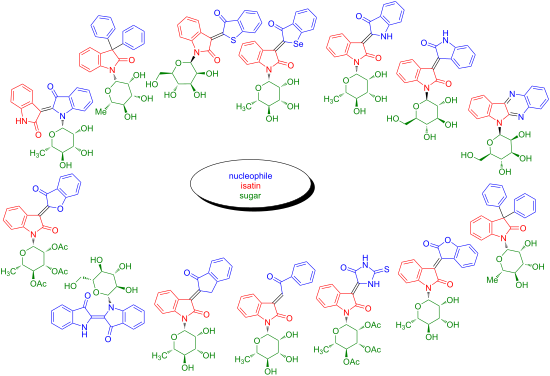
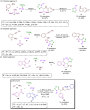
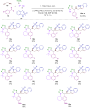
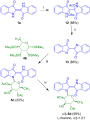
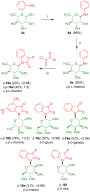
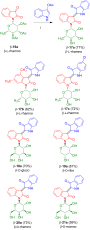
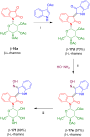
- cytotoxic activity against melanoma and squamous cell carcinoma cells, lung cancer and glioblastoma cells [30]. It was shown in a WST-1 assay that these compounds exhibit a concentration-dependent inhibition of the metabolic activity of A375 and A431 cells, while the non-glycosylated derivative 34 proved to
- mitochondria was changed. The presence of β-33b provoked a significant upregulation of the enzyme heme oxygenase-1. In conclusion, mitochondria are attacked by compound β-33b in the context of its cytotoxic activity against skin cancer cells. Aglycon 35 again proved to be inactive in all assays. It was
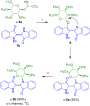
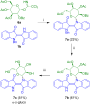
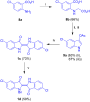
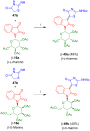
- deprotection with NaOMe afforded β-81a in 98% yield. Likewise, rhamnosides β-81b,c mannosides β-81d–f, and glucoside β-80g were obtained in good yields. Some products exhibited weak cytotoxic activity against human ceratinocytes (HaCaT). However, in contrast to many indirubin-N-glycosides and their analogues











Synthesis and antimycotic activity of new derivatives of imidazo[1,2-a]pyrimidines
Beilstein J. Org. Chem. 2024, 20, 2806–2817, doi:10.3762/bjoc.20.236
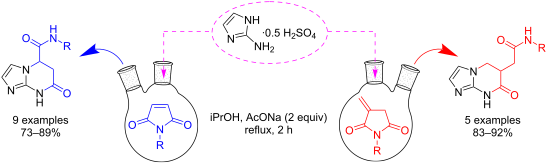
- polysubstituted hydrogenated heterocyclic structures on their basis [25][26][27][28], including an acetanilide fragment. The introduction of this fragment into a molecule, often drugs, enhances the cytotoxic, antibacterial, and antiviral activity of the compounds, thus widening the range of their potential
- include the use of immunosuppressive and cytotoxic drugs, broad-spectrum antibiotic therapy, pre-existing illnesses such as AIDS or diabetes, and the use of central venous catheters, urethral catheters, and implantable medical devices [42]. The mainstay of therapy for these infections is the use of broad


Synthesis and cytotoxicity studies of novel N-arylbenzo[h]quinazolin-2-amines
Beilstein J. Org. Chem. 2024, 20, 2592–2598, doi:10.3762/bjoc.20.218
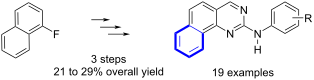
- describe a short and efficient synthesis for this type of novel skeleton and to prepare a focused library for these targets C. Further, we will report results on their cytotoxic activities. Results and Discussion Chemical synthesis For the preparation of our targets, we selected a flexible strategy which
- ). Cells are grown at 37 °C, 5% CO2 in ATCC recommended media: DMEM for HuH-7, MDA-MB-231, MDA-MB-468 and fibroblast, EMEM for MCF7 and CaCo-2, McCoy’s for HCT-116 and RPMI for PC3 and NCI-H727. All culture media are supplemented by 10% of FBS, 1% of penicillin-streptomycin and 2 mM glutamine. Cytotoxic
- desired targets 4. Cytotoxic studies (IC50 determination) of selected quinazolines 4.a Supporting Information Supporting Information File 2: Supplementary Table S1; spectral and analytical data for compounds 4b–s as well as all copies of 1H and 13C NMR spectra of compounds 4. Acknowledgements We thank


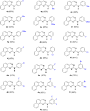
Cell-free protein synthesis with technical additives – expanding the parameter space of in vitro gene expression
Beilstein J. Org. Chem. 2024, 20, 2242–2253, doi:10.3762/bjoc.20.192
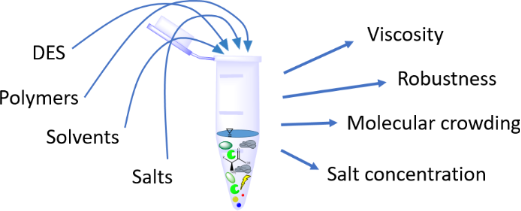
- . CFPS show a high robustness against various additives including cytotoxic solvents, which was demonstrated by the synthesis of sfGFP and thscGAS-sfGFP. The combination of CFPS with activity assays would allow further parallelization and also miniaturization, for example into femtoliter-sized droplets

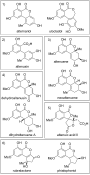
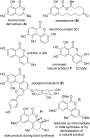
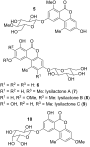
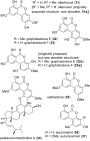
Natural resorcylic lactones derived from alternariol
Beilstein J. Org. Chem. 2024, 20, 2171–2207, doi:10.3762/bjoc.20.187
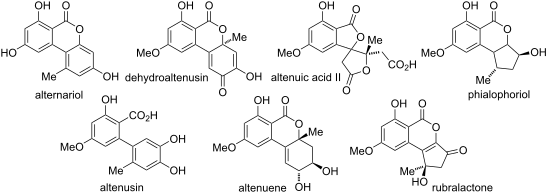
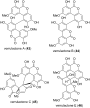
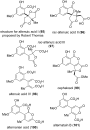
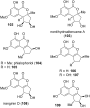
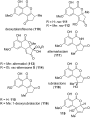
- V79 cells and in mouse lymphoma cells even at non-toxic or moderately cytotoxic concentrations [84]. AOH was further shown to cause strand-breaking in mammalian cell lines V79, HepG2, and HT-29 [85][86][87]. It was a significant finding by Marko et al. that AOH acts as a topoisomerase poison
- the detrimental effects of AOH [94][95][96]. AOH furthermore activated the nuclear translocation of the aryl hydrocarbon receptor (AhR) and the nuclear factor erythroid 2-related factor 2 (Nrf2) [97]. The possible anticancer effects of AOH through its cytotoxic, antiinflammatory, genotoxic, mutagenic
- has been investigated thoroughly on its biological activities, especially on its toxicity [6][12]. Its phytotoxicity has already been noted in the first reports; it induced chlorosis when injected to the leaves of tobacco plants [110]. It turned out to be cytotoxic against HeLa and lymphoma L5178Y










Multicomponent syntheses of pyrazoles via (3 + 2)-cyclocondensation and (3 + 2)-cycloaddition key steps
Beilstein J. Org. Chem. 2024, 20, 2024–2077, doi:10.3762/bjoc.20.178
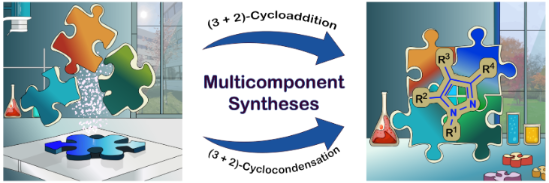
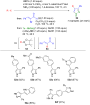
- , product 17a shows cytotoxic activity against Hep G2 hepatocellular carcinoma and MCF-7 breast carcinoma cell lines. The synthesis of 3,5-bis(arylamino)pyrazoles 21 involves the preparation of bisarylthioamides 22 via nucleophilic addition and double retro-Claisen condensation of isothiocyanates 19 and




Allostreptopyrroles A–E, β-alkylpyrrole derivatives from an actinomycete Allostreptomyces sp. RD068384
Beilstein J. Org. Chem. 2024, 20, 1981–1987, doi:10.3762/bjoc.20.174
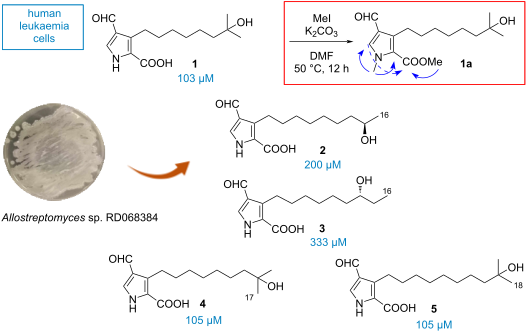
- : Allostreptomyces; β-alkylpyrrole; conformer; cytotoxic; DFT; 4-formylpyrrole-2-carboxylic acid; Introduction β-Alkylpyrroles are key structural motifs in biomolecules and functional organic materials [1]. For instance, β-alkylpyrroles are the main building blocks for the life-essential tetrapyrrole pigments


Solvent-dependent chemoselective synthesis of different isoquinolinones mediated by the hypervalent iodine(III) reagent PISA
Beilstein J. Org. Chem. 2024, 20, 1914–1921, doi:10.3762/bjoc.20.167
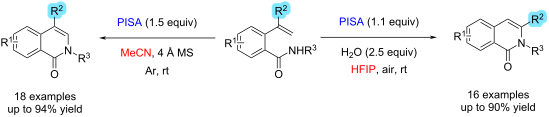
- activity and thus block cancer formation [2]. Alangiumkaloids A, an isoquinolinone alkaloid isolated from Alangium salviiforlium, was reported to exhibit cytotoxic activity against cancer cells [3]. In 2018, duvelisib, a dual inhibitor of phosphoinositide-3 kinases, was firstly approved by the FDA for the


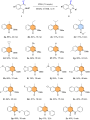


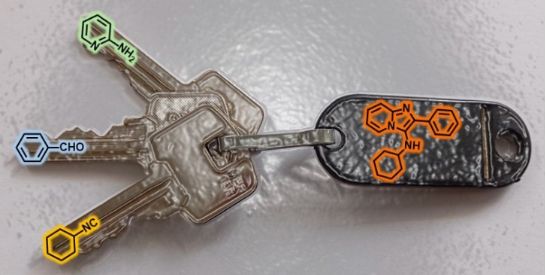
The Groebke–Blackburn–Bienaymé reaction in its maturity: innovation and improvements since its 21st birthday (2019–2023)
Beilstein J. Org. Chem. 2024, 20, 1839–1879, doi:10.3762/bjoc.20.162


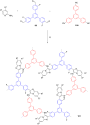
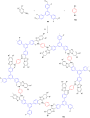




Harnessing unprotected deactivated amines and arylglyoxals in the Ugi reaction for the synthesis of fused complex nitrogen heterocycles
Beilstein J. Org. Chem. 2024, 20, 1758–1766, doi:10.3762/bjoc.20.154
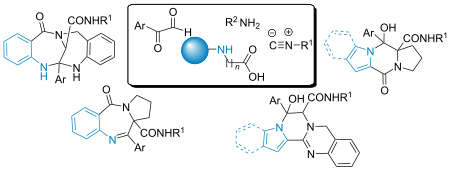
- piperazinoquinazoline derivatives, a core found in fungal metabolites [25][26], systems with promising antitumour activity [27], as well as dipyrrolopiperazinone derivatives, substructure found in some alkaloids such as dibromophakellin or the palau’amine [28], which possess immunosuppressive and cytotoxic properties


Syntheses and medicinal chemistry of spiro heterocyclic steroids
Beilstein J. Org. Chem. 2024, 20, 1713–1745, doi:10.3762/bjoc.20.152
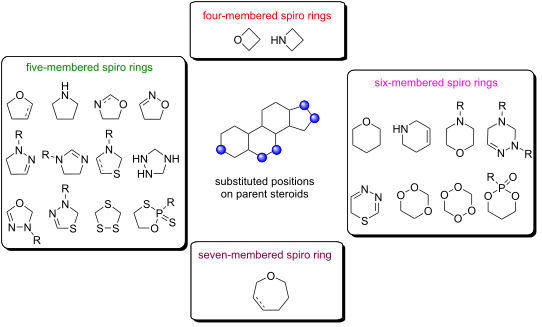
- on androgen-sensitive Shionogi cells, with weak binding to the androgen receptor detected. This suggests that the antiproliferative property may be attributed to antiandrogenic and cytotoxic activities. Moreover, the spiro derivatives did not show affinity to other steroid receptors, indicating a
- their antiproliferative activity against a panel of cancer cells, in which the activity of some compounds was close to that of cis-platinum in some cell lines. It should be noted that N-propylamide derivatives showed low cytotoxicity on cancer cells. Additionally, 167c did not present cytotoxic activity


Methyltransferases from RiPP pathways: shaping the landscape of natural product chemistry
Beilstein J. Org. Chem. 2024, 20, 1652–1670, doi:10.3762/bjoc.20.147
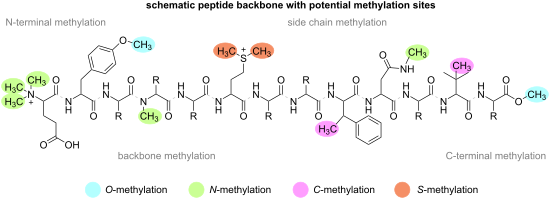
- proteusin family of RiPPs. They are produced by the tunicate symbiont Candidatus Entotheonella factor and exhibit membrane activity against Gram-positive bacteria and are highly cytotoxic. Cytotoxicity was tested with murine leukaemia cells; polytheonamide A, B, and C showed IC50 values between 68 and 78 pg
- member of the channel-forming, cytotoxic proteusins. It is biosynthesised by Microvirgula aerodenitrificans. Like polytheonamide B, aeronamide A shows cytotoxic activity against HeLa cells, with an IC50 of 1.48 nM. AerE, the PoyE homologue, installs five methylations on the amides of Asn25, Asn31, Asn37
- towards the C-terminus, named "axial amphipathicity". Thus, this methylation is thought to play an important role in correct target membrane insertion and the associated cytotoxic effect [125]. TsrM is another cob(II)alamin-dependent C-MT (Figure 10). This enzyme is involved in the biosynthesis of


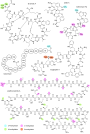


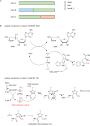

Mining raw plant transcriptomic data for new cyclopeptide alkaloids
Beilstein J. Org. Chem. 2024, 20, 1548–1559, doi:10.3762/bjoc.20.138
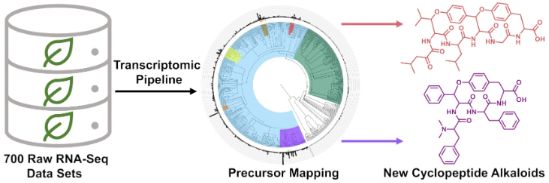
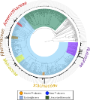
- bioactivities including analgesic, sedative, and cytotoxic [12][13][14]. In order to identify new potential burpitides, we searched the NCBI Sequence Read Archive (SRA) for Streptophyta (all land plants and most green algae) transcriptomes that could be assembled and examined with a custom hidden Markov model





Photoswitchable glycoligands targeting Pseudomonas aeruginosa LecA
Beilstein J. Org. Chem. 2024, 20, 1486–1496, doi:10.3762/bjoc.20.132
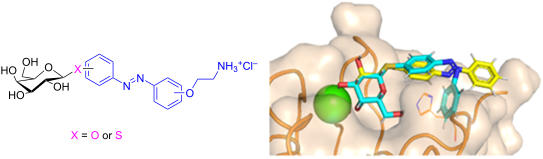
- ITC showed Kd values in the micromolar range with significant thermodynamic differences between E- and Z-azobenzene isomers, demonstrating the proof-of-concept of photomodulation of the ligand–lectin interactions. Results and Discussion Design of LecA photoswitchable ligands The cytotoxic LecA which


Synthesis of 4-functionalized pyrazoles via oxidative thio- or selenocyanation mediated by PhICl2 and NH4SCN/KSeCN
Beilstein J. Org. Chem. 2024, 20, 1453–1461, doi:10.3762/bjoc.20.128
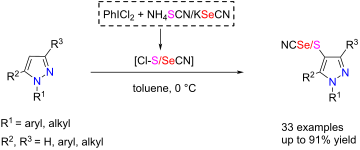
- -inflammatory [6], antiviral [7], antibacterial [8], antifungal [9], cytotoxic [10], antioxidant [11], and analgesic [12] activities. For instance, celecoxib (I, Figure 1) (for treating rheumatoid arthritis and osteoarthritis), tepoxalin (II, Figure 1) (a veterinary painkiller used to relieve pain from muscle
- -ranging biological activities. Specifically, representative examples include fasicularin (IV, Figure 1), which possesses cytotoxic properties [21] and psammaplin B (V, Figure 1), which shows antimicrobial and mild tyrosine kinase inhibition activities [22]. In addition, Se-aspirin (VI, Figure 1) has been


Bismuth(III) triflate: an economical and environmentally friendly catalyst for the Nazarov reaction
Beilstein J. Org. Chem. 2024, 20, 1167–1178, doi:10.3762/bjoc.20.99
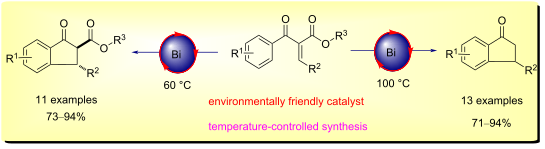
- achieved. Under both conditions, virtually no product mixtures were observed. Preliminary biological evaluation To investigate the cytotoxic activity of the indanone derivatives, in total 20 compounds were tested at a concentration of 5 and 50 μg/mL for 72 h in a panel of four histologically unrelated


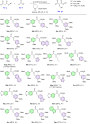
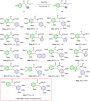
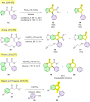


Mild and efficient synthesis and base-promoted rearrangement of novel isoxazolo[4,5-b]pyridines
Beilstein J. Org. Chem. 2024, 20, 1069–1075, doi:10.3762/bjoc.20.94
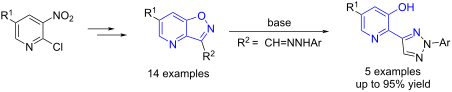
- -oriented heterocyclic systems. Some examples of biologically active isoxazolo[4,5-b]pyridines with antibacterial [8], anticancer [12] and cytotoxic [10][13] acitivities. Biologically active analogs of compounds 13. X-ray crystal structures of compounds 12c (top left; the second crystallographically unique


Entry to new spiroheterocycles via tandem Rh(II)-catalyzed O–H insertion/base-promoted cyclization involving diazoarylidene succinimides
Beilstein J. Org. Chem. 2024, 20, 561–569, doi:10.3762/bjoc.20.48
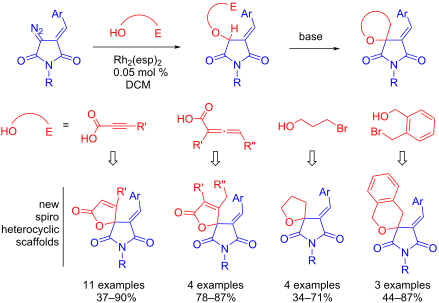
- activity) [16], ramariolide A (antitubercular) [17], (+)-massarinolin A (antibacterial) [18], anemonin (antiparasitic) [19], (+)-pyrenolide D (cytotoxic) [20], and (+)-crassalactone D (antitumor) [21]. Synthetic or semisynthetic spiro Δα,β-butenolides have also shown a range of biological properties


Pseudallenes A and B, new sulfur-containing ovalicin sesquiterpenoid derivatives with antimicrobial activity from the deep-sea cold seep sediment-derived fungus Pseudallescheria boydii CS-793
Beilstein J. Org. Chem. 2024, 20, 470–478, doi:10.3762/bjoc.20.42
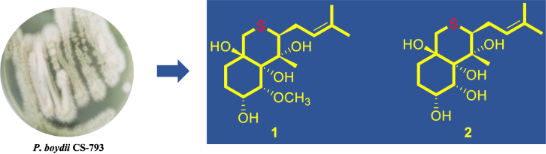
- our attention. Several meroterpenoids, alkaloids, polyketides, and sesquiterpenoids from the species displayed various biological properties including anti-inflammatory, antimicrobial, and cytotoxic activities [7][8][9]. In the present work, two rare new examples of sulfur-containing ovalicin


Cycloaddition reactions of heterocyclic azides with 2-cyanoacetamidines as a new route to C,N-diheteroarylcarbamidines
Beilstein J. Org. Chem. 2024, 20, 17–24, doi:10.3762/bjoc.20.3
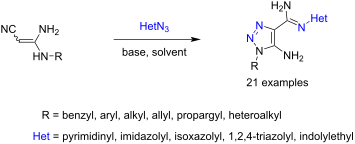
- experimentally observed. The base-catalyzed cycloaddition of 3,3-diaminoacrylonitriles 1 to azides 2, thus proceeds in a Cornforth-type fashion, which involves a triazole–triazole isomerization through ring opening, rotation of the amidine substituent around the single bond, and cyclization. Cytotoxic activity
- The cytotoxic activity of seven synthesized compounds 3b,d,e,g,h,l,m was studied. According to the results of the MTT test, IC50 values were calculated for these compounds (Table 2). The results obtained indicated that compounds 3b,e,g,h did not have a pronounced effect on the viability of cultured
- and elaboration of a novel tandem process, synthesis of starting building blocks and 21-st target compounds was made by chemistry team and founded by Russian Science Foundation, project number 23-13-00248. The study of cytotoxic effect of 7 compounds was financially supported by the Ministry of



Sulfur-containing spiroketals from Breynia disticha and evaluations of their anti-inflammatory effect
Beilstein J. Org. Chem. 2023, 19, 1604–1614, doi:10.3762/bjoc.19.117
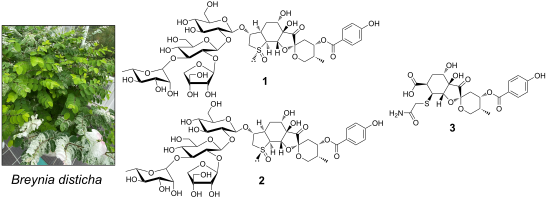
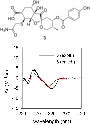
- revealed that compound 7 was cytotoxic to RAW 264.7 cells at concentrations above 25 μM (Figure 6d). Furthermore, 7 suppressed the LPS-induced increases in IL-1β and IL-6 transcriptional levels in a concentration-dependent manner from 1 or 2.5 μM (Figure 6e). Thus, while cytotoxicity was likely involved in



Cyclodextrins permeabilize DPPC liposome membranes: a focus on cholesterol content, cyclodextrin type, and concentration
Beilstein J. Org. Chem. 2023, 19, 1570–1579, doi:10.3762/bjoc.19.115
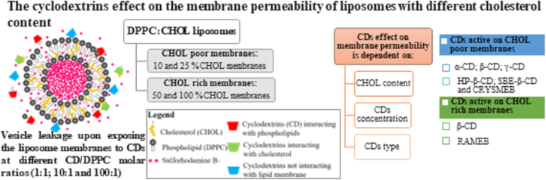
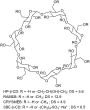
- can subsequently achieve the highest solubilization of CHOL [27], while the low-substituted derivatives (CRYSMEB in our case) were less cytotoxic and maintained the integrity of endothelial cells assuming a lower affinity to CHOL membrane compared to the other derivatives [23]. Furthermore, the


Synthesis and biological evaluation of Argemone mexicana-inspired antimicrobials
Beilstein J. Org. Chem. 2023, 19, 1511–1524, doi:10.3762/bjoc.19.108
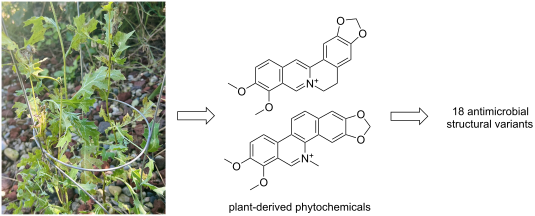
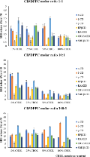
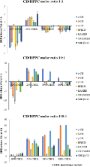
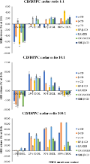
- berberine variants displayed promising preliminary results for cytotoxic effects against tumor cells. Zones of inhibition for 1 mg of evaporated methanolic (MeOH) extracts from various parts of the A. mexicana plant against a panel of 12 microorganisms. The mean zone of inhibition in millimeters is shown





