Search results
Search for "biologically active" in Full Text gives 572 result(s) in Beilstein Journal of Organic Chemistry. Showing first 200.
Regioselective synthesis of heterocyclic N-sulfonyl amidines from heteroaromatic thioamides and sulfonyl azides
Beilstein J. Org. Chem. 2020, 16, 2937–2947, doi:10.3762/bjoc.16.243
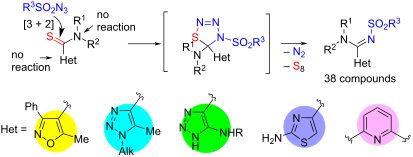
- thioamides with sulfonyl azides [33][41][42] (Figure 2). This method was used successfully for the synthesis of N-sulfonyl amidines of aliphatic acids and benzoic acid, including biologically active compounds. On the other hand, reactions of thioamides with electrophilic reagents have often been used for the







Three-component reactions of aromatic amines, 1,3-dicarbonyl compounds, and α-bromoacetaldehyde acetal to access N-(hetero)aryl-4,5-unsubstituted pyrroles
Beilstein J. Org. Chem. 2020, 16, 2920–2928, doi:10.3762/bjoc.16.241
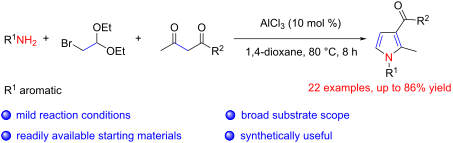
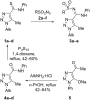
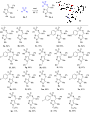
- , and thus enriching the product diversity of the pyrrole derivatives. Representative biologically active N-(hetero)aryl-4,5-unsubstituted pyrrole scaffolds. Typical routes to N-(heteroaryl)-4,5-unsubstituted pyrroles. Substrate scope of the pyrrole synthesis. Synthesis of N-heterocyclic pyrroles




Synthesis of imidazo[1,5-a]pyridines via cyclocondensation of 2-(aminomethyl)pyridines with electrophilically activated nitroalkanes
Beilstein J. Org. Chem. 2020, 16, 2903–2910, doi:10.3762/bjoc.16.239

- imidazo[1,5-a]pyridine core is also considered to be one of the privileged pharmacophoric scaffolds and can be found in many biologically active compounds, for example, the potent antitumor agent C 1311 inhibiting topoisomerase II [4][5][6][7][8][9] or pirmagrel, a cytotoxic immunosuppressant and DNA
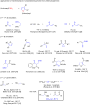
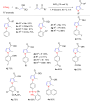
- , 1466, 1436, 1423, 1273, 1208, 1129, 1069 cm−1; HRESIMS (TOF) m/z: [M + H]+ calcd for C12H10BrN2O, 276.9971; found, 276.9974. Biologically active imidazo[1,5-a]pyridines. Activation of nitroalkanes towards nucleophilic attack by amines. Mechanistic rationale. Reaction of the N-tosylate 17 with


Ring-closing metathesis of prochiral oxaenediynes to racemic 4-alkenyl-2-alkynyl-3,6-dihydro-2H-pyrans
Beilstein J. Org. Chem. 2020, 16, 2757–2768, doi:10.3762/bjoc.16.226
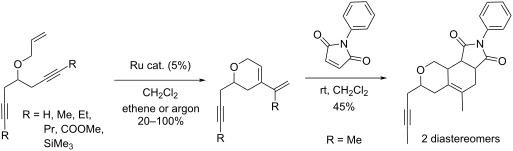
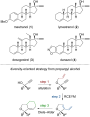
- RCEYM of enynes leads to products containing a conjugated double bond system, which can undergo a Diels–Alder reaction and further can be employed in the synthesis of biologically active compounds, as for example cacospongiolide B [38], norsalvinorin A [39] or salvinorin A [40]. The substituted




Synthesis of purines and adenines containing the hexafluoroisopropyl group
Beilstein J. Org. Chem. 2020, 16, 2739–2748, doi:10.3762/bjoc.16.224
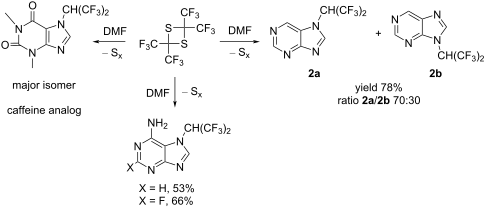
- fluorine and polyfluoroalkyl substituents into organic molecules remains a challenging problem in the synthesis of fluorinated biologically active compounds, especially larger moieties, such as C2F5, CF(CF3)2, and CH(CF3)2. With respect to the hexafluoroisopropyl group, the methods are limited to a
- ]. Benzimidazoles are an important class of organic materials, and many derivatives of these group are biologically active [6][7][8][9]. The benzimidazole moiety “ […] is isosteric with indole and purine nuclei, which are present in a number of fundamental cellular components and bioactive compounds. Indeed, a
- this method to the modification of biologically active imidazoles, such as adenine and purine derivatives. The results of this study are reported in this article. Results and Discussion Despite the presence of two electron-withdrawing nitrogen atoms in the aromatic ring, purine (2) was found to react



Selective and reversible 1,3-dipolar cycloaddition of 6-aryl-1,5-diazabicyclo[3.1.0]hexanes with 1,3-diphenylprop-2-en-1-ones under microwave irradiation
Beilstein J. Org. Chem. 2020, 16, 2679–2686, doi:10.3762/bjoc.16.218
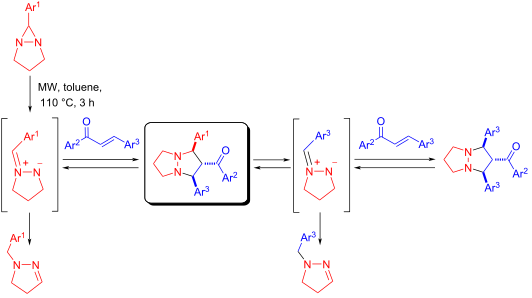
- ]. A wide range of pharmaceuticals, agrochemicals, and other biologically active compounds are prepared using different types of (3 + n) cycloadditions, mainly with alkenes and alkynes [3][4][5][6][7]. For example, N,N'-cyclic azomethine imines are precursors of biologically active bicyclic




Access to highly substituted oxazoles by the reaction of α-azidochalcone with potassium thiocyanate
Beilstein J. Org. Chem. 2020, 16, 2108–2118, doi:10.3762/bjoc.16.178
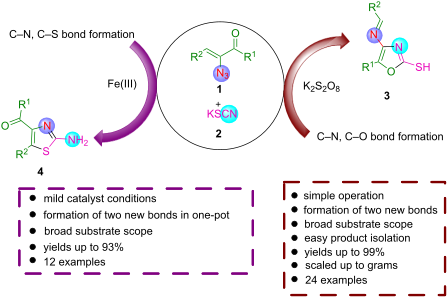
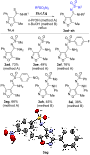
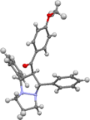
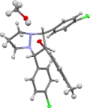
- ) using ethyl acetate/petroleum ether mixture to afford product 4. Examples of biologically active oxazole and aminothiazole scaffolds. Large-scale synthesis of 3i. a) At the start of the reaction, b) after the reaction. ORTEP diagram of compound 5. X-ray crystal structure of 4h. Strategies for the






Metal-free synthesis of phosphinoylchroman-4-ones via a radical phosphinoylation–cyclization cascade mediated by K2S2O8
Beilstein J. Org. Chem. 2020, 16, 1974–1982, doi:10.3762/bjoc.16.164

- under metal-free conditions and uses cheap K2S2O8 as oxidant with easy handling and a broad substrate scope. The reaction proceeds through a radical phosphinoylation–cyclization via a tandem C–P and C–C-bond formation. Biologically active compounds featuring the chroman-4-one framework. X-ray structure




Synthesis of 3(2)-phosphonylated thiazolo[3,2-a]oxopyrimidines
Beilstein J. Org. Chem. 2020, 16, 1947–1954, doi:10.3762/bjoc.16.161

- containing practically significant heteroaromatic rings and a biologically active and hydrolysis-resistant phosphonate group, as it has been reported that the combination of several pharmacophore fragments in one molecule can lead to a synergistic increase in biological activity or an additional variety of


Regiodivergent synthesis of functionalized pyrimidines and imidazoles through phenacyl azides in deep eutectic solvents
Beilstein J. Org. Chem. 2020, 16, 1915–1923, doi:10.3762/bjoc.16.158
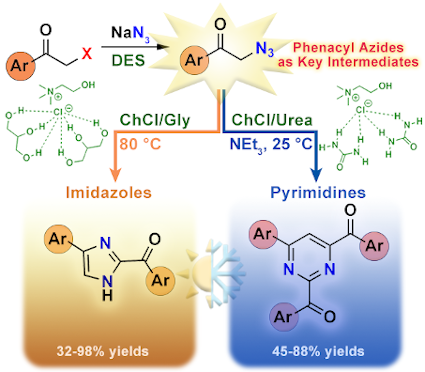
- is an ongoing synthetic endeavor as these scaffolds are ubiquitous motifs in many biologically active compounds and pharmaceuticals. In this context, in the last decades, the so-called deep eutectic solvents (DESs) have received an increasing attention due to their biodegradability, high thermal


When metal-catalyzed C–H functionalization meets visible-light photocatalysis
Beilstein J. Org. Chem. 2020, 16, 1754–1804, doi:10.3762/bjoc.16.147
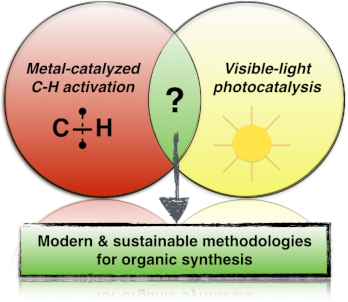
- of C–H bond functionalization reactions encompasses also direct diversification of heteroaromatic compounds. Aromatic heterocycles are key molecular motifs in natural products and biologically active compounds and thus, the development of synthetic methods allowing their site-selective C–H


Et3N/DMSO-supported one-pot synthesis of highly fluorescent β-carboline-linked benzothiophenones via sulfur insertion and estimation of the photophysical properties
Beilstein J. Org. Chem. 2020, 16, 1740–1753, doi:10.3762/bjoc.16.146

- biologically active alkaloids. Proposed reaction mechanism. Fluorescence spectra of 2aA–nA, 2bB, 2hB, and 6C. Fluorescence spectra of 4aA–gA, and 4eB. Synthesis of β-carboline-linked 2-nitrochalcones. Synthesis of β-carboline-linked benzothiophenone frameworks. Comparison of outcome of one-pot vs two-pot


Microwave-assisted efficient one-pot synthesis of N2-(tetrazol-5-yl)-6-aryl/heteroaryl-5,6-dihydro-1,3,5-triazine-2,4-diamines
Beilstein J. Org. Chem. 2020, 16, 1706–1712, doi:10.3762/bjoc.16.142
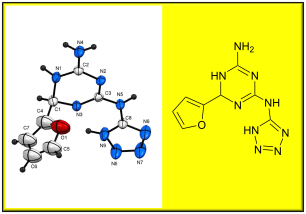
- specific biological target such as a receptor or an enzyme. A promising strategy that overcomes the classical one-target, one-molecule approach is the design of stable chemical hybrid molecules which are a combination of two biologically active scaffolds acting at different targets [20][21][22][23][24


Pauson–Khand reaction of fluorinated compounds
Beilstein J. Org. Chem. 2020, 16, 1662–1682, doi:10.3762/bjoc.16.138
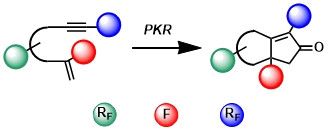
- transformations to yield more complex biologically active molecules. Despite the increasing availability of fluorinated building blocks and methodologies to incorporate fluorine in compounds with biological interest, there have been few significant advances focused on the fluoro-Pauson–Khand reaction, both in the


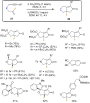


One-pot synthesis of 1,3,5-triazine-2,4-dithione derivatives via three-component reactions
Beilstein J. Org. Chem. 2020, 16, 1447–1455, doi:10.3762/bjoc.16.120
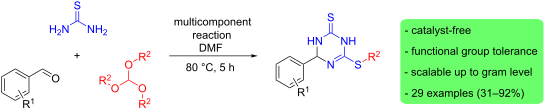
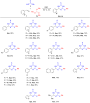
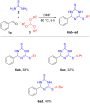
- discovery as versatile tools for the construction of different biologically active compounds by combining three or more starting materials into a single product in one convergent chemical step [19][20][21][22][23]. Among multicomponent reactions, aldehydes have emerged as one of the most useful class of








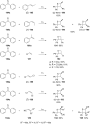


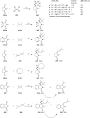
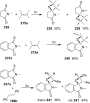


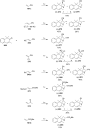


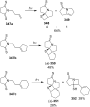


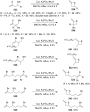


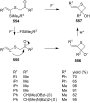


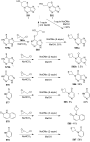


Synthesis of 3-substituted isoxazolidin-4-ols using hydroboration–oxidation reactions of 4,5-unsubstituted 2,3-dihydroisoxazoles
Beilstein J. Org. Chem. 2020, 16, 1313–1319, doi:10.3762/bjoc.16.112
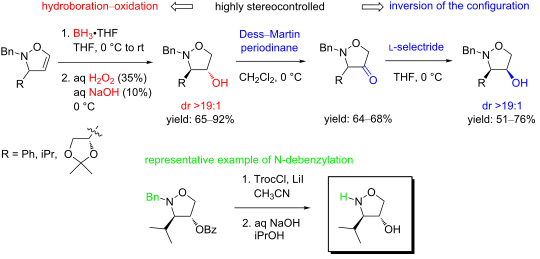
- of N/O-containing heterocycles used as the key intermediates in the synthesis of more complex cyclic and acyclic compounds, including various biologically active molecules. Here, we present a fast and highly stereoselective approach towards both C-3/4-cis and C-3/4-trans isomers of 3-substituted
- ) represent a very important class of N/O-containing heterocycles used as the key intermediates in the synthesis of more complex cyclic and acyclic compounds, including various biologically active molecules [1][2][3][4][5][6]. In this regard, we have recently developed new methods for the preparation of 4,5


Anthelmintic drug discovery: target identification, screening methods and the role of open science
Beilstein J. Org. Chem. 2020, 16, 1203–1224, doi:10.3762/bjoc.16.105
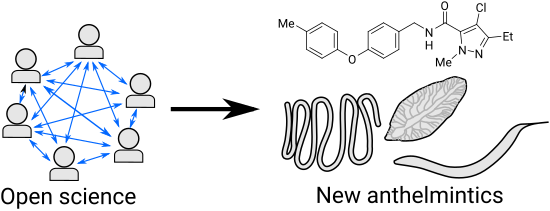
- derivative has been the basis of schistosomiasis treatment for over 30 years [20]. PZQ is currently administered as a racemic mixture (Figure 1), despite the (R)-enantiomer being the biologically active form [41]. As will be discussed later in this review, there has been success in producing the active





A simple and easy to perform synthetic route to functionalized thienyl bicyclo[3.2.1]octadienes
Beilstein J. Org. Chem. 2020, 16, 1092–1099, doi:10.3762/bjoc.16.96
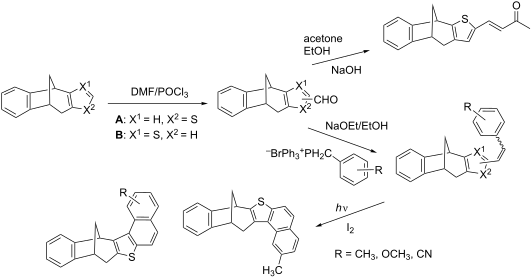
- numerous biologically active natural compounds (Figure 1) [4][5][6][7], their strenuous isolation procedures from plants, as well as their complicated multistage synthesis due to the complexity of their structure, encouraged us to develop a simple one-step synthetic procedure based on a photochemical
- structure the prepared compounds 1–12 are candidates for biological assays. The novel styryl derivatives 3–7 and 12 could also find application in further research for functionalization of the bicyclo[3.2.1.]octadiene core. Known biologically active bicyclo[3.2.1]octenes/octadienes. Previously prepared


Palladium-catalyzed regio- and stereoselective synthesis of aryl and 3-indolyl-substituted 4-methylene-3,4-dihydroisoquinolin-1(2H)-ones
Beilstein J. Org. Chem. 2020, 16, 1084–1091, doi:10.3762/bjoc.16.95
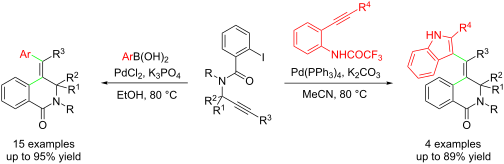
- aminopalladation/reductive elimination. Keywords: alkynylanilines; arylboronic acids; indoles; isoquinolinones; palladium; Introduction The isoquinolinone nucleus is a key constituent of many natural products [1][2][3] and pharmaceuticals [4][5][6]. Substituted isoquinolinones have been found in biologically
- active small molecules that exhibit antihypertensive activity [7][8]. Moreover, these heterocycles can be used as 5-HT3 antagonists [9], rho kinase inhibitors [10], thymidylate synthetase inhibitors [11], PARP-1 inhibitors [12], melatonin MT1 and MT2 receptor agonist [13], and fascin-targeted



Synthesis and anticancer activity of bis(2-arylimidazo[1,2-a]pyridin-3-yl) selenides and diselenides: the copper-catalyzed tandem C–H selenation of 2-arylimidazo[1,2-a]pyridine with selenium
Beilstein J. Org. Chem. 2020, 16, 1075–1083, doi:10.3762/bjoc.16.94
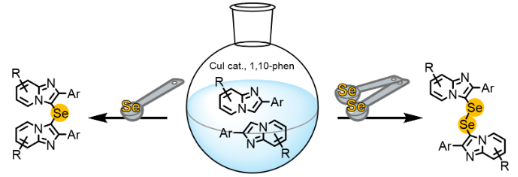
- University of Pharmacy and Life Sciences, 1432-1 Horinouchi, Hachioji, Tokyo 192-0392, Japan Pharmaceutical Sciences at Kagawa Campus, Tokushima Bunri University, 1314-1 Shido, Sanuki, Kagawa 769-2193, Japan 10.3762/bjoc.16.94 Abstract Most heteroaryl selenides and diselenides are biologically active, with
- of UVA-induced stress [17], and bis(2-alkylindol-3-yl) selenides III exhibit antitumor activity toward HT-1080 and MG-22A tumor cell lines [18]. The imidazo[1,2-a]pyridine ring is also an important aromatic heterocycle because its derivatives are biologically active and play an important role in
- mechanisms are currently underway in our group. Biologically active selenides and diselenides having heteroaryl groups. Ortep drawings of 2a (a and b) and 3a (c and d, thermal elipsoids indicate 50% probability). The synthesis of bis(2-arylimidazopyridin-3-yl) diselenides. Reaction conditions: 1 (2 mmol), Se


Pd-catalyzed asymmetric Suzuki–Miyaura coupling reactions for the synthesis of chiral biaryl compounds with a large steric substituent at the 2-position
Beilstein J. Org. Chem. 2020, 16, 966–973, doi:10.3762/bjoc.16.85
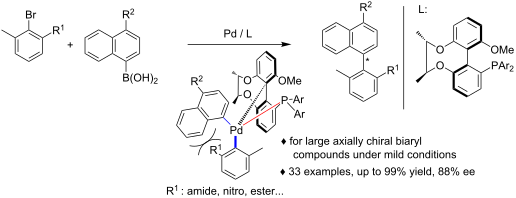
- from chemists because of their widespread appearance in biologically active compounds [1][2][3][4] such as vancomycin [5] and korupensamine A [6] and as useful chiral ligands in asymmetric catalysis. Different strategies with various metals and phosphine ligands had been successfully employed for the




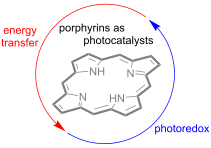
Recent applications of porphyrins as photocatalysts in organic synthesis: batch and continuous flow approaches
Beilstein J. Org. Chem. 2020, 16, 917–955, doi:10.3762/bjoc.16.83
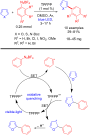
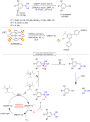
- biologically active compounds [104]. These compounds can be trapped with nucleophiles to produce the α-amino-substituted compounds, and be employed as substrates for a variety of chemical transformations such as Ugi- and Mannich-type reactions. In this regard, Seeberger and co-workers reported the primary






Diversity-oriented synthesis of 17-spirosteroids
Beilstein J. Org. Chem. 2020, 16, 880–887, doi:10.3762/bjoc.16.79

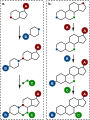
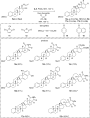
- biologically validated scaffolds [8][9][10], referred to as privileged structures in medicinal chemistry [11][12][13][14]. Spanning unexplored chemical space, DOS strategies have been successfully applied to the generation of biologically active libraries for screening, leading to the discovery of medicinally




Preparation of 2-phospholene oxides by the isomerization of 3-phospholene oxides
Beilstein J. Org. Chem. 2020, 16, 818–832, doi:10.3762/bjoc.16.75
- -coupled transformations [18][22][23]. Polycyclic compounds incorporating a P-heterocyclic moiety are of special importance due to their optoelectronic properties and applications [24][25][26]. Moreover, a few biologically active 5-membered P-heterocyclic derivatives are also known, which showed promising
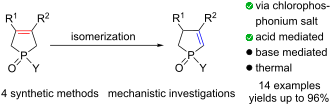
- importance for biologically active compounds, as specific functional groups are necessary to have a desired biological activity. Considering the functionalization of the five-membered P-heterocycles, the derivatives containing double bond(s) (i.e., phospholenes or phospholes) are of special importance, as a
- × 3.0 mL dichloromethane. The organic phase dried (Na2SO4), evaporated to give 0.15 g (81%) of 1-phenyl-3-methyl-2-phospholene oxide (4a). The results are summarized in Table 2 and Scheme 1. Examples for catalytically or biologically active molecules containing five-membered P-heterocyclic rings