


Search results
Search for "carboxamide" in Full Text gives 113 result(s) in Beilstein Journal of Organic Chemistry.
Palladium-catalyzed benzocyclization reactions of quinoline-2-carboxamides via sequential C–H/N–H functionalization
- Shoichi Sugita,
- Kentaro Okano and
- Atsunori Mori
Beilstein J. Org. Chem. 2026, 22, 905–914, doi:10.3762/bjoc.22.71
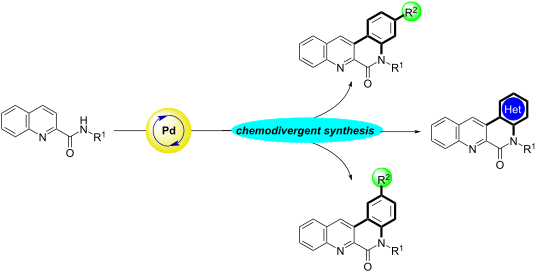
- intriguing moiety in biologically active compounds (e.g., natural products used for medicines, quinine, and quinidine [5][6][7]) and synthesized pharmaceutical agents (e.g., quinolone antibiotics [8]). Moreover, quinoline-2-carboxamide derivatives are used as ligands in organic synthesis owing to their high
- reaction between quinoline-2-carboxamide 1a and 1-bromo-2-iodobenzene (2a) was tested. When 1a was treated with 1.0 equiv of 2a, 10 mol % Pd(OAc)2, 40 mol % PPh3, and 3.0 equiv of Cs2CO3 in dimethylformamide (DMF) at 140 °C, the desired lactam 3aa was obtained in 19% yield (Table 1, entry 1). This result
- presence of a non-substituted phenyl group or various substituents at the 4-position of the phenyl moiety (Table 2, entries 1–5). In contrast, the quinoline-2-carboxamide containing a 4-nitrophenyl group gave the corresponding product in a low yield (Table 2, entry 6). This result indicated that an

Graphical Abstract

Scheme 1: Various transition-metal-catalyzed coupling reactions involving aryl halides.
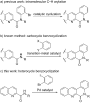
Scheme 2: Synthetic strategy for preparing fused lactams.

Figure 1: Nuclear Overhauser effect (NOE) correlations in products (a) 3ab, (b) 3ac, (c) 3ad, (d) 3aj, and (e...

Scheme 3: Detection of the intermediate Int-1ad in the annulation reaction of 1a with 1-bromo-5-tert-butyl-2-...

Scheme 4: Stepwise formation of C–C and C–N bonds during the annulation reaction.

Scheme 5: Plausible reaction mechanism for the sequential C–H/N–H functionalization reaction.
Circumventing Mukaiyama oxidation: selective S–O bond formation via sulfenamide–alcohol coupling
- Guoling Huang,
- Huarui Zhu,
- Shuting Zhou,
- Wanlin Zheng,
- Fangpeng Liang,
- Zhibo Zhao,
- Yifei Chen and
- Xunbo Lu
Beilstein J. Org. Chem. 2026, 22, 158–166, doi:10.3762/bjoc.22.9
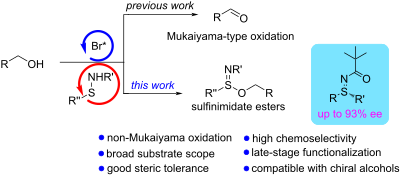
- , affording the corresponding sulfinimidate esters 3j’ and 3k’ in excellent yields. Notably, a pyrazine-2-carboxamide-derived sulfenamide also underwent efficient transformation to 3l’, further highlighting the method’s functional group compatibility and applicability to heterocyclic systems. We further

Graphical Abstract

Figure 1: Representative molecules containing a sulfilimine moiety.

Scheme 1: PIDA-mediated approach versus the present NBS-mediated approach to sulfinimidate esters.

Scheme 2: Substrate scope of sulfenamides derived from various thiophenols and thiols. Reaction conditions: s...

Scheme 3: Substrate scope of sulfenamides derived from various amides. Reaction conditions: sulfenamide 1 (0....

Scheme 4: Substrate scope of reactions between sulfenamides 1a and various alcohols. Reaction conditions: asu...
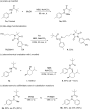
Scheme 5: Scale-up synthesis, late-stage derivatization, and substitution of diastereomeric sulfinimidate est...
C2 to C6 biobased carbonyl platforms for fine chemistry
- Jingjing Jiang,
- Muhammad Noman Haider Tariq,
- Florence Popowycz,
- Yanlong Gu and
- Yves Queneau
Beilstein J. Org. Chem. 2025, 21, 2103–2172, doi:10.3762/bjoc.21.165
- HFO with benzoic acid amide or furan-2-carboxamide in 1:1 molar ratio at 70 °C for 4–8 h (Scheme 42, path c) [132]. The reaction of HFO with 2-methylfuran in a 1:2.2 molar ratio in diethyl ether solution at room temperature in the presence of catalytic amounts of perchloric acid for 5 hours led to the

Graphical Abstract

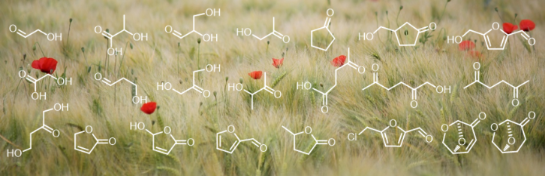
Figure 1: C2–C6 biobased carbonyl building blocks.

Scheme 1: Proposed (2 + 2) route to glycolaldehyde and glycolic acid from erythritol by Cu/AC catalyst (AC = ...

Scheme 2: Reductive amination of GCA.

Scheme 3: N-Formylation of secondary amines by reaction with GCA.

Scheme 4: Synthesis and conversion of hydroxy acetals to cyclic acetals.

Scheme 5: Synthesis of 3-(indol-3-yl)-2,3-dihydrofurans via three-component reaction of glycolaldehyde, indol...

Scheme 6: BiCl3-catalyzed synthesis of benzo[a]carbazoles from 2-arylindoles and α-bromoacetaldehyde ethylene...

Scheme 7: Cu/NCNSs-based conversion of glycerol to glycolic acid and other short biobased acids.

Scheme 8: E. coli-based biotransformation of C1 source molecules (CH4, CO2 and CO) towards C2 glycolic acid.

Scheme 9: N-Formylation of amines with C2 (a) or C3 (b) biomass-based feedstocks.

Scheme 10: Methods for the formation of propanoic acid (PA) from lactic acid (LA).

Scheme 11: Co-polymerization of biobased lactic acid and glycolic acid via a bicatalytic process.

Scheme 12: Oxidation of α-hydroxy acids by tetrachloroaurate(III) in acetic acid–sodium acetate buffer medium.

Figure 2: Selective catalytic pathways for the conversion of lactic acid (LA).

Scheme 13: Synthesis of 1,3-PDO via cross-aldol reaction between formaldehyde and acetaldehyde to 3-hydroxypro...

Scheme 14: Hydrothermal conversion of 1,3-dihydroxy-2-propane and 2,3-dihydroxypropanal to methylglyoxal.

Scheme 15: FLS-catalyzed formose reaction to synthesize GA and DHA.

Scheme 16: GCA and DHA oxidation products of glycerol and isomerization of GCA to DHA under flow conditions us...

Scheme 17: Acid-catalyzed reactions of DHA with alcohols.

Scheme 18: Synthesis of dihydroxyacetone phosphate from dihydroxyacetone.

Scheme 19: Bifunctional acid–base catalyst DHA conversion into lactic acid via pyruvaldehyde or fructose forma...

Scheme 20: Catalytic one-pot synthesis of GA and co-synthesis of formamides and formates from DHA.

Scheme 21: (a) Synthesis of furan derivatives and (b) synthesis of thiophene derivative by cascade [3 + 2] ann...

Scheme 22: Brønsted acidic ionic liquid catalyzed synthesis of benzo[a]carbazole from renewable acetol and 2-p...

Scheme 23: Asymmetric hydrogenation of α-hydroxy ketones to 1,2-diols.

Scheme 24: Synthesis of novel 6-(substituted benzylidene)-2-methylthiazolo [2,3-b]oxazol-5(6H)-one from 1-hydr...

Scheme 25: ʟ-Proline-catalyzed synthesis of anti-diols from hydroxyacetone and aldehydes.

Scheme 26: C–C-bond-formation reactions of a biomass-based feedstock aromatic aldehyde (C5) and hydroxyacetone...

Scheme 27: Ethanol upgrading to C4 bulk chemicals via the thiamine (VB1)-catalyzed acetoin condensation.

Scheme 28: One-pot sequential chemoenzymatic synthesis of 2-aminobutane-1,4-diol and 1,2,4-butanetriol via 1,4...

Scheme 29: Synthesis of 1,4-dihydroxybutan-2-one by microbial transformation.

Scheme 30: Conversion of polyols by [neocuproine)Pd(OAc)]2(OTf)2] to α-hydroxy ketones.

Scheme 31: Chemoselective oxidation of alcohols with chiral palladium-based catalyst 2.

Scheme 32: Electrochemical transformation of furfural to 5-hydroxy-2(5H)-furanone (HFO).

Scheme 33: Selective hydrodeoxygenation of HFO and oxidation to γ-butyrolactone (GBL).

Scheme 34: Photosensitized oxygenation of furan towards HFO via ozonide intermediates.

Scheme 35: Conversion of furfural to HFO and MAN by using mesoporous carbon nitride (SGCN) as photocatalyst.

Scheme 36: Synthesis of HFO from furan derivatives.

Scheme 37: Photooxidation of furfural to 5-hydroxy-2(5H)-furanone (HFO).

Scheme 38: Synthesis of Friedel–Crafts indole adduct from HFO.

Scheme 39: Conversion of HFO to α,γ-substituted chiral γ-lactones.

Scheme 40: Tautomeric transformation of HFO to formylacrylic acid.

Scheme 41: Hydrolysis of HFO to succinic acid in aqueous solution.

Scheme 42: Substitution and condensation reactions of 5-hydroxy-2(5H)-furanone (HFO).

Scheme 43: (a) Conversion of HFO towards valuable C4 chemicals and (b) anodic oxidation of 5-hydroxy-2(5H)-fur...

Figure 3: Conversion of HFO towards other natural and synthetic substances.

Scheme 44: Conversion of furfural to maleic anhydride (reaction a: VOx/Al2O3; reaction b: VPO).

Scheme 45: Conversion of furfural into succinic acid.

Scheme 46: Electro‑, photo‑, and biocatalysis for one-pot selective conversions of furfural into C4 chemicals.

Scheme 47: Production route of furfural from hemicellulose.

Scheme 48: Mechanism for xylose dehydration to furfural through a choline xyloside intermediate.

Scheme 49: Conversion of furfural to furfuryl alcohol and its derivatives.

Scheme 50: Conversion of furfural to furfuryl alcohol and 3-(2-furyl)acrolein.

Scheme 51: The aerobic oxidative condensation of biomass-derived furfural and linear alcohols.

Scheme 52: The single-step synthesis of 2-pentanone from furfural.

Scheme 53: Electrocatalytic coupling reaction of furfural and levulinic acid.

Scheme 54: Conversion of furfural to m-xylylenediamine.

Scheme 55: Conversion of furfural to tetrahydrofuran-derived amines.

Scheme 56: Formation of trans-4,5-diamino-cyclopent-2-enones from furfural.

Scheme 57: Production of pyrrole and proline from furfural.

Scheme 58: Synthesis of 1‑(trifluoromethyl)-8-oxabicyclo[3.2.1]oct-3-en-2-ones from furfural.

Scheme 59: Conversion of furfural to furfural-derived diacids.

Scheme 60: A telescope protocol derived from furfural and glycerol.

Scheme 61: A tandem cyclization of furfural and 5,5-dimethyl-1,3-cyclohexanedione.

Scheme 62: A Ugi four-component reaction to construct furfural-based polyamides.

Scheme 63: One-pot synthesis of γ-acyloxy-Cy7 from furfural.

Scheme 64: Dimerization–Piancatelli sequence toward humins precursors from furfural.

Scheme 65: Conversion of furfural to CPN.

Scheme 66: Synthesis of jet fuels range cycloalkanes from CPN and lignin-derived vanillin.

Scheme 67: Solar-energy-driven synthesis of high-density biofuels from CPN.

Scheme 68: Reductive amination of CPN to cyclopentylamine.

Scheme 69: Asymmetric hydrogenation of C=O bonds of exocyclic α,β-unsaturated cyclopentanones.

Scheme 70: Preparation of levulinic acid via the C5 route (route a) or C6 route (routes b1 and b2).

Scheme 71: Mechanism of the rehydration of HMF to levulinic acid and formic acid.

Scheme 72: Important levulinic acid-derived chemicals.

Scheme 73: Direct conversion of levulinic acid to pentanoic acid.

Scheme 74: Catalytic aerobic oxidation of levulinic acid to citramalic acid.

Scheme 75: Conversion of levulinic acid to 1,4-pentanediol (a) see ref. [236]; b) see ref. [237]; c) see ref. [238]; d) see r...

Scheme 76: Selective production of 2-butanol through hydrogenolysis of levulinic acid.

Scheme 77: General reaction pathways proposed for the formation of 5MPs from levulinic acid.

Scheme 78: Selective reductive amination of levulinic acid to N-substituted pyrroles.

Scheme 79: Reductive amination of levulinic acid to chiral pyrrolidinone.

Scheme 80: Reductive amination of levulinic acid to non-natural chiral γ-amino acid.

Scheme 81: Nitrogen-containing chemicals derived from levulinic acid.

Scheme 82: Preparation of GVL from levulinic acid by dehydration and hydrogenation.

Scheme 83: Ruthenium-catalyzed levulinic acid to chiral γ-valerolactone.

Scheme 84: Catalytic asymmetric hydrogenation of levulinic acid to chiral GVL.

Scheme 85: Three steps synthesis of ε-caprolactam from GVL.

Scheme 86: Multistep synthesis of nylon 6,6 from GVL.

Scheme 87: Preparation of MeGVL by α-alkylation of GVL.

Scheme 88: Ring-opening polymerization of five-membered lactones.

Scheme 89: Synthesis of GVL-based ionic liquids.

Scheme 90: Preparation of butene isomers from GVL under Lewis acid conditions.

Scheme 91: Construction of C5–C12 fuels from GVL over nano-HZSM-5 catalysts.

Scheme 92: Preparation of alkyl valerate from GVL via ring opening/reduction/esterification sequence.

Scheme 93: Construction of 4-acyloxypentanoic acids from GVL.

Scheme 94: Synthesis of 1,4-pentanediol (PDO) from GVL.

Scheme 95: Construction of novel cyclic hemiketal platforms via self-Claisen condensation of GVL.

Scheme 96: Copper-catalyzed lactamization of GVL.

Figure 4: Main scaffolds obtained from HMF.

Scheme 97: Biginelli reactions towards HMF-containing dihydropyrimidinones.

Scheme 98: Hantzsch dihydropyridine synthesis involving HMF.

Scheme 99: The Kabachnik–Fields reaction involving HMF.

Scheme 100: Construction of oxazolidinone from HMF.

Scheme 101: Construction of rhodamine-furan hybrids from HMF.

Scheme 102: A Groebke–Blackburn–Bienaymé reaction involving HMF.

Scheme 103: HMF-containing benzodiazepines by [4 + 2 + 1] cycloadditions.

Scheme 104: Synthesis of fluorinated analogues of α-aryl ketones.

Scheme 105: Synthesis of HMF derived disubstituted γ-butyrolactone.

Scheme 106: Functionalized aromatics from furfural and HMF.

Scheme 107: Diels–Alder adducts from HMF or furfural with N-methylmaleimide.

Scheme 108: Pathway of the one-pot conversion of HMF into phthalic anhydride.

Scheme 109: Photocatalyzed preparation of humins (L-H) from HMF mixed with spoiled HMF residues (LMW-H) and fur...

Scheme 110: Asymmetric dipolar cycloadditions on HMF.

Scheme 111: Dipolar cycloadditions of HMF based nitrones to 3,4- and 3,5-substituted isoxazolidines.

Scheme 112: Production of δ-lactone-fused cyclopenten-2-ones from HMF.

Scheme 113: Aza-Piancatelli access to aza-spirocycles from HMF-derived intermediates.

Scheme 114: Cross-condensation of furfural, acetone and HMF into C13, C14 and C15 products.

Scheme 115: Base-catalyzed aldol condensation/dehydration sequences from HMF.

Scheme 116: Condensation of HMF and active methylene nitrile.

Scheme 117: MBH reactions involving HMF.

Scheme 118: Synthesis of HMF-derived ionic liquids.

Scheme 119: Reductive amination/enzymatic acylation sequence towards HMF-based surfactants.

Scheme 120: The formation of 5-chloromethylfurfural (CMF).

Scheme 121: Conversion of CMF to HMF, levulinic acid, and alkyl levulinates.

Scheme 122: Conversion of CMF to CMFCC and FDCC.

Scheme 123: Conversion of CMF to BHMF.

Scheme 124: Conversion of CMF to DMF.

Scheme 125: CMF chlorine atom substitutions toward HMF ethers and esters.

Scheme 126: Introduction of carbon nucleophiles in CMF.

Scheme 127: NHC-catalyzed remote enantioselective Mannich-type reactions of CMF.

Scheme 128: Conversion of CMF to promising biomass-derived dyes.

Scheme 129: Radical transformation of CMF with styrenes.

Scheme 130: Synthesis of natural herbicide δ-aminolevulinic acid from CMF.

Scheme 131: Four step synthesis of the drug ranitidine from CMF.

Scheme 132: Pd/CO2 cooperative catalysis for the production of HHD and HXD.

Scheme 133: Different ruthenium (Ru) catalysts for the ring-opening of 5-HMF to HHD.

Scheme 134: Proposed pathways for preparing HXD from HMF.

Scheme 135: MCP formation and uses.

Scheme 136: Cu(I)-catalyzed highly selective oxidation of HHD to 2,5-dioxohexanal.

Scheme 137: Synthesis of N‑substituted 3‑hydroxypyridinium salts from 2,5-dioxohexanal.

Scheme 138: Ru catalyzed hydrogenations of HHD to 1,2,5-hexanetriol (a) see ref. [396]; b) see ref. [397]).

Scheme 139: Aviation fuel range quadricyclanes produced by HXD.

Scheme 140: Synthesis of HDGK from HXD and glycerol as a chain extender.

Scheme 141: Synthesis of serinol pyrrole from HXD and serinol.

Scheme 142: Synthesis of pyrroles from HXD and nitroarenes.

Scheme 143: Two-step production of PX from cellulose via HXD.

Scheme 144: Preparation of HCPN from HMF via hydrogenation and ring rearrangement.

Scheme 145: Suggested pathways from HMF to HCPN.

Scheme 146: α-Alkylation of HCPN with ethylene gas.

Scheme 147: Synthesis of 3-(hydroxymethyl)cyclopentylamine from HMF via reductive amination of HCPN.

Scheme 148: Production of LGO and Cyrene® from biomass.

Scheme 149: Synthesis of HBO from LGO and other applications.

Scheme 150: Construction of m-Cyrene® homopolymer.

Scheme 151: Conversion of Cyrene® to THFDM and 1,6-hexanediol.

Scheme 152: RAFT co-polymerization of LGO and butadienes.

Scheme 153: Polycondensation of HO-LGOL and diols with dimethyl adipate.

Scheme 154: Self-condensation of Cyrene® and Claisen–Schmidt reactions.

Scheme 155: Synthesis of 5-amino-2-(hydroxymethyl)tetrahydropyran from Cyrene®.
Discovery of cytotoxic indolo[1,2-c]quinazoline derivatives through scaffold-based design
- Daniil V. Khabarov,
- Valeria A. Litvinova,
- Lyubov G. Dezhenkova,
- Dmitry N. Kaluzhny,
- Alexander S. Tikhomirov and
- Andrey E. Shchekotikhin
Beilstein J. Org. Chem. 2025, 21, 2062–2071, doi:10.3762/bjoc.21.161
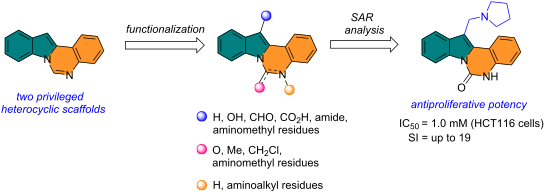
- position 12 [23]. The most straightforward synthetic strategy for formation of an carboxamide group at position 12 of the indolo[1,2-c]quinazolin-6(5H)-one (1) scaffold involved a two-step sequence: (1) carboxylation of the nucleophilic C12 position, followed by coupling with appropriate amines. To
- -stranded calf thymus DNA, as evidenced by ligand fluorescence quenching (Figure 2). Elongation of the linker in the carboxamide residue is accompanied by weaker DNA complexation (Table 4). The interaction of the compounds with DNA was found to be largely dependent on electrostatic forces. Reducing the
- cytotoxicity and reasonable selectivity toward cancer cells over non-malignant fibroblasts. In contrast, derivatives modified at positions 5 and 6 also demonstrated cytotoxic potential, but without a significant improvement in selectivity. Fluorescence titration assays revealed that only the 12-carboxamide

Graphical Abstract

Figure 1: Structure of indolo[1,2-c]quinazoline, its selected derivatives, and related structures with biolog...

Scheme 1: Synthesis of 12-modified indolo[1,2-c]quinazoline derivatives.

Scheme 2: Synthesis of indolo[1,2-c]quinazoline-12-carboxamides 7a–c.

Scheme 3: Mannich aminomethylation of indolo[1,2-c]quinazolines 1 and 8.

Scheme 4: Synthesis of 5-(3-aminopropyl) derivatives of indolo[1,2-c]quinazolin-6(5H)-one 12a–c.

Scheme 5: Synthesis of derivatives of 6-(aminomethyl)indolo[1,2-c]quinazolines 14a–d.

Figure 2: Fluorescence quenching of compounds 7a–c (2 μM) upon titration with calf thymus DNA (0–290 μM base ...
Unique halogen–π association detected in single crystals of C–N atropisomeric N-(2-halophenyl)quinolin-2-one derivatives and the thione analogue
- Mai Uchibori,
- Nanami Murate,
- Kanako Shima,
- Tatsunori Sakagami,
- Ko Kanehisa,
- Gary James Richards,
- Akiko Hori and
- Osamu Kitagawa
Beilstein J. Org. Chem. 2025, 21, 1748–1756, doi:10.3762/bjoc.21.138
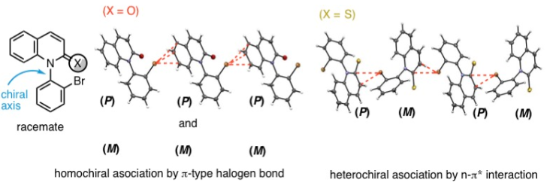
- diverse C–N atropisomeric compounds possessing carboxamide, imide, lactam, sulfonamide, indole, pyrrole, imidazole, carbazole and amine skeletons have been reported by many groups [1][2][3][4][5][6][7][8][9]. C–N atropisomers are attractive compounds from the viewpoint of not only synthetic organic

Graphical Abstract

Figure 1: Various C–N atropisomeric compounds and their intermolecular interactions in single crystals.

Scheme 1: Synthesis of N-(2-halophenyl)quinolin-2-ones 1a,b and quinoline-2-thione 2a.

Figure 2: Intramolecular associations detected in crystals of rac-1a and rac-1b.

Figure 3: Intramolecular association detected in the crystals of (P)-1a and (P)-1b.

Figure 4: Angles (θ, α) and distances (d) in racemate rac-1a,b and (P)-1a,b.

Figure 5: Crystal structure of racemic quinoline-2-thione rac-2a.
N-Salicyl-amino acid derivatives with antiparasitic activity from Pseudomonas sp. UIAU-6B
- Joy E. Rajakulendran,
- Emmanuel Tope Oluwabusola,
- Michela Cerone,
- Terry K. Smith,
- Olusoji O. Adebisi,
- Adefolalu Adedotun,
- Gagan Preet,
- Sylvia Soldatou,
- Hai Deng,
- Rainer Ebel and
- Marcel Jaspars
Beilstein J. Org. Chem. 2025, 21, 1388–1396, doi:10.3762/bjoc.21.103
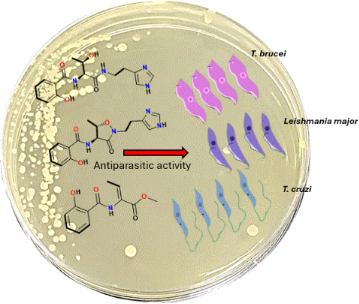
- signal at δH 8.97 (s, H-18), δH 7.41 (s, H-20) and a quaternary carbon (C-16) assigned at δC 131.4 that reminiscences a histamine subunit absent in compound 1. This observation was supported by the 1H-1H COSY spectrum that displayed a cross-peak coupling of H2-14 to both carboxamide protons H-13 and H2

Graphical Abstract

Figure 1: Structures of the pseudomonins D–G (1–4), pseudomonine (5), pseudomonin B (6) and salicylic acid (7...

Figure 2: Key HMBC, 1H-1H COSY and NOE correlations.

Figure 3: Extracted ion chromatogram and corresponding mass spectrum of compound 4 in the crude extract.

Figure 4: Proposed biosynthetic scheme for the formation of compounds (1–4).
A versatile route towards 6-arylpipecolic acids
- Erich Gebel,
- Cornelia Göcke,
- Carolin Gruner and
- Norbert Sewald
Beilstein J. Org. Chem. 2025, 21, 1104–1115, doi:10.3762/bjoc.21.88
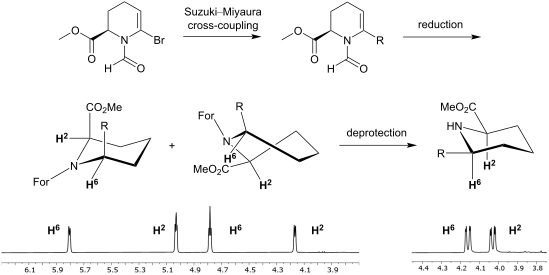
- the carboxylate (or carboxamide) preferably occupies the axial position, as the equatorial position is disfavoured because of pseudoallylic strain exerted by the partial double bond character of the N-acyl bond [56]. Conversely, the aryl substituent at C6 is assumed to adopt an equatorial position as

Graphical Abstract

Scheme 1: ᴅ-2-Aminoadipic acid (1) can be used to generate C6 aryl and alkynyl-modified pipecolic acid deriva...

Scheme 2: Methyl ester formation, followed by cyclization, N-formylation, as well as bromination under Vilsme...

Scheme 3: Suzuki–Miyaura cross-coupling reaction between bromide 2 and a variety of boronic acids 8.

Scheme 4: Reaction of 3a to (2R,6S)-9a and (2R,6R)-9a. The chromatograms prove the simple diastereoselection.

Figure 1: The minor diastereomer of the catalytic hydrogenation was assigned as (2R,6R)-9, based on the analy...
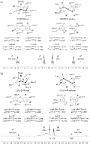
Figure 2: 1H NMR spectra with both signal sets for the chair and half-chair configuration as well as Newman p...

Figure 3: 1H NMR spectra with signal set for the chair configuration as well as Newman projection for both pr...

Scheme 5: a) Sonogashira–Hagihara cross-coupling reaction followed by b) NaBH3CN reduction of the N-acylimini...
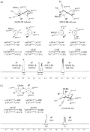
Figure 4: 1H NMR with Newman projection for both protons H2 and H6 with corresponding dihedral angles ϕ for a...

Scheme 6: Overview of reduction and deprotection to the final pipecolic acid derivatives (2R,6S)-5.
Multicomponent reactions driving the discovery and optimization of agents targeting central nervous system pathologies
- Lucía Campos-Prieto,
- Aitor García-Rey,
- Eddy Sotelo and
- Ana Mallo-Abreu
Beilstein J. Org. Chem. 2024, 20, 3151–3173, doi:10.3762/bjoc.20.261
- -carboxamide-1,4-benzodiazepin-5-ones when enantiopure (S)-(−)-α-methylbenzylamine and arylglyoxals were used. Thus, a reversal of diastereoselectivity was observed depending on the cyclization methodology employed, the reduction of a nitro group or the Staudinger/aza-Wittig on azide derivatives. This
- using the Gewald multicomponent reaction and the best candidate synthesized. Development of 1,5-benzodiazepines via Ugi/deprotection/cyclization (UDC) approach by Xu et al. [59]. Synthesis of polysubstituted 1,4-benzodiazepin-3-ones using UDC strategy. Synthetic procedure to obtain 3-carboxamide-1,4

Graphical Abstract

Figure 1: Classical MCRs.

Figure 2: Different scaffolds that can be formed with the Ugi adduct.

Scheme 1: Oxoindole-β-lactam core produced in a U4C-3CR.

Figure 3: Most active oxoindole-β-lactam compounds developed by Brãndao et al. [33].

Scheme 2: Ugi-azide synthesis of benzofuran, pyrazole and tetrazole hybrids.

Figure 4: The most promising hybrids synthesized via the Ugi-azide multicomponent reaction reported by Kushwa...

Scheme 3: Four-component Ugi reaction for the synthesis of novel antioxidant compounds.

Figure 5: Most potent antioxidant compounds obtained through the Ugi four-component reaction developed by Pac...

Scheme 4: Four-component Ugi reaction to synthesize β-amiloyd aggregation inhibitors.

Figure 6: The most potential β-amiloyd aggregation inhibitors generated by Galante et al. [37].

Scheme 5: Four-component Ugi reaction to obtain FATH hybrids and the best candidate synthesized.

Scheme 6: Four-component Ugi reaction for the synthesis of FATMH hybrids and the best candidate synthesized.

Scheme 7: Petasis multicomponent reaction to produce pyrazine-based MTDLs.

Figure 7: Best pyrazine-based MTDLs synthesized by Madhav et al. [40].

Scheme 8: Synthesis of BCPOs employing a Knoevenagel-based multicomponent reaction and the best candidate syn...

Scheme 9: Hantzsch multicomponent reaction for the synthesis of DHPs as novel MTDLs.

Figure 8: Most active 1,4-dihydropyridines developed by Malek et al. [43].

Scheme 10: Chromone–donepezil hybrid MTDLs obtained via the Passerini reaction.

Figure 9: Best CDH-based MTDLs as AChE inhibitors synthesized by Malek et al. [46].

Scheme 11: Replacement of the nitrogen in lactams 11 with an oxygen in 12 to influence hydrogen-bond donating ...

Scheme 12: MCR 3 + 2 reaction to develop spirooxindole, spiroacenaphthylene, and bisbenzo[b]pyran compounds.

Figure 10: SIRT2 activity of best derivatives obtained by Hasaninejad et al. [49].

Scheme 13: Synthesis of ML192 analogs using the Gewald multicomponent reaction and the best candidate synthesi...

Scheme 14: Development of 1,5-benzodiazepines via Ugi/deprotection/cyclization (UDC) approach by Xu et al. [59].

Scheme 15: Synthesis of polysubstituted 1,4-benzodiazepin-3-ones using UDC strategy.

Scheme 16: Synthetic procedure to obtain 3-carboxamide-1,4-benzodiazepin-5-ones employing Ugi–reduction–cycliz...

Scheme 17: Ugi cross-coupling (U-4CRs) to synthesize triazolobenzodiazepines.

Scheme 18: Azido-Ugi four component reaction cyclization to obtain imidazotetrazolodiazepinones.

Scheme 19: Synthesis of oxazolo- and thiazolo[1,4]benzodiazepine-2,5-diones via Ugi/deprotection/cyclization a...
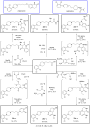
Scheme 20: General synthesis of 2,3-dichlorophenylpiperazine-derived compounds by the Ugi reaction and Ugi/dep...

Figure 11: Best DRD2 compounds synthesized using a multicomponent strategy.

Scheme 21: Bucherer–Bergs multicomponent reaction to obtain a key intermediate in the synthesis of pomaglumeta...

Scheme 22: Ugi reaction to synthesize racetam derivatives and example of two racetams synthesized by Cioc et a...
Synthesis and antimycotic activity of new derivatives of imidazo[1,2-a]pyrimidines
- Dmitriy Yu. Vandyshev,
- Daria A. Mangusheva,
- Khidmet S. Shikhaliev,
- Kirill A. Scherbakov,
- Oleg N. Burov,
- Alexander D. Zagrebaev,
- Tatiana N. Khmelevskaya,
- Alexey S. Trenin and
- Fedor I. Zubkov
Beilstein J. Org. Chem. 2024, 20, 2806–2817, doi:10.3762/bjoc.20.236
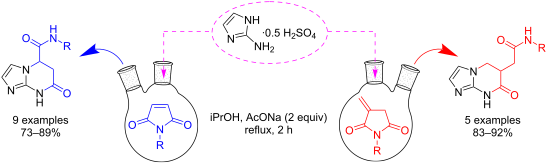
- -aminoimidazole (1). Results of MEP calculations for the reaction of N-phenylithaconimide (3a) with 2-aminoimidazole (1). Screening of reaction conditions for the preparation of 7-oxo-N-phenyl-5,6,7,8-tetrahydroimidazo[1,2-a]pyrimidine-5-carboxamide (4a). Yields of the products 4 and 5. Characterization of ligand

Graphical Abstract

Figure 1: Some biologically active compounds and organic fluorophores containing the imidazo[1,2-a]pyrimidine...

Figure 2: Existing approaches to imidazo[1,2-a]pyrimidines.

Scheme 1: Reaction of 2-aminoimidazole (1) with N-substituted maleimides (2) and N-arylitaconimides (3).

Scheme 2: Plausible synthetic routes for the interaction of N-substituted maleimides 2 with 2-aminoimidazole (...

Scheme 3: Plausible synthetic routes for the interaction of or N-arylitaconimides 3 with 2-aminoimidazole (1)....

Figure 3: Key correlations observed in the NOESY and HMBC spectra of the products 4d and 5d.

Scheme 4: Results of MEP calculations for the reaction of N-phenylmaleimide (2a) with 2-aminoimidazole (1).

Scheme 5: Results of MEP calculations for the reaction of N-phenylithaconimide (3a) with 2-aminoimidazole (1)....

Figure 4: Structures of imidazo[1,2-a]pyrimidines selected for docking and voriconazole selected for comparis...

Figure 5: (A) Position of the (S)-isomer of compound 4e in the active site of CYP51 after molecular dockinga....
5th International Symposium on Synthesis and Catalysis (ISySyCat2023)
- Anthony J. Burke and
- Elisabete P. Carreiro
Beilstein J. Org. Chem. 2024, 20, 2704–2707, doi:10.3762/bjoc.20.227
- a new family of isatin-based α-acetamide carboxamide oxindole hybrids using the versatile Ugi four-component reaction [18]. Sixteen hybrids were prepared by reacting 5-amino-1-benzyl-3,3-dimethoxyindolin-2-one, benzyl isocyanide, carboxylic acids, and aldehyde/ketone derivatives, catalyzed by ZnF2

A review of recent advances in electrochemical and photoelectrochemical late-stage functionalization classified by anodic oxidation, cathodic reduction, and paired electrolysis
- Nian Li,
- Ruzal Sitdikov,
- Ajit Prabhakar Kale,
- Joost Steverlynck,
- Bo Li and
- Magnus Rueping
Beilstein J. Org. Chem. 2024, 20, 2500–2566, doi:10.3762/bjoc.20.214
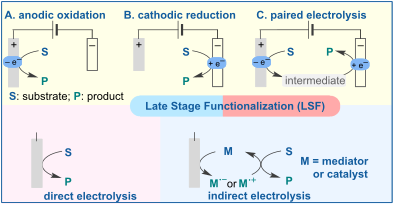
- , enabling further functionalization. The proposed mechanism involves radical–radical cross-coupling. The indole 1H-carboxamide generates a nitrogen-centered radical during anodic oxidation in the presence of a base, while the 1,3-dimethylindole derivative forms an indole radical cation. The radical–radical

Graphical Abstract

Figure 1: Classification of LSF reactions in this review.

Scheme 1: C(sp2)–H trifluoromethylation of heteroarenes.
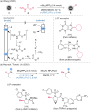
Scheme 2: C(sp2)–H and C(sp3)–H alkylation of complex molecules.

Scheme 3: Electrochemical oxidation-induced intermolecular aromatic C–H sulfonamidation.

Scheme 4: Bioconjugation of tyrosine with (a) phenothiazine and (b) urazole derivatives.

Scheme 5: Electrochemical iodoamination of indoles using unactivated amines.

Scheme 6: Allylic C(sp3)–H aminations with sulfonamides.

Scheme 7: Electrochemical benzylic oxidation of C–H bonds.
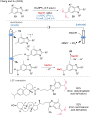
Scheme 8: Site-selective electrooxidation of methylarenes to aromatic acetals.

Scheme 9: Electrochemical activation of C–H by electron-deficient W2C nanocrystals.
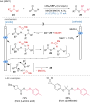
Scheme 10: α-Acyloxy sulfide preparation via C–H/OH cross-dehydrogenative coupling.
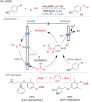
Scheme 11: Aromatic C–H-bond thiolation.

Scheme 12: C(sp2)–H functionalization for the installation of sulfonamide groups.

Scheme 13: Preparation of (hetero)aryl chlorides and vinyl chloride with 1,2-dichloroethane. aCu(OAc)2 (0.05 e...

Scheme 14: Electrochemical dual-oxidation enables access to α-chlorosulfoxides.

Scheme 15: Regio- and chemoselective formyloxylation–bromination/chlorination/trifluoromethylation of alkenes.

Scheme 16: Aziridine formation by coupling amines and alkenes.

Scheme 17: Formation of iminosulfide ethers via difunctionalization of an isocyanide.

Scheme 18: Synthesis of 1,3-difunctionalized molecules via C–C-bond cleavage of arylcyclopropane.

Scheme 19: Electrooxidative amino- and oxyselenation of alkenes. VBImBr = 1-butyl-3-vinylimidazolium bromide.

Scheme 20: Electrooxidative dehydrogenative [4 + 2] annulation of indole derivatives.
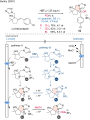
Scheme 21: Electrochemical cyclization combined with alkoxylation of triticonazole.

Scheme 22: Electrochemically tuned oxidative [4 + 2] annulation of olefins with hydroxamic acids.

Scheme 23: Electrosynthesis of indole derivatives via cyclization of 2-ethynylanilines.

Scheme 24: Allylic C–H oxidation of mono-, di-, and sesquiterpenes.

Scheme 25: Oxidation of unactivated C–H bonds.

Scheme 26: Fluorination of C(sp3)–H bonds. rAP = rapid alternating polarity.

Scheme 27: C(sp3)–H α-cyanation of secondary piperidines.
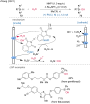
Scheme 28: Selective electrochemical hydrolysis of hydrosilanes to silanols.
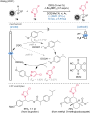
Scheme 29: Organocatalytic electrochemical amination of benzylic C–H bonds.
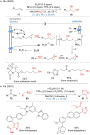
Scheme 30: Iodide ion-initiated anodic oxidation reactions.

Scheme 31: Mn(III/IV) electro-catalyzed C(sp3)–H azidation.
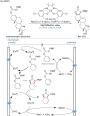
Scheme 32: Tailored cobalt–salen complexes enable electrocatalytic intramolecular allylic C–H functionalizatio...

Scheme 33: Cobalt–salen complexes-induced electrochemical (cyclo)additions.

Scheme 34: Electrochemical 1,2-diarylation of alkenes enabled by direct dual C–H functionalization of electron...

Scheme 35: Cobalt-electrocatalyzed atroposelective C–H annulation.

Scheme 36: Nickel-electrocatalyzed C(sp2)–H alkoxylation with secondary alcohols.

Scheme 37: Nickel-catalyzed electrochemical enantioselective amination.
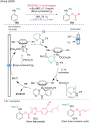
Scheme 38: Ruthenium-electrocatalyzed C(sp2)–H mono- and diacetoxylation.
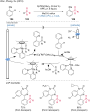
Scheme 39: Rhodium(III)-catalyzed aryl-C–H phosphorylation enabled by anodic oxidation-induced reductive elimi...

Scheme 40: Asymmetric Lewis-acid catalysis for the synthesis of non-racemic 1,4-dicarbonyl compounds.

Scheme 41: Electrochemical enantioselective C(sp3)–H alkenylation.

Scheme 42: Palladium-catalyzed electrochemical dehydrogenative cross-coupling.
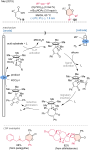
Scheme 43: Ir-electrocatalyzed vinylic C(sp2)–H activation for the annulation between acrylic acids and alkyne...

Scheme 44: Electrochemical gold-catalyzed C(sp3)–C(sp) coupling of alkynes and arylhydrazines.

Scheme 45: Photoelectrochemical alkylation of C–H heteroarenes using organotrifluoroborates.

Scheme 46: Mn-catalyzed photoelectro C(sp3)–H azidation.

Scheme 47: Photoelectrochemical undirected C–H trifluoromethylations of (Het)arenes.

Scheme 48: Photoelectrochemical dehydrogenative cross-coupling of heteroarenes with aliphatic C–H bonds.
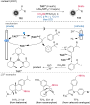
Scheme 49: C–H amination via photoelectrochemical Ritter-type reaction.

Scheme 50: Photoelectrochemical multiple oxygenation of C–H bonds.

Scheme 51: Accelerated C(sp3)–H heteroarylations by the f-EPC system.

Scheme 52: Photoelectrochemical cross-coupling of amines.

Scheme 53: Birch electroreduction of arenes. GSW = galvanized steel wire.

Scheme 54: Electroreductive deuterations.

Scheme 55: Chemoselective electrosynthesis using rapid alternating polarity.

Scheme 56: Electroreductive olefin–ketone coupling.

Scheme 57: Electroreductive approach to radical silylation.

Scheme 58: Electrochemical borylation of alkyl halides. CC = carbon close.

Scheme 59: Radical fluoroalkylation of alkenes.
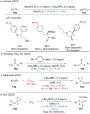
Scheme 60: Electrochemical defluorinative hydrogenation/carboxylation.

Scheme 61: Electrochemical decarboxylative olefination.

Scheme 62: Electrochemical decarboxylative Nozaki–Hiyama–Kishi coupling.
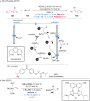
Scheme 63: Nickel-catalyzed electrochemical reductive relay cross-coupling.

Scheme 64: Electrochemical chemo- and regioselective difunctionalization of 1,3-enynes.

Scheme 65: Electrocatalytic doubly decarboxylative crosscoupling.

Scheme 66: Electrocatalytic decarboxylative crosscoupling with aryl halides.

Scheme 67: Nickel-catalyzed electrochemical reductive coupling of halides.

Scheme 68: Nickel-electrocatalyzed enantioselective carboxylation with CO2.

Scheme 69: Reductive electrophotocatalysis for borylation.
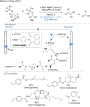
Scheme 70: Electromediated photoredox catalysis for selective C(sp3)–O cleavages of phosphinated alcohols to c...

Scheme 71: Stereoselective electro-2-deoxyglycosylation from glycals. MFE = methyl nonafluorobutyl ether.

Scheme 72: Electrochemical peptide modifications.

Scheme 73: Electrochemical α-deuteration of amides.

Scheme 74: Electrochemical synthesis of gem-diselenides.

Scheme 75: Site-selective electrochemical aromatic C–H amination.

Scheme 76: Electrochemical coupling of heteroarenes with heteroaryl phosphonium salts.
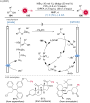
Scheme 77: Redox-neutral strategy for the dehydroxyarylation reaction.
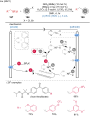
Scheme 78: Nickel-catalyzed electrochemical C(sp3)–C(sp2) cross-coupling of benzyl trifluoroborate and halides....
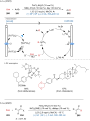
Scheme 79: Paired electrocatalysis for C(sp3)–C(sp2) coupling.

Scheme 80: Redox-neutral strategy for amination of aryl bromides.

Scheme 81: Redox-neutral cross-coupling of aryl halides with weak N-nucleophiles. aProtocol with (+) RVC | RVC...

Scheme 82: Nickel-catalyzed N-arylation of NH-sulfoximines with aryl halides.

Scheme 83: Esterification of carboxylic acids with aryl halides.

Scheme 84: Electrochemically promoted nickel-catalyzed carbon–sulfur-bond formation. GFE = graphite felt elect...

Scheme 85: Electrochemical deoxygenative thiolation by Ni-catalysis. GFE = graphite felt electrode; NFE = nick...
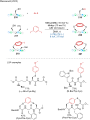
Scheme 86: Electrochemical coupling of peptides with aryl halides.

Scheme 87: Paired electrolysis for the phosphorylation of aryl halides. GFE = graphite felt electrode, FNE = f...

Scheme 88: Redox-neutral alkoxyhalogenation of alkenes.
Tandem diazotization/cyclization approach for the synthesis of a fused 1,2,3-triazinone-furazan/furoxan heterocyclic system
- Yuri A. Sidunets,
- Valeriya G. Melekhina and
- Leonid L. Fershtat
Beilstein J. Org. Chem. 2024, 20, 2342–2348, doi:10.3762/bjoc.20.200
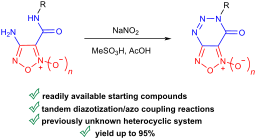
- Federation 10.3762/bjoc.20.200 Abstract A straightforward protocol for the synthesis of a previously unknown [1,2,5]oxadiazolo[3,4-d][1,2,3]triazin-7(6H)-one heterocyclic system was developed. The described approach is based on tandem diazotization/azo coupling reactions of (1,2,5-oxadiazolyl)carboxamide

Graphical Abstract

Figure 1: Examples of bioactive compounds containing the 1,2,3-triazin-4-one core.

Scheme 1: Tandem diazotization/azo coupling reactions of (1,2,5-oxadiazolyl)carboxamides containing an amino ...

Scheme 2: Synthesis of target furoxanotriazinones 1a–h.

Scheme 3: The synthesis of furazanotriazinones 7a–h.

Figure 2: The X-ray structure of compound 1b (CCDC 2363621) and 7h (CCDC 2363622).

Scheme 4: Control experiment with Na15NO2.

Figure 3: NO release data.
Multicomponent syntheses of pyrazoles via (3 + 2)-cyclocondensation and (3 + 2)-cycloaddition key steps
- Ignaz Betcke,
- Alissa C. Götzinger,
- Maryna M. Kornet and
- Thomas J. J. Müller
Beilstein J. Org. Chem. 2024, 20, 2024–2077, doi:10.3762/bjoc.20.178
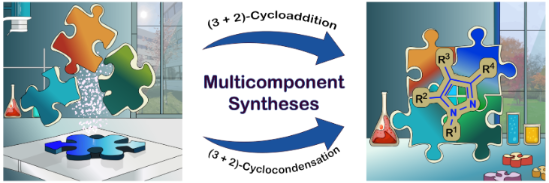
- pyrazole starting materials from isonitriles 158, dialkyl acetylenedicarboxylate 147, and hydrazine carboxamide 159. The addition of the isonitrile to the Michael system yields a nitrilium-vinyl anion zwitterion 161, that is protonated by the hydrazine carboxamide, which undergoes addition to furnish the

Graphical Abstract

Scheme 1: Consecutive three-component synthesis of pyrazoles 1 via in situ-formed 1,3-diketones 2 [44].

Scheme 2: Consecutive three-component synthesis of 4-ethoxycarbonylpyrazoles 5 via SmCl3-catalyzed acylation ...

Scheme 3: Consecutive four-component synthesis of 1-(thiazol-2-yl)pyrazole-3-carboxylates 8 [51].

Scheme 4: Three-component synthesis of thiazolylpyrazoles 17 via in situ formation of acetoacetylcoumarins 18 ...

Scheme 5: Consecutive pseudo-four-component and four-component synthesis of pyrazoles 21 from sodium acetylac...

Scheme 6: Consecutive three-component synthesis of 1-substituted pyrazoles 24 from boronic acids, di(Boc)diim...

Scheme 7: Consecutive three-component synthesis of N-arylpyrazoles 25 via in situ formation of aryl-di(Boc)hy...

Scheme 8: Consecutive three-component synthesis of 1,3,4-substituted pyrazoles 27 and 28 from methylhydrazine...

Scheme 9: Consecutive three-component synthesis of 4-allylpyrazoles 32 via oxidative allylation of 1,3-dicarb...

Scheme 10: Pseudo-five-component synthesis of tris(pyrazolyl)methanes 35 [61].

Scheme 11: Pseudo-three-component synthesis of 5-(indol-3-yl)pyrazoles 39 from 1,3,5-triketones 38 [64].

Scheme 12: Three-component synthesis of thiazolylpyrazoles 43 [65].

Scheme 13: Three-component synthesis of triazolo[3,4-b]-1,3,4-thiadiazin-3-yl substituted 5-aminopyrazoles 47 [67]....

Scheme 14: Consecutive three-component synthesis of 5-aminopyrazoles 49 via formation of β-oxothioamides 50 [68].
Scheme 15: Synthesis of 3,4-biarylpyrazoles 52 from aryl halides, α-bromocinnamaldehyde, and tosylhydrazine vi...

Scheme 16: Consecutive three-component synthesis of 3,4-substituted pyrazoles 57 from iodochromones 55 by Suzu...

Scheme 17: Pseudo-four-component synthesis of pyrazolyl-2-pyrazolines 59 by ring opening/ring closing cyclocon...

Scheme 18: Consecutive three-component synthesis of pyrazoles 61 [77].

Scheme 19: Three-component synthesis of pyrazoles 62 from malononitrile, aldehydes, and hydrazines [78-90].

Scheme 20: Four-component synthesis of pyrano[2,3-c]pyrazoles 63 [91].

Scheme 21: Three-component synthesis of persubstituted pyrazoles 65 from aldehydes, β-ketoesters, and hydrazin...

Scheme 22: Three-component synthesis of pyrazol-4-carbodithioates 67 [100].

Scheme 23: Regioselective three-component synthesis of persubstituted pyrazoles 68 catalyzed by ionic liquid [...

Scheme 24: Consecutive three-component synthesis of 4-halopyrazoles 69 and anellated pyrazoles 70 [102].

Scheme 25: Three-component synthesis of 2,2,2-trifluoroethyl pyrazole-5-carboxylates 72 [103].

Scheme 26: Synthesis of pyrazoles 75 in a one-pot process via carbonylative Heck coupling and subsequent cycli...

Scheme 27: Copper-catalyzed three-component synthesis of 1,3-substituted pyrazoles 76 [105].

Scheme 28: Pseudo-three-component synthesis of bis(pyrazolyl)methanes 78 by ring opening-ring closing cyclocon...

Scheme 29: Three-component synthesis of 1,4,5-substituted pyrazoles 80 [107].

Scheme 30: Consecutive three-component synthesis of 3,5-bis(fluoroalkyl)pyrazoles 83 [111].

Scheme 31: Consecutive three-component synthesis of difluoromethanesulfonyl-functionalized pyrazole 88 [114].

Scheme 32: Consecutive three-component synthesis of perfluoroalkyl-substituted fluoropyrazoles 91 [115].

Scheme 33: Regioselective consecutive three-component synthesis of 1,3,5-substituted pyrazoles 93 [116].

Scheme 34: Three-component synthesis of pyrazoles 96 mediated by trimethyl phosphite [117].

Scheme 35: One-pot synthesis of pyrazoles 99 via Liebeskind–Srogl cross-coupling/cyclocondensation [118].

Scheme 36: Synthesis of 1,3,5-substituted pyrazoles 101 via domino condensation/Suzuki–Miyaura cross-coupling ...

Scheme 37: Consecutive three-component synthesis of 1,3,5-trisubstituted pyrazoles 102 and 103 by Sonogashira ...

Scheme 38: Polymer analogous consecutive three-component synthesis of pyrazole-based polymers 107 [132].

Scheme 39: Synthesis of 1,3,5-substituted pyrazoles 108 by sequentially Pd-catalyzed Kumada–Sonogashira cycloc...

Scheme 40: Consecutive four-step one-pot synthesis of 1,3,4,5-substituted pyrazoles 110 [137].

Scheme 41: Four-component synthesis of pyrazoles 113, 115, and 117 via Sonogashira coupling and subsequent Suz...

Scheme 42: Consecutive four- or five-component synthesis for the preparation of 4-pyrazoly-1,2,3-triazoles 119...

Scheme 43: Four-component synthesis of pyrazoles 121 via alkynone formation by carbonylative Pd-catalyzed coup...

Scheme 44: Preparation of 3-azulenyl pyrazoles 124 by glyoxylation, decarbonylative Sonogashira coupling, and ...

Scheme 45: Four-component synthesis of a 3-indoloylpyrazole 128 [147].

Scheme 46: Two-step synthesis of 5-acylpyrazoles 132 via glyoxylation-Stephen–Castro sequence and subsequent c...

Scheme 47: Copper on iron mediated consecutive three-component synthesis of 3,5-substituted pyrazoles 136 [150].

Scheme 48: Consecutive three-component synthesis of 3-substituted pyrazoles 141 by Sonogashira coupling and su...

Scheme 49: Consecutive three-component synthesis of pyrazoles 143 initiated by Cu(I)-catalyzed carboxylation o...

Scheme 50: Consecutive three-component synthesis of benzamide-substituted pyrazoles 146 starting from N-phthal...

Scheme 51: Consecutive three-component synthesis of 1,3,5-substituted pyrazoles 148 [156].

Scheme 52: Three-component synthesis of 4-ninhydrin-substituted pyrazoles 151 [158].

Scheme 53: Consecutive four-component synthesis of 4-(oxoindol)-1-phenylpyrazole-3-carboxylates 155 [159].

Scheme 54: Three-component synthesis of pyrazoles 160 [160].

Scheme 55: Consecutive three-component synthesis of pyrazoles 165 [162].

Scheme 56: Consecutive three-component synthesis of 3,5-disubstituted and 3-substituted pyrazoles 168 and 169 ...

Scheme 57: Three-component synthesis of 3,4,5-substituted pyrazoles 171 via 1,3-dipolar cycloaddition of vinyl...

Scheme 58: Three-component synthesis of pyrazoles 173 and 174 from aldehydes, tosylhydrazine, and vinylidene c...

Scheme 59: Three-component synthesis of pyrazoles 175 from glyoxyl hydrates, tosylhydrazine, and electron-defi...

Scheme 60: Pseudo-four-component synthesis of pyrazoles 177 from glyoxyl hydrates, tosylhydrazine, and aldehyd...

Scheme 61: Consecutive three-component synthesis of pyrazoles 179 via Knoevenagel-cycloaddition sequence [179].

Scheme 62: Three-component synthesis of 5-dimethylphosphonate substituted pyrazoles 182 from aldehydes, the Be...

Scheme 63: Consecutive three-component synthesis of 5-(dimethyl phosphonate)-substituted pyrazoles 185 from al...

Scheme 64: Three-component synthesis of 5-(dimethyl phosphonate)-substituted pyrazoles 187 from aldehydes, the...

Scheme 65: Three-component synthesis of 5-diethylphosphonate/5-phenylsulfonyl substituted pyrazoles 189 from a...

Scheme 66: Pseudo-three-component synthesis of 3-(dimethyl phosphonate)-substituted pyrazoles 190 [185].

Scheme 67: Three-component synthesis of 3-trifluoromethylpyrazoles 193 [186].

Scheme 68: Consecutive three-component synthesis of 5-stannyl-substituted 4-fluoropyrazole 197 [191,192].

Scheme 69: Pseudo-three-component synthesis of 3,5-diacyl-4-arylpyrazoles 199 [195].

Scheme 70: Three-component synthesis of pyrazoles 204 via nitrilimines [196].

Scheme 71: Three-component synthesis of 1,3,5-substituted pyrazoles 206 via formation of nitrilimines and sali...

Scheme 72: Pseudo four-component synthesis of pyrazoles 209 from acetylene dicarboxylates 147, hydrazonyl chlo...

Scheme 73: Consecutive three-component synthesis of pyrazoles 213 via syndnones 214 [200].

Scheme 74: Consecutive three-component synthesis of pyrazoles 216 via in situ-formed diazomethinimines 217 [201].

Scheme 75: Consecutive three-component synthesis of 3-methylthiopyrazoles 219 from aldehydes, hydrazine, and 1...

Scheme 76: Three-component synthesis of 1,3,5-substituted pyrazoles 220 from aldehydes, hydrazines, and termin...

Scheme 77: Three-component synthesis of 1,3,4,5-substituted pyrazoles 222 from aldehydes, hydrazines, and DMAD ...

Scheme 78: Pseudo three-component synthesis of pyrazoles 224 from sulfonyl hydrazone and benzyl acrylate under...

Scheme 79: Titanium-catalyzed consecutive four-component synthesis of pyrazoles 225 via enamino imines 226 [211]. a...

Scheme 80: Titanium-catalyzed three-component synthesis of pyrazoles 227 via enhydrazino imine complex interme...

Scheme 81: Pseudo-three-component synthesis of pyrazoles 229 via Glaser coupling of terminal alkynes and photo...

Scheme 82: Copper(II)acetate-mediated three-component synthesis of pyrazoles 232 [216].

Scheme 83: Copper-catalyzed three-component synthesis of 1,3,4-substituted pyrazole 234 from oxime acetates, a...

Scheme 84: Three-component synthesis of 3-trifluoroethylpyrazoles 239 [218].

Scheme 85: Pseudo-three-component synthesis of 1,4-bisulfonyl-substituted pyrazoles 242 [219].

Scheme 86: Three-component synthesis of 4-hydroxypyrazole 246 [221].
Syntheses and medicinal chemistry of spiro heterocyclic steroids
- Laura L. Romero-Hernández,
- Ana Isabel Ahuja-Casarín,
- Penélope Merino-Montiel,
- Sara Montiel-Smith,
- José Luis Vega-Báez and
- Jesús Sandoval-Ramírez
Beilstein J. Org. Chem. 2024, 20, 1713–1745, doi:10.3762/bjoc.20.152
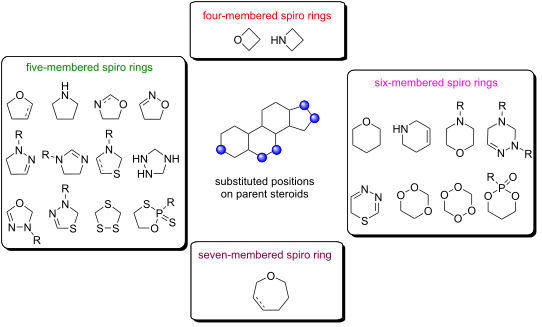
- amines 136a–e and 138 showed better 17β-HSD3 inhibition at 0.1 µM than the secondary ones 134a–e, with some of them presenting better inhibition values than the reference compounds (RM-532-105 and D-5-2). However, only morpholinones 138 that bear sulfonamide and carboxamide groups did not exhibit

Graphical Abstract

Figure 1: Steroidal spiro heterocycles with remarkable pharmacological activity.

Scheme 1: Synthesis of the spirooxetanone 2. a) t-BuOK, THF, rt, 16%.

Scheme 2: Synthesis of the 17-spirooxetane derivative 7. a) HC≡C(CH2)2CH2OTBDPS, n-BuLi, THF, BF3·Et2O, −78 °...

Scheme 3: Pd-catalyzed carbonylation of steroidal alkynols to produce α-methylene-β-lactones at C-3 and C-17 ...

Scheme 4: Catalyst-free protocol to obtain functionalized spiro-lactones by an intramolecular C–H insertion. ...

Scheme 5: One-pot procedure from dienamides to spiro-β-lactams. a) 1. Ac2O, DMAP, Et3N, CH2Cl2, 2. malononitr...

Scheme 6: Spiro-γ-lactone 20 afforded from 7α-alkanamidoestrone derivative 17. a) HC≡CCH2OTHP, n-BuLi, THF, –...

Scheme 7: Synthesis of the 17-spiro-γ-lactone 23, a key intermediate to obtain spironolactone. a) Ethyl propi...

Scheme 8: Synthetic pathway to obtain 17-spirodihydrofuran-3(2H)-ones from 17-oxosteroids. a) 1-Methoxypropa-...

Scheme 9: One-pot procedure to obtain 17-spiro-2H-furan-3-one compounds. a) NaH, diethyl oxalate, benzene, rt...

Scheme 10: Synthesis of 17-spiro-2H-furan-3-one derivatives. a) RCH=NOH, N-chlorosuccinimide/CHCl3, 99%; b) H2...

Scheme 11: Intramolecular condensation of a γ-acetoxy-β-ketoester to synthesize spirofuranone 37. a) (CH3CN)2P...

Scheme 12: Synthesis of spiro 2,5-dihydrofuran derivatives. a) Allyl bromide, DMF, NaH, 0 °C to rt, 93%; b) G-...

Scheme 13: First reported synthesis of C-16 dispiropyrrolidine derivatives. a) Sarcosine, isatin, MeOH, reflux...

Scheme 14: Cycloadducts 47 with antiproliferative activity against human cancer cell lines. a) 1,4-Dioxane–MeO...

Scheme 15: Spiropyrrolidine compounds generated from (E)-16-arylidene steroids and different ylides. a) Acenap...

Scheme 16: 3-Spiropyrrolidines 52a–c obtained from ketones 50a–c. a) p-Toluenesulfonyl hydrazide, MeOH, rt; b)...

Scheme 17: 16-Spiropyrazolines from 16-methylene-13α-estrone derivatives. a) AgOAc, toluene, rt, 78–81%.

Scheme 18: 6-Spiroimidazolines 57 synthesized by a one-pot multicomponent reaction. a) R3-NC, T3P®, DMSO, 70 °...

Scheme 19: Synthesis of spiro-1,3-oxazolines 60, tested as progesterone receptor antagonist agents. a) CF3COCF3...

Scheme 20: Synthesis of spiro-1,3-oxazolidin-2-ones 63 and 66a,b. a) RNH2, EtOH, 70 °C, 70–90%; b) (CCl3O)2CO,...

Scheme 21: Formation of spiro 1,3-oxazolidin-2-one and spiro 2-substituted amino-4,5-dihydro-1,3-oxazoles from ...

Scheme 22: Synthesis of diastereomeric spiroisoxazolines 74 and 75. a) Ar-C(Cl)=N-OH, DIPEA, toluene, rt, 74 (...

Scheme 23: Spiro 1,3-thiazolidine derivatives 77–79 obtained from 2α-bromo-5α-cholestan-3-one 76. a) 2-aminoet...

Scheme 24: Method for the preparation of derivative 83. a) Benzaldehyde, MeOH, reflux, 77%; b) thioglycolic ac...

Scheme 25: Synthesis of spiro 1,3-thiazolidin-4-one derivatives from steroidal ketones. a) Aniline, EtOH, refl...

Scheme 26: Synthesis of spiro N-aryl-1,3-thiazolidin-4-one derivatives 91 and 92. a) Sulfanilamide, DMF, reflu...

Scheme 27: 1,2,4-Trithiolane dimers 94a–e selectively obtained from carbonyl derivatives. a) LR, CH2Cl2, reflu...

Scheme 28: Spiro 1,2,4-triazolidin-3-ones synthesized from semicarbazones. a) H2O2, CHCl3, 0 °C, 82–85%.

Scheme 29: Steroidal spiro-1,3,4-oxadiazoline 99 obtained in two steps from cholest-5-en-3-one (97). a) NH2NHC...

Scheme 30: Synthesis of spiro-1,3,4-thiadiazoline 101 by cyclization and diacetylation of thiosemicarbazone 100...

Scheme 31: Mono- and bis(1,3,4-thiadiazolines) obtained from estrane and androstane derivatives. a) H2NCSNHNH2...

Scheme 32: Different reaction conditions to synthesize spiro-1,3,2-oxathiaphospholanes 108 and 109.

Scheme 33: Spiro-δ-lactones derived from ADT and epi-ADT as inhibitors of 17β-HSDs. a) CH≡C(CH2)2OTHP, n-BuLi,...

Scheme 34: Spiro-δ-lactams 123a,b obtained in a five-step reaction sequence. a) (R)-(+)-tert-butylsulfinamide,...

Scheme 35: Steroid-coumarin conjugates as fluorescent DHT analogues to study 17-oxidoreductases for androgen m...

Scheme 36: 17-Spiro estradiolmorpholinones 130 bearing two types of molecular diversity. a) ʟ- or ᴅ-amino acid...

Scheme 37: Steroidal spiromorpholinones as inhibitors of enzyme 17β-HSD3. a) Methyl ester of ʟ- or ᴅ-leucine, ...

Scheme 38: Steroidal spiro-morpholin-3-ones achieved by N-alkylation or N-acylation of amino diols 141, follow...

Scheme 39: Straightforward method to synthesize a spiromorpholinone derivative from estrone. a) BnBr, K2CO3, CH...

Scheme 40: Pyrazolo[4,3-e][1,2,4]-triazine derivatives 152–154. a) 4-Aminoantipyrine, EtOH/DMF, reflux, 82%; b...

Scheme 41: One-pot procedure to synthesize spiro-1,3,4-thiadiazine derivatives. a) NH2NHCSCONHR, H2SO4, dioxan...

Scheme 42: 1,2,4-Trioxanes with antimalarial activity. a) 1. O2, methylene blue, CH3CN, 500 W tungsten halogen...

Scheme 43: Tetraoxanes 167 and 168 synthesized from ketones 163, 165 and 166. a) NaOH, iPrOH/H2O, 80 °C, 93%; ...

Scheme 44: 1,2,4,5-Tetraoxanes bearing a steroidal moiety and a cycloalkane. a) 30% H2O2/CH2Cl2/CH3CN, HCl, rt...

Scheme 45: Spiro-1,3,2-dioxaphosphorinanes obtained from estrone derivatives. a) KBH4, MeOH, THF or CH2Cl2; b)...

Scheme 46: Synthesis of steroidal spiro-ε-lactone 183. a) 1. Jones reagent, acetone, 0 °C to rt, 2. ClCOCOCl, ...

Scheme 47: Synthesis of spiro-2,3,4,7-tetrahydrooxepines 185 and 187 derived from mestranol and lynestrenol (38...
The Ugi4CR as effective tool to access promising anticancer isatin-based α-acetamide carboxamide oxindole hybrids
- Carolina S. Marques,
- Aday González-Bakker and
- José M. Padrón
Beilstein J. Org. Chem. 2024, 20, 1213–1220, doi:10.3762/bjoc.20.104
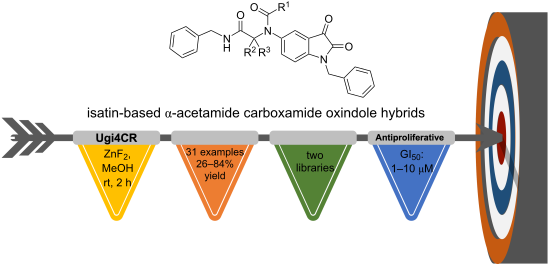
- , we highlight the reputation of this reaction approach to access number and scaffold diversity of a library of isatin-based α-acetamide carboxamide oxindole hybrids, promising anticancer agents, in a mild and fast sustainable reaction process. The library was tested against six human solid tumor cell
- processes, a second family of α-acetamide carboxamide oxindole derivatives 5 was obtained using the previously optimized Ugi4CR approach [16] (Scheme 2 and Figure 2). Taking into account the preliminary SAR studies reported for the first family of Ugi-derived isatin-peptoids, the second family was obtained
- -acetamide carboxamide oxindole hybrids 5 was obtained in moderate yields (26–63%), at room temperature, in short time (2 hours), proving the efficiency and the generality of this methodology. Aliphatic (2a, 2c and 2m), aromatic (2d, 2f, 2g, 2k and 2l), heterocyclic (2e, 2h, 2i, 2n and 2o), alkyne 2b and

Graphical Abstract

Figure 1: (A) Accessing libraries of oxindole hybrids using commercially available isatin as starting materia...

Scheme 1: (A) Library of isatin-based α-acetamide carboxamide oxindole derivatives obtained using an Ugi four...
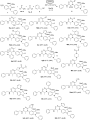
Scheme 2: Library of α-acetamide carboxamide oxindole hybrids 5 accessed via the Ugi4CR.

Figure 2: Carboxylic acids 2 and aldehydes/ketones 3 used in the Ugi4CR.

Scheme 3: Microwave-assisted CuAAC reaction to access α-acetamide carboxamide 1,2,3-triazole oxindole hybrid 7...
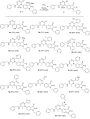
Scheme 4: Library of α-acetamide carboxamide isatin hybrids 8 easy accessed via deprotection reaction on the ...
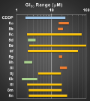
Figure 3: GI50 range plot against human solid tumor cell lines of investigated α-acetamide carboxamide isatin...
Synthesis and biological profile of 2,3-dihydro[1,3]thiazolo[4,5-b]pyridines, a novel class of acyl-ACP thioesterase inhibitors
- Jens Frackenpohl,
- David M. Barber,
- Guido Bojack,
- Birgit Bollenbach-Wahl,
- Ralf Braun,
- Rahel Getachew,
- Sabine Hohmann,
- Kwang-Yoon Ko,
- Karoline Kurowski,
- Bernd Laber,
- Rebecca L. Mattison,
- Thomas Müller,
- Anna M. Reingruber,
- Dirk Schmutzler and
- Andrea Svejda
Beilstein J. Org. Chem. 2024, 20, 540–551, doi:10.3762/bjoc.20.46
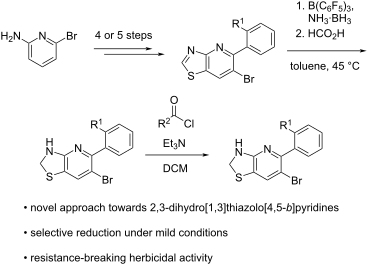
- -ynylcarbamoyl)-1,3-dioxolane-2-carboxamide [3] and FAM azide, 5-isomer (Broadpharm BP-22544, San Diego, CA) by click chemistry [29] and was purified by flash column chromatography on silica gel. Preemergence efficacy of 2,3-dihydro[1,3]thiazolo[4,5-b]pyridine-based FAT inhibitors 7b, 7c, and 13b as well as

Graphical Abstract

Scheme 1: Selected known inhibitors 1–3 of acyl-ACP thioesterases (belonging to the protein family of FATs) a...

Scheme 2: Preparation of 2,3-dihydro[1,3]thiazolo[4,5-b]pyridines 7a–c and 13a–c via iron-mediated sulfur rem...

Scheme 3: Evaluation of potential side reactions in the borane-mediated preparation of 2,3-dihydro[1,3]thiazo...

Figure 1: Preemergence efficacy of 2,3-dihydro[1,3]thiazolo[4,5-b]pyridine-based FAT inhibitors 7b, 7c, and 1...

Figure 2: Preemergence efficacy of 2,3-dihydro[1,3]thiazolo[4,5-b]pyridine-based FAT inhibitors 7b, 7c, and 1...
Synthetic approach to 2-alkyl-4-quinolones and 2-alkyl-4-quinolone-3-carboxamides based on common β-keto amide precursors
- Yordanka Mollova-Sapundzhieva,
- Plamen Angelov,
- Danail Georgiev and
- Pavel Yanev
Beilstein J. Org. Chem. 2023, 19, 1804–1810, doi:10.3762/bjoc.19.132
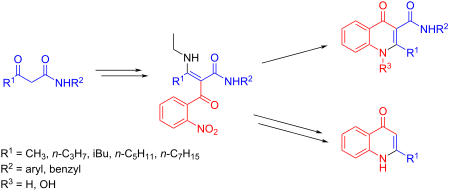
- key o-nitrobenzoyl intermediates 3 in a reaction with o-nitrobenzoyl chloride (Scheme 1, conditions ii). The acylation of 2 to 3 proceeded with variable yields, depending on the substituents R1 and R2. Derivatives 2 with a primary carboxamide group (R2 = H) gave generally lower and poorly reproducible

Graphical Abstract

Scheme 1: Preparation of α-(o-nitrobenzoyl)-β-enamino amides 3. Reagents and conditions: i) EtNH2 (70% aq, 1....

Scheme 2: Alternative manipulations of intermediates 3, leading to either 2-alkyl-4-quinolones 8 (via enamino...
N-Sulfenylsuccinimide/phthalimide: an alternative sulfenylating reagent in organic transformations
- Fatemeh Doraghi,
- Seyedeh Pegah Aledavoud,
- Mehdi Ghanbarlou,
- Bagher Larijani and
- Mohammad Mahdavi
Beilstein J. Org. Chem. 2023, 19, 1471–1502, doi:10.3762/bjoc.19.106
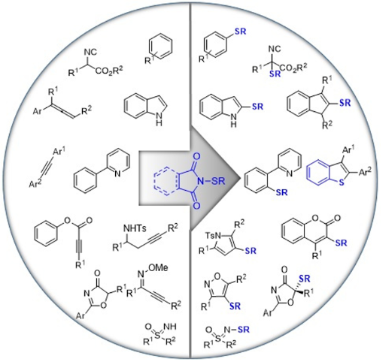
- Lewis base organocatalysts (Scheme 56) [88]. In this procedure, the cyclized products were obtained via the activation of the sulfur electrophile by a Lewis base to generate the thiiranium ion intermediate from the β,γ-unsaturated sulfonyl carboxamide. The attack of the sulfonamide nitrogen atom on this

Graphical Abstract

Scheme 1: Sulfur-containing bioactive molecules.

Scheme 2: Scandium-catalyzed synthesis of thiosulfonates.

Scheme 3: Palladium-catalyzed aryl(alkyl)thiolation of unactivated arenes.

Scheme 4: Catalytic cycle for Pd-catalyzed aryl(alkyl)thiolation of unactivated arenes.

Scheme 5: Iron- or boron-catalyzed C–H arylthiation of substituted phenols.

Scheme 6: Iron-catalyzed azidoalkylthiation of alkenes.

Scheme 7: Plausible mechanism for iron-catalyzed azidoalkylthiation of alkenes.

Scheme 8: BF3·Et2O‑mediated electrophilic cyclization of aryl alkynoates.

Scheme 9: Tentative mechanism for BF3·Et2O‑mediated electrophilic cyclization of aryl alkynoates.

Scheme 10: Construction of 6-substituted benzo[b]thiophenes.

Scheme 11: Plausible mechanism for construction of 6-substituted benzo[b]thiophenes.

Scheme 12: AlCl3‑catalyzed cyclization of N‑arylpropynamides with N‑sulfanylsuccinimides.

Scheme 13: Synthetic utility of AlCl3‑catalyzed cyclization of N‑arylpropynamides with N‑sulfanylsuccinimides.

Scheme 14: Sulfenoamination of alkenes with sulfonamides and N-sulfanylsuccinimides.

Scheme 15: Lewis acid/Brønsted acid controlled Pd-catalyzed functionalization of aryl C(sp2)–H bonds.

Scheme 16: Possible mechanism for Lewis acid/Brønsted acid controlled Pd-catalyzed functionalization of aryl C...

Scheme 17: FeCl3-catalyzed carbosulfenylation of unactivated alkenes.

Scheme 18: Copper-catalyzed electrophilic thiolation of organozinc halides.

Scheme 19: h-BN@Copper(II) nanomaterial catalyzed cross-coupling reaction of sulfoximines and N‑(arylthio)succ...

Scheme 20: AlCl3‑mediated cyclization and sulfenylation of 2‑alkyn-1-one O‑methyloximes.

Scheme 21: Lewis acid-promoted 2-substituted cyclopropane 1,1-dicarboxylates with sulfonamides and N-(arylthio...

Scheme 22: Lewis acid-mediated cyclization of β,γ-unsaturated oximes and hydrazones with N-(arylthio/seleno)su...

Scheme 23: Credible pathway for Lewis acid-mediated cyclization of β,γ-unsaturated oximes with N-(arylthio)suc...

Scheme 24: Synthesis of 4-chalcogenyl pyrazoles via chalcogenation/cyclization of α,β-alkynic hydrazones.

Scheme 25: Controllable synthesis of 3-thiolated pyrroles and pyrrolines.

Scheme 26: Possible mechanism for controllable synthesis of 3-thiolated pyrroles and pyrrolines.

Scheme 27: Co-catalyzed C2-sulfenylation and C2,C3-disulfenylation of indole derivatives.

Scheme 28: Plausible catalytic cycle for Co-catalyzed C2-sulfenylation and C2,C3-disulfenylation of indoles.

Scheme 29: C–H thioarylation of electron-rich arenes by iron(III) triflimide catalysis.

Scheme 30: Difunctionalization of alkynyl bromides with thiosulfonates and N-arylthio succinimides.·

Scheme 31: Suggested mechanism for difunctionalization of alkynyl bromides with thiosulfonates and N-arylthio ...

Scheme 32: Synthesis of thioesters, acyl disulfides, ketones, and amides by N-thiohydroxy succinimide esters.

Scheme 33: Proposed mechanism for metal-catalyzed selective acylation and acylthiolation.

Scheme 34: AlCl3-catalyzed synthesis of 3,4-bisthiolated pyrroles.

Scheme 35: α-Sulfenylation of aldehydes and ketones.

Scheme 36: Acid-catalyzed sulfetherification of unsaturated alcohols.

Scheme 37: Enantioselective sulfenylation of β-keto phosphonates.

Scheme 38: Organocatalyzed sulfenylation of 3‑substituted oxindoles.

Scheme 39: Sulfenylation and chlorination of β-ketoesters.

Scheme 40: Intramolecular sulfenoamination of olefins.

Scheme 41: Plausible mechanism for intramolecular sulfenoamination of olefins.

Scheme 42: α-Sulfenylation of 5H-oxazol-4-ones.

Scheme 43: Metal-free C–H sulfenylation of electron-rich arenes.

Scheme 44: TFA-promoted C–H sulfenylation indoles.
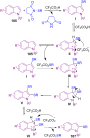
Scheme 45: Proposed mechanism for TFA-promoted C–H sulfenylation indoles.

Scheme 46: Organocatalyzed sulfenylation and selenenylation of 3-pyrrolyloxindoles.

Scheme 47: Organocatalyzed sulfenylation of S-based nucleophiles.

Scheme 48: Conjugate Lewis base Brønsted acid-catalyzed sulfenylation of N-heterocycles.

Scheme 49: Mechanism for activation of N-sulfanylsuccinimide by conjugate Lewis base Brønsted acid catalyst.

Scheme 50: Sulfenylation of deconjugated butyrolactams.

Scheme 51: Intramolecular sulfenofunctionalization of alkenes with phenols.

Scheme 52: Organocatalytic 1,3-difunctionalizations of Morita–Baylis–Hillman carbonates.

Scheme 53: Organocatalytic sulfenylation of β‑naphthols.

Scheme 54: Acid-promoted oxychalcogenation of o‑vinylanilides with N‑(arylthio/arylseleno)succinimides.

Scheme 55: Lewis base/Brønsted acid dual-catalytic C–H sulfenylation of aryls.

Scheme 56: Lewis base-catalyzed sulfenoamidation of alkenes.

Scheme 57: Cyclization of allylic amide using a Brønsted acid and tetrabutylammonium chloride.

Scheme 58: Catalytic electrophilic thiocarbocyclization of allenes with N-thiosuccinimides.

Scheme 59: Suggested mechanism for electrophilic thiocarbocyclization of allenes with N-thiosuccinimides.

Scheme 60: Chiral chalcogenide-catalyzed enantioselective hydrothiolation of alkenes.

Scheme 61: Proposed mechanism for chalcogenide-catalyzed enantioselective hydrothiolation of alkenes.

Scheme 62: Organocatalytic sulfenylation for synthesis a diheteroatom-bearing tetrasubstituted carbon centre.

Scheme 63: Thiolative cyclization of yne-ynamides.

Scheme 64: Synthesis of alkynyl and acyl disulfides from reaction of thiols with N-alkynylthio phthalimides.

Scheme 65: Oxysulfenylation of alkenes with 1-(arylthio)pyrrolidine-2,5-diones and alcohols.

Scheme 66: Arylthiolation of arylamines with (arylthio)-pyrrolidine-2,5-diones.

Scheme 67: Catalyst-free isothiocyanatoalkylthiation of styrenes.

Scheme 68: Sulfenylation of (E)-β-chlorovinyl ketones toward 3,4-dimercaptofurans.

Scheme 69: HCl-promoted intermolecular 1, 2-thiofunctionalization of aromatic alkenes.

Scheme 70: Possible mechanism for HCl-promoted 1,2-thiofunctionalization of aromatic alkenes.

Scheme 71: Coupling reaction of diazo compounds with N-sulfenylsuccinimides.

Scheme 72: Multicomponent reactions of disulfides with isocyanides and other nucleophiles.

Scheme 73: α-Sulfenylation and β-sulfenylation of α,β-unsaturated carbonyl compounds.
Intermediates and shunt products of massiliachelin biosynthesis in Massilia sp. NR 4-1
- Till Steinmetz,
- Blaise Kimbadi Lombe and
- Markus Nett
Beilstein J. Org. Chem. 2023, 19, 909–917, doi:10.3762/bjoc.19.69
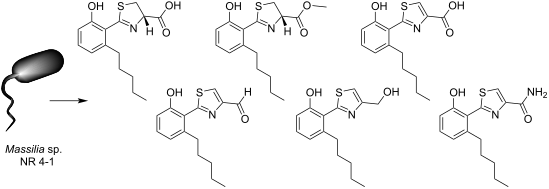
- formation of the terminal carboxamide in 6 might be due to a spontaneous C–N bond cleavage, which occurs in 1’’ prior to the cyclization, consistent with a mechanism recently proposed in photoxenobactin biosynthesis [34]. Despite the widespread occurrence of siderophores featuring a phenolic moiety with a

Graphical Abstract

Figure 1: Selected siderophores from β-proteobacteria.

Figure 2: Chemical structures of compounds 1–6 isolated in this study and of the structurally related siderop...

Figure 3: 1H,1H-COSY and selected 1H,13C-HMBC correlations in 1.

Figure 4: Proposed origin of the isolated compounds 1–6 as well as massiliachelin (7). Domain notation of the...
Pyridine C(sp2)–H bond functionalization under transition-metal and rare earth metal catalysis
- Haritha Sindhe,
- Malladi Mounika Reddy,
- Karthikeyan Rajkumar,
- Akshay Kamble,
- Amardeep Singh,
- Anand Kumar and
- Satyasheel Sharma
Beilstein J. Org. Chem. 2023, 19, 820–863, doi:10.3762/bjoc.19.62
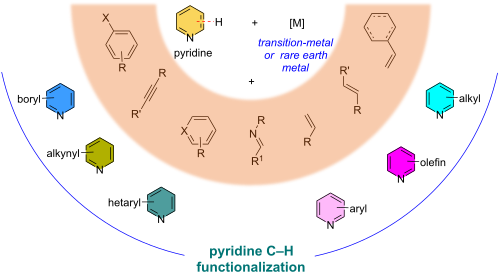

Graphical Abstract

Figure 1: Representative examples of bioactive natural products and FDA-approved drugs containing a pyridine ...

Scheme 1: Classical and traditional methods for the synthesis of functionalized pyridines.

Scheme 2: Rare earth metal (Ln)-catalyzed pyridine C–H alkylation.

Scheme 3: Pd-catalyzed C–H alkylation of pyridine N-oxide.

Scheme 4: CuI-catalyzed C–H alkylation of N-iminopyridinium ylides with tosylhydrazones (A) and a plausible r...
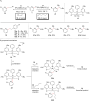
Scheme 5: Zirconium complex-catalyzed pyridine C–H alkylation.

Scheme 6: Rare earth metal-catalyzed pyridine C–H alkylation with nonpolar unsaturated substrates.

Scheme 7: Heterobimetallic Rh–Al complex-catalyzed ortho-C–H monoalkylation of pyridines.

Scheme 8: Mono(phosphinoamido)-rare earth complex-catalyzed pyridine C–H alkylation.

Scheme 9: Rhodium-catalyzed pyridine C–H alkylation with acrylates and acrylamides.

Scheme 10: Ni–Al bimetallic system-catalyzed pyridine C–H alkylation.

Scheme 11: Iridium-catalyzed pyridine C–H alkylation.
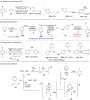
Scheme 12: para-C(sp2)–H Alkylation of pyridines with alkenes.

Scheme 13: Enantioselective pyridine C–H alkylation.

Scheme 14: Pd-catalyzed C2-olefination of pyridines.

Scheme 15: Ru-catalyzed C-6 (C-2)-propenylation of 2-arylated pyridines.
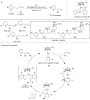
Scheme 16: C–H addition of allenes to pyridines catalyzed by half-sandwich Sc metal complex.

Scheme 17: Pd-catalyzed stereodivergent synthesis of alkenylated pyridines.

Scheme 18: Pd-catalyzed ligand-promoted selective C3-olefination of pyridines.

Scheme 19: Mono-N-protected amino acids in Pd-catalyzed C3-alkenylation of pyridines.

Scheme 20: Amide-directed and rhodium-catalyzed C3-alkenylation of pyridines.

Scheme 21: Bimetallic Ni–Al-catalyzed para-selective alkenylation of pyridine.

Scheme 22: Arylboronic ester-assisted pyridine direct C–H arylation.
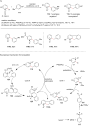
Scheme 23: Pd-catalyzed C–H arylation/benzylation with toluene.

Scheme 24: Pd-catalyzed pyridine C–H arylation with potassium aryl- and heteroaryltrifluoroborates.

Scheme 25: Transient activator strategy in pyridine C–H biarylation.
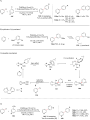
Scheme 26: Ligand-promoted C3-arylation of pyridine.

Scheme 27: Pd-catalyzed arylation of nicotinic and isonicotinic acids.

Scheme 28: Iron-catalyzed and imine-directed C–H arylation of pyridines.

Scheme 29: Pd–(bipy-6-OH) cooperative system-mediated direct pyridine C3-arylation.

Scheme 30: Pd-catalyzed pyridine N-oxide C–H arylation with heteroarylcarboxylic acids.

Scheme 31: Pd-catalyzed C–H cross-coupling of pyridine N-oxides with five-membered heterocycles.

Scheme 32: Cu-catalyzed dehydrative biaryl coupling of azine(pyridine) N-oxides and oxazoles.

Scheme 33: Rh(III)-catalyzed cross dehydrogenative C3-heteroarylation of pyridines.

Scheme 34: Pd-catalyzed C3-selective arylation of pyridines.
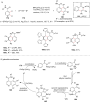
Scheme 35: Rhodium-catalyzed oxidative C–H annulation of pyridines to quinolines.
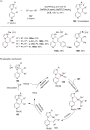
Scheme 36: Rhodium-catalyzed and NHC-directed C–H annulation of pyridine.

Scheme 37: Ni/NHC-catalyzed regio- and enantioselective C–H cyclization of pyridines.

Scheme 38: Rare earth metal-catalyzed intramolecular C–H cyclization of pyridine to azaindolines.

Scheme 39: Rh-catalyzed alkenylation of bipyridine with terminal silylacetylenes.

Scheme 40: Rollover cyclometallation in Rh-catalyzed pyridine C–H functionalization.

Scheme 41: Rollover pathway in Rh-catalyzed C–H functionalization of N,N,N-tridentate chelating compounds.

Scheme 42: Pd-catalyzed rollover pathway in bipyridine-6-carboxamides C–H arylation.
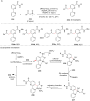
Scheme 43: Rh-catalyzed C3-acylmethylation of bipyridine-6-carboxamides with sulfoxonium ylides.

Scheme 44: Rh-catalyzed C–H functionalization of bipyridines with alkynes.

Scheme 45: Rh-catalyzed C–H acylmethylation and annulation of bipyridine with sulfoxonium ylides.

Scheme 46: Iridium-catalyzed C4-borylation of pyridines.

Scheme 47: C3-Borylation of pyridines.

Scheme 48: Pd-catalyzed regioselective synthesis of silylated dihydropyridines.
A new oxidatively stable ligand for the chiral functionalization of amino acids in Ni(II)–Schiff base complexes
- Alena V. Dmitrieva,
- Oleg A. Levitskiy,
- Yuri K. Grishin and
- Tatiana V. Magdesieva
Beilstein J. Org. Chem. 2023, 19, 566–574, doi:10.3762/bjoc.19.41
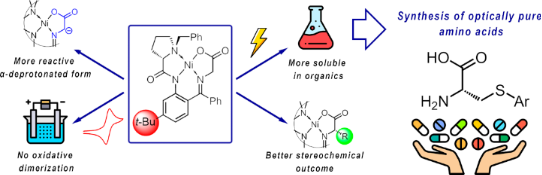
- )-1-benzylpyrrolidine-2-carboxamide) and its Ni(II)–Schiff base complexes formed of glycine, serine, and dehydroalanine are reported. A bulky tert-butyl substituent in the phenylene fragment precludes unwanted oxidative dimerization of the Schiff base complex, making it suitable for targeted
- )-benzylproline lead to (S)-N-(2-benzoyl-5-tert-butylphenyl)-1-benzylpyrrolidine-2-carboxamide (L7) in 73% yield with 96% ee (see Supporting Information File 1). The self-assembly of the three components L7, Ni(NO3)2, and glycine gave the corresponding (GlyNi)L7 complex which was isolated in 66% yield and fully
- (S)-N-benzylproline-derived ligand (S)-N-(2-benzoyl-5-tert-butylphenyl)-1-benzylpyrrolidine-2-carboxamide and its Ni(II)–Schiff base complexes formed of glycine, serine, and dehydroalanine are reported. The bulky tert-butyl substituent inserted in the phenylene fragment of the ligand allowed to solve

Graphical Abstract

Scheme 1: Selected examples of the chiral ligands used for synthesis of the Ni(II)–Schiff base complexes.

Scheme 2: Synthesis of the chiral ligand L7 and its Ni(II) complexes with glycine, serine, dehydroalanine, an...

Figure 1: Fragment of the NOESY spectrum of the ʟ-(oBrCysNi)L7 complex indicating the correlation between the...

Figure 2: Low-gradient isosurfaces with low densities (blue color of the isosurface corresponds to the hydrog...
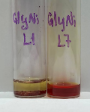
Figure 3: Saturated solutions of (GlyNi)L1 (left) and (GlyNi)L7 (right) in diethyl ether.

Figure 4: The CV curves observed for (GlyNi)L7 and (ΔAlaNi)L7 in the anodic and cathodic regions (Pt, CH3CN, ...
An efficient metal-free and catalyst-free C–S/C–O bond-formation strategy: synthesis of pyrazole-conjugated thioamides and amides
- Shubham Sharma,
- Dharmender Singh,
- Sunit Kumar,
- Vaishali,
- Rahul Jamra,
- Naveen Banyal,
- Deepika,
- Chandi C. Malakar and
- Virender Singh
Beilstein J. Org. Chem. 2023, 19, 231–244, doi:10.3762/bjoc.19.22
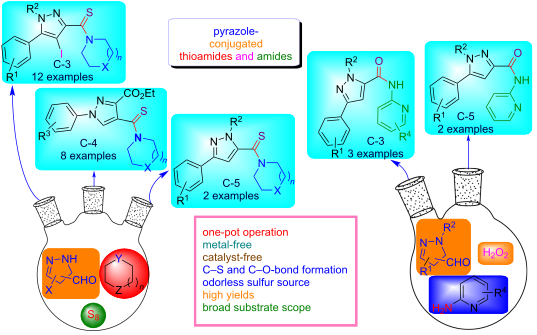
- product was the desired product, 5-(4-fluorophenyl)-1-phenyl-N-(pyridin-2-yl)-1H-pyrazole-3-carboxamide (1F), as analyzed by spectroscopic data. Next, we screened other organic solvents including DMF, CH3CN, THF, and MeOH to improve the yield of the desired product 1F, but only a slight improvement in the
- . Using this method, 3-(4-chlorophenyl)-1-phenyl-N-(pyridin-2-yl)-1H-pyrazole-5-carboxamide (10F) was produced in good yield (62%), while 9F was generated in low yield (36%) as depicted in Scheme 8. Based on the current experimental observations and literature reports [62][83] a plausible mechanistic
- %; Rf 0.68, (hexane/EtOAc 70:30, v/v)). Typical procedure for the synthesis of compounds 1F, 1G, 4F, 9F, and 10F as exemplified for 5-(4-fluorophenyl)-1-phenyl-N-(pyridin-2-yl)-1H-pyrazole-3-carboxamide (1F): To a stirred solution of compound 1 (0.10 g, 0.37 mmol) and 2-aminopyridine (F, 0.04 g, 0.42

Graphical Abstract

Figure 1: Representative drug molecules based on pyrazole, thioamide, and amide derivatives.

Figure 2: Previous and present findings for the synthesis of thioamide derivatives.

Scheme 1: Synthesis of pyrazole C-3-tethered thioamides.

Scheme 2: Synthesis of pyrazole C-4-tethered thioamides.

Scheme 3: Metal- and catalyst-free preparation of pyrazole C-5-linked thioamide conjugates.

Scheme 4: Synthesis of 4-iodopyrazole C-3-tethered thioamides.

Scheme 5: Gram-scale scope of the current protocol.

Scheme 6: Control experiment.

Scheme 7: H2O2-mediated synthesis of pyrazole-pyridine conjugates with amide tethers.

Scheme 8: Synthesis of pyrazole-pyridine conjugates 9F and 10F having amide tethers.

Scheme 9: A tentative mechanism for the formation of pyrazole conjugates with thioamide and amide linkage.
New triazole-substituted triterpene derivatives exhibiting anti-RSV activity: synthesis, biological evaluation, and molecular modeling
- Elenilson F. da Silva,
- Krist Helen Antunes Fernandes,
- Denise Diedrich,
- Jessica Gotardi,
- Marcia Silvana Freire Franco,
- Carlos Henrique Tomich de Paula da Silva,
- Ana Paula Duarte de Souza and
- Simone Cristina Baggio Gnoatto
Beilstein J. Org. Chem. 2022, 18, 1524–1531, doi:10.3762/bjoc.18.161
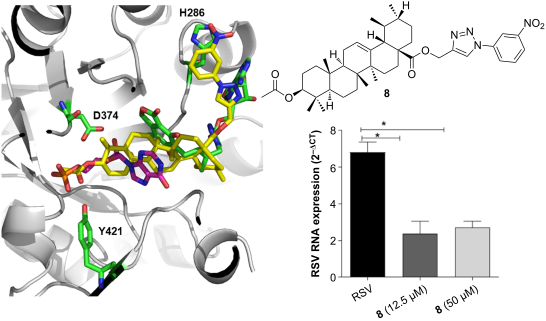
- , University of São Paulo, Ribeirão Preto, SP 14040-020, Brazil 10.3762/bjoc.18.161 Abstract Respiratory syncytial virus (RSV) is a major cause of acute lower respiratory tract infections in infants. Currently, ribavirin, a nucleoside analog containing a 1,2,4-triazole-3-carboxamide moiety, is a first-line
- with COVID-19 precautions; however, they state that less RSV cases now could reduce immunity and they fear there will be a rebound in infections after the pandemic [4][5][6][7]. As a therapeutic resource, ribavirin, a nucleoside analog prodrug containing a 1,2,4-triazole-3-carboxamide moiety (RBV
- -triazole ring introduced by click chemistry in order to mimic the 1,2,4-triazole-3-carboxamide structure of RBV. This strategy was based on the bioisosteric relationship between both rings established in several papers [32][33][34]. Studies have made modifications at the C-3 and C-28 positions of

Graphical Abstract

Figure 1: Structures of RBV, betulinic acid (1), and ursolic acid (2).

Scheme 1: Synthesis of 1-azido-3-nitrobenzene (c).

Scheme 2: Synthesis of the triazole-substituted triterpene derivatives 7 and 8.

Figure 2: (A) Activity of compound 8 in A549 cells infected with RSV. MTT assay 96 h after treatment. DMSO (0...
Figure 3: Superposition of the top-ranked docking solution of compound 8 (carbon atoms in yellow, in stick re...
A versatile way for the synthesis of monomethylamines by reduction of N-substituted carbonylimidazoles with the NaBH4/I2 system
- Lin Chen,
- Xuan Zhou,
- Zhiyong Chen,
- Changxu Wang,
- Shunjie Wang and
- Hanbing Teng
Beilstein J. Org. Chem. 2022, 18, 1032–1039, doi:10.3762/bjoc.18.104

- materials including amines, carboxylic acids and isocyanates under mild and safe reaction conditions. Results and Discussion Initially, N-phenethyl-1H-imidazole-1-carboxamide (1b) was chosen as a model substrate to react with 3.0 equiv of NaBH4 and 1.0 equiv of I2 in THF at reflux temperature, as expected

Graphical Abstract

Scheme 1: The synthesis of formamides and monomethylamines.

Scheme 2: The possible reaction mechanism. RDS = rate determining step.
Molecular diversity of the base-promoted reaction of phenacylmalononitriles with dialkyl but-2-ynedioates
- Hui Zheng,
- Ying Han,
- Jing Sun and
- Chao-Guo Yan
Beilstein J. Org. Chem. 2022, 18, 991–998, doi:10.3762/bjoc.18.99

- multifunctionalized carboxamide-bridged dicyclopentenes in moderate to good yields and with high diastereoselectivity. Keywords: carboxamide; cycloaddition; cyclopentene; electron-deficient alkyne; phenacylmalononitrile; Introduction Phenacylmalononitrile is one of the privileged functionalized compounds [1][2][3
- base-promoted reactions between phenacylmalononitriles and dialkyl but-2-ynedioates. Here we wish to report the selective synthesis of cyclopent-1-ene-1,2-dicarboxylates and complex carboxamide-bridged dicyclopentene derivatives in good yields and with high diastereoselectivity (reaction 5 in Scheme 1
- ). From the two figures, it can be seen that a cyclopentadiene moiety is connected to a cyclopent-1-ene moiety by a carboxamide unit (CONH). Although one hydroxy group is eliminated to give the cyclopentadiene ring, another hydroxy group is still present in the cyclopent-1-ene ring. Additionally, in the

Graphical Abstract

Scheme 1: Representative cycloaddition reactions of phenacylmalononitriles.

Figure 1: Single crystal structure of compound 3k.

Figure 2: Single crystal structure of compound 4a.

Figure 3: Single crystal structure of compound 4c.

Scheme 2: Proposed reaction mechanism for compounds 3, 4, and 5.

Figure 4: Single crystal structure of compound 5.

Scheme 3: Control experiment.



