


Search results
Search for "difluorocarbene" in Full Text gives 24 result(s) in Beilstein Journal of Organic Chemistry.
Mechanochemical difluoromethylations of ketones
- Jinbo Ke,
- Pit van Bonn and
- Carsten Bolm
Beilstein J. Org. Chem. 2024, 20, 2799–2805, doi:10.3762/bjoc.20.235
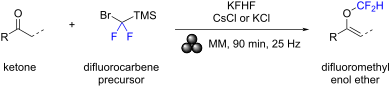
- efficiently converted to the target products under solvent-free conditions. The reactions proceed at room temperature and are complete within 90 minutes, demonstrating both efficiency and experimental simplicity. Keywords: ball milling; difluorocarbene; difluoromethylations; difluoromethyl enol ether
- structures can improve physicochemical and biological properties [19][20][21][22][23][24][25][26][27]. Among these groups, the difluoromethyl moiety has gained considerable attention [28][29][30]. Commonly, it is synthesized by the reaction of a nucleophile with difluorocarbene. However, the generation of
- difluorocarbene typically requires harsh conditions and involves toxic precursors, alongside with the risk of dimerization to tetrafluoroethylene [31]. Although this dimerization can be mitigated by controlling the concentration and reaction environment, as longer half-lives are observed for difluorocarbenes in

Graphical Abstract

Scheme 1: Overview over difluoromethyl enol ether syntheses from acyclic and cyclic 1,3-diones (A), acyclic k...

Scheme 2: Attempted difluoromethylation of 1a in solution. The reactions were performed on a 0.2 mmol scale. ...

Scheme 3: Scope of ketones. The yields were determined by 1H NMR spectroscopy using 1,2-dichloroethane as the...

Scheme 4: Proposed mechanism (A) and mechanistic investigations (B and C). The yields were determined by 1H N...
Access to cyclopropanes with geminal trifluoromethyl and difluoromethylphosphonate groups
- Ita Hajdin,
- Romana Pajkert,
- Mira Keßler,
- Jianlin Han,
- Haibo Mei and
- Gerd-Volker Röschenthaler
Beilstein J. Org. Chem. 2023, 19, 541–549, doi:10.3762/bjoc.19.39
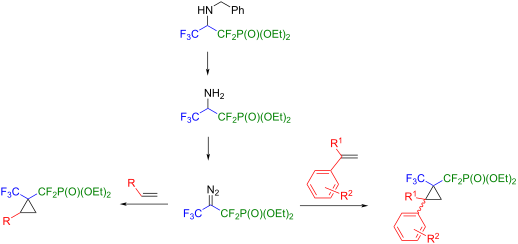
- , the synthesis of difluoromethylcyclopropanes utilizing difluoromethyldiazo reagents remains rather unexplored. Nevertheless, some difluorocarbene reagents, including HCF2CH(N2) [32], Ph2S+CH2CF2H TfO− [33], and difluoroacetaldehyde N-triftosylhydrazone (DFHZTfs) [34], have been developed (Scheme 1B

Graphical Abstract
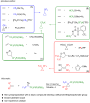
Scheme 1: Previous works (A–D) and the extension (this work).

Scheme 2: Synthesis of diethyl 2-diazo-1,1,3,3,3-pentafluoropropylphosphonate (5).

Scheme 3: Scope of the cyclopropanation. Reaction conditions: alkene (0.15 mmol), diazo compound 5 (0.1 mmol)...

Figure 1: 19F,1H-HOESY spectrum of compound 6c.

Scheme 4: Scope of the cyclopropanation. Reaction conditions: alkene (0.15 mmol), diazo compound 5 (0.1 mmol)...

Scheme 5: Addition of CuI to the diazo compound 5.

Scheme 6: Possible addition of styrene to Int2 yielding Int4_1 and Int4_2 through Int3_1 and Int3_2.

Scheme 7: Possible addition of styrene to Int2 yielding Int4_3 and Int4_4 without further intermediates.

Scheme 8: Formation of the products Pr1 to Pr4.
Cathodic generation of reactive (phenylthio)difluoromethyl species and its reactions: mechanistic aspects and synthetic applications
- Sadanobu Iwase,
- Shinsuke Inagi and
- Toshio Fuchigami
Beilstein J. Org. Chem. 2022, 18, 872–880, doi:10.3762/bjoc.18.88
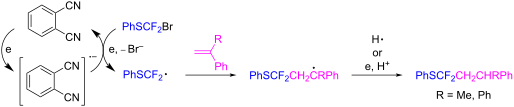
- seems to undergo elimination of difluorocarbene to generate a phenylthiolate anion which reacts with compound 1 to form product 3 as shown in Scheme 6. In order to confirm the proposed reaction pathway to product 3, the reaction of bromodifluoromethyl phenyl sulfide (1) with phenylthiolate anion was
- performed at room temperature. As expected, product 3 was formed in moderate yield of 67% as shown in Scheme 7. It is known that difluorocarbene has generally low reactivity towards olefins; however, it can be trapped with electron-rich olefins [32]. In order to trap difluorocarbene with an olefin, we tried
- to increase the amount of generated difluorocarbene by increasing the current density for the cathodic reduction of compound 1. Thus, the cathodic reduction of 1 was carried out completely at a high current density of 16 mA/cm2 in the presence of α-methylstyrene. As shown in Scheme 8, the expected

Graphical Abstract

Scheme 1: Electrochemical gem-difluorination of sulfides bearing α-electron-withdrawing groups.

Scheme 2: Electrochemical gem-difluorodesulfurization of dithioacetals.

Scheme 3: Electrochemical gem-difluorodesulfurization of dithiocarbonate.

Scheme 4: Cathodic reduction of 1.

Figure 1: Cyclic voltammograms of (a) PhSCF2Br (1, 8 mM) in 0.1 M n-Bu4NClO4/MeCN; (b) o-phthalonitrile (4 mM...

Scheme 5: Indirect cathodic reduction of 1 using o-phthalonitrile as mediator.

Scheme 6: Mechanism for the formation of product 3.

Scheme 7: Reaction of compound 1 with PhS anions.

Scheme 8: Cathodic reduction of compound 1 in the presence of α-methylstyrene at a high current density.

Scheme 9: Indirect cathodic reduction of compound 1 in CD3CN.

Scheme 10: Indirect cathodic reduction of compound 1 in the presence of 1,1-diphenylethylene.

Scheme 11: Reaction mechanism.
Catalyzed and uncatalyzed procedures for the syntheses of isomeric covalent multi-indolyl hetero non-metallides: an account
- Ranadeep Talukdar
Beilstein J. Org. Chem. 2021, 17, 2102–2122, doi:10.3762/bjoc.17.137

- . Here the base assisted the condensation of 2-(fluorosulfonyl)difluoroacetic acid (115) with 1 followed by decarboxylation to give difluorocarbene and sulfinate 119, that combine to produce sulfanol 121, which in the presence of acid and reaction with another molecule of indole affords 105. In 2018

Graphical Abstract

Scheme 1: Synthesis of 2,2’-bis(indole)borinic ester 3.

Scheme 2: Synthesis of 2,2’-bisindole NHC·boranes by an SEAr mechanism.

Scheme 3: Syntheses of indolyl amines through Buchwald–Hartwig cross coupling.

Scheme 4: Synthesis of 3,3’-bis(indolyl) ethers.

Scheme 5: C–H silylation of indoles.

Scheme 6: n-BuLi-mediated syntheses of bis(indol-3-yl)silanes.
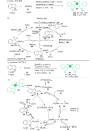
Scheme 7: Acid-catalyzed syntheses of bis(indol-3-yl)silanes and mechanisms.

Scheme 8: B(C6F5)3 and Al(C6F5)3-catalyzed syntheses of bis(indol-3-yl)silanes reported by Han.

Scheme 9: Base-mediated syntheses of bis and tris(indol-2-yl)phosphines.

Scheme 10: Synthesis of bis(indol-2-yl)sulfides using SL2-type reagents.

Scheme 11: Synthesis of 2,3’- and 2,2’-bis(indolyl)sulfides using disulfides as substrates.

Scheme 12: Synthesis of diindol-2-ylsulfide (84) from 2-iodoindole (92) and thiourea.

Scheme 13: Synthesis of bis(indol-3-yl)sulfides using N-silylated 3-bromoindole 93.

Scheme 14: Fischer indole synthesis of bis(indol-3-yl)sulfides using thio diketones.
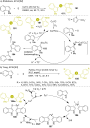
Scheme 15: Oxidative synthesis of bis(indol-3-yl)sulfides using indoles and elemental sulfur.
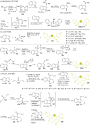
Scheme 16: Synthesis of bis(indol-3-yl)sulfides using sulfoxides as sulfur source.

Scheme 17: Syntheses of bis(indol-2-yl)selanes.
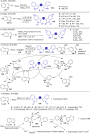
Scheme 18: Syntheses of bis(indol-3-yl)selanes.

Scheme 19: Synthesis of bis(indol-2-yl)tellane 147.

Scheme 20: Synthesis of tris(indolyl)borane 154.

Scheme 21: Synthesis of bis(indol-4-yl)amines 159.

Scheme 22: Synthesis of bis(indol-5-yl)amines.

Scheme 23: Synthesis of 6,5’/6,6’-bis(indolyl)amines.

Scheme 24: Synthesis of potent HIV-inhibitors 6,6’-bis(indolyl) ethers.

Scheme 25: Synthesis of bis(indol-7-yl) ether.

Scheme 26: Synthesis of di(indol-5-yl)sulfide (183).

Scheme 27: Syntheses of 2,2’-diformyl-7,7’-bis(indolyl)selenides.
Synthesis of bis(aryloxy)fluoromethanes using a heterodihalocarbene strategy
- Carl Recsei and
- Yaniv Barda
Beilstein J. Org. Chem. 2021, 17, 813–818, doi:10.3762/bjoc.17.70

- )fluoromethane synthesis is a 1973 report by Platonov of the reaction of a slight excess of dichlorofluoromethane with pentafluorophenol in the presence of base, presumably via chlorofluorocarbene as an intermediate (Scheme 2) [6]. Typically, phenoxides are known to react with difluorocarbene to form
- a screen of bases, reactant ratios, reactor pressure, addition rates and temperature. A compound with the requisite molecular formula was produced as a minor product by the reaction of 6 (Scheme 3) with difluorocarbene generated at elevated temperature via decarboxylation of chlorodifluoroacetate
- aldehydes were present, and that unreacted phenol comprised a further 26% of the mass balance. Thus, the reactivity of fluorobromocarbene in this case mirrored the tendency of difluorocarbene to react with phenoxides to form dihalomethyl phenyl ethers, rather than forming aldehydes as with dichlorocarbene

Graphical Abstract

Scheme 1: Retrosynthesis of compound 1.

Scheme 2: Reported bis(aryloxy)fluoromethane syntheses. Reagents and conditions: (a) Cl2FCH, NaOH, 1,4-dioxan...

Scheme 3: Attempted synthesis of 4. Reagents and conditions: (a) Ca(OH)2, 1,4-dioxane/water, reflux, 72 h, 5%...

Scheme 4: Synthesis of 10. Reagents and conditions: (a) BrFCHCO2Et, Cs2CO3, DMF, 35 °C, 16 h then H2O, 35 °C,...

Scheme 5: Synthesis of 1. Reagents and conditions: (a) 1,3-dibromo-5,5-dimethylhydantoin, benzoyl peroxide, (...

Scheme 6: Synthesis of 11–13. Reagents and conditions: ArOH (1.3 mmol), Br2FCH (1.3 mmol), KOH (4 mmol), MeCN...

Scheme 7: Proposed mechanism for the formation of compound 11.
Synthesis of trifluoromethyl ketones by nucleophilic trifluoromethylation of esters under a fluoroform/KHMDS/triglyme system
- Yamato Fujihira,
- Yumeng Liang,
- Makoto Ono,
- Kazuki Hirano,
- Takumi Kagawa and
- Norio Shibata
Beilstein J. Org. Chem. 2021, 17, 431–438, doi:10.3762/bjoc.17.39
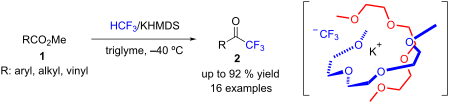
- ], has dramatically improved the prospects. One of the problems facing the treatment of HCF3 for nucleophilic trifluoromethylation reactions is the low stability of the directly generated CF3 anion (CF3−) for decomposing to difluorocarbene (:CF2) and fluoride (F−) (Scheme 1a). Due to the formation of
- highly stable fluoride salts (MF), the breakdown of CF3− into difluorocarbene in the presence of alkali (M+) and other metal cations is favored. In earlier studies, the solvent N,N-dimethylformamide (DMF), was essential for nucleophilic trifluoromethylation by HCF3 since DMF acts as a CF3 anion reservoir
- . Trifluoromethyl ketones. a) Hydrolysis of trifluoromethyl ketones. b) Selected examples of biologically active trifluoromethyl ketones. Chemistry of the CF3 anion generated from HCF3. a) Decomposition of the trifluoromethyl anion to difluorocarbene and fluoride. b) A hemiaminaloate adduct of CF3 anion to DMF. c

Graphical Abstract

Scheme 1: Chemistry of the CF3 anion generated from HCF3. a) Decomposition of the trifluoromethyl anion to di...

Figure 1: Trifluoromethyl ketones. a) Hydrolysis of trifluoromethyl ketones. b) Selected examples of biologic...

Scheme 2: Trifluoromethylation of esters by HCF3 by a) Russell and Roques (1998), b) Prakash and co-workers (...

Scheme 3: Substrate scope of esters 1 for trifluoromethylation by HCF3 under the optimized conditions. aDeter...
The preparation and properties of 1,1-difluorocyclopropane derivatives
- Kymbat S. Adekenova,
- Peter B. Wyatt and
- Sergazy M. Adekenov
Beilstein J. Org. Chem. 2021, 17, 245–272, doi:10.3762/bjoc.17.25
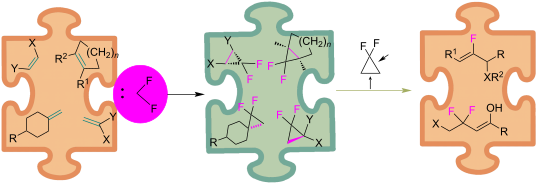
- Difluorocarbene methods with non-metal sources Difluorocarbene chemistry was first reported by Doering in 1954 [12]. The lone electron pairs on the fluorine substituents interact with the carbene center, making the structure stabilized [13]. Difluorocyclopropanes 4 were synthesized from the reaction of
- halodifluoromethanes and alkenes (Scheme 2). The elimination of hydrogen halide from the halodifluoromethane under basic conditions (metal alkoxide or alkyllithium) generated difluorocarbene [14][15]. The low yields of the product have been attributed to the facile addition of the strong bases to difluorocarbene. The
- yields were best in the reactions with electron-rich alkenes and when a low concentration of the base was used to minimize the destruction of difluorocarbene. The use of oxirane or epichlorohydrin as hydrogen halide scavengers avoided the need for a stoichiometric amount of the strong base [16][17]. The

Graphical Abstract

Scheme 1: Synthesis of 1,1-difluoro-2,3-dimethylcyclopropane (2).

Scheme 2: Cyclopropanation via dehydrohalogenation of chlorodifluoromethane.

Scheme 3: Difluorocyclopropanation of methylstyrene 7 using dibromodifluoromethane and zinc.

Scheme 4: Synthesis of difluorocyclopropanes from the reaction of dibromodifluoromethane and triphenylphosphi...

Scheme 5: Generation of difluorocarbene in a catalytic two-phase system and its addition to tetramethylethyle...

Scheme 6: The reaction of methylstyrene 7 with chlorodifluoromethane (11) in the presence of a tetraarylarson...

Scheme 7: Pyrolysis of sodium chlorodifluoroacetate (12) in refluxing diglyme in the presence of alkene 13.

Scheme 8: Synthesis of boron-substituted gem-difluorocyclopropanes 16.

Scheme 9: Addition of sodium bromodifluoroacetate (17) to alkenes.

Scheme 10: Addition of sodium bromodifluoroacetate (17) to silyloxy-substituted cyclopropanes 20.

Scheme 11: Synthesis of difluorinated nucleosides.

Scheme 12: Addition of butyl acrylate (26) to difluorocarbene generated from TFDA (25).

Scheme 13: Addition of difluorocarbene to propargyl esters 27 and conversion of the difluorocyclopropenes 28 t...

Scheme 14: The generation of difluorocyclopropanes using MDFA 30.

Scheme 15: gem-Difluorocyclopropanation of styrene (32) using difluorocarbene generated from TMSCF3 (31) under...

Scheme 16: Synthesis of a gem-difluorocyclopropane derivative using HFPO (41) as a source of difluorocarbene.

Scheme 17: Cyclopropanation of (Z)-2-butene in the presence of difluorodiazirine (44).

Scheme 18: The cyclopropanation of 1-octene (46) using Seyferth's reagent (45) as a source of difluorocarbene.

Scheme 19: Alternative approaches for the difluorocarbene synthesis from trimethyl(trifluoromethyl)tin (48).

Scheme 20: Difluorocyclopropanation of cyclohexene (49).

Scheme 21: Synthesis of difluorocyclopropane derivative 53 using bis(trifluoromethyl)cadmium (51) as the diflu...

Scheme 22: Addition of difluorocarbene generated from tris(trifluoromethyl)bismuth (54).

Scheme 23: Addition of a stable (trifluoromethyl)zinc reagent to styrenes.

Scheme 24: The preparation of 2,2-difluorocyclopropanecarboxylic acids of type 58.

Scheme 25: Difluorocyclopropanation via Michael cyclization.

Scheme 26: Difluorocyclopropanation using N-acylimidazolidinone 60.

Scheme 27: Difluorocyclopropanation through the cyclization of phenylacetonitrile (61) and 1,2-dibromo-1,1-dif...

Scheme 28: gem-Difluoroolefins 64 for the synthesis of functionalized cyclopropanes 65.

Scheme 29: Preparation of aminocyclopropanes 70.

Scheme 30: Synthesis of fluorinated methylenecyclopropane 74 via selenoxide elimination.

Scheme 31: Reductive dehalogenation of (1R,3R)-75.

Scheme 32: Synthesis of chiral monoacetates by lipase catalysis.

Scheme 33: Transformation of (±)-trans-81 using Rhodococcus sp. AJ270.

Scheme 34: Transformation of (±)-trans-83 using Rhodococcus sp. AJ270.

Scheme 35: Hydrogenation of difluorocyclopropenes through enantioselective hydrocupration.

Scheme 36: Enantioselective transfer hydrogenation of difluorocyclopropenes with a Ru-based catalyst.

Scheme 37: The thermal transformation of trans-1,2-dichloro-3,3-difluorocyclopropane (84).

Scheme 38: cis–trans-Epimerization of 1,1-difluoro-2,3-dimethylcyclopropane.

Scheme 39: 2,2-Difluorotrimethylene diradical intermediate.

Scheme 40: Ring opening of stereoisomers 88 and 89.

Scheme 41: [1,3]-Rearrangement of alkenylcyclopropanes 90–92.

Scheme 42: Thermolytic rearrangement of 2,2-difluoro-1-vinylcyclopropane (90).

Scheme 43: Thermal rearrangement for ethyl 3-(2,2-difluoro)-3-phenylcyclopropyl)acrylates 93 and 95.

Scheme 44: Possible pathways of the ring opening of 1,1-difluoro-2-vinylcyclopropane.

Scheme 45: Equilibrium between 1,1-difluoro-2-methylenecyclopropane (96) and (difluoromethylene)cyclopropane 97...

Scheme 46: Ring opening of substituted 1,1-difluoro-2,2-dimethyl-3-methylenecyclopropane 98.

Scheme 47: 1,1-Difluorospiropentane rearrangement.

Scheme 48: Acetolysis of (2,2-difluorocyclopropyl)methyl tosylate (104) and (1,1-difluoro-2-methylcyclopropyl)...

Scheme 49: Ring opening of gem-difluorocyclopropyl ketones 106 and 108 by thiolate nucleophiles.

Scheme 50: Hydrolysis of gem-difluorocyclopropyl acetals 110.

Scheme 51: Ring-opening reaction of 2,2-difluorocyclopropyl ketones 113 in the presence of ionic liquid as a s...

Scheme 52: Ring opening of gem-difluorocyclopropyl ketones 113a by MgI2-initiated reaction with diarylimines 1...

Scheme 53: Ring-opening reaction of gem-difluorocyclopropylstannanes 117.

Scheme 54: Preparation of 1-fluorovinyl vinyl ketone 123 and the synthesis of 2-fluorocyclopentenone 124. TBAT...

Scheme 55: Iodine atom-transfer ring opening of 1,1-difluoro-2-(1-iodoalkyl)cyclopropanes 125a–c.

Scheme 56: Ring opening of bromomethyl gem-difluorocyclopropanes 130 and formation of gem-difluoromethylene-co...

Scheme 57: Ring-opening aerobic oxidation reaction of gem-difluorocyclopropanes 132.

Scheme 58: Dibrominative ring-opening functionalization of gem-difluorocyclopropanes 134.

Scheme 59: The selective formation of (E,E)- and (E,Z)-fluorodienals 136 and 137 from difluorocyclopropyl acet...

Scheme 60: Proposed mechanism for the reaction of difluoro(methylene)cyclopropane 139 with Br2.

Scheme 61: Thermal rearrangement of F2MCP 139 and iodine by CuI catalysis.

Scheme 62: Synthesis of 2-fluoropyrroles 142.

Scheme 63: Ring opening of gem-difluorocyclopropyl ketones 143 mediated by BX3.

Scheme 64: Lewis acid-promoted ring-opening reaction of 2,2-difluorocyclopropanecarbonyl chloride (148).

Scheme 65: Ring-opening reaction of the gem-difluorocyclopropyl ketone 106 by methanolic KOH.

Scheme 66: Hydrogenolysis of 1,1-difluoro-3-methyl-2-phenylcyclopropane (151).
Scheme 67: Synthesis of monofluoroalkenes 157.

Scheme 68: The stereoselective Ag-catalyzed defluorinative ring-opening diarylation of 1-trimethylsiloxy-2,2-d...

Scheme 69: Synthesis of 2-fluorinated allylic compounds 162.

Scheme 70: Pd-catalyzed cross-coupling reactions of gem-difluorinated cyclopropanes 161.

Scheme 71: The (Z)-selective Pd-catalyzed ring-opening sulfonylation of 2-(2,2-difluorocyclopropyl)naphthalene...

Figure 1: Structures of zosuquidar hydrochloride and PF-06700841.

Scheme 72: Synthesis of methylene-gem-difluorocyclopropane analogs of nucleosides.

Figure 2: Anthracene-difluorocyclopropane hybrid derivatives.

Figure 3: Further examples of difluorcyclopropanes in modern drug discovery.
Synthesis of aryl 2-bromo-2-chloro-1,1-difluoroethyl ethers through the base-mediated reaction between phenols and halothane
- Yukiko Karuo,
- Ayaka Kametani,
- Atsushi Tarui,
- Kazuyuki Sato,
- Kentaro Kawai and
- Masaaki Omote
Beilstein J. Org. Chem. 2021, 17, 89–96, doi:10.3762/bjoc.17.9

- demonstrated the synthesis of aryl fluoroalkyl ethers as shown in Scheme 1 [32][33][34]. For example, the reactions of phenols with “gem-difluorocarbene precursors (route (a))” or “bromodifluoroalkyl compounds (route (b))” have been typically used to obtain a variety of aryl gem-difluoromethyl ethers

Graphical Abstract

Figure 1: Medical compounds having a difluoromethyl group.

Scheme 1: Methods for the synthesis of ethers containing fluorine substituents.

Scheme 2: The previous work reported by Yagupol’skii et al.

Scheme 3: Intramolecular 1,4-addition of 2o.

Scheme 4: Proposed reaction mechanism.
Synthesis of purines and adenines containing the hexafluoroisopropyl group
- Viacheslav Petrov,
- Rebecca J. Dooley,
- Alexander A. Marchione,
- Elizabeth L. Diaz,
- Brittany S. Clem and
- William Marshall
Beilstein J. Org. Chem. 2020, 16, 2739–2748, doi:10.3762/bjoc.16.224
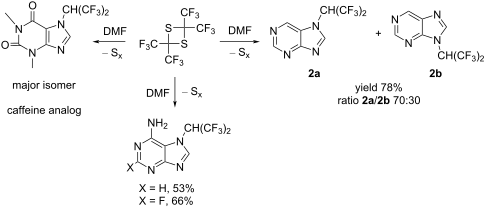
- caffeine, claimed in the patent literature [19][20] and 7-difluoromethyl caffeine, prepared by the insertion of difluorocarbene into the N–H bond of theophylline (7) [11][21][22]. Similar to the reaction of tetrakis(trifluoromethyl)-1,3-dithietane (1) and theophylline (7, Scheme 5), this process also led
- to the formation of two regioisomers, but interestingly, the ratio of the 7-CF2H- and 9-CF2H-isomers varied broadly from 1:2 [22] to 3:2, depending on the reaction conditions and the source of difluorocarbene [11]. Mechanism, regiochemistry, and rotation barriers of the CH(CF3)2 group The mechanism

Graphical Abstract

Scheme 1: Reaction of purine (2) with tetrakis(trifluoromethyl)-1,3-dithietane (1).

Figure 1: Crystal structure of 2a, with the thermal ellipsoids drawn at 30% probability.

Scheme 2: Reaction of 4-azabenzimidazole (3) with tetrakis(trifluoromethyl)-1,3-dithietane (1).

Scheme 3: Reaction of 5-azabenzimidazole (4) with 1.

Scheme 4: Reaction of adenine (5) and 2-fluoroadenine (6) with tetrakis(trifluoromethyl)-1,3-dithietane (1).

Scheme 5: Reaction of theophylline (7) with tetrakis(trifluoromethyl)-1,3-dithietane (1).

Figure 2: Crystal structure of 7a, with the thermal ellipsoids drawn at 30% probability.

Scheme 6: Probable mechanism of the reaction of tetrakis(trifluoromethyl)-1,3-dithietane (1) with compounds 2–...
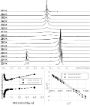
Figure 3: Top: 19F NMR spectra of 3a acquired over a sample temperature range of 223–373 K. Left: Fitted plot...

Figure 4: DFT-optimized structures of the two rotamers of 3a. Left: Lower-energy rotamer. Right: Higher-energ...
Photoredox-catalyzed silyldifluoromethylation of silyl enol ethers
- Vyacheslav I. Supranovich,
- Vitalij V. Levin and
- Alexander D. Dilman
Beilstein J. Org. Chem. 2020, 16, 1550–1553, doi:10.3762/bjoc.16.126

- silane is very sensitive to Lewis bases and accordingly it was used as a precursor of difluorocarbene, which can react with enol ethers [19][20] (Scheme 1). We showed that this silane could be involved in the radical chain hydrofluoroalkylation of electron-deficient alkenes, using a boron hydride as a
- employed in photoredox reactions to scavenge acidic byproducts [28][29], could not be employed. Silane 1 is easily destroyed by bases (even by the amide group [30]) followed by the rapid addition of difluorocarbene to silyl enol ethers [19][20]. Disappointingly, we were unable to isolate ketone 3a using

Graphical Abstract

Scheme 1: Reactions of (bromodifluoromethyl)trimethylsilane (1).

Scheme 2: Optimization studies. Yield determined by 19F NMR spectroscopy using an internal standard.

Figure 1: Reaction of silyl enol ethers. Yields refer to isolated yields. aReaction time 24 h; b1.0 equiv of ...

Scheme 3: Proposed mechanism of the fluoroalkylation reaction.
Copper-based fluorinated reagents for the synthesis of CF2R-containing molecules (R ≠ F)
- Louise Ruyet and
- Tatiana Besset
Beilstein J. Org. Chem. 2020, 16, 1051–1065, doi:10.3762/bjoc.16.92
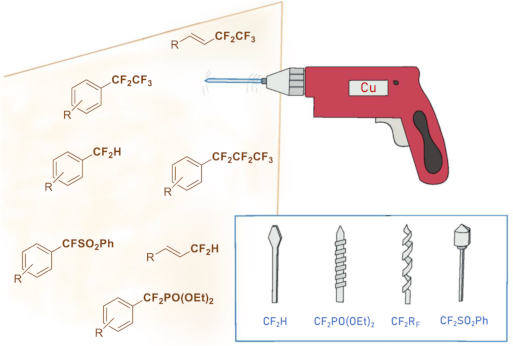
- and a subsequent homologation step involving a putative copper difluorocarbene will allow the formation of the CuCF2CF3 species. With this tool in hand, a panel of aryl iodides was functionalized (Scheme 24). Conclusion This review aims at providing an overview of the recent advances made since 2014

Graphical Abstract

Scheme 1: Synthesis of the first isolable (NHC)CuCF2H complexes from TMSCF2H and their application for the sy...

Scheme 2: Pioneer works for the in situ generation of CuCF2H from TMSCF2H and from n-Bu3SnCF2H. Phen = 1,10-p...
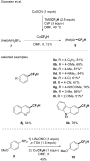
Scheme 3: A Sandmeyer-type difluoromethylation reaction via the in situ generation of CuCF2H from TMSCF2H. a ...
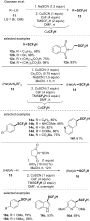
Scheme 4: A one pot, two-step sequence for the difluoromethylthiolation of various classes of compounds via t...
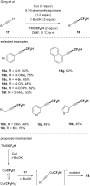
Scheme 5: A copper-mediated oxidative difluoromethylation of terminal alkynes via the in situ generation of a...
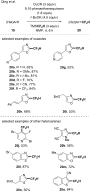
Scheme 6: A copper-mediated oxidative difluoromethylation of heteroarenes.
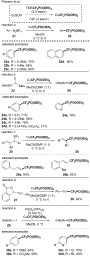
Scheme 7: Synthesis of difluoromethylphosphonate-containing molecules using the in situ-generated CuCF2PO(OEt)...
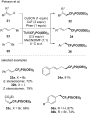
Scheme 8: Synthesis of difluoromethylphosphonate-containing molecules using in situ-generated CuCF2PO(OEt)2 s...
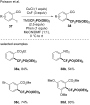
Scheme 9: Synthesis of difluoromethylphosphonate-containing molecules using in situ-generated CuCF2PO(OEt)2 s...
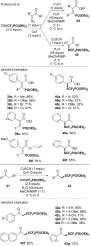
Scheme 10: Synthesis of (diethylphosphono)difluoromethylthiolated molecules using in situ-generated CuCF2PO(OE...
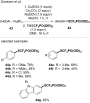
Scheme 11: Access to (diethylphosphono)difluoromethylthiolated molecules via the in situ generation of CuCF2PO...
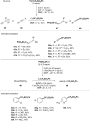
Scheme 12: Synthesis of (phenylsulfonyl)difluoromethyl-containing molecules via the in situ generation of CuCF2...

Scheme 13: Copper-mediated 1,1-difluoroethylation of diaryliodonium salts by using the in situ-generated CuCF2...

Scheme 14: Pioneer works for the pentafluoroethylation and heptafluoropropylation using a copper-based reagent...
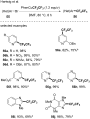
Scheme 15: Pentafluoroethylation of (hetero)aryl bromides using the (Phen)CuCF2CF3 complex. 19F NMR yields wer...

Scheme 16: Synthesis of pentafluoroethyl ketones using the (Ph3P)Cu(phen)CF2CF3 reagent. 19F NMR yields were g...
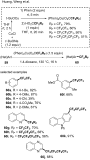
Scheme 17: Synthesis of (Phen)2Cu(O2CCF2RF) and functionalization of (hetero)aryl iodides.
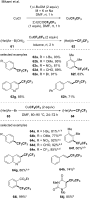
Scheme 18: Pentafluoroethylation of arylboronic acids and (hetero)aryl bromides via the in situ-generated CuCF2...

Scheme 19: In situ generation of CuCF2CF3 species from a cyclic-protected hexafluoroacetone and KCu(Ot-Bu)2. 19...
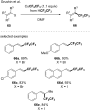
Scheme 20: Pentafluoroethylation of bromo- and iodoalkenes. Only examples of isolated compounds were depicted.

Scheme 21: Fluoroalkylation of aryl halides via a RCF2CF2Cu species.

Scheme 22: Synthesis of perfluoroorganolithium copper species or perfluroalkylcopper derivatives from iodoperf...
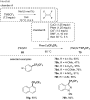
Scheme 23: Formation of the PhenCuCF2CF3 reagent by means of TFE and pentafluoroethylation of iodoarenes and a...
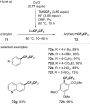
Scheme 24: Generation of a CuCF2CF3 reagent from TMSCF3 and applications.
Synthesis of organic liquid crystals containing selectively fluorinated cyclopropanes
- Zeguo Fang,
- Nawaf Al-Maharik,
- Peer Kirsch,
- Matthias Bremer,
- Alexandra M. Z. Slawin and
- David O’Hagan
Beilstein J. Org. Chem. 2020, 16, 674–680, doi:10.3762/bjoc.16.65
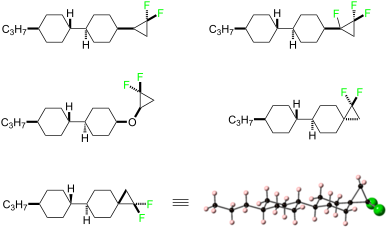
- used difluorocarbene additions to olefin precursors, an approach which proved straightforward such that these liquid crystal candidates could be efficiently prepared. Their physical and thermodynamic properties were evaluated and depending on individual structures, they either displayed positive or
- negative dielectric anisotropy. The study gives some guidance into effective structure–property relationships for the design of LCs containing selectively fluorinated cyclopropane motifs. Keywords: dielectric anisotropy; difluorocarbene; organic liquid crystals; selectively fluorinated cyclopropanes
- difluorocarbene addition to alpha-fluorostyrenes [13]. This used the extraordinary useful method for the generation of difluorocarbene from the Ruppert–Prakash (TMSCF3) reagent [14]. DFT analysis suggests the lowest energy conformer of aryl α,β,β-trifluorocyclopropane 7 orients the C–F bond perpendicular to the

Graphical Abstract

Figure 1: Examples of liquid crystal candidates with negative values for dielectric anisotropy (Δε) [6-10].

Figure 2: Synthetic candidate LC targets 8–11.

Scheme 1: Synthesis of 8. Reagents and conditions: a) TMSCF3, NaI, THF, reflux, 55% [13,14].

Scheme 2: Synthesis of 9. Reagents and conditions: a) NBS, HF·Py, DCM; b) t-BuOK, DCM, 42% in two steps [15]; c) ...

Scheme 3: Synthesis of compound 10. Reagents and conditions: a) NaBH4, MeOH, rt, 45%; b) C4H9OCH=CH2, Pd(TFA)2...

Scheme 4: Synthesis of compounds 11. Reagents and conditions: a) PPh3CH3Br, t-BuOK, diethyl ether, 0 °C to rt...

Figure 3: Theory study exploring the relative energies for different conformers of 11a.
Copper-promoted/copper-catalyzed trifluoromethylselenolation reactions
- Clément Ghiazza and
- Anis Tlili
Beilstein J. Org. Chem. 2020, 16, 305–316, doi:10.3762/bjoc.16.30

- , which is in line with an SN2 mechanism. The authors proposed a mechanism where difluorocarbene is first generated upon thermal decomposition of the starting difluorophosphobetaine. The carbene then reacts with elemental selenium to yield difluoroselenophosgene, and in the presence of fluoride anions

Graphical Abstract

Scheme 1: Process for the formation of C(sp3)–SeCF3 bonds with [(bpy)CuSeCF3]2 developed by the group of Weng....

Scheme 2: Trifluoromethylselenolation of vinyl and (hetero)aryl halides with [(bpy)CuSeCF3]2 by the group of ...

Scheme 3: Trifluoromethylselenolation of terminal alkynes using [(bpy)CuSeCF3]2 by the group of You and Weng.

Scheme 4: Trifluoromethylselenolation of carbonyl compounds with [(bpy)CuSeCF3]2 by the group of Weng.

Scheme 5: Trifluoromethylselenolation of α,β-unsaturated ketones with [(bpy)CuSeCF3]2 by the group of Weng.

Scheme 6: Trifluoromethylselenolation of acid chlorides with [(bpy)CuSeCF3]2 by the group of Weng.

Scheme 7: Synthesis of 2-trifluoromethylselenylated benzofused heterocycles with [(bpy)CuSeCF3]2 by the group...

Scheme 8: Difunctionalization of terminal alkenes and alkynes with [(bpy)CuSeCF3]2 by the group of Liang.

Scheme 9: Synthesis of Me4NSeCF3.

Scheme 10: Oxidative trifluoromethylselenolation of terminal alkynes and boronic acid derivatives with Me4NSeCF...

Scheme 11: Trifluoromethylselenolation of diazoacetates and diazonium salts with Me4NSeCF3 by the group of Goo...

Scheme 12: Trifluoromethylselenolation with ClSeCF3 by the group of Tlili and Billard.
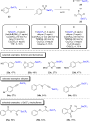
Scheme 13: Trifluoromethylselenolation with TsSeCF3 by the group of Tlili and Billard.

Scheme 14: Copper-catalyzed synthesis of a selenylated analog 30 of Pretomanid developed by the group of Tlili...
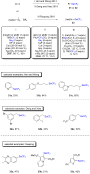
Scheme 15: One-pot procedures for C–SeCF3 bond formations developed by Hor and Weng, Deng and Xiao, and Ruepin...
Recent advances in transition-metal-catalyzed incorporation of fluorine-containing groups
- Xiaowei Li,
- Xiaolin Shi,
- Xiangqian Li and
- Dayong Shi
Beilstein J. Org. Chem. 2019, 15, 2213–2270, doi:10.3762/bjoc.15.218
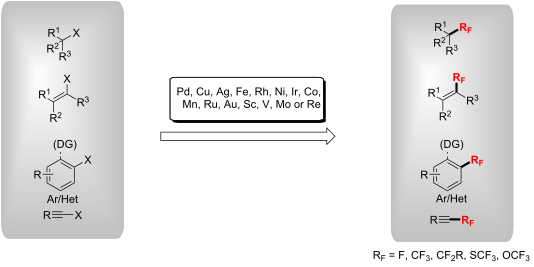

Graphical Abstract
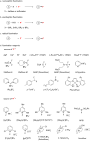
Scheme 1: The main three strategies of fluorination: nucleophilic, electrophilic and radical fluorination.

Scheme 2: Doyle’s Pd-catalyzed fluorination of allylic chlorides.

Scheme 3: Allylic fluorination of 2- and 3-substituted propenyl esters.

Scheme 4: Regioselective allylic fluorination of cinnamyl phosphorothioate esters.

Scheme 5: Palladium-catalyzed aliphatic C–H fluorination reported by Doyle.

Scheme 6: Pd-catalyzed enantioselective fluorination of α-ketoesters followed by stereoselective reduction to...

Scheme 7: Pd-catalyzed C(sp3)–H fluorination of oxindoles.

Scheme 8: C–H fluorination of 8-methylquinoline derivatives with F− reagents.

Scheme 9: Fluorination of α-cyano acetates reported by van Leeuwen.

Scheme 10: The catalytic enantioselective electrophilic C–H fluorination of α-chloro-β-keto phosphonates.

Scheme 11: Fluorination of unactivated C(sp3)–H bonds directed by the bidentate PIP auxiliary.

Scheme 12: Fluorination of C(sp3)–H bonds at the β-position of carboxylic acids.

Scheme 13: Enantioselective benzylic C–H fluorination with a chiral transient directing group.

Scheme 14: Microwave-heated Pd-catalyzed fluorination of aryl alcohols.

Scheme 15: Fluorination of aryl potassium trifluoroborates.

Scheme 16: C(sp2)–F bond formation using precatalyst [L·Pd]2(cod).

Scheme 17: Pd-catalyzed fluorination of (hetero)aryl triflates and bromides.

Scheme 18: The Pd-catalyzed C–H fluorination of arenes with Selectfluor/NFSI.

Scheme 19: Pd(II)-catalyzed ortho-monofluorination protocol for benzoic acids.

Scheme 20: Pd-catalyzed C(sp2)–H bond fluorination of 2-arylbenzothiazoles.

Scheme 21: Nitrate-promoted fluorination of aromatic and olefinic C(sp2)–H bonds and proposed mechanism.

Scheme 22: Fluorination of oxalyl amide-protected benzylamine derivatives.

Scheme 23: C–H fluorination of benzaldehydes with orthanilic acids as transient directing group.

Scheme 24: Pd(II)-catalyzed aryl C–H fluorination with various directing groups.

Scheme 25: Cu-catalyzed aliphatic, allylic, and benzylic fluorination.

Scheme 26: Cu-catalyzed SN2 fluorination of primary and secondary alkyl bromides.

Scheme 27: Copper-catalyzed fluorination of alkyl triflates.

Scheme 28: Cu-catalyzed fluorination of allylic bromides and chlorides.

Scheme 29: Synthetic strategy for the fluorination of active methylene compounds.

Scheme 30: Fluorination of β-ketoesters using a tartrate-derived bidentate bisoxazoline-Cu(II) complex.

Scheme 31: Highly enantioselective fluorination of β-ketoesters and N-Boc-oxindoles.

Scheme 32: Amide group-assisted site-selective fluorination of α-bromocarbonyl compounds.

Scheme 33: Cu-mediated aryl fluorination reported by Sanford [77].

Scheme 34: Mono- or difluorination reactions of benzoic acid derivatives.

Scheme 35: Cu-catalyzed fluorination of diaryliodonium salts with KF.
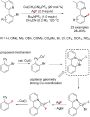
Scheme 36: Copper(I)-catalyzed cross-coupling of 2-pyridylaryl bromides.

Scheme 37: AgNO3-catalyzed decarboxylative fluorination of aliphatic carboxylic acids.

Scheme 38: The Mn-catalyzed aliphatic and benzylic C–H fluorination.

Scheme 39: Iron(II)-promoted C–H fluorination of benzylic substrates.

Scheme 40: Ag-catalyzed fluorodecarboxylation of carboxylic acids.

Scheme 41: Vanadium-catalyzed C(sp3)–H fluorination.

Scheme 42: AgNO3-catalyzed radical deboronofluorination of alkylboronates and boronic acids.
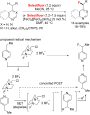
Scheme 43: Selective heterobenzylic C–H fluorination with Selectfluor reported by Van Humbeck.

Scheme 44: Fe(II)-catalyzed site-selective fluorination guided by an alkoxyl radical.

Scheme 45: Fluorination of allylic trichloroacetimidates reported by Nguyen et al.

Scheme 46: Iridium-catalyzed fluorination of allylic carbonates with TBAF(t-BuOH)4.

Scheme 47: Iridium-catalyzed asymmetric fluorination of allylic trichloroacetimidates.

Scheme 48: Cobalt-catalyzed α-fluorination of β-ketoesters.

Scheme 49: Nickel-catalyzed α-fluorination of various α-chloro-β-ketoesters.

Scheme 50: Ni(II)-catalyzed enantioselective fluorination of oxindoles and β-ketoesters.

Scheme 51: Scandium(III)-catalyzed asymmetric C–H fluorination of unprotected 3-substituted oxindoles.

Scheme 52: Iron-catalyzed directed C–H fluorination.

Scheme 53: Electrophilic silver-catalyzed Ar–F bond-forming reaction from arylstannanes.

Figure 1: Nucleophilic, electrophilic and radical CF3 sources.

Scheme 54: Cu(I)-catalyzed allylic trifluoromethylation of unactivated terminal olefins.

Scheme 55: Direct copper-catalyzed trifluoromethylation of allylsilanes.

Scheme 56: Cupper-catalyzed enantioselective trifluoromethylation of five and six-membered ring β-ketoesters.

Scheme 57: Cu-catalyzed highly stereoselective trifluoromethylation of secondary propargyl sulfonates.

Scheme 58: Remote C(sp3)–H trifluoromethylation of carboxamides and sulfonamides.

Scheme 59: Trifluoromethylation of allylsilanes with photoredox catalysis.

Scheme 60: Ag-catalyzed decarboxylative trifluoromethylation of aliphatic carboxylic acids in aqueous CH3CN.
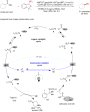
Scheme 61: Decarboxylative trifluoromethylation of aliphatic carboxylic acids via combined photoredox and copp...

Scheme 62: Palladium-catalyzed Ar–CF3 bond-forming reaction.

Scheme 63: Palladium-catalyzed trifluoromethylation of arenes with diverse heterocyclic directing groups.

Scheme 64: Pd-catalyzed trifluoromethylation of indoles as reported by Liu.

Scheme 65: Pd-catalyzed trifluoromethylation of vinyl triflates and vinyl nonaflates.

Scheme 66: Pd(II)-catalyzed ortho-trifluoromethylation of aromatic C–H bonds.

Scheme 67: Visible-light-induced Pd(OAc)2-catalyzed ortho-trifluoromethylation of acetanilides with CF3SO2Na.

Scheme 68: CuI-catalyzed trifluoromethylation of aryl- and alkenylboronic acids.

Scheme 69: Cu-catalyzed trifluoromethylation of aryl- and vinylboronic acids.

Scheme 70: Copper-catalyzed trifluoromethylation of α,β-unsaturated carboxylic acids.

Scheme 71: Formation of C(sp2)–CF3 bond catalyzed by copper(I) complex.

Scheme 72: Loh’s Cu(I)-catalyzed trifluoromethylation of enamides and electron-deficient alkenes.

Scheme 73: Copper and iron-catalyzed decarboxylative tri- and difluoromethylation.

Scheme 74: Cu-catalyzed trifluoromethylation of hydrazones developed by Bouyssi.

Scheme 75: Cu(I)-catalyzed trifluoromethylation of terminal alkenes.

Scheme 76: Cu/Ag-catalyzed decarboxylative trifluoromethylation of cinnamic acids.

Scheme 77: Copper-catalyzed direct alkenyl C–H trifluoromethylation.

Scheme 78: Copper(I/II)-catalyzed direct trifluoromethylation of styrene derivatives.

Scheme 79: Regioselective trifluoromethylation of pivalamido arenes and heteroarenes.

Scheme 80: Synthesis of trifluoromethylquinones in the presence of copper(I).
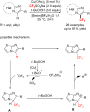
Scheme 81: Oxidative trifluoromethylation of imidazoheterocycles in ionic liquid/water.

Scheme 82: A mild and fast continuous-flow trifluoromethylation of coumarins using a CuI/CF3SO2Na/TBHP system.

Scheme 83: Copper-catalyzed oxidative trifluoromethylation of various 8-aminoquinolines.

Scheme 84: PA-directed copper-catalyzed trifluoromethylation of anilines.

Scheme 85: Trifluoromethylation of potassium vinyltrifluoroborates catalyzed by Fe(II).

Scheme 86: Alkenyl trifluoromethylation catalyzed by Ru(phen)3Cl2 as photocatalyst.

Scheme 87: Ru-catalyzed trifluoromethylation of alkenes by Akita’s group.

Scheme 88: Ir-catalyzed Cvinyl–CF3 bond formation of α,β-unsaturated carboxylic acids.

Scheme 89: Ag(I)-catalyzed denitrative trifluoromethylation of β-nitrostyrenes.

Scheme 90: Photocatalyzed direct trifluoromethylation of aryl and heteroaryl C–H bonds.

Scheme 91: Rhenium (MTO)-catalyzed direct trifluoromethylation of aromatic substrates.

Scheme 92: Trifluoromethylation of unprotected anilines under [Ir(ppy)3] catalyst.

Scheme 93: Oxidative trifluoromethylation of imidazopyridines and imidazoheterocycles.

Scheme 94: Ruthenium-catalyzed trifluoromethylation of (hetero)arenes with trifluoroacetic anhydride.

Scheme 95: Phosphovanadomolybdic acid-catalyzed direct C–H trifluoromethylation.

Scheme 96: Picolinamide-assisted ortho-trifluoromethylation of arylamines.

Scheme 97: A nickel-catalyzed C–H trifluoromethylation of free anilines.

Scheme 98: Cu-mediated trifluoromethylation of terminal alkynes reported by Qing.

Scheme 99: Huang’s C(sp)–H trifluoromethylation using Togni’s reagent.

Scheme 100: Cu-catalyzed methods for trifluoromethylation with Umemoto’s reagent.

Scheme 101: The synthesis of alkynyl-CF3 compounds in the presence of fac-[Ir(ppy)3] under visible-light irradi...

Scheme 102: Pd-catalyzed Heck reaction reported by Reutrakul.

Scheme 103: Difluoromethylation of enamides and ene-carbamates.

Scheme 104: Difluoromethylation of α,β-unsaturated carboxylic acids.

Scheme 105: Copper-catalyzed direct C(sp2)–H difluoroacetylation reported by Pannecoucke and co-workers.

Scheme 106: Difluoroalkylation of aldehyde-derived hydrazones with functionalized difluoromethyl bromides.

Scheme 107: Photoredox-catalyzed C–H difluoroalkylation of aldehyde-derived hydrazones.

Scheme 108: Synergistic ruthenium(II)-catalyzed C–H difluoromethylation reported by Ackermann.

Scheme 109: Visible-light photocatalytic decarboxylation of α,β-unsaturated carboxylic acids.

Scheme 110: Synthesis of difluorinated ketones via S-alkyl dithiocarbamates obtained from acyl chlorides and po...

Scheme 111: Synthesis of aryl and heteroaryl difluoromethylated phosphonates.

Scheme 112: Difluoroalkylation of secondary propargyl sulfonates using Cu as the catalyst.

Scheme 113: Ru(II)-mediated para-selective difluoromethylation of anilides and their derivatives.

Scheme 114: Bulky diamine ligand promoted cross-coupling of difluoroalkyl bromides.

Scheme 115: Copper-catalyzed C3–H difluoroacetylation of quinoxalinones.

Scheme 116: Copper(I) chloride-catalyzed trifluoromethylthiolation of enamines, indoles and β-ketoesters.

Scheme 117: Copper-boxmi-catalyzed asymmetric trifluoromethylthiolation of β-ketoesters.

Scheme 118: Direct Cu-catalyzed trifluoromethylthiolation of boronic acids and alkynes.

Scheme 119: Cu-catalyzed synthesis of α-trifluoromethylthio-substituted ketones.

Scheme 120: Trifluoromethylthiolation reactions promoted by diazotriflone and copper.

Scheme 121: Halide activation of N-(trifluoromethylthio)phthalimide.

Scheme 122: The visible light-promoted trifluoromethylthiolation reported by Glorius.

Scheme 123: Synthesis of α-trifluoromethylthioesters via Goossen’s approach.

Scheme 124: Photoinduced trifluoromethylthiolation of diazonium salts.

Scheme 125: Ag-mediated trifluoromethoxylation of aryl stannanes and arylboronic acids.

Scheme 126: Catalytic (hetero)aryl C–H trifluoromethoxylation under visible light.

Scheme 127: Photoinduced C–H-bond trifluromethoxylation of (hetero)arenes.
Sigmatropic rearrangements of cyclopropenylcarbinol derivatives. Access to diversely substituted alkylidenecyclopropanes
- Guillaume Ernouf,
- Jean-Louis Brayer,
- Christophe Meyer and
- Janine Cossy
Beilstein J. Org. Chem. 2019, 15, 333–350, doi:10.3762/bjoc.15.29
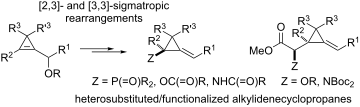
- difluorocarbene but these compounds display poor stability in most cases and readily undergo hydrolysis into cyclopropenones which possess an aromatic character [66][67]. Gem-difluorocyclopropenylcarbinyl glycolates 65a–n were prepared by slow addition of an excess of trimethylsilyl fluorosulfonyldifluoroacetate

Graphical Abstract
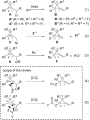
Scheme 1: Representative strategies for the formation of alkylidenecyclopropanes from cyclopropenes and scope...

Scheme 2: [2,3]-Sigmatropic rearrangement of phosphinites 2a–h.

Scheme 3: [2,3]-Sigmatropic rearrangement of a phosphinite derived from enantioenriched cyclopropenylcarbinol...

Scheme 4: Selective reduction of phosphine oxide (E)-3f.

Scheme 5: Attempted thermal [2,3]-sigmatropic rearrangement of phosphinite 6a.

Scheme 6: Computed activation barriers and free enthalpies.

Scheme 7: [2,3]-Sigmatropic rearrangement of phosphinites 6a–j.

Scheme 8: Proposed mechanism for the Lewis base-catalyzed rearrangement of phosphinites 6.

Scheme 9: [3,3]-Sigmatropic rearrangement of tertiary cyclopropenylcarbinyl acetates 10a–c.

Scheme 10: [3,3]-Sigmatropic rearrangement of secondary cyclopropenylcarbinyl esters 10d–h.

Scheme 11: [3,3]-Sigmatropic rearrangement of trichoroacetimidates 12a–i.

Scheme 12: Reaction of trichloroacetamide 13f with pyrrolidine.

Scheme 13: Catalytic hydrogenation of (arylmethylene)cyclopropropane 13f.

Scheme 14: Instability of trichloroacetimidates 21a–c derived from cyclopropenylcarbinols 20a–c.
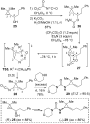
Scheme 15: [3,3]-Sigmatropic rearrangement of cyanate 27 generated from cyclopropenylcarbinyl carbamate 26.

Scheme 16: Synthesis of alkylidene(aminocyclopropane) derivatives 30–37 from carbamate 26.

Scheme 17: Scope of the dehydration–[3,3]-sigmatropic rearrangement sequence of cyclopropenylcarbinyl carbamat...

Scheme 18: Formation of trifluoroacetamide 50 from carbamate 49.

Scheme 19: Formation of alkylidene[(N-trifluoroacetylamino)cyclopropanes] 51–54.

Scheme 20: Diastereoselective hydrogenation of alkylidenecyclopropane 51.

Scheme 21: Ireland–Claisen rearrangement of cyclopropenylcarbinyl glycolates 56a–l.
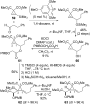
Scheme 22: Synthesis and Ireland–Claisen rearrangement of glycolate 61 possessing gem-diester substitution at ...

Scheme 23: Synthesis of alkylidene(gem-difluorocyclopropanes) 66a–h, and 66k–n from propargyl glycolates 64a–n....

Scheme 24: Ireland–Claisen rearrangement of N,N-diBoc glycinates 67a and 67b.

Scheme 25: Diastereoselective hydrogenation of alkylidenecyclopropanes 58a and 74.

Scheme 26: Synthesis of functionalized gem-difluorocyclopropanes 76 and 77 from alkylidenecyclopropane 66a.

Scheme 27: Access to oxa- and azabicyclic compounds 78–80.
6’-Fluoro[4.3.0]bicyclo nucleic acid: synthesis, biophysical properties and molecular dynamics simulations
- Sibylle Frei,
- Andrei Istrate and
- Christian J. Leumann
Beilstein J. Org. Chem. 2018, 14, 3088–3097, doi:10.3762/bjoc.14.288
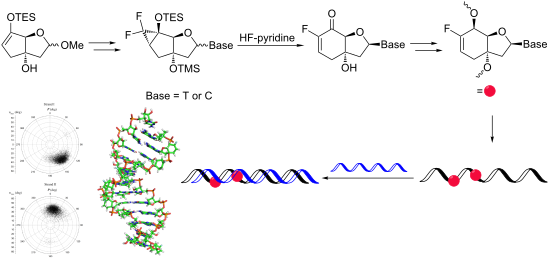
- unsaturated 6’-fluoro[4.3.0]bicyclo nucleotides (6’F-bc4,3-DNA). Two 6’F-bc4,3 phosphoramidite building blocks (T and C) were synthesized starting from a previously described [3.3.0]bicyclic sugar. The conversion of this sugar to a gem-difluorinated tricyclic intermediate via difluorocarbene addition followed
- improving the already existing protocol [50]. The sugars 2α/β were then individually treated with the Ruppert–Prakash reagent (TMSCF3) as difluorocarbene precursor and sodium iodide as initiator [52], furnishing the exo-tricyclic sugars 3α/β as major isomers. The closer evaluation of this reaction revealed
- to the hindrance of the difluorocarbene attack on the double bond. The stereochemistry around the cyclopropane ring (endo vs exo) could be assessed by the characteristic coupling pattern between the fluorine atom and the H-C(1) or C(7) in the endo-tricyclic sugars in the corresponding 1H and 13C NMR

Graphical Abstract

Figure 1: Chemical structure of selected nucleic acid analogs.

Scheme 1: Synthesis of the gem-difluorinated glycal 4 from the silyl enol ethers 1α/β. Reagents and condition...

Scheme 2: Synthesis of the thymidine phosphoramidite building block 10. Reagents and conditions: a) i) thymin...

Scheme 3: Synthesis of the cytidine phosphoramidite building block 16. Reagents and conditions: a) Ac2O, pyri...

Figure 2: Proposed mechanism for the formation of the 5’-phosphorylated fragments during the oxidation step i...

Figure 3: a) Potential energy profile versus pseudorotation phase angle of nucleoside 8 and its two minimal e...

Figure 4: Average structures of the a) 6’F-bc4,3-DNA/DNA, b) 6’F-bc4,3-DNA/RNA, and c) 6’F-bc4,3-DNA/6’F-bc4,3...

Figure 5: Preferred sugar pucker of a) 6’F-bc4,3-DNA/DNA, and b) 6’F-bc4,3-DNA/RNA duplexes and torsion angle...
Visible light-mediated difluoroalkylation of electron-deficient alkenes
- Vyacheslav I. Supranovich,
- Vitalij V. Levin,
- Marina I. Struchkova,
- Jinbo Hu and
- Alexander D. Dilman
Beilstein J. Org. Chem. 2018, 14, 1637–1641, doi:10.3762/bjoc.14.139

- availability issues [25][26][27][28][29]. Recently, we developed a general protocol for the synthesis of iodides 1 from organozinc reagents and a source of difluorocarbene [30][31][32] (Scheme 1). Moreover, it was shown that compounds bearing the CF2I group can be obtained from carbonyl compounds and

Graphical Abstract

Scheme 1: Fluoroalkylation of alkenes.

Figure 1: Difluoroalkylation of alkenes. Isolated yields are shown. a2 equiv of the alkene were used.

Scheme 2: Proposed mechanism.
Progress in copper-catalyzed trifluoromethylation
- Guan-bao Li,
- Chao Zhang,
- Chun Song and
- Yu-dao Ma
Beilstein J. Org. Chem. 2018, 14, 155–181, doi:10.3762/bjoc.14.11
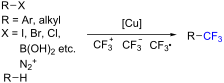
- . Trifluoromethylation of aryl halides using difluorocarbene precursors as the trifluoromethyl source The trifluoromethyl sources employed in the above-mentioned trifluoromethylations were mainly CF3-containing reagents. Besides, some examples employing difluorocarbene precursors as the trifluoromethylation reagents
- were reported recently. In 2015, the group of Lin, Zheng and Xiao [21] disclosed a trifluoromethylation reagent, the difluorocarbene precursor difluoromethyltriphenylphosphonium bromide (DFPB), which could be applied in the trifluoromethylation of aromatic iodides without addition of external fluoride
- (Scheme 9). It was found that DBU can promote the decomposition of difluorocarbene to give fluoride which then reacts with difluorocarbene to a trifluoromethyl anion. Both electron-rich and electron-deficient substrates were converted to the corresponding analogues in moderate to good yields, without

Graphical Abstract

Figure 1: Selected examples of pharmaceutical and agrochemical compounds containing the trifluoromethyl group....

Scheme 1: Introduction of a diamine into copper-catalyzed trifluoromethylation of aryl iodides.
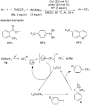
Scheme 2: Addition of a Lewis acid into copper-catalyzed trifluoromethylation of aryl iodides and the propose...

Scheme 3: Trifluoromethylation of heteroaromatic compounds using S-(trifluoromethyl)diphenylsulfonium salts a...

Scheme 4: The preparation of a new trifluoromethylation reagent and its application in trifluoromethylation o...

Scheme 5: Trifluoromethylation of aryl iodides using CF3CO2Na as a trifluoromethyl source.

Scheme 6: Trifluoromethylation of aryl iodides using MTFA as a trifluoromethyl source.

Scheme 7: Trifluoromethylation of aryl iodides using CF3CO2K as a trifluoromethyl source.
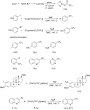
Scheme 8: Trifluoromethylation of aryl iodides and heteroaryl bromides using [Cu(phen)(O2CCF3)] as a trifluor...

Scheme 9: Trifluoromethylation of aryl iodides with DFPB and the proposed mechanism.

Scheme 10: Trifluoromethylation of aryl iodides using TCDA as a trifluoromethyl source. Reaction conditions: [...

Scheme 11: The mechanism of trifluoromethylation using Cu(II)(O2CCF2SO2F)2 as a trifluoromethyl source.

Scheme 12: Trifluoromethylation of benzyl bromide reported by Shibata’s group.

Scheme 13: Trifluoromethylation of allylic halides and propargylic halides reported by the group of Nishibayas...

Scheme 14: Trifluoromethylation of propargylic halides reported by the group of Nishibayashi.

Scheme 15: Trifluoromethylation of alkyl halides reported by Nishibayashi’s group.

Scheme 16: Trifluoromethylation of pinacol esters reported by the group of Gooßen.

Scheme 17: Trifluoromethylation of primary and secondary alkylboronic acids reported by the group of Fu.

Scheme 18: Trifluoromethylation of boronic acid derivatives reported by the group of Liu.

Scheme 19: Trifluoromethylation of organotrifluoroborates reported by the group of Huang.

Scheme 20: Trifluoromethylation of aryl- and vinylboronic acids reported by the group of Shibata.

Scheme 21: Trifluoromethylation of arylboronic acids via the merger of photoredox and Cu catalysis.

Scheme 22: Trifluoromethylation of arylboronic acids reported by Sanford’s group. Isolated yield. aYields dete...

Scheme 23: Trifluoromethylation of arylboronic acids and vinylboronic acids reported by the group of Beller. Y...

Scheme 24: Copper-mediated Sandmeyer type trifluoromethylation using Umemoto’s reagent as a trifluoromethylati...

Scheme 25: Copper-mediated Sandmeyer type trifluoromethylation using TMSCF3 as a trifluoromethylation reagent ...

Scheme 26: One-pot Sandmeyer trifluoromethylation reported by the group of Gooßen.

Scheme 27: Copper-catalyzed trifluoromethylation of arenediazonium salts in aqueous media.
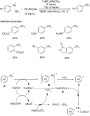
Scheme 28: Copper-mediated Sandmeyer trifluoromethylation using Langlois’ reagent as a trifluoromethyl source ...

Scheme 29: Trifluoromethylation of terminal alkenes reported by the group of Liu.

Scheme 30: Trifluoromethylation of terminal alkenes reported by the group of Wang.

Scheme 31: Trifluoromethylation of tetrahydroisoquinoline derivatives reported by Li and the proposed mechanis...
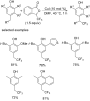
Scheme 32: Trifluoromethylation of phenol derivatives reported by the group of Hamashima.
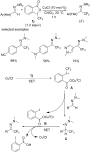
Scheme 33: Trifluoromethylation of hydrazones reported by the group of Baudoin and the proposed mechanism.

Scheme 34: Trifluoromethylation of benzamides reported by the group of Tan.
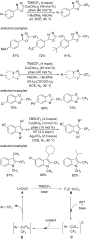
Scheme 35: Trifluoromethylation of heteroarenes and electron-deficient arenes reported by the group of Qing an...

Scheme 36: Trifluoromethylation of N-aryl acrylamides using CF3SO2Na as a trifluoromethyl source.
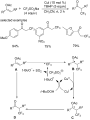
Scheme 37: Trifluoromethylation of aryl(heteroaryl)enol acetates using CF3SO2Na as the source of CF3 and the p...

Scheme 38: Trifluoromethylation of imidazoheterocycles using CF3SO2Na as a trifluoromethyl source and the prop...

Scheme 39: Copper-mediated trifluoromethylation of terminal alkynes using TMSCF3 as a trifluoromethyl source a...

Scheme 40: Improved copper-mediated trifluoromethylation of terminal alkynes reported by the group of Qing.

Scheme 41: Copper-catalyzed trifluoromethylation of terminal alkynes reported by the group of Qing.
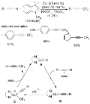
Scheme 42: Copper-catalyzed trifluoromethylation of terminal alkynes using Togni’s reagent and the proposed me...

Scheme 43: Copper-catalyzed trifluoromethylation of terminal alkynes using Umemoto’s reagent reported by the g...
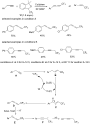
Scheme 44: Copper-catalyzed trifluoromethylation of 3-arylprop-1-ynes reported by Xiao and Lin and the propose...
Photocatalytic formation of carbon–sulfur bonds
- Alexander Wimmer and
- Burkhard König
Beilstein J. Org. Chem. 2018, 14, 54–83, doi:10.3762/bjoc.14.4
- available difluorobromoacetic acid. The respective carbon-centred radical intermediate is then oxidized by the [Ir] catalyst to close the catalytic cycle and form a reactive difluorocarbene intermediate by releasing carbon dioxide. At the same time, the aryl thiol is deprotonated by Cs2CO3. Finally, the
- resulting aryl thiol anion reacts with the difluorocarbene to deliver the coupled difluoromethylated aryl sulfide. This method provides a facile synthetic procedure for the selective difluoromethylation of aryl thiols with different functional groups in excellent yields. A very different approach for the

Graphical Abstract

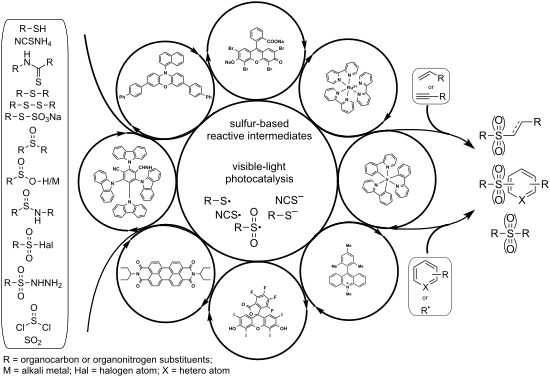
Scheme 1: General overview over the sulfur-based substrates and reactive intermediates that are discussed in ...
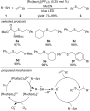
Scheme 2: Photoredox-catalyzed radical thiol–ene reaction, applying [Ru(bpz)3](PF6)2 as photocatalyst.

Scheme 3: Photoredox-catalyzed thiol–ene reaction of aliphatic thiols with alkenes enabled by aniline derivat...
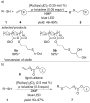
Scheme 4: Photoredox-catalyzed radical thiol–ene reaction for the postfunctionalization of polymers (a) and n...

Scheme 5: Photoredox-catalyzed thiol–ene reaction enabled by bromotrichloromethane as redox additive.
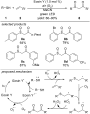
Scheme 6: Photoredox-catalyzed preparation of β-ketosulfoxides with Eosin Y as organic dye as photoredox cata...
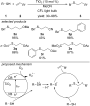
Scheme 7: Greaney’s photocatalytic radical thiol–ene reaction, applying TiO2 nanoparticles as photocatalyst.

Scheme 8: Fadeyi’s photocatalytic radical thiol–ene reaction, applying Bi2O3 as photocatalyst.

Scheme 9: Ananikov’s photocatalytic radical thiol-yne reaction, applying Eosin Y as photocatalyst.
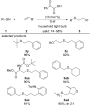
Scheme 10: Organocatalytic visible-light photoinitiated thiol–ene coupling, applying phenylglyoxylic acid as o...

Scheme 11: Xia’s photoredox-catalyzed synthesis of 2,3-disubstituted benzothiophenes, applying 9-mesityl-10-me...
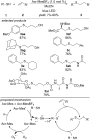
Scheme 12: Wang’s metal-free photoredox-catalyzed radical thiol–ene reaction, applying 9-mesityl-10-methylacri...

Scheme 13: Visible-light benzophenone-catalyzed metal- and oxidant-free radical thiol–ene reaction.
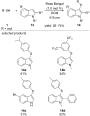
Scheme 14: Visible-light catalyzed C-3 sulfenylation of indole derivatives using Rose Bengal as organic dye.
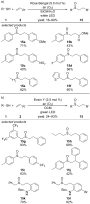
Scheme 15: Photocatalyzed radical thiol–ene reaction and subsequent aerobic sulfide-oxidation with Rose Bengal...
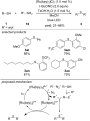
Scheme 16: Photoredox-catalyzed synthesis of diaryl sulfides.

Scheme 17: Photocatalytic cross-coupling of aryl thiols with aryl diazonium salts, using Eosin Y as photoredox...
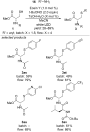
Scheme 18: Photocatalyzed cross-coupling of aryl diazonium salts with cysteines in batch and in a microphotore...
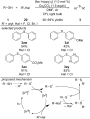
Scheme 19: Fu’s [Ir]-catalyzed photoredox arylation of aryl thiols with aryl halides.

Scheme 20: Fu’s photoredox-catalyzed difluoromethylation of aryl thiols.
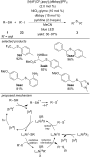
Scheme 21: C–S cross-coupling of thiols with aryl iodides via [Ir]-photoredox and [Ni]-dual-catalysis.
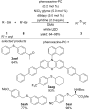
Scheme 22: C–S cross-coupling of thiols with aryl bromides, applying 3,7-bis-(biphenyl-4-yl)-10-(1-naphthyl)ph...
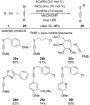
Scheme 23: Collin’s photochemical dual-catalytic cross-coupling of thiols with bromoalkynes.
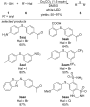
Scheme 24: Visible-light-promoted C–S cross-coupling via intermolecular electron donor–acceptor complex format...
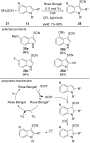
Scheme 25: Li’s visible-light photoredox-catalyzed thiocyanation of indole derivatives with Rose Bengal as pho...
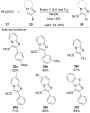
Scheme 26: Hajra’s visible-light photoredox-catalyzed thiocyanation of imidazoheterocycles with Eosin Y as pho...

Scheme 27: Wang’s photoredox-catalyzed thiocyanation reaction of indoles, applying heterogeneous TiO2/MoS2 nan...
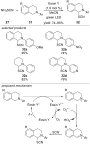
Scheme 28: Yadav’s photoredox-catalyzed α-C(sp3)–H thiocyanation reaction for tertiary amines, applying Eosin ...

Scheme 29: Yadav’s photoredox-catalyzed synthesis of 5-aryl-2-imino-1,3-oxathiolanes.

Scheme 30: Yadav’s photoredox-catalyzed synthesis of 1,3-oxathiolane-2-thiones.
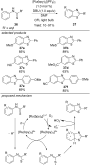
Scheme 31: Li’s photoredox catalysis for the preparation of 2-substituted benzothiazoles, applying [Ru(bpy)3](...
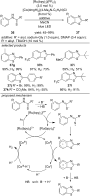
Scheme 32: Lei’s external oxidant-free synthesis of 2-substituted benzothiazoles by merging photoredox and tra...

Scheme 33: Metal-free photocatalyzed synthesis of 2-aminobenzothiazoles, applying Eosin Y as photocatalyst.

Scheme 34: Metal-free photocatalyzed synthesis of 1,3,4-thiadiazoles, using Eosin Y as photocatalyst.
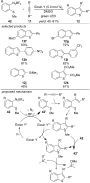
Scheme 35: Visible-light photoredox-catalyzed preparation of benzothiophenes with Eosin Y.

Scheme 36: Visible-light-induced KOH/DMSO superbase-promoted preparation of benzothiophenes.
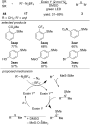
Scheme 37: Jacobi von Wangelin’s photocatalytic approach for the synthesis of aryl sulfides, applying Eosin Y ...

Scheme 38: Visible-light photosensitized α-C(sp3)–H thiolation of aliphatic ethers.

Scheme 39: Visible-light photocatalyzed cross-coupling of alkyl and aryl thiosulfates with aryl diazonium salt...
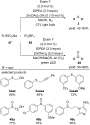
Scheme 40: Visible-light photocatalyzed, controllable sulfenylation and sulfoxidation with organic thiosulfate...

Scheme 41: Rastogi’s photoredox-catalyzed methylsulfoxidation of aryl diazonium salts, using [Ru(bpy)3]Cl2 as ...
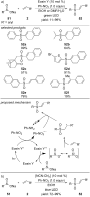
Scheme 42: a) Visible-light metal-free Eosin Y-catalyzed procedure for the preparation of vinyl sulfones from ...
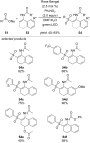
Scheme 43: Visible-light photocatalyzed cross-coupling of sodium sulfinates with secondary enamides.

Scheme 44: Wang’s photocatalyzed oxidative cyclization of phenyl propiolates with sulfinic acids, applying Eos...

Scheme 45: Lei’s sacrificial oxidant-free synthesis of allyl sulfones by merging photoredox and transition met...
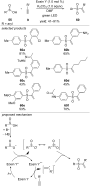
Scheme 46: Photocatalyzed Markovnikov-selective radical/radical cross-coupling of aryl sulfinic acids and term...

Scheme 47: Visible-light Eosin Y induced cross-coupling of aryl sulfinic acids and styrene derivatives, afford...
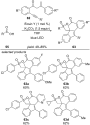
Scheme 48: Photoredox-catalyzed bicyclization of 1,7-enynes with sulfinic acids, applying Eosin Y as photocata...

Scheme 49: Visible-light-accelerated C–H-sulfinylation of arenes and heteroarenes.
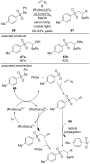
Scheme 50: Visible-light photoredox-catalyzed β-selenosulfonylation of electron-rich olefins, applying [Ru(bpy)...

Scheme 51: Photocatalyzed preparation of β-chlorosulfones from the respective olefins and p-toluenesulfonyl ch...
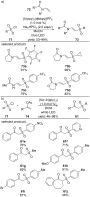
Scheme 52: a) Photocatalyzed preparation of β-amidovinyl sulfones from sulfonyl chlorides. b) Preparation of β...

Scheme 53: Visible-light photocatalyzed sulfonylation of aliphatic tertiary amines, applying [Ru(bpy)3](PF6)2 ...
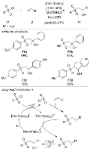
Scheme 54: Reiser’s visible-light photoredox-catalyzed preparation of β-hydroxysulfones from sulfonyl chloride...
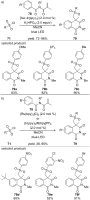
Scheme 55: a) Sun’s visible-light-catalyzed approach for the preparation of isoquinolinonediones, applying [fac...
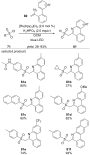
Scheme 56: Visible-light photocatalyzed sulfonylation/cyclization of vinyl azides, applying [Ru(bpy)3]Cl2 as p...

Scheme 57: Visible-light photocatalyzed procedure for the formation of β-ketosulfones from aryl sulfonyl chlor...

Scheme 58: Zheng’s method for the sulfenylation of indole derivatives, applying sulfonyl chlorides via visible...
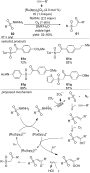
Scheme 59: Cai’s visible-light induced synthesis of β-ketosulfones from sulfonyl hydrazines and alkynes.

Scheme 60: Photoredox-catalyzed approach for the preparation of vinyl sulfones from sulfonyl hydrazines and ci...
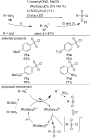
Scheme 61: Jacobi von Wangelin’s visible-light photocatalyzed chlorosulfonylation of anilines.
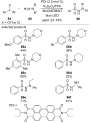
Scheme 62: Three-component photoredox-catalyzed synthesis of N-amino sulfonamides, applying PDI as organic dye....

Scheme 63: Visible-light induced preparation of complex sulfones from oximes, silyl enol ethers and SO2.
Carbon–carbon bond cleavage for Cu-mediated aromatic trifluoromethylations and pentafluoroethylations
- Tsuyuka Sugiishi,
- Hideki Amii,
- Kohsuke Aikawa and
- Koichi Mikami
Beilstein J. Org. Chem. 2015, 11, 2661–2670, doi:10.3762/bjoc.11.286
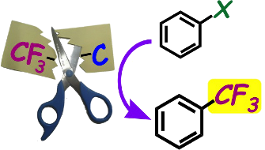
- . This report suggests that TFA can act as a trifluoromethyl source in the reaction with inactivated aromatic compounds, while the control of regioselectivity is difficult. Trifluoromethylation with difluorocarbene and fluoride ions The reaction system with ClCF2CO2Me/KF/CuI also generates CF3Cu in situ
- [40][41] (Scheme 7). The demethylation of ClCF2CO2Me proceeds by iodide, followed by decarboxylation of the resulting chlorodifluoroacetate to provide difluorocarbene (:CF2), trapped by fluoride to give the CF3− species. This reacts with CuI leading to CF3Cu. The method described above for the

Graphical Abstract

Scheme 1: Trifluoromethylation using trifluoroacetate.

Scheme 2: Decarboxylative pentafluoroethylation and its application.

Scheme 3: Trifluoromethyation with trifluoroacetate in a flow system.

Scheme 4: Trifluoromethylation of 4-bromotoluene by [(NHC)Cu(TFA)].

Scheme 5: Trifluoromethylation of aryl iodides with small amounts of Cu and Ag2O. aThe yield was determined b...

Scheme 6: C–H trifluoromethylation of arenes using trifluoroacetic acid.

Scheme 7: CF3Cu generated from chlorofluoroacetate and CuI.

Scheme 8: [18F]Trifluoromethyation with difluorocarbenes for PET. aRadiochemical yield determined by HPLC.

Scheme 9: Trifluoromethylation with trifluoroacetate and copper iodide.

Scheme 10: Preparation of trifluoromethylcopper from trifluoromethyl ketone.

Scheme 11: Trifluoromethylation of aryl iodides. aIsolated yield. b1 equivalent each of CF3Cu reagent and 1,10...

Scheme 12: Pentafluoroethylation of aryl bromides. aYield was determined by 19F NMR analysis using benzotriflu...
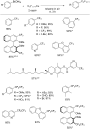
Scheme 13: Perfluoroalkylation reactions of arylboronic acids. aIsolated yield. bDMF was used instead of tolue...

Scheme 14: Trifluoromethylation with silylated hemiaminal of fluoral.

Scheme 15: Catalytic trifluoromethylation with a fluoral derivative.

Scheme 16: The scope of Cu-catalyzed aromatic trifluoromethylation. The yield was determined by 19F NMR analys...

Scheme 17: Plausible mechanism of Cu-catalyzed aromatic trifluoromethylation [53].
Coupling of α,α-difluoro-substituted organozinc reagents with 1-bromoalkynes
- Artem A. Zemtsov,
- Alexander D. Volodin,
- Vitalij V. Levin,
- Marina I. Struchkova and
- Alexander D. Dilman
Beilstein J. Org. Chem. 2015, 11, 2145–2149, doi:10.3762/bjoc.11.231

- Federation 10.3762/bjoc.11.231 Abstract α,α-Difluoro-substituted organozinc reagents generated from conventional organozinc compounds and difluorocarbene couple with 1-bromoalkynes affording gem-difluorinated alkynes. The cross-coupling proceeds in the presence of catalytic amounts of copper iodide in
- difluorocarbene addition to multiple bonds [15]. Recently, we proposed a general method for assembling gem-difluorinated structures from organozinc reagents 1, difluorocarbene, and a terminating electrophile [16][17][18][19][20][21] (Scheme 1). (Bromodifluoromethyl)trimethylsilane [16][17][18] or potassium
- bromodifluoroacetate [19] can be used as precursors of difluorocarbene. In this process, the use of C-electrophiles is particularly important since it allows for the formation of two C–C bonds within one experimental run. Previously, as C-electrophiles in this methodology, only allylic substrates [17] and

Graphical Abstract

Scheme 1: Reaction of organozinc compounds.

Scheme 2: Proposed mechanism.
Organic chemistry on surfaces: Direct cyclopropanation by dihalocarbene addition to vinyl terminated self-assembled monolayers (SAMs)
- Malgorzata Adamkiewicz,
- David O’Hagan and
- Georg Hähner
Beilstein J. Org. Chem. 2014, 10, 2897–2902, doi:10.3762/bjoc.10.307

- -difluorocyclopropane-terminated SAMs by generating difluorocarbene, following the procedure of Wang et al. [22] for small molecule transformations. This involved stirring a solution of NaI (0.2 equiv) and TMSCF3 in THF (2 mL), and then immersing the silicon wafers (1 cm × 1.5 cm) into the reaction mixture at 65 °C for
- ; c) TMSCF3, RMS 79 pm. The experimental set-up for the dibromo-, dichloro- and difluorocarbene reactions performed on C11-vinyl SAMs. Model reactions of dec-1-ene (1) with dihalocarbenes in the liquid phase. a) and b) NaOH, BTEAC, CHX3, DCM, 8 h, 25 °C; c) TMSCF3, THF, NaI, 3 h, 65 °C. Assignment of

Graphical Abstract

Figure 1: General strategies for incorporating functional groups (FGs) on the surface of self-assembled monol...
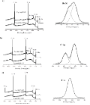
Figure 2: XPS scans after reactions with a) :CBr2; b) :CCl2 and c) :CF2. In each case the upper traces are sc...

Scheme 1: Model reactions of dec-1-ene (1) with dihalocarbenes in the liquid phase. a) and b) NaOH, BTEAC, CHX...

Figure 3: AFM images of 5 μm × 5 μm area of C11-vinyl SAMs modified with a) :CBr2 carbene, RMS 93 pm; b) :CCl2...

Figure 4: The experimental set-up for the dibromo-, dichloro- and difluorocarbene reactions performed on C11-...
Deoxygenative gem-difluoroolefination of carbonyl compounds with (chlorodifluoromethyl)trimethylsilane and triphenylphosphine
- Fei Wang,
- Lingchun Li,
- Chuanfa Ni and
- Jinbo Hu
Beilstein J. Org. Chem. 2014, 10, 344–351, doi:10.3762/bjoc.10.32
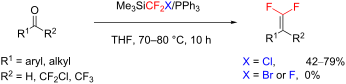
- . Conclusion: Similar to many other Wittig-type gem-difluoroolefination reactions in the presence of PPh3, the reaction of TMSCF2Cl with aldehydes and activated ketones is effective. Keywords: (chlorodifluoromethyl)trimethylsilane; difluorocarbene; gem-difluoroolefin; organo-fluorine; Wittig reaction; ylide
- difluoromethylene phosphonium ylide, which can be generated in situ either by the transformation of a difluorinated phosphonium salt or by the reaction between difluorocarbene (:CF2) and a phosphine (Scheme 1) [19][20][21][22][23][24][25][26]. In 1964, Fuqua and co-workers first reported the difluoromethylenation
- (Ph3P+CF2CO2−) and its application in carbonyl gem-difluoroolefination by Xiao and co-workers [21] finally confirmed the mechanism proposed by Burton and others [19][20]. Burton and co-workers also developed another difluorocarbene-free approach using a 1:2 mixture of CF2Br2 and PPh3 or P(NMe2)3 to

Graphical Abstract

Scheme 1: Various procedures for the generation of difluoromethylene phosphonium ylide [19-25].

Scheme 2: Difluoromethylenation of alkenes and alkynes and difluoromethylation of heteroatom nucleophiles wit...

Scheme 3: Bromo–chloro exchange reaction using AgCl.

Scheme 4: Proposed different reaction pathways of the difluorinated ylide in the presence of TMSCl and TMSBr.

Figure 1: gem-Difluoroolefination of aldehydes. Reactions were performed on 0.5 mmol scale in a pressure tube...

Figure 2: gem-Difluoroolefination of activated ketones. Reactions were performed on 0.5 mmol scale in a press...

Scheme 5: Plausible mechanisms for the formation of difluoromethylene triphenylphosphonium ylide from TMSCF2C...
Aromatic and heterocyclic perfluoroalkyl sulfides. Methods of preparation
- Vladimir N. Boiko
Beilstein J. Org. Chem. 2010, 6, 880–921, doi:10.3762/bjoc.6.88
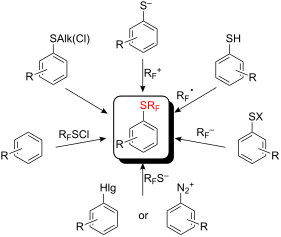
- ) [94]. The compounds shown in Figure 6 have been synthesized by this method. An alternative approach for the generation of CF3SCu involves heating of methyl fluorosulfonyl difluoroacetate in polar aprotic solvents to generate difluorocarbene, which in the presence of CuI and sulfur, forms

Graphical Abstract

Figure 1: Examples of industrial fluorine-containing bio-active molecules.

Figure 2: CF3(S)- and CF3(O)-containing pharmacologically active compounds.

Figure 3: Hypotensive candidates with SRF and SO2RF groups – analogues of Losartan and Nifedipin.

Figure 4: The variety of the pharmacological activity of RFS-substituted compounds.

Figure 5: Recent examples of compounds containing RFS(O)n-groups [12-18].

Scheme 1: Fluorination of ArSCCl3 to corresponding ArSCF3 derivatives. For references see: a[38-43]; b[41,42]; c[43]; d[44]; e[38-43,45-47]; f[38-43,48,49]; g...

Scheme 2: Preparation of aryl pentafluoroethyl sulfides.

Scheme 3: Mild fluorination of the aryl SCF2Br derivatives.

Scheme 4: HF fluorinations of aryl α,α,β-trichloroisobutyl sulfide at various conditions.

Scheme 5: Monofluorination of α,α-dichloromethylene group.

Scheme 6: Electrophilic substitution of phenols with CF3SCl [69].

Scheme 7: Introduction of SCF3 groups into activated phenols [71-74].

Scheme 8: Preparation of tetrakis(SCF3)-4-methoxyphenol [72].

Scheme 9: The interactions of resorcinol and phloroglucinol derivatives with RFSCl.

Scheme 10: Reactions of anilines with CF3SCl.

Scheme 11: Trifluoromethylsulfanylation of anilines with electron-donating groups in the meta position [74].

Scheme 12: Reaction of benzene with CF3SCl/CF3SO3H [77].

Scheme 13: Reactions of trifluoromethyl sulfenyl chloride with aryl magnesium and -mercury substrates.

Scheme 14: Reactions of pyrroles with CF3SCl.

Scheme 15: Trifluoromethylsulfanylation of indole and indolizines.

Scheme 16: Reactions of N-methylpyrrole with CF3SCl [80,82].

Scheme 17: Reactions of furan, thiophene and selenophene with CF3SCl.

Scheme 18: Trifluoromethylsulfanylation of imidazole and thiazole derivatives [83].

Scheme 19: Trifluoromethylsulfanylation of pyridine requires initial hydride reduction.

Scheme 20: Introduction of additional RFS-groups into heterocyclic compounds in the presence of CF3SO3H.

Scheme 21: Introduction of additional RFS-groups into pyrroles [82,87].

Scheme 22: By-products in reactions of pyrroles with CF3SCl [82].

Scheme 23: Reaction of aromatic iodides with CuSCF3 [93,95].

Scheme 24: Reaction of aromatic iodides with RFZCu (Z = S, Se), RF = CF3, C6F5 [93,95,96].

Scheme 25: Side reactions during trifluoromethylsulfanylation of aromatic iodides with CF3SCu [98].

Scheme 26: Reactions with in situ generated CuSCF3.

Scheme 27: Perfluoroalkylthiolation of aryl iodides with bulky RFSCu [105].

Scheme 28: In situ formation and reaction of RFZCu with aryl iodides.

Figure 6: Examples of compounds obtained using in situ generated RFZCu methodology [94].

Scheme 29: Introduction of SCF3 group into aromatics via difluorocarbene.

Scheme 30: Tetrakis(dimethylamino)ethylene dication trifluoromethyl thiolate as a stable reagent for substitut...

Scheme 31: The use of CF2=S/CsF or (CF3S)2C=S/CsF for the introduction of CF3S groups into fluorinated heteroc...

Scheme 32: One-pot synthesis of ArSCF3 from ArX, CCl2=S and KF.

Scheme 33: Reaction of aromatics with CF3S− Kat+ [115].

Scheme 34: Reactions of activated aromatic chlorides with AgSCF3/KI.

Scheme 35: Comparative CuSCF3/KI and Hg(SCF3)2/KI reactions.

Scheme 36: Me3SnTeCF3 – a reagent for the introduction of the TeCF3 group.

Scheme 37: Sandmeyer reactions with CuSCF3.

Scheme 38: Reactions of perfluoroalkyl iodides with alkali and organolithium reagents.

Scheme 39: Perfluoroalkylation with preliminary breaking of the disulfide bond.

Scheme 40: Preparation of RFS-substituted anilines from dinitrodiphenyl disulfides.

Scheme 41: Photochemical trifluoromethylation of 2,4,6-trimercaptochlorobenzene [163].

Scheme 42: Putative process for the formation of B, C and D.

Scheme 43: Trifluoromethylation of 2-mercapto-4-hydroxy-6-trifluoromethylyrimidine [145].

Scheme 44: Deactivation of 2-mercapto-4-hydroxypyrimidines S-centered radicals.

Scheme 45: Perfluoroalkylation of thiolates with CF3Br under UV irradiation.

Scheme 46: Catalytic effect of methylviologen for RF• generation.

Scheme 47: SO2−• catalyzed trifluoromethylation.

Scheme 48: Electrochemical reduction of CF3Br in the presence of SO2 [199,200].

Scheme 49: Participation of SO2 in the oxidation of ArSCF3−•.

Scheme 50: Electron transfer cascade involving SO2 and MV.

Scheme 51: Four stages of the SRN1 mechanism for thiol perfluoroalkylation.

Scheme 52: A double role of MV in the catalysis of RFI reactions with aryl thiols.

Scheme 53: Photochemical reaction of pentafluoroiodobenzene with trifluoromethyl disulfide.

Scheme 54: N- Trifluoromethyl-N-nitrosobenzene sulfonamide – a source of CF3• radicals [212,213].

Scheme 55: Radical trifluoromethylation of organic disulfides with ArSO2N=NCF3.

Scheme 56: Barton’s S-perfluoroalkylation reactions [216].

Scheme 57: Decarboxylation of thiohydroxamic esters in the presence of C6F13I.

Scheme 58: Reactions of thioesters of trifluoroacetic and trifluoromethanesulfonic acids in the presence of ar...

Scheme 59: Perfluoroalkylation of polychloropyridine thiols with xenon perfluorocarboxylates or XeF2 [222,223].

Scheme 60: Interaction of Xe(OCORF)2 with nitroaryl disulfide [227].

Scheme 61: Bi(CF3)3/Cu(OCOCH3)2 trifluoromethylation of thiophenolate [230].

Scheme 62: Reaction of fluorinated carbanions with aryl sulfenyl chlorides.

Scheme 63: Reaction of methyl perfluoromethacrylate with PhSCl in the presence of fluoride.

Scheme 64: Reactions of ArSCN with potassium and magnesium perfluorocarbanions [237].

Scheme 65: Reactions of RFI with TDAE and organic disulfides [239,240].

Scheme 66: Decarboxylation of perfluorocarboxylates in the presence of disulfides [245].

Scheme 67: Organization of a stable form of “CF3−” anion in the DMF.

Scheme 68: Silylated amines in the presence of fluoride can deprotonate fluoroform for reaction with disulfide...

Figure 7: Other examples of aminomethanols [264].

Scheme 69: Trifluoromethylation of diphenyl disulfide with PhSO2CF3/t-BuOK.

Scheme 70: Amides of trifluoromethane sulfinic acid are sources of CF3− anion.

Scheme 71: Trifluoromethylation of various thiols using “hyper-valent” iodine (III) reagent [279].

Scheme 72: Trifluoromethylation of p-nitrothiophenolate with diaryl CF3 sulfonium salts [280].

Scheme 73: Trifluoromethyl transfer from dibenzo (CF3)S-, (CF3)Se- and (CF3)Te-phenium salts to thiolates [283].

Scheme 74: Multi-stage paths for synthesis of dibenzo-CF3-thiophenium salts [61].



